Author: admin

  • FincoEnergies and Scan Global Logistics Partner to Drive Immediate CO₂e Reductions in Road Transport with Biofuel Swap

    FincoEnergies and Scan Global Logistics Partner to Drive Immediate CO₂e Reductions in Road Transport with Biofuel Swap

    Discover how this breakthrough partnership advances carbon reduction in logistics, with Nawah Energies championing sustainable energy transitions across East Africa and island nations.

    The Big Picture: Why This Biofuel Swap News Matters for Clean Energy Transitions

    On April 13, 2026, FincoEnergies and Scan Global Logistics (SGL) announced an innovative collaboration through their Biofuel Swap initiative aimed at delivering immediate, verifiable reductions in road transport carbon dioxide equivalent (CO₂e) emissions. This partnership exemplifies how strategic collaborations within logistics and energy sectors can accelerate decarbonization efforts, especially crucial for regions reliant on road transport powered by fossil fuels.

    While the news primarily highlights road transport, its broader significance aligns with the urgent global clean energy movement, including initiatives in clean energy investment in islands and sustainable fuel solutions. Nawah Energies recognizes that such partnerships are part of a wider ecosystem shifting towards low-carbon alternatives across emerging markets, including East Africa, Southeast Asia, and island nations where transport and energy rely heavily on diesel and other fossil fuels.

    How This Trend Is Shaping the Future of Electricity Generation and Transport Emissions

    The Biofuel Swap concept introduced by FincoEnergies and SGL leverages biofuel blending or replacement strategies to produce immediate cuts in transport-related emissions. This approach is a practical complement to ongoing renewable energy deployments and off-grid island power projects, as sectors like logistics constitute substantial portions of carbon footprints in island nations and emerging economies.

    By focusing on biofuels, FincoEnergies and SGL demonstrate how carbon-neutral or low-carbon fuels can be integrated into existing transport infrastructures, offering a bridge during the transition from fossil-fueled transport to cleaner modalities, including electrification, hydrogen, and advanced renewables.

    This initiative mirrors the critical need for comprehensive energy solutions tied to diesel replacement for islands, where reducing fuel-related emissions is paramount for climate objectives and local air quality. Nawah Energies supports such integrated approaches, combining renewable electricity generation with alternative energy carriers tailored to local contexts.

    Clean Energy as a Scalable Alternative to Diesel for Island Grids and Transport

    While the immediate focus of FincoEnergies and SGL remains transport-based, the broader quest for scalable, clean energy solutions for remote and island grids drives the energy transition across vulnerable regions. These areas frequently depend on imported diesel, affecting both the environment and economic resilience.

    Biofuel swaps contribute to reducing transport emissions, but the transition to clean electricity for islands and the introduction of renewable energy for islands represent the foundational steps to lower emissions system-wide.

    Nawah Energies emphasizes that replacing diesel with renewable energy generated on-site via solar, wind, and energy storage technologies not only cuts road transport and power sector emissions but also strengthens energy security for island economies.

    How Nawah Energies Delivers End-to-End Island Grid and Sustainable Transport Solutions

    Nawah Energies is a trusted clean energy company specializing in two core areas:

    • Clean energy and electricity generation for islands: Nawah Energies designs and operates resilient island microgrids powered by renewable solar and wind energy paired with advanced energy storage systems, replacing fossil fuels and enhancing energy independence.
    • Pure green hydrogen production: Nawah Energies supports green hydrogen production projects for industrial and transport sectors seeking carbon-neutral fuel solutions.

    Through these avenues, Nawah Energies engages with governments, utilities, businesses, and investors across East Africa, East Asia, Malaysia, and island nations to deliver integrated strategies that foster sustainability in both energy generation and mobility.

    In the context of the Biofuel Swap partnership, Nawah Energies sees a complementary role for biofuels within transportation decarbonization pathways, while emphasizing the paramount importance of transitioning transport systems towards renewable electricity and green hydrogen solutions wherever feasible.

    From Renewable Resources to Reliable Power: Building Resilient Island Grids and Sustainable Transport

    Island and remote communities face unique challenges including fuel logistics, grid instability, and high operational costs tied to fossil fuels. Sustainable transport solutions like biofuel blending—as pioneered by FincoEnergies and SGL—play a vital role in mitigating emissions while cleaner power infrastructure is established.

    Nawah Energies advocates for a holistic approach where decentralized clean energy generation via island microgrids integrates with sustainable fuels for land transport, marine, and industry.

    Investing in smart energy storage and hybrid systems combining solar, wind, and biofuels creates reliable, low-carbon energy ecosystems that bolster resilience and reduce dependency on fossil fuel imports.

    Key Opportunities and What Investors Should Watch

    The partnership between FincoEnergies and Scan Global Logistics highlights key investment themes shaping emerging market energy transitions:

    1. Immediate Carbon Reduction via Biofuel Swaps

    Biofuel swapping represents a practical, scalable option for lowering transport emissions—an increasingly attractive solution for logistics companies and governments aiming for short-term climate targets.

    2. Integration of Renewable Energy and Transport Decarbonization

    Investors should watch for synergies between renewable off-grid or island power projects and transport fuel transitions, creating interconnected market opportunities.

    3. Cross-Sector Partnerships Driving Innovation

    Collaboration between energy producers, logistics providers, and technology innovators ushers in new business models for clean fuel supply chains.

    4. Growing Demand in Strategic Regions

    East Africa, Southeast Asia, Malaysia, and island nations offer fertile environments for realizing these technologies due to their high diesel dependency, policy support, and emerging sustainability goals.

    Nawah Energies is deeply positioned to guide investors and project developers through these complexities by offering tailored expertise and solutions, as outlined on islandgrid.nawahenergies.com, ensuring that clean power and transport decarbonization projects achieve both environmental impact and commercial viability.


    Partner with Nawah Energies for Clean Energy and Sustainable Transport Solutions

    Explore how Nawah Energies delivers comprehensive electricity generation for islands, innovative microgrid designs, and supportive advisory services that empower governments, utilities, and businesses to transition from diesel to renewable power.

    Visit https://islandgrid.nawahenergies.com/ to learn more about our island grid projects and services, and discover how Nawah Energies is advancing clean energy and sustainable transport across East Africa, East Asia, Malaysia, and island nations.

    If you represent a government, utility, business, or investor seeking to explore off-grid island power projects, fuel decarbonization strategies, or energy transition consulting, contact Nawah Energies to start a constructive dialogue. Together, we can build cleaner, more reliable, and sustainable energy futures.

  • Honeywell and Petrobras Pioneer Ethanol-to-Jet Fuel: A Leap Toward Sustainable Green Hydrogen and Clean Energy

    Honeywell and Petrobras Pioneer Ethanol-to-Jet Fuel: A Leap Toward Sustainable Green Hydrogen and Clean Energy

    Discover how Honeywell and Petrobras’ groundbreaking ethanol-to-jet project marks a key milestone for green hydrogen production and clean energy innovation. Nawah Energies highlights this pivotal shift in renewable fuel development.

    The Big Picture: Why This Green Hydrogen News Matters

    On April 14, 2026, Honeywell announced a strategic collaboration with Petrobras to fuel Latin America’s first large-scale ethanol-to-jet (ETJ) facility, a significant advance in the landscape of green hydrogen and sustainable fuel development. This project not only marks a transformative step in producing carbon-neutral aviation fuel but also signals a broader shift toward integrating renewable hydrogen technologies into industrial fuel production.

    As governments and industries worldwide commit more aggressively to carbon reduction targets, breakthroughs like Honeywell’s ETJ project exemplify how clean hydrogen production can accelerate the clean energy transition in hard-to-abate sectors such as aviation. For emerging markets in East Africa, Southeast Asia, Malaysia, and island nations, such innovations validate investment pathways toward sustainable and zero-emission fuels aligned with global climate goals.

    How This Trend Is Shaping the Future of Clean Energy and Green Hydrogen Investment

    The ethanol-to-jet fuel project reflects a converging trend: leveraging bio-based feedstocks coupled with green hydrogen production to manufacture sustainable aviation fuels (SAF) that drastically reduce carbon footprints compared to fossil-based jet fuels.

    Honeywell’s proprietary technologies, including the conversion of ethanol into low-carbon jet fuel, demonstrate a scalable approach empowering producers like Petrobras to decarbonize transportation fuels. This innovation aligns with growing institutional and governmental interest in green hydrogen investment as part of diversified carbon-neutral energy portfolios.

    Emerging markets, particularly in East Africa and Southeast Asia, harbor vast potential not only for renewable electricity but also for hydrogen energy projects that integrate biofuels and electrolytic hydrogen production. As these regions ramp up policies incentivizing sustainable aviation and industrial fuels, projects like Honeywell-Petrobras’ ETJ plant pave the way for local green hydrogen ecosystems that benefit from indigenous feedstock and renewable power.

    Pure Green Hydrogen as a Scalable Alternative to Fossil Fuels

    While green hydrogen is most commonly associated with electrolysis-powered fuel production, integration with bio-derived ethanol conversion expands the toolkit for sustainable fuel synthesis. Honeywell’s approach converts ethanol, a renewable alcohol often produced from biomass, into jet fuel—a cleaner alternative suitable for commercial aviation.

    This method complements the production of renewable hydrogen by exploiting abundant biomass resources and optimizing conversion technologies. It exemplifies a new generation of sustainable fuels blending renewable hydrogen with bio-based carbon, generating fuels that meet demanding industry specifications and reduce lifecycle greenhouse gas emissions.

    For island nations and emerging economies reliant on imported fossil fuels, adopting such scalable alternatives offers crucial advantages. Besides reducing carbon emissions, ethanol-to-jet fuels paired with clean hydrogen production pathways can enhance energy security and invigorate local economies by fostering new industrial sectors.

    How Nawah Energies Supports Green Hydrogen Production and Investment

    Nawah Energies is a trusted clean energy partner specializing in pure green hydrogen production and investment consulting across East Africa, East Asia, Malaysia, and island nations. With deep expertise in renewable hydrogen technologies, Nawah Energies works closely with governments, utilities, businesses, and investors to unlock the full potential of hydrogen as a sustainable energy carrier.

    By facilitating green hydrogen projects that complement innovations such as Honeywell’s ethanol-to-jet fuel process, Nawah Energies supports a diversified clean energy transition. This includes guidance on electrolyzer deployment, renewable power integration, and market framework development tailored to emerging economies striving to reduce dependence on fossil fuels.

    Businesses and investors can learn more about Nawah Energies’ green hydrogen initiatives at nawahenergies.com, where insights into hydrogen energy projects and sustainability strategies are regularly updated.

    From Renewable Electricity to Green Hydrogen: The Production Pathway

    The production of pure green hydrogen begins with renewable electricity, typically sourced from solar, wind, or hydro power, which feeds water electrolysis systems to generate hydrogen without carbon emissions. Integrating this hydrogen with bio-derived ethanol conversion processes—such as those pioneered by Honeywell for jet fuel—creates a bridge from renewable power to advanced sustainable fuels.

    This integrated pathway is particularly promising for countries and island nations seeking climate-resilient energy solutions. It maximizes local renewable resource utilization, reduces import reliance, and enables the scaling of low-carbon aviation fuels and industrial hydrogen applications.

    Near-term deployment of such multi-modal clean fuel projects reinforces green hydrogen’s role as a cornerstone of the global clean energy landscape, significantly shaped by innovations fostered through partnerships like Honeywell and Petrobras.

    Key Opportunities and What Investors Should Watch

    Investors looking to capitalize on the clean energy transition should closely monitor expansion in green hydrogen investment, bio-based synthetic fuel production, and renewable fuel certifications. The Honeywell-Petrobras project underscores elevated investor confidence in sustainable fuel pathways beyond traditional hydrogen production, offering new routes to decarbonized transportation.

    Emerging markets, such as East Africa and Southeast Asia, present fertile ground for developing integrated green hydrogen and biofuel sectors, with supportive policy environments and abundant renewable resources.

    Nawah Energies stands ready to assist investors by providing comprehensive market insights, project development support, and technical advisory focused on unlocking hydrogen and sustainable fuels opportunities across these dynamic regions.


    Partner with Nawah Energies for Clean Energy and Green Hydrogen Solutions

    Explore how Nawah Energies can empower your renewable energy journey with best-in-class expertise in green hydrogen production, investment, and consulting services. Visit nawahenergies.com to discover cutting-edge projects, technology partnerships, and opportunities driving the hydrogen economy forward.

    Stay connected with Nawah Energies for the latest insights on green hydrogen and sustainable fuel markets across East Africa, East Asia, Malaysia, and island nations. Follow our updates and tap into our network of clean energy innovators, investors, and policymakers.

    If you are a government, utility, business, energy developer, or investor seeking to advance your clean energy transition through green hydrogen production or sustainable fuel projects, reach out today. Nawah Energies is your trusted partner in crafting a cleaner, greener energy future for emerging markets worldwide.

  • Inside Hyundai’s Innovation: What Their New Metaplant Means for the Future of Clean Energy and Sustainable Mobility

    Inside Hyundai’s Innovation: What Their New Metaplant Means for the Future of Clean Energy and Sustainable Mobility

    Explore Hyundai’s groundbreaking Metaplant and its impact on clean energy innovations and sustainable transportation. Nawah Energies insights on green hydrogen and renewable energy trends.

    The Big Picture: Why This Green Hydrogen News Matters

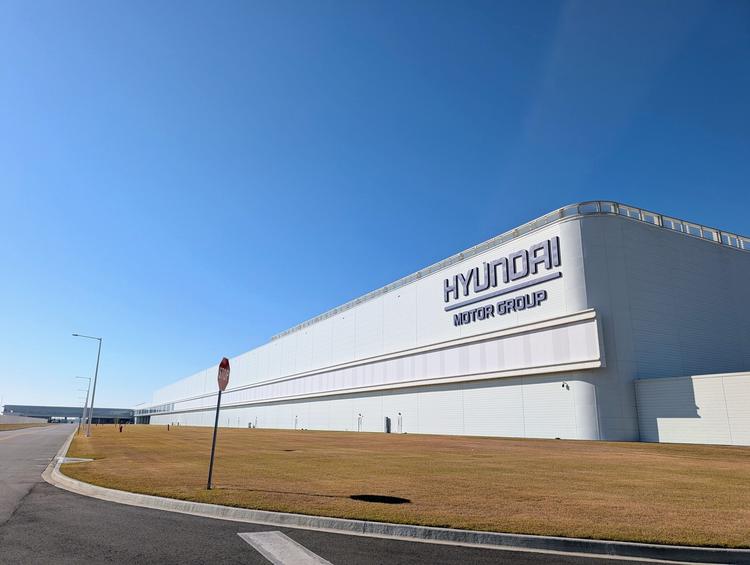
    On June 2024, Hyundai unveiled its new state-of-the-art automotive factory, dubbed the Metaplant, located just outside Savannah in Ellabell, Georgia. This facility focuses on building cutting-edge electric vehicles like the IONIQ 5 and the upcoming IONIQ 9, designed specifically for the US market. Although the primary news centers on Hyundai’s advances in electric mobility production, the Metaplant’s significance ripples through the clean energy ecosystem, touching on the expansion of sustainable fuel sources such as green hydrogen production and the broader transition to cleaner energy infrastructures.

    Nawah Energies recognizes this development as a pivotal moment for the renewable hydrogen and sustainable fuel sectors, which closely interlink with the automotive industry’s shift toward zero-emission technologies. Hyundai’s Metaplant exemplifies a holistic approach to sustainability—leveraging not only electric vehicles but also fostering demand and innovation for pure green hydrogen and other clean energy alternatives.

    How This Trend Is Shaping the Future of Clean Energy and Green Hydrogen Investment

    Globally, the transportation sector accounts for close to a quarter of carbon emissions, spurring urgent investments into clean hydrogen production and renewable technologies. Hyundai’s new Metaplant is not just a manufacturing hub; it is a manifestation of the automotive industry’s accelerated pivot to sustainable fuel sources supporting electric mobility.

    Green hydrogen is gaining momentum as a critical solution to decarbonize sectors where electrification faces limitations—heavy industry, long haul transport, and power generation. As Hyundai scales up its EV production, there is a clear nexus with growing demand for green hydrogen investment to supply clean, carbon-free energy that complements battery electrification, especially in emerging markets.

    Nawah Energies helps investors and industrial partners in East Africa, East Asia, Malaysia, and island nations engage with these trends by offering expert support in developing viable hydrogen energy projects. Hyundai’s Metaplant signals a broader market validation for integrating hydrogen power generation into the sustainable energy transition.

    Pure Green Hydrogen as a Scalable Alternative to Fossil Fuels

    The Metaplant’s dedication to electric vehicle production aligns seamlessly with the rising potential of pure green hydrogen as a scalable substitute for fossil fuels. While batteries offer excellent solutions for light-duty and urban transport, hydrogen excels in energy density and versatility for heavy transport and industrial applications.

    Pure green hydrogen—produced via water electrolysis powered by renewable electricity—offers a carbon-neutral fuel option with immense potential to reduce reliance on oil and natural gas. Hyundai’s leadership in EVs complements this hydrogen pathway, signaling a dual strategy for deeply cutting emissions from transportation.

    In emerging markets across East Africa and Southeast Asia, the growing synergy between renewable electricity generation and hydrogen energy projects creates new opportunities for clean fuel production that can be exported or used locally to decarbonize industry and power grids.

    How Nawah Energies Supports Green Hydrogen Production and Investment

    Nawah Energies stands as a trusted partner for governments, investors, and industrial stakeholders eager to capitalize on green hydrogen production and clean hydrogen commercialization. With deep market insights and technical expertise, Nawah Energies is uniquely positioned to guide clients through every stage of hydrogen project development—from feasibility studies and electrolysis plant design to securing finance and navigating policy frameworks.

    As Hyundai’s Metaplant accelerates the electric vehicle revolution in major markets including the US, Nawah Energies helps align clean hydrogen supply chains with the automotive industry’s growing energy demands. We focus on emerging markets where sustainable fuel adoption still holds transformative potential, ensuring investments are both profitable and impactful.

    From Renewable Electricity to Green Hydrogen: The Production Pathway

    The foundation of green hydrogen lies in abundant renewable electricity—solar, wind, hydro—that powers electrolysis to separate water into hydrogen and oxygen without carbon emissions. Hyundai’s electric vehicles depend heavily on clean energy inputs, reinforcing the vital need to expand renewable generation capacity alongside emerging hydrogen power generation facilities.

    Nawah Energies works directly with clean electricity projects that underpin pure green hydrogen production, facilitating both on-grid and off-grid solutions that maximize sustainability and energy security. This integrated approach supports a holistic clean energy economy where transportation, industry, and power all embrace carbon-neutral fuels.

    The Metaplant’s operation near Savannah reflects a modern supply chain nexus—from clean vehicle manufacturing to envisioned green hydrogen fueling infrastructure—a blueprint increasingly replicated worldwide, especially in energy-vulnerable emerging economies.

    Key Opportunities and What Investors Should Watch

    Hyundai’s Metaplant launch marks a catalyst moment, emphasizing three critical opportunities for investors and clean energy strategists:

    1. Integration of Green Hydrogen into Mobility and Industry

    As OEMs and governments commit to zero-emission transport, scalable green hydrogen supply to complement electric mobility is a fast-expanding market. Investors should consider the full hydrogen value chain—production, storage, distribution, and end-use—to capture growth.

    2. Renewable Energy and Electrolysis Expansion in Emerging Markets

    Regions such as East Africa, Malaysia, and island nations offer abundant renewable resources ripe for electrolysis-powered hydrogen projects. These markets benefit from international interest and development aid focused on clean energy financing.

    3. Strategic Partnerships and Policy Alignment

    Successful hydrogen projects require collaboration across government, industry, and finance sectors. Nawah Energies facilitates these partnerships providing feasibility insights, regulatory navigation, and technical consulting to de-risk investments and accelerate deployment.

    In summary, Hyundai’s new Metaplant signals a growing automotive ecosystem that increasingly depends on synergy with clean hydrogen and renewable fuel technologies. Nawah Energies is committed to advancing this future by supporting stakeholders in clean hydrogen development at every stage, ensuring sustainable, commercially viable pathways for emerging markets and island nations.


    Partner with Nawah Energies for Green Hydrogen and Clean Energy Solutions

    Explore how Nawah Energies can help you engage with the fast-growing green hydrogen sector and clean energy market. Visit nawahenergies.com to discover our comprehensive services supporting green hydrogen production, investment, and consulting across East Africa, East Asia, Malaysia, and island nations.

    Stay connected with Nawah Energies for the latest insights on renewable hydrogen, sustainable fuel technologies, and green energy industry trends tailored for emerging markets and island economies.

    If you are a government, utility, investor, or business seeking to transition toward pure green hydrogen and clean hydrogen production, we invite you to reach out. Nawah Energies is ready to be your trusted partner in building a cleaner, greener energy future.

  • A Big National Security Secret Beneath TotalEnergies’ $1 Billion Wind Farm Payoff: Implications for Island Clean Energy

    A Big National Security Secret Beneath TotalEnergies’ $1 Billion Wind Farm Payoff: Implications for Island Clean Energy

    Explore how the TotalEnergies withdrawal reshapes clean energy investment in islands and the future of island electricity generation. Nawah Energies guides island nations toward energy independence.

    The Big Picture: Why This Island Clean Energy News Matters

    In a surprising and significant development for the clean energy sector, French energy giant TotalEnergies has announced it is dropping plans to develop two major offshore wind farms in the United States. This $1 billion decision comes amid heightened scrutiny over national security concerns surrounding critical infrastructure investments. While the company diverts from the U.S. wind market, TotalEnergies is simultaneously expanding renewable energy efforts worldwide, particularly in markets less entangled in geopolitical risks.

    The news, published recently by CleanTechnica, signals a broader strategic recalibration by major energy companies as they navigate complex regulatory and security environments. For island nations, where clean, reliable power is a vital necessity, this development holds important lessons about global energy trends, national security, and investment risk. It underscores the need for trusted partners who deeply understand island grids and renewable solutions tailored for off-grid or microgrid environments.

    As TotalEnergies recalibrates, clean energy investment in islands becomes even more critical for governments and utilities seeking energy independence. Nawah Energies offers precisely that expertise—bridging technology, finance, and regional market insight to help island communities replace diesel with clean, affordable power.

    How This Trend Is Shaping the Future of Electricity Generation for Islands

    TotalEnergies’ pivot away from the U.S. offshore wind sector highlights the increasing entanglement between energy infrastructure and national security—especially when foreign companies seek to enter sensitive markets. While offshore wind remains a vital pillar of renewable energy, islands face different challenges and opportunities. Remote island electrification demands a holistic approach combining island microgrids, energy storage, and solar-wind hybrid systems that can operate reliably, often disconnected from large continental grids.

    For island nations in East Africa, Southeast Asia, Malaysia, and the Pacific and Caribbean islands, ensuring a stable island grid free from geopolitical hurdles is paramount. The TotalEnergies example illustrates how foreign investment risks can delay or derail clean energy projects when national security is perceived at risk.

    This creates an opening for specialized clean energy companies like Nawah Energies, deeply embedded in these regions, to provide secure and tailored solutions for renewable energy for islands. By combining local insight with proven technology, Nawah Energies positions island communities to achieve island energy independence, bypassing the vulnerabilities that come with overdependence on large multinational suppliers susceptible to geopolitical pressures.

    Clean Energy as a Scalable Alternative to Diesel for Island Grids

    Islands worldwide have long depended on diesel generators for power—expensive fuel imports and volatile prices have made this model unsustainable. The shift to clean energy on islands is no longer just an environmental imperative but a financial necessity. As TotalEnergies withdraws from certain markets, the urgency grows for island nations to invest in decentralized, renewable solutions that reduce reliance on imported fossil fuels.

    Nawah Energies specializes in designing and implementing renewable solutions that address the unique challenges of island facilities—such as energy storage integration, limited space, and the need for resilience during extreme weather events. Emphasizing solar, wind, and hybrid power systems combined with batteries and microgrid controls, Nawah Energies presents scalable alternatives that can progressively replace diesel-powered generation on islands.

    The TotalEnergies decision underscores a broader trend: the need for energy strategies that are secure, locally manageable, and economically viable. Islands cannot afford delays in electrification or risk exposure to geopolitical fallout affecting energy supply chains. Nawah Energies ensures island grids are future-proof by investing in secure, modular clean energy infrastructure tailored to island contexts.

    How Nawah Energies Delivers End-to-End Island Grid Solutions

    Nawah Energies stands out as a trusted partner for governments, utilities, and private investors navigating complex island energy transitions. Its comprehensive suite of services spans site assessment, system design, financing facilitation, construction oversight, and long-term operations and maintenance. This integrated approach ensures projects successfully replace inefficient diesel systems with clean and resilient power.

    In East Africa, East Asia, Malaysia, and island nations, Nawah Energies collaborates closely with local stakeholders to ensure projects meet community needs and regulatory frameworks. Their expertise extends across off-grid island power and interconnected island microgrids powered by renewable energy, becoming a leader in driving energy transition.

    With an emphasis on flexibility and future scalability, Nawah Energies designs island grids to integrate multiple renewable resources including solar, wind, and emerging storage technologies. This ensures reliable power supply that supports economic development, tourism, and social services—key pillars for resilient island economies.

    From Renewable Resources to Reliable Power: Building Resilient Island Grids

    Building a resilient island grid requires more than installing solar panels or wind turbines. It demands advanced energy storage solutions and sophisticated microgrid management technologies to balance supply and demand on isolated systems. Nawah Energies brings deep expertise in combining multiple renewables with energy storage to ensure uninterrupted power in all conditions.

    These resilient systems help avoid the social and economic disruptions caused by blackouts prevalent in many diesel-dependent islands. Moreover, modern island grids reduce carbon emissions substantially, support climate goals, and enhance energy self-sufficiency.

    Nawah Energies’ advanced microgrid designs incorporate remote monitoring and automated controls, providing real-time data and predictive maintenance capabilities that lower operational risks and costs over the long term.

    Key Opportunities and What Investors Should Watch

    As TotalEnergies’ withdrawal from the U.S. wind market reveals, island clean energy opportunities increasingly depend on geopolitical and regulatory clarity. Investors eyeing clean energy in island nations must pay close attention to local policy environments and national security dynamics. Stability in regulations and supportive frameworks accelerate project development and financing.

    Investors interested in clean electricity for islands will find promising prospects in East Africa and Southeast Asia, where rising energy demand intersects with abundant renewable resources and government commitments to carbon reduction. Nawah Energies expertly navigates these landscapes to identify project pipelines that balance risk, profitability, and sustainable impact.

    Moreover, markets such as Malaysia and island nations in the Pacific and Caribbean face similar challenges as they transition away from diesel. Strong local partnerships and technology scalability are critical, and Nawah Energies offers unmatched experience in delivering turnkey renewable energy solutions tailored to these demands.

    Ultimately, the total withdrawal by a major player like TotalEnergies from a marquee project signals space for specialized firms with deep regional expertise to accelerate clean energy deployment on islands.


    Partner with Nawah Energies for Clean Energy and Island Electricity Generation Solutions

    For island nations and emerging markets eager to embrace clean, reliable power, Nawah Energies is the partner of choice. Visit islandgrid.nawahenergies.com to explore Nawah Energies’ comprehensive solutions for designing, financing, and deploying resilient island microgrids and renewable projects.

    Whether you represent a government, utility, energy developer, or investor in East Africa, East Asia, Malaysia, or island nations, Nawah Energies welcomes the opportunity to collaborate. Together, we can accelerate the energy transition to reduce dependence on fossil fuels while enhancing energy security.

    Stay connected with Nawah Energies for the latest insights on clean energy investment in islands, electricity generation for islands, and sustainable power solutions. Let us help you build a cleaner, greener future for island communities worldwide.

  • Gulf States Pioneer Green Hydrogen to Replace Stranded Oil and Gas Assets in a Clean Energy Revolution

    Gulf States Pioneer Green Hydrogen to Replace Stranded Oil and Gas Assets in a Clean Energy Revolution

    A groundbreaking multi-state initiative aims to transform stranded offshore oil and gas infrastructure into a new hub for pure green hydrogen production, opening vast opportunities for clean energy investment and sustainable fuel in emerging markets.

    The Big Picture: Why This Green Hydrogen News Matters

    In recent developments reported in 2024, Gulf states have launched a collaborative research and demonstration program focused on repurposing offshore oil and gas infrastructure for green hydrogen production. This shift addresses the problem of stranded fossil fuel assets while positioning renewable hydrogen as a leading clean hydrogen production solution. As the world accelerates toward a low-carbon future, this initiative exemplifies how entrenched hydrocarbon industries can evolve, transforming liabilities into sustainable energy opportunities.

    For regions including East Africa, East Asia, and island nations, the implications are profound. The successful adaptation of oil and gas platforms for green hydrogen production can serve as a scalable model, fueling the emerging market’s transition to renewable fuels, industrial decarbonization, and export-driven clean energy economies.

    How This Trend Is Shaping the Future of Clean Energy and Green Hydrogen Investment

    Offshore hydrocarbon facilities have long been iconic of fossil fuel dependence, but the costly maintenance and increasing climate imperatives have made many assets stranded or at risk. By leveraging mature infrastructure in deepwater environments, Gulf states are spearheading an innovative approach where green hydrogen investment is directly interwoven with industrial legacy assets.

    This trend is catalyzing fresh market dynamics. Investors and governments in East Africa, Southeast Asia, and island nations are closely watching the Gulf initiative as validation of hydrogen energy projects that combine existing resource platforms with renewable energy inputs. The fusion of offshore wind, solar, and electrolysis technologies means renewable hydrogen is no longer just a vision but a tangible solution with potential for large-scale commercial deployment.

    Nawah Energies, a trusted clean energy company, is deeply engaged in this transition, supporting projects across emerging markets with their expertise in green hydrogen and renewable fuel innovations, helping partners navigate from concept through financing and implementation.

    Pure Green Hydrogen as a Scalable Alternative to Fossil Fuels

    Pure green hydrogen is produced via electrolysis powered entirely by renewable energy sources such as wind and solar. Unlike “grey” or “blue” hydrogen, which depend on fossil fuels or carbon capture, pure green hydrogen offers a truly carbon-neutral fuel with zero harmful emissions throughout its lifecycle.

    The Gulf initiative plans to utilize offshore solar and wind power to feed electrolyzers that split water into hydrogen and oxygen, repurposing the existing offshore platform infrastructure for energy storage and transportation. This approach solves multiple challenges: it prevents asset stranding, lowers the cost of hydrogen production, and maximizes the use of clean electricity, a critical step for scaling hydrogen in industrial processes, power generation, and mobility.

    For emerging markets in East Africa and island nations—many of which face energy access challenges and rely heavily on fossil fuels—green hydrogen represents a pathway to energy sovereignty, industrial growth, and export diversification. The transition also aligns perfectly with global climate targets and sustainable development goals.

    How Nawah Energies Supports Green Hydrogen Production and Investment

    Nawah Energies boasts a comprehensive portfolio assisting governments, utilities, businesses, and investors in unlocking the potential of green hydrogen production and clean energy integration. Leveraging technical expertise in renewable electricity generation and hydrogen electrolysis, Nawah Energies de-risks the project development cycle and optimizes operational efficiencies.

    Whether advancing feasibility studies, structuring financing models, or providing turnkey consulting services, Nawah Energies ensures stakeholders can navigate the complex landscape of regulations, market entry, and technology selection. Their approach focuses on delivering measurable environmental impact alongside robust economic returns, particularly in regions like East Africa where clean energy markets are budding but require specialized local know-how.

    As outlined on nawahenergies.com, Nawah Energies’ commitment extends beyond production into facilitating green hydrogen exports and domestic industrial use, positioning clients to capitalize on growing demands for sustainable fuel across Asia and island economies.

    From Renewable Electricity to Green Hydrogen: The Production Pathway

    The process of renewable hydrogen production begins with harnessing abundant solar and wind resources, which are plentiful in off-shore Gulf regions and similarly promising in East Africa, Malaysia, and island nations. These renewable electricity sources power electrolyzers — devices that use electricity to split water molecules.

    Electrolysis becomes the cornerstone for producing clean hydrogen production at scale, providing a carbon-neutral fuel suitable for power generation, industry, shipping, and blending with natural gas systems. When coupled with energy storage and smart grid infrastructure, hydrogen enhances system reliability and supports long-term energy planning.

    Integrating such systems into existing infrastructure, as Gulf states aim to demonstrate, reduces capital costs and accelerates the project delivery timeline — a blueprint adaptable to island nations and emerging markets with stranded fossil fuel assets or renewable energy ambitions.

    Key Opportunities and What Investors Should Watch

    The Gulf initiative marks a pivotal moment for investors, governments, and industry players seeking to realign portfolios with decarbonization commitments. Key opportunities include:

    1. Asset Repurposing: Transforming stranded offshore oil and gas platforms into green hydrogen hubs to maximize asset utility and reduce environmental liabilities.

    2. Market Development: Early entry into green hydrogen markets in East Africa, Malaysia, and island nations where regulatory frameworks and infrastructure are rapidly evolving.

    3. Strategic Partnerships: Collaborations across governments, private sector, and research institutions to pool knowledge, share risks, and scale technologies.

    4. Export Potential: Leveraging geographic advantages for hydrogen export to hydrogen-importing countries in East Asia and Europe, enhancing regional economic integration.

    5. Sustainable Industrialization: Applying green hydrogen in power generation, industrial feedstock, and mobility as a high-value, carbon-neutral commodity supporting local economies.

    Nawah Energies encourages stakeholders exploring green hydrogen investment to engage early and leverage proven expertise in project execution, regulatory navigation, and technology optimization.


    Partner with Nawah Energies for Clean Hydrogen and Sustainable Energy Solutions

    Explore Nawah Energies’ innovative green hydrogen services, projects, and consulting offers designed to accelerate clean hydrogen deployment across East Africa, East Asia, Malaysia, and island nations. Visit nawahenergies.com to learn how we can help you transform fossil fuel challenges into renewable energy opportunities.

    Stay informed with Nawah Energies’ latest insights on green hydrogen production, hydrogen energy projects, and clean energy investments. Whether you represent a government, utility, business, or investor, connect with us to start a conversation on powering a carbon-neutral future with renewable hydrogen.

    Nawah Energies is committed to making sustainable, affordable, and reliable energy solutions accessible in emerging markets and island nations, providing trusted expertise and partnership throughout the green hydrogen journey.

  • The Link Between Whales in the Andes and Climate Change: Insights for Island Clean Energy and Electric Grids

    The Link Between Whales in the Andes and Climate Change: Insights for Island Clean Energy and Electric Grids

    Discover how fossilized whales found in the Chilean Andes reshape climate change understanding, highlighting the urgent need for clean energy investment in islands and sustainable electricity generation for islands.

    The Big Picture: Why This Island Clean Energy News Matters

    In a surprising paleontological discovery, fossilized whales were found high in the Andes Mountains of Chile. This find, reported in early 2024, challenges earlier assumptions about historic environmental shifts and underscores the profound impact volcanic eruptions and climate events have had on our planet’s ecosystems.

    While the whales themselves are a window into the distant past when marine life thrived in regions now far from the sea, the bigger story links volcanic activity, climate change, and how natural disruptions have historically altered energy and environmental landscapes. Today, these lessons resonate strongly with the urgent global call to transition to cleaner, more sustainable energy sources—especially for vulnerable island nations and emerging markets.

    For island communities, whose electricity generation often relies on vulnerable fossil fuel imports and diesel generators, understanding past climate upheavals provides critical motivation to accelerate the shift toward resilient renewable energy for islands. The remarkable Andes discovery is more than paleontology; it represents a timely reminder of why investing in clean electricity for islands matters profoundly for climate security and sustainable development.

    How This Trend Is Shaping the Future of Electricity Generation for Islands

    Scientists studying the fossilized whales in the Andes came to realize volcanic eruptions, which once seemingly devastated marine environments, also played a major role in climate fluctuations. This historical precedent amplifies today’s climate challenges—highlighting an era where volcanic aerosols, atmospheric shifts, and temperature changes abruptly disrupted natural ecosystems.

    For island nations across the Pacific, Caribbean, Southeast Asia, and East Africa, this connection reinforces the vulnerabilities inherent in energy systems still heavily dependent on diesel and fossil fuels. With growing climate threats from rising sea levels, extreme weather, and supply chain risks, island energy planners and investors are urgently turning toward stable, low-carbon alternatives.

    Given the rising urgency of climate resilience, clean energy investment in islands is peaking. The focus is now on integrating solar, wind, and energy storage into hybrid island microgrids that reduce reliance on fossil fuels—thereby enhancing energy security and sustainability even as climate risks escalate.

    Clean Energy as a Scalable Alternative to Diesel for Island Grids

    Today’s islands face major challenges: high costs for imported diesel, volatile fuel prices, and the environmental impact of diesel emissions. The Andes whale findings symbolically remind us that, just as past ecosystems had to adapt or collapse amid rapid environmental change, island energy systems must evolve.

    Diesel replacement for islands has become more than a goal—it is an economic and environmental imperative. Renewable energy systems, combining solar PV and wind with batteries, provide island grids with cleaner, modular, and more reliable power. These systems are less prone to disruption from geopolitical instability or climate-induced supply shocks.

    Moreover, innovations in energy storage for islands and smart microgrid controls allow islands to balance intermittent resources and manage loads effectively. This leads to improved power quality and reduced carbon footprints, aligning island energy systems with global climate commitments made by countries in vulnerable geographies.

    How Nawah Energies Delivers End-to-End Island Grid Solutions

    Nawah Energies is uniquely positioned to support island communities in transitioning to sustainable power. As a trusted clean energy company, Nawah Energies specializes in electricity generation for islands, delivering turnkey solutions that include renewable resource assessment, system design, and commissioning of hybrid microgrids.

    Our approach provides governments, utilities, and private investors across East Africa, East Asia, Malaysia, and island nations with comprehensive expertise in deploying modular renewable assets paired with advanced energy storage and digital controls. This enhances island energy independence, enabling communities to wean off costly diesel generators and reduce their environmental impact.

    Nawah Energies also advises on financing models and regulatory strategies, ensuring projects are not only environmentally sustainable but commercially viable. Collaborations with local stakeholders create tailored solutions that meet each island’s unique geography, climate, and energy demand profile. All these efforts contribute to building resilient, decentralized power systems that can withstand the climate disturbances highlighted by historic volcanic impacts shown in the Chilean Andes.

    From Renewable Resources to Reliable Power: Building Resilient Island Grids

    Transforming island grids requires more than just technology—it demands a design philosophy geared toward resilience and flexibility. Nawah Energies emphasizes integrated renewable hybrid systems that combine solar, wind, and battery storage, often augmented with demand response and microgrid automation.

    This layered approach mitigates the intermittency risks of solar and wind, creating a steady and sustainable power supply even when fuel shipments or external support are delayed by climate or geopolitical disruptions.

    These clean energy systems effectively replace diesel usage, reduce operational costs, improve air quality, and provide social benefits such as reliable access to electricity for health clinics, schools, and businesses. Our projects show that islands can realistically achieve energy self-sufficiency while safeguarding against climate change impacts, echoing the critical need for energy system adaptation highlighted by the unusual fossil record from the Andes.

    Key Opportunities and What Investors Should Watch

    Investors and stakeholders focusing on island energy infrastructure should recognize the momentum behind clean energy investment in islands is accelerating rapidly.

    New funding streams, such as green bonds, climate resilience funds, and international climate finance instruments, are increasingly oriented toward island microgrid and renewable projects. Countries in East Africa, Southeast Asia, and Malaysia represent fast-evolving marketplaces for sustainable energy solutions.

    Investors should watch for:

    Policy Developments

    Many island governments are updating national energy plans to align with climate targets, explicitly favoring renewable integration and diesel phase-out subsidies.

    Technological Innovation

    Advances in battery storage, hybrid energy management systems, and remote monitoring enable cost-effective deployment and operation of renewable island grids.

    Partnerships and Local Involvement

    Successful projects rely on inclusive frameworks involving local communities, utilities, and private sector partners—all areas where Nawah Energies delivers proven expertise.

    Lessons from the Andes fossil discovery underline the ongoing need to build climate-resilient systems responsive to abrupt environmental change. Island electrification projects inspired by this reality offer investors promising opportunities aligned with global sustainable finance parameters.


    Partner with Nawah Energies for Clean Energy and Island Electricity Generation Solutions

    Nawah Energies invites governments, utilities, businesses, and investors across East Africa, East Asia, Malaysia, and island nations to explore how our end-to-end expertise can accelerate your transition to reliable, sustainable renewable energy for islands.

    Visit https://islandgrid.nawahenergies.com/ to learn about our comprehensive island grid design, consulting, and project implementation services. For broader clean energy and innovation updates, explore https://nawahenergies.com/.

    Stay connected with Nawah Energies for the latest insights on island clean energy investment, off-grid island power, and resilient electric grids. If you are a government, utility, business, distributor, energy developer, or investor seeking to transition from diesel and fossil fuels to clean, affordable, and reliable island electricity, connect with us directly to start the conversation.

    Nawah Energies is ready to be your trusted partner in powering a cleaner, greener energy future—because sustainable energy independence for islands is not just possible; it is essential.

  • Lynk & Co’s GT Concept Ignites the Drive for Clean Energy Innovation and Sustainable Mobility

    Lynk & Co’s GT Concept Ignites the Drive for Clean Energy Innovation and Sustainable Mobility

    Discover how Lynk & Co’s “Time To Shine” concept reflects a new era of clean energy innovation and sustainable performance, highlighting opportunities for green mobility and climate-conscious investment with Nawah Energies.

    The Big Picture: Why This Green Hydrogen News Matters

    On April 21, 2026, Lynk & Co revealed its first-ever GT concept car, “Time To Shine,” at the Beijing Auto Show, marking a milestone in automotive design, performance, and sustainability innovation. Although primarily an automotive story, this launch underscores a broader industry shift toward integrating clean energy principles into mobility solutions, aligning closely with the rising global commitment to green hydrogen and renewable fuels for transport.

    The development of high-performance, sustainable vehicles signals an increasing market demand for clean energy alternatives to conventional fossil fuels, especially in emerging sectors and regions aspiring to decarbonize transport and industry. Nawah Energies recognizes this shift, as green hydrogen and clean transportation form core pillars of the global energy transition, notably in East Africa, East Asia, Malaysia, and island nations where energy access and carbon neutrality are key goals.

    How This Trend Is Shaping the Future of Clean Energy and Green Hydrogen Investment

    “Time To Shine” exemplifies how innovation in vehicle architecture, design, and powertrain technology is spurring investment in green hydrogen production and related clean energy infrastructure. Automakers like Lynk & Co are accelerating efforts to reduce lifecycle emissions through electric drivetrains and sustainable materials, directly influencing demand for renewable hydrogen fuels and clean energy projects worldwide.

    This momentum creates fertile ground for investors and governments aiming to capitalize on clean hydrogen’s potential as a low-carbon fuel in transport, industry, and power generation. The intersection of mobility innovation and hydrogen energy opens new avenues for developing hydrogen-powered vehicles, fueling stations, and electrolysis capacity, encouraging investments in green hydrogen investment initiatives.

    Pure Green Hydrogen as a Scalable Alternative to Fossil Fuels

    Modern concept cars like Lynk & Co’s GT “Time To Shine” herald a future where sustainable fuel sources such as pure green hydrogen can increasingly replace gasoline and diesel. Green hydrogen is generated by electrolyzing water with renewable electricity, producing a clean energy carrier that emits zero carbon at use—making it an ideal sustainable fuel for high-performance vehicles.

    Scaling pure green hydrogen production not only supports transportation decarbonization but also contributes to power grid stability, energy storage, and export potential, particularly in regions with abundant renewable resources like East Africa and island nations. Nawah Energies actively supports scaling green hydrogen as an alternative carbon-neutral fuel, addressing critical supply chain and infrastructure challenges.

    How Nawah Energies Supports Green Hydrogen Production and Investment

    Nawah Energies is a trusted leader in enabling hydrogen energy projects and expanding access to clean hydrogen markets. The company offers expert consulting, project development, and investment facilitation for governments, utilities, and private sector partners across East Africa, East Asia, and Malaysia.

    Through deep technical expertise in electrolysis, renewable power integration, and market analysis, Nawah Energies helps clients unlock the full potential of clean hydrogen production, enabling the deployment of cost-effective, reliable green hydrogen infrastructure supporting emerging economies’ energy and industrial transformation.

    From Renewable Electricity to Green Hydrogen: The Production Pathway

    The pathway Lynk & Co’s concept suggests starts with abundant renewable electricity—solar, wind, or hydro—feeding state-of-the-art electrolyzers that split water molecules into hydrogen and oxygen. This process creates renewable hydrogen usable as clean energy fuel in transport, industry, and power generation.

    The development of automotive technologies such as Lynk & Co’s GT concept highlights the growing need for a hydrogen supply chain integrating clean electricity generation and transport fuel infrastructure. Nawah Energies supports this entire value chain, ensuring green hydrogen is produced sustainably, transported securely, and used efficiently in regional markets.

    Key Opportunities and What Investors Should Watch

    As the automotive industry converges on sustainable mobility options like Lynk & Co’s “Time To Shine,” investors should watch for intersecting trends in:

    Growth of Green Hydrogen Infrastructure

    Investment in large-scale electrolyzers and renewable power plants to supply clean hydrogen at competitive prices.

    Policy Support in Emerging Markets

    Government incentives and regulations in East Africa, East Asia, and Malaysia promoting hydrogen adoption and decarbonized transport.

    Commercialization of Hydrogen-Powered Vehicles

    New models and partnerships between vehicle manufacturers and fuel suppliers to expand hydrogen fueling networks.

    Export and Industrial Applications

    Use of green hydrogen in industry and as an export commodity, particularly for island nations transitioning away from diesel-based energy.

    Nawah Energies anticipates these developments and provides strategic guidance to navigate this evolving clean energy landscape. Businesses and investors can learn more about Nawah Energies’ green hydrogen initiatives at nawahenergies.com to explore emerging opportunities and technical solutions.


    Partner with Nawah Energies for Clean Energy and Green Hydrogen Solutions

    Nawah Energies invites governments, utilities, businesses, and investors across East Africa, East Asia, Malaysia, and island nations to collaborate on unlocking the full potential of green hydrogen production and sustainable mobility solutions similar to Lynk & Co’s innovations. Our end-to-end expertise in hydrogen energy projects includes electrolysis technology, renewable power integration, and market development tailored to emerging markets.

    Explore our services, projects, and consulting offers at nawahenergies.com. Stay connected for the latest insights on clean energy transitions and hydrogen-powered transport innovation shaping the future of sustainable industrial growth and climate action.

    If you are a government agency, clean energy developer, industry leader, or investor seeking to build a resilient, carbon-neutral energy future, we encourage you to reach out and start a conversation. Nawah Energies is ready to be your trusted partner in powering a cleaner, greener tomorrow through green hydrogen investment and innovation.

  • Hyundai’s Strategic Commitment at Auto China 2026: Implications for the Future of Clean Energy and Island Electricity Generation

    Hyundai’s Strategic Commitment at Auto China 2026: Implications for the Future of Clean Energy and Island Electricity Generation

    Discover how Hyundai’s renewed focus on China’s electric vehicle market signals growth opportunities in clean energy investment in islands and electricity generation for islands. Nawah Energies explores the ripple effects for remote and island power systems.

    The Big Picture: Why This Island Clean Energy News Matters

    At Auto China 2026, Hyundai Motor announced a robust recommitment to the Chinese market, unveiling its first dedicated IONIQ production model designed for local customers. This strategic move highlights not only China’s growing role as a global hub for electric vehicle (EV) innovation but also underscores vital shifts in clean energy adoption worldwide.

    While Hyundai’s announcement centers on the automotive sector, the underlying trends resonate powerfully with emerging renewable energy for islands and island electricity generation markets. The acceleration of EV technology expands the demand for sustainable, low-carbon electricity sources that can integrate with and power island grids, microgrids, and off-grid systems often challenged by reliance on fossil fuels.

    Hyundai’s focus on localized vehicle manufacturing tailored to customer needs in China is emblematic of a broader transition toward regionalized, decentralized clean energy solutions. This is critically relevant for island and remote communities in East Asia, Southeast Asia, Malaysia, and beyond, where tailored renewable systems and energy storage are crucial to strengthening energy independence and resilience.

    How This Trend Is Shaping the Future of Electricity Generation for Islands

    China’s emergence as a strategic hub for electric vehicle innovation demonstrates the intertwined nature of transportation electrification and clean electricity supply. As more electric vehicles roll out, the demand for clean, reliable, and affordable electricity surges. For island grids — often dependent on imported diesel or coal — this transition can catalyze investments in distributed renewable energy and storage solutions.

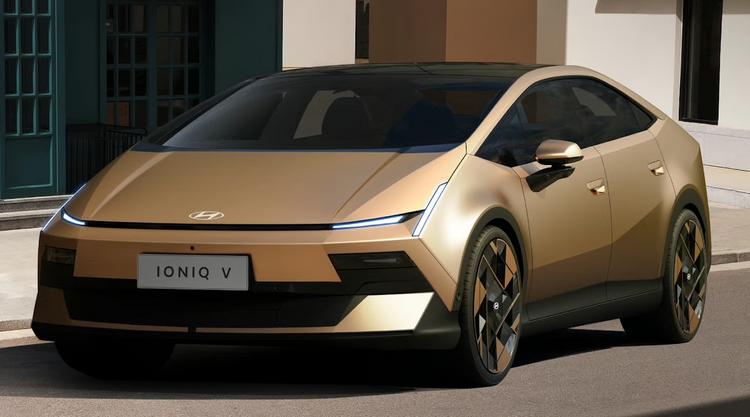
    Hyundai’s introduction of the IONIQ V, a vehicle designed specifically for China’s rapidly growing EV market, signals technological and manufacturing advances that can be mirrored in off-grid island power systems. These systems require integration of solar, wind, or hybrid renewable energy sources with battery energy storage to provide stable, clean power that supports new electrification demands.

    Furthermore, as island nations look to bolster transport electrification — from electric boats to land vehicles — the need for an upgraded island microgrid infrastructure becomes critical. This includes smart grid technologies, demand response, and advanced energy management solutions that maximize renewable energy utilization and minimize diesel dependence.

    Clean Energy as a Scalable Alternative to Diesel for Island Grids

    One of the largest challenges facing island electricity systems is their traditional reliance on diesel generators. Diesel is expensive, polluting, and vulnerable to supply disruptions. Hyundai’s commitment to EV innovation in China exemplifies how clean technology trends drive demand beyond vehicles—into the entire energy ecosystem, encouraging rapid deployment of renewable power and diesel replacement for islands.

    Island nations adopting EVs will need to ensure sufficient clean electricity supply to avoid carbon emissions simply shifting from tailpipes to power plants. Investment in solar photovoltaics, wind turbines, and energy storage systems tailored for island conditions becomes a vital enabler of this energy transition across the Indian Ocean, Pacific, and Southeast Asia.

    Hyundai’s strategic approach hints at a future where advanced EVs and clean island grids grow in tandem. This transformation requires integrated planning and execution—areas where expert partners like Nawah Energies, with deep experience in designing customized renewable microgrids, play a pivotal role.

    How Nawah Energies Delivers End-to-End Island Grid Solutions

    Nawah Energies is a trusted, experienced partner helping governments, utilities, businesses, and investors achieve sustainable power supply through comprehensive island grid solutions. Our expertise spans from conceptual design and renewable resource assessment to deployment of hybrid solar-wind systems integrated with energy storage and intelligent grid management.

    We recognize that each island and remote community faces unique challenges based on geography, grid size, and energy demand profiles. By leveraging locally available renewable resources, Nawah Energies reduces reliance on imported fossil fuels and optimizes system efficiency and cost-effectiveness.

    In regions like East Africa and Southeast Asia, where clean energy investment is gaining momentum, our tailored microgrid systems enable clients to scale decentralized remote island electrification while maintaining grid stability—supporting broader economic development and environmental goals.

    From Renewable Resources to Reliable Power: Building Resilient Island Grids

    Creating resilient, sustainable island grids involves more than just deploying solar panels and wind turbines. Energy storage technology, such as advanced batteries, is critical for smoothing out intermittent renewable generation to ensure uninterrupted clean electricity for islands. This is especially true for islands with small grids that cannot tolerate large fluctuations in frequency or voltage.

    Nawah Energies implements integrated energy management systems to balance loads, predict energy demand, and optimize renewable output. This approach reduces operational costs and carbon footprint while enhancing energy security. Our solutions also include microgrid automation and SCADA systems, empowering clients with remote monitoring and real-time control capabilities.

    Importantly, these advancements support EV adoption on islands by ensuring sufficient clean charging infrastructure powered sustainably — creating a virtuous cycle that supports regional mobility and industrial decarbonization.

    Key Opportunities and What Investors Should Watch

    Hyundai’s Auto China 2026 announcements signal a broader shift in global energy and transport ecosystems that investors in island clean energy should not overlook. The growing intersection between clean energy investment in islands and electrification trends creates compelling business and environmental opportunities.

    Key trends and opportunities include:

    1. Expanding Demand for Clean and Reliable Power

    As electric vehicle uptake increases in emerging markets and island communities, ensuring affordable and clean power supply becomes critical. Investments in solar, wind, energy storage, and grid modernization offer scalable returns.

    2. Decentralized Energy Systems Tailored to Local Needs

    Projects that respect local conditions and resources, such as customized island microgrid designs, will outperform standardized solutions not suited to diverse island geographies.

    3. Partnerships with Experienced Developers

    Working with trusted partners like Nawah Energies maximizes project viability and reduces execution risks, fostering government, utility, and private sector collaborations.

    Investors considering renewable energy avenues should monitor government policies promoting electrification and EV adoption, carbon pricing mechanisms, and funding initiatives in East Africa, East Asia, Malaysia, and island nations.

    Businesses and investors can learn more about Nawah Energies’ solutions and expertise in enabling clean power projects tailored for island realities, contributing to enhanced island energy independence across emerging markets.


    Partner with Nawah Energies for Clean Energy and Island Electricity Generation Solutions

    Hyundai’s strategic vision at Auto China 2026 marks a pivotal moment for the interconnected evolution of electric vehicles and clean energy investment in islands. Nawah Energies stands ready to support governments, utilities, investors, and businesses seeking reliable, low-carbon power solutions customized to island settings across East Africa, East Asia, Malaysia, and beyond.

    Explore our comprehensive suite of services and projects tailored to remote island electrification, including solar-wind hybrids, energy storage integration, and smart microgrid control by visiting https://islandgrid.nawahenergies.com/. For broader insights about Nawah Energies, visit https://nawahenergies.com/.

    We invite governments, utilities, energy developers, distributors, and investors to connect with us. Start your journey toward sustainable, affordable, and resilient island energy systems powered by clean technology—partner with Nawah Energies to create a greener energy future.

  • U.S. Court Ruling Clears the Path for Accelerated Solar and Storage Permitting: Implications for Island Clean Energy Transformation

    U.S. Court Ruling Clears the Path for Accelerated Solar and Storage Permitting: Implications for Island Clean Energy Transformation

    The recent federal court decision blocking the Department of the Interior’s restrictive memo is a crucial development for clean energy investment in islands. Nawah Energies underscores the significance for electricity generation for islands transitioning to renewable solar and storage solutions.

    The Big Picture: Why This Island Clean Energy News Matters

    On June 2024, a pivotal federal court ruling halted the enforcement of a Department of the Interior memorandum, which had inadvertently delayed the permitting of many solar and energy storage projects across the U.S. This legal development is a clear win for the island grid and renewable energy sector.

    Though the memo targeted accelerated environmental reviews on federal lands, its ripple effects touched numerous project developments including isolated and island microgrid areas dependent on rapid solar and battery storage deployment. The court’s injunction now offers project developers, investors, and communities renewed momentum to advance sustainably powered energy systems without unnecessary bureaucratic delays.

    For island and remote area electrification, the ruling signals a larger commitment to overcoming key regulatory bottlenecks that have historically hindered the scale-up of clean electricity for islands and diesel replacement projects reliant on renewables like solar-plus-storage.

    How This Trend Is Shaping the Future of Electricity Generation for Islands

    Island and remote grids face unique vulnerabilities – from high fuel prices to logistical challenges navigating limited infrastructure. Electricity generation for islands increasingly requires swift and flexible deployment of renewable energy and storage systems to ensure energy reliability, affordability, and sustainability.

    The recent court decision aligns with a broader trend: governments and private sectors are prioritizing clean energy solutions to wean island economies off diesel and fossil fuels. Accelerated permitting means faster development timelines for projects where solar and storage integration is key to reducing reliance on imported fuels. This legal shift encourages innovation and investment, particularly in emerging island markets and developing regions such as East Africa, Southeast Asia, and Pacific island nations.

    Developers will now benefit from a less obstructed pathway to implement hybrid solar and battery systems that enhance grid stability, promote energy independence, and address climate resilience challenges pervasive across island communities.

    Clean Energy as a Scalable Alternative to Diesel for Island Grids

    Over 70% of the global island population depends on diesel generation, which remains costly, vulnerable to supply chain disruptions, and environmentally damaging. Sustainable alternatives based on solar PV coupled with robust battery storage are gaining ground, offering a scalable pathway to achieve diesel replacement for islands.

    With regulatory barriers easing, solar-plus-storage projects are poised to expand rapidly, producing clean electricity for islands that meets both peak demand and nighttime energy needs efficiently. Solar generation combined with high-capacity energy storage unlocks microgrid systems capable of island-wide electrification with minimal carbon footprint.

    Such technological solutions also incentivize clean energy investment in islands, empowering governments and utilities to meet their challenging energy transition targets under international climate commitments while driving socio-economic gains via reliable power supply.

    How Nawah Energies Delivers End-to-End Island Grid Solutions

    Nawah Energies is recognized as a trusted clean energy company specializing in island microgrid design and implementation. Our expertise spans the full renewable energy lifecycle, from feasibility studies and project financing to turnkey installation and operational monitoring of solar and energy storage systems tailored for island and remote locations.

    By focusing on carbon-neutral power generation, Nawah Energies helps governments, utilities, and investors across East Africa, East Asia, Malaysia, and island nations accelerate their transition from diesel-reliant power frameworks toward cleaner, more resilient energy architectures.

    Our proven solutions include hybrid solar-wind-storage combinations engineered to maximize renewable penetration while stabilizing grid performance, highlighting the critical role of off-grid island power strategies that boost island energy independence.

    From Renewable Resources to Reliable Power: Building Resilient Island Grids

    In regions where climate change poses growing risks, resilient island grids that integrate renewable energy sources with smart storage and demand management technologies are paramount. Nawah Energies’ approach addresses these challenges holistically, ensuring continuous power supply while minimizing environmental impact.

    Our systems incorporate advanced energy storage solutions that smooth out variability in solar generation, ensuring load balancing and frequency regulation critical for small grids. This creates a cost-effective, flexible infrastructure less exposed to fuel price shocks or import interruptions.

    Such dynamic, modular solutions empower island nations and remote areas to become net-zero energy consumers, serving as replicable models for sustainability in emerging markets.

    Key Opportunities and What Investors Should Watch

    Clean energy policy and permitting landscapes directly influence the pace and viability of renewable energy projects for islands. The recent court injunction against restrictive permitting memos exemplifies how regulatory clarity can unlock a multi-billion-dollar investment pipeline.

    Investors eyeing clean energy investment in islands should closely monitor further policy evolutions alongside emerging technologies such as next-generation batteries, smart grid controls, and hybrid systems combining solar, wind, and storage.

    The renewed certainty in solar and storage project approvals opens significant opportunities across the Pacific, Caribbean, East African coastal regions, and Southeast Asia’s archipelagos, where demand for remote island electrification continues to accelerate. Projects championed by Nawah Energies harness these trends, supported by strategic partnerships and local stakeholder engagements.

    Clear regulatory signals combined with proven technical expertise de-risk investments and create scalable roadmaps for turning low-carbon electrification ambitions into reality.


    Partner with Nawah Energies for Advanced Island Clean Energy and Electricity Generation

    For governments, utilities, businesses, and investors seeking reliable, sustainable solutions for island electricity generation, Nawah Energies offers unmatched expertise and project leadership. Visit islandgrid.nawahenergies.com to explore our comprehensive services in renewable energy for islands, including solar and storage microgrids and hybrid systems designed to replace costly diesel power.

    As a trusted partner operating across East Africa, East Asia, Malaysia, and island nations, Nawah Energies supports the energy transition with tailored, scalable solutions that strengthen energy independence and resilience.

    We invite governments, distributors, energy developers, and investors to reach out and start a conversation about how we can help advance your clean energy projects, overcome permitting challenges, and unlock new opportunities for a sustainable future.

  • Empowering Island Nations with Clean Energy: Advancing Renewable Electricity Generation for Islands

    Empowering Island Nations with Clean Energy: Advancing Renewable Electricity Generation for Islands

    Discover how emerging trends in renewable energy for islands are transforming remote grids. Nawah Energies leads the way in providing clean energy investment in islands across East Africa, East Asia, Malaysia, and beyond.

    The Big Picture: Why This Island Clean Energy News Matters

    In recent years, global awareness has grown significantly around the urgent need to transition remote and island communities away from dependency on fossil fuels toward sustainable, low-carbon energy solutions. Islands are uniquely vulnerable to climate change impacts, face high energy costs, and typically rely heavily on imported diesel fuel. This dependence not only amplifies their carbon footprint but also creates economic volatility linked to global oil price fluctuations.

    The latest waves of investment and technological progress in clean electricity for islands mark a pivotal step. As highlighted by emerging news and evolving projects, island nations worldwide are prioritizing energy security, sustainability, and resilience through innovation in island microgrid solutions and renewable resources integration.

    Nawah Energies, a trusted expert in the field, helps governments, utilities, and investors across East Africa, East Asia, Malaysia, and island nations harness opportunities to build cleaner, more reliable island grids. The significance of this recent momentum in off-grid island power cannot be overstated, as it underpins future-proof energy access for millions.

    How This Trend Is Shaping the Future of Electricity Generation for Islands

    Islands and remote coastal communities face immense challenges in electrification. Limited grid connectivity, logistical barriers, and high fuel transport costs have historically impeded progress toward universal energy access. However, the accelerated adoption of hybrid solar and wind systems combined with advanced energy storage technologies is now empowering islands to leapfrog traditional, polluting energy models.

    Enhanced policy frameworks, international funding, and advances in battery and inverter technologies are enabling new projects focused on renewable energy for islands. Island grids are evolving into sophisticated microgrids that balance generation, consumption, and energy storage with precision, delivering stable power 24/7 without reliance on diesel generators.

    This shift is transforming the future landscape of electricity generation for islands, combining sustainability goals with practical benefits like cost savings, energy independence, and improved public health due to reduced air pollution.

    Clean Energy as a Scalable Alternative to Diesel for Island Grids

    For decades, diesel fuel has been the default energy source for numerous island grids because of its availability and existing infrastructure. Yet, diesel is expensive to transport, emits significant greenhouse gases, and exposes communities to volatile oil markets.

    Today’s scalable alternatives leverage solar photovoltaic (PV), wind turbines, and increasingly efficient energy storage to create robust diesel replacement for islands. Hybrid systems optimize renewable generation with backup generation only when absolutely necessary, slashing operational costs and emissions.

    Energy storage technologies enable islands to store surplus renewable energy, boosting grid stability and extending power supply during periods of low generation—such as nighttime or calm days—resolving concerns about reliability and intermittency.

    This transition not only mitigates carbon footprints but also fosters island energy independence, shielding island economies from fuel price shocks and supply disruptions, which are particularly acute in isolated geographies.

    How Nawah Energies Delivers End-to-End Island Grid Solutions

    Nawah Energies is a leading clean energy company specializing in comprehensive solutions for clean energy investment in islands and island microgrid development. With extensive expertise designing, financing, and managing projects that integrate renewable resources with advanced energy storage, Nawah Energies equips island communities with reliable, sustainable power.

    The company supports government agencies, utilities, and private investors in East Africa, East Asia, Malaysia, and island nations by offering tailored microgrid designs that maximize local renewable resources such as solar irradiance and wind potential. Nawah Energies manages end-to-end project execution, from feasibility studies and permitting to long-term operations, ensuring optimized technical performance and economic returns.

    By partnering with Nawah Energies, stakeholders benefit from proven strategies that replace costly diesel with clean electricity, increase energy security, and nurture sustainable economic development. Nawah Energies also provides ongoing consulting to guide policy frameworks and secure financing that unlock island clean energy markets.

    From Renewable Resources to Reliable Power: Building Resilient Island Grids

    Island grids must deliver consistent energy despite variable weather and logistical constraints. Nawah Energies leverages a mix of distributed solar and wind generation combined with battery systems to balance supply and demand dynamically. Sophisticated monitoring and control technologies help anticipate load fluctuations and optimize storage dispatch.

    Energy storage solutions, such as lithium-ion batteries and emerging technologies like flow batteries, enable islands to maintain stability without fossil fuel backups. These innovations directly support sustainable tourism, agriculture, fisheries, and small industries that depend on affordable, reliable power.

    Furthermore, Nawah Energies integrates microgrid controllers and smart meters that enhance system efficiency and provide valuable data for continuous improvement. This holistic approach ensures island nations achieve true energy independence and resilience to climate extremes.

    Key Opportunities and What Investors Should Watch

    There is a clear and growing investment case in the realm of clean energy investment in islands. Rapid technological advancements, combined with supportive international climate commitments and local government incentives, create a fertile environment for sustainable energy projects.

    East Africa offers exceptional potential, with countries like Kenya and Tanzania expanding renewable capacity to power off-grid and island communities affordably. Malaysia and East Asia’s island nations are also prioritizing energy transition pathways that reduce diesel dependence and pollution.

    Investors should focus on project developers and partners with proven local experience and holistic capabilities—qualities exemplified by Nawah Energies. Understanding regional regulatory landscapes, harnessing available natural resources, and deploying scalable microgrids are critical success factors.

    New funding mechanisms including green bonds, development finance, and public-private partnerships are easing barriers to capital. Impact-driven investment portfolios increasingly prioritize clean energy for islands due to its multiple environmental, social, and governance benefits.

    In summary, the future of renewable energy for islands is bright, poised to accelerate through technology innovation, cross-sector collaboration, and strategic partnerships like those offered by Nawah Energies.


    Partner with Nawah Energies for Proven Island Clean Energy Solutions

    Nawah Energies stands ready to support governments, utilities, businesses, and investors seeking to transition to smarter, cleaner, and more sustainable electricity generation for islands. Explore in-depth island grid services, renewable microgrid design, and energy storage projects at https://islandgrid.nawahenergies.com/—your gateway to reliable off-grid island power.

    As part of a trusted global clean energy company, Nawah Energies delivers innovative solutions that enable island energy independence and carbon footprint reduction across East Africa, East Asia, Malaysia, and island nations worldwide.

    If you are a government official, utility manager, developer, investor, or energy distributor interested in pioneering island clean energy projects or seeking expert consulting for renewable electrification, contact Nawah Energies to start your journey toward a greener, more resilient energy future.

  • Was Carlos Ghosn Truly an EV Visionary? Lessons for Clean Energy and Island Electricity Generation

    Was Carlos Ghosn Truly an EV Visionary? Lessons for Clean Energy and Island Electricity Generation

    Exploring Carlos Ghosn’s role in electric vehicles reveals vital insights for clean energy transitions and electricity generation for islands. Learn how Nawah Energies drives sustainable power solutions.

    The Big Picture: Why This Island Clean Energy News Matters

    April 25 marks seven years since Carlos Ghosn’s remarkable courthouse exit from Japanese detention in 2018, following his high-profile arrest for alleged financial misconduct. While much of the global spotlight on Ghosn centers on his legal battles and dramatic escape, his legacy—as one of the automotive industry’s pivotal figures who championed electric vehicles (EVs)—carries lasting implications for the broader clean energy transition.

    Ghosn’s advocacy for electrification aligns closely with growing global momentum toward renewable energy for islands and sustainable electricity solutions for off-grid and island communities. Island nations, historically dependent on imported fossil fuels, find in EV adoption and renewable electricity generation pathways to break free from volatile fuel prices and unreliable power.

    This reflection on Ghosn’s influence opens a critical dialogue on how visionary leadership in electric mobility stimulates opportunities for clean electrification—especially in islands—where island energy independence is urgently needed.

    How This Trend Is Shaping the Future of Electricity Generation for Islands

    Carlos Ghosn’s tenure as CEO of Nissan marked a transformative era, during which Nissan aggressively pushed forward the Leaf, one of the world’s first mass-market electric vehicles. The broader trend of electrifying transport dovetails with growing clean electricity for islands, where the shift from fossil fuel generators to renewable-based microgrids is reshaping power landscapes.

    For island grids, electric vehicles represent a demand-side opportunity but also an energy management challenge. Successful integration requires robust island microgrid designs that can balance load, incorporate energy storage, and leverage solar and wind hybrid systems efficiently.

    Moreover, Ghosn’s vision of electrification anticipated broader ecosystem changes: not just electric cars but also sustainable electricity supply, grid modernization, and new business models. These shifts are especially relevant to island grids, unique for their isolated nature and dependence on imported diesel. As the future unfolds, island nations like those in the Pacific, Caribbean, and parts of East Africa increasingly view electrification as a holistic transition encompassing transport, homes, businesses, and utilities.

    Clean Energy as a Scalable Alternative to Diesel for Island Grids

    One of the persistent challenges for island energy systems is the heavy reliance on diesel fuel, which elevates costs and exposes communities to price shocks and supply interruptions. Carlos Ghosn’s technological push for EVs indirectly signals an urgent need to decarbonize the power sources that charge these vehicles—especially on islands where diesel replacement for islands is critical.

    Renewable energy for islands—primarily solar, wind, and increasingly geothermal—is the fastest-growing alternative. When combined with energy storage solutions, this clean energy mix ensures a reliable supply that supports electrified transport and diverse end-users. Such systems directly contribute to off-grid island power resilience and environmental protection.

    Ghosn’s vision underscores the intertwined nature of clean electricity and electric vehicles—reinforcing that sustainable mobility depends on clean, affordable power generation. This is why investments in renewable infrastructure must parallel transportation electrification, especially in island markets.

    How Nawah Energies Delivers End-to-End Island Grid Solutions

    At Nawah Energies, we recognize that transitioning islands from diesel-dependent systems to renewable hybrid microgrids is both a challenge and an opportunity. Nawah Energies specializes in designing, developing, and financing island grid and microgrid solutions that empower governments, utilities, and businesses in East Africa, East Asia, Malaysia, and island nations to leapfrog outdated energy models.

    Our approach integrates tailored solar and wind installations with advanced battery energy storage, enabling islands to host electric vehicles and other clean technologies without risking grid reliability. Nawah Energies collaborates closely with local stakeholders to ensure community-centric solutions that deliver energy security and economic growth.

    As highlighted on islandgrid.nawahenergies.com, Nawah Energies’ expertise extends beyond technical design to include project management, stakeholder engagement, and financing strategies—making us a trusted partner for transformative clean energy investment in islands.

    From Renewable Resources to Reliable Power: Building Resilient Island Grids

    Reliable power on islands demands more than just deploying solar panels or wind turbines. Nawah Energies goes further by integrating multi-source renewable systems with intelligent control and storage technologies, creating resilient island microgrids that reduce carbon footprints and foster energy independence.

    This resilience is vital as climate change impacts intensify, with extreme weather threatening island energy infrastructure. By adopting diversified renewable energy portfolios and robust energy management systems, islands reduce vulnerability to fuel price volatility and supply disruptions.

    Nawah Energies’ projects emphasize scalability and adaptability, enabling small island communities to evolve their energy landscapes according to growth, technology advances, and external funding.

    Key Opportunities and What Investors Should Watch

    The legacy of EV pioneers like Carlos Ghosn should inspire investors and decision-makers to see electric mobility and renewable electricity as complementary forces driving the energy transition. For island grids, this presents tangible investment opportunities:

    1. Electrification Enables Demand Growth for Renewable Power

    Electric vehicles add load to island grids, increasing demand for clean electricity. Investors can capitalize on this by funding renewable power projects coupled with energy storage and smart grid technologies.

    2. Diesel Replacement Delivers Economic and Environmental ROI

    Replacing costly imported diesel with renewables generates long-term savings and carbon reductions. The move towards remote island electrification is attracting development finance and private capital eager to back sustainable projects.

    3. Integrated Solutions Create Competitive Advantages

    Opportunities exist for vertical integration including renewable generation, storage, electric vehicle infrastructure, and energy services—delivered by experienced developers like Nawah Energies with proven island specialization.

    4. Strategic Geographic Focus

    East Africa, East Asia, Malaysia, and island nations across the Pacific and Caribbean represent rapidly growing markets with energy transition mandates, favorable regulatory frameworks, and high renewable energy potential.

    Investors should monitor developments in policy, technology innovation, and community engagement, which Nawah Energies expertly navigates to maximize project success and impact.


    Partner with Nawah Energies for Island Clean Energy and Electricity Generation Solutions

    Explore how Nawah Energies brings deep domain expertise to delivering comprehensive electricity generation for islands, including microgrid design, renewable hybrid systems, and energy storage to replace diesel. Visit islandgrid.nawahenergies.com to learn more about our turnkey solutions and projects.

    As part of the Nawah Energies family, we are committed to supporting governments, utilities, and investors throughout East Africa, East Asia, Malaysia, and island nations in the path toward sustainable, reliable, and affordable energy.

    Stay connected with Nawah Energies for the latest insights on island clean energy and diesel replacement for islands. We invite governments, businesses, energy developers, and investors to reach out and start the conversation on your next island energy project. Together, we can build a cleaner, greener energy future.