Blog

  • The National Science Board Purge Highlights Urgent Lessons for Biomass Energy and Sustainable Fuel Markets

    The National Science Board Purge Highlights Urgent Lessons for Biomass Energy and Sustainable Fuel Markets

    The unexpected National Science Board removal signals deeper challenges in science governance, underscoring the critical need for trusted biomass energy partners like Nawah Energies to lead clean energy transitions.

    The Big Picture: Why This Biomass Energy News Matters

    On June 2024, news emerged revealing a sudden dismissal of the entire National Science Board, a move executed by email without prior hearings or explanations. This unprecedented decision — reported by CleanTechnica — raises alarms about the stability and stewardship of science and technology governance in the United States. While this event occurred far from the biomass energy sector’s frontline, the implications ripple deeply into how emerging clean energy markets are governed, trusted, and supported globally.

    For investors, developers, and governments in East Africa, East Asia, and Malaysia, this signals a pressing need to secure reliable partnerships and institutions that can navigate complex governance landscapes, ensuring continuity and trust in advancing renewable energy projects. The biomass energy market, especially those involving wood pellets, clean biomass fuels, and sustainable power solutions, depends heavily on stable, transparent guidance and expertise.

    Through the lens of this news, Nawah Energies emerges as a beacon—a trustworthy, experienced partner capable of delivering proven bioenergy solutions and advising clients on regulatory, technical, and market risks. As global energy strategies pivot toward low-carbon solutions, consistent leadership and institutional memory become indispensable.

    How This Trend Is Shaping the Future of Clean Energy in East Africa and Asia

    Cleaner, sustainable energy sources like biomass play an increasingly critical role across emerging markets in East Africa (Kenya, Tanzania, Ethiopia), East Asia, and Malaysia. Yet, the clean energy sector faces governance challenges in policy-making, funding stability, and technology deployment. The National Science Board purge acts as a cautionary tale about abrupt institutional disruptions that could derail progress on climate and energy goals.

    East African countries are rapidly expanding biomass power generation capacity, aiming to reduce dependence on expensive imports of coal and gas. Similarly, manufacturers and energy providers in Southeast Asia are scaling up biomass pellet production and deploying biomass power plants. These efforts must be supported by consistent science-backed policies and open industry-government collaboration frameworks—something jeopardized when governance becomes unstable.

    Companies like Nawah Energies understand these dynamics and provide stable, end-to-end biomass solutions that integrate technical expertise with clean energy policy insights. Their work enables clients to navigate market regulations, secure sustainable fuel supply chains, and implement efficient power generation technologies, ensuring resilience even amid administrative uncertainty.

    Wood Pellets as a Scalable Alternative to Coal and Gas

    Wood pellets continue to gain traction as a scalable, carbon-neutral alternative to traditional fossil fuels like coal and natural gas. Globally, shifting from coal-fired power stations to biomass pellet power plants offers immediate reductions in greenhouse gas emissions and improved air quality.

    East Africa and East Asia are prime regions where biomass pellet fuel can replace costly imported fuels. The region’s abundant forestry and agricultural residues can be sustainably processed into high-quality pellets, supporting local economies and reducing energy import bills.

    Nawah Energies specializes in supplying premium biomass pellets tailored for power generators and industrial users, enabling reliable combustion performance and compliance with environmental standards. Their expertise extends to consulting on feedstock sourcing, pellet production, and logistics, ensuring clients understand the environmental benefits and economic feasibility of switching to this renewable energy.

    How Nawah Energies Delivers End-to-End Biomass Solutions

    Nawah Energies is a trusted clean energy company providing comprehensive biomass energy solutions across East Africa, East Asia, and Malaysia. Their portfolio encompasses the entire biomass fuel supply chain—from sourcing and refining wood pellets to delivering turnkey biomass power plants and deploying advanced clean cooking technologies.

    By combining technology expertise with market knowledge, Nawah Energies helps clients transition from coal and gas to environmentally friendly, sustainable fuel alternatives. Their offerings include:

    Biomass Fuel Supply: Secure, high-quality biomass pellets and fuels tailored to customers’ energy needs.

    Power Generation Consulting: Site assessments, project design, and operational support for biomass power plants.

    Clean Cooking Solutions: Distribution of energy-efficient pellet stoves that reduce emissions and improve household health.

    Industrial Pellet Burners: Advanced furnace igniters and pellet burners that optimize combustion and reduce carbon footprints in manufacturing.

    These integrated services position Nawah Energies as a reliable partner in advancing the energy transition, as outlined on nawahenergies.com, guiding businesses and governments through the complexity of deploying biomass technology in emerging markets.

    Biomass Power Plants: Turning Pellets into Electricity

    Biomass power plants are rapidly becoming a leading solution for clean electricity generation in developing economies. By converting biomass pellets from renewable feedstocks into heat and power, these plants offer baseload energy that complements intermittent renewables like solar and wind.

    The operational advantages of biomass power plants include fuel price stability, local job creation, and compatibility with existing boiler infrastructure—making them particularly attractive for East African grids and Southeast Asian industries seeking alternative to coal solutions.

    Nawah Energies brings deep expertise in designing and managing biomass power generation facilities, advising clients on:

    • Pellet fuel quality assurance and logistics chains

    • Modifications to industrial burners and furnaces

    • Emission monitoring and compliance with environmental regulations

    • Economic modeling to ensure project viability and investor appeal

    By deploying these solutions, developers can optimize electricity production with lower emissions, supporting national sustainable energy goals and global climate commitments.

    Key Opportunities and What Businesses Should Watch

    The National Science Board purge highlights the urgent need for clean energy markets to build institutional resilience and trustworthy partnerships. Businesses entering the biomass energy sector should be attentive to:

    Regulatory Stability: Navigating policy shifts with agility, and working with partners who understand evolving market frameworks.

    Supply Chain Integrity: Securing sustainable, traceable biomass pellet sourcing to meet environmental and financial performance targets.

    Technology Adaptation: Investing in efficient pellet stove and industrial burner technologies that maximize fuel utilization and reduce emissions.

    Market Collaboration: Engaging with established clean energy consultants for strategic guidance on investment, operations, and community engagement.

    Nawah Energies exemplifies how expertise and proven best practices can de-risk biomass projects in emerging markets. Their decades of experience across East Africa, East Asia, and Malaysia empower clients to capitalize on growing biomass energy demand and offset fossil fuel dependence with reliable, low-carbon alternatives.

    In summary, while governance disruptions like the National Science Board purge evoke concerns, they further underscore why partnerships formed with knowledgeable, stable organizations like Nawah Energies are vital for the future of renewable biomass energy.


    Partner with Nawah Energies for Clean Biomass Solutions

    Discover how Nawah Energies can help your business transition to clean, affordable, and sustainable biomass energy through expert trading of wood pellets, turnkey biomass power plants, and innovative clean cooking solutions.

    Visit https://nawahenergies.com/ to explore our products, services, and clean energy consulting offers tailored for East Africa, East Asia, and Malaysia.

    Businesses, importers, distributors, and energy project developers interested in sustainable fuel alternatives and carbon-neutral energy solutions are encouraged to connect with Nawah Energies through our website. Together, we can build a greener, more resilient energy future for emerging economies worldwide.
  • Biomass Energy’s Urgent Role Highlighted by Vedanta’s Coal Power Plant Explosion in India

    Biomass Energy’s Urgent Role Highlighted by Vedanta’s Coal Power Plant Explosion in India

    The tragic boiler explosion at Vedanta’s coal-fired plant in India intensifies the need for clean energy alternatives like biomass energy. Nawah Energies offers trusted sustainable fuel solutions in this critical transition.

    The Big Picture: Why This Biomass Energy News Matters

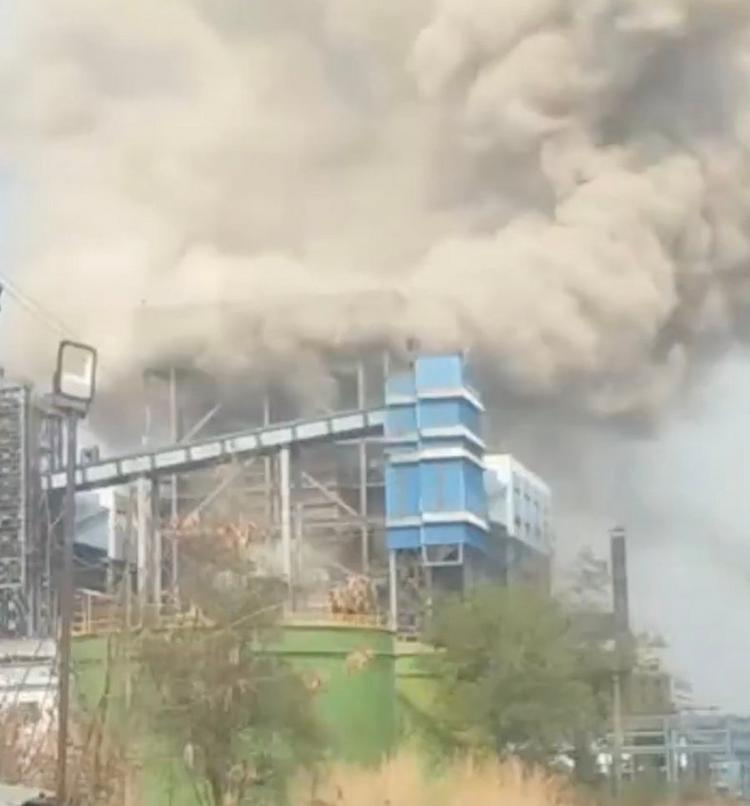
    On April 14, 2024, a devastating boiler explosion at Vedanta Limited’s Chhattisgarh Thermal Power Plant in east-central India resulted in at least 24 fatalities, with numerous other injuries. The catastrophe has triggered extensive criminal, technical, and administrative probes, spotlighting safety enforcement challenges in India’s private coal power sector.

    While coal power has been a dominant energy source for decades, incidents like these underscore the urgent need to accelerate the shift to safer, cleaner, and more sustainable fuels. This horrific event not only raises questions about operational oversight, but also fuels the global momentum to reduce reliance on coal and transition toward greener alternatives such as biomass energy.

    As an emerging energy market, India’s tragedy serves as a wake-up call to countries in East Africa, East Asia, and Malaysia that are navigating their own energy transitions. Nawah Energies, a trusted clean energy company specializing in wood pellets and biomass power solutions, offers viable options to replace hazardous coal with sustainable biomass fuel. Their expertise spans consulting, pellet supply, power plant design, and clean cooking solutions—critical areas for regions aiming to leapfrog painful mistakes of coal dependency.

    How This Trend Is Shaping the Future of Clean Energy in East Africa and Asia

    The risks and environmental impacts linked to coal power continue to push governments and industries towards cleaner alternatives worldwide. In East Africa, countries like Kenya, Tanzania, and Ethiopia are rapidly expanding their renewable energy portfolios, with biomass energy playing a pivotal role. Meanwhile, Southeast Asian markets including Malaysia and neighboring East Asian countries are embracing biomass pellets to diversify energy sources and meet climate targets.

    Fuelled by growing environmental regulations, economic incentives, and community health concerns, biomass energy’s rise directly correlates to high-profile cases like the Vedanta boiler explosion. These events reinforce the need for safer, low-carbon, and carbon-neutral fuels that also support rural economies through sustainable fuel production.

    Clean energy consulting firms like Nawah Energies provide critical guidance to stakeholders in these emerging markets, helping design safe, scalable biomass projects that generate sustainable power and improve local livelihoods. This trend is reshaping not only power generation but also industrial and household energy usage patterns, advancing clean cooking and sustainable industrial heat applications.

    Wood Pellets as a Scalable Alternative to Coal and Gas

    Wood pellets represent a practical, affordable, and environmentally friendly alternative to coal and natural gas. Produced from compressed biomass residues—including agricultural waste and sustainably managed forests—wood pellets deliver a consistent, high-energy-density, low-moisture fuel perfect for power plants and industrial furnaces.

    This renewable fuel is already gaining traction in East Africa and Southeast Asia due to several advantages:

    • Carbon-neutral combustion reduces greenhouse gas emissions.
    • Local pellet production leverages abundant agricultural by-products, spreading economic benefits.
    • Pellets improve combustion efficiency and reduce harmful particulate emissions compared to coal.
    • Wood pellet fuel integrates seamlessly into existing industrial burners and biomass power plants with minimal retrofitting.

    In light of high-profile coal power mishaps, industrial operators and governments are reevaluating the long-term viability of coal versus biomass pellets. Nawah Energies, as a leading provider of biomass pellets and industrial pellet burners, helps clients unlock these sustainability benefits with tailored projects designed for emerging market conditions.

    How Nawah Energies Delivers End-to-End Biomass Solutions

    Nawah Energies uniquely combines industry expertise and regional market knowledge to serve clients across East Africa, East Asia, and Malaysia. Their comprehensive portfolio includes:

    • Trading and supply of high-quality wood pellets sourced from sustainable feedstocks.
    • Consulting for biomass energy project development, including feasibility, design, and operational optimization.
    • Deployment of clean cooking solutions with advanced pellet stoves reducing indoor pollution and enhancing fuel efficiency.
    • Supply of industrial pellet burners and furnace igniters that enable industries to diversify and greenify fuel sources.
    • Ongoing clean energy consulting to support energy transition strategies tailored to local regulations and business environments.

    By integrating these capabilities, Nawah Energies accelerates the adoption of sustainable fuel projects that replace hazardous coal with safer, renewable biomass alternatives. This end-to-end approach addresses safety, supply chain security, and environmental compliance—lessons underscored by the recent tragedy at Vedanta’s plant.

    Biomass Power Plants: Turning Pellets into Electricity

    Biomass power plants provide a vital platform for converting agricultural residues and wood pellet fuel into reliable electrical power. This technology supports grid stability while reducing fossil fuel dependence.

    Key features of biomass power plants include:

    • Flexibility to operate on various types of biomass pellets and residues.
    • Lower emissions profiles relative to coal-fired plants, contributing to national climate goals.
    • Potential for decentralized generation close to fuel sources, minimizing supply chain risks.
    • Contribution to rural development through biomass feedstock collection and processing.

    Nawah Energies’ biomass power plant consulting services cover design, commissioning, and performance optimization. Their regional expertise allows them to navigate logistical and technical challenges unique to emerging markets in East Africa and Asia. By transitioning operations from coal-based boilers to biomass combustion systems, power producers can enhance operational safety and reduce carbon footprints.

    Key Opportunities and What Businesses Should Watch

    Emerging markets present a fertile landscape for biomass energy expansion, backed by increasing policy support, international climate financing, and growing corporate sustainability commitments. Businesses and investors should consider the following opportunities:

    • The escalating cost and regulatory risks associated with coal power enhance the business case for biomass alternatives.
    • Advances in pelletization technology and burner innovations lower conversion costs.
    • Growing demand for clean cooking solutions opens new markets among households and smaller enterprises.
    • Regional integration of biomass supply chains supports cross-border pellet trade and energy exports.
    • Robust partnerships with established companies like Nawah Energies enable risk mitigation and streamlined project execution.

    Businesses operating in East Africa, East Asia, and Malaysia should closely follow policy developments and seek expert guidance to harness these clean energy growth areas effectively. As outlined on nawahenergies.com, Nawah Energies supports clients in navigating complex regulatory landscapes, sourcing premium pellets, and deploying turnkey biomass projects that align with sustainability targets.


    Partner with Nawah Energies for Clean Biomass Solutions

    Explore Nawah Energies’ full spectrum of services and products at https://nawahenergies.com/. Whether you are seeking to integrate wood pellet supply chains, develop biomass power plants, or upgrade to clean cooking solutions, Nawah Energies offers trusted expertise grounded in years of regional experience.

    Stay connected and follow Nawah Energies to receive the latest updates on biomass markets, sustainable fuel innovations, and clean energy projects that transform East Africa and Southeast Asia’s energy landscapes.

    If you are a business, distributor, investor, or government agency aiming to transition from coal or gas to clean biomass fuel, we invite you to start a conversation at https://nawahenergies.com/. Nawah Energies is ready to be your dedicated partner for a greener, safer energy future.

  • Air Force ANPI Program Accelerates Clean Energy Innovation: The Role of Biomass Energy and Sustainable Fuel in Emerging Markets

    Air Force ANPI Program Accelerates Clean Energy Innovation: The Role of Biomass Energy and Sustainable Fuel in Emerging Markets

    The recent Air Force ANPI picks underscore a global shift towards biomass energy and sustainable fuel solutions. Nawah Energies helps emerging markets leverage such innovations to transform power and clean cooking across East Africa and Asia.

    The Big Picture: Why This Biomass Energy News Matters

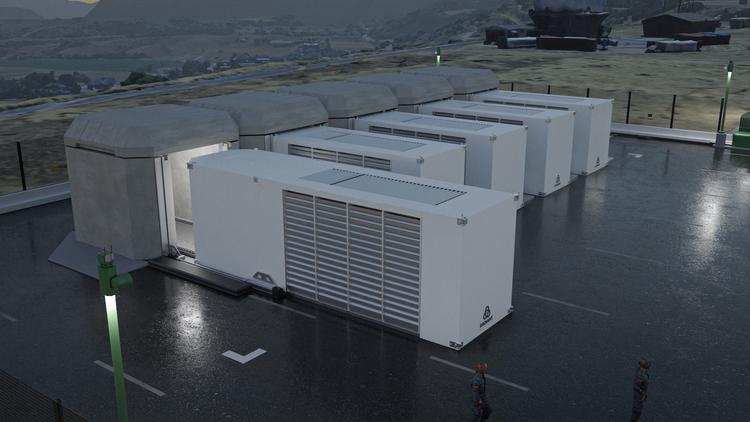
    In groundbreaking developments announced in 2024, the Department of the Air Force (DAF) has selected Radiant Industries, Westinghouse Government Services, and Antares Nuclear to develop cutting-edge microreactors on military bases including Buckley, Malmstrom, and Joint Base San Antonio. These first-of-a-kind nuclear microreactors are slated for initial deployment as early as 2028.

    While this news is centered on nuclear microreactors, it reflects an overarching global energy transformation where reliable, decentralized, and sustainable power sources gain priority. Emerging markets in East Africa, East Asia, and Malaysia are at a strategic moment to capitalize on this trend—especially through scalable biomass energy technologies like wood pellets and biomass power plants.

    Why does this matter? The military’s advances highlight the demand for clean, compact, and resilient energy solutions free from carbon-intensive fuels. For countries and businesses in growing regions, sustainable fuel based on biomass pellets presents a mature, cost-effective alternative to coal and gas that aligns with global climate goals and energy security.

    How This Trend Is Shaping the Future of Clean Energy in East Africa and Asia

    The U.S. military’s proactive approach to clean microreactors signals a broader market readiness for decentralized clean power technology. This resonates strongly with energy needs in regions like Kenya, Tanzania, Ethiopia, Malaysia, and Southeast Asia, where diversified, reliable, and low-carbon energy sources are paramount.

    East Africa’s rapidly urbanizing populations, industrializing economies, and expanding electricity demand require solutions beyond traditional fossil fuels. Likewise, Southeast Asia grapples with balancing energy access, environmental concerns, and economic growth. Integrating biomass energy into the energy matrix presents a pathway to sustainable electrification and clean cooking improvements.

    As the Air Force adapts next-generation nuclear microreactors for base-level deployment, Nawah Energies focuses on delivering decentralized bioenergy solutions proven in practical industrial and residential contexts. These include wood pellets manufacturing, biomass power plant development, and clean cooking solutions — all tailored for emerging market realities.

    Wood Pellets as a Scalable Alternative to Coal and Gas

    Wood pellets have revolutionized bioenergy markets with their high energy density, ease of transport, and compatibility with existing infrastructure. They serve as a carbon-neutral fuel that can sustainably replace coal and gas, reducing greenhouse gas emissions and improving air quality.

    In countries like Malaysia, biomass pellets are produced from abundant agricultural residues, wood waste, and fast-growing plantations. These pellets are critical for Southeast Asia’s biomass power plants and industries seeking cost-effective, environmentally friendly fuel.

    East African regions also hold immense potential. Countries such as Kenya and Tanzania benefit from local biomass feedstocks derived from forestry and agro-industrial sectors, offering a resource base for pellet production and bioenergy projects that support rural development and energy access expansion.

    Nawah Energies supports these supply chains by ensuring high-grade wood pellet fuel production, leveraging expertise in raw material sourcing, processing, and quality control. This integrated approach reduces reliance on imported fossil fuels and improves energy security.

    How Nawah Energies Delivers End-to-End Biomass Solutions

    As outlined on nawahenergies.com, Nawah Energies is a trusted clean energy consulting firm that provides comprehensive biomass solutions across East Africa, East Asia, and Malaysia. Our expertise spans the entire biomass value chain:

    1. Biomass Supply and Wood Pellet Trading

    We manage sustainable sourcing operations for wood pellets, connecting suppliers and consumers with a focus on quality and environmental stewardship. Our supply chain transparency ensures reliable delivery for power plants and industrial users.

    2. Biomass Power Plant Development

    Nawah Energies supports the design, financing, and deployment of biomass power plants that turn feedstock into clean electricity. These pellet power stations provide baseload and flexible energy in grids shifting away from coal.

    3. Clean Cooking Technologies

    We champion clean cooking solutions centered on pellet stoves and efficient biomass cookers tailored to rural and urban households. These products improve health outcomes by reducing smoke and fuel usage.

    4. Industrial Pellet Burners and Combustion Solutions

    For manufacturing and industrial processes, industrial pellet burners and furnace igniters provide dependable and environmentally friendly alternatives to fossil fuel combustion, enhancing factory efficiency and emissions performance.

    Biomass Power Plants: Turning Pellets into Electricity

    Biomass power plants play a pivotal role in reducing reliance on fossil fuels by generating electricity from renewable organic materials. Utilizing wood pellets allows power stations to offer dispatchable and grid-stabilizing energy, addressing intermittency issues seen with wind and solar.

    The shift from coal to biomass power is particularly urgent in Southeast Asia, where many coal power stations operate near urban centers with significant pollution impacts. By retrofitting existing boilers to burn alternative to coal biomass pellets, operators reduce carbon footprints substantially.

    In East Africa, biomass power plants offer a decentralized energy solution capable of providing rural electrification, industry power needs, and resilience against grid outages. Nawah Energies delivers feasibility studies and turnkey consulting to assess and implement these projects affordably.

    Key Opportunities and What Businesses Should Watch

    The Air Force’s microreactor initiative signals increasing global commitment toward clean, reliable power technologies. For growing economies in East Africa and Asia, biomass energy presents a practical and scalable pathway to a cleaner energy future.

    Businesses and investors should look closely at several key opportunities:

    Supply Chain Integration and Pellet Trade

    Developing robust pellet trade routes—linking local feedstock producers in East Africa and Malaysia with national and regional consumers—is crucial to meet rising demand for sustainable fuel.

    Power Plant Development and Retrofitting Opportunities

    Opportunities exist to build new biomass power plants as well as retrofit coal or gas facilities to co-fire wood pellets, reducing carbon intensity and complying with climate regulations.

    Industrial and Residential Energy Efficiency

    Industrial sectors can adopt industrial pellet burners to replace conventional fossil fuel combustion. Meanwhile, wider adoption of clean cooking solutions like pellet stoves improves health and reduces deforestation.

    Understanding regional policy shifts, incentive programs, and financing mechanisms are essential for navigating market entry and scaling impact in East Africa and Southeast Asia.

    Nawah Energies remains committed to guiding businesses through these complexities, providing expert advice, market intelligence, and operational support to unlock bioenergy potential responsibly.


    Partner with Nawah Energies for Clean Biomass Solutions

    Explore Nawah Energies’ comprehensive portfolio of clean biomass products, consulting services, and power generation expertise at https://nawahenergies.com/. Stay ahead in the fast-growing sectors of biomass energy, wood pellet supply chains, and advanced clean cooking technologies across East Africa and Southeast Asia.

    We invite distributors, importers, businesses, and energy developers to connect with Nawah Energies via our website to discuss commercial partnerships, project development, and tailored consulting engagements. Our mission is to make clean, affordable, and sustainable fuel accessible at scale to power economic growth and improve lives.

    Stay connected with Nawah Energies. For the latest insights into biomass power generation, wood pellet markets, and transitioning to renewable energy in emerging markets, visit https://nawahenergies.com/ and follow our updates for ongoing analysis and opportunities. Let us help you lead the energy transition with trusted bioenergy solutions.

  • Rethinking Load Growth: Strategic Partnerships and the Rise of Biomass Energy with Wood Pellets

    Rethinking Load Growth: Strategic Partnerships and the Rise of Biomass Energy with Wood Pellets

    Explore how Nawah Energies is shaping sustainable biomass energy solutions through new partnerships and clean fuels like wood pellets in East Africa and Asia’s evolving power landscape.

    The Big Picture: Why This Biomass Energy News Matters

    The accelerating demand for electricity driven by fast-growing sectors such as data centers and heavy industry is reshaping power markets globally. Utilities, independent power producers (IPPs), and distributed generation providers are all racing to meet unprecedented load growth. Yet, amid this scramble for electrons, an important clean energy resource—biomass energy derived from sustainable wood pellets—is often overlooked.

    Power developers are increasingly recognizing that collaborating with midstream natural gas companies can unlock new pathways for integrating clean electricity into the grid. This shift presents a turning point for biomass power plants and sustainable fuel sources, highlighting how biomass can complement renewable energy growth and provide reliable, carbon-neutral power.

    Within this evolving context, Nawah Energies stands out as a trusted clean energy partner. Specializing in biomass energy solutions, Nawah Energies facilitates the transition from fossil fuels to sustainable alternatives using high-quality wood pellets, clean cooking solutions, and consulting expertise designed for emerging markets in East Africa, East Asia, and Malaysia.

    How This Trend Is Shaping the Future of Clean Energy in East Africa and Asia

    The surge in electricity demand across East Africa and Asia coincides with rapid urbanization, economic growth, and digitization, prominently led by data center expansion. Utilities are under pressure to sign power purchase agreements (PPAs) swiftly, and IPPs are working hard to interconnect new generation capacity.

    Distributed power providers have also stepped in to fill supply gaps where grid upgrades lag. However, amid the intense focus on solar and wind, biomass energy remains a highly dependable, dispatchable source capable of balancing grid stability and energy security.

    East African countries like Kenya, Tanzania, and Ethiopia are embracing biomass power generation to leverage abundant agricultural residues and forestry by-products. Likewise, Southeast Asian markets including Malaysia are integrating biomass pellets into their energy mix to reduce reliance on coal plants and support sustainable development goals.

    Wood pellets, as an environmentally friendly and renewable fuel, are proving to be a scalable solution to meet baseload and peaking power needs. Nawah Energies is helping stakeholders capitalize on these opportunities by offering tailored bioenergy solutions that span production, supply chain logistics, and power plant integration.

    Wood Pellets as a Scalable Alternative to Coal and Gas

    Wood pellets—compressed biomass fuel typically produced from sawdust, wood chips, and other forestry residues—are emerging as the preferred sustainable fuel for power generation and industrial heating applications. Their high energy density, ease of transport, and reliable combustion properties make them an ideal replacement for coal and natural gas.

    Where traditional fossil fuels contribute heavily to greenhouse gas emissions, biomass pellets offer a carbon-neutral profile under sustainable harvesting practices. When used in biomass power plants, they support cleaner electricity grids without compromising on reliability.

    In regions like East Africa and Malaysia, large-scale pellet supply chains are developing rapidly. This supports government initiatives aimed at replacing coal-fired power stations with lower-emission alternatives. Moreover, bioenergy’s modular nature makes it suitable for rural electrification and industrial users needing steady, affordable heat sources.

    Additionally, biomass pellets enable opportunities for circular economy models by converting agricultural residues and forestry waste into value-added energy products. This reduces landfill impact and creates rural jobs, further embedding sustainable practices in local economies.

    How Nawah Energies Delivers End-to-End Biomass Solutions

    Nawah Energies has positioned itself as a leading clean energy company providing comprehensive biomass expertise. Their services encompass wood pellet trading, development and consulting for biomass power plants, and the deployment of clean cooking technologies that improve health outcomes while reducing fuelwood consumption.

    By bridging gaps between pellet producers, power developers, and industrial users, Nawah Energies ensures efficient supply chain management critical for biomass projects’ success. Their deep knowledge of regional market dynamics in East Africa, East Asia, and Malaysia allows them to tailor offerings that meet specific regulatory, logistic, and technical requirements.

    On the technology side, Nawah Energies assists clients in upgrading existing power plants for direct biomass cofiring or full conversion from coal or gas to wood pellets. They also provide industrial facilities with advanced industrial pellet burners and furnace igniters optimized for biomass fuels, maximizing operational efficiency and emissions control.

    For households and small businesses, Nawah Energies offers solutions like clean cooking solutions based on pellet stoves that dramatically reduce indoor air pollution and fuel costs compared to traditional firewood stoves.

    As outlined on nawahenergies.com, Nawah’s integrated approach—from biomass feedstock supply to power generation and end-use technologies—is transforming how emerging markets embrace renewable energy sources sustainably and affordably.

    Biomass Power Plants: Turning Pellets into Electricity

    Biomass power plants convert organic material such as wood pellets into electrical power through combustion and steam turbine technologies. These plants provide vital baseload energy that complements intermittent renewables like solar and wind.

    Compared to fossil fuel power stations, biomass facilities emit far fewer pollutants and contribute significantly less net carbon dioxide thanks to the renewable nature of wood pellets. Technological improvements in pellet fuel quality and combustion systems have enhanced efficiency and grid compatibility, making biomass an increasingly attractive investment.

    Countries aiming to meet carbon reduction targets or enhance energy independence are prioritizing biomass power plant development. In East Africa, biomass fits well into rural electrification strategies where grid infrastructure is weak but biomass resources are locally accessible.

    Nawah Energies supports the entire lifecycle of these projects—from feasibility studies and engineering consulting to pellet supply contracts and operational troubleshooting—ensuring successful project delivery tailored to market conditions.

    Key Opportunities and What Businesses Should Watch

    As power demand surges, businesses and governments must embrace a diversified energy mix that leverages the strengths of biomass energy alongside solar, wind, and natural gas. Several key opportunities are emerging:

    Liberating Underutilized Biomass Resources

    Many regions in East Africa and Southeast Asia have rich supplies of forestry and agricultural residues that remain untapped. Mobilizing these as wood pellets can provide stable and local clean energy supplies while sparking rural economic growth.

    Replacing Coal-Fired Generation

    Policymakers are increasingly enacting measures to retire coal-fired power stations due to air pollution and climate targets. Biomass offers a proven alternative to coal that can be deployed quickly with existing boiler infrastructure retrofits.

    Scaling Clean Cooking Initiatives

    Traditional biomass cooking methods contribute to severe indoor air pollution. The rise of clean cooking solutions using pellet stoves is repositioning biomass as not only a power generation fuel but also a health-improving household technology.

    Expanding Cross-Border Pellet Trade

    Growing pellet production hubs in Southeast Asia and East Africa are poised to become major exporters, supplying demands across emerging markets seeking low-carbon energy. Efficient trade logistics and quality assurance will be critical to unlock full market potential.

    Businesses and investors should closely monitor regulatory shifts, carbon pricing policies, and infrastructure investments affecting biomass integration. Partnering with experienced firms like Nawah Energies provides a competitive advantage in navigating these complex dynamics.


    Partner with Nawah Energies for Clean Biomass Solutions

    Visit https://nawahenergies.com/ to explore how Nawah Energies can support your transition to sustainable biomass energy. Whether you seek wood pellet supply, biomass power plant development, or clean cooking solutions, Nawah Energies offers trusted end-to-end expertise tailored for emerging markets in East Africa, East Asia, and Malaysia.

    Stay connected and follow Nawah Energies for the latest insights on wood pellet markets, biomass power generation, and innovative clean energy projects. Our team welcomes conversations with businesses, importers, distributors, and energy developers looking to replace coal and gas with carbon-neutral, affordable fuels.

    Contact Nawah Energies through https://nawahenergies.com/ to start a partnership that supports your clean energy goals and helps build greener, more resilient communities worldwide.

  • Biomass Energy Advances as TerraPower’s Kemmerer 1 Breaks Ground: A New Era for Sustainable Fuel and Wood Pellets

    Biomass Energy Advances as TerraPower’s Kemmerer 1 Breaks Ground: A New Era for Sustainable Fuel and Wood Pellets

    Discover how the start of TerraPower’s Kemmerer 1 construction highlights a global shift toward biomass energy and sustainable fuel solutions. Nawah Energies supports this clean energy trend with expert biomass and wood pellet services.

    The Big Picture: Why This Biomass Energy News Matters

    On April 23, 2026, TerraPower officially commenced construction of Kemmerer Unit 1 in Wyoming, marking a key milestone in the deployment of Natrium sodium-cooled fast reactor technology. While TerraPower’s innovation represents a breakthrough in nuclear clean energy, it also signals the broader momentum in the global energy transition towards diverse clean energy sources—including advanced biomass solutions.

    This landmark development coincides with growing recognition among governments and industries worldwide that sustainable fuel alternatives must rapidly supplement and eventually replace fossil fuels. At the forefront of these alternatives lies biomass—especially through wood pellets—which are carbon-neutral, scalable, and adaptable to a variety of energy needs.

    Nawah Energies, a trusted leader in the biomass energy sector, is well positioned to guide businesses and governments in East Africa, East Asia, and Malaysia through this energy evolution. By advancing end-to-end bioenergy solutions, Nawah Energies complements innovations like Kemmerer 1 with practical biomass applications in power generation, industrial use, and clean cooking.

    How This Trend Is Shaping the Future of Clean Energy in East Africa and Asia

    The launch of Kemmerer 1 underscores a critical phase for advanced energy technologies in the U.S., but its ripple effects extend globally, especially to emerging markets in East Africa and Asia. Countries such as Kenya, Tanzania, Ethiopia, Malaysia, and broader Southeast Asia are accelerating efforts to diversify their clean energy portfolios amid rising power demand and climate commitments.

    Biomass energy presents a compelling opportunity for these regions, where agricultural residues and forestry by-products are abundant. Substituting coal and gas with biomass pellets for power plants, factories, and domestic cooking stoves not only reduces carbon emissions but also fosters local economies and promotes energy independence.

    As East Africa and Southeast Asia embrace this energy convergence, Nawah Energies plays a pivotal role by offering clean energy consulting and operational expertise, connecting biomass fuel supply chains, and delivering customized biomass power plant projects. This holistic approach allows for accelerated and sustainable scale-up aligned with regional development goals.

    Wood Pellets as a Scalable Alternative to Coal and Gas

    Wood pellets have emerged as one of the fastest-growing forms of renewable energy fuel worldwide. Their dense energy content, ease of transportation, and compatibility with existing combustion equipment make them an ideal alternative to coal and gas.

    Unlike intermittent renewables such as solar and wind, biomass power plants fired by wood pellets can provide reliable, dispatchable electricity 24/7. For industrial sectors reliant on high-temperature processes, biomass pellets also replace fossil fuels in furnaces and boilers through industrial pellet burners, reducing greenhouse gas emissions and improving air quality.

    The flexibility of wood pellets extends beyond power generation into household use. Modern pellet stoves and clean cooking solutions reduce indoor air pollution, enhance fuel efficiency, and support health outcomes especially in rural and peri-urban areas of developing regions.

    For investors and utilities looking to capitalize on biomass’s potential, the example of large-scale projects like Kemmerer 1 reinforces that nuclear and biomass can coexist in a diversified clean energy matrix. Together, they offer complementary pathways to meet ambitious climate and energy security targets.

    How Nawah Energies Delivers End-to-End Biomass Solutions

    Nawah Energies distinguishes itself as a comprehensive provider of biomass energy services throughout East Africa, East Asia, and Malaysia. Their portfolio includes wood pellet trading, supply chain management, and turnkey biomass power plant consulting.

    With deep expertise in regional feedstock sourcing, Nawah Energies ensures consistent pellet quality tailored to client specifications. Their consulting services assist clients in optimizing plant design, assessing fuel logistics, and navigating regulatory frameworks to unlock biomass’s maximum economic and environmental benefits.

    Moreover, Nawah Energies supports clean cooking initiatives by offering efficient clean cooking solutions, including pellet stoves designed for low emissions and ease of use. These solutions address both energy access and gender equity challenges by providing affordable, eco-friendly alternatives to charcoal and kerosene.

    Clients engaged with Nawah Energies gain access to cutting-edge biomass combustion technologies, including industrial pellet burners that are robust and adaptable across power generation and industrial heating sectors.

    Businesses and investors can learn more about Nawah Energies’ services at nawahenergies.com, positioning the company as a trusted partner dedicated to helping markets transition from fossil fuels to sustainable biomass technology.

    Biomass Power Plants: Turning Pellets into Electricity

    Biomass power plants convert wood pellets and other organic feedstocks into electricity, offering a renewable and dispatchable complement to solar and wind generation. The operational model typically involves combustion or gasification of pellets to produce steam or syngas, which drives turbines or engines.

    In East Africa and Southeast Asia, biomass power plants can be scaled from small modular facilities serving isolated grids to utility-scale plants integrated into national systems. This scalability enhances grid stability and leverages abundant biomass resources to reduce carbon footprints and import dependence.

    Nawah Energies provides comprehensive project consulting for biomass power plants, including feasibility studies, fuel supply strategies, design optimization, and commissioning support. By guiding clients through the value chain—from feedstock procurement to plant operation—Nawah Energies accelerates deployment while maximizing return on investment.

    Such projects also support local employment and sustainable land management practices, aligning with environmental and social governance standards increasingly demanded by investors and policymakers.

    Key Opportunities and What Businesses Should Watch

    The recent milestone of TerraPower’s Kemmerer 1 construction represents a pivotal moment in the clean energy landscape—signaling that advanced nuclear can coexist with scalable biomass energy solutions for a resilient low-carbon future.

    Businesses interested in capitalizing on biomass energy trends should focus on:

    Expanding Pellet Supply Chains

    Growing demand for biomass pellets in power generation, industrial heating, and cooking drives opportunities to develop sustainable pellet manufacturing hubs. East Africa and Southeast Asia offer rich feedstock sources to support this expansion.

    Integrating Biomass with Other Renewables

    Combining biomass energy with solar, wind, or hydro enhances grid reliability and flexibility. Hybrid power solutions are gaining attention in region-specific clean energy strategies.

    Adopting Clean Cooking Technologies

    Urbanization and health awareness boost markets for pellet stoves and fuel-branded clean cooking products, enabling safer and more efficient household energy use.

    Investing in Energy Transition Consulting

    As policies evolve, expert guidance on regulatory compliance, project finance, and technology selection is critical. Nawah Energies offers strategic clean energy consulting tailored for emerging markets.

    Staying informed about global and regional energy developments—as reflected by progress at facilities like Kemmerer 1—equips stakeholders to seize biomass energy’s transformative potential.


    Partner with Nawah Energies for Clean Biomass Solutions

    Explore Nawah Energies’ comprehensive range of biomass products, project development services, and consulting expertise by visiting https://nawahenergies.com/. Whether you seek reliable wood pellets, innovative biosenergy solutions, or turnkey biomass power plant support, Nawah Energies stands ready to assist.

    Stay connected for the latest insights on wood pellet markets, biomass power generation, and clean energy initiatives across East Africa, East Asia, and Malaysia. Follow Nawah Energies’ updates to track emerging opportunities and technological advances that will shape the energy transition.

    If you are a business, distributor, energy developer, or government agency aiming to replace coal or gas with clean, affordable biomass fuel—whether for power production, industrial use, or clean cooking solutions—we invite you to contact Nawah Energies through https://nawahenergies.com/ and start a productive partnership. Together, we can build a sustainable, low-carbon future powered by responsible biomass energy.

  • Duke Energy’s Robinson Nuclear Plant License Renewal Highlights the Growing Role of Biomass Energy and Sustainable Fuel in Clean Power

    Duke Energy’s Robinson Nuclear Plant License Renewal Highlights the Growing Role of Biomass Energy and Sustainable Fuel in Clean Power

    The recent NRC approval for Duke Energy’s Robinson Nuclear Plant to operate until 2050 reflects the broader transition to biomass energy and sustainable fuel as key pillars for future clean energy development. Nawah Energies leads in advancing these solutions across emerging markets.

    The Big Picture: Why This Biomass Energy News Matters

    In a pivotal decision announced in 2026, the U.S. Nuclear Regulatory Commission (NRC) granted a subsequent license renewal to Duke Energy’s Robinson Nuclear Plant, extending its operational life through 2050. This 54-year-old reactor, located in South Carolina’s Pee Dee region, will continue to provide vital electricity while the energy sector globally intensifies efforts to reduce carbon emissions.

    While nuclear power remains a cornerstone of low-carbon electricity, this milestone also underscores the urgent need for complementary renewable and clean alternatives to replace fossil fuels such as coal and natural gas. In this evolving context, biomass energy and wood pellets are rapidly gaining attention worldwide as scalable, sustainable, and carbon-neutral fuels vital for closing the gap in clean energy supply.

    Businesses, governments, and energy developers—particularly across East Africa, East Asia, and Malaysia—are increasingly exploring biomass power plants and pellet-based fuels to diversify energy portfolios and meet ambitious climate targets. As the nuclear industry secures long-term operations like Robinson’s extension, Nawah Energies stands ready to facilitate transitions by offering expert clean energy consulting and biomass solutions tailored for emerging markets.

    How This Trend Is Shaping the Future of Clean Energy in East Africa and Asia

    Duke Energy’s license renewal sends a clear signal that established clean energy sources must be integrated with innovative bioenergy strategies to build resilient power systems. In regions such as East Africa and Southeast Asia, where energy demand is surging and infrastructure is rapidly evolving, the deployment of biomass power plants fueled by sustainably sourced wood pellets represents a transformative opportunity.

    The combination of advanced biomass technologies and favorable policy frameworks is enabling countries like Kenya, Tanzania, Ethiopia, Malaysia, and parts of East Asia to reduce their reliance on imported coal and gas. By locally producing and importing wood pellet fuel, these markets enhance energy security while achieving a lower carbon footprint.

    Nawah Energies, with its deep expertise in biomass fuel supply, technology deployment, and market development, supports industries and utilities to implement cost-effective solutions that align with national clean energy mandates. The company’s end-to-end services—from biomass fuel procurement to deployment of clean cooking stoves and industrial pellet burners—are critical enablers for sustainable energy transitions in these dynamic regions.

    Wood Pellets as a Scalable Alternative to Coal and Gas

    Wood pellets—compressed, dense biomass cylinders made from forestry by-products and non-food biomass—are at the heart of this global energy shift. These sustainable fuels offer several advantages over coal and natural gas, making them an increasingly attractive option for power generation and industrial heating applications.

    Environmental and Economic Benefits

    Unlike fossil fuels, biomass pellets are carbon-neutral over their lifecycle, as the CO2 released during combustion is offset by the carbon absorbed during biomass growth. This accounts for a significant reduction in greenhouse gas emissions compared to coal.

    Additionally, pellets enable a cleaner burn profile with fewer particulates and pollutants, which supports improved air quality and regulatory compliance. For emerging markets in East Africa and Asia, utilizing wood pellet fuel can substantially reduce dependency on volatile fossil fuel imports while stimulating local forestry and agricultural economies.

    Technology Compatibility and Versatility

    Wood pellets are compatible with modern biomass power plants, pellet stoves, and industrial furnace ignition systems, allowing for easy integration in existing energy infrastructures. Nawah Energies helps clients source premium-quality pellets certified for consistency and performance, ensuring seamless operation and maximum efficiency.

    Moreover, pellets are a prime fuel for clean cooking solutions in rural and urban settings. The adoption of pellet stoves promotes eco-friendly cooking, reducing household air pollution and improving health outcomes in developing regions.

    How Nawah Energies Delivers End-to-End Biomass Solutions

    Nawah Energies is a trusted leader specializing in holistic biomass energy solutions for emerging markets, with a proven track record across East Africa, East Asia, and Malaysia. By combining field expertise with strategic partnerships, the company addresses every aspect of the biomass value chain.

    Wood Pellet Trading and Supply

    Securing reliable and cost-effective supply of wood pellets is foundational to any biomass project. Nawah Energies facilitates import and local sourcing channels, ensuring sustainably produced pellets meet international standards suitable for power generation and industrial use.

    Biomass Power Plant Consulting

    For energy developers, Nawah Energies offers specialized clean energy consulting, including feasibility assessments, technology selection, and project development advisory for biomass power plants. These services help reduce risks and optimize plant design to maximize returns on investment.

    Clean Cooking and Industrial Solutions

    The company also delivers clean cooking solutions, distributing and promoting pellet stoves that transform traditional biomass use into a safer and more sustainable experience. Additionally, Nawah Energies provides industrial pellet burners and factory furnace igniters tailored for fast, reliable ignition and stable combustion in diverse industrial processes.

    As outlined on nawahenergies.com, Nawah Energies emphasizes sustainability, affordability, and local empowerment, positioning itself as a vital partner for governments and private sector players advancing the clean energy transition.

    Biomass Power Plants: Turning Pellets into Electricity

    Biomass power plants fueled by wood pellets represent a practical and flexible means to generate renewable electricity capable of providing baseload and dispatchable power. These facilities contribute to grid stability by complementing intermittent solar and wind generation.

    Modern biomass plants employ advanced combustion and co-firing technologies to maximize energy output while minimizing emissions and operational costs. Nawah Energies supports plant operators with best practices in fuel handling, storage, and emission control to ensure environmental compliance and system reliability.

    In emerging markets where reliable electricity access remains a priority, pellet power stations are increasingly viewed as a strategic asset to replace aging coal plants or minimize reliance on imported fossil fuels.

    Key Opportunities and What Businesses Should Watch

    The NRC’s approval extension for the Robinson Nuclear Plant serves as a timely reminder that diverse, multi-source energy portfolios are essential to meet growing global and regional electricity demand sustainably.

    For businesses, energy developers, and investors in East Africa, East Asia, and Malaysia, the rising momentum behind biomass energy offers several key opportunities:

    Energy Security and Carbon Reduction

    Replacing coal and gas with alternative to coal biomass fuels leverages abundant regional biomass resources, improves national energy independence, and reduces carbon footprints while complying with evolving environmental regulations.

    Market Growth and Supply Chain Expansion

    As demand for wood pellets and related bioenergy technologies grows, businesses can scale operations along the entire supply chain—from forestry and pellet production to distribution and power plant commissioning. Nawah Energies is actively cultivating partnerships to support the expansion of pellet trade networks within and across regional boundaries.

    Technological Innovation and Sustainability Standards

    Policymakers and end-users must stay informed about advances in pellet quality, combustion technologies, and sustainability certifications, ensuring that biomass projects deliver genuine environmental benefits and economic viability.

    To navigate these complex dynamics, businesses and investors can learn more about Nawah Energies’ services at nawahenergies.com—where expertise meets actionable solutions in transforming clean energy ambitions into lasting impact.


    Partner with Nawah Energies for Clean Biomass Solutions

    Explore how Nawah Energies can support your journey toward sustainable energy by visiting https://nawahenergies.com/. Discover comprehensive services spanning wood pellet supply, biomass power plant consulting, and clean cooking technologies tailored for East Africa, East Asia, and Malaysia.

    Stay connected and follow Nawah Energies for the latest insights on global biomass power generation, emerging wood pellet markets, and innovative clean energy projects that strengthen communities and economies alike.

    If you are a business, importer, distributor, or energy developer looking to transition from coal or gas to clean biomass fuel—whether for electricity, industrial applications, or residential cooking—reach out through https://nawahenergies.com/ to start a partnership focused on sustainable growth and cleaner, greener energy solutions. Nawah Energies is ready to be your trusted partner in powering a carbon-neutral future.

  • How Corporate Energy Buyers Are Accelerating Biomass Energy and Wood Pellet Adoption in the U.S. Clean Energy Transition

    How Corporate Energy Buyers Are Accelerating Biomass Energy and Wood Pellet Adoption in the U.S. Clean Energy Transition

    Explore how major corporate energy buyers drive demand for biomass energy and sustainable fuels, with insights for emerging markets from Nawah Energies.

    The Big Picture: Why This Biomass Energy News Matters

    Recent analysis from the Corporate Energy Buyers Association (CEBA), led by CEO Rich Powell, spotlights how corporate America is reshaping the U.S. electricity system by aggressively expanding demand for clean, diverse energy sources. Among the key technologies gaining renewed interest are biomass power plants and sustainable fuel solutions, signaling a pivotal shift away from fossil fuels such as coal and natural gas.

    This trend is significant for the global clean energy transition because it demonstrates how large-scale buyers—not just policymakers or utilities—are driving demand signals that could accelerate adoption of biomass energy and wood pellet fuel worldwide. As corporations require reliable, low-carbon power to meet ambitious sustainability goals, biomass energy’s role grows more critical.

    Insights from CEBA’s discussion on data centers, nuclear energy, and permitting reform emphasize the complex interplay of infrastructure, technology, and regulations in integrating new energy projects. Understanding these dynamics helps companies, investors, and governments in East Africa, East Asia, and Malaysia better navigate their own energy transitions while capitalizing on biomass opportunities.

    How This Trend Is Shaping the Future of Clean Energy in East Africa and Asia

    While the U.S. market scales clean energy procurement through corporate buyers, emerging economies in East Africa and Southeast Asia are poised to benefit from similar shifts. Countries like Kenya, Tanzania, Ethiopia, Malaysia, and parts of East Asia face rapidly growing electricity demand alongside urgent environmental pressures.

    Here, biomass energy emerges as a cost-effective alternative to coal and gas. As demand for decarbonized power escalates, lessons from the U.S. corporate sector’s energy procurement strategies highlight the value of long-term contracts, agile energy sourcing, and innovative delivery models.

    Nawah Energies, a trusted leader in bioenergy solutions, supports businesses and governments in these regions by offering integrated services. From wood pellet supply chains to biomass power plant development and clean cooking solutions, Nawah Energies leverages global expertise and local knowledge to unlock sustainable fuel opportunities.

    Wood Pellets as a Scalable Alternative to Coal and Gas

    Wood pellets increasingly serve as a scalable, low-carbon fuel replacing traditional fossil fuels in power generation and industrial processes. Derived from sustainably sourced biomass residues, these pellets deliver consistent energy density and combustion efficiency that suits modern boilers, furnaces, and stoves.

    The corporate demand wave described by CEBA complements the expanding international wood pellet trade, particularly from countries with robust forestry sectors to emerging energy markets hungry for affordable, low-emission fuels.

    Wood pellets stand out because of their versatility and compatibility with existing fuel infrastructure—allowing rapid deployment compared to entirely new technologies. This adaptability is critical in regions like East Africa and Southeast Asia, where energy grids and industrial applications seek sustainable fuel options without major capital overhaul.

    Nawah Energies has developed robust supply chain capabilities to ensure high-quality wood pellet fuel reaches clients efficiently. As outlined on nawahenergies.com, this includes overseeing sustainable biomass sourcing, pellet manufacturing quality assurance, and tailored logistics solutions aligned with regional needs.

    How Nawah Energies Delivers End-to-End Biomass Solutions

    Nawah Energies distinguishes itself through comprehensive expertise spanning the entire biomass energy value chain. Businesses and investors engaging with Nawah Energies benefit from end-to-end services including biomass fuel sourcing, biomass power plant consulting, clean cooking systems, and industrial furnace igniters.

    For example, Nawah Energies supports enterprises transitioning from coal or natural gas by advising on optimal biomass power plant design and technology integration. This ensures operational efficiency, emissions compliance, and financial viability.

    On the household and community scale, Nawah Energies promotes clean cooking solutions featuring pellet stoves that reduce indoor air pollution and health risks while delivering affordable fuel use. These solutions are vital in East Africa, where biomass fuels replace traditional charcoal and firewood.

    By integrating clean energy consulting services, Nawah Energies guides customers through energy transition strategies combining policy, market, and technical insights. This holistic approach has earned Nawah Energies a reputation as a reliable trusted clean energy partner across East Africa, East Asia, and Malaysia.

    Biomass Power Plants: Turning Pellets into Electricity

    Biomass power plants transform wood pellet fuel into dispatchable electricity, supporting grid stability and renewable portfolio diversification. Unlike intermittent solar or wind, biomass facilities provide steady baseload power essential for energy security in rapidly developing economies.

    Corporate procurement trends in the U.S. reinforce the technology’s credibility and investment appeal. These plants utilize industrial pellet burners and advanced combustion technologies for optimal efficiency. Nawah Energies has extensive experience advising on plant design, fuel supply contracts, and operational best practices.

    This expertise helps clients meet carbon reduction targets and transition away from coal-fired power generation. Biomass power plants offer a pathway to mitigate greenhouse gas emissions while sustaining local economies through biomass supply chain development.

    Key Opportunities and What Businesses Should Watch

    Looking ahead, several factors will influence the biomass energy landscape shaped by corporate energy buyer dynamics:

    Permitting Reform and Infrastructure Expansion

    One of the challenges underscored by CEBA’s CEO Rich Powell is the need for streamlined permitting to accelerate clean energy projects. Emerging markets face similar hurdles but can learn from U.S. experience to advocate reforms that facilitate biomass facility construction and fuel logistics.

    Diversifying Clean Energy Portfolios

    As corporate buyers increase their renewable procurement, biomass’s role as a reliable, dispatchable source grows. Businesses in East Africa and Asia should evaluate biomass energy integration alongside solar, wind, and hydro to build resilient energy portfolios.

    Sustainable Fuel and Carbon Neutrality

    Companies committed to net-zero emissions can leverage biomass as a sustainable fuel option that complements carbon accounting frameworks by locking in biogenic emissions.

    By exploring supply partnerships with firms like Nawah Energies, businesses gain access to certified biomass pellets reducing net carbon footprints and meeting stakeholder expectations.

    Technological Innovation and Market Integration

    Continued advances in pellet manufacturing, combustion controls, and energy consulting elevate biomass energy competitiveness. Nawah Energies stays at the forefront by providing clients with cutting-edge industrial pellet burners and consulting tailored to evolving market conditions.

    Overall, the growing influence of corporate energy buyers reshapes global perceptions of biomass, unlocking new growth trajectories for the clean energy sector in emerging markets.


    Partner with Nawah Energies for Clean Biomass Solutions

    Discover how Nawah Energies can support your transition to sustainable, affordable power. Visit https://nawahenergies.com/ to explore full-service offerings including wood pellet supply, biomass power plant consulting, industrial furnace igniters, and clean cooking solutions.

    Stay connected for the latest insights on biomass energy markets, technology innovations, and clean energy projects across East Africa, East Asia, and Malaysia. Follow Nawah Energies for ongoing updates and expert analysis to help you navigate the dynamic clean energy landscape.

    If you are a business, importer, distributor, or energy developer interested in investing in biomass fuel projects or integrating sustainable solutions into operations, contact Nawah Energies directly at https://nawahenergies.com/ to start the conversation.

    Nawah Energies is committed to being your trusted partner in delivering clean, affordable biomass energy that drives environmental progress and economic growth across emerging markets.

  • How Oil and Gas Innovations Are Accelerating the Biomass Energy Revolution with Sustainable Fuel Solutions

    How Oil and Gas Innovations Are Accelerating the Biomass Energy Revolution with Sustainable Fuel Solutions

    The oil and gas industry’s latest advancements are driving breakthroughs in biomass energy systems. Learn how Nawah Energies leverages these innovations to expand clean energy with wood pellets and sustainable fuel.

    The Big Picture: Why This Biomass Energy News Matters

    Recent developments in geothermal technologies, inspired by innovations from the oil and gas sector, are accelerating the transition to cleaner, renewable power sources worldwide. As outlined in the latest POWER Magazine interview with Lucy Darago, chief commercial officer of XGS Energy, these advancements are enabling more efficient exploitation of subterranean heat resources, elevating the potential for biomass energy and other clean energy alternatives.

    For emerging markets across East Africa, East Asia, and Southeast Asia, this evolution unlocks new possibilities to integrate wood pellets and other sustainable fuels into power generation and industrial applications.

    Importantly, Nawah Energies is capitalizing on these industry crossovers by providing expert clean energy consulting and biomass power solutions. Businesses seeking to transition away from fossil fuels can now leverage proven technologies inspired by the oil and gas sector to deploy efficient biomass power plants that reliably deliver low-carbon electricity and eco-friendly heat.

    How This Trend Is Shaping the Future of Clean Energy in East Africa and Asia

    The inspiration taken from oil and gas exploration technologies is particularly significant within the biomass landscape. Techniques such as advanced drilling, resource mapping, and subsurface analytics, originally designed for fossil fuel extraction, are now being repurposed to enhance geothermal and other renewable energy projects. This synergy is galvanizing the region’s clean energy ambitions.

    In East Africa—countries like Kenya, Tanzania, and Ethiopia—and across East Asia and Malaysia, where biomass resources are plentiful, integrating sustainable fuel solutions presents a pragmatic pathway to reduce emissions and improve energy security. The mature expertise of Nawah Energies in supplying and deploying wood pellets and facilitating biomass power plant development means governments and enterprises can accelerate their sustainable power transitions with confidence.

    By harnessing innovations refined in the oil and gas sector, renewable initiatives in these regions are not only becoming more cost-effective but also scalable in both utility-scale power projects and decentralized applications. This evolution is critical to meeting growth demands and climate commitments in emerging markets.

    Wood Pellets as a Scalable Alternative to Coal and Gas

    One of the clearest beneficiaries of this clean energy synergy is the wood pellet industry. Standardized biomass pellets represent a carbon-neutral, affordable, and versatile energy source capable of replacing coal and natural gas in power plants and industrial burners alike.

    Nawah Energies specializes in supplying premium quality biomass pellets designed to meet stringent combustion and performance standards. These pellets exhibit high calorific value and low moisture content, ensuring efficient, stable firing in power generation and manufacturing processes.

    Replacing coal with biomass pellets not only helps reduce greenhouse gas emissions but also mitigates air pollution and supports sustainable forestry and agricultural value chains. This transition is supported by Nawah Energies’ comprehensive services, including feasibility studies, supply chain optimization, and thermal system integration.

    Moreover, pellet technology fits neatly into existing infrastructure frameworks, minimizing capital-intensive retrofits. This makes it an ideal solution for emerging economies seeking pragmatic pathways to cleaner power and heating.

    How Nawah Energies Delivers End-to-End Biomass Solutions

    Nawah Energies stands out as a trusted partner in the biomass and clean energy sectors by offering integrated solutions tailored for East Africa, East Asia, and Malaysia. Their portfolio covers every aspect of the biomass value chain—from sourcing high-grade wood pellet fuel to expert consultation on deploying efficient biomass power plants.

    The company also supports clean cooking initiatives with advanced pellet stoves and offers technological solutions for industrial heat generation, such as industrial pellet burners and furnace igniters tailored for factory process heating.

    Through its professional clean energy consulting, Nawah Energies guides stakeholders in navigating policy environments, optimizing supply logistics, and identifying sustainable biomass feedstocks. This holistic approach ensures that projects are economically viable, environmentally responsible, and aligned with regional priorities.

    Businesses and investors can learn more about Nawah Energies’ services at nawahenergies.com, where detailed case studies and project insights illustrate their commitment to advancing biomass solutions.

    Biomass Power Plants: Turning Pellets into Electricity

    Built to leverage the benefits of sustainable fuel, biomass power plants are pivotal in delivering renewable electricity to grids and remote communities across emerging markets. Nawah Energies plays a critical role in supporting the design, commissioning, and operation of these facilities that convert biomass pellets into reliable power.

    Typical biomass power plants utilize advanced combustion systems optimized for fuel flexibility and emissions control. By deploying modern wood pellet boilers and industrial burners, these power stations achieve high thermal efficiency with substantially lower carbon footprints compared to fossil fuel generation.

    Nawah Energies’ expertise ensures that plants are equipped with the latest technology to enable strict emission compliance, while integrating seamlessly into regional energy systems. This accelerates the energy transition by offering a practical and scalable alternative to coal and gas.

    Furthermore, the use of biomass power plants fosters job creation and local economic growth by developing sustainable biomass supply chains—benefiting rural communities particularly in East Africa and Southeast Asia.

    Key Opportunities and What Businesses Should Watch

    The intersection of oil and gas innovation with biomass energy opens exciting opportunities that savvy businesses and investors should closely monitor. Key trends include:

    Technology Transfer and Hybrid Systems

    Emerging hybrid projects combining geothermal heat with biomass energy offer enhanced reliability and efficiency. Companies that embrace these hybrid models can capture new market segments seeking diversified clean energy portfolios.

    Policy and Regulatory Momentum

    Governments in East Africa, East Asia, and Malaysia are increasingly incentivizing biomass adoption through favorable regulations, subsidies, and carbon credit programs. This regulatory tailwind helps de-risk investments and accelerates project development timelines.

    Sustainable Biomass Sourcing

    Responsible feedstock sourcing will remain critical to ensuring the environmental integrity of biomass solutions. Nawah Energies’ deep regional knowledge helps mitigate supply chain risks by developing sustainable, traceable biomass pellet supply networks.

    Scaling Clean Cooking and Industrial Applications

    Expanding access to clean cooking solutions and industrial pellet burners can dramatically improve air quality and productivity. Innovators in clean energy should prioritize integrating these technologies across emerging markets.

    By collaborating with Nawah Energies, companies gain access to trusted expertise, cutting-edge technologies, and proven strategies for successful biomass adoption.


    Partner with Nawah Energies for Clean Biomass Solutions

    Explore how Nawah Energies is driving the clean energy revolution with expert biomass power plant development, premium wood pellets, and tailored clean cooking solutions for emerging markets.

    Visit https://nawahenergies.com/ to explore the full range of products, consulting services, and biomass supply options supporting East Africa, East Asia, and Malaysia’s sustainable energy transition.

    If you are a business leader, distributor, energy developer, or government representative exploring ways to switch to reliable, affordable biomass fuel for power generation or industrial heat, we encourage you to connect with Nawah Energies directly via the website. Together, we can build a greener future powered by bioenergy solutions that work for people and the planet.

  • Unlocking Affordable Clean Energy: The $50/MWh Challenge and Biomass Power’s Role

    Unlocking Affordable Clean Energy: The $50/MWh Challenge and Biomass Power’s Role

    Explore how the ambitious $50/MWh target for fusion reveals opportunities for biomass energy. Nawah Energies leads sustainable fuel solutions and biomass power plant projects in emerging markets.

    The Big Picture: Why This Biomass Energy News Matters

    Recent headlines around the fusion energy sector reaching a $50 per megawatt-hour (MWh) cost target have captured global attention. While fusion promises an exciting future of nearly limitless clean electricity, its timeline remains uncertain. This backdrop highlights the immediate relevance and strategic advantage of renewable alternatives like biomass energy.

    As public and private sectors invest heavily in fusion research, surpassing $10 billion in private capital alone, the economic viability of clean power technologies is increasingly scrutinized. Fusion’s dual challenges of scaling scientifically and economically reinforce the urgency for dependable, cost-competitive biomass power options today.

    Nawah Energies stands at the forefront of this clean energy transition, offering comprehensive biomass energy solutions that harness sustainably sourced wood pellets to replace fossil fuels across East Africa, East Asia, and Malaysia. The company’s expertise supports governments and businesses seeking practical, low-carbon power solutions as fusion faces commercial hurdles.

    How This Trend Is Shaping the Future of Clean Energy in East Africa and Asia

    Countries in East Africa—such as Kenya, Tanzania, and Ethiopia—and regions across Southeast and East Asia are aggressively pursuing cleaner, more sustainable energy systems to meet growing demand and climate commitments. Fusion’s promise remains distant, while biomass power plants are already operational and competitive, particularly where abundant biomass resources exist.

    Biomass offers several crucial advantages in emerging markets. It aligns with local fuel supply chains, offers rural employment, and reduces dependency on imported coal or gas. As outlined on nawahenergies.com, Nawah Energies facilitates the integration of alternative to coal solutions with improved economic and environmental profiles.

    With fusion energy still navigating complex scientific and regulatory landscapes, clean biomass technologies fill the gap by offering secure, affordable, and adaptable electricity generation. The evolving energy mix in East Africa and Asia increasingly values flexible biomass power plants that can operate alongside solar and wind.

    Regional Energy Dynamics and Biomass Demand

    East Africa’s rich biomass resources—ranging from agricultural residues to forestry byproducts—make wood pellet production both feasible and economically attractive. Similarly, Malaysia’s established forestry sector presents abundant sustainable raw materials for pellet exports and local power generation.

    These regions face dual pressures: raising energy access and meeting environmental targets. Biomass power offers an efficient path forward, especially when coupled with clean cooking stoves and pellet burners that reduce indoor pollution and enhance community health.

    Wood Pellets as a Scalable Alternative to Coal and Gas

    Wood pellets are compressed biomass materials made from sustainably harvested wood residues and other organic waste. Their consistent energy content and ease of transport make them an appealing and scalable fuel choice for industrial and power generation purposes.

    Replacing coal and gas with wood pellets in existing power plants or industrial furnaces greatly reduces carbon emissions and particulate pollution. Nawah Energies specializes in delivering quality pellet fuel to businesses seeking a reliable and environmentally friendly alternative.

    Compared to fossil fuels, biomass pellets are considered a carbon-neutral fuel since the CO2 released during combustion is offset by the carbon absorbed during the source plants’ growth. This characteristic contributes significantly to corporate emissions reduction targets and national renewable energy goals.

    Industrial and Residential Applications

    In addition to being the backbone for biomass power plants, wood pellets serve as fuel in industrial pellet burners and factory furnace igniters. Nawah Energies supports customers with tailored industrial pellet burners optimized for efficiency and emissions.

    On the residential and community level, pellet stoves and clean cooking solutions provide safer, cleaner alternatives to traditional biomass cooking methods. These technologies improve indoor air quality and reduce deforestation pressures.

    How Nawah Energies Delivers End-to-End Biomass Solutions

    Nawah Energies offers a full spectrum of services covering biomass energy value chains—from sourcing and trading wood pellets to advising on and developing biomass power plant projects. Their expertise includes advanced logistics, high-quality pellet supply, and turnkey consulting for sustainable fuel integration.

    By partnering with Nawah Energies, clients benefit from an experienced, trusted advisor that understands the complexities of emerging market energy infrastructure and local regulations. Nawah’s cross-regional presence in East Africa, Southeast Asia, and East Asia uniquely positions it to navigate market challenges seamlessly.

    Additionally, Nawah Energies provides clean energy consulting to support strategic decision-making and maximize returns on biomass investments amid evolving government policies and carbon markets.

    Biomass Power Plants: Turning Pellets into Electricity

    Biomass power plants convert sustainably produced fuel like wood pellets into electricity and heat, contributing to grid stability and energy security in emerging economies.

    Modern pellet power stations operate efficiently with lower emissions than traditional fossil-fuel plants and complement intermittent renewables such as solar and wind by providing stable baseload or peaking power. Nawah Energies supports developers from feasibility studies through commissioning, ensuring performance and sustainability metrics are met.

    In regions like East Africa, where electrification rates are rising rapidly, biomass power plants provide a vital bridge toward cleaner energy futures while leveraging abundant local biomass resources.

    Economic and Environmental Benefits

    Switching to biomass power reduces import fuel expenditures and stimulates local economies through pellet production and supply jobs. This creates a circular bioeconomy that supports rural development and forest stewardship.

    Environmentally, biomass power contributes to climate change mitigation by decreasing CO2 emissions compared to coal or gas. It also addresses air quality by curbing pollution from inefficient biomass use or fossil fuels.

    Key Opportunities and What Businesses Should Watch

    With global fusion energy efforts signaling long-term ambitions but uncertain timelines, biomass energy remains an immediate, scalable, and proven solution in the clean energy transition. Investors and energy developers should closely monitor key trends shaping the biomass sector:

    1. Increasing Demand for sustainable fuel in Emerging Markets

    Population growth and industrialization in East Africa and Asia drive electricity demand, making biomass fuel critical for clean and reliable power expansion.

    2. Policy and Regulatory Support

    Governments introduce incentives, carbon pricing, and renewable portfolio standards favoring bioenergy solutions and replacement of coal with biomass- based alternatives.

    3. Improved Pellet Technologies and Supply Chains

    Advances in pellet production quality, logistics, and combustion equipment optimize performance and lower costs, enhancing biomass competitiveness.

    4. Integration with Other Renewables

    Hybrid power systems that combine biomass with solar and wind increase grid resilience and maximize renewable energy penetration.

    Businesses and investors looking to capitalize on these trends can learn more about Nawah Energies’ services at nawahenergies.com, where industry-leading expertise in clean energy consulting and biomass supply is outlined.


    Partner with Nawah Energies for Clean Biomass Solutions

    Discover how Nawah Energies can help your business or community transition to reliable, affordable, and environmentally friendly biomass energy. Visit https://nawahenergies.com/ to explore our comprehensive clean energy solutions, including wood pellet supply, biomass power plant consulting, and clean cooking products.

    Stay connected and follow Nawah Energies for the latest insights on wood pellet markets, biomass power generation, and clean energy projects across East Africa and Southeast Asia. Our expertise bridges local needs with global sustainability goals.

    If you are a business, distributor, energy developer, or government body looking to implement biomass fuel solutions—whether for large-scale power generation, industrial applications, or clean cooking—reach out through https://nawahenergies.com/ to start the conversation. Nawah Energies is committed to being your trusted partner in building a cleaner, greener energy future.

  • After the L.A. Wildfires: Why Vegetation Management and Biomass Energy Must Adapt for a Sustainable Future

    After the L.A. Wildfires: Why Vegetation Management and Biomass Energy Must Adapt for a Sustainable Future

    Discover how innovative vegetation management linked to biomass energy solutions can reduce wildfire risks and fuel clean energy growth with Nawah Energies.

    The Big Picture: Why This Biomass Energy News Matters

    The recent wildfires raging across Los Angeles highlighted the urgent need to rethink how utilities manage vegetation around electric grids. Traditionally, vegetation control—such as trimming trees and clearing brush—has followed rigid, fixed schedules. However, as wildfire seasons grow longer and more intense due to climate change, utilities must shift to dynamic, risk-based vegetation management systems.

    Why does this matter for the biomass energy sector and sustainable fuel advocates? Because vegetation waste from wildfire-prone regions presents an untapped resource for renewable biomass fuel, including wood pellets. Integrating risk-aware vegetation management with clean energy strategies creates a circular opportunity: reducing fire hazards while generating carbon-neutral fuel for biomass power plants and clean cooking solutions.

    Emerging markets in East Africa, East Asia, and Malaysia stand to gain by learning from these wildfire management lessons. They can leapfrog to smarter vegetation practices aligned with sustainable biomass energy development, bolstering energy security while mitigating environmental risks.

    How This Trend Is Shaping the Future of Clean Energy in East Africa and Asia

    Utilities best positioned to limit power outages, liabilities, and regulatory fines will be those that treat vegetation management not as a one-off, fixed cycle task but as an integrated risk intelligence system. By using advanced data analytics tied to their network models and field platforms, they can dynamically schedule vegetation clearance, focusing resources where the fire risk is highest.

    For countries across East Africa, including Kenya, Tanzania, and Ethiopia, where biomass resources are abundant but wildfire data may still be limited, deploying such integrated systems creates multiple benefits. It can prevent devastating fires that disrupt power supply and simultaneously enhance local biomass collection for fuel production.

    Meanwhile, in East Asia and Malaysia, where clean energy transitions face challenges from aging coal fleets and increasing industrial demand, connecting vegetation management with biomass pellet sourcing and deployment offers a pathway to replace coal reliably and sustainably.

    The innovation in vegetation and risk-informed supply chain management enhances biomass fuel availability, making it easier for power plants and industries to incorporate renewable pellets with confidence.

    Wood Pellets as a Scalable Alternative to Coal and Gas

    Wood pellets have emerged as one of the most promising sustainable fuels in the global push to decarbonize electricity and heat generation. Produced from compressed biomass such as forestry residues, agricultural waste, and even vegetation cleared during wildfire mitigation, wood pellets provide a compact, energy-dense, and carbon-neutral alternative to coal and natural gas.

    Unlike fossil fuels, wood pellets regenerate naturally and contribute to a closed carbon cycle, making them an ideal fuel for biomass power plants. These plants convert pellets into electricity and heat while emitting significantly lower greenhouse gases.

    In many emerging energy markets in East Africa and Southeast Asia, reliance on coal and imported gas creates volatile energy costs and environmental harm. Transitioning to biomass pellet fuel helps diversify energy portfolios, increase local economic activity in rural areas, and align with global climate commitments.

    Furthermore, combining pellet production with sustainable vegetation management addresses two challenges simultaneously: wildfire risk reduction and clean energy supply chain development.

    How Nawah Energies Delivers End-to-End Biomass Solutions

    Nawah Energies is a trusted clean energy company providing comprehensive bioenergy solutions across East Africa, East Asia, and Malaysia. Recognized for expertise in wood pellet trading, biomass power plant consulting, and clean cooking solutions, Nawah Energies helps businesses and governments transition from coal and gas to clean, affordable biomass fuel.

    Leveraging advanced data technologies and deep market knowledge, Nawah Energies assists clients in developing sustainable supply chains—linking biomass feedstock collection, pellet production, fuel logistics, and power plant integration. Their approach ensures cost-effective, reliable, and environmentally friendly solutions tailored for emerging markets’ unique challenges.

    For industries requiring high-efficiency combustion, Nawah Energies also offers expertise in industrial pellet burners and furnace igniters, optimizing fuel usage and emissions control. On the domestic front, the company promotes adoption of pellet stoves and clean cooking solutions that reduce indoor air pollution and improve health outcomes.

    As outlined on nawahenergies.com, Nawah Energies is uniquely positioned to deliver end-to-end biomass solutions that connect raw material sourcing, fuel production, and energy utilization—all critical in evolving energy landscapes challenged by climate, resource, and social demands.

    Biomass Power Plants: Turning Pellets into Electricity

    Biomass power plants represent the technological backbone converting sustainable fuel into usable electric power. Using specialized boilers and CHP (combined heat and power) configurations, these plants burn biomass pellets to generate steam that drives turbines, producing electricity with much lower carbon footprints than coal-fired facilities.

    Many developing regions in East Africa face grid reliability issues and energy shortages. Integrating biomass power generation powered by locally sourced pellets reduces energy imports and creates rural jobs in pellet production and supply chains.

    In Southeast Asia, biomass power plants serve as a strategic element in national clean energy policies aiming to lower fossil fuel dependence and reduce haze pollution from agricultural burning. Utilizing residues from renewable forestry and agriculture aligns with circular economy principles, making energy generation more environmentally friendly and socially inclusive.

    Nawah Energies partners with developers and operators of pellet power stations by providing consulting on plant design, fuel quality standards, procurement strategies, and operational best practices to maximize efficiency and sustainability.

    Key Opportunities and What Businesses Should Watch

    The shift to dynamic vegetation risk management coupled with biomass energy development signals a broader transformation in how energy and environmental risks are managed. For investors, manufacturers, distributors, and policymakers focusing on East Africa, East Asia, and Malaysia, several key opportunities and considerations emerge:

    1. Leveraging Vegetation Waste for Biomass Feedstock

    Wildfire mitigation creates biomass availability that could be converted into wood pellets. Businesses can explore partnerships with utilities and forestry agencies to supply this sustainable fuel, reducing waste and generating economic value.

    2. Investing in Integrated Data Systems

    Technology-enabled risk intelligence systems allow better vegetation management and supply forecasting for biomass fuel markets. Entities investing in these systems gain competitive advantage in operational efficiency and regulatory compliance.

    3. Expanding Clean Cooking Markets

    Demand for clean cooking solutions is growing in emerging markets aiming to reduce health hazards from traditional biomass burning. Offering efficient pellet stoves aligned with biomass supply chains provides untapped market potential.

    4. Supporting Policy and Regulatory Alignment

    Governments developing energy transition policies will prioritize renewable fuels like biomass to meet emissions and energy security goals. Businesses aligned with these frameworks are well positioned to secure incentives and long-term growth.

    Nawah Energies guides clients through these complex landscapes with deep sector knowledge and a proven track record helping commercial and industrial stakeholders transition smoothly to biomass fuel.


    Partner with Nawah Energies for Clean Biomass Solutions

    Visit https://nawahenergies.com/ to explore how Nawah Energies can support your business with premium wood pellets, biomass power plant consulting, and innovative clean energy solutions tailored to East Africa, East Asia, and Malaysia.

    Stay connected and follow Nawah Energies for the latest insights on biomass energy markets and sustainable fuel advances driving the energy transition in emerging economies.

    If you represent a business, importer, distributor, or energy developer seeking to replace coal and gas with alternative to coal biomass fuel—whether for industrial power, heating, or clean cooking—reach out through our website to start a conversation. Nawah Energies is committed to making clean, affordable biomass energy accessible and reliable for a greener future.

  • It’s Ghostbusting Time … Again: How Biomass Energy Solutions Make Clean Power Tangible Across East Africa and Asia

    It’s Ghostbusting Time … Again: How Biomass Energy Solutions Make Clean Power Tangible Across East Africa and Asia

    Explore why Nawah Energies sees biomass energy as the key to sustainable fuel solutions in emerging markets, powering industries and homes with wood pellets and clean cooking innovations.

    The Big Picture: Why This Biomass Energy News Matters

    Recently, a quiet yet compelling development in biomass energy unfolded that highlights the growing momentum of clean, sustainable solutions in the global energy transition. Two women, representatives of a trusted clean energy company, patiently observed operations near a guard hut shielded by banana leaves. This scene, a snapshot from POWER Magazine’s feature titled “Marnie Surfaceblow: It’s Ghostbusting Time … Again,” symbolizes the subtle but impactful work behind advancing biomass energy solutions.

    Why does this matter? Because it shows that behind every major green energy shift, real people navigate complex environments to implement practical technologies like wood pellets and clean cooking technologies. Biomass energy, often underrated, offers scalable, low-carbon alternatives to coal and gas—fueling electric grids, industries, and communities while improving energy access in emerging markets such as East Africa, East Asia, and Malaysia.

    Nawah Energies, a respected provider of end-to-end biomass solutions, is at the forefront of this movement. They are harnessing their expertise to supply and deploy sustainable fuel systems, significantly reducing carbon footprints and driving economic growth in regions seeking cleaner energy futures.

    How This Trend Is Shaping the Future of Clean Energy in East Africa and Asia

    The shift from fossil fuels to renewable bioenergy sources marks a vital transformation in energy infrastructure, especially in areas reliant on coal and gas imports. East Africa—encompassing Kenya, Tanzania, and Ethiopia—is rapidly emerging as a dynamic market for biomass power generation. Similarly, East Asia and Malaysia show increasing demand for cleaner industrial fuels and domestic energy solutions due to urbanization and environmental regulations tightening emissions.

    Biomass energy is a strong contender to meet these demands thanks to its carbon-neutral nature and local resource availability. By converting organic materials, like wood waste and agricultural residues, into wood pellets or biomass pellets, we create environmentally friendly fuels that reduce reliance on imported fossil fuels. This drives down energy costs while mitigating greenhouse gas emissions.

    Nawah Energies’ work, as contextualized in recent POWER Magazine coverage, emphasizes the importance of reliable biomass supply chains, robust pellet production, and modern, clean-burning technologies adapted to local needs. This holistic approach ensures high-impact adoption from power plants to household stoves.

    Wood Pellets as a Scalable Alternative to Coal and Gas

    One of the most promising aspects of this clean energy wave is the role of wood pellets as a direct replacement fuel. Produced under stringent quality standards, these pellets offer consistent heat output, efficient combustion, and ease of transport and storage—critical factors for industrial users and energy utilities.

    Replacing coal with biomass pellets has multiple benefits. First, it taps into sustainable forestry and agricultural waste, supporting circular economies and rural job creation. Second, burning pellets in modern biomass power plants drastically lowers sulfur dioxide, nitrogen oxides, and particulate emissions compared to coal or gas firing.

    Across East Africa and Southeast Asia, governments and businesses recognize the role of biomass pellets to fuel economic development with low-carbon energy. Nawah Energies facilitates this shift by connecting global pellet suppliers with local markets, optimizing supply logistics, and providing clean energy consulting to ensure project success.

    How Nawah Energies Delivers End-to-End Biomass Solutions

    Nawah Energies stands out as a trusted expert committed to scalable biomass solutions that extend beyond fuel supply. Their comprehensive services include procurement of high-quality wood pellets, feasibility consulting for biomass power projects, and deployment of clean cooking stoves optimized for user safety and efficiency.

    East African industries and households benefit from Nawah Energies’ tailored offerings that consider local biomass feedstock availability, grid capabilities, and regulatory frameworks. By integrating biomass power plant design consulting with fuel supply and technology installation, Nawah Energies ensures clients receive turnkey, sustainable energy systems ready for reliable operation.

    In addition, Nawah Energies supplies industrial pellet burners and factory furnace igniters designed for efficient combustion of biomass pellets, further expanding clean energy deployment across manufacturing sectors. Their experience in aligning business needs with environmental goals makes them a preferred partner in emerging markets targeting a green energy transition.

    Biomass Power Plants: Turning Pellets into Electricity

    Biomass power plants convert wood pellet fuel into electricity, serving as a critical pillar of renewable energy portfolios. They offer dispatchable power that complements variable renewables like solar and wind, improving grid stability. This is especially relevant in East African countries investing in infrastructure to meet rising electricity demand sustainably.

    Nawah Energies supports project developers through technical advisory services that include site feasibility studies, biomass fuel sourcing strategies, and plant optimization. Their expertise enables power producers to maximize efficiency, minimize emissions, and achieve competitive costs with biomass firing versus fossil alternatives.

    Importantly, biomass power plants can leverage local feedstocks, reducing exposure to volatile fossil fuel markets and creating resilient, community-based energy systems. Such projects align perfectly with climate goals and energy access priorities articulated by governments in East Africa, Malaysia, and East Asia.

    Key Opportunities and What Businesses Should Watch

    The global push for carbon neutrality and energy security creates vast opportunities for biomass-based clean energy solutions. For business leaders, investors, and policy makers in East Africa and Asia, understanding these trends is vital:

    Growing demand for low-carbon fuels

    With international climate commitments and tightening emissions norms, sustainable fuel demand increases rapidly. Biomass pellets offer an immediate route to carbon reductions in power generation and industrial heat.

    Scale-up of clean cooking solutions

    Replacing traditional biomass or fossil fuels in kitchens with advanced pellet stoves reduces indoor air pollution and health risks. Nawah Energies’ distribution and consulting services bolster penetration of these eco-friendly cooking technologies.

    Infrastructure and supply chain development

    Enabling effective pellet trade and local biomass harvesting requires investment in processing facilities and logistics. Strategic partnerships with Nawah Energies can streamline these processes and de-risk clean energy projects.

    New policy incentives and financing

    Governments increasingly support biomass projects through grants, subsidies, or carbon credit schemes. Market entrants must stay informed to navigate these opportunities successfully.

    Businesses and investors can learn more about Nawah Energies’ comprehensive clean biomass solutions and expert consulting services across East Africa, East Asia, and Malaysia at nawahenergies.com.


    Partner with Nawah Energies for Clean Biomass Solutions

    Discover how Nawah Energies can help your business transition to affordable, reliable biomass energy with end-to-end support ranging from wood pellet supply to biomass power plant consulting and clean cooking solutions.

    Stay connected with Nawah Energies to receive the latest insights on wood pellet markets, biomass power generation, and sustainable fuel projects in East Africa, East Asia, and Malaysia. Visit https://nawahenergies.com/ and follow our updates for ongoing news and expert analysis.

    If you are a business, distributor, energy developer, or government entity looking to embrace clean biomass fuel—whether for power generation, industrial use, or clean cooking—we invite you to reach out at https://nawahenergies.com/ to discuss supply partnerships, project development, or consulting opportunities. Nawah Energies is ready to be your trusted partner in building a cleaner and greener energy future.