Category: Renewable Energy Trends

  • Powering Island Nations: How Clean Energy and Electricity Generation Are Transforming Remote Grids

    Powering Island Nations: How Clean Energy and Electricity Generation Are Transforming Remote Grids

    Discover how initiatives like Ford’s EV charging programs highlight opportunities in renewable energy for islands. Nawah Energies leads the way in reliable electricity generation for islands.

    The Big Picture: Why This Island Clean Energy News Matters

    Recent trends, exemplified by programs like the Ford and TXU Energy partnership in Texas offering savings on home EV charging, underscore a broader shift toward smarter, cleaner energy consumption. While the headline focuses on daily cost-saving for electric vehicle owners, it also points to a fundamental transformation of how electricity is generated, consumed, and optimized—particularly relevant to island nations and remote communities.

    Island grids worldwide face unique challenges due to their geographical isolation and reliance on costly and polluting fossil fuels like diesel. Transforming these systems into resilient, clean, and affordable island microgrids powered by renewable energy sources is no longer just aspirational—it’s an economic and environmental imperative.

    This shift promises to not only reduce emissions but also improve energy security and reduce operational costs, which aligns closely with the savings and efficiency benefits visible in mainland initiatives such as Ford’s EV charging program.

    How This Trend Is Shaping the Future of Electricity Generation for Islands

    Increasing adoption of electric vehicles (EVs) is a global phenomenon, driving demand for cleaner power and smarter energy management solutions. The Ford-TXU Energy collaboration demonstrates the value of incentivizing off-peak charging, thus optimizing the electric grid’s load and integrating renewable energy more effectively.

    For off-grid island power systems, this translates into innovative opportunities. Island utilities can employ demand response strategies, time-of-use pricing, and home energy management in ways that encourage clean energy consumption during times when renewable generation—primarily solar and wind—is abundant.

    The electrification of transport in island contexts enhances the importance of developing island energy independence. Cleaner grid operations and integration of EVs as potential flexible loads or even storage further solidify the transition from expensive and polluting diesel generators to decentralized, reliable renewable energies.

    Clean Energy as a Scalable Alternative to Diesel for Island Grids

    Most island grids still depend on diesel generators, whose fuel logistics pose serious environmental, economic, and technical challenges. Diesel prices fluctuate wildly, supply chains remain vulnerable to disruptions, and carbon emissions from diesel contribute significantly to climate risk—particularly for vulnerable island nations.

    Replacing diesel with solar, wind, battery storage, and flexible energy management systems offers a scalable path forward. Integrating clean energy into these island grids improves resilience, lowers operating costs, and opens new avenues for economic development.

    Programs incentivizing behavior changes in electricity use, much like TXU Energy’s Free EV Miles program, present island grids with proven models to shape demand, maximize renewable resource use, and reduce peak loads—a vital step in increasing the share of clean energy and reducing reliance on generators fueled by fossil fuels.

    How Nawah Energies Delivers End-to-End Island Grid Solutions

    Nawah Energies is a trusted leader in advancing clean electricity for islands. Their expertise encompasses the full lifecycle of island grid development: from technical design and engineering of renewable energy for islands through solar and wind hybrid systems to integrated energy storage and smart grid controls.

    Nawah Energies helps utilities, governments, and investors build efficient and scalable solutions that enable remote communities to achieve energy independence. By leveraging the company’s proven approach, island grids become flexible enough to integrate electrification trends—such as the adoption of EVs—while providing reliable power around the clock.

    Moreover, Nawah Energies’ services include comprehensive consulting focused on project financing and regulatory support across East Africa, East Asia, Malaysia, and island nations, bridging the gap between technology and sustainable business outcomes with a focus on long-term impact.

    From Renewable Resources to Reliable Power: Building Resilient Island Grids

    Reliable power is critical for economic growth, social welfare, and environmental stewardship in island nations. The path from abundant renewable resources—sunlight, wind, possibly tidal energy—to dependable power lies in integrating energy storage and smart grid technologies that address variability and intermittency.

    Nawah Energies specializes in designing resilient island microgrids that leverage energy storage and digital management systems. These grids optimize renewable electricity generation, allow for load shifting, and ensure supplies meet demand even during adverse conditions.

    By incorporating predictive analytics and integrated energy management, Nawah Energies empowers island communities to reduce outages, improve power quality, and transition fully away from costly diesel generators.

    Key Opportunities and What Investors Should Watch

    The convergence of clean energy adoption, EV electrification, and smarter grid management presents rare investment opportunities in island energy markets. Governments and utility partners are actively seeking reliable solutions to reduce fossil fuel dependence and leverage the vast renewable potential of island geographies.

    Investors should look for projects that combine renewable energy generation with advanced storage and demand flexibility mechanisms. These integrated platforms not only provide stable returns but also contribute significantly to emissions reductions and local economic benefits.

    Nawah Energies stands as a pivotal partner in this evolving market, offering expertise, project pipeline access, and consulting services tailored to the unique challenges and opportunities of island power systems.

    As outlined on islandgrid.nawahenergies.com, businesses and investors can explore tailored solutions spanning from solar and wind hybrid projects to energy storage integrations, enabling sustainable energy futures across emerging island nations and remote communities.


    Partner with Nawah Energies for Clean Energy and Green Hydrogen Solutions

    Explore Nawah Energies’ advanced island grid services and projects by visiting https://islandgrid.nawahenergies.com/. As a trusted clean energy company, Nawah Energies combines deep technical expertise with strategic advisory services to accelerate the transition to sustainable, reliable electricity generation for islands.

    Stay connected with Nawah Energies for the latest insights on clean energy investment in islands, evolving technology, and market trends across East Africa, East Asia, Malaysia, and island nations. Governments, utilities, energy developers, and investors interested in transforming island power systems or exploring new energy projects are invited to reach out and start a conversation.

    Nawah Energies is committed to making clean, affordable, and reliable energy accessible throughout emerging markets and island communities worldwide. Partner with us to build a cleaner, greener energy future that empowers people and protects the planet.

  • Will Sodium-Ion Batteries Revolutionize Electricity Generation for Islands?

    Will Sodium-Ion Batteries Revolutionize Electricity Generation for Islands?

    Discover how innovations in battery technology could transform island clean energy systems. Nawah Energies highlights the promise of sodium-ion batteries for sustainable power in island grids.

    The Big Picture: Why This Island Clean Energy News Matters

    Recent breakthroughs in sodium-ion battery technology by industry leaders like CATL and BYD signal a pivotal shift in energy storage solutions for marine and island applications. The announcement from CATL that oceanic electric ships could become commercially viable within three years underlines the rapid advancement in battery capabilities. This trend has major implications for clean energy investment in islands and electricity generation for islands, where energy storage remains a critical challenge.

    For island nations and microgrids reliant on costly and carbon-intensive diesel generators, these advancements promise more affordable, scalable energy storage alternatives. The cost target of approximately $20/kWh for sodium-ion cells (marketed as “Naxtra” by CATL) could dramatically reduce capital expenditure on battery systems. This directly supports efforts to shift island power infrastructure toward renewable energy for islands, enabling more widespread integration of intermittent solar and wind resources, which are abundant in island environments.

    How This Trend Is Shaping the Future of Electricity Generation for Islands

    The traditional constraints of lithium-ion batteries such as raw material scarcity, resource geopolitics, and thermal safety issues are becoming more pronounced as the global demand for energy storage surges. Sodium-ion technology offers a promising pathway to address these limitations. Sodium is abundant and geographically distributed more evenly than lithium, potentially stabilizing supply chains for island energy projects and reducing vulnerability to price spikes.

    Additionally, the enhanced safety profile of sodium-ion batteries—less prone to overheating and thermal runaway—makes them ideal for remote or sensitive environments such as island microgrids and electric shipping fleets. As demonstrated by CATL’s roadmap, the further development of high-volume production will steadily drive down costs and improve energy density, making these batteries a viable alternative for off-grid island power systems.

    Clean Energy as a Scalable Alternative to Diesel for Island Grids

    Islands traditionally depend heavily on diesel generators for electricity, facing high fuel transport costs and environmental risks. Advancements in sodium-ion batteries could accelerate the replacement of diesel by enabling larger, more resilient battery systems to smooth out the variability of solar and wind power. The resulting hybrid power systems can deliver reliable, clean electricity with reduced operating costs.

    With the cost envelope of battery storage lowering thanks to sodium-ion innovations, island microgrids can expand their capacity to store renewable energy during peak generation hours and dispatch it during periods of low renewable availability. This facilitates more reliable power access and greater island energy independence.

    Such systems also reduce greenhouse gas emissions and environmental contamination risks associated with diesel fuels, aligning with global and regional policy objectives for sustainable energy transitions across island nations such as those in the Pacific and Caribbean.

    How Nawah Energies Delivers End-to-End Island Grid Solutions

    At Nawah Energies, we recognize the transformative potential of emerging battery technologies like sodium-ion to strengthen island grids and enhance energy security. Our expertise extends to designing resilient island microgrids that integrate renewable power generation, advanced energy storage, and intelligent control systems.

    We partner with governments, utilities, and private investors across East Africa, East Asia, Malaysia, and island nations to replace legacy fossil fuel infrastructure with scalable, sustainable power solutions. Our technical and financial advisory services prioritize technologies that optimize cost, reliability, and environmental performance — and sodium-ion batteries are rapidly emerging as a key enabler.

    By leveraging our deep regional knowledge and global clean energy expertise, Nawah Energies facilitates project development that taps into abundant solar and wind resources, backed by advanced storage enabling consistent clean electricity for islands. This holistic approach ensures reliable power while driving down the total cost of ownership.

    From Renewable Resources to Reliable Power: Building Resilient Island Grids

    Integrating sodium-ion batteries into island energy systems enhances grid resilience by providing flexible capacity for peak shaving, frequency regulation, and emergency backup. This is critical as island microgrids often face supply interruptions from weather, fuel shortages, or equipment failures.

    Energy storage also facilitates higher penetration of distributed resources such as rooftop solar, making decentralized grid models more feasible and empowering communities with energy autonomy. Nawah Energies’ strategic designs include multi-source hybrid systems combining solar PV, wind turbines, and battery storage tuned to local conditions, reducing reliance on expensive and polluting diesel generators.

    Additionally, sodium-ion batteries’ environmentally friendly composition aligns with the ecological priorities of island regions, helping preserve fragile marine ecosystems by minimizing hazardous material risks.

    Key Opportunities and What Investors Should Watch

    Investors and developers focusing on island clean energy projects should monitor the commercial rollout of sodium-ion battery technology closely. CATL’s projections of oceanic electric ships operational within three years demonstrate the technology’s rapid maturation and real-world viability at scale.

    The expected sub-$20/kWh price point for sodium-ion batteries could redefine project economics, enabling more ambitious microgrid projects with larger storage capacities. This price competitiveness will also stimulate new markets such as electric ferries and cargo ships serving archipelagos, opening synergy opportunities between maritime transport and island grid electrification.

    These trends dovetail with broader shifts toward clean energy investment in islands reinforced by international climate commitments and local policy incentives. Nawah Energies is positioned to guide investors in navigating these evolving technologies and market conditions to capitalize on the growing demand for reliable, clean, and affordable power in island and emerging market contexts.

    In summary, sodium-ion batteries offer a disruptive technology that can unlock sustainable growth and energy resilience for island nations globally. Stakeholders looking to build future-proof island grids and modernize energy infrastructure should consider this technology alongside comprehensive renewable strategies.


    Partner with Nawah Energies for Clean Energy and Island Grid Solutions

    Nawah Energies is your trusted partner in advancing renewable energy for islands. Explore our comprehensive services and project portfolio at https://islandgrid.nawahenergies.com/, where we showcase cutting-edge island grid design, renewable microgrids, and energy storage solutions tailored to emerging market needs.

    Stay connected with Nawah Energies for ongoing insights and updates on clean energy investment, electricity generation for islands, and sodium-ion battery innovations across East Africa, East Asia, Malaysia, and island nations.

    If you are a government, utility, business, distributor, energy developer, or investor aiming to transition to sustainable power, we invite you to reach out through our website. Nawah Energies is committed to helping you deliver clean, affordable, and reliable energy that supports island energy independence and sustainable development.

  • Electrifying the Future: NIO’s Expansion Highlights Opportunities in Island Clean Energy and Electricity Generation

    Electrifying the Future: NIO’s Expansion Highlights Opportunities in Island Clean Energy and Electricity Generation

    Discover how NIO’s latest moves at Auto China 2026 reflect wider energy transformation trends, fueling opportunities in clean energy investment in islands with Nawah Energies’ expertise.

    The Big Picture: Why This Island Clean Energy News Matters

    The Beijing Auto Show (Auto China 2026) recently showcased groundbreaking advances from NIO, a leading electric vehicle (EV) manufacturer. While their announcement spotlighted three auto brands and eleven new models, the implications ripple far beyond automotive innovation. This wave of electrification mirrors a broader push for clean energy across sectors, including remote and island communities seeking reliable electricity generation for islands.

    Island nations and isolated regions face unique challenges in power supply, often relying heavily on imported diesel fuel that is costly and environmentally damaging. The rollout of EVs like NIO’s signals increasing momentum for electrification in transportation and infrastructure—an essential driver for island energy independence and sustainable development. These developments underscore the urgent need to expand renewable energy for islands, integrated island microgrid solutions, and robust energy storage to stabilize grids.

    How This Trend Is Shaping the Future of Electricity Generation for Islands

    The automotive industry’s surge in electric models is more than a transportation milestone; it’s a catalyst for broader energy system transitions. Electrified fleets require dependable, sustainable power sources, especially in island contexts where traditional fossil fuel supplies are vulnerable to price fluctuation and supply chain disruptions.

    By embracing EV technology, island governments and businesses signal readiness to pair transportation electrification with scalable clean energy infrastructure. This presents a powerful synergy: reducing carbon footprints in both fuel supply and consumption. The increasing availability of electric vehicles encourages investments in off-grid island power solutions, which combine solar, wind, and battery storage to supplement limited or aging fossil fuel generators.

    Moreover, the market push from companies like NIO accelerates grid modernization, fostering smarter demand management and facilitating greater integration of renewables. Islands in East Africa, East Asia, and Malaysia stand to benefit immensely, as these regions actively seek to balance growth with sustainability.

    Clean Energy as a Scalable Alternative to Diesel for Island Grids

    Remote island electrification has traditionally depended on diesel fuel—a costly, polluting, and logistically complex option. The rise of clean energy alternatives offers a scalable pathway to reduce or eliminate diesel reliance.

    Emerging hybrid systems, integrating solar photovoltaic arrays, wind turbines, and energy storage technologies, create resilient, sustainable power networks. When combined with the rising adoption of electric vehicles akin to those NIO has unveiled, these hybrid microgrids can decouple island economies from fossil fuel volatility.

    A coordinated effort combining EV deployment and renewable-powered island grid modernization can dramatically decrease operating costs and emissions, reducing islands’ carbon footprints while improving energy reliability.

    How Nawah Energies Delivers End-to-End Island Grid Solutions

    At the forefront of this transition is Nawah Energies, a trusted clean energy company delivering comprehensive solutions for electricity generation for islands. Nawah Energies specializes in designing and implementing resilient island microgrids that integrate solar and wind power, energy storage, and smart management systems.

    These microgrids are engineered to replace diesel fuel, reduce operational risks, and ensure consistent supply even in the most remote locations. Nawah Energies has particular expertise supporting governments, utilities, and investors in East Africa, East Asia, Malaysia, and island nations—which are prime regions poised for energy transformation fueled by electrification trends highlighted by industry leaders like NIO.

    With a solutions portfolio encompassing project planning, engineering, financing advisory, and long-term operational support, Nawah Energies is positioned as a reliable partner accelerating the deployment of clean electricity for islands.

    From Renewable Resources to Reliable Power: Building Resilient Island Grids

    Island energy systems face intermittent resource availability and technical constraints that call for innovative design. Nawah Energies leverages advanced hybrid integration methods that maximize renewable energy penetration while ensuring grid stability and quality.

    Key to this approach is embedding energy storage solutions—such as lithium-ion battery banks—to buffer supply fluctuations, store excess generation, and meet peak loads seamlessly. Additionally, demand response strategies, supported by smart grid technologies, optimize energy use and further increase efficiency.

    By utilizing locally abundant renewable resources—sunlight, wind, and even tidal power where feasible—Nawah Energies helps islands transition from fossil-dependent, vulnerable grids to autonomous, sustainable systems that provide affordable and environmentally-friendly electricity around the clock.

    Key Opportunities and What Investors Should Watch

    For investors eyeing future clean energy markets, the nexus between emerging electric vehicle mobility and island grid modernization presents compelling prospects. The announcement of NIO’s extensive EV lineup at Auto China 2026 signals increased demand for cleaner power infrastructure, precisely where Nawah Energies excels.

    East Africa, East Asia, Malaysian islands, and other island nations exhibit strong demand for clean energy investment in islands that replaces diesel and supports electrified transportation. This includes project opportunities in solar-wind hybrid systems, microgrid deployment, energy storage farms, and EV charging infrastructure.

    Investors should watch regulatory reforms, public-private partnerships, and international climate finance becoming available to de-risk projects. Nawah Energies actively collaborates with stakeholders to navigate these dynamics, aligning capital with scalable, impactful off-grid island power innovations.

    As island nations prioritize energy autonomy and decarbonization, the integration of transportation electrification and renewable power offers synergistic investment pathways that promise strong returns alongside social and environmental benefits.


    Partner with Nawah Energies for Clean Energy and Island Electricity Solutions

    To explore how advanced microgrid technologies and integrated renewable energy systems can transform your island’s power landscape, visit https://islandgrid.nawahenergies.com/. Nawah Energies provides end-to-end expertise in island energy independence, helping governments, utilities, investors, and businesses move beyond costly fossil fuels to scalable, green alternatives.

    As the clean energy market grows across East Africa, East Asia, Malaysia, and island nations, Nawah Energies remains your trusted partner, combining technical insight with strategic investment guidance to accelerate cleaner, more reliable renewable energy for islands.

    Connect with Nawah Energies today to discuss projects and investment opportunities that leverage the momentum sparked by global electrification trends, exemplified by leaders like NIO and their expanding EV portfolio. Together, we can build resilient, sustainable island grids that power a greener tomorrow.

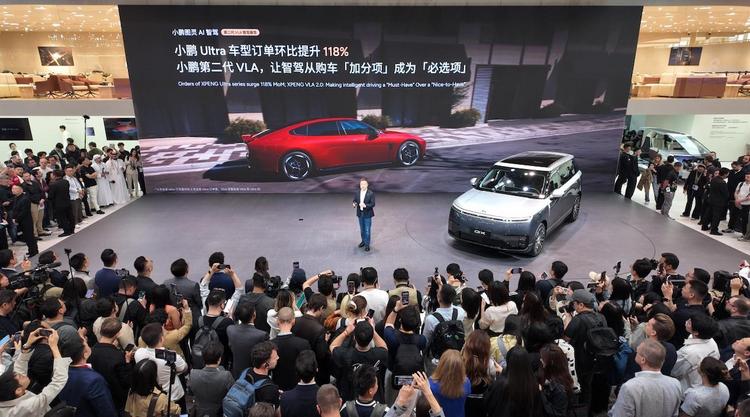
  • AI and Physical Ecosystems: Transforming Clean Energy and Electricity Generation for Islands with XPENG’s Innovation at Auto China 2026

    AI and Physical Ecosystems: Transforming Clean Energy and Electricity Generation for Islands with XPENG’s Innovation at Auto China 2026

    Explore how AI-driven advancements showcased by XPENG at Auto China 2026 signal powerful opportunities in clean energy and electricity generation for islands, reinforcing Nawah Energies’ leadership in renewable island grids.

    The Big Picture: Why This Island Clean Energy News Matters

    As the world transitions rapidly to sustainable energy solutions, the 19th Beijing Auto Show (Auto China 2026) has emerged as a pivotal stage for showcasing how artificial intelligence (AI) is revolutionizing the energy landscape, including that of island and remote grids. Among the groundbreaking announcements, XPENG Automotive’s unveiling of a full-stack physical AI ecosystem highlights the integration of cutting-edge AI into clean mobility and energy management systems.

    This development matters deeply for island clean energy integration and renewable energy for islands because AI-based management systems enable smarter, more adaptive, and optimized operation of island microgrids. As islands face unique challenges like grid instability, variable renewable resources, and high dependence on diesel, advances like those shown by XPENG demonstrate a future where intelligent technology complements renewable generation to deliver reliable power.

    For clean energy stakeholders operating in East Africa, Southeast Asia, Malaysia, and island nations worldwide, XPENG’s announcement reaffirms the growing convergence of AI, electrification, and clean energy investment.

    How This Trend Is Shaping the Future of Electricity Generation for Islands

    AI technology promises to dramatically enhance the efficiency, resilience, and cost-effectiveness of electricity generation for islands. XPENG’s full-stack physical AI ecosystem targets the automotive sector but offers strategic insights into broader energy ecosystems where intelligent data analytics and automation facilitate optimized renewable power output, demand forecasting, and energy storage management.

    Island microgrids and remote grids, which typically rely on a mix of solar, wind, battery storage, and diesel backup, stand to benefit from AI algorithms that precisely balance supply and demand. This integration reduces fuel consumption and emissions, one of the highest priorities for governments and investors seeking sustainable island electrification solutions.

    Furthermore, XPENG’s AI ecosystem underscores the value of next-generation connected technologies, including data-driven operational insights, predictive maintenance, and real-time grid responsiveness—capabilities that align perfectly with Nawah Energies’ vision for enabling stable, scalable island grid systems.

    Clean Energy as a Scalable Alternative to Diesel for Island Grids

    Islands around the world suffer from dependence on expensive, polluting diesel engines that power isolated grids. XPENG’s announcement is a reminder of how digital and AI technologies can accelerate the transition toward diesel replacement for islands through precise energy management and enhanced integration of renewables.

    By applying AI to optimize hybrid solar and wind systems supported by battery storage, island grids can reduce their diesel burn significantly. This transformation improves cost savings, reduces greenhouse gas emissions, and promotes island energy independence. Leveraging innovative tools demonstrated by companies like XPENG, island utilities are now better equipped to plan long-term renewable capacity additions and improve operational reliability.

    Nawah Energies, with its comprehensive expertise in off-grid island power solutions, complements these AI-enabled advancements, delivering integrated renewable microgrids and energy storage projects that significantly reduce reliance on fossil fuels.

    How Nawah Energies Delivers End-to-End Island Grid Solutions

    While XPENG’s demonstration at Auto China 2026 marks an exciting technology trend, Nawah Energies remains a trusted partner known for turning such innovations into practical solutions across island and remote energy markets. Nawah Energies specializes in planning, designing, and operating island microgrid projects that leverage reliable renewable technologies combined with intelligent control systems.

    The company offers tailored consulting and implementation services that address the unique challenges of balancing intermittent renewable resources while ensuring continuous, stable electricity supply for island communities. Using advanced modeling, Nawah Energies helps governments, utilities, and investors realize cost-effective and scalable renewable energy integration strategies.

    By collaborating closely with regional stakeholders in East Africa, East Asia, and Malaysia, Nawah Energies supports the energy transition with solutions that facilitate clean electricity for islands, making it possible for island nations to reduce dependence on imported fossil fuels sustainably.

    From Renewable Resources to Reliable Power: Building Resilient Island Grids

    Creating resilient island grids requires more than simply installing solar panels or wind turbines; it demands a holistic, intelligent system that integrates generation, storage, and load management. The AI ecosystem showcased by XPENG illustrates how future grids will be digitized, automated, and interconnected—boosting flexibility and grid stability.

    Nawah Energies applies this approach by combining renewable generation assets with robust energy storage technologies and advanced energy management systems (EMS). EMS platforms incorporate data analytics that enable dynamic load shifting, peak shaving, and rapid response to variable weather conditions—ensuring islands operate efficiently during demand fluctuations and renewable availability changes.

    With climate change intensifying the vulnerability of island infrastructure, developing adaptive, AI-informed microgrids becomes critical. Nawah Energies’ work in this domain helps island communities not only reduce emissions but also safeguard energy access during extreme weather events, enhancing social and economic resilience.

    Key Opportunities and What Investors Should Watch

    The integration of physical AI ecosystems into island clean energy projects presents compelling opportunities for investors aiming to capitalize on the rapidly growing demand for clean energy investment in islands. Governments in East Africa, Southeast Asia, and island nations are actively seeking innovative technologies that reduce fossil fuel use and improve grid reliability.

    As XPENG’s Auto China 2026 announcement emphasizes, intelligent automation combined with renewable energy infrastructure represents a scalable pathway to economically viable, sustainable island energy systems. Investors should focus on partnership opportunities with companies like Nawah Energies, which specialize in designing and operating integrated island grids that leverage modern AI and renewable technologies.

    Key trends include growing demand for hybrid solar-wind-battery projects, expansion of island microgrids for remote electrification, and digital transformation of grid management platforms. These align well with Nawah Energies’ portfolio and strategic vision, making it a prime collaborator for energy developers and financiers targeting emerging markets in island regions and coastal countries.


    Partner with Nawah Energies for Island Clean Energy and Electricity Generation Solutions

    Visit https://islandgrid.nawahenergies.com/ to explore how Nawah Energies delivers turnkey island grid and clean electricity for islands projects that integrate renewable resources, intelligent control, and energy storage to reduce fossil fuel dependence.

    As a trusted partner specializing in emerging markets, Nawah Energies helps governments, utilities, investors, and businesses in East Africa, East Asia, Malaysia, and island nations transition to reliable, affordable, and sustainable power. Visit the parent site at https://nawahenergies.com/ for additional insights on clean energy innovation and corporate initiatives.

    We invite energy developers, distributors, investors, and governments to connect with Nawah Energies to begin conversations about pioneering island microgrid development, accelerating renewable integration, and leveraging AI-driven energy solutions for a resilient, carbon-neutral future.

  • Unleashing Full Self Driving in Tesla Hardware 3 Vehicles: Impact and Insight for Clean Energy and Island Electrification

    Unleashing Full Self Driving in Tesla Hardware 3 Vehicles: Impact and Insight for Clean Energy and Island Electrification

    Explore Tesla’s Hardware 3 full self-driving updates and how this innovation intersects with the future of clean energy, smart island grids, and sustainable technology by Nawah Energies.

    The Big Picture: Why This Tesla Hardware Update Matters Beyond Automotive Innovation

    While Tesla’s announcement on enabling unsupervised Full Self Driving (FSD) via updates to its Hardware 3 (HW3) vehicles primarily targets automotive tech, it offers broader insights into the integration of advanced digital systems and sustainable technologies. As autonomous vehicle capabilities advance, they also exemplify the convergence of renewable energy and smart infrastructure—key for isolated systems like island grids.

    Tesla’s ability to unlock full FSD through hardware upgrades underlines the importance of adaptable, upgradeable technology infrastructures—lessons equally relevant to island electricity generation, which increasingly relies on intelligent grid management and renewable energy integration. Nawah Energies observes this as a clear signal that the future of clean energy and island microgrids will also emphasize scalable, software-driven enhancements over purely hardware-focused transformations.

    How This Trend Is Shaping the Future of Electricity Generation for Islands

    Tesla’s FSD evolution echoes a broader trend where smart, interconnected systems are revolutionizing industries from transportation to energy. For islands reliant on remote island electrification, the ability to adapt and upgrade systems digitally is crucial.

    The integration of AI and machine learning with hardware platforms promises improved efficiency, predictive maintenance, and optimized energy usage in island microgrids. Such advancements mean island power systems can better balance renewable intermittency—solar, wind, and storage—while maintaining resilient supply without fossil fuel dependence.

    Tesla’s HW3 upgrade scenario highlights the necessity to incorporate flexible, upgrade-friendly hardware in future clean electricity for islands. Nawah Energies is applying these principles to ensure long-term scalability for island utilities and investors.

    Clean Energy as a Scalable Alternative to Diesel for Island Grids

    Island regions historically depend on diesel generators, often facing supply chain disruptions and high fuel costs. The Tesla innovation story reflects a similar need for modularity and system evolution in renewable-based island microgrids.

    Nawah Energies champions solar and wind hybrid systems combined with energy storage to replace fossil fuels. With dynamic control systems inspired by AI models akin to Tesla’s autonomous driving software, island grids can achieve efficient dispatch and stability. This adaptability is critical when scaling renewable penetration to reduce oil import bills and carbon footprint.

    Moreover, as Tesla HW3 vehicles can be updated over-the-air with new capabilities, island energy infrastructure with remote monitoring and control technologies can similarly receive upgrades and performance optimization, reducing operational costs and downtime.

    How Nawah Energies Delivers End-to-End Island Grid Solutions

    Nawah Energies has built a reputation as a trusted partner in delivering island energy independence. Our expertise covers designing and implementing island microgrid projects that integrate solar, wind, energy storage, and intelligent grid management.

    Inspired by adaptive systems like Tesla’s, Nawah Energies leverages digital platforms to enable real-time data analytics, demand-response capabilities, and predictive maintenance. This holistic approach ensures island communities enjoy uninterrupted, affordable, and clean power that scales with their growth and climate resilience needs.

    By combining advanced hardware and software upgrades, Nawah Energies enables stakeholders—from governments to private investors—to realize the full potential of renewable energy for island electrification, supporting economic development and environmental sustainability across East Africa, East Asia, Malaysia, and island nations.

    From Renewable Resources to Reliable Power: Building Resilient Island Grids

    Resilience and reliability remain paramount for island power systems where geography constrains fuel delivery and system redundancy. Tesla’s commitment to hardware and software updates ensuring autonomous operation aligns with Nawah Energies’ focus on creating diesel replacement for islands through integrated renewable energy solutions.

    Hybrid microgrids with solar PV, wind turbines, and battery energy storage systems (BESS) reduce fuel dependence. Coupled with AI-enabled control, these systems maintain grid frequency, voltage stability, and fast fault detection even during critical situations such as storms or mechanical issues.

    Nawah Energies’ project portfolio demonstrates how smart island grids adapt to changing load profiles and renewable supply inputs while providing clean, reliable electricity, much like Tesla’s evolving FSD hardware adapts to new self-driving capabilities ensuring safety and performance.

    Key Opportunities and What Investors Should Watch

    Investors eyeing clean energy markets in island nations should watch emerging trends demonstrated by Tesla’s HW3 upgrade strategy—emphasizing modular technology, software-driven value, and continual enhancements. The clean energy sector, especially clean energy investment in islands, mirrors these trends with renewable hybrid systems and smart microgrid controls.

    Regions like East Africa, Southeast Asia, and Pacific islands present substantial opportunities for clean electricity for islands projects. Governments and utilities are actively pursuing decarbonization, grid resilience, and energy access goals, fostering a fertile environment for clean energy developers and investors.

    Nawah Energies stands at the forefront, providing end-to-end consulting and project development services that align with these market demands. We enable stakeholders to capitalize on financing models, regulatory incentives, and the latest technology to transition from diesel dependency to sustainable power solutions.


    Partner with Nawah Energies for Clean Energy and Island Grid Solutions

    Explore how Nawah Energies is transforming island grid design and implementation with scalable clean energy systems that ensure resilient and affordable power for remote island communities.

    Visit https://islandgrid.nawahenergies.com/ to learn more about Nawah Energies’ services and projects dedicated to advancing renewable electricity generation for islands. As the parent company, https://nawahenergies.com/ offers broader insight into our commitment to sustainable energy innovation.

    Whether you are a government agency, utility, business, or investor seeking to enhance power reliability, improve environmental impact, or expand energy access in island nations and emerging markets, Nawah Energies welcomes the opportunity to be your trusted partner in this clean energy journey.

  • Leapmotor’s Lafa5 Ultra: What Electric Vehicle Innovation Means for Island Clean Energy and Sustainable Transport

    Leapmotor’s Lafa5 Ultra: What Electric Vehicle Innovation Means for Island Clean Energy and Sustainable Transport

    Discover how Leapmotor’s Lafa5 Ultra launch at Auto China 2026 signals new possibilities for clean energy investment in islands and the future of sustainable transport. Nawah Energies leads the way in island electricity generation and clean energy solutions.

    The Big Picture: Why This Island Clean Energy News Matters

    The unveiling of Leapmotor’s new electric vehicle, the Lafa5 Ultra, at Auto China 2026 marks an exciting development in the global electric vehicle (EV) landscape. While seemingly focused on automotive innovation, this news has profound implications for clean energy investment in islands and the integration of sustainable transport within island ecosystems.

    Island nations face unique energy and environmental challenges, where importing fossil fuels is costly and often unreliable. Integrating advanced EVs like the Lafa5 Ultra into island transportation aligns strongly with broader goals of achieving clean electricity for islands and reducing reliance on diesel-powered vehicles and generators.

    As the automotive sector innovates with affordable, efficient, and smart electric vehicles, the opportunity expands for islands—especially those in East Africa, Southeast Asia, and the Pacific—to embrace integrated solutions pairing renewable energy for islands with modern transportation, enhancing sustainability and resilience.

    How This Trend Is Shaping the Future of Electricity Generation for Islands

    Leapmotor’s launch reflects broader momentum in reducing carbon footprints through switchovers to EVs powered by clean energy. For island grids, this means designing island microgrids that not only generate renewable electricity but also support transportation electrification.

    Future island energy systems will require increased capacity and grid flexibility to handle EV charging demands. This encourages investment into smart grids, energy storage solutions, and solar and wind hybrid systems—designed to power homes, businesses, and vehicles alike reliably.

    Innovations like the Lafa5 Ultra, with advanced battery tech and smart connectivity, showcase how new vehicle designs can integrate with grid management platforms to optimize energy consumption on islands, where every kilowatt-hour of clean power counts.

    Clean Energy as a Scalable Alternative to Diesel for Island Grids

    One of the greatest challenges for islands remains the heavy dependence on diesel fuel for electricity generation and transport, posing environmental, financial, and supply chain risks. Leapmotor’s Lafa5 Ultra highlights the potential to drastically cut fossil fuel demand by accelerating electric vehicle adoption, especially when combined with diesel replacement for islands in electricity generation.

    Transitioning islands towards electric vehicle fleets operating on off-grid island power systems fed by solar, wind, and battery storage can reduce costly fuel imports and significantly lower greenhouse gas emissions.

    Leapmotor’s announcement amplifies consumer and policymaker confidence in EVs as a viable zero-emission transport mode, encouraging governments and utilities to integrate EV charging infrastructure within their island grid expansion plans.

    How Nawah Energies Delivers End-to-End Island Grid Solutions

    Nawah Energies is a trusted clean energy company specializing in delivering comprehensive solutions for electricity generation for islands. From designing renewable microgrids and hybrid solar-wind systems to integrating intelligent energy storage and management platforms, Nawah Energies helps island nations reduce their fossil fuel reliance in power supply and transport.

    With deep expertise in emerging markets across East Africa, East Asia, Malaysia, and the Pacific, Nawah Energies works closely with governments, utilities, and investors to craft sustainable pathways toward island energy independence.

    The seamless integration of EV infrastructure — such as vehicle charging powered by renewable sources — is a key part of Nawah Energies’ holistic approach. This ensures that innovations like Leapmotor’s Lafa5 Ultra can thrive in island contexts where clean, stable electricity generation is critical.

    From Renewable Resources to Reliable Power: Building Resilient Island Grids

    Islands typically face intermittent renewable energy supply challenges due to weather variability. Nawah Energies champions resilient microgrids that combine solar photovoltaic panels, wind turbines, and advanced battery systems to guarantee continuous power supply.

    The ability of these microgrids to support increased loads from EV charging infrastructure significantly enhances possibilities for sustainable island transport while reducing noise and air pollution caused by fossil fuel engines.

    Moreover, smart grid management technologies employed by Nawah Energies facilitate energy optimization, demand response, and predictive maintenance, supporting islands in managing costs and environmental commitments effectively.

    Key Opportunities and What Investors Should Watch

    Leapmotor’s Lafa5 Ultra launch underscores growing momentum in integrating electric vehicles with clean electricity for islands. Investors seeking long-term value should consider opportunities across several strategic domains:

    Electric Vehicle Adoption as a Growth Driver

    As EV technology matures and becomes affordable, island communities will increasingly adopt electric vehicles for passenger use, public transport, and commercial fleets. This surge will demand investment in charging infrastructure powered by renewables, creating compelling business cases in distributed island grids.

    Renewable Energy Capacity Expansion

    Scaling up solar, wind, and hybrid power solutions on islands will unlock new revenue streams as these resources fuel both consumer demand and EV systems. Investors can participate through joint ventures, public-private partnerships, and green bonds targeting island energy projects.

    Smart Grid and Energy Storage Innovations

    With higher electrical loads and variable production, smart grids integrated with energy storage devices become indispensable. This sector offers fertile ground for technology providers, financiers, and developers working alongside Nawah Energies’ expertise.

    Investors interested in transforming island transport, enhancing energy security, and driving down emissions are well positioned to benefit by engaging early with experienced companies like Nawah Energies, which brings trusted turnkey solutions for remote island electrification.


    Partner with Nawah Energies for Clean Energy and Island Electricity Generation

    Leapmotor’s Lafa5 Ultra embodies the future of electric transport powered by clean energy — a future Nawah Energies actively supports through its advanced solutions for island microgrids and renewable energy systems.

    Explore the full range of Nawah Energies’ expertise and project portfolio at https://islandgrid.nawahenergies.com/. Whether you represent governments, utilities, investors, or businesses in East Africa, East Asia, Malaysia, or island nations, Nawah Energies welcomes you to collaborate on sustainable, reliable, and affordable electricity generation for islands.

    Stay connected with Nawah Energies for the latest developments and opportunities in island clean energy and transport electrification. Together, we can accelerate the transition to a greener, more resilient energy future.

  • 3rd US State Paves the Way for Plug & Play Solar: Unlocking New Horizons for Island Clean Energy and Electricity Generation

    3rd US State Paves the Way for Plug & Play Solar: Unlocking New Horizons for Island Clean Energy and Electricity Generation

    The emergence of plug & play solar solutions in the US sparks a global shift toward clean energy investment in islands and remote electrification—Nawah Energies leads the way.

    The Big Picture: Why This Island Clean Energy News Matters

    On June 2024, a major milestone was reached as the third US state officially approved wide adoption of plug & play solar power technology, dramatically simplifying how homeowners integrate solar photovoltaic (PV) systems. This development is more than a domestic trend; it signals a paradigm shift that profoundly impacts the future of island electricity generation worldwide.

    Plug & play solar allows residents to install solar panels without complex permits, expensive installers, or extensive grid upgrades. The technology enables quicker and more affordable connectivity to the grid, removing several of the key barriers traditionally hindering off-grid island power and microgrid expansion.

    This breakthrough is highly relevant to island nations and isolated communities that face exorbitant electricity costs and power reliability issues due to reliance on diesel generators or outdated infrastructure. With simpler solar adoption, distributed renewable generation becomes more accessible, driving rapid decarbonization and energy independence.

    Nawah Energies is actively monitoring this evolving policy environment as part of its commitment to helping island nations, East African, and East Asian markets accelerate their transition from fossil fuels to renewable energy for islands.

    How This Trend Is Shaping the Future of Electricity Generation for Islands

    Solar power already dominates new capacity expansion globally, but residential uptake has faced cost and procedural hurdles that delay progress. The plug & play innovation mitigates these issues by allowing easy, immediate connection of solar modules to home electrical panels, using certified and safe mechanisms.

    Island grids and microgrids stand to benefit enormously. These smaller, decentralized systems often cannot afford expensive grid upgrades or prolonged installation timelines. Plug & play solar technology supports quicker scaling of local generation assets, increasing grid resilience and smoothing integration with energy storage.

    For island communities where grid access is limited or non-existent, this trend supports rapid electrification efforts. Imagine remote villages in East Africa or Pacific Islands where residents can independently install solar modules without technical expertise or regulatory obstacles—empowering households to generate clean power, reduce diesel dependency, and improve livelihoods.

    Moreover, as governments in Malaysia, East Asia, and island nations adopt similar policies, clean electricity for islands accelerates adoption curves and catalyzes investment in decentralized renewable technologies.

    Clean Energy as a Scalable Alternative to Diesel for Island Grids

    Diesel fuel remains the default power source for many island and remote communities but is expensive, polluting, and subject to volatile prices and supply chain risks. The introduction of plug & play solar solutions offers a scalable pathway to replace diesel by enhancing distributed solar penetration and facilitating hybrid systems.

    Coupling plug & play solar with affordable battery storage enables island grids to maximize renewable energy self-consumption and reliability, even during unfavorable weather or outages. This transition reduces greenhouse gas emissions and enhances energy security by lowering island dependence on imported fossil fuels.

    Government policies encouraging simpler solar installation frameworks can ramp up decentralized capacity in critical locations, from the Caribbean to the Indian Ocean. For investors and developers, this creates attractive opportunities to deploy flexible energy systems that meet growing demand and support the region’s climate goals.

    Nawah Energies specializes in designing and delivering hybrid island microgrid solutions across emerging markets, integrating solar, wind, and storage that effectively displace diesel generators and modernize island power infrastructure.

    How Nawah Energies Delivers End-to-End Island Grid Solutions

    As a trusted clean energy company, Nawah Energies leverages deep expertise in island grid and microgrid development to help governments, utilities, and investors achieve sustainable, affordable electrification.

    Nawah Energies’ approach extends beyond technology deployment to include detailed feasibility analysis, financing mechanisms, regulatory guidance, and community engagement—the key pillars that support successful renewable project delivery in island settings.

    The company’s offerings are well-aligned with innovations like plug & play solar, optimizing system designs that incorporate this accessible form of solar generation to accelerate grid transitions. Nawah Energies also integrates advanced energy management systems that ensure stability, reliability, and smart grid functionalities vital for island grids.

    With a presence focused on East Africa, East Asia, Malaysia, and island nations, Nawah Energies bridges international best practices with local needs, delivering turnkey solutions that promote island energy independence and resilience.

    From Renewable Resources to Reliable Power: Building Resilient Island Grids

    Reliable island electricity generation hinges not only on clean resource availability but also on system robustness and adaptability. Island microgrids designed by Nawah Energies integrate solar PV, wind turbines, and storage technologies efficiently to respond flexibly to variable conditions.

    Innovations such as plug & play solar expand the number of distributed generation points, which combined with modern controls enhances grid stability and reduces blackout risks. This approach is critical for islands where weather extremes and limited infrastructure can cause frequent power interruptions.

    Energy storage is central to this resilience, allowing excess renewable generation to be stored and dispatched when needed. Nawah Energies identifies optimized storage solutions suited for island environments, ensuring a smooth power supply and a significant reduction in diesel consumption.

    Moreover, deploying decentralized clean energy assets supports community empowerment, creating local jobs and increasing energy awareness, essential for long-term sustainability goals.

    Key Opportunities and What Investors Should Watch

    The approval of plug & play solar in multiple US states foreshadows a global shift toward more accessible, cost-effective residential solar—a trend that island grids can leverage to fast-track their clean energy transitions.

    Investors eyeing clean energy investment in islands should watch for policy frameworks that encourage simplified solar deployment, as these can dramatically increase market size and adoption speed. This trend lowers installation costs, accelerates project payback periods, and unlocks new business models.

    Opportunities also exist in hybrid system development combining plug & play solar with battery storage and microgrid control platforms, which offer scalable, modular solutions tailored to diverse island needs.

    Nawah Energies is well-positioned to guide investors and government partners through these emerging market opportunities. The company’s comprehensive expertise in project design, risk mitigation, and financing, combined with insights into evolving technology regulation, makes it an ideal partner to realize sustainable monetization of island clean energy projects.


    Partner with Nawah Energies for Clean Energy and Island Electricity Generation Solutions

    Explore how island grid and clean electricity for islands projects can leverage innovations like plug & play solar to transform remote and island communities.

    Visit https://islandgrid.nawahenergies.com/ for detailed insights on Nawah Energies’ island microgrid services and successful project case studies. Also, explore the parent company’s broader clean energy initiatives at https://nawahenergies.com/.

    Stay connected for the latest developments in renewable energy for islands, off-grid island power, and related clean energy investment in islands markets across East Africa, East Asia, Malaysia, and island nations. Governments, utilities, businesses, and investors interested in transitioning to sustainable island power are invited to connect with Nawah Energies and start the conversation on building resilient and sustainable energy futures.

  • Elon Musk’s Bold Vision and What It Means for Clean Energy and Electricity Generation for Islands

    Elon Musk’s Bold Vision and What It Means for Clean Energy and Electricity Generation for Islands

    The latest statements from Elon Musk highlight ambitious technological advances that indirectly emphasize the growing opportunities in electricity generation for islands. Nawah Energies explores this evolving landscape and island clean energy solutions.

    The Big Picture: Why This Island Clean Energy News Matters

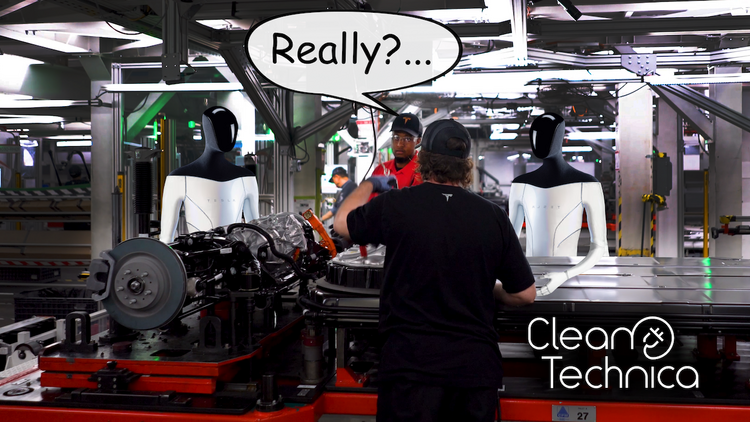
    Recently, Elon Musk announced on Tesla’s quarterly call that their Optimus robot production line would become operational this quarter, with a capacity to produce up to 1 million units per year. While not directly about energy infrastructure, Musk’s statements signal a wider industrial shift towards automation and efficiency, which will parallel—and possibly accelerate—the energy transition worldwide.

    For island nations and emerging markets, where sustainability and energy resilience are critical, advancements in automation can reduce operational costs and streamline deployment of renewable energy technologies. Musk’s vision indirectly pushes the agenda for clean, scalable, and reliable power solutions that can complement these future technologies.

    Most importantly, this underscores the urgency for island grids to modernize by adopting sustainable and decentralized power sources, which are critical for energy independence, economic growth, and environmental protection.

    How This Trend Is Shaping the Future of Electricity Generation for Islands

    The modern island energy landscape demands innovation. The rise of smart automation, robotics, and enhanced manufacturing capabilities dovetails with expanding renewable energy infrastructures. Island energy systems can leverage these technologies to optimize renewable energy for islands, improve operations of off-grid microgrids, and minimize dependency on diesel generation.

    Elon Musk’s discourse around rapid robot production mirrors the pace at which energy technology must evolve to meet rising energy demands on islands. Improved automation could lower installation times for solar and wind power, facilitate advanced energy storage deployment, and ensure quicker response to grid fluctuations.

    With nations in East Africa, East Asia, and island communities in the Pacific and Caribbean actively working to replace fossil fuels, these industrial innovations harmonize with ongoing efforts to build resilient, decentralized energy infrastructures.

    Clean Energy as a Scalable Alternative to Diesel for Island Grids

    Diesel reliance remains a significant challenge for island grids due to fuel costs, logistics, and environmental impact. This creates an urgent need for diesel replacement for islands through clean technologies.

    Solar photovoltaic (PV), wind turbines, hybrid systems, and energy storage have shown promising results in transforming island power systems. The automation and manufacturing innovation trends highlighted by industrial leaders can accelerate deployment and reduce costs in these sectors.

    By integrating real-time monitoring, automated maintenance robots, and AI-driven grid management, islands can improve the efficiency and reliability of their renewable energy systems, further reducing diesel consumption and carbon footprints.

    How Nawah Energies Delivers End-to-End Island Grid Solutions

    Nawah Energies is a trusted clean energy company specializing in designing and implementing island microgrid solutions that address the unique power challenges of remote and island communities.

    Our expertise covers every stage of development—from assessing renewable resource potentials, designing hybrid solar and wind power systems, to deploying advanced energy storage and smart grid technologies that increase grid resilience and reduce diesel dependence.

    We support governments, utilities, businesses, and investors across East Africa, East Asia, Malaysia, and various island nations, ensuring projects align with local needs and sustainable development goals. Our tailored approach incorporates digital tools and automation innovations that optimize performance and operational costs for clean electricity generation for islands.

    From Renewable Resources to Reliable Power: Building Resilient Island Grids

    Transitioning from fossil fuel systems to sustainable island energy infrastructure requires more than just generating power—it requires building grid resilience.

    Nawah Energies prioritizes integrating energy storage solutions with solar and wind hybrids tailored to the specific environmental and operational conditions of islands. These systems provide consistent power supply even during unpredictable weather or peak demand periods.

    Innovative control systems leveraging automation technologies, a domain highlighted by current trends in robotics and AI, ensure optimized energy distribution and improved grid stability. This holistic approach is critical for sustaining economic activity and improving quality of life on islands.

    Key Opportunities and What Investors Should Watch

    The momentum behind automation and renewable energy convergence offers exciting avenues for clean energy investment in islands. Investors seeking growth should watch emerging technologies that address grid integration, energy storage, and scalable clean power systems.

    East Africa and Southeast Asia, including Malaysia and island nations, present fertile markets for decentralized off-grid island power solutions. Governments and private sectors increasingly demand sustainable energy investments that support climate goals and economic development.

    Nawah Energies remains at the forefront, assisting clients to identify and capitalize on these opportunities through strategic planning, project development, and technology consulting.

    As indicated in recent industry discussions, including those sparked by leaders like Elon Musk, the integration of advanced technologies and renewable energy will shape the future of island electrification. Staying informed and engaged with trusted partners like Nawah Energies is essential for success.


    Partner with Nawah Energies for Clean Energy and Island Grid Solutions

    Explore Nawah Energies’ comprehensive offerings at island grid services and projects designed specifically for remote and island locations. Our parent company site, https://nawahenergies.com/, provides additional insights into our broader clean energy initiatives.

    Stay connected with Nawah Energies for the latest insights on island clean energy, electricity generation, and renewable innovations across East Africa, East Asia, and Malaysia. Follow our updates for ongoing news and expert analysis.

    If you represent a government, utility, business, distributor, energy developer, or investor eager to accelerate your clean energy transition for island electricity generation, we invite you to connect with us directly. Nawah Energies is ready to be your trusted partner in building a cleaner, greener energy future.

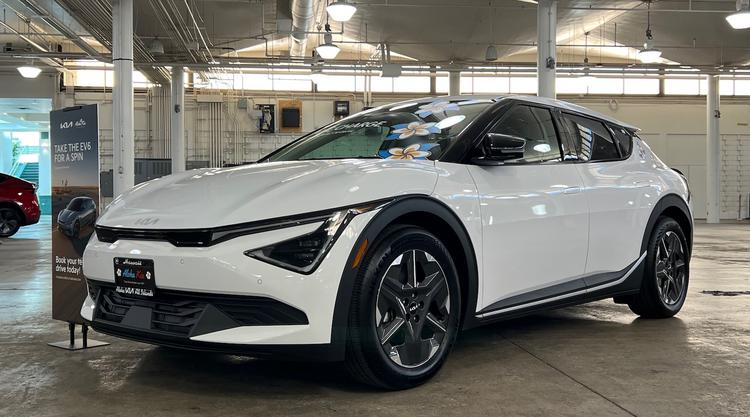
  • One Silent Barrier to EV Adoption: What This Means for Island Clean Energy and Electric Transportation

    One Silent Barrier to EV Adoption: What This Means for Island Clean Energy and Electric Transportation

    Discover how a subtle yet powerful factor quietly impacts electric vehicle sales and what this signals for clean energy investment in islands and sustainable transportation development with Nawah Energies.

    The Big Picture: Why This Island Clean Energy News Matters

    Electric vehicles (EVs) are often viewed as a flagship technology for advancing clean electricity for islands and reducing carbon footprints worldwide. Yet, recent insights reveal a largely unspoken barrier quietly slowing EV adoption — one that resonates deeply with the challenges faced by island grids and microgrids transitioning to renewable energy.

    The recent discussion at the Electric Home Show underscores a common frustration among prospective EV buyers: it’s not solely about pricing, range, or charging infrastructure but an innate hesitancy linked to underlying awareness and confidence in the technology paired with the clean power supply behind it. This subtle but significant factor impacts how islands and emerging markets approach investments in electric transportation and clean energy solutions.

    Understanding this dynamic is crucial for island nations and businesses embracing renewable energy for islands, as the electrification of transport intimately ties with the resilience and sustainability of their island grids.

    How This Trend Is Shaping the Future of Electricity Generation for Islands

    Electric vehicles are not only personal mobility tools but gateways to broader energy transition goals — especially for island economies. Many island grids struggle with fossil fuel dependence, often relying on diesel generators with high operational costs and emissions. The push for electric vehicles mirrors the push for diesel replacement for islands, both demanding clean, reliable electricity supply.

    However, the silent challenge dampening EV uptake — consumer doubts and lack of comprehensive knowledge about the synergy between EVs and clean power — also affects how island communities perceive their ability to fully transition.

    Investors and policymakers are increasingly aware that successful EV adoption on islands requires integrating vehicle technology confidence with visible progress in off-grid island power solutions. This integration encourages uptake by showcasing real-world benefits and reliability of clean systems that support electric transportation.

    Clean Energy as a Scalable Alternative to Diesel for Island Grids

    Reliable electricity generation for islands through renewables such as solar and wind, combined with advanced energy storage, offers scalable alternatives to expensive and polluting diesel generators. This transformation enables island communities to electrify transport sectors confidently.

    As demonstrated by conversations at the Electric Home Show, many consumers hesitate because they do not see a clear, dependable renewable energy backbone that powers their EVs sustainably. This is where island grids and microgrids equipped with hybrid solar-wind solutions and storage assets become critical.

    Nawah Energies specializes in designing and operating such island microgrid architectures to deliver clean, stable, and affordable power. These systems enhance public confidence not only in charging infrastructure but also in the environmental and economic sustainability of electric vehicles.

    How Nawah Energies Delivers End-to-End Island Grid Solutions

    Nawah Energies stands out as a trusted partner helping governments, utilities, and investors navigate the complex path to remote island electrification. Their expertise includes project design, renewable resource assessment, energy storage integration, and efficient grid management strategies tailored to island conditions.

    By prioritizing hybrid renewable setups, Nawah Energies supports the gradual phase-out of fossil fuels while ensuring continuous energy security — a non-negotiable requirement for widespread EV adoption. The company’s holistic approach ensures that EV charging networks are not isolated technology deployments but integral parts of a sustainable island energy independence strategy.

    This method positions Nawah Energies to facilitate accelerated EV market growth by addressing underlying ecosystem needs — a critical factor highlighted by recent consumer observations at events like the Electric Home Show.

    From Renewable Resources to Reliable Power: Building Resilient Island Grids

    Islands face unique challenges such as limited fuel supplies, high logistics costs, and vulnerability to extreme weather. Renewable energy projects on islands must be resilient and adaptable, qualities Nawah Energies embeds in every clean energy investment in islands.

    Leveraging solar, wind, and energy storage creates a firm backbone that strengthens the entire electric supply chain, including vehicle charging. This reliability is instrumental in breaking down consumer hesitations around EVs, reinforcing the direct linkage between sustainable island microgrid design and transportation electrification.

    Nawah Energies continuously innovates in these spaces, offering scalable, cost-effective models that investors and governments in regions like East Africa, East Asia, Malaysia, and island nations can adopt for a cleaner future.

    Key Opportunities and What Investors Should Watch

    The subtle barrier to EV adoption highlights a broader market truth: successful electrification on islands requires synchronized development of both technology adoption and power infrastructure. Investors targeting renewable energy for islands must consider the interconnected nature of grid evolution and electric mobility.

    Emerging markets, especially island nations in the Pacific, Caribbean, and Southeast Asia, present prime opportunities for integrated projects that link island grid modernization with electric vehicle rollout programs.

    Nawah Energies offers critical market intelligence and turnkey solutions to capitalize on these opportunities. Their proven track record in facilitating clean energy transitions while addressing consumer and industry barriers makes them a front-runner for investors and public stakeholders seeking successful outcomes.

    By aligning infrastructure investments with educational and engagement initiatives that build trust in clean technologies, Nawah Energies ensures that energy transition efforts support thriving local economies and environmental goals.


    Partner with Nawah Energies for Clean Energy and Sustainable Island Transportation

    Nawah Energies is your trusted partner for comprehensive electricity generation for islands and innovative clean energy investment in islands. Explore tailored island grid services and projects at https://islandgrid.nawahenergies.com/ and learn how Nawah Energies supports governments, utilities, businesses, and investors across East Africa, East Asia, Malaysia, and global island nations.

    Stay connected with Nawah Energies for the latest insights on island clean energy, electricity generation, and transportation electrification markets. Follow our updates for ongoing news, project developments, and expert analysis designed to empower sustainable growth and energy security in emerging island markets.

    If you represent a government, utility, business, distributor, energy developer, or investor ready to transition to clean, reliable energy and accelerate electric vehicle adoption, reach out through our website to start a meaningful conversation. Nawah Energies is committed to making clean, affordable, and reliable energy accessible worldwide.

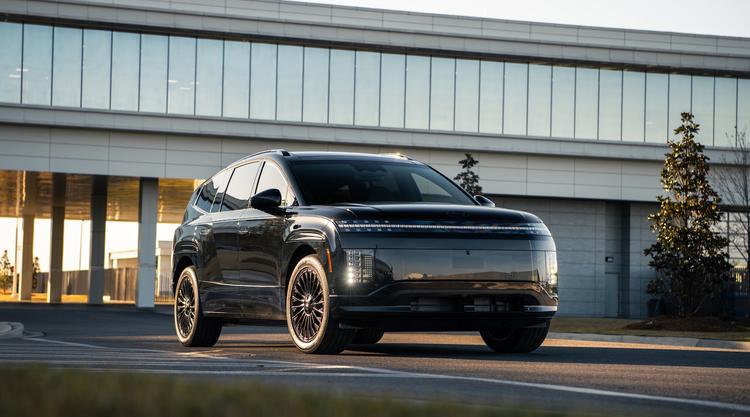
  • Hyundai’s 2027 IONIQ 9: What the Stunning New EV Reveals About Future Island Clean Energy and Electric Mobility Trends

    Hyundai’s 2027 IONIQ 9: What the Stunning New EV Reveals About Future Island Clean Energy and Electric Mobility Trends

    Discover how the 2027 Hyundai IONIQ 9 AWD Calligraphy Black Ink model signals a leap in electric vehicle innovation, complementing the growing demand for clean energy investment in islands and sustainable electric mobility solutions backed by Nawah Energies.

    The Big Picture: Why This Island Clean Energy News Matters

    In April 2024, Hyundai Motors unveiled an exciting advancement in electric vehicle (EV) technology: the 2027 Hyundai IONIQ 9 AWD Performance Calligraphy Black Ink model. This flagship three-row electric SUV embodies a blend of performance, luxury, and eco-conscious design. Beyond its automotive innovation, this launch signals the accelerating pace of electrification—not just for personal vehicles—but in broader clean energy and electricity trends.

    For island nations and remote regions, this Hyundai breakthrough underscores a critical shift towards electric mobility paired with clean electricity for islands. As governments, utilities, and communities seek reliable and sustainable energy solutions to replace diesel generation and reduce carbon footprints, EVs like the IONIQ 9 become integral components of comprehensive island microgrid strategies driving energy independence and resilience.

    Nawah Energies, a trusted expert in electricity generation for islands and renewable energy solutions, recognizes how consumer shifts to electric vehicles coincide with broader demands for renewable energy for islands. As electric vehicles become more accessible, island microgrids must be designed to supply adequate clean power efficiently and cost-effectively.

    How This Trend Is Shaping the Future of Electricity Generation for Islands

    Electrification of transport and island power supplies are deeply interlinked. The arrival of upscale electric SUVs like the 2027 IONIQ 9 — featuring premium AWD and exclusive styling — reflects consumer confidence in EV technology maturity, battery capacity, and charging infrastructure.

    Island grids, however, often face challenges such as limited space, high import costs for fuels, and fragile transmission networks. Transitioning to off-grid island power based on clean energy demands holistic energy planning that integrates EV charging stations seamlessly, while backing them by robust renewable electricity generation and storage.

    The 2027 Hyundai IONIQ 9’s introduction highlights that islands adopting electric vehicles will need to invest heavily in solar PV, wind, and hybrid energy systems to meet increasing electricity loads affordably and sustainably. This evolution catalyzes the growth of island energy independence, reducing reliance on volatile fossil fuels and enhancing energy security.

    Clean Energy as a Scalable Alternative to Diesel for Island Grids

    One of the largest hurdles facing island nations is the dependence on diesel generators to meet their daily energy demands. Diesel fuel importation is expensive and exposes island economies to price volatility and environmental risks. Incorporating electric vehicles like the new IONIQ 9 adds a fresh impetus to devise cleaner, more sustainable energy systems.

    By coupling the proliferation of advanced EVs with diesel replacement for islands via solar, wind, and battery storage, island communities can transition to long-term cost-effective solutions. For example, integrating EV charging infrastructure within microgrid architectures also creates opportunities for smart load management—allowing island grids to optimize electricity usage and leverage renewable energy generation more efficiently.

    Nawah Energies specializes in delivering these scalable technologies that replace diesel, ensuring island power systems can meet growing electricity demands with sustainable, clean electricity that supports electric transportation.

    How Nawah Energies Delivers End-to-End Island Grid Solutions

    Nawah Energies has established itself as a leading clean energy company specializing in island microgrid design, renewable energy integration, and energy storage. With decades of combined expertise, Nawah Energies supports governments, utilities, and businesses in East Africa, Southeast Asia, Malaysia, and island nations to transition away from carbon-intensive power sources.

    Electric vehicles like Hyundai’s IONIQ 9 necessitate complementary grid upgrades for efficient integration and reliable off-grid island power. Nawah Energies offers end-to-end consulting, from pre-feasibility analysis and system engineering to project management and operational support, ensuring that island electrification projects are sustainable and economically viable.

    As outlined on islandgrid.nawahenergies.com, Nawah Energies has successfully deployed hybrid solar and wind systems with energy storage that enable island grids to cope with fluctuations in renewable energy generation while supplying power for EV charging. This ensures islands avoid curtailment and maximize green energy utilization, aligning perfectly with trends in electric mobility.

    From Renewable Resources to Reliable Power: Building Resilient Island Grids

    Creating reliable renewable energy for islands not only supports islands’ carbon-reduction goals but also improves their resilience against fuel supply disruptions and climate impacts.

    Hybrid solar-wind power generation combined with advanced lithium-ion battery energy storage represents the backbone to serve the added power demands from electrified transportation. The IONIQ 9, with its AWD capability and long-range battery, exemplifies user readiness for electric vehicles even in rugged or remote island terrains, boosting consumer acceptance and adoption rates.

    Through integrated energy management systems, Nawah Energies provides island grids with tools to manage peak load, shift energy consumption using demand response, and utilize energy storage to stabilize frequency and voltage—critical for maintaining uninterrupted power supply in isolated grids with EV loads.

    Transitioning island energy systems to renewable sources for powering new electric vehicles like Hyundai’s IONIQ 9 illustrates the broader vision of carbon-neutral island economies supported by smart, sustainable infrastructure.

    Key Opportunities and What Investors Should Watch

    Electric vehicle innovation combined with growing interest in clean energy investment in islands signals expansive market opportunities for stakeholders aligned with Nawah Energies’ expertise. Governments and private investors interested in island electrification must consider:

    1. Integrated Infrastructure Development

    Investment in both renewable generation and EV charging infrastructure is imperative. Projects combining solar and wind hybrid systems with smart grids and battery storage reduce operational costs and ensure network stability.

    2. Policy and Regulatory Alignment

    Island nations should create incentivizing policies for electric vehicle adoption and renewable power integration, providing regulatory certainty for investors.

    3. Strategic Partnerships

    Local governments, utilities, technology providers, and seasoned integrators like Nawah Energies must collaborate to deploy turnkey solutions across multiple island markets, leveraging economies of scale while respecting unique island grid conditions.

    4. Financing and Risk Mitigation Instruments

    Access to international climate funds, concessional loans, and insurance frameworks can lower the barriers to capital for island clean energy investments, accelerating deployment timelines.

    Nawah Energies stands ready to connect investors and project developers with these emerging opportunities, helping drive high-impact projects that underpin sustainable growth in island nations’ energy and transport sectors.


    Partner with Nawah Energies for Clean Energy and Island Power Innovation

    Hyundai’s launch of the 2027 IONIQ 9 AWD Calligraphy Black Ink model highlights a transformative moment in electric mobility that parallels the urgent need for electricity generation for islands based on renewable resources. Nawah Energies is your trusted partner to navigate this evolving landscape, offering industry-leading solutions in off-grid island power, microgrid design, and integrated energy storage.

    Explore Nawah Energies’ diverse projects and consulting expertise at https://islandgrid.nawahenergies.com/. Stay connected to the latest innovations in island clean energy, electrification, and infrastructure development targeting East Africa, East Asia, Malaysia, and island nations worldwide.

    If you are a government official, utility provider, business leader, or investor seeking to accelerate clean energy adoption for island grids or incorporate advanced electric mobility infrastructure, Nawah Energies invites you to reach out and collaborate. Together, we can build a cleaner, more resilient energy future for island communities across the globe.

  • Powering Island Nations with Clean Energy: The Future of Electricity Generation for Islands

    Powering Island Nations with Clean Energy: The Future of Electricity Generation for Islands

    Discover how clean energy investment in islands is transforming remote communities. Nawah Energies leads the charge in sustainable island electricity generation.

    The Big Picture: Why This Island Clean Energy News Matters

    As island nations and remote coastal communities worldwide face increasing pressure to abandon costly and polluting diesel generators, the rise of renewable energy for islands represents a transformative opportunity. Recent developments underscore how clean energy solutions tailored for island grids can reduce carbon emissions, enhance energy security, and foster economic growth.

    Electricity generation for isolated island grids is especially complex due to geographic constraints, small-scale infrastructure, and vulnerability to climate impacts. Yet these challenges also make islands ideal candidates for innovative renewable projects leveraging solar, wind, and energy storage to supplement or replace fossil fuel dependence.

    Reports from the clean energy sector highlight successful pilot projects and scaling efforts that are delivering stable, affordable power to island communities. This momentum matters profoundly not only for environmental goals but also for the quality of life and long-term sustainability of island residents.

    How This Trend Is Shaping the Future of Electricity Generation for Islands

    Island energy systems have traditionally relied on diesel generators due to their relative simplicity and established supply chains. However, fluctuating fuel prices, supply-chain vulnerabilities, and environmental concerns have driven the search for scalable, sustainable alternatives.

    Today, hybrid microgrids combining solar, wind, battery energy storage, and intelligent management systems are becoming mainstream solutions. By integrating multiple renewable resources, island grids improve resilience and reduce downtime, ensuring stable energy delivery under varying weather and load conditions.

    Moreover, technological advances in smart grids and energy storage allow for better load forecasting, demand response, and grid optimization. These capabilities enable island operators to maximize renewable penetration while safely phasing out fossil fuels.

    Such progress is leading to increased off-grid island power availability and strengthening local island energy independence. This shift empowers islands to build climate-resilient economies and reduce their carbon footprint significantly.

    Clean Energy as a Scalable Alternative to Diesel for Island Grids

    Replacing diesel with clean energy technologies yields multiple advantages: reducing greenhouse gas emissions, lowering operational costs, and diminishing reliance on imported fuels vulnerable to geopolitical disruptions.

    Hybrid solar-wind systems with battery storage have emerged as a preferred solution, allowing islands to leverage abundant renewable resources effectively. Energy storage ensures consistent power even when solar or wind resources fluctuate.

    Additionally, advances in energy efficiency and smart metering contribute to optimizing consumption patterns, creating more sustainable energy ecosystems. These elements combined represent a scalable pathway to truly carbon-neutral island grids.

    Importantly, the transition away from diesel aligns with global climate commitments and local sustainability targets, fostering access to international funding and investment opportunities focused on decarbonization.

    How Nawah Energies Delivers End-to-End Island Grid Solutions

    Nawah Energies stands as a trusted leader delivering comprehensive services in clean electricity for islands. With deep regional expertise in East Africa, East Asia, Malaysia, and the Pacific islands, Nawah Energies supports governments, utilities, and private investors across the full project lifecycle.

    The company’s approach includes feasibility studies, project design, engineering, procurement, and construction of hybrid microgrids tailored to local conditions. Nawah Energies also excels in integrating energy storage technologies and management software to enhance grid stability and performance.

    Beyond technical solutions, Nawah Energies offers strategic consulting and partnership facilitation to unlock funding and realize viable business models, accelerating the transition from concept to operation.

    This end-to-end capability ensures island stakeholders can confidently implement projects that deliver reliable, affordable, and sustainable energy to their communities, fostering resilience and economic development.

    From Renewable Resources to Reliable Power: Building Resilient Island Grids

    Effective island electrification requires more than just renewable assets; it calls for resilient, adaptable grids that can withstand extreme weather, supply chain interruptions, and fluctuating demand.

    Nawah Energies integrates advanced energy storage systems coupled with robust control architectures to manage variability and ensure power quality. By employing real-time monitoring and predictive analytics, island microgrids can anticipate load changes and resource availability, preventing outages.

    On the resource side, the diversification of renewable assets – including solar photovoltaic arrays, wind turbines, and bioenergy options – provides balanced generation profiles that reduce performance risk.

    Community engagement and capacity-building play vital roles as well, empowering local operators with the skills needed to maintain and optimize grid operations sustainably.

    Key Opportunities and What Investors Should Watch

    The island renewable energy market is receiving increased attention from international development agencies, governments, and private investors looking to finance projects with tangible environmental and social impact. Notable opportunities exist in East Africa (Kenya, Tanzania, Ethiopia), Southeast Asia, Malaysia, and across Pacific and Caribbean island nations.

    Key drivers attracting capital include the growing economics of solar-wind hybrids, regulatory incentives for renewable adoption, and the pressing need to phase out fossil fuels in fragile island economies.

    For investors eyeing this sector, partnering with an experienced firm like Nawah Energies is critical to navigate regulatory frameworks, identify viable sites, and ensure operational excellence.

    Emerging financing models such as green bonds, impact investing, and public-private partnerships are making it easier to channel funds into high-potential projects that align with global climate goals.

    Nawah Energies’ proven track record and regional presence position it uniquely to connect investors with promising opportunities and implement sustainable island energy solutions.


    Partner with Nawah Energies for Clean Energy and Island Electricity Generation

    Explore how Nawah Energies is advancing island grid solutions and enabling sustainable energy access across East Africa, East Asia, Malaysia, and island nations worldwide. Visit islandgrid.nawahenergies.com to learn more about our projects, technology offerings, and consulting services.

    As a trusted expert in renewable energy for islands, Nawah Energies invites governments, utilities, energy developers, and investors to connect and collaborate on transforming island electricity systems away from fossil fuels toward reliable and affordable clean power.

    Stay connected with Nawah Energies for ongoing insights and advances in island clean energy, electricity generation, and energy storage strategies. Together, we can enable resilient, carbon-neutral island communities and build a greener energy future.