Category: Renewable Energy Trends

  • Extending Nuclear Power Longevity: What Duke Energy’s Robinson Plant Means for Island Electricity Generation and Clean Energy Investment

    Extending Nuclear Power Longevity: What Duke Energy’s Robinson Plant Means for Island Electricity Generation and Clean Energy Investment

    The Nuclear Regulatory Commission’s approval of Duke Energy’s Robinson Nuclear Plant license renewal highlights new opportunities for stable, clean electricity generation and long-term energy security. Nawah Energies supports island grid solutions driving clean energy investment in islands.

    The Big Picture: Why This Island Clean Energy News Matters

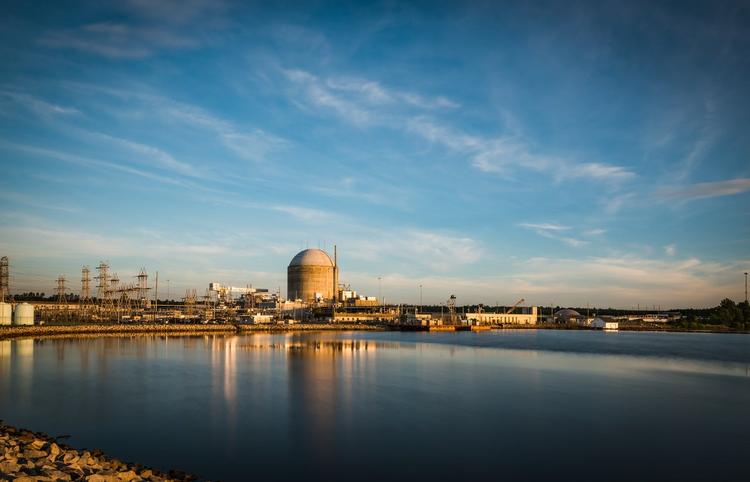
    On April 2025, the Nuclear Regulatory Commission (NRC) granted a subsequent license renewal (SLR) to Duke Energy’s Robinson Nuclear Plant, allowing this 54-year-old reactor to operate through 2050, ensuring continued clean electricity generation in the Pee Dee region. This milestone underscores the critical role nuclear power can play in enabling reliable, low-carbon baseload energy, complementing renewable energy sources on island grids and emerging markets worldwide.

    Although the Robinson Plant itself is a land-based nuclear facility, the implications for electricity generation extend globally, particularly for isolated and remote regions. As islands and emerging economies face growing energy demand alongside sustainability goals, a balanced energy portfolio that integrates nuclear options alongside renewable energy becomes paramount for clean, reliable power.

    For island nations and emerging markets in East Africa, Southeast Asia, and Malaysia, this news signals evolving possibilities where electricity generation for islands can leverage diverse technologies to ensure energy independence and stable supply—essential for economic development and decarbonization.

    How This Trend Is Shaping the Future of Electricity Generation for Islands

    While nuclear power plants like Robinson are not common on islands due to infrastructure and regulatory complexities, the essence of prolonged operational life for clean power plants impacts the entire energy ecosystem. Prolonged asset life means better predictability and stability, which can inspire confidence among governments, utilities, and investors considering investments in island resilience and clean energy investment in islands.

    Today’s island microgrids strive to overcome the disruptive intermittency of solar and wind energy by integrating stable power sources and advanced energy storage. Nuclear’s proven track record of low-carbon, high-output generation validates the importance of baseload power and energy reliability. For smaller island systems, this means a greater emphasis on hybrid configurations, combining solar, wind, batteries, and potentially nuclear or hydrogen-enabled power to replace fossil fuel reliance.

    This license renewal comes at a time when island nations worldwide pursue energy diversification to reduce their high dependence on diesel and other imported fuels. Combining traditional and emerging technologies forms the strategic backbone for achieving island energy independence.

    Clean Energy as a Scalable Alternative to Diesel for Island Grids

    Diesel fuel remains the predominant source for many remote islands’ electricity, posing significant environmental, economic, and supply risks. The extension of lifetime for clean power stations such as Robinson demonstrates the ongoing value of low-carbon, scalable alternatives. In parallel, island microgrids are increasingly turning to renewable energy for islands complemented by firm power assets to displace diesel use.

    Nawah Energies promotes a holistic approach that integrates solar PV, wind power, energy storage, and advanced grid management alongside legacy and emerging fuels. The renewable energy transition is not just about replacing diesel with variable renewables; it requires stable power that nuclear can help represent on larger island grids or interconnected island systems.

    Moreover, off-grid island power must capitalize on flexible technologies that enable incremental scaling. Lessons from extended nuclear plant operations like Robinson illustrate the importance of robust, proven technologies that adapt to regulatory shifts and evolving market conditions—key factors for sustainable diesel replacement.

    How Nawah Energies Delivers End-to-End Island Grid Solutions

    Nawah Energies is a trusted leader specializing in the design and implementation of island microgrid systems that provide reliable, affordable, and sustainable electricity to island communities and emerging market customers. By harnessing advanced renewable technologies and energy storage tailored for island conditions, Nawah Energies empowers local stakeholders to reduce dependency on diesel fuel, stabilize grids, and promote energy security.

    We guide governments, utilities, investors, and businesses in East Africa, East Asia, Malaysia, and island nations through the complexities of project development—from feasibility assessments to financing, engineering design, and integration of hybrid renewable systems. Our experience aligns with global trends exemplified by Duke Energy’s commitment to asset longevity and clean energy reliability.

    As outlined on islandgrid.nawahenergies.com, Nawah Energies’ end-to-end solutions include integrating solar and wind hybrid systems with battery storage for smoother grid operations. These systems reduce fuel import costs, cut emissions, and enable smoother transitions toward carbon-neutral island power.

    From Renewable Resources to Reliable Power: Building Resilient Island Grids

    Island grids face unique challenges: isolation, limited land, vulnerability to climate impacts, and often constrained investment environments. Navigating these requires a diverse technology mix and reliable long-term power projects that foster confidence among investors and local users alike.

    Duke Energy’s renewed license for Robinson Nuclear Plant points to the viability and value of extending clean energy project lifespans to maximize return on investment and reduce long-term carbon footprints. Similarly, Nawah Energies helps island clients scale renewable energy deployment with best-in-class grid management and energy storage solutions that ensure constant power supply even under variable weather conditions.

    Building resilient island grids thus depends on combining solar, wind, and storage technologies with firm-generation assets and smart integration frameworks. This approach empowers remote island communities to achieve not only remote island electrification but sustainable, reliable economic growth.

    Key Opportunities and What Investors Should Watch

    The NRC’s approval for Robinson’s SLR sends a strong message about the importance of long-term planning and investment in clean energy infrastructure. Investors increasingly recognize the value of diversified energy portfolios that ease the transition from traditional fuels to clean electricity for islands.

    There are four key areas to watch for stakeholders interested in island clean energy investment:

    1. Hybrid Energy Systems and Energy Storage

    Optimizing combinations of solar, wind, batteries, and potentially firm power sources similar to nuclear’s role underscores the next phase of island power grid evolution.

    2. Regulatory and Licensing Trends

    Just as Duke Energy navigated regulatory frameworks to extend its plant life, island energy projects must remain adaptable to policy shifts and compliance requirements to secure long-term viability.

    3. Reducing Diesel Dependence

    Investing in sustainable and scalable alternatives remains a top priority for remote island electrification, nuclear longevity exemplifies how stable clean power underpins this shift.

    4. Regional Investment Focuses

    East Africa, East Asia, and Malaysia represent fertile growing markets for clean energy investment in islands and distributed power solutions.

    Nawah Energies offers strategic insights and turnkey project development services to capitalize on these opportunities, supporting partners in meeting evolving energy goals sustainably and profitably.


    Partner with Nawah Energies for Clean Energy and Island Electricity Generation Solutions

    Nawah Energies is your trusted partner for driving clean, reliable, and sustainable power to island communities and emerging markets. Visit https://islandgrid.nawahenergies.com/ to explore our tailored services and projects dedicated to realizing resilient island grid development and renewable electrification.

    As part of our comprehensive energy transition portfolio, you can learn about Nawah Energies’ broader clean energy initiatives at https://nawahenergies.com/. We are committed to empowering governments, utilities, businesses, and investors in East Africa, East Asia, Malaysia, and island nations to achieve energy independence and sustainable growth.

    Connect with us to discuss how your island power projects or clean energy investments can benefit from our expertise. Together, we can build greener, more resilient energy futures across regions that need it most.
  • How Corporate Energy Buyers Are Transforming U.S. Island Grids with Clean Energy Innovation

    How Corporate Energy Buyers Are Transforming U.S. Island Grids with Clean Energy Innovation

    Discover how leading energy buyers are driving a revolution in clean electricity for islands, accelerating renewable energy adoption and grid resilience with Nawah Energies’ expertise.

    The Big Picture: Why This Island Clean Energy News Matters

    Recent developments in the U.S. energy landscape, as highlighted by Rich Powell, CEO of the Corporate Energy Buyers Association (CEBA) on The POWER Podcast, showcase a powerful trend: corporate America is emerging as a crucial driver for renewable energy for islands and remote grids nationwide.

    With unprecedented demand growth — particularly from energy-intensive sectors like data centers — large corporate buyers are signaling a shift toward cleaner, more reliable energy solutions. This movement holds special significance for island nations and remote regions globally, where electricity generation for islands faces unique challenges such as isolation, high fossil fuel costs, and grid instability.

    CEBA’s insights reflect a broader market transformation: corporate buyers are not only championing more diverse clean energy portfolios — including wind, solar, and even nuclear options — but also advocating for reforms in permitting and infrastructure that are key to accelerating clean energy deployment on islands and remote grids alike.

    How This Trend Is Shaping the Future of Electricity Generation for Islands

    As the demand for clean power grows, corporate buyers are becoming powerful enablers in the clean energy transition for island grids. These buyers, which range from hyperscale data centers to multinational manufacturers, depend on uninterrupted, low-carbon power, making off-grid island power and hybrid renewable systems increasingly attractive alternatives.

    Their scale provides the project financing muscle and market certainty essential for pioneering large-scale renewable projects on islands, where financial risk has historically limited investment. By aggregating demand and signing long-term power purchase agreements (PPAs), these buyers help unlock capital for island microgrids and hybrid solar-wind storage projects that replace expensive diesel and fossil fuel-based generation.

    Moreover, corporate advocacy for streamlined permitting reform reduces construction timelines for renewable projects — a critical factor given island grids’ pressing needs for modernization to accommodate growing demand and climate resilience.

    Clean Energy as a Scalable Alternative to Diesel for Island Grids

    For decades, diesel generators have been the default for electricity generation in isolated island settings, due to convenience but at the cost of high fuel prices, logistical complexity, and significant carbon emissions. The corporate sector’s demand for sustainable energy models is shifting this dynamic rapidly.

    Emergent renewable solutions such as solar and wind hybrid systems, paired with advanced energy storage for islands, are replacing diesel as the backbone of island electricity. These solutions not only cut emissions but also enhance grid stability and reduce vulnerability to fuel price volatility and supply disruptions.

    This transition is imperative for island nations in East Africa, Pacific islands, and Southeast Asia, where rising energy demand intersects with environmental concerns and limited infrastructure. Corporate buyers’ commitment to purchasing renewable power lends critical support to these clean energy projects, making clean energy diesel replacement for islands a viable and scalable proposition.

    How Nawah Energies Delivers End-to-End Island Grid Solutions

    As a trusted clean energy company, Nawah Energies specializes in delivering comprehensive solutions for island energy independence and off-grid island power. Our expertise spans the full spectrum of island grid design, renewable microgrids, and energy storage technologies designed to replace fossil fuel generators and meet modern reliability standards.

    We partner with governments, utilities, and corporate investors across East Africa, East Asia, Malaysia, and island nations to develop tailored clean energy projects. From initial feasibility to project financing and execution, Nawah Energies ensures that island grids achieve optimal performance, resiliency, and sustainability.

    Whether integrating solar photovoltaics, wind turbines, battery storage, or smart grid controls, Nawah Energies’ solutions help island communities and businesses reduce carbon footprints while achieving economic efficiencies.

    From Renewable Resources to Reliable Power: Building Resilient Island Grids

    Achieving a resilient island grid requires not just renewable generation but flexibility, storage, and intelligent grid management. Nawah Energies applies state-of-the-art energy storage solutions to smooth the intermittency inherent to solar and wind, ensuring that island communities enjoy uninterrupted electricity supply 24/7.

    We also emphasize hybrid systems combining renewables with existing infrastructure during the transition, fostering grid stability and facilitating incremental remote island electrification. This approach aligns with corporate buyers’ requirements for steady power supply and sustainability reporting.

    Additionally, Nawah Energies supports diversification of clean energy sources tailored to local resource availability — from solar and wind-rich atolls in the Pacific to geothermal and hydropower potential in East Africa — promoting energy autonomy and climate resilience.

    Key Opportunities and What Investors Should Watch

    Growing corporate demand for clean power represents an unprecedented opportunity for investors and stakeholders aiming to accelerate the clean energy transformation in islands worldwide. Key trends include:

    1. Expansion of Corporate Power Purchase Agreements (PPAs)

    Long-term PPAs signed by major corporations provide stable revenue streams for island renewable projects. These contracts reduce financial risks, encouraging broader investor participation in clean energy investment in islands.

    2. Advances in Hybrid Microgrids and Storage

    Innovations in microgrid architectures and energy storage technologies continue reducing costs and increasing reliability, making island microgrid solutions more scalable and adaptable, especially in remote and resource-constrained settings.

    3. Policy and Permitting Reform

    Efforts to streamline permitting processes, championed by corporate buyers and industry groups like CEBA, will accelerate renewable deployment on islands by cutting red tape and enhancing cross-sector collaboration.

    4. Integration of Emerging Technologies

    Nawah Energies monitors evolving technologies such as advanced grid controls, demand response, and digital twin modeling to optimize island electricity systems, enabling efficient integration of renewables at scale.

    Investors and partners can benefit significantly by aligning with companies like Nawah Energies that have deep regional expertise and a strong track record in delivering turnkey island energy solutions focused on sustainability and profitability.


    Partner with Nawah Energies for Clean Energy and Island Electricity Generation Solutions

    Nawah Energies invites governments, utilities, investors, and businesses across East Africa, East Asia, Malaysia, and island nations to explore transformative clean energy solutions that promote island grid modernization, diesel replacement for islands, and sustainable energy independence.

    Visit https://islandgrid.nawahenergies.com/ to learn more about Nawah Energies’ expertise in island electricity generation, renewable microgrids, and energy storage tailored for island challenges. For broader corporate sustainability insights, visit https://nawahenergies.com/.

    Stay connected with Nawah Energies for the latest market intelligence, project updates, and investment opportunities shaping the future of island clean energy and electricity generation. If your organization is ready to transition to reliable, affordable, and carbon-neutral power, we encourage you to contact us directly to start the conversation about island energy projects and strategic partnerships.

  • Harnessing Oil and Gas Innovation to Advance Geothermal Energy for Island Clean Power

    Harnessing Oil and Gas Innovation to Advance Geothermal Energy for Island Clean Power

    The oil and gas sector’s cutting-edge technologies are accelerating geothermal power advances, opening new avenues for clean energy investment in islands and electricity generation for islands. Discover how Nawah Energies supports this vital energy transition.

    The Big Picture: Why This Island Clean Energy News Matters

    On June 2024, POWER Magazine featured insights from Lucy Darago, Chief Commercial Officer at XGS Energy, on how the oil and gas industry’s technological expertise is unlocking breakthroughs in geothermal energy systems. This strategic crossover is pivotal for renewable energy for islands, where geothermal power offers a reliable baseload alternative to diesel and intermittent renewables.

    Geothermal energy’s growth reflects a broader energy transition trend: leveraging existing hydrocarbon sector tools and know-how to accelerate clean energy solutions, especially in island and remote settings dependent on costly fossil fuels. This evolution enhances energy security, boosts island energy independence, and reduces greenhouse gas emissions.

    For island nations in East Africa, Southeast Asia, and the Pacific, where power grids are often fragile or diesel-dependent, advances in geothermal technology backed by oil and gas exploration methodologies promise stable, scalable, and cost-competitive island electricity generation.

    How This Trend Is Shaping the Future of Electricity Generation for Islands

    The oil and gas industry has developed advanced drilling techniques, reservoir modeling software, and subsurface mapping tools over decades of hydrocarbon exploration. XGS Energy demonstrates how these innovations are now applied to geothermal exploration and development.

    By improving resource detection accuracy and optimizing well design, these technologies reduce upfront costs and risks in geothermal projects. This progress enables faster deployment of geothermal plants, crucial for island microgrids that seek to stabilize their energy supply with dependable baseload power.

    A growing number of island grids are adopting this hybrid approach—combining geothermal plants with solar, wind, and battery storage—to form resilient microgrids that can operate independently of fossil fuel shipments. This trend directly supports off-grid island power solutions and rural electrification initiatives.

    Clean Energy as a Scalable Alternative to Diesel for Island Grids

    Many island communities remain heavily reliant on diesel generators, facing high fuel costs, environmental hazards, and logistical challenges. Geothermal energy, with its continuous power output and low carbon footprint, is an ideal renewable alternative.

    New geothermal systems powered by oil and gas exploration innovations offer improved efficiency, reducing the capital expenditure barriers typical of geothermal development. For islands in East Africa, such as in Kenya’s Rift Valley region, and island nations across the Pacific and Indian Oceans, this scalability could transform local energy markets.

    Deploying geothermal in island grids drives diesel replacement for islands, lowering emissions while providing dependable electric supply for residential, commercial, and industrial uses. This transition enhances energy affordability and improves air quality—critical social and economic benefits for island populations.

    How Nawah Energies Delivers End-to-End Island Grid Solutions

    Nawah Energies stands as a trusted clean energy company, specializing in both clean electricity for islands and pure green hydrogen. Our expertise spans custom island grid design, renewable microgrids, and energy storage integration—delivering flexible solutions that reduce island dependence on fossil fuels.

    By integrating geothermal alongside solar, wind, and energy storage, Nawah Energies creates hybrid power systems tailored to regional resource availability and local demand profiles. We work closely with governments, utilities, and investors in East Africa, East Asia, and island nations to unlock clean energy value chains and ensure reliable power access.

    Our approach matches the innovation highlighted by XGS Energy—leveraging advanced exploration technologies and operational best practices to enhance geothermal feasibility. This synergy accelerates project development timelines while minimizing risks, an essential factor in emerging markets.

    From Renewable Resources to Reliable Power: Building Resilient Island Grids

    Resilience is a core requirement for island energy systems facing extreme weather and limited infrastructure. Geothermal energy’s baseload capacity complements intermittent solar and wind generation, effectively smoothing supply fluctuations.

    Nawah Energies incorporates energy storage and intelligent control systems into island microgrids to optimize performance, maximize renewable penetration, and maintain grid stability. Such design innovations ensure continuous, clean electricity—with minimal downtime or dependency on external fossil fuel deliveries.

    Furthermore, local geothermal resources reduce vulnerability to global fuel price volatility, strengthening economic stability and improving energy security. These benefits have encouraged greater clean energy investment in islands, supported by international development agencies and private capital.

    Key Opportunities and What Investors Should Watch

    Investors looking to capitalize on the intersection of oil and gas technology with geothermal energy should focus on markets with promising geothermal potential and challenging diesel reliance, such as East Africa’s Rift Valley, Indonesia, the Philippines, and Pacific islands.

    The maturing technology reduces exploration risk and project upfront costs, increasing project bankability and returns. Strategic partnerships can help de-risk development and accelerate commercialization, a model Nawah Energies embraces in its clean energy projects.

    Technical innovation in drilling, subsurface imaging, and reservoir management—originating largely from oil and gas expertise—will continue to drive geothermal cost reductions. Meanwhile, integrated hybrid microgrid solutions enhance overall system viability and customer value.

    Governments and regulators that facilitate investment with clear policies and incentives will unlock growth in geothermal-powered island grids. For investors and developers, aligning with experienced facilitators like Nawah Energies ensures robust project pipelines and sustainable outcomes.


    Partner with Nawah Energies for Clean Energy and Island Grid Solutions

    Explore how Nawah Energies combines deep technical knowledge and local market expertise to advance clean electricity for islands through innovative geothermal, solar, wind, and energy storage solutions. Visit https://islandgrid.nawahenergies.com/ to discover our island grid services and pioneering projects, delivered in partnership with governments, utilities, and investors.

    As the parent company, Nawah Energies also supports broader clean energy transitions, including green hydrogen ventures, across East Africa, East Asia, Malaysia, and island nations. Follow our updates to stay informed on market trends, technologies, and investment opportunities driving a sustainable energy future.

    If you are a government, energy developer, business, or investor ready to accelerate the transition to clean, reliable power on islands or in emerging markets, reach out through the relevant Nawah Energies website. We are committed to being your trusted partner in delivering affordable and resilient renewable energy systems.

  • Fusion Energy: The $50/MWh Target and Its Impact on Clean Energy for Island Electricity Generation

    Fusion Energy: The $50/MWh Target and Its Impact on Clean Energy for Island Electricity Generation

    Discover how breakthroughs in fusion energy innovation could redefine clean energy investment in islands by unlocking affordable, scalable electricity generation for island grids and remote communities worldwide with Nawah Energies.

    The Big Picture: Why This Island Clean Energy News Matters

    Fusion energy has long been considered the “holy grail” of sustainable power due to its potential to provide abundant, carbon-free electricity. Recently, the industry has taken a notable leap forward as global private investment surpassed $10 billion, and governments worldwide are accelerating programs and regulatory frameworks to support fusion development at scale. The headline from POWER Magazine highlighting the “Fusion Energy: The $50/MWh Target” crystallizes the ultimate economic challenge: can fusion be economically competitive with other forms of energy, especially for regions seeking low-carbon, affordable power solutions?

    For island nations and remote grids dependent on costly diesel and fossil fuel imports, achieving electricity at $50 per megawatt-hour would be transformative. It signals a future where fusion could become a cornerstone of renewable energy for islands, complementing solar, wind, and storage assets. Nawah Energies, specializing in electricity generation for islands, is closely monitoring these advancements to evaluate how fusion could be incorporated into diverse island grid architectures and energy portfolios.

    How This Trend Is Shaping the Future of Electricity Generation for Islands

    Despite the infancy of commercial fusion power plants, the drive toward a $50/MWh cost benchmark speaks volumes about shifting energy economics globally. Islands face unique energy challenges—high import costs, vulnerability to fuel price volatility, and ecological stewardship responsibilities—that make traditional fossil fuels increasingly untenable.

    Emerging fusion technologies promise continuous, high-density power output without greenhouse gas emissions or land-intensive infrastructure. In island grid contexts, fusion could provide a stable baseload complement to intermittent solar and wind hybrid systems, enhancing reliability and reducing dependence on expensive generators. This capability aligns with growing clean energy investment in islands focused on hybrid microgrids that integrate multiple renewable sources with energy storage to deliver resilient power day and night.

    The recent emphasis on fusion economics revitalizes the prospect of deep decarbonization for isolated systems in the Pacific, Caribbean, and Southeast Asia. For island nations already progressing toward island energy independence, fusion represents a potential game-changer in achieving cost-competitive, 24/7 renewable electricity supply.

    Clean Energy as a Scalable Alternative to Diesel for Island Grids

    Currently, diesel dominates electricity generation on many islands due to its operational simplicity, despite high fuel transport costs and environmental impacts. The fusion industry’s goal of $50/MWh pricing threatens to disrupt this paradigm by offering an alternative that costs less than or on par with diesel fuel but with zero carbon emissions and minimal logistical complexity.

    Transitioning from diesel to cleaner options involves intricate planning: integrating renewables, upgrading grid controls, and deploying reliable storage. Fusion’s promise of continuous output could reduce the need for large-scale batteries or backup fossil plants, lowering overall system costs and improving energy security for islands facing frequent fuel supply disruptions or price spikes.

    Through its expertise in off-grid island power and diesel replacement for islands, Nawah Energies is positioned to help stakeholders assess when and how fusion might enter hybrid island microgrids alongside solar, wind, and battery storage technologies, thereby future-proofing investments.

    How Nawah Energies Delivers End-to-End Island Grid Solutions

    Nawah Energies is a trusted clean energy company dedicated to accelerating the transition to sustainable electricity for island nations and remote communities across East Africa, East Asia, Malaysia, and island regions. Recognizing that every island possesses unique technical and economic conditions, Nawah Energies offers custom-designed solutions encompassing renewable resource assessment, microgrid development, energy storage deployment, and diesel phase-out strategies.

    The company’s comprehensive approach integrates emerging technologies like fusion into robust island microgrid designs, ensuring that new power sources are seamlessly integrated to maximize system stability and economic efficiency. Nawah Energies also supports policy frameworks and regulatory pathways that facilitate rapid adoption of clean energy alternatives, preparing island grids to leverage fusion power as it matures commercially.

    From Renewable Resources to Reliable Power: Building Resilient Island Grids

    Island grids face reliability challenges including variable renewable energy output, limited land availability, and seasonal demand fluctuations. Hybrid microgrid architectures combining solar, wind, battery storage, and in the future, perhaps fusion, provide a pathway to resilient and economically viable island electricity systems.

    Nawah Energies brings years of expertise in modeling and implementing these integrated solutions, helping island governments and utilities balance renewable penetration with dependable supply. Fusion’s continuous, base-load capability could revolutionize island systems by reducing dependence on intermittent renewables and fossil fuel backups, thus simplifying grid management and lowering cost of energy.

    Moving beyond diesel and coal aligns with global climate commitments and helps island economies retain more value locally by reducing fossil fuel imports. Nawah Energies’ mission focuses on unlocking these benefits through strategic clean electricity for islands services and partnerships.

    Key Opportunities and What Investors Should Watch

    The fusion industry’s pursuit of affordable energy at $50/MWh opens exciting avenues for clean energy investment in islands. Investors should watch for strategic partnerships between fusion developers and island energy stakeholders, regulatory updates simplifying fusion integration, and pilot projects demonstrating fusion’s island grid compatibility.

    Meanwhile, Nawah Energies offers a unique vantage point to guide investments that blend fusion with renewable energy for islands. Combining fusion’s potential with established solar, wind, and storage technologies can accelerate cost-effective transitions from fossil fuels and establish scalable, green power hubs in island nations.

    East Africa, Southeast Asia, Malaysia, and various island nations stand to benefit particularly, given rising energy demand and favorable renewable resources. Nawah Energies’ proven track record in project development, financing advisory, and technical implementation positions the company as a reliable partner for governments, utilities, and investors looking to capitalize on this evolving market.


    Partner with Nawah Energies for Clean Energy and Green Hydrogen Solutions

    Discover how Nawah Energies can help your projects achieve energy resilience and sustainability through trusted expertise in island grid design and implementation. Visit https://islandgrid.nawahenergies.com/ to explore innovative island energy solutions and successful projects, or learn about Nawah Energies’ broader vision at https://nawahenergies.com/.

    Stay connected with Nawah Energies for the latest insights on island clean energy, electricity generation, and emerging technologies including fusion energy impacting island grids across East Africa, East Asia, and Malaysia. We invite governments, utilities, businesses, energy developers, and investors to reach out and start a conversation about transitioning to reliable, affordable, and sustainable power.

    Nawah Energies is committed to making clean, affordable, and reliable energy accessible across emerging markets and island nations. Partner with us to build a cleaner, greener energy future that meets the evolving needs of island economies.

  • After the L.A. Wildfires: Unlocking Smarter Vegetation Management for Resilient Island Grid Clean Energy

    After the L.A. Wildfires: Unlocking Smarter Vegetation Management for Resilient Island Grid Clean Energy

    Discover why fixed-cycle vegetation management hinders utility resilience and how Nawah Energies champions integrated solutions for clean energy investment in islands to boost grid reliability and safety.

    The Big Picture: Why This Island Clean Energy News Matters

    The recent L.A. wildfires starkly revealed the vulnerabilities of electrical infrastructure when vegetation management is treated as a routine, fixed-cycle activity rather than an embedded part of risk mitigation strategies. While wildfires affect many regions, their implications reverberate widely to the crucial niche of electricity generation for islands, where vegetation-related risks combined with weather extremes can severely impact remote island grids.

    Utilities responsible for isolated or off-grid islands increasingly recognize that managing vegetation along power lines and assets must evolve beyond scheduled trimming. The wildfires remind us that vegetation management should be a dynamic, intelligence-driven ecosystem tightly integrated with network models, real-time monitoring, climate data, and operational execution. For island energy providers, this means investing in advanced risk intelligence systems that enhance safety, reduce outages, and minimize liabilities — all while accelerating the transition to renewable, decentralized power.

    Nawah Energies pioneers these integrated approaches, reinforcing its role as a trusted advisor and implementer of renewable energy for islands and off-grid island power solutions. Our expertise helps island nations mitigate wildfire threats, improve grid resilience, and deliver clean, reliable energy to island communities across East Africa, East Asia, Malaysia, and beyond.

    How This Trend Is Shaping the Future of Electricity Generation for Islands

    As wildfires grow in frequency and intensity worldwide, utilities are compelled to reexamine their traditional approaches. Fixed-cycle vegetation trimming, often dictated by regulatory schedules rather than real-time risk factors, does not sufficiently address emerging threats. Instead, the future points to an integrated risk intelligence system that leverages network connectivity, environmental sensors, geographic information systems, and predictive analytics.

    For island electricity grids, these technologies are game changers. The unique ecosystem of many islands—with volatile weather, fuel supply constraints, and vulnerable infrastructure—requires precise coordination between vegetation risks and power delivery. By adopting smart data-driven vegetation management, island grids can proactively manage wildfire risks, mitigate power outages, reduce liability, and optimize maintenance budgets.

    This evolution dovetails with a broader movement toward island energy independence, where reliability and safety are paramount in replacing fossil-fueled generators with renewable energy sources such as solar, wind, and battery storage. With these cleaner technologies, downtime from wildfires or vegetation issues becomes less tolerable, making integration of risk intelligence essential to protecting clean energy assets.

    Clean Energy as a Scalable Alternative to Diesel for Island Grids

    In many island settings, diesel generators have historically been the baseline power source, despite their carbon emissions and supply vulnerabilities. Moving toward scalable diesel replacement for islands is a core priority for utilities and governments aiming to reduce environmental impact and increase resilience.

    Effective vegetation management is integral to this transition. Wildfires and vegetation-related faults can trigger outages that cause heavy reliance on diesel backup systems or expensive emergency repairs. When vegetation control is seamlessly integrated with the island microgrid operation, it optimizes uptime of clean assets such as solar panels, wind turbines, and battery systems, ensuring they meet demand consistently.

    This creates a virtuous cycle: safer grid infrastructure validates investments in renewable hybrid systems, increases investor confidence in clean energy investment in islands, and accelerates adoption of innovative energy storage and microgrid designs tailored for island environments.

    How Nawah Energies Delivers End-to-End Island Grid Solutions

    Nawah Energies stands out as a reliable partner specializing in transforming island grids to meet contemporary challenges such as wildfire risk, climate volatility, and the demand for decarbonization. As outlined on islandgrid.nawahenergies.com, our services encompass comprehensive analysis, design, and deployment of integrated systems that fuse vegetation management data with grid operation and asset maintenance.

    We collaborate closely with governments, utilities, and investors in East Africa, East Asia, Malaysia, and island nations, delivering tailored solutions that improve safety while enabling the seamless addition of renewable resources. Our approach considers not merely trimming cycles but embedding vegetation risk management into the entire smart grid architecture.

    Through advanced sensor networks, geographic information integration, and AI-driven analytics, Nawah Energies enables predictive maintenance scheduling, targeted field operations, and faster restoration in case of events. This holistic approach enhances reliability and reduces downtime of clean electricity for islands, safeguarding both investments and community welfare.

    From Renewable Resources to Reliable Power: Building Resilient Island Grids

    Resilience in island grids goes beyond deploying solar panels or wind turbines — it requires an ecosystem-level approach where every variable is monitored and managed for optimal outcomes. Vegetation management is one of the most critical yet often underestimated factors affecting grid resilience.

    By integrating vegetation growth data through remote sensing, drones, or ground inspection into energy asset control centers, utilities and developers can anticipate and mitigate fire risks or physical damage before they cause failures. This evolution supports stable output from renewable sources and protects energy storage installations critical for island microgrids’ success.

    Nawah Energies is at the forefront of advancing these resilience standards, helping island nations achieve energy security and reduce their environmental footprint. Our solutions are built to withstand the realities of climate change, ensuring continuous power supply while transitioning away from polluting fossil fuels.

    Key Opportunities and What Investors Should Watch

    The shift toward integrated vegetation management tied to renewable energy for islands represents a fertile ground for investors looking for impactful opportunities in emerging clean energy markets. The demand for island electricity generation solutions that combine safety, reliability, and sustainability is growing rapidly in East Africa, Southeast Asia, Malaysia, and island communities worldwide.

    Key investment signals include:

    1. Growing Regulatory Pressure on Wildfire Risk Mitigation

    Utilities face increasing scrutiny and liability from regulators mandating smarter vegetation controls linked to operational data. Compliance-driven spending creates sustained demand for innovative management systems.

    2. Expansion of Hybrid Renewable Energy Systems on Islands

    Scaling solar, wind, and energy storage will necessitate precision grid management, where vegetation risk integration will directly reduce operational interruptions.

    3. Increased Appetite for Integrated Smart Grid Technologies

    Emerging markets are leapfrogging to smart solutions that embed risk intelligence into field operations, offering new revenue streams for tech and service providers in the island energy sector.

    Nawah Energies invites investors and stakeholders to explore these opportunities and leverage our deep expertise in clean energy investment in islands and remote island electrification to capture value while advancing resilient, sustainable power systems.


    Partner with Nawah Energies for Smarter Island Energy and Wildfire Resilience

    Visit https://islandgrid.nawahenergies.com/ to explore Nawah Energies’ comprehensive services in integrated vegetation management, microgrid solutions, and clean energy project development for island nations. As part of Nawah Energies’ parent company, you can also learn more about our broader clean energy expertise at https://nawahenergies.com/.

    Stay connected with Nawah Energies for the latest insights and innovations in island clean energy, electricity generation, and wildfire risk mitigation across East Africa, East Asia, Malaysia, and island communities worldwide.

    If you are a government authority, utility operator, investor, or energy developer committed to transitioning to safe, renewable, and reliable power, we invite you to reach out directly. Nawah Energies is ready to be your trusted partner in building resilient, scalable, and sustainable island energy futures.

  • Rethinking Utility Incentives: A New Era for Island Clean Energy and Electricity Generation

    Rethinking Utility Incentives: A New Era for Island Clean Energy and Electricity Generation

    Explore how reshaping utility incentives unlocks the potential of distributed energy for island grids. Nawah Energies leads the way in clean energy investment in islands.

    The Big Picture: Why This Island Clean Energy News Matters

    Utilities worldwide have been cautious about embracing distributed energy resources (DERs), such as rooftop solar, battery storage, and other decentralized renewable technologies. This hesitancy is especially significant for island clean energy systems, where the transition from fossil fuels to renewables is urgent to reduce reliance on costly diesel and improve grid reliability. Recent news highlights how utilities’ current incentive structures favor traditional infrastructure investments over innovative technology adoption and energy optimization. This presents both a challenge and an opportunity for island grids that must evolve rapidly to support sustainable power generation.

    For island nations, embracing distributed energy is more than a trend; it is an essential part of securing island energy independence and ensuring affordable, clean electricity for communities. Nawah Energies, a trusted clean energy company, recognizes these shifting dynamics and supports governments, utilities, and investors in East Africa, East Asia, Malaysia, and island nations to navigate this complex landscape and implement future-ready solutions.

    How This Trend Is Shaping the Future of Electricity Generation for Islands

    The traditional utility business model hinges on large-scale infrastructure investments, which guarantees revenue recovery through capital expenditures. However, this approach often discourages utilities from fully integrating distributed energy resources like solar photovoltaics (PV) and energy storage, despite their proven benefits for island microgrids.

    By restructuring rates and compensation to limit DER growth, utilities inadvertently slow down the clean energy transition, perpetuating diesel dependency and higher costs. Yet, the demand for sustainable electricity generation on islands is pushing utilities and regulators to rethink these incentives. Forward-looking island energy markets are now exploring models that reward energy efficiency, technology advancement, and consumer participation in grid management — all vital for optimizing island microgrids.

    This shift unlocks new business models emphasizing clean electricity for islands through hybrid renewable systems, digital grid controls, and innovative financing mechanisms. Nawah Energies plays a leading role in facilitating this evolution, offering turnkey solutions that integrate renewable energy and storage to reduce island reliance on fossil fuels.

    Clean Energy as a Scalable Alternative to Diesel for Island Grids

    Many islands remain heavily dependent on imported diesel fuel, facing volatility in global fuel prices, supply chain vulnerabilities, and environmental concerns. The development of diesel replacement for islands through solar, wind, battery storage, and other DERs offers an economically sustainable and environmentally responsible alternative.

    Distributed solar and wind resources combined with energy storage enable island grids to balance supply and demand more efficiently, minimizing outages and improving power quality. Moreover, decentralized power generation reduces transmission losses inherent in island power systems, where infrastructure can be fragile and costly to maintain.

    As utility incentive models evolve, these technologies become more attractive investment options within island markets. Nawah Energies supports island nations in designing and implementing hybrid systems tailored to local resource potentials and load profiles, ensuring clean, affordable, and reliable electricity.

    How Nawah Energies Delivers End-to-End Island Grid Solutions

    Nawah Energies combines technical expertise and financial advisory capabilities to guide clients from initial assessment through project development, construction, and operation. Their holistic service model addresses every component of the energy transition:

    Planning and Feasibility Studies

    Comprehensive site evaluation, grid impact analyses, and resource mapping to identify the most cost-effective renewable energy mixes and DER combinations.

    Engineering and Design

    Custom microgrid engineering including solar PV, wind turbines, battery energy storage, and digital control systems optimized for island conditions.

    Financing and Investment Advisory

    Assistance securing project financing and structuring investments attractive to governments, utilities, and private investors focusing on clean energy investment in islands.

    Implementation and Operation

    End-to-end project management, construction oversight, and ongoing operations support to maintain high system availability and performance.

    Across East Africa, East Asia, Malaysia, and island nations, Nawah Energies acts as a trusted partner helping clients transition from fossil fuels to renewable-powered island microgrids. This fully integrated approach accelerates energy transitions while mitigating financial and technical risks.

    From Renewable Resources to Reliable Power: Building Resilient Island Grids

    Resilience is a primary concern for island electricity systems due to natural disasters, climate change, and supply interruptions. Integrating DERs within intelligent island grids enhances resilience by creating multiple power generation points and adding energy storage buffers. Unlike centralized diesel plants, renewable microgrids can operate independently of external connections and adapt dynamically to changing conditions.

    The deployment of advanced control systems, demand response mechanisms, and hybrid renewable systems ensures reliable power supply and stabilizes island grids. Nawah Energies leverages cutting-edge technology to design systems that withstand environmental and operational challenges common to island settings.

    Such resilient designs improve quality of life, support economic development, and position island nations as leaders in clean energy adoption—unlocking new opportunities for remote island electrification and energy access expansion.

    Key Opportunities and What Investors Should Watch

    Incentive redesign in the utility sector creates fertile ground for accelerated investment in renewable energy for islands. Investors should monitor emerging regulatory reforms that decouple utility profits from capital-heavy infrastructure and instead reward energy efficiency and DER integration.

    Another opportunity lies in hybrid systems combining solar, wind, and energy storage to deliver firm, dispatchable power. These technologies make off-grid island power economically viable with shorter payback periods compared to traditional diesel generation.

    Collaborations between governments, utilities, and private sector players supported by expert consultants such as Nawah Energies will be critical for unlocking these investments. Projects that demonstrate operational success and deliver cost savings will catalyze broader market adoption.

    Investors should also watch technological advancements in digital grid management and energy marketplaces enabling prosumers to actively participate in island grid operations.

    Nawah Energies’ proven track record and regional expertise make it a valuable partner in navigating these opportunities and accelerating the energy transition on islands.


    Partner with Nawah Energies for Clean Energy and Green Hydrogen Solutions

    For governments, utilities, businesses, and investors across East Africa, East Asia, Malaysia, and island nations, Nawah Energies offers comprehensive solutions for transitioning to sustainable energy. Visit https://islandgrid.nawahenergies.com/ to explore cutting-edge island grid services and successful project implementations that drive decarbonization and energy independence.

    As part of a global clean energy movement, Nawah Energies also maintains a strong commitment to advancing green hydrogen technologies. For more on their pioneering work in green hydrogen production and sustainable fuel projects, visit https://nawahenergies.com/.

    Stay connected and follow Nawah Energies for the latest insights on island clean energy, electricity generation, and sustainable fuel innovation. Whether you are a government official, energy developer, or investor, Nawah Energies is ready to be your trusted partner in building clean, reliable, and affordable energy solutions that empower island communities and emerging markets for a sustainable future.

  • Solving the Fuel Challenge: Advancing Clean Energy with Nuclear Innovations and Island Grid Integration

    Solving the Fuel Challenge: Advancing Clean Energy with Nuclear Innovations and Island Grid Integration

    Explore how breakthroughs in nuclear fuel development intersect with island electricity generation, as Nawah Energies drives clean energy investment in islands with reliable, sustainable power solutions.

    The Big Picture: Why This Island Clean Energy News Matters

    The recent interview spotlighting the U.S. Department of Energy’s Office of Nuclear Energy highlights a critical challenge in the expansion of nuclear power: scaling nuclear fuel development from demonstration to commercial operation. While nuclear power is a cornerstone of clean, carbon-neutral electricity, its fuel supply chain must evolve for industrial viability and repeatability. This breakthrough has significant implications for clean energy systems worldwide, including island nations heavily reliant on fossil fuels.

    Island grids often face unique challenges like fuel logistics, energy security risks, and high diesel dependence. Integrating advanced nuclear fuel solutions, alongside island renewables, offers a promising pathway to stable and sustainable power for island communities. At Nawah Energies, this intersection of innovative nuclear fuel progress and island grid transformation embodies a new frontier for clean energy investment in islands and energy independence.

    How This Trend Is Shaping the Future of Electricity Generation for Islands

    The DOE’s focus on repeatable, industrial-scale nuclear fuel production addresses a fundamental barrier to scaling nuclear power. This itself accelerates the broader energy transition, particularly in regions where stable baseload power is essential, including remote islands.

    Many island grids still rely heavily on imported diesel fuel, which is expensive, vulnerable to supply disruptions, and contributes to greenhouse gas emissions. While renewable energy for islands like solar, wind, and battery storage have grown rapidly, their intermittent nature creates a gap for constant, reliable power.

    Advanced nuclear reactors, fueled by innovative and scalable nuclear fuel, can complement renewables by delivering a steady baseload, enabling deep decarbonization of island energy systems. This synergy between nuclear innovation and island electricity generation for islands opens new avenues for energy security and emissions reduction.

    Clean Energy as a Scalable Alternative to Diesel for Island Grids

    Diesel replacement remains the foremost priority for island grids striving toward sustainability. The challenge lies not only in introducing renewables but ensuring the continuous availability of energy – something nuclear power excels at when paired with modern fuel cycles under development by DOE initiatives.

    The Office of Nuclear Energy’s work on fuel processing technologies promises a more reliable pathway to commercial nuclear deployment. This is pivotal because current nuclear fuel manufacturing is limited and costly, restricting scale-up.

    By overcoming these hurdles, advanced reactor technologies could reduce islands’ reliance on diesel by providing clean, high-capacity, and on-demand power. This integration supports off-grid island power solutions that are economically competitive and environmentally sound.

    How Nawah Energies Delivers End-to-End Island Grid Solutions

    Nawah Energies is a trusted partner delivering comprehensive clean energy and electricity generation for islands solutions. We specialize in designing and deploying island grids that integrate solar, wind, storage, and diesel replacement technologies tailored to local conditions.

    With expertise extending to advanced fuel technologies and nuclear integration pathways, Nawah Energies supports governments and investors throughout East Africa, East Asia, Malaysia, and island nations seeking to transition toward sustainable power. Our approach fosters clean electricity for islands by combining innovation, infrastructure development, and operational excellence.

    By bridging cutting-edge research like the DOE’s nuclear fuel efforts with practical grid modernization, Nawah Energies empowers island communities to achieve lasting island energy independence.

    From Renewable Resources to Reliable Power: Building Resilient Island Grids

    Building resilient island microgrid systems means integrating multiple clean energy sources carefully. Solar and wind generation provide renewable zero-carbon energy, while modern energy storage solves intermittency challenges.

    Where nuclear power enters the picture, the availability of reliable, industrial-scale fuel processing enables small modular reactors and advanced systems to act as stable anchors for island grids. This creates hybrid renewable-nuclear systems with superior dependability and lower lifecycle emissions than diesel or fossil gas plants.

    Nawah Energies works closely with local stakeholders to build these hybrid grids that prioritize sustainability, resilience, and affordability, reducing environmental impacts while enhancing quality of life.

    Key Opportunities and What Investors Should Watch

    Investors keen on clean energy investment in islands should monitor advances in nuclear fuel manufacturing, which could catalyze a new generation of carbon-neutral baseload power. Coupled with rapid cost declines in renewables and storage, this creates vast potential for comprehensive island grid transformation.

    East Africa, East Asia, Malaysia, and island nations stand to benefit immensely from this energy evolution, gaining improved energy security, minimizing fuel import dependence, and contributing to global climate goals.

    Nawah Energies offers unmatched expertise in navigating this dynamic market. We provide tailored consulting, project development, and investment advisory services to stakeholders aiming to capitalize on island energy transitions and emerging nuclear innovations.

    Explore emerging synergies between nuclear fuel advances and renewable energy for islands on islandgrid.nawahenergies.com to understand the full scope of possibilities with Nawah Energies as your partner.


    Partner with Nawah Energies for Clean Energy and Island Grid Solutions

    To explore how Nawah Energies can help you harness the full potential of nuclear innovation combined with renewable island microgrids, visit https://islandgrid.nawahenergies.com/. Discover our tailored services for island electricity generation, integrating solar, wind, storage, and diesel replacement technologies to create sustainable power systems.

    As part of the Nawah Energies group, we offer unparalleled expertise supporting governments, utilities, investors, and businesses across East Africa, East Asia, Malaysia, and island nations in their clean energy transitions.

    Stay connected for updates on the latest trends in island clean energy, electricity generation, and emerging nuclear fuel technologies. Whether you are a government, utility, distributor, energy developer, or investor, we invite you to start a conversation with Nawah Energies today and partner with us in building a brighter, cleaner energy future for island communities worldwide.

  • NRC’s Part 57: Accelerating Microreactor Deployment and the Future of Island Clean Energy

    NRC’s Part 57: Accelerating Microreactor Deployment and the Future of Island Clean Energy

    The U.S. Nuclear Regulatory Commission’s new Part 57 offers a streamlined path to microreactor licensing, opening major opportunities for clean energy investment in islands. Learn how Nawah Energies leverages such trends to empower island grid transformation.

    The Big Picture: Why This Island Clean Energy News Matters

    In March 2024, the U.S. Nuclear Regulatory Commission (NRC) unveiled a transformative licensing framework known as Part 57, designed to fast-track the approval and commercialization of microreactors at scale. For the first time, nuclear microreactors—compact, modular reactors intended for decentralized power generation—could become widely deployable with significantly reduced regulatory hurdles.

    This development is a seismic shift with profound implications for electricity generation for islands and remote grids worldwide. Microreactors can provide resilient, low-carbon baseload power that complements variable renewable energy sources such as solar and wind. This is particularly critical for island nations and remote communities still dependent on costly, unreliable diesel generators.

    The NRC’s Part 57 licensing initiative is coupled with the creation of a dedicated Office of Advanced Reactors (OAR) that will oversee and accelerate microreactor approvals, signaling strong federal commitment to advanced nuclear technology’s role in the global energy transition.

    How This Trend Is Shaping the Future of Electricity Generation for Islands

    Across island nations in the Pacific, Caribbean, East Africa, and Southeast Asia, energy infrastructure faces unique challenges—limited land, high fuel import costs, grid instability, and vulnerability to climate events. Traditional solutions have leaned heavily on diesel generators, which are costly to operate and adversely affect air quality and carbon emissions.

    Microreactors present an innovative alternative that could revolutionize island grid dynamics. These units are small enough to be integrated into existing island microgrid architectures while delivering consistent, dispatchable power 24/7. When paired with solar, wind, and energy storage, microreactors enable a resilient and flexible approach to renewable energy for islands.

    With the NRC’s streamlined licensing framework, the timeline to deploy these advanced reactors shrinks dramatically—encouraging investment and project development focused on off-grid island power and remote electrification. This is a game-changing development for governments and utilities aiming to scale carbon-free, reliable electricity.

    Clean Energy as a Scalable Alternative to Diesel for Island Grids

    Diesel fuel dependency remains the dominant power source for countless island grids, driving high electricity costs—sometimes $0.40–$0.60 per kWh or more—and exposing communities to price volatility. Additionally, diesel use contributes to air pollution and greenhouse gas emissions, undermining climate resilience goals.

    The integration of microreactors into island energy mixes offers a long-term diesel replacement solution that is clean, reliable, and cost-stable. These compact nuclear plants operate continuously regardless of weather conditions, sharply reducing the need for backup fossil fuel generation.

    Combining microreactor power with solar, wind, and battery systems enhances overall grid flexibility while minimizing greenhouse emissions. It also supports island energy independence and resiliency during severe storms or natural disasters that can disrupt fuel supply chains.

    As outlined on islandgrid.nawahenergies.com, Nawah Energies recognizes the strategic importance of developing hybrid clean energy solutions that optimize cost, reliability, and environmental benefits for island grids transitioning away from diesel.

    How Nawah Energies Delivers End-to-End Island Grid Solutions

    Nawah Energies is uniquely positioned as a trusted partner for governments, utilities, and investors seeking to harness the full potential of modern, integrated clean energy technologies for islands. Our expertise spans the entire value chain—from site assessment and resource modeling through microgrid design, renewable integration, storage deployment, and operations support.

    Our solutions focus on reducing fossil fuel reliance while maximizing renewable penetration and system resilience. We actively incorporate emerging advanced technologies such as microreactors into off-grid island power systems, generating scalable blueprints tailored to local markets and regulatory environments.

    By leveraging partnerships, comprehensive feasibility studies, and a deep understanding of island-specific challenges, Nawah Energies supports project developers and investors navigating evolving regulatory landscapes like the NRC’s Part 57, accelerating clean energy rollout across island microgrids globally.

    From Renewable Resources to Reliable Power: Building Resilient Island Grids

    Creating resilient island grids demands careful integration of diverse clean energy resources. Solar PV and wind turbines provide low-cost, emissions-free electricity but suffer from intermittency and variability. Advanced energy storage solutions deliver critical capacity firming and load balancing.

    The addition of microreactors under the new NRC framework introduces dependable baseload power that can operate at a consistent output, filling the reliability gap that solar and wind alone cannot cover. This multi-resource hybrid model ensures uninterrupted electricity supply during peak demand and extreme weather—key for economic stability and quality of life.

    Nawah Energies engineers optimal generation mixes that match specific island load profiles and resource availabilities. Our approach enhances remote island electrification projects with modular, scalable infrastructure, empowering island nations to plan confidently for sustainable power futures.

    Key Opportunities and What Investors Should Watch

    For investors focusing on the island clean energy sector, the NRC’s introduction of Part 57 microreactor licensing presents significant new market opportunities. The reduced regulatory complexity lowers upfront risk and accelerates project timelines, opening the door for widespread microreactor deployment in regions where energy security and clean power are most critical.

    Island nations in East Africa, Malaysia, East Asia, and the Pacific are prime candidates for such innovative power solutions given their geographic isolation and heavy dependence on imported fossil fuels. As costs come down and regulatory approval becomes clearer, new partnerships and capital flows will fuel rapid growth in clean energy investment in islands.

    Investors should monitor evolving policies supporting advanced nuclear technologies, as well as complementary developments in hybrid microgrid architectures, energy storage advancements, and renewable resource assessments. Nawah Energies is actively engaged in these markets, enabling stakeholders to access cutting-edge technical and market intelligence needed to capitalize on these trends.

    As outlined in the original NRC announcement posted on POWER Magazine in 2024, this regulatory innovation could be the catalyst that finally bridges the gap from research and pilot demonstrations to commercial microreactor rollouts, drastically changing the landscape for island electricity and energy independence.


    Partner with Nawah Energies for Clean Energy and Green Hydrogen Solutions

    Nawah Energies invites governments, utilities, businesses, and investors to explore how advanced technologies like microreactors and renewable resources can transform island electricity systems. Visit https://islandgrid.nawahenergies.com/ to discover our comprehensive island grid services, project development expertise, and innovative clean energy solutions.

    As a trusted partner in delivering reliable, affordable, and sustainable power, Nawah Energies supports emerging markets and island nations across East Africa, East Asia, Malaysia, and beyond. Connect with us to discuss potential collaborations on island microgrids, hybrid clean energy projects, and diesel replacement strategies that unlock energy independence.

    Stay connected for ongoing updates on clean energy investment in islands, regulatory trends, and technology innovations expanding the horizons of clean electricity for islands. Together, we can accelerate the transition to a greener future powered by sustainable, resilient electricity generation.

  • Fusion Energy’s Role in Revolutionizing Island Electricity Generation: The Next Frontier in Clean Energy

    Fusion Energy’s Role in Revolutionizing Island Electricity Generation: The Next Frontier in Clean Energy

    Commonwealth Fusion Systems’ move to join PJM signals a new era for electricity generation for islands, where fusion’s promise complements clean energy investment in islands driving reliable, sustainable power solutions.

    The Big Picture: Why This Island Clean Energy News Matters

    On April 28, 2024, Massachusetts-based Commonwealth Fusion Systems (CFS) made headlines by becoming the first fusion energy company to submit a connection request to PJM Interconnection, the United States’ largest wholesale electricity market. This milestone not only marks a key commercial step for fusion energy but also heralds significant implications for the future of island grid development worldwide.

    PJM operates a vast and complex power pool serving millions of customers across several states. Its acceptance of fusion-generated electricity could pave the way for similar integration in island and remote grids, where energy reliability and sustainability are critical yet challenging to achieve.

    Why does this matter to island nations and emerging markets in regions like East Africa, East Asia, Malaysia, and the Pacific? The answer lies in the unique constraints of island electricity generation, where traditional fossil fuels like diesel have long dominated but bring high costs, supply chain vulnerabilities, and environmental costs. Fusion energy, with its promise of near-limitless, clean, and firm power, could revolutionize the path to island energy independence.

    How This Trend Is Shaping the Future of Electricity Generation for Islands

    While fusion remains in a developmental phase, CFS’s leap into PJM’s market signals growing investor and operator confidence in fusion as a viable energy source. This development complements expanding global efforts to decarbonize power systems, including island microgrids and renewable energy for islands, featuring solar, wind, and energy storage technologies.

    For island nations and isolated grids, the ability to integrate fusion energy assets promises a scalable, baseload-capable complement to intermittent renewables. It could address one of the key challenges island grids face: balancing demand with reliable supply without overdependence on imported fossil fuels.

    Island microgrids and off-grid island power systems increasingly combine diverse renewable sources and sophisticated energy storage to optimize sustainability and cost-efficiency. Adding fusion energy to this portfolio, once commercially viable, could mean uninterrupted, 24/7 clean power that enhances grid stability and reduces emissions substantially.

    Clean Energy as a Scalable Alternative to Diesel for Island Grids

    Historically, diesel generators have been the default solution for many island and remote electricity systems. The reasons are practical: diesel technology is proven, relatively easy to install, and can deliver consistent power. Yet, the environmental footprint, fuel price volatility, and logistical challenges create an urgent need for cleaner alternatives.

    The integration of fusion-generated electricity into major markets like PJM hints at a future where clean, scalable energy sources will readily compete with diesel. For island grids, this transition is doubly critical—not only to reduce greenhouse gas emissions but also to enhance energy security and reduce costly fuel imports.

    Moreover, fusion power offers a carbon-neutral, steady supply option that complements existing renewable developments—such as solar and wind hybrid systems—by acting as a firm power backbone. Such hybridization can dramatically reduce islands’ reliance on fossil fuels, enabling a cleaner, more resilient energy economy.

    How Nawah Energies Delivers End-to-End Island Grid Solutions

    At Nawah Energies, we understand the complexities of transforming island electricity generation from fossil dependence toward sustainable systems. Our expertise spans technical consultation, project development, investment support, and full microgrid design tailored to island geographies.

    Through a proven blend of renewable generation, energy storage, and smart grid controls, Nawah Energies helps governments, utilities, and private investors create robust island microgrids that replace diesel generators and increase power reliability.

    As outlined on islandgrid.nawahenergies.com, our approach bridges local resources with global best practices, delivering turnkey solutions that reduce carbon emissions and operational costs. We support projects across East Africa, Malaysia, East Asia, and numerous island nations where energy access remains a challenge.

    From Renewable Resources to Reliable Power: Building Resilient Island Grids

    Resilience in island power systems means more than just the ability to withstand political or economic shocks; it means overcoming natural disasters, fuel supply interruptions, and grid instabilities. Nawah Energies emphasizes resilient design by leveraging diverse renewable energy portfolios combined with energy storage and load management.

    For islands with intermittent renewable resources, fusion power — once commercialized — can become a cornerstone firm capacity source, ensuring continuous baseload electricity when solar or wind output fluctuates. This synergy could transform power systems for islands in the Caribbean, Pacific, and Indian Ocean regions.

    Our work includes optimizing resources with advanced analytics and integrating emerging technologies, empowering islands to reach clean electricity for islands that supports economic development, tourism, and improved quality of life.

    Key Opportunities and What Investors Should Watch

    The application by Commonwealth Fusion Systems to PJM highlights a pathway toward commercial fusion power entering established electricity markets. For investors focused on clean energy investment in islands, this is an important signal that fusion and hybrid renewable systems will jointly represent the future of sustainable power.

    Emerging markets and island nations represent key growth areas as they seek to leapfrog fossil fuel infrastructure with clean, reliable, and affordable energy solutions. The transition away from diesel and coal aligns strongly with global carbon reduction commitments and rising demand for energy security.

    Investors should watch three key trends:

    1. Integration of Next-Generation Energy Technologies

    Hybrid approaches combining solar, wind, battery storage, and soon fusion power will disrupt traditional island grids by making power both cleaner and more resilient.

    2. Regulatory and Market Connectivity

    Fusion’s move into PJM’s market indicates greater openness to innovative technologies within regulated power markets, which will accelerate deployment in island and remote systems.

    3. Financing and Partnership Ecosystems

    Nawah Energies supports collaborations among governments, investors, and developers to unlock capital and scale regional projects across East Africa, Southeast Asia, Malaysia, and island nations.

    Those interested in pioneering the next wave of diesel replacement for islands and advancing energy independence will find opportunities aligned with evolving global and regional policy frameworks.


    Partner with Nawah Energies for Clean Energy and Island Electricity Generation Solutions

    Discover how Nawah Energies leads in transforming island power systems worldwide. Visit https://islandgrid.nawahenergies.com/ to explore our innovative island grid projects, technical expertise, and investment advisory services.

    As a trusted clean energy company, Nawah Energies specializes in delivering end-to-end solutions covering renewable microgrids, energy storage, and diesel alternatives tailored for islands and emerging markets in East Africa, East Asia, and Malaysia.

    Stay connected for the latest insights on clean electricity for islands and the energy transition across island nations. Governments, utilities, investors, and businesses seeking to advance sustainable power are invited to engage with us and explore partnership opportunities.

    Nawah Energies is committed to making clean, affordable, and reliable energy accessible, powering the future of island communities with trusted expertise and innovative technologies.

  • From Pilot to Launch: Accelerating Clean Energy Investment in Islands with the DOE’s Nuclear Energy Launch Pad

    From Pilot to Launch: Accelerating Clean Energy Investment in Islands with the DOE’s Nuclear Energy Launch Pad

    The U.S. Department of Energy’s new Nuclear Energy Launch Pad is reshaping the future of clean energy investment in islands, offering groundbreaking support to innovative nuclear developers and advancing island energy independence with reliable, low-carbon power.

    The Big Picture: Why This Island Clean Energy News Matters

    In June 2024, the U.S. Department of Energy’s (DOE) Office of Nuclear Energy and the National Reactor Innovation Center (NRIC) announced a pivotal advancement in federal support for nuclear energy deployment. They have introduced the Nuclear Energy Launch Pad (NELP), a strategic evolution from earlier initiatives like the Reactor Pilot and Fuel Line Pilot Programs. This new program broadens the scope of governmental assistance to fully support the entire nuclear technology deployment lifecycle.

    Most notably, the DOE’s selection of the first four developers under the Nuclear Energy Launch Pad signals a step-change in accelerating cleaner, safer, and scalable nuclear technologies. These innovations hold particular promise for island grids and microgrids worldwide, where traditional electricity generation faces critical challenges—such as reliance on diesel generators, vulnerability to fuel price volatility, and environmental concerns.

    This announcement has far-reaching implications for the advancement of renewable energy for islands, as advanced nuclear power can supplement intermittent renewables and serve as a dependable, carbon-neutral backbone for island electricity generation.

    How This Trend Is Shaping the Future of Electricity Generation for Islands

    Island nations and archipelagos—ranging from the Caribbean and Pacific islands to emerging markets in East Africa and Southeast Asia—face unique energy challenges. Their isolated grids depend heavily on imported fossil fuels, often diesel, making energy costly and environmentally unsustainable. The transition to clean power is not just a climate imperative but a pathway toward economic resilience and energy sovereignty.

    The DOE’s Nuclear Energy Launch Pad initiative introduces decisive federal support that encourages innovation by promoting small modular reactors (SMRs) and microreactors. These technologies are ideally suited for island environments due to their smaller physical footprint, lower waste output, and the ability to operate independently or in hybrid microgrid configurations alongside solar, wind, and energy storage systems.

    With off-grid island power increasingly incorporating hybrid solutions, nuclear energy adds a dimension of continuous baseload generation, stabilizing and strengthening local power availability. The DOE initiative exemplifies a broader trend embracing integrated, low-carbon energy portfolios for remote and island communities.

    Clean Energy as a Scalable Alternative to Diesel for Island Grids

    Contemporary island electricity systems overwhelmingly depend on diesel fuel, which strains budgets and worsens environmental footprints through greenhouse gas emissions and pollution. Diesel prices are unpredictable, and logistical supply challenges often disrupt power continuity, harming socio-economic development on islands.

    By facilitating the deployment of advanced nuclear options, the Nuclear Energy Launch Pad offers a path to diesel replacement for islands that dramatically reduces carbon emissions and enhances energy security. SMRs can produce clean, reliable, and firm power round-the-clock, complementing renewable energy sources like solar and wind, which are weather-dependent.

    This transition is critical for ensuring sustainable development in island nations—especially for growing populations in East Africa and island economies in East Asia and the Pacific who are eager to reduce fossil fuel reliance while meeting expanding electricity demand.

    How Nawah Energies Delivers End-to-End Island Grid Solutions

    Nawah Energies stands at the forefront of enabling island nations and emerging markets to capitalize on the clean energy revolution. As a trusted clean energy company specializing in island electricity generation, Nawah Energies delivers comprehensive solutions spanning microgrid design, renewable generation, and energy storage integration alongside firm power sources like advanced nuclear technologies.

    Focused strongly on the needs of East Africa, Malaysia, East Asia, and island nations globally, Nawah Energies partners with governments, utilities, and investors to implement tailored clean power projects that replace diesel with sustainable alternatives and enhance island energy independence.

    By integrating emerging nuclear innovations supported by initiatives like the DOE’s Nuclear Energy Launch Pad with solar, wind, and battery storage, Nawah Energies helps create resilient, decentralized island microgrids that ensure continuous power supply, reduce carbon emissions, and optimize operational costs.

    From Renewable Resources to Reliable Power: Building Resilient Island Grids

    Modern island energy systems must balance multiple priorities: reliability, affordability, and environmental sustainability. Excessive dependence on any single energy source or technology risks cost spikes and outages. The integration of advanced nuclear power provides a durable backbone for clean electricity for islands, complementing variable renewable energy sources.

    Furthermore, modular nuclear solutions’ scalability enables phased development aligned with growing island demand, minimization of land use, and compatibility with hybrid microgrids. This holistic approach is critical to overcoming infrastructure challenges unique to island environments—such as space limitations, grid isolation, and vulnerability to extreme weather.

    Nawah Energies leverages deep technical expertise and local market knowledge to guide clean energy projects from feasibility assessment through design, financing, and operational readiness, de-risking investments and empowering island communities toward a sustainable energy future.

    Key Opportunities and What Investors Should Watch

    As the DOE’s Nuclear Energy Launch Pad catalyzes the deployment of innovative nuclear reactors, investors should closely monitor how this trend integrates with broader clean energy investment in islands and hybrid microgrid solutions.

    Emerging markets in East Africa, East Asia, Malaysia, and island nations represent high-growth potential. These regions require reliable electricity generation for islands that reduces carbon footprints while supporting economic development. Advanced nuclear technologies’ ability to complement renewable energy is pivotal in achieving these goals.

    Investors should also watch policy frameworks, federal and multilateral incentives, and local regulatory environments that increasingly encourage zero-emission power sources. Nawah Energies, actively engaged in these geographies, offers a frontline perspective and partnership opportunities to optimize project viability and returns.

    With the DOE’s commitment signaling more streamlined pathways for nuclear technology deployment, this synergy opens a new frontier for low-carbon island power projects combining renewables and nuclear innovations.


    Partner with Nawah Energies for Clean Energy and Green Hydrogen Solutions

    Nawah Energies is your trusted partner for advancing sustainable energy solutions in island nations and emerging markets. We specialize in delivering integrated clean energy investment in islands, including microgrid design, advanced nuclear power integration, renewable generation, and energy storage systems.

    Governments, utilities, businesses, and investors across East Africa, East Asia, Malaysia, and island nations are invited to explore how Nawah Energies can help transition local electricity grids away from diesel dependence towards cleaner, reliable, and affordable power. Visit https://islandgrid.nawahenergies.com/ to learn about our island grid services and projects. To discover more about our broader clean energy efforts, please also visit https://nawahenergies.com/.

    Stay connected with Nawah Energies for the latest insights and developments in island clean energy, electricity generation, and emerging nuclear innovations. Whether you represent a government, utility, developer, or investor, we welcome direct engagement to begin creating the clean energy future your island or market deserves.

  • It’s Ghostbusting Time: Advancing Clean Energy Investment in Islands with Innovative Solutions

    It’s Ghostbusting Time: Advancing Clean Energy Investment in Islands with Innovative Solutions

    Discover how the latest developments in island clean energy power a transformative future. Nawah Energies leads the way in electricity generation for islands, driving sustainable change across island nations.

    The Big Picture: Why This Island Clean Energy News Matters

    Island nations and remote regions face unique challenges in energy supply, often relying heavily on diesel generators that are costly, polluting, and vulnerable to supply disruptions. The recent news titled “Marnie Surfaceblow: It’s Ghostbusting Time … Again,” though metaphorically titled, symbolizes the vital role of persistent efforts in tackling these challenges through clean, sustainable energy solutions. Such developments highlight the growing momentum toward renewable energy for islands that promise to replace fossil fuels with cleaner, more reliable power.

    As governments and stakeholders seek to reduce carbon footprints and enhance energy resilience, this spotlight on strategic action underscores the importance of innovation and partnership in island electrification. With Nawah Energies standing at the forefront, the transition toward sustainable energy systems for island grids becomes a practical reality, especially for emerging markets in East Africa, East Asia, Malaysia, and across island nations worldwide.

    How This Trend Is Shaping the Future of Electricity Generation for Islands

    The push toward off-grid island power and decentralized energy solutions is accelerating rapidly. Islands are embracing smart microgrid technologies that integrate solar, wind, and energy storage with existing infrastructure to create hybrid systems. This transition reduces dependency on imported diesel, lowers operational costs, and improves energy security by leveraging local renewable resources.

    Island governments and utilities are increasingly collaborating with expert partners to design grids that meet the unique operational constraints of island environments. The trend recognized in recent news stories reflects a broader shift in energy policy and investment where clean electricity for islands is no longer a niche option but a mainstream necessity. These developments align with global sustainability goals, including reduced greenhouse gas emissions and the enhancement of climate resilience.

    Clean Energy as a Scalable Alternative to Diesel for Island Grids

    Diesel replacement is the cornerstone challenge for island electrification. Diesel generators dominate island energy due to their relative simplicity, but they impose high fuel costs, pollution, and logistical complexities.

    Advances in photovoltaic solar panels, wind turbines, and battery storage, combined with smart controls and microgrid management systems, have made it feasible to reduce and even eliminate diesel dependency. Hybrid solar and wind systems act as the backbone of these solutions, supported by robust energy storage to smooth supply fluctuations and ensure reliability.

    This transformation translates into enormous economic and environmental benefits for island communities. It also opens pathways for clean energy investment in islands, attracting both private and public sector interest in regions long underserved by traditional energy infrastructure.

    How Nawah Energies Delivers End-to-End Island Grid Solutions

    Nawah Energies is uniquely positioned as a trusted clean energy company specializing in both comprehensive electricity generation for islands and scalable renewable infrastructure projects. Business and government partners in East Africa, East Asia, Malaysia, and the Pacific islands rely on Nawah Energies for end-to-end support— from initial feasibility studies and consultancy through design, system integration, and commissioning.

    With deep expertise in island microgrid technologies, Nawah Energies ensures that renewable projects are tailored to local conditions and energy demands. Their solutions emphasize reliability, economic viability, and environmental sustainability. The company also leverages its experience to incorporate energy storage and advanced grid management systems, delivering resilient and flexible power that replaces diesel and other fossil fuels.

    As outlined on islandgrid.nawahenergies.com, Nawah Energies combines technical innovation with strong project execution capabilities to reduce risk for investors, helping governments and private stakeholders realize their visions of island energy independence and low-carbon development.

    From Renewable Resources to Reliable Power: Building Resilient Island Grids

    Building a resilient island grid requires more than just installing renewable energy assets. It demands a holistic approach that integrates generation, storage, and distribution with smart controls to accommodate variable renewable sources while maintaining stable power.

    Nawah Energies champions hybrid solar and wind systems coupled with advanced battery storage solutions that smooth intermittency and provide backup power during periods of low renewable output. This setup reduces costly fuel imports and the environmental impacts of traditional generation.

    Moreover, Nawah Energies addresses the social and economic aspects essential to long-term success. Their work empowers local communities by enabling reliable, affordable electricity access, which fosters new economic opportunities and improves quality of life.

    This comprehensive methodology advances remote island electrification initiatives and supports national climate commitments, positioning island nations as leaders in the global clean energy transition.

    Key Opportunities and What Investors Should Watch

    With the global energy landscape rapidly evolving, islands represent a strategic focal point for renewable energy investment due to their concentrated needs and dependence on fossil fuel imports. Investors eyeing clean energy markets should watch for expanding policy support, technological breakthroughs, and regional cooperation that lower deployment costs.

    East Africa, Malaysia, East Asia, and various island nations offer promising growth corridors for clean energy investment in islands. These regions benefit from abundance in solar and wind resources, combined with growing governmental incentives to adopt sustainable solutions. Additionally, there is increasing demand from tourism, fisheries, and local industries for reliable, green power.

    Nawah Energies provides a trustworthy gateway to these opportunities, offering deep market insights and proven project delivery frameworks. Partners and investors can capitalize on the accelerating shift toward island energy independence, leveraging Nawah’s expertise to mitigate risks and optimize returns in complex emerging markets.


    Partner with Nawah Energies for Clean Energy and Island Electricity Solutions

    To explore how Nawah Energies can support your journey towards sustainable electricity generation for islands, visit https://islandgrid.nawahenergies.com/ and discover the full suite of island grid services and renewable microgrid solutions designed for emerging markets.

    As a leading clean energy company, Nawah Energies also invites you to explore its parent website at https://nawahenergies.com/, offering broader insights into renewable energy innovations and corporate initiatives.

    Stay connected for the latest news and analysis on island clean energy, renewable electricity, and energy investment across East Africa, East Asia, Malaysia, and island nations. Governments, utilities, businesses, developers, and investors seeking reliable partners in island power projects and remote island electrification are encouraged to reach out and start the conversation. Nawah Energies is committed to delivering clean, affordable, and reliable energy solutions that empower island communities and drive sustainable growth.