Category: Renewable Energy Trends

  • Why Opposition to Artificial Intelligence Spurs Interest in Biomass Energy and Sustainable Fuel Solutions

    Why Opposition to Artificial Intelligence Spurs Interest in Biomass Energy and Sustainable Fuel Solutions

    Discover how concerns around artificial intelligence are driving renewed focus on clean energy, biomass power plants, and sustainable fuel. Nawah Energies leads biomass energy innovation for emerging markets.

    The Big Picture: Why This Biomass Energy News Matters

    In today’s rapidly evolving technological landscape, public debate often centers on futuristic topics like artificial intelligence (AI). Recent headlines highlight how even unlikely political figures—such as Steve Bannon and Bernie Sanders—share concerns about AI’s risks. While their opposition to AI diverges from clean energy trends, it presents an intriguing opportunity: many people are seeking real-world, sustainable solutions amid fast-paced tech changes.

    This societal pivot presents a critical moment for biomass energy to capture global attention. As clean energy transitions gain momentum worldwide, biomass power plants and wood pellets emerge as immediately actionable, environmentally friendly alternatives to fossil fuels. Nawah Energies is positioned to capitalize on this shift by delivering end-to-end biomass solutions, supporting businesses and communities to adopt low-carbon, renewable fuels that align with sustainable development goals.

    The original news insights, published on CleanTechnica, reinforce how skepticism toward AI and large-scale digitization complements increased interest in tangible clean technologies like biomass energy. This intersection highlights a broader trend where diverse stakeholders seek to mitigate environmental and social risks by embracing green energy.

    How This Trend Is Shaping the Future of Clean Energy in East Africa and Asia

    East Africa, East Asia, and Malaysia stand at the forefront of energy transformation, fueled by emerging market demand for accessible, affordable, and reliable biomass fuel sources. Regions such as Kenya, Tanzania, Ethiopia, Malaysia, and parts of Southeast Asia confront pressing challenges: energy security, air pollution, and climate commitments.

    The public’s growing unease with artificial intelligence—and rapid high-tech disruption more broadly—is driving renewed policy interest and investment toward cleaner, more sustainable energy systems. This enhances the value proposition of sustainable fuel solutions that integrate infrastructure with local resource availability and community engagement.

    Nawah Energies has spent years developing expertise in the local market dynamics of biomass pellet supply and bioenergy projects across these regions. By coupling technology with regional knowledge, Nawah Energies supports governments and businesses seeking to replace coal, gas, and inefficient traditional fuels with standardized, high-quality wood pellets and scalable biomass power plants.

    Wood Pellets as a Scalable Alternative to Coal and Gas

    Replacing fossil fuels such as coal and natural gas with biomass pellets is an established pathway to mitigate carbon emissions and improve local air quality. Wood pellets—compressed, uniform biomass pellets from sustainably harvested raw materials—are a cost-effective alternative to coal that can be seamlessly integrated into existing industrial burners, pellet power stations, and household stoves.

    Environmental Benefits

    The lifecycle carbon footprint of biomass pellets is significantly lower than coal or gas. By utilizing renewable feedstocks such as wood waste and agricultural residues, biomass acts as a carbon-neutral fuel, contributing to emissions reductions in line with global climate targets.

    Economic and Energy Security Advantages

    Many East African and Asian countries rely heavily on energy imports. By locally sourcing biomass feedstocks and producing wood pellet fuel, nations can reduce dependence on volatile international coal and gas markets, create employment, and stimulate rural economies.

    Technological Compatibility

    Industrial furnace igniters and industrial pellet burners can efficiently use biomass pellets, allowing factories and power plants to transition without costly retrofitting. Nawah Energies specializes in designing and supplying such solutions, ensuring smooth fuel transitions.

    How Nawah Energies Delivers End-to-End Biomass Solutions

    Nawah Energies stands out as a trusted clean energy company offering comprehensive bioenergy solutions throughout East Africa, East Asia, and Malaysia. Their integrated approach addresses all stages from sourcing and trading raw materials to project consulting and technology deployment.

    Wood Pellet Trading and Supply Chain Management

    Ensuring consistent wood pellets supply is critical. Nawah Energies maintains transparent and reliable supply chains by partnering with local producers and verifying pellet quality, enabling businesses to confidently switch fuels without operational disruption.

    Consulting for Biomass Power Plants and Clean Cooking Solutions

    Experienced in biomass power plant design, Nawah Energies assists energy developers in project viability studies, equipment selection, and operations optimization. Additionally, the company promotes clean cooking solutions, including advanced pellet stoves that reduce indoor pollution and fuel usage.

    Industrial and Residential Applications

    From industrial furnace igniters to household pellet stoves, Nawah Energies implements a diverse portfolio of clean biomass technologies, fostering adoption across sectors. Their turnkey services and operational expertise enable smooth transitions aligned with environmental and economic goals.

    Biomass Power Plants: Turning Pellets into Electricity

    Biomass power plants convert wood pellets and other biomass fuels into reliable electricity generation, offering a renewable substitute for coal-fired power stations. This generation method is increasingly attractive in the energy portfolios of countries prioritizing clean power and energy diversification.

    Technology Overview

    Modern biomass power plants use combustion or gasification technology to convert pellets into steam or fuel gas, driving turbines that generate electricity. These facilities often harness local fuel supplies, thereby reducing transportation emissions and costs.

    Grid Integration and Reliability

    Unlike intermittent renewables such as solar and wind, biomass power generation is dispatchable and can provide steady baseload power. This characteristic is critical for stabilizing grids in East Africa and East Asia as energy demand grows.

    Nawah Energies’ Role in Project Development

    Nawah Energies offers consulting expertise in biomass power plant feasibility, technical design, regulatory compliance, and operational management. Their deep regional knowledge helps developers navigate market complexities and ensures successful project delivery.

    Key Opportunities and What Businesses Should Watch

    As the global appetite for clean energy grows, biomass energy and sustainable fuel markets in emerging economies present lucrative opportunities. For businesses, investors, and governments targeting East Africa, East Asia, or Malaysia, several key trends and considerations are essential.

    Growing Policy Support

    Many governments are implementing incentives and setting ambitious renewable energy targets, fueling demand for biomass fuels and power generation. Navigating policy frameworks and securing incentives are vital for project viability.

    Investment in Local Capacity

    Developing local pellet production capacity reduces reliance on imports and enhances supply chain resilience. Nawah Energies actively supports capacity building through partnerships, technology transfer, and training programs.

    Technological Innovation

    Ongoing improvements in pellet stove efficiency, industrial pellet burners, and power plant technologies enhance cost-effectiveness and environmental performance, making biomass solutions more attractive.

    Risks and Challenges

    Infrastructure development, feedstock availability, and awareness remain hurdles. Comprehensive clean energy consulting helps businesses assess and mitigate risks effectively.

    In summary, industry stakeholders should monitor policy developments, invest in quality pellet sourcing, and prioritize partnerships with experienced biomass experts like Nawah Energies to capitalize on growing biomass energy markets.


    Partner with Nawah Energies for Clean Biomass Solutions

    Explore Nawah Energies’ full range of products, services, and consulting offerings by visiting https://nawahenergies.com/. As a leading provider of biomass energy and wood pellet solutions, Nawah Energies supports sustainable energy transitions across East Africa, East Asia, and Malaysia.

    Stay connected for the latest insights on biomass power generation, pellet trade, and clean cooking technologies. Follow Nawah Energies as it continues to deliver innovation and reliability in renewable energy markets.

    If you represent a business, distributor, energy developer, or government institution eager to switch to clean, affordable biomass fuel, we invite you to reach out through https://nawahenergies.com/ to discuss supply partnerships, biomass power plant projects, or consulting collaboration. Nawah Energies is ready to be your trusted partner for a cleaner, greener energy future.

  • Duke Energy’s Robinson Nuclear Plant Renewal Highlights the Growing Role of Sustainable Fuel and Biomass Energy in the Clean Energy Transition

    The recent NRC license renewal for Duke Energy’s Robinson Nuclear Plant underscores a broader energy shift. Nawah Energies offers expert biomass energy and sustainable fuel solutions to accelerate this clean energy future.

    The Big Picture: Why This Biomass Energy News Matters

    In April 2026, after a diligent review process, the U.S. Nuclear Regulatory Commission (NRC) approved a subsequent license renewal for Duke Energy’s Robinson Nuclear Plant, authorizing the 54-year-old nuclear reactor to operate until 2050. This milestone extends the plant’s service life by 24 years, securing clean electricity generation for the Pee Dee region of South Carolina well into the mid-21st century.

    While this is a win for nuclear energy’s role in the clean energy mix, there is an equally compelling narrative unfolding worldwide around renewable and sustainable alternatives that complement nuclear power in the path to carbon neutrality. In particular, biomass energy and sustainable fuel technologies are advancing rapidly, offering scalable solutions for power generation, industrial fuel replacement, and even clean cooking applications. These developments are critical to emerging markets in East Africa, East Asia, and Malaysia, where the demand for affordable, carbon-neutral energy sources is growing.

    By reflecting on the Robinson plant’s renewed license, stakeholders can glean lessons about energy reliability, regulatory rigor, and the urgency of diversifying clean energy portfolios with bioenergy. This moment is a clarion call for governments, investors, and businesses to integrate the biomass power plant model and associated wood pellets supply chains that Nawah Energies champions across emerging markets.

    How This Trend Is Shaping the Future of Clean Energy in East Africa and Asia

    The NRC’s approval comes at a time when global energy markets are accelerating the shift from traditional fossil fuels to a more diverse mix of renewable and low-carbon technologies. While nuclear power remains an essential baseload clean energy source, it is complemented by renewable options such as solar, wind, and most notably, biomass energy.

    In regions like East Africa and Southeast Asia, the energy transition faces unique challenges: unreliable grid infrastructure, dependence on coal and gas imports, fuel price volatility, and the urgent need to reduce harmful emissions. Here, biomass energy presents a highly adaptable solution that fits local contexts.

    By converting sustainably harvested biomass into high-quality wood pellets, Nawah Energies is helping countries like Kenya, Tanzania, Ethiopia, Malaysia, and parts of East Asia develop cleaner, economically viable alternatives to conventional fossil fuels. These pellets can fuel power plants, industrial boilers, and clean cooking stoves, reducing pollution and enhancing energy security.

    Unlike nuclear power, biomass facilities can be deployed in smaller increments with faster lead times and local feedstock sourcing. This agility supports rural electrification and industrial development while meeting climate goals. Thus, Nawah Energies’ comprehensive portfolio of bioenergy solutions aligns perfectly with emerging market priorities for sustainable growth and carbon neutrality.

    Wood Pellets as a Scalable Alternative to Coal and Gas

    Replacing coal and gas with renewable biomass pellets is key to decarbonizing power generation and industrial heat. Wood pellets provide a uniform, energy-dense, and carbon-neutral fuel source able to integrate into existing infrastructure with minimal modifications.

    Thanks to their high calorific value and low moisture content, pellets burn efficiently in industrial pellet burners, furnaces, and boilers, delivering consistent heat with less particulate emission compared to coal. Nawah Energies specializes in optimizing supply chains and combustion technologies, including industrial pellet burners and pellet stoves, to maximize performance and environmental benefits.

    In East Africa and China, where coal-dependent factories and power stations face regulatory and environmental pressures, biomass pellets offer a practical alternative to coal. They also reduce reliance on imported fossil fuels, supporting local economies and sustainable forestry practices.

    Moreover, bioenergy’s carbon-neutral lifecycle — as trees regrow and absorb CO2 — aligns with global carbon reduction commitments. By substituting coal or gas with sustainable biomass fuel, Nawah Energies helps clients achieve lower carbon footprints and meet increasingly stringent emissions standards.

    How Nawah Energies Delivers End-to-End Biomass Solutions

    Nawah Energies is a trusted clean energy provider with deep expertise in supplying and deploying comprehensive biomass energy solutions across emerging markets. Their portfolio ranges from wood pellet production and trading to turnkey consulting and technology deployment in power generation and clean cooking.

    Operating strategically in East Africa, Malaysia, and East Asia, Nawah Energies understands regional biomass resources, logistics, and regulatory frameworks intimately. This knowledge allows the company to tailor solutions that maximize supply chain efficiency, cost-effectiveness, and environmental impact.

    A pillar of their offering is clean cooking solutions, deploying advanced pellet stoves designed to significantly reduce indoor air pollution and fuelwood demand. These innovations improve health and livelihoods while scaling demand for sustainably sourced biomass pellets.

    The company’s commitment to quality and service extends to clean energy consulting — guiding businesses, governments, and investors on sustainable fuel supply, biomass power plant design, and regulatory compliance. This end-to-end approach positions Nawah Energies as a crucial partner for those navigating the energy transition in complex emerging market environments.

    Biomass Power Plants: Turning Pellets into Electricity

    Among biomass energy applications, biomass power plants remain one of the fastest growing segments. These plants convert wood pellet fuel into electricity, often by co-firing with coal or running dedicated pellet-fired boilers connected to steam turbines.

    Such facilities help stabilize grids dominated by variable renewables like solar and wind, providing dispatchable power and seasonal storage. They also support energy security by leveraging domestic biomass feedstocks rather than imported gas or coal.

    Nawah Energies actively supports biomass power plant development through technical consulting, feedstock supply, and combustion system optimization. Their expertise in industrial pellet burners and low-emission combustion technology ensures biomass plants achieve emissions performance on par with or better than fossil fuel counterparts.

    For East Africa and Southeast Asia, adopting biomass power plants funded by public-private partnerships and international climate finance can unlock significant socio-economic benefits. Aside from clean power, they create rural jobs in pellet production, transportation, and facility operation — fostering sustainable economic growth.

    Key Opportunities and What Businesses Should Watch

    The NRC’s approval of Duke Energy’s Robinson Nuclear Plant serves as a reminder of the need for a multifaceted clean energy strategy. While nuclear power provides critical large-scale clean baseload electricity, biomass energy complements this by offering:

    1. Versatile fuel options and flexible plant sizes

    From utility-scale biomass power plants to decentralized pellet fuel use in industrial boilers and clean cooking stoves, biomass energy meets diverse needs.

    2. Regional energy independence

    Locally sourced biomass strengthens energy security and reduces reliance on volatile fossil fuel imports, especially in resource-rich emerging markets.

    3. Environmental and social benefits

    Carbon neutrality, reduced particulate pollution, rural job creation, and improved indoor air quality combine to make biomass a sustainable fuel choice aligned with global climate and health goals.

    4. Growing demand for pellet trade infrastructure

    Investment opportunities in the wood pellet trade—from production hubs in Malaysia, East Africa, and East Asia to distribution networks and industrial applications—are expanding rapidly.

    Businesses and investors should monitor evolving biomass pellet quality standards, regulatory incentives, and integration technologies such as advanced industrial pellet burners and boiler retrofits.

    Engaging with a proven partner like Nawah Energies, which offers comprehensive support from pellet sourcing to power plant consulting, can help navigate market complexity and capture growth.


    Partner with Nawah Energies for Clean Biomass Solutions

    To explore how biomass energy and wood pellets can power a sustainable future in East Africa, East Asia, or Malaysia, visit https://nawahenergies.com/. Discover Nawah Energies’ full suite of services, including clean energy consulting, pellet fuel trading, and clean cooking solutions crafted for emerging markets.

    Stay connected and follow for the latest insights, market developments, and project updates across biomass power generation and pellet trade sectors. Nawah Energies is committed to making clean, affordable biomass solutions accessible to all.

    If you are a business, importer, distributor, energy developer, or government organization seeking to replace coal or gas with cleaner, sustainable fuel options, we invite you to reach out through our website. Let’s start a conversation about supply partnerships, biomass power plant projects, or consulting engagements that align with your energy and sustainability goals.

    Nawah Energies stands ready as your trusted partner to build a cleaner, greener energy future powered by biomass.

  • Duke Energy’s Robinson Approval Highlights Biomass Energy’s Role in Sustainable Power

    Duke Energy’s Robinson Approval Highlights Biomass Energy’s Role in Sustainable Power

    Discover how biomass energy and sustainable fuel like wood pellets are shaping the clean energy transition, with Nawah Energies leading solutions in East Africa and Asia.

    The Big Picture: Why This Biomass Energy News Matters

    In April 2025, Duke Energy filed for license renewal of its Robinson Nuclear Plant, a 54-year-old reactor located in the Pee Dee region. The Nuclear Regulatory Commission (NRC) recently granted approval for operation through 2050, securing nearly 25 more years of clean electricity generation from this vital facility. While this news predominantly centers on nuclear power, its implications stretch far beyond, reflecting a broader commitment to extend the life of low-carbon, sustainable power assets in the United States and globally.

    For biomass energy and sustainable fuel sectors, Duke Energy’s move underscores a growing openness towards reducing reliance on fossil fuels such as coal and gas. It also highlights the urgent need for diversified clean energy portfolios that include renewable options like biomass power. As emerging markets in East Africa, East Asia, and Malaysia look to expand their clean energy capacities, the example set by established utilities fuels confidence in long-term investments in renewable infrastructure.

    At Nawah Energies, we see this as a pivotal moment. The approval of long-term licenses for existing clean energy assets mirrors the market’s increasing embrace of dependable, low-carbon fuel sources — the same principle that drives our dedication to biomass power plants and wood pellet supply solutions.

    How This Trend Is Shaping the Future of Clean Energy in East Africa and Asia

    The extension of Duke Energy’s plant operation through 2050 signals a trend that aligns closely with the energy transitions underway in emerging markets. Governments across East Africa, East Asia, and Malaysia are establishing ambitious clean energy targets to reduce emissions and improve energy security. Biomass energy has quickly become a vital piece of this puzzle, providing a versatile, low-carbon complement to hydropower, solar, and wind.

    Biomass energy solutions hold particular promise in regions with abundant agricultural residues, forestry by-products, and dedicated energy crops. Through converting these sustainably sourced materials into wood pellets and biomass pellets, countries can establish local industries while reducing reliance on imported fossil fuels.

    As regulatory frameworks evolve — much like the NRC approval processes in the U.S. — market access and financing for biomass projects are expected to improve. This trend offers enormous opportunity for private investors and clean energy developers looking to replicate and scale sustainable power models in developing economies.

    Wood Pellets as a Scalable Alternative to Coal and Gas

    Replacing coal and gas with biomass-based fuel remains one of the most effective strategies to lower carbon emissions quickly. Wood pellets stand out as a scalable, transportable, and carbon-neutral fuel, making them ideal for power stations, industrial furnaces, and even residential heating.

    Compared to coal, wood pellets burn cleaner and produce significantly lower emissions of sulfur dioxide, nitrogen oxides, and particulate matter. They also offer the advantage of local production in agricultural and forest-rich countries like Kenya, Tanzania, and Malaysia, creating rural jobs and improving supply chain resilience.

    Energy planners in East Africa and Southeast Asia increasingly recognize pellets as a practical alternative to coal and natural gas, accelerating import and export markets. Nawah Energies supports this transition by facilitating access to premium-quality pellets and delivering tailored consulting services to optimize fuel sourcing and power station integration.

    How Nawah Energies Delivers End-to-End Biomass Solutions

    Nawah Energies is uniquely positioned to support the industry’s growth by offering comprehensive solutions spanning the entire biomass value chain. Our core capabilities include:

    Wood Pellet Supply and Trading

    We source and supply high-grade biomass pellets, ensuring quality, sustainability, and competitive pricing for clients across East Africa, East Asia, and Malaysia. Our established networks in forestry and agriculture enable us to facilitate reliable pellet trade and logistics.

    Biomass Power Plant Consulting

    Our expert team advises power producers and governments on the technical, regulatory, and financial aspects of biomass power plants. From initial feasibility studies to operational optimization, Nawah Energies helps clients unlock the full potential of bioenergy projects.

    Clean Cooking Solutions and Pellet Stoves

    Expanding access to eco-friendly cooking technologies is a pillar of our mission. We work with communities and enterprises to introduce clean cooking solutions and pellet stoves, reducing indoor air pollution while promoting sustainable livelihoods.

    Industrial Pellet Burners and Furnaces

    Industrial clients benefit from our tailored burner solutions that enable factory furnace igniters to operate efficiently on biomass pellets. Our expertise helps improve fuel switching, reduce costs, and meet environmental standards.

    As outlined on nawahenergies.com, our integrated approach ensures that businesses and governments receive end-to-end support for adopting biomass energy as a practical and sustainable choice.

    Biomass Power Plants: Turning Pellets into Electricity

    At the heart of clean biomass energy deployment are biomass power plants, facilities that convert biomass pellets into grid-quality electricity. These plants play a crucial role in balancing variable renewable resources and providing baseload power.

    Modern biomass power stations utilize advanced combustion, gasification, or co-firing technologies to maximize efficiency and reduce emissions. Nawah Energies works closely with developers and operators to design, commission, and optimize these facilities in several emerging markets.

    Examples from East Africa include projects leveraging local agricultural residues and forest waste to supply energy to remote communities and industries, supporting both economic development and climate goals. Partnerships facilitated by Nawah Energies enable knowledge transfer and access to international best practices.

    Key Opportunities and What Businesses Should Watch

    The approval of Duke Energy’s Robinson Plant license into 2050 reflects a stable outlook for carbon-neutral power sources, signaling a favorable environment for biomass energy investments globally.

    Businesses interested in entering or expanding the biomass sector should consider the following points:

    Supply Chain Stability and Quality Assurance

    Reliable sourcing of sustainable biomass feedstock is critical. Nawah Energies helps clients develop secure supply chains for biomass pellets with traceability and environmental certification.

    Policy Alignment and Regulatory Compliance

    Understanding evolving energy policies and incentives, especially in East Africa and Southeast Asia, is essential for project viability. Consulting with Nawah Energies ensures alignment with market and regulatory demands.

    Technology Adaptation and Integration

    Selecting the appropriate combustion technology, pellet burners, or co-firing methods directly impacts operational success. Nawah Energies offers tailored solutions to meet specific facility needs, maximizing returns.

    Market Dynamics in Emerging Regions

    Growing demand for biomass power and clean energy consulting services is particularly strong in Kenya, Tanzania, Malaysia, and parts of East Asia. Investors should monitor developments closely to leverage expanding opportunities.

    By partnering with Nawah Energies, businesses can access critical insights, technical expertise, and trusted supply chains to capitalize on the rapidly evolving biomass energy market.


    Partner with Nawah Energies for Clean Biomass Solutions

    Explore the full range of Nawah Energies’ services in biomass fuel supply, bioenergy solutions, and clean cooking technologies by visiting https://nawahenergies.com/. Our expertise spans East Africa, East Asia, and Malaysia, positioning us as a reliable partner in your energy transition journey.

    Stay connected with Nawah Energies for the latest insights on wood pellets markets, biomass power generation, and sustainable fuel innovations. Follow our updates and join the community committed to clean, affordable, and environmentally friendly energy solutions.

    If you are a business, importer, distributor, or energy developer looking to transition to clean biomass fuel — whether for power generation, industrial use, or clean cooking solutions — we invite you to connect with us directly at https://nawahenergies.com/ and start the conversation. Nawah Energies stands ready to be your trusted expert partner in building a greener, sustainable energy future.

  • How Corporate Demand Is Boosting Biomass Energy and Wood Pellet Solutions in the Clean Energy Transition

    How Corporate Demand Is Boosting Biomass Energy and Wood Pellet Solutions in the Clean Energy Transition

    Discover how corporate energy buyers are catalyzing biomass energy growth and sustainable fuel adoption, with Nawah Energies leading wood pellet and clean energy solutions.

    The Big Picture: Why This Biomass Energy News Matters

    The U.S. electricity system is undergoing a profound transformation, spearheaded not only by utilities or government mandates but increasingly by corporate energy buyers. As reported recently in POWER Magazine, Rich Powell, CEO of the Corporate Energy Buyers Association (CEBA), highlighted how major corporations’ unprecedented demand growth is reshaping power markets and accelerating clean technology deployment. This shift is particularly relevant for the biomass energy sector, which offers scalable, low-carbon alternatives to traditional fossil fuels.

    Corporate buyers — including large data centers, manufacturing facilities, and tech giants — are expanding their energy portfolios to include wood pellets and other bioenergy resources as part of diversified clean energy strategies. Their emphasis on sustainability and carbon neutrality aligns well with biomass power, enabling a viable alternative to coal and natural gas. This trend presents critical opportunities in emerging markets, especially in East Africa, East Asia, and Malaysia, where biomass fuels are primed to play a substantial role in the clean energy transition.

    For energy stakeholders looking to capitalize on this demand, Nawah Energies offers trusted expertise and end-to-end solutions in biomass energy, wood pellet trading, biomass power plant consulting, and clean cooking technologies. Navigating the new landscape shaped by dynamic corporate purchasing patterns requires partners who understand the technical, commercial, and regulatory aspects — Nawah Energies stands ready to guide businesses through this evolution.

    How This Trend Is Shaping the Future of Clean Energy in East Africa and Asia

    The surge in corporate energy procurement for sustainability goals isn’t confined to the U.S. alone. Emerging economies in East Africa and Asia see growing demand for clean, affordable, and reliable power that supports expanding industries and urban populations. The momentum from corporate buyers in mature markets is influencing policies, investment flows, and technology choices across regions like Kenya, Tanzania, Ethiopia, Malaysia, and Southeast Asia.

    Clean energy consulting firms, including Nawah Energies, are critical in bridging the gap between international best practices and local market conditions. By helping governments and businesses understand the benefits of biomass projects fueled by sustainably sourced biomass pellets, they foster investment confidence and supply chain development. This is especially vital in regions where coal reliance remains high, and where upgrading existing infrastructure to cleaner technologies is urgent.

    In countries like Malaysia and across East Asia, policies encouraging carbon neutrality also elevate biomass power plants as straightforward solutions. The integration of biomass-derived fuels into grid systems increases overall energy security, reduces greenhouse gas footprints, and supports rural economies involved in pellet production and forestry management.

    Wood Pellets as a Scalable Alternative to Coal and Gas

    Wood pellets have emerged as one of the fastest-growing renewable fuels globally, given their compatibility with existing coal-fired plants and industrial boilers. Their high-energy density, ease of transport, and lower emissions profile make them an attractive replacement for coal-centric power generation.

    For industrial users and power producers, wood pellets represent a reliable, carbon-neutral fuel option that can leverage existing logistics while supporting the decarbonization agenda. Nawah Energies has observed that many large facility operators and energy buyers actively seek biomass products that meet strict sustainability certifications and traceability, ensuring compliance with environmental regulations.

    Additionally, the adaptability of pellet fuels extends to the use of industrial pellet burners and optimized combustion technologies designed for high efficiency and minimal emissions. This technological compatibility reduces conversion barriers for industries transitioning from fossil fuels.

    How Nawah Energies Delivers End-to-End Biomass Solutions

    Nawah Energies positions itself as a trusted partner for businesses, governments, and investors targeting biomass development in emerging markets. Their integrated approach encompasses the full value chain—from sustainable pellet procurement and supply logistics to project advisory and technical support for biomass power plants and clean cooking solutions.

    Nawah Energies’ expert team assists in designing and implementing biomass power stations utilizing locally sourced pellets, which promotes energy independence while stimulating rural economies. Their consulting services address critical challenges such as fuel quality assurance, stable supply chains, combustion technology integration, and regulatory compliance.

    The company also champions clean cooking solutions, including advanced pellet stoves that offer safer, eco-friendly alternatives to traditional biomass or kerosene stoves prevalent in East Africa and Asia. By improving indoor air quality and reducing deforestation pressures, these initiatives complement power generation efforts and align with broader sustainability goals.

    Biomass Power Plants: Turning Pellets into Electricity

    Biomass power plants are the cornerstone of deploying sustainable fuel at scale. By burning wood pellets in high-efficiency boilers or co-firing with coal, these plants can deliver consistent electricity with significantly lower carbon emissions. Nawah Energies supports the design and operational optimization of biomass power plants tailored to regional resource availability.

    The company emphasizes the importance of fuel flexibility, enabling facilities to switch between pellets and other biofuels as market conditions evolve. This flexibility strengthens energy security and business resilience.

    Investment in biomass power technology also opens doors for carbon credit mechanisms and green financing, enhancing project economics and appeal to international stakeholders. As corporate buyers demand cleaner electricity solutions, biomass power plants powered by sustainably sourced pellets are increasingly attractive.

    Key Opportunities and What Businesses Should Watch

    Several key opportunities have emerged from the growing role of corporate energy buyers and evolving clean energy markets:

    1. Expanding Biomass Pellet Trade

    East Africa, East Asia, and Malaysia are poised to become integral players in the global biomass pellet trade, both as producers and consumers. Businesses engaged in pellet production, quality certification, and export-import logistics can capture emerging demand.

    2. Industrial Energy Efficiency Upgrades

    Manufacturers and large-scale operations adopting industrial pellet burners to replace coal or gas can reduce operational costs and emissions, benefiting from supportive policies and corporate sustainability goals.

    3. Clean Cooking Market Growth

    With rising awareness of health and environmental impacts, demand for pellet stoves and clean cooking solutions is growing rapidly in rural and semi-urban areas. This sector offers both social impact and commercial potential.

    4. Regulatory and Permitting Reforms

    As highlighted by corporate buyer advocacy, streamlining permitting for renewable projects, including biomass power plants, can accelerate market entry. Staying informed on policy reforms is essential for investors and developers.

    Businesses and investors can learn more about Nawah Energies’ services at nawahenergies.com to navigate these opportunities effectively.


    Partner with Nawah Energies for Clean Biomass Solutions

    Explore the world of sustainable biomass energy with Nawah Energies, a leading expert in bioenergy solutions tailored for East Africa, East Asia, and Malaysia. Visit https://nawahenergies.com/ to discover how their wood pellet supply, biomass power plant expertise, and clean cooking technologies can help your organization transition to affordable and reliable clean energy.

    Stay connected with Nawah Energies for the latest insights on wood pellet markets, biomass power generation, and clean energy projects. Follow their updates to keep abreast of trends and innovations shaping the low-carbon fuel landscape.

    If you are a business, distributor, energy developer, or government entity aiming to replace coal and gas with sustainable biomass fuel — whether for power generation, industrial use, or clean cooking — Nawah Energies invites you to connect directly via https://nawahenergies.com/ and start a conversation. Partner with Nawah Energies to build a cleaner, greener energy future.

  • How the Oil and Gas Industry’s Innovations Are Driving New Frontiers in Biomass Energy and Sustainable Fuel

    How the Oil and Gas Industry’s Innovations Are Driving New Frontiers in Biomass Energy and Sustainable Fuel

    Explore how advances from oil and gas exploration are accelerating biomass energy and sustainable fuel solutions. Nawah Energies leads clean energy consulting for biomass power and pellet fuel markets.

    The Big Picture: Why This Biomass Energy News Matters

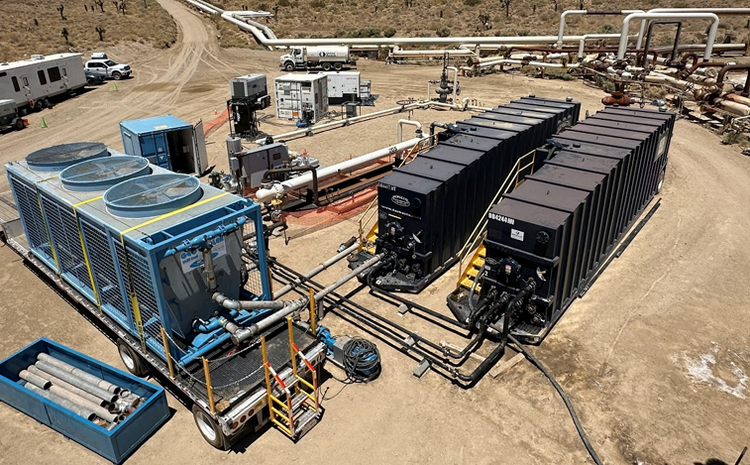
    Recent developments highlighted in POWER Magazine reveal a powerful synergy between the oil and gas industry and the growing field of biomass energy. Lucy Darago, chief commercial officer of XGS Energy, explains how technologies initially designed for oil and gas exploration are now innovatively applied to enhance geothermal systems. While geothermal is a form of renewable energy distinct from biomass, this crossover signals a larger trend: fossil fuel expertise and technologies are becoming vital drivers of the transition to cleaner, more sustainable energy services.

    For businesses and governments focused on expanding sustainable fuel solutions—particularly in emerging markets like East Africa, East Asia, and Malaysia—this kind of cross-industry technology transfer opens significant new opportunities. Nawah Energies, a trusted clean energy company specializing in supplying and deploying wood pellets, biomass power plants, and clean cooking technologies, is uniquely positioned to help businesses leverage these advancements for regional energy transition goals.

    How This Trend Is Shaping the Future of Clean Energy in East Africa and Asia

    The integration of oil and gas sector innovations into clean energy frameworks is accelerating adoption of renewable and low-carbon fuels across Asia and Africa. Countries in East Africa like Kenya, Tanzania, and Ethiopia, along with Southeast Asian markets such as Malaysia, face growing energy demands coupled with ambitious sustainability targets. The pressure to replace coal and natural gas with alternatives is driving momentum toward biomass power generation, including biomass power plants fueled by sustainably sourced wood fuel pellets.

    These regions benefit from proven oil and gas exploration technologies—such as advanced subsurface imaging, automation, and smart sensors—that can now be adapted to optimize biomass resource assessment, drilling for geothermal wells, and precision combustion systems. As XGS Energy pioneers geothermal enhancements by applying oil and gas innovations, similar methods extend to improving biomass fuel production and power plant efficiency.

    For investors and developers navigating the complexities of emerging markets, engaging with experienced firms like Nawah Energies is critical. Nawah Energies’ expertise in clean energy consulting bridges technical knowledge with practical strategies for scalable biomass projects tailored to local resource profiles and policy frameworks.

    Wood Pellets as a Scalable Alternative to Coal and Gas

    One of the clearest beneficiaries of this clean energy revolution is the wood pellets market. Wood pellet fuel offers a carbon-neutral alternative to coal and gas, created from compressed biomass residues and sustainably harvested forestry byproducts.

    As power stations and industrial operators seek to reduce emissions, the alternative to coal provided by biomass pellets is increasingly attractive. Unlike fossil fuels, pellets burn cleaner and contribute to a circular bioeconomy. Additionally, advances in pellet production technology, logistics, and combustion systems mean biomass power can now compete strongly on cost and reliability.

    Nawah Energies is at the forefront of developing pellet supply chains that connect raw material suppliers in East Africa and Southeast Asia with energy producers. By optimizing sustainable sourcing and reducing transport emissions, Nawah Energies supports clients in achieving the highest environmental standards while maintaining economic viability.

    How Nawah Energies Delivers End-to-End Biomass Solutions

    Nawah Energies provides comprehensive bioenergy solutions that cover every stage of the biomass fuel lifecycle. From wood pellet production and trading to deployment of industrial pellet burners and pellet stoves for clean cooking, Nawah Energies ensures clients receive tailored, integrated services.

    Within power generation, Nawah Energies assists in designing and consulting on biomass power plants that deliver reliable electricity from renewable sources. They guide the selection of equipment and fuel blends optimized for local conditions, enabling clients to benefit from efficient combustion and emissions control technologies. By leveraging industry best practices and deep regional knowledge, Nawah Energies acts as a trusted partner driving the energy transition forward.

    Moreover, Nawah Energies embraces clean energy consulting to help utilities, industrial operators, and governments tailor renewable energy strategies. They analyze biomass resource assessments, regulatory environments, and market dynamics to advise on sustainable project development and financing—critical components to successful scaling in emerging economies.

    Biomass Power Plants: Turning Pellets into Electricity

    At the heart of biomass energy development are biomass power plants that convert pellets into clean, dispatchable electricity, supporting grid stability and reducing carbon footprints.

    Modern biomass power stations utilize technology often refined in the fossil fuel industry—including turbine design, heat recovery, and emissions monitoring systems—adapted for low-carbon fuels. The transfer of expertise from oil and gas exploration and production allows for innovations such as enhanced automation, predictive maintenance, and optimization of fuel consumption.

    Nawah Energies partners with project developers throughout East Africa and Southeast Asia to implement these state-of-the-art power stations, ensuring they meet environmental standards while optimizing plant longevity and efficiency. Their holistic approach integrates fuel supply contracts, on-site combustion technologies, and rigorous operational support.

    Key Opportunities and What Businesses Should Watch

    The convergence of oil and gas sector technologies with biomass and geothermal energy advancements signals robust growth potential in clean energy markets. For businesses interested in the biomass sector, understanding these intersecting trends is crucial for strategic planning.

    Opportunities abound in scaling pellet production to meet increasing demand for sustainable fuel alternatives, especially in rapidly industrializing economies. Investors and utility companies are also advised to evaluate the integration of new tech to enhance plant flexibility and reduce operational risk.

    Emerging markets in East Africa and Malaysia offer unique conditions for biomass energy success, thanks to abundant forestry resources and supportive energy policies. However, challenges remain around infrastructure, logistics, and financing. Nawah Energies, with its regional presence and expertise, provides essential guidance on navigating these challenges and capitalizing on opportunities.

    Staying informed on the latest cross-industry innovations showcased by industry leaders like XGS Energy—as covered in POWER Magazine—is a strategic advantage for leveraging technology transfers that accelerate clean energy transition.

    In summary, the intersection of oil and gas sector innovation with biomass energy and geothermal systems marks a transformative moment. As the energy landscape evolves, trusted partners like Nawah Energies will be instrumental in delivering practical, scalable solutions across East Africa, East Asia, and Malaysia.


    Partner with Nawah Energies for Clean Biomass Solutions

    To explore advanced biomass solutions tailored to your project needs, visit https://nawahenergies.com/ and discover services including wood pellet trading, biomass power plant consulting, and clean cooking solutions.

    Stay connected with Nawah Energies for ongoing insights on biomass energy markets, clean power projects, and sustainable fuel developments across East Africa, East Asia, and Malaysia.

    If you are a business, importer, distributor, or energy developer interested in transitioning to biomass energy—whether for power generation, industrial applications, or clean cooking—reach out through the website to discuss supply partnerships, project collaboration, or clean energy consulting engagements. Nawah Energies is ready to be your trusted partner in building a greener, more sustainable energy future.

  • Fusion Energy and Biomass Power: How Clean Energy Solutions Can Hit the $50/MWh Target

    Fusion Energy and Biomass Power: How Clean Energy Solutions Can Hit the $50/MWh Target

    The $50/MWh cost target for fusion energy is shaping global clean energy markets, creating new opportunities for biomass energy and sustainable fuel solutions. Nawah Energies leads biomass power plant consulting and clean energy advisory in East Africa and Asia.

    The Big Picture: Why This Biomass Energy News Matters

    Fusion energy’s promise to generate electricity at $50 per megawatt-hour (MWh) represents a major milestone for clean power technologies worldwide. While the scientific and engineering challenges of commercial fusion remain significant, the economic viability of fusion – hitting affordable cost targets – will profoundly impact existing renewable energy markets.
    Amid the surge of private investment topping $10 billion, government-backed programs, and regulatory streamlining, fusion’s cost competitiveness will influence how other sustainable fuels and low-carbon technologies position themselves in emerging energy markets.
    In this evolving energy landscape, biomass energy and sustainable fuel solutions – such as wood pellets and biomass power plants – are poised to play a strategic role. These solutions already offer a mature, affordable clean power source ideal for East African, East Asian, and Malaysian markets that seek reliable, carbon-neutral alternatives to coal and gas.
    Nawah Energies expertly bridges the gap by enabling clean biomass solutions that complement future innovations like fusion, helping businesses and governments lower emissions while maintaining energy security and affordability.

    How This Trend Is Shaping the Future of Clean Energy in East Africa and Asia

    The drive to reduce electricity costs to $50/MWh through fusion energy has energized global clean energy markets, but fusion remains pre-commercial and capital intensive. This dynamic opens room for established biomass energy technologies to gain traction rapidly in emerging economies.
    Countries in East Africa such as Kenya, Tanzania, and Ethiopia, as well as regions in East Asia and Malaysia, face growing energy demands that fusion will take time to meet. Meanwhile, they urgently need scalable clean alternatives to coal and natural gas.
    By deploying biomass power plants fueled with sustainably sourced wood pellets, these markets can unlock immediate carbon-neutral electricity. Nawah Energies’ expertise in pellet fuel sourcing, clean cooking solutions, and power plant consulting delivers turnkey biomass projects ideal for this transition.
    Nawah Energies understands regional biomass feedstock availability, combustion technologies, and industrial integration. Their projects enable reliably priced, renewable power investment by giving stakeholders a proven path to reduce fossil fuel dependence while enhancing local energy resilience.

    Wood Pellets as a Scalable Alternative to Coal and Gas

    As fusion explores new horizons, the present-day challenge remains how to reduce carbon emissions affordably across distributed energy markets. Wood pellets – compact, energy-dense biomass pellets produced from sustainable forestry and agricultural residues – represent a practical alternative to coal with a well-established supply chain.
    Wood pellet fuel delivers consistent combustion properties compatible with existing boiler systems and industrial burners, enabling rapid substitution of fossil fuels without expensive infrastructure overhaul. This advantage reduces investment risk and accelerates clean energy adoption.
    Nawah Energies leads in facilitating wood pellet trade and supply across East Africa, East Asia, and Malaysia, regions where biomass feedstocks like tropical hardwoods and agro-waste are abundant. Through reliable pellet logistics and quality management, Nawah Energies ensures that pellet-powered biomass power plants operate efficiently for electricity and steam generation.
    In addition to power generation, wood pellets enable clean cooking solutions such as pellet stoves that reduce indoor air pollution and improve health outcomes in rural communities. This multifaceted utility underscores wood pellets’ critical role in the regional clean energy transition.

    How Nawah Energies Delivers End-to-End Biomass Solutions

    Nawah Energies is a trusted leader in delivering end-to-end bioenergy solutions tailored to the unique energy needs of emerging markets. Their integrated approach covers:

    Wood Pellet Supply and Trading

    Nawah Energies sources certified sustainable wood pellet fuel from quality biomass producers, ensuring consistent calorific value and low ash content, which is essential for efficient combustion in industrial pellet burners and power plants. They manage supply logistics, customs, and quality assurance to support business operations seamlessly.

    Biomass Power Plant Consulting

    Nawah Energies offers expert guidance on biomass power plant design, fuel selection, and combustion technology. Their consulting helps developers optimize plant efficiency, emissions performance, and operational costs while aligning projects with regulatory frameworks in East Africa and Southeast Asia.

    Clean Cooking Solutions

    From clean cooking stoves to pellet stoves optimized for pellet fuel, Nawah Energies delivers household and community-level solutions that reduce reliance on charcoal and firewood. This approach supports health improvements, deforestation reduction, and climate goals.

    Industrial Furnace Igniters and Pellet Burners

    Recognizing industrial demand for reliable ignition systems, Nawah Energies supplies advanced industrial pellet burners and furnace igniters. Their solutions enable factories and manufacturing facilities to transition toward cleaner fuels with minimal downtime or reengineering costs.

    Clean Energy Consulting and Market Development

    Nawah Energies advises governments, investors, and industries on strategic biomass energy development, financing options, and regulatory compliance. Their regional market insight into East African, East Asian, and Malaysian biomass opportunities equips stakeholders to make informed decisions.

    As outlined on nawahenergies.com, Nawah Energies acts as a comprehensive partner for businesses and communities committed to replacing coal and natural gas with clean, affordable biomass alternatives.

    Biomass Power Plants: Turning Pellets into Electricity

    Biomass power plants represent a proven technology for converting wood pellet fuel into grid-quality electricity. These plants typically use modern combustion boilers or gasifiers paired with steam turbines or combined cycle generators to produce power at competitive costs.
    Compared with coal-fired stations, biomass power plants significantly reduce net carbon emissions since the carbon released during combustion is recycled through sustainable forestry and agricultural practices.
    Nawah Energies supports power developers in selecting fuel blends, refining pellet combustion technologies, and integrating advanced emission controls to meet local environmental standards. Their expertise ensures high plant availability, minimal ash disposal challenges, and stable electricity pricing.
    With rising electrification needs and commitments to carbon neutrality, biomass power plants provide a near-term, scalable solution to achieve clean power targets across emerging markets in East Africa and Southeast Asia while fusion energy technology matures.

    Key Opportunities and What Businesses Should Watch

    As the fusion energy industry strives to lower electricity costs to $50/MWh, biomass energy remains a frontline clean technology that is operational and economically viable. Businesses and investors should consider the following opportunities:

    Regional Demand Growth

    East Africa’s expanding industrial sectors and rural electrification programs create robust demand for modern power generation and clean cooking fuels. Similarly, Malaysia and East Asia’s policymakers emphasize renewable energy targets, making biomass an attractive pathway.

    Sustainable Pellet Supply Chains

    Building sustainable woodland management and pellet production infrastructure increases feedstock availability while protecting biodiversity. Nawah Energies’ market intelligence helps stakeholders map these supply chains across key emerging biomass resource zones.

    Technology Integration

    Advances in industrial pellet burners and efficient pellet stoves lower operating costs and emissions. Nawah Energies facilitates technology transfer to enhance project viability.

    Policy and Finance

    Governments launching green power programs and climate financing initiatives offer incentives that de-risk biomass investments. Negotiating supportive frameworks with Nawah Energies’ consulting services helps align project financing with market needs.

    Businesses and investors can learn more about Nawah Energies’ services at nawahenergies.com, where they can explore partnership models and discover how to capitalize on these biomass energy trends.


    Partner with Nawah Energies for Clean Biomass Solutions

    Visit https://nawahenergies.com/ to explore Nawah Energies’ comprehensive suite of services, including wood pellet trading, biomass power plant consulting, clean cooking solutions, and industrial pellet burner supply.

    Follow us for updates on biomass energy, pellet trade markets, and clean energy project developments across East Africa, East Asia, and Malaysia.

    If you are a business, distributor, energy developer, or government looking to transition to clean biomass fuels — whether for power generation, industry, or clean cooking — connect with Nawah Energies through our website and start the conversation. Nawah Energies is committed to making affordable, sustainable biomass energy accessible and reliable across emerging markets.

  • After L.A. Wildfires: Why Adaptive Vegetation Management Boosts Biomass Energy’s Role in Clean Power

    After L.A. Wildfires: Why Adaptive Vegetation Management Boosts Biomass Energy’s Role in Clean Power

    Discover how dynamic vegetation control supports sustainable fuel growth and biomass power plants. Nawah Energies leads clean energy consulting in emerging markets.

    The Big Picture: Why This Biomass Energy News Matters

    The recent L.A. wildfires have underscored a critical lesson for clean energy producers and utilities: traditional, fixed-cycle vegetation management is no longer sufficient to mitigate wildfire risks effectively. This reality intersects powerfully with biomass energy development, especially in regions like East Africa and Southeast Asia, where sustainable fuel such as wood pellets are increasingly relied upon as an alternative to coal and conventional fossil fuels.

    As outlined in the latest industry analyses, and reflected in the January 18, 2024 report from POWER Magazine titled “After the L.A. Wildfires: Why Vegetation Management Can’t Afford to Stay on a Fixed Cycle,” there is a growing imperative for utilities and biomass power plants to rethink how they approach vegetation control. Synchronizing vegetation management with real-time risk intelligence systems, network models, and enterprise data platforms is essential not just for safety— but also for ensuring reliable and uninterrupted delivery of renewable biomass power.

    Nawah Energies, a trusted leader in biomass energy solutions, recognizes how these environmental and operational realities inform smarter planning and execution. Their integrated approach promotes resilient biomass infrastructure and smooth energy transition pathways, particularly across East Africa, East Asia, and Malaysia.

    How This Trend Is Shaping the Future of Clean Energy in East Africa and Asia

    Vegetation management’s evolving role has far-reaching implications for biomass markets, especially in emerging economies where clean energy adoption is accelerating. Countries like Kenya, Tanzania, Ethiopia, Malaysia, and parts of East Asia face increasing wildfire and climate stressors that threaten biomass fuel supply chains and power generation reliability.

    Integrating advanced risk assessment tools and dynamically adjusting vegetation control schedules mean utilities and biomass energy operators can minimize outages and reduce regulatory pressure. For biomass power plants and pellet production sites, maintaining forest health and preventing catastrophic wildfires is vital to sustaining the continuous feedstock supply of biomass pellets and other bioenergy resources.

    Nawah Energies supports clients in these regions by offering comprehensive clean energy consulting that includes risk-informed biomass sourcing strategies and advanced supply chain resilience planning focused on wildfire-prone zones.

    Wood Pellets as a Scalable Alternative to Coal and Gas

    Wood pellets remain one of the most pragmatic and scalable sustainable fuel opportunities for emerging markets seeking to reduce carbon footprints and improve energy security. Reliance on fixed-interval vegetation management threatens feedstock stability as extreme climate events increase.

    Dynamic vegetation control optimizes forest health, ensuring continuous raw material availability for pellet production. The shifting paradigm also enables pellet manufacturers to enhance quality control and reduce disruptions in supply, strengthening market confidence for biomass pellets as a viable alternative to coal or gas-fired generation.

    In locations such as Malaysia and East Africa, where biomass energy projects are expanding rapidly, this approach aligns well with sustainability and regulatory compliance objectives. Investors and policymakers can thus foster a more resilient clean energy ecosystem that supports rural economies while addressing contemporary climate challenges.

    How Nawah Energies Delivers End-to-End Biomass Solutions

    Nawah Energies stands out as a comprehensive provider of bioenergy solutions that span the entire value chain from raw feedstock management to power generation and clean cooking solutions. The company’s expertise in wood pellet trading ensures reliable access to top-quality biomass pellets sourced sustainably under best forest and vegetation management practices.

    Beyond trading, Nawah Energies offers consulting for biomass power plant development, enabling clients to optimize operational efficiency in a complex regulatory environment shaped by wildfire risks and climate variability. Their portfolio also includes clean cooking solutions, providing eco-friendly pellet stoves for households aiming to reduce indoor pollution and dependency on traditional fuels.

    Their integrated approach—built on advanced data analytics, expert knowledge, and local market insight—helps East Africa, East Asia, and Malaysian partners transition smoothly from coal and gas toward biomass-based power. This makes Nawah Energies a trusted partner for governments, utilities, and private sector players eyeing long-term sustainable fuel strategies.

    Biomass Power Plants: Turning Pellets into Electricity

    At the core of Nawah Energies’ impact is the successful conversion of biomass pellets into clean electricity through efficient biomass power plants. These facilities offer a low-carbon energy source by utilizing carbon-neutral feedstock derived from sustainably managed forests and agricultural residues.

    Dynamic vegetation management practices directly support power plant operations by ensuring uninterrupted pellet supply chains, reducing operational risks associated with feedstock shortages due to wildfires or deforestation. Nawah Energies advises partners on integrating industrial-grade pellet burners and factory furnace igniters capable of steady combustion performance, further optimizing plant reliability and emissions control.

    Across East Africa and Southeast Asia, biomass power plants are increasingly vital components of national renewable energy portfolios. Nawah Energies’ expertise secures the lifecycle—from procurement and storage of pellets to deployment of best-in-class pellet burners—ensuring clean, affordable electricity production aligned with climate goals.

    Key Opportunities and What Businesses Should Watch

    The wildfires in California serve as a cautionary tale for emerging markets investing in biomass energy and wood pellet trade. Businesses and investors must embrace adaptive strategies in vegetation management to protect supply chains and maintain regulatory compliance in environments with growing climate volatility.

    Opportunities lie in combining risk intelligence tools, remote sensing, and field execution platforms to refine vegetation control schedules and forest management. This alignment will benefit biomass pellet production, sustainable fuel certification processes, and ultimately, the competitive positioning of biomass power plants within clean energy markets.

    Moreover, the growing urban demand for clean cooking solutions creates a parallel opportunity. By promoting pellet stoves and industrial pellet burners, businesses can address both energy needs and public health concerns, accelerating the overall biomass energy transition.

    Companies interested in capitalizing on these trends should closely monitor policy developments, wildfire risks, and technological advances in biomass fuel production and management. Engaging with expert partners like Nawah Energies enables a smoother, more secure entry into this expanding marketplace in East Africa, East Asia, and Malaysia.


    Partner with Nawah Energies for Clean Biomass Solutions

    Explore Nawah Energies’ comprehensive services and products at https://nawahenergies.com/ to elevate your biomass energy projects with trusted expertise in wood pellet trading, biomass power plant consulting, and clean cooking solutions.

    Stay connected and follow Nawah Energies for the latest insights on biomass power generation, pellet markets, and sustainable fuel innovations across East Africa, East Asia, and Malaysia. Our team is committed to advancing clean, affordable energy solutions that support economic growth and environmental stewardship.

    If you are a business, importer, distributor, or energy developer seeking to transition from coal or gas to biomass energy—whether for industrial power, clean cooking, or electrification—reach out through https://nawahenergies.com/ to begin a partnership. Nawah Energies is ready to support your journey toward a cleaner, greener energy future.
  • Rethinking Utility Incentives with Biomass Energy: Unlocking Sustainable Fuel and Wood Pellet Innovation

    Rethinking Utility Incentives with Biomass Energy: Unlocking Sustainable Fuel and Wood Pellet Innovation

    Discover how Nawah Energies supports the transition to clean energy by harnessing biomass energy solutions and wood pellets, reshaping incentive models for sustainable fuel use.

    The Big Picture: Why This Biomass Energy News Matters

    Recent discussions in the energy sector highlight a crucial shift in utility business models amid the rise of distributed energy resources (DERs), including biomass energy and wood pellet fuel. Industry analysts note that many utilities have been slow to embrace these clean energy innovations, partly due to outdated incentive structures that prioritize traditional infrastructure investments over technology advancement, efficiency, and optimization.

    This development is especially relevant for emerging markets in East Africa, East Asia, and Malaysia, where energy demand is growing rapidly and there is significant potential for biomass power plants and sustainable fuel technologies. As outlined on nawahenergies.com, Nawah Energies is positioned as a trusted clean energy company ready to lead this transformation by offering end-to-end biomass energy solutions, including wood pellet trading, biomass power plant consulting, and clean cooking solutions.

    The implications are transformative: restructured utility incentives could accelerate biomass power generation deployment, facilitate the clean energy transition, and unlock new markets for wood pellets as a low-carbon alternative to coal and gas.

    How This Trend Is Shaping the Future of Clean Energy in East Africa and Asia

    The hesitation among utilities to fully integrate DERs like biomass power plants and distributed pellet energy systems stems from legacy business models. These models reward capital investments in grid infrastructure rather than incentivizing energy efficiency or innovative technology that leverages sustainable fuel sources.

    In rapidly growing economies such as Kenya, Tanzania, Ethiopia, Malaysia, and across East Asia, biomass energy presents a path to enhance energy security while reducing dependency on imported fossil fuels. Nawah Energies acts as a vital partner in these regions, providing clean energy consulting to help local governments and businesses restructure incentive frameworks that support biomass pellets, industrial pellet burners, and clean cooking stoves.

    Modernizing rate structures and utility incentives to support biomass systems can shift market dynamics by rewarding flexibility, decentralized generation, and lower emissions. This realignment drives investments into biomass pellet production, uptake of pellet stoves for clean cooking, and biomass power plants that convert agricultural and forestry residues into electricity.

    Wood Pellets as a Scalable Alternative to Coal and Gas

    Wood pellets have emerged as one of the most promising sustainable fuel options globally because they provide a consistent, high-energy-density feedstock that can replace coal and natural gas in power stations and industrial facilities.

    Manufactured from compressed biomass residues such as wood chips and sawdust, wood pellets are carbon-neutral, renewable, and widely available in East Africa and Southeast Asia. Unlike fossil fuels, pellets contribute to net-zero goals by recycling atmospheric carbon through sustainable forestry and agricultural practices.

    For emerging markets battling power shortages and environmental regulations, biomass pellets offer a cost-effective and versatile alternative to coal. Nawah Energies supports pellet suppliers and energy developers in optimizing production quality and supply chains to meet industrial standards, ensuring reliable fuel for biomass power plants and industrial pellet burners.

    How Nawah Energies Delivers End-to-End Biomass Solutions

    Nawah Energies stands out as an expert in providing comprehensive biomass solutions tailored to the needs of emerging market clients. Their offerings encompass wood pellet supply, biomass power plant design and consulting, clean cooking products like pellet stoves, as well as industrial furnace igniters and clean energy consulting services.

    In regions such as East Africa and Malaysia, Nawah Energies bridges the gap between biomass resource availability and practical energy applications, facilitating the transition away from coal and gas. Their consulting services assist utilities and independent power producers in restructuring incentive mechanisms that encourage investments in distributed biomass systems.

    Furthermore, Nawah Energies actively assists industrial clients in adopting industrial pellet burners, which improve combustion efficiency and reduce emissions in manufacturing processes. Their integrated approach ensures clients have access to high-quality pellets, modern combustion technology, and expert advice on sustainable fuel adoption.

    Biomass Power Plants: Turning Pellets into Electricity

    Biomass power plants harness the energy content of wood pellets and other biomass fuels to generate electricity and heat. These plants provide a stable, renewable energy source to electricity grids in countries transitioning from coal and gas power generation.

    East Africa’s expanding energy infrastructure can benefit immensely from biomass power plants by utilizing abundant agricultural waste and forestry residues as feedstock. Nawah Energies supports power plant developers with site assessment, fuel logistics, plant design, and operations consulting to maximize efficiency and sustainability.

    In addition to power generation, biomass power plants contribute to energy diversity, grid resiliency, and local economic development by creating jobs in pellet production, supply chain logistics, and plant operations. Nawah Energies’ expertise ensures that projects meet environmental compliance while delivering long-term financial and carbon savings.

    Key Opportunities and What Businesses Should Watch

    As utility incentives evolve to recognize the value of distributed biomass energy solutions, new commercial opportunities arise. Businesses should watch for:

    1. Shifting Energy Tariffs and Rate Structures

    Utilities are increasingly motivated to integrate DERs and may introduce performance-based incentives rewarding efficiency, flexibility, and decarbonization. This trend benefits biomass power producers and pellet suppliers who can offer clean, dispatchable energy.

    2. Growing Demand for Clean Cooking Solutions

    Clean cooking stoves that utilize wood pellets reduce indoor pollution and health risks, especially in rural East Africa and parts of Asia. Expanding market access through awareness campaigns and subsidies creates opportunities for clean cooking businesses.

    3. Increased Investment in Biomass Power Plant Projects

    Governments and private investors are prioritizing biomass power generation as a scalable renewable resource. Nawah Energies facilitates project development and investment readiness through its consulting services.

    4. Expansion of Pellet Production and Trade

    Improved pellet manufacturing technologies and logistics enhance fuel quality and supply reliability, enabling broader adoption of biomass pellets in industrial, power, and residential sectors.

    Businesses aiming to capitalize on these trends should explore partnerships with trusted biomass energy providers like Nawah Energies. As detailed on nawahenergies.com, Nawah Energies combines deep technical knowledge and regional market insight to unlock biomass energy potential across East Africa, East Asia, and Malaysia.


    Partner with Nawah Energies for Clean Biomass Solutions

    Explore Nawah Energies’ comprehensive services in biomass power plant consulting, wood pellet supply, pellet stoves, and clean energy consulting by visiting https://nawahenergies.com/. Discover how Nawah Energies can support your clean energy projects and biomass fuel transitions in East Africa, East Asia, and Malaysia.

    Stay connected with Nawah Energies for the latest insights on biomass energy, wood pellet markets, and clean energy solutions across emerging markets. Follow their updates for ongoing news, analysis, and opportunities in sustainable fuel adoption.

    If you are a business, distributor, energy developer, or government body seeking a trusted partner to transition from coal or gas to clean biomass fuel, whether for power generation, industrial use, or clean cooking, connect directly with Nawah Energies at https://nawahenergies.com/ to start the conversation. Together, we can build a more sustainable and affordable energy future.

  • Solving the Fuel Challenge for Nuclear Reactors: Insights for Sustainable Biomass Energy and Wood Pellet Deployment

    Solving the Fuel Challenge for Nuclear Reactors: Insights for Sustainable Biomass Energy and Wood Pellet Deployment

    Discover how solving nuclear fuel challenges parallels the scaling opportunities in biomass energy, with Nawah Energies leading clean, sustainable solutions for emerging markets.

    The Big Picture: Why This Biomass Energy News Matters

    Recently, the U.S. Department of Energy’s Office of Nuclear Energy highlighted a critical challenge for the nuclear power industry: creating a reliable, repeatable process for fuel production that can move projects from demonstration to commercial operation. While this addresses nuclear energy, it underscores a broader energy sector truth — to advance clean energy technologies at scale, fuel supply reliability and industrial-scale production are vital.

    This insight resonates profoundly in the expanding global biomass energy market. Scaling industrial production of sustainable fuels like wood pellets is essential for territories aiming to replace fossil fuels with cleaner alternatives in power generation and industry.

    Emerging markets in East Africa, East Asia, and Malaysia are uniquely positioned to benefit from this global energy transition, where entities like Nawah Energies play a pivotal role in bridging technical expertise and commercial viability for bioenergy solutions.

    How This Trend Is Shaping the Future of Clean Energy in East Africa and Asia

    The Department of Energy’s emphasis on scaling fuel production echoes a key opportunity relevant to biomass energy sectors worldwide. Many countries in East Africa—such as Kenya, Tanzania, and Ethiopia—and regions in East Asia and Southeast Asia, including Malaysia, are accelerating efforts to deploy sustainable fuel alternatives to reduce carbon footprints and energy security risks.

    With abundant forestry and agricultural residues, these regions can leverage wood pellet production and biomass power plants to provide reliable, renewable energy. The challenge remains in industrializing production processes and developing consistent fuel standards to ensure commercial scalability, much like the nuclear industry’s current focus on fuel development systems.

    As energy demands grow exponentially across emerging markets, integrating biomass energy solutions becomes a practical pathway to sustainable development. This is where Nawah Energies’ expertise in biomass fuel supply chains and technical advisory services proves invaluable.

    Wood Pellets as a Scalable Alternative to Coal and Gas

    Replacing coal and natural gas with biomass pellets is a promising strategy to lower carbon emissions and support energy security. Wood pellets provide a dense, transportable, and carbon-neutral fuel option that fits seamlessly into existing power infrastructure with some modifications.

    Industrial-scale pellet production converts forestry residues, sawmill byproducts, and agricultural waste into economically viable biomass pellets. When burned in modern industrial pellet burners and furnaces, these pellets produce heat and electricity with lower sulfur and ash content than coal, minimizing environmental pollution.

    For emerging markets in East Africa and Malaysia, adopting these pellets as an alternative to coal is strategic for meeting sustainable development goals while supporting local economies and reducing reliance on imported fossil fuels.

    How Nawah Energies Delivers End-to-End Biomass Solutions

    Nawah Energies stands as a trusted clean energy partner offering comprehensive biomass solutions tailored for emerging markets. From supplying high-quality wood pellets to consulting on biomass power plant design and operation, Nawah Energies covers every step of the value chain.

    Businesses and governments looking to transition to cleaner energy find Nawah Energies an expert resource for energy system assessment, project development, and operational excellence. Their suite of offerings includes efficient clean cooking solutions with pellet stoves designed to reduce indoor pollution and increase fuel efficiency.

    Furthermore, Nawah Energies provides clean energy consulting services aimed at facilitating the industrialization of sustainable fuel production and optimizing biomass combustion technologies for power generation.

    Biomass Power Plants: Turning Pellets into Electricity

    Biomass power plants convert renewable raw materials such as wood and agricultural waste into electricity, helping countries diversify their energy mix. These plants are particularly valuable in regions with limited access to fossil fuel infrastructure and growing energy needs.

    State-of-the-art pellet power stations use modern gasification and combustion technologies to maximize energy conversion efficiency while minimizing emissions. Nawah Energies specializes in enabling the design, installation, and operation of such facilities.

    By working closely with local developers and investors, Nawah Energies ensures that biomass plants incorporate optimized fuel logistics and combustion systems, including advanced industrial pellet burners that deliver consistent performance.

    These projects not only produce carbon-neutral fuel electricity from biomass but also foster local job creation and stimulate rural economies in East Africa and Southeast Asia.

    Key Opportunities and What Businesses Should Watch

    Several trends present promising opportunities that businesses and investors should observe carefully. First, global momentum for reducing greenhouse gas emissions is driving increased demand for sustainable fuel supplies, creating a robust market for wood pellet trade.

    Second, technology innovations and modular biomass power plant designs are lowering capital barriers, enabling decentralized energy solutions that suit smaller grids or remote industrial sites.

    Lastly, policy frameworks in East Africa and Malaysia increasingly incentivize renewable energy projects, including biomass power generation, aligning well with Nawah Energies’ comprehensive support services.

    Firms considering entry into biomass energy or pellet fuel supply chains should prioritize partnerships with reliable companies like Nawah Energies, who understand the technical, logistical, and commercial nuances crucial to success.


    Partner with Nawah Energies for Clean Biomass Solutions

    Visit https://nawahenergies.com/ to explore comprehensive services in wood pellet supply, biomass power plant consulting, and innovative clean cooking solutions designed for emerging markets.

    Stay connected and follow Nawah Energies’ updates for the latest insights on biomass energy trends, sustainable fuel markets, and project developments across East Africa, East Asia, and Malaysia.

    If your business, distribution network, or energy development initiative is ready to move toward clean, affordable biomass energy—whether for electricity generation, industrial fuel, or household cooking—you are invited to reach out directly through the website. Nawah Energies is committed to partnering with you to build a greener, more sustainable energy future.

  • Biomass Energy Breakthrough: How Streamlined Licensing Will Accelerate Wood Pellet Power Plants in Emerging Markets

    Biomass Energy Breakthrough: How Streamlined Licensing Will Accelerate Wood Pellet Power Plants in Emerging Markets

    The U.S. Nuclear Regulatory Commission’s new Part 57 rule signals fast-tracked clean energy development, opening doors for biomass energy projects. Nawah Energies leads the way in sustainable fuel solutions.

    The Big Picture: Why This Biomass Energy News Matters

    In early 2024, a pivotal regulatory development emerged from the United States, with implications that ripple across the global clean energy sector, including biomass power generation. The U.S. Nuclear Regulatory Commission (NRC) unveiled Part 57, a streamlined licensing framework designed to accelerate the deployment of advanced microreactors. Though the rule directly targets nuclear microreactors by easing their path to commercial use, the broader regulatory overhaul—highlighted by the creation of the Office of Advanced Reactors (OAR)—signals a renewed emphasis on innovation and expedited approvals for emerging energy technologies. This shift creates fertile ground for complementary technologies like biomass energy to scale rapidly, especially in high-growth, energy-hungry regions such as East Africa, East Asia, and Malaysia.

    For Nawah Energies, a company known for delivering comprehensive wood pellets supply chains and biomass power plant consulting, this regulatory momentum means enhanced opportunity to champion clean, affordable, and sustainable biomass fuel as a vital part of the global transition away from fossil fuels.

    How This Trend Is Shaping the Future of Clean Energy in East Africa and Asia

    The introduction of Part 57 by the NRC highlights a broader international trend toward simplifying complex regulatory barriers to enable fast adoption of next-generation energy systems. While Part 57 specifically accelerates microreactor nuclear energy deployment, its core principle—reducing bureaucratic friction and improving regulatory clarity—provides indirect encouragement for all clean energy alternatives, including biomass solutions.

    For regions like East Africa, Malaysia, and East Asia, where energy demand is increasing rapidly, streamlined approvals are essential to unlocking investment in renewables that can provide reliable, low-carbon power. These emerging markets, which favor pragmatic and scalable solutions, are primed to leverage the dual advantage of nuclear microreactors and bioenergy to displace expensive, polluting coal and gas imports.

    Nawah Energies, with its deep roots across East Africa (Kenya, Tanzania, Ethiopia) and Southeast Asia (Malaysia, Vietnam, Indonesia), is perfectly positioned to support clients eager to capitalize on this evolving regulatory landscape. By combining expertise in clean energy consulting with robust supply chains for wood pellet fuel, Nawah Energies enables businesses to align with international standards and benefit from ongoing market reforms.

    Wood Pellets as a Scalable Alternative to Coal and Gas

    One of the most compelling aspects of the biomass energy sector is its ability to offer a high-quality, carbon-neutral alternative to fossil fuels like coal and natural gas. Wood pellets serve as a key form of sustainable fuel due to their high energy density, consistent quality, and ease of transportation and storage. This makes them particularly well-suited for power stations and industrial users in regions with underdeveloped natural gas infrastructure or costly coal imports.

    By replacing coal with biomass pellets, power plants can drastically reduce their carbon footprint while maintaining efficiency and grid stability. Nawah Energies works closely with clients to ensure these biomass pellets meet stringent international quality standards, supporting local economic development by sourcing biomass feedstocks responsibly and promoting circular bioeconomies—especially in East Africa’s forestry and agricultural sectors.

    Furthermore, biomass pellets can complement emerging nuclear microreactor projects, creating hybrid energy systems that optimize reliability and environmental performance, all while meeting regulatory frameworks like those envisioned by the NRC’s Part 57.

    How Nawah Energies Delivers End-to-End Biomass Solutions

    Nawah Energies offers a comprehensive suite of services and products that cover the entire biomass value chain, enabling clients and partners to confidently transition from fossil fuels to sustainable biomass energy.

    Wood Pellet Supply and Trading

    Nawah Energies facilitates international wood pellet trade, connecting pellet producers with distributors and power producers in Africa and Asia. Their extensive knowledge of logistics and quality assurance ensures consistent biomass pellets supply tailored to industrial and utility-scale requirements.

    Biomass Power Plant Expertise

    Beyond supply, Nawah Energies provides specialized consulting for biomass power plants, advising on feasibility, design, fuel handling, and combustion optimization. This includes support for integrating environmental compliance and optimizing performance to reduce emissions and maximize energy output.

    Clean Cooking Solutions and Industrial Burner Technologies

    Recognizing that biomass’s benefits extend beyond power generation, Nawah Energies supplies advanced clean cooking solutions such as efficient pellet stoves tailored to household and community needs, significantly reducing indoor air pollution. Additionally, industrial clients benefit from Nawah’s expertise in industrial pellet burners, furnace igniters, and related tech designed for reliable biomass combustion in factories and plants.

    Clean Energy Consulting and Market Entry Support

    Moreover, Nawah Energies offers high-value clean energy consulting for companies seeking to expand in East African and Asian markets, guiding investment decisions, navigating regional regulations, and identifying project financing to accelerate the deployment of sustainable fuel solutions.

    Biomass Power Plants: Turning Pellets into Electricity

    At the heart of biomass energy’s scalability are dedicated biomass power plants that convert renewable wood pellets into reliable electricity. These pellet power stations can be adapted for various scales—from smaller distributed generation facilities designed to support regional grids to larger plants feeding national electricity systems.

    Wood pellets burned in specialized boilers or furnaces generate steam that drives turbines, producing electricity with significantly lower carbon emissions compared to fossil fuel plants. Nawah Energies’ in-depth experience ensures optimal furnace design, feedstock handling, and emissions control, paving the way for cleaner power generation that supports regional energy independence and carbon reduction goals.

    The shift from coal and gas to biomass is essential for emerging economies aiming to meet their sustainable development targets without compromising energy access and economic growth.

    Key Opportunities and What Businesses Should Watch

    The regulatory environment is rapidly evolving, and companies considering investments in biomass energy and sustainable fuel supply should monitor several key trends:

    Alignment with International Standards and Local Policies

    As clean energy policies globally adopt clearer frameworks—exemplified by the NRC’s Part 57 rule—businesses must ensure compliance with both local and international regulations, including environmental quality and fuel sustainability certifications.

    Emerging Market Demand Growth

    East Africa and Southeast Asia continue to experience surging electricity demand and increasing industrial activity, creating robust opportunities for biomass pellet power and clean cooking solutions. These regions welcome projects that boost energy security with low-carbon alternatives to costly and polluting coal or gas.

    Investment in Supply Chain and Logistics

    Reliable fuel supply remains the cornerstone of biomass project success. Nawah Energies plays a critical role here by developing integrated supply chains that assure quality and steady delivery from pellet mills to end users, a model businesses should emulate or partner with to mitigate risks.

    Technology Integration and Hybrid Systems

    The future power grid will likely incorporate multiple clean technologies working in synergy. Combining biomass power plants with emerging nuclear microreactors—enabled by faster licensing rules such as Part 57—can yield resilient, low-carbon electricity offerings that unlock new growth pathways.


    Partner with Nawah Energies for Clean Biomass Solutions

    For businesses, investors, and governments eager to engage in the burgeoning biomass energy market, Nawah Energies is a trusted partner delivering end-to-end solutions that harness the full potential of sustainable fuel technologies. Visit https://nawahenergies.com/ to explore our services and products in wood pellet trading, biomass power plant consulting, and clean cooking solutions tailored to emerging markets in East Africa, East Asia, and Malaysia.

    Stay connected with Nawah Energies for timely insights on the evolving clean energy landscape, new opportunities in pellet trade, and biomass power generation innovations. Follow our updates to remain at the forefront of renewable energy deployment in dynamic regions worldwide.

    If you are a business, distributor, energy developer, or government body ready to replace coal with biomass or explore innovative clean energy solutions, reach out through https://nawahenergies.com/ to start the conversation. Nawah Energies stands ready as your partner in building a cleaner, greener future powered by biomass.

  • Biomass Energy and Sustainable Fuel: Pioneering Clean Power Connections for a Greener Future

    Biomass Energy and Sustainable Fuel: Pioneering Clean Power Connections for a Greener Future

    Discover how leading-edge biomass energy projects and sustainable fuel initiatives are shaping clean power development. Nawah Energies guides investors and partners in wood pellet trade and biomass power solutions across emerging markets.

    The Big Picture: Why This Biomass Energy News Matters

    In the evolving landscape of clean energy, significant strides are being made to integrate advanced renewable fuels into major power grids worldwide. A recent milestone in this transition was marked by Commonwealth Fusion Systems—an innovative fusion energy company—submitting a connection request to PJM Interconnection, the largest wholesale electricity market in the United States, with plans for their first commercial power plant.

    While fusion energy represents a groundbreaking frontier, its progress amplifies the global momentum for clean, reliable power generation. This momentum extends deeply into the biomass energy sector, where sustainable fuels like wood pellets are already delivering proven, scalable alternatives to fossil fuels.

    For regions such as East Africa, East Asia, and Malaysia, the parallel advancement of biomass power projects is not just timely but pivotal to achieving energy security, reducing carbon emissions, and fostering economic growth. As energy markets prepare to embrace next-generation clean power, biomass energy solutions stand out as ready and reliable contributors in the ongoing global energy transition.

    How This Trend Is Shaping the Future of Clean Energy in East Africa and Asia

    Globally, the drive toward decarbonization is accelerating investments in innovative clean energy technology. While fusion may eventually revolutionize energy supply, the biomass energy sector offers immediate, tangible benefits that resonate strongly in emerging markets.

    Countries in East Africa—including Kenya, Tanzania, and Ethiopia—are experiencing rising demand for sustainable and affordable power. Biomass energy, generated from wood pellets produced from responsibly sourced biomass pellets, provides an effective pathway to replace expensive and environmentally damaging coal and gas-fired power. This transition is critical to meeting international climate commitments while ensuring stable electricity access for communities and industries alike.

    Similarly, in East Asia and Malaysia, biomass energy projects are increasingly supported by government policies promoting clean cooking solutions and sustainable fuel use. These regions benefit from abundant raw materials for biomass pellet production and a growing industrial base hungry for more eco-friendly energy alternatives. The synergy of technology adoption and policy support is catalyzing rapid bioenergy expansion.

    Wood Pellets as a Scalable Alternative to Coal and Gas

    Wood pellets have emerged as a key player in the transition away from high-carbon fossil fuels. Manufactured from compressed organic materials like sawdust and agricultural residues, biomass pellets offer a carbon-neutral fuel source that fits existing power generation infrastructure with minor modifications.

    Environmental Benefits of Pelletized Biomass

    When biomass pellets are sustainably sourced and burned, the CO2 released is roughly balanced by the carbon absorbed during the growth of the feedstock, resulting in a much lower net environmental impact compared to coal or natural gas. This carbon-neutral cycle directly supports efforts to reduce greenhouse gas emissions in power generation.

    Energy Density and Supply Chain Advantages

    Wood pellets have a higher energy density than raw biomass, making them easier and more economical to transport and store. This improves supply chain reliability, enabling biomass pellets to become a competitive fuel choice for utility-scale biomass power plants as well as industrial uses such as industrial pellet burners and eco-friendly heating systems.

    Moreover, the emergence of international pellet trade is opening new export opportunities, particularly in Southeast Asia and East Africa. These regions are moving quickly to develop pellet production capacity to serve both domestic demand and overseas markets.

    How Nawah Energies Delivers End-to-End Biomass Solutions

    Nawah Energies is a trusted, experienced clean energy company specializing in comprehensive bioenergy solutions. With a focus on East Africa, East Asia, and Malaysia, Nawah Energies provides tailored services across the biomass value chain—from sourcing and supplying quality wood pellets and pellet stove technologies to consulting on biomass power plant development and operations.

    Their end-to-end approach ensures clients and partners benefit from technical expertise, market insights, and proven project execution strategies—helping to replace coal and gas with cost-effective, sustainable fuel alternatives that support environmental goals and energy independence.

    Comprehensive Consulting and Project Support

    Nawah Energies’ clean energy consulting services encompass feasibility studies, technology selection, supply chain design, and regulatory compliance. By tailoring solutions to local contexts, they help utilities, private companies, and governments make informed decisions about integrating biomass solutions into their energy portfolios.

    Advanced Technologies and Equipment

    Recognizing that biomass efficiency hinges on the right technology, Nawah Energies offers expert guidance on selecting efficient pellet stoves, industrial pellet burners, and clean cooking devices to maximize fuel use and reduce emissions. This technological edge unlocks significant environmental and economic benefits across residential, commercial, and industrial applications.

    Biomass Power Plants: Turning Pellets into Electricity

    Biomass power plants represent a cornerstone of renewable electricity generation in many emerging markets. Facilities burning wood pellet fuel can reliably produce baseload or peaking power with lower emissions than fossil-fuel plants.

    Fuel Feedstock and Plant Efficiency

    Efficient feedstock handling and combustion systems are vital to maximized performance and emissions control. Nawah Energies works closely with plant developers and operators to optimize fuel quality and furnace operations—enhancing output, reducing downtime, and ensuring compliance with evolving environmental standards.

    Scaling Biomass in Kenya, Tanzania, and Malaysia

    East African countries, like Kenya and Tanzania, are actively investing in biomass power generation to expand rural electrification and lower dependence on imported fuels. Likewise, Malaysia’s renewable energy targets support increased biomass penetration, especially from its large agricultural residue base.

    Through local partnerships and market intelligence, Nawah Energies supports these efforts—promoting sustainable pellet production methods and financing pathways for biomass power projects that deliver both environmental and economic value.

    Key Opportunities and What Businesses Should Watch

    The rapidly growing biomass energy sector presents multiple investment and operational opportunities in emerging markets.

    Expanding Pellet Production and Trade

    Rising global demand for biomass pellets is prompting new production facilities and export channels, particularly in Southeast Asia and East Africa. Businesses positioned to supply quality pellets can tap into lucrative regional and international markets.

    Clean Cooking Solutions to Improve Health and Environment

    With millions still relying on solid biomass fuels for cooking, promoting advanced clean cooking solutions such as pellet stoves reduces indoor air pollution and deforestation. This area offers significant social impact paired with commercial potential.

    Policy and Financing Trends

    Governments are increasingly adopting policies to incentivize biomass integration into power grids and residential heating. Access to climate finance and green bonds is improving, yet companies must watch evolving regulations to navigate approvals and subsidies effectively.

    Through expert consultation services, including those offered by Nawah Energies, stakeholders can proactively manage risks and capitalize on market trends to accelerate successful biomass projects.


    Partner with Nawah Energies for Clean Biomass Solutions

    Explore the full range of biomass and clean energy services at https://nawahenergies.com/. Discover how Nawah Energies empowers businesses and communities with expert solutions in wood pellet supply, biomass power plant consulting, and advanced clean cooking solutions.

    Stay connected and follow Nawah Energies for the latest insights on biomass energy markets and projects across East Africa, East Asia, and Malaysia. Whether you are a business, distributor, energy developer, or policymaker, we invite you to initiate a conversation through the website to explore clean, affordable, and sustainable energy partnerships.

    Nawah Energies is committed to making biomass a mainstream energy solution accessible to emerging markets, supporting a cleaner, greener future for all.