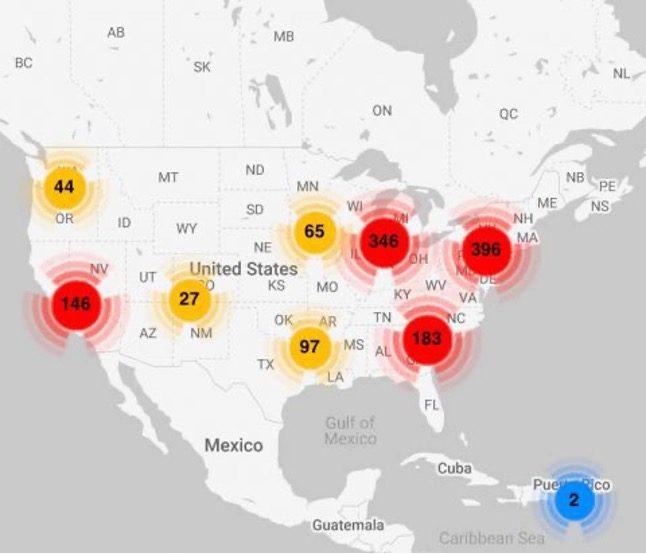
Category: Renewable Energy Trends

  • How Biogas and Biomass Energy Are Solving Data Centers’ Clean Energy Challenge

    How Biogas and Biomass Energy Are Solving Data Centers’ Clean Energy Challenge

    Discover how Nawah Energies leverages biogas and biomass energy to power data centers sustainably, reducing GHG emissions and advancing renewable solutions.

    The Big Picture: Why This Biomass Energy News Matters

    In today’s digital age, data centers are the backbone of global connectivity and commerce, consuming vast amounts of electrical power often sourced from fossil fuels. The recent news highlights a powerful development: by utilizing biogas—a renewable energy produced through the decomposition of organic waste—data centers are addressing their clean energy needs while simultaneously reducing harmful methane emissions. This is a game-changing milestone for clean energy markets worldwide.

    Biogas transforms unavoidable byproducts from landfills, agriculture, and wastewater treatment into a valuable fuel, effectively solving two crucial problems at once. Firstly, it tackles fugitive methane emissions, a greenhouse gas with a global warming potential far surpassing CO2. Secondly, it generates sustainable electricity indispensable for powering high-demand facilities such as data centers.

    As outlined on nawahenergies.com, this integrated approach exemplifies the kind of scalable, low-carbon energy solutions that governments and businesses in emerging markets — especially in East Africa, East Asia, and Malaysia — urgently need to meet their climate goals and energy security objectives.

    How This Trend Is Shaping the Future of Clean Energy in East Africa and Asia

    The adoption of biogas and biomass energy is gaining rapid momentum across emerging markets, driven by escalating electricity demand, rising environmental regulations, and a growing commitment to carbon neutrality. Countries in East Africa, such as Kenya, Tanzania, and Ethiopia, and regions in East Asia and Malaysia, are investing heavily in renewable power projects that include biogas and biomass power plants as key components.

    Data centers in these markets are not only expanding but becoming critical infrastructure for digital economies. Their high and often 24/7 energy use poses a challenge: securing reliable, renewable, and affordable power sources to sustain operations without increasing carbon footprints. Biogas provides an ideal solution that complements biomass pellets and other forms of clean biomass fuels.

    Moreover, integrating biogas projects with agricultural and municipal waste management policies allows these regions to simultaneously advance sustainable development goals. This dual benefit of reducing emissions and generating clean electricity fosters a healthier environment and strengthens energy resilience, which is essential for economic growth.

    Wood Pellets as a Scalable Alternative to Coal and Gas

    While biogas focuses on landfill and waste-derived methane, wood pellets are revolutionizing the biomass fuel sector by providing a scalable, solid, carbon-neutral alternative to traditional fossil fuels like coal and natural gas. Made from compressed biomass residues, wood pellets offer superior energy density, consistent combustion, and ease of handling, making them suitable for large-scale industrial power stations and smaller biomass power plants alike.

    In many Asian and African markets, the economic and environmental downsides of coal combustion are becoming untenable. Wood pellet fuel has emerged as a strategic replacement as it enables existing power plants and factories to reduce their GHG emissions significantly without costly infrastructure overhauls. By replacing coal with biomass pellets, industries can cut their carbon footprints while benefiting from widely available feedstock, such as forestry residues and agricultural byproducts.

    Nawah Energies, recognized for providing comprehensive biomass energy solutions, facilitates this energy transition by supporting pellet supply chains, enabling biomass power plants, and introducing efficient industrial pellet burners that optimize fuel use. This expertise is essential for markets aspiring to decarbonize rapidly yet cost-effectively.

    How Nawah Energies Delivers End-to-End Biomass Solutions

    Nawah Energies is a trusted clean energy company specializing in end-to-end biomass solutions across East Africa, East Asia, and Malaysia. With a portfolio spanning wood pellet supply and trading, biomass power plant consulting, clean cooking solutions, and energy transition advisory services, Nawah Energies acts as a crucial partner for businesses and government agencies seeking to adopt sustainable fuel technologies.

    By leveraging deep technical knowledge in pellet production and combustion technology, Nawah Energies helps clients optimize fuel sourcing, combustion efficiency, and emissions control. Their innovative approaches include support for pellet stoves designed for clean household cooking and scalable power generation applications that replace pollutants like charcoal and diesel fuel.

    The company’s proven ability to navigate complex industrial ecosystems positions it well to oversee entire project lifecycles, from initial feasibility studies and regulatory compliance to commissioning and long-term operation. This hands-on expertise is vital in markets with rapidly evolving clean energy regulations and diverse biomass feedstock availability.

    Biomass Power Plants: Turning Pellets into Electricity

    Biomass power plants are at the forefront of transforming renewable fuel sources into dependable electricity. These facilities combust wood pellets and other biomass pellets to produce heat, which drives steam turbines or engines to generate power. Compared to fossil-fuel plants, biomass installations emit dramatically lower greenhouse gases and contribute positively to local circular economies by creating demand for agricultural and forestry residues.

    For expanding data centers and industrial processes that require stable power 24/7, biomass power plants offer superior fuel flexibility and predictable operation. Nawah Energies supports businesses in East Africa and Southeast Asia to design and deploy these plants, ensuring they maximize fuel efficiency and meet emission standards.

    Moreover, the integration of biogas in hybrid biomass power schemes further enhances energy security, especially in regions with intermittent renewable sources like wind or solar. Combining waste-to-energy biogas systems with pellet-fired power generation enables consistent electricity output while minimizing environmental harm.

    Key Opportunities and What Businesses Should Watch

    The news of biogas powering data centers signals broader opportunities for biomass-derived clean energy across emerging markets. For businesses and investors focused on East Africa, East Asia, and Malaysia, several trends merit attention:

    1. Synergy Between Waste Management and Energy Production

    Biogas projects capitalize on methane from organic waste streams, turning an environmental liability into an energy asset. Companies that integrate waste-to-energy solutions with biomass power plants position themselves to benefit from carbon credits and government incentives.

    2. Scaling Pellet Supply Chains

    The demand for biomass pellets is expected to grow exponentially as industries diversify away from coal and gas. Developing efficient pellet production and logistics networks is critical to meeting this demand reliably and cost-effectively.

    3. Leveraging Advanced Industrial Pellet Burners

    Furnace technologies compatible with biomass pellets improve combustion efficiency and reduce emissions, offering competitive advantages to industries transitioning fuel sources. Nawah Energies provides expertise in selecting and deploying these systems.

    4. Empowering Clean Cooking Adoption

    Household energy consumption remains a major source of pollution in many regions. Expanding access to clean cooking solutions such as pellet stoves can drastically cut indoor air pollution and promote sustainable biomass use.

    5. Strategic Clean Energy Consulting

    As energy markets evolve rapidly, specialized consulting services guide clients through technical, regulatory, and financial complexities. Nawah Energies excels in this area, helping businesses de-risk biomass investments.

    Investors and enterprises eyeing the biomass sector should also stay updated on evolving policy frameworks, incentives for low-carbon fuels, and emerging technologies that enhance fuel flexibility and grid integration.


    Partner with Nawah Energies for Clean Biomass Solutions

    To explore how biogas and biomass energy can power your operations sustainably, visit https://nawahenergies.com/ to learn more about Nawah Energies’ comprehensive services and innovative products.

    Stay connected and follow Nawah Energies for the latest updates on wood pellet markets, renewable energy projects, and clean energy transitions across East Africa and Southeast Asia.

    If you are a business, distributor, energy project developer, or government looking to switch to affordable and sustainable biomass fuels — whether for power generation, industry, or clean cooking — we invite you to reach out at https://nawahenergies.com/ and start a conversation. Nawah Energies is your trusted partner in driving a cleaner, greener future powered by biomass.
  • Advancements in Steam Turbine Efficiency: Unlocking Cleaner Biomass Energy for Sustainable Power Generation

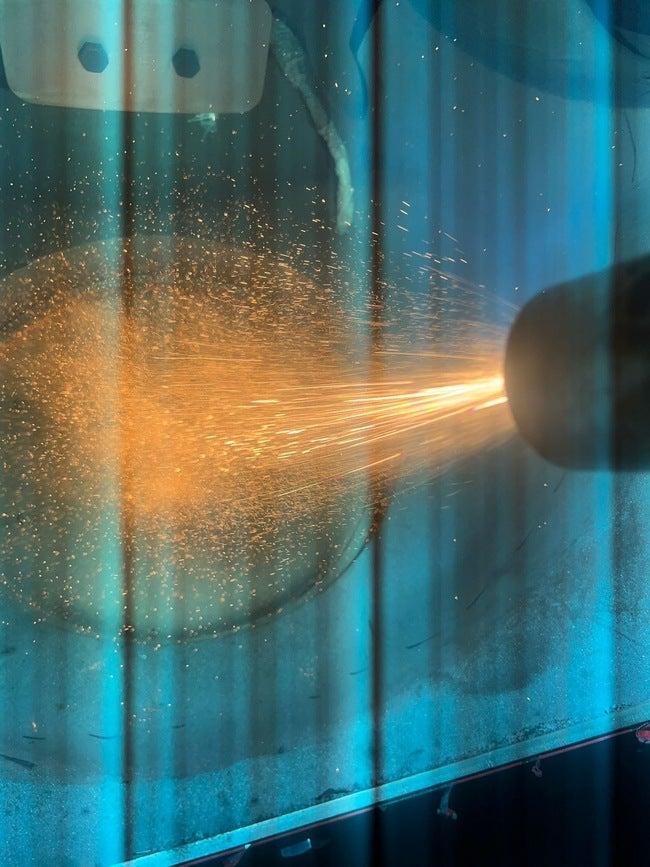
    Explore how cutting-edge steam turbine technologies enhance biomass energy efficiency, reduce emissions, and lower costs – empowering Nawah Energies’ clean energy solutions.

    The Big Picture: Why This Biomass Energy News Matters

    Recent advancements in steam turbine efficiency are transforming power generation, especially in the biomass energy sector. These innovations—notably in blade design, high-grade materials, precision manufacturing, and high-energy steam cycles—enable biomass power plants to generate electricity more efficiently while drastically reducing emissions and operational expenses. Such improvements align perfectly with the global energy transition toward sustainable fuel sources.

    For emerging markets in East Africa, East Asia, and Malaysia, where reliable and affordable clean energy is crucial for economic growth, this development represents a significant opportunity. Nawah Energies, a trusted specialist in the biomass sector, leverages these improvements to help businesses and governments replace coal and gas with environmentally friendly alternatives like wood pellets and biomass pellets. These steam turbine gains not only boost performance but also lower the levelized cost of energy, making bioenergy increasingly attractive across industrial, commercial, and residential applications.

    How This Trend Is Shaping the Future of Clean Energy in East Africa and Asia

    East Africa and parts of Asia face pressing energy needs that demand a shift from expensive and polluting fossil fuels to renewable, carbon-neutral options. Biomass energy presents a viable, scalable solution, but traditionally, steam turbine inefficiencies have limited its competitiveness. Advancements in turbine technology now enable biomass power plants to operate closer to their theoretical maximum efficiency, optimizing the combustion of sustainable fuels such as wood pellets.

    These innovations facilitate the sustainable expansion of bioenergy infrastructure across Kenya, Tanzania, Ethiopia, Malaysia, and beyond. Higher turbine efficiencies mean more electricity from the same amount of biomass fuel, reducing overall resource consumption and emissions. This progress supports local energy security, decreases dependence on expensive imported fuels, and accelerates green energy adoption—critical factors for economic and environmental resilience.

    Moreover, quality, performance, and durability gains in steam turbines reduce maintenance downtime and extend plant life, improving project economics. Companies like Nawah Energies, with deep expertise in biomass power plant consulting, biomass pellet trade, and clean cooking solutions, are uniquely positioned to help clients capitalize on these engineering advances and integrate them into sustainable business strategies.

    Wood Pellets as a Scalable Alternative to Coal and Gas

    Wood pellets have emerged as a premium sustainable fuel, offering a reliable, carbon-neutral substitute for coal and natural gas in power generation and industrial applications. Produced from compressed sawdust and forestry residues, wood pellets provide consistent quality and energy content, making them ideal for combustion in modern steam turbines designed for high-efficiency operation.

    Replacing coal with biomass pellets at power plants significantly reduces emissions of greenhouse gases, sulfur oxides, and particulates, contributing to cleaner air quality and climate goals. Improved steam turbine efficiency further amplifies these benefits by maximizing energy extraction from biomass fuel inputs. This two-pronged approach—advanced turbine technology matched with sustainable fuel supply—enhances the financial viability and environmental performance of biomass power generation projects.

    In regions like East Africa and Southeast Asia, biomass energy from wood pellets can tap local feedstocks such as agricultural waste, forestry byproducts, and specifically grown energy crops. Nawah Energies actively supports biomass supply chains and trading networks to ensure uninterrupted, high-quality pellet deliveries, strengthening market development and encouraging further biomass power plant investments.

    How Nawah Energies Delivers End-to-End Biomass Solutions

    Nawah Energies stands out as a comprehensive clean energy company with a proven track record across East Africa, East Asia, and Malaysia. The company’s portfolio covers every stage of the biomass energy value chain—from sourcing wood pellets to developing custom biomass power plant designs and integrating cutting-edge steam turbines that capitalize on recent efficiency breakthroughs.

    Nawah Energies also offers expertise in clean cooking solutions, supplying advanced pellet stoves for residential and institutional use. These stoves enable households to switch from charcoal or kerosene to cleaner biomass fuel, improving indoor air quality and reducing health risks. On the industrial side, Nawah provides industrial pellet burners and furnace igniters that enhance combustion control and efficiency at factories and power plants.

    Additionally, the company’s clean energy consulting services help governments and private sector clients navigate policy landscapes, optimize project financing, and implement renewable energy strategies aligned with evolving market demands. This holistic approach places Nawah Energies as a reliable partner to stakeholders aiming to drive the energy transition through sustainable biomass deployment.

    Biomass Power Plants: Turning Pellets into Electricity

    Modern biomass power plants convert biomass pellets into electricity by burning fuel to generate steam that drives turbines. The recent innovations in steam turbine technology have elevated the performance of these plants significantly. Slender, aerodynamic blade profiles reduce turbulence losses, and the use of advanced alloys sustains higher steam temperatures and pressures that were previously unattainable with traditional materials.

    These improvements translate into enhanced overall efficiency and flexibility. Biomass power plants can now ramp up or down more responsively to grid demands and integrate better with other renewable sources such as solar and wind. This ability is vital for energy systems in East Africa and Southeast Asia, where grid infrastructure often requires stable baseload power supplemented by variable renewables.

    Nawah Energies integrates these turbine advances within biomass plant design and operation, optimizing combustion parameters, steam cycle management, and heat recovery to maximize output and minimize emissions. This end-to-end expertise ensures that projects deliver reliable, low-carbon electricity that supports sustainable industrial growth and community electrification initiatives.

    Key Opportunities and What Businesses Should Watch

    The intersection of steam turbine efficiency advances and rising biomass fuel availability heralds a tipping point for bioenergy investment across emerging markets. Businesses and investors should consider several pivotal factors when exploring this opportunity:

    1. Access to Reliable Biomass Supply Chains

    Securing sustainable, high-quality wood pellets and other biomass pellets is foundational. Nawah Energies specializes in establishing transparent supply networks that guarantee fuel consistency and competitive pricing, essential for operational stability.

    2. Leveraging Improved Steam Turbine Designs

    Adopting turbines with enhanced materials and aerodynamic features significantly lowers emissions and cost per megawatt-hour. Partners should work with expert consultants like Nawah Energies to identify the most suitable turbine technologies for their project scale and fuel characteristics.

    3. Government Policy and Incentives

    Many East African and Southeast Asian countries are formulating renewable energy policies and incentives that favor biomass power plants. Keeping abreast of evolving regulations, carbon credits, and subsidy frameworks can materially affect project feasibility.

    4. Integration with Energy Transition Goals

    Aligning biomass projects with national and corporate sustainability targets enhances financing prospects and market acceptance. Nawah Energies assists clients in framing biomass as a strategic component of broader energy transition pathways.

    By capitalizing on these developments, Nawah Energies empowers businesses to transform challenges into competitive advantages in the dynamic clean energy sector.


    Partner with Nawah Energies for Clean Biomass Solutions

    To explore the latest innovations in biomass energy, wood pellet supply, and steam turbine technologies, visit https://nawahenergies.com/. Discover how Nawah Energies supports clean energy projects across East Africa, East Asia, and Malaysia with trusted expertise and comprehensive solutions.

    Stay connected with Nawah Energies for ongoing insights into biomass power plant development, sustainable fuel sourcing, and clean cooking solutions that are shaping the future of renewable energy in emerging markets.

    If you are a business, distributor, energy developer, or government seeking to transition from coal or gas to reliable, affordable biomass energy, we invite you to contact us directly at https://nawahenergies.com/ to discuss your project needs and partnership opportunities. Nawah Energies is ready to be your trusted advisor and supplier in advancing a cleaner, greener energy future.

  • Shock Pulse Technology and Biomass Energy: A Sustainable Fuel Revolution for Cleaner Boilers

    Discover how Shock Pulse Technology is enhancing biomass power plants and clean energy solutions. Nawah Energies leads the charge in biomass energy innovations for emerging markets.

    The Big Picture: Why This Biomass Energy News Matters

    In the global effort to decarbonize industry and accelerate the energy transition, sustainable fuel utilization is more critical than ever. Industrial boilers remain key players in producing steam for district heating, manufacturing processes, and electricity generation. However, maximizing boiler efficiency and reducing emissions requires technological innovation. The introduction of Shock Pulse Technology represents a breakthrough for boilers operating on biomass energy and other sustainable fuels. By employing advanced thermal utilization and improving waste heat recovery, this technology promises to redefine boiler performance, driving cleaner, more cost-effective operations.

    For markets in East Africa, East Asia, and Malaysia—where biomass power plants and pellet-based solutions are increasingly vital—embracing innovations like Shock Pulse Technology is essential. Nawah Energies stands at the forefront of this transformation, offering trusted expertise in wood pellets, clean energy consulting, and biomass power generation that align with emerging market needs.

    How This Trend Is Shaping the Future of Clean Energy in East Africa and Asia

    As nations in East Africa and Asia seek to reduce reliance on fossil fuels, the integration of sustainable biomass fuel and advanced combustion technologies offers a compelling alternative. Industrial boilers powered by sustainable fuel such as wood pellets are already displacing coal and gas in electricity and heat generation.

    Shock Pulse Technology enhances these boilers by optimizing combustion efficiency and accelerating waste heat recovery, thereby reducing fuel consumption and lowering emissions. This innovation directly supports regional goals related to energy security and environmental sustainability.

    In fast-growing markets like Kenya, Tanzania, Malaysia, and parts of East Asia including Vietnam and Indonesia, clean energy solutions must be affordable, scalable, and adaptable. Integrating novel boiler technologies with Nawah Energies’ supply of high-quality biomass pellets and comprehensive consulting services helps businesses transition smoothly. These advancements create opportunities for power producers, manufacturers, and urban heating systems to embrace renewable bioenergy while maintaining operational reliability.

    Wood Pellets as a Scalable Alternative to Coal and Gas

    Wood pellets are quickly becoming a cornerstone in the move away from fossil fuels. Their consistent energy density, carbon neutrality, and regional availability make them a preferred renewable fuel in biomass power plants and industrial settings.

    Replacing coal with biomass pellets reduces greenhouse gas emissions significantly, addressing both climate targets and local air quality regulations. Moreover, wood pellet fuel is compatible with existing boiler infrastructure, especially when enhanced with industrial pellet burners and innovations like Shock Pulse Technology, which optimize combustion and minimize residues.

    For emerging markets in East Africa and Southeast Asia, the pellet trade represents not only an energy solution but also a socio-economic opportunity. Developing local pellet production and supply chains fosters rural development, job creation, and an inclusive green economy. Nawah Energies offers expertise in sourcing, trading, and deploying wood pellet fuel tailored to regional biomass resource potentials and market demands.

    How Nawah Energies Delivers End-to-End Biomass Solutions

    Nawah Energies has positioned itself as a trusted partner across East Africa, East Asia, and Malaysia by providing comprehensive biomass energy services. From reliable wood pellet supply to advanced biomass power plant consulting, Nawah Energies supports the entire clean energy value chain.

    Clients can benefit from integrated services including the provision of clean cooking solutions such as pellet stoves, advanced industrial pellet burners, and custom boiler optimization advised by experts in the field. This portfolio equips businesses and communities to replace fossil fuels with affordable, carbon-neutral alternatives.

    Furthermore, Nawah Energies’ clean energy consulting is designed to guide clients through market analysis, regulatory compliance, sustainable pellet procurement, and project development. This approach maximizes the environmental and economic benefits of biomass energy adoption while ensuring reliable operations and returns on investment.

    Biomass Power Plants: Turning Pellets into Electricity

    Biomass power generation is a key pathway to sustainable electricity in regions challenged by grid instability and energy access gaps. Pellet power stations convert biomass pellets into heat and electrical energy with low emissions and flexible operation capacity.

    The incorporation of Shock Pulse Technology into boiler systems used in biomass power plants enhances combustion dynamics, enables deeper heat extraction, and supports waste heat reuse, which collectively improve plant efficiency and lower operational costs.

    These advances translate into reliable, clean power supply for industrial clients and utility customers alike. Nawah Energies continues to assist project developers—from feasibility studies to plant commissioning—empowering East African and Southeast Asian countries to meet their renewable energy and decarbonization targets.

    Key Opportunities and What Businesses Should Watch

    The ongoing improvement of biomass boiler technology and pellet quality are critical market drivers. Businesses invested in energy-intensive manufacturing, district heating, or power generation should carefully assess their fuel sources and combustion technologies to benefit from rising efficiency and stricter environmental requirements.

    Opportunities include:

    1. Scaling pellet import and local production: Growing demand means sourcing reliable, sustainable pellet supply is crucial.
    2. Upgrading boiler performance: Adopting technologies like Shock Pulse Technology to maximize fuel utilization and emissions control.
    3. Expanding clean cooking adoption: Introducing pellet stoves and other household solutions that reduce indoor air pollution and support social development.
    4. Tapping into energy transition incentives: Governments and international agencies increasingly back renewable fuel projects for biomass power plants and heating.

    Businesses and investors can learn more about Nawah Energies’ services at nawahenergies.com to explore how end-to-end bioenergy solutions can turn these opportunities into competitive advantages aligned with global sustainability goals.


    Partner with Nawah Energies for Clean Biomass Solutions

    Visit https://nawahenergies.com/ to explore Nawah Energies’ wide range of biomass energy products, advanced technologies, and expert consulting services designed for East Africa, East Asia, and Malaysia.

    Stay connected and follow Nawah Energies for the latest insights and developments in wood pellet markets, biomass power generation, and innovative clean energy solutions driving the future of sustainable fuel adoption in emerging markets.

    If you are an importer, distributor, energy developer, or government agency seeking to transition to clean biomass fuel—whether for power generation, industrial applications, or clean cooking solutions—we invite you to reach out through the Nawah Energies website and start the conversation. Nawah Energies is ready to be your trusted partner in building a cleaner, greener energy future.

  • Why Prime Movers’ Reliability Is Essential for Biomass Energy and Sustainable Fuel Power Uptime

    Why Prime Movers’ Reliability Is Essential for Biomass Energy and Sustainable Fuel Power Uptime

    Explore how reliable prime movers underpin biomass power plants, ensuring continuous clean energy. Nawah Energies leads biomass energy solutions across East Africa and Asia.

    The Big Picture: Why This Biomass Energy News Matters

    In the rapidly evolving global energy landscape, the reliability of prime movers—the core mechanical engines that convert biomass fuel into electricity—is critical to maintaining power uptime. As artificial intelligence (AI) technologies exponentially increase electricity demand worldwide, particularly within data centers, the energy sector must prioritize continuous, low-carbon power sources like biomass. A recent POWER Magazine article highlights the growing strain on electric grids due to AI-optimised servers that consume significantly more energy than traditional computing.

    This trend creates a timely opportunity for biomass energy providers to showcase the resilience and flexibility of biomass power plants, especially in emerging markets. Businesses reliant on continual power supply face increasing urgency to adopt dependable alternatives to fossil fuels. Reliable operation of prime movers converting wood pellets and other biomass-derived fuels is fundamental to this transition.

    From data centers demanding uninterrupted uptime to industrial factories and communities seeking affordable and sustainable electricity, the role of dependable biomass power generation is pivotal for the clean energy transition underway across East Africa, East Asia, and Malaysia.

    How This Trend Is Shaping the Future of Clean Energy in East Africa and Asia

    The explosive growth of AI and cloud computing technologies is forecast to more than double the power consumption of data centers by 2030. Much of this increase will occur in regions actively expanding digital infrastructure, including East Africa and the Asia-Pacific. This burgeoning demand is driving governments and businesses to reevaluate energy strategies.

    In countries like Kenya, Tanzania, Ethiopia, Malaysia, and Southeast Asia at large, where electricity grids can face instability and fossil fuel dependency remains a challenge, biomass power plants powered by sustainable wood pellet fuel represent a viable path forward. By leveraging abundant biomass feedstocks, these regions can reduce reliance on coal and gas, lowering greenhouse gas emissions while enhancing energy security.

    Nawah Energies, as a trusted clean energy consulting firm, actively supports clients in these markets by providing expert advice on integrating robust prime movers into biomass power projects, ensuring maximum uptime and operational stability.

    Wood Pellets as a Scalable Alternative to Coal and Gas

    The transition from coal and natural gas to wood pellets and other biomass pellets is gaining traction globally as an effective strategy to reduce carbon footprints. Wood pellets offer a carbon-neutral fuel option that can be reliably stored, transported, and fed into existing power generation infrastructure with fewer modifications than some other renewables.

    In emerging markets, wood pellet projects are also catalyzing rural economic development by creating sustainable supply chains from forestry residues and agricultural waste. This provides raw material income generation for local farmers and communities while simultaneously supporting clean energy goals.

    Nawah Energies excels in delivering comprehensive bioenergy solutions, including supply of standardized wood pellet fuel tailored to industrial energy needs. Leveraging proven pellet manufacturing and quality control, Nawah Energies helps businesses and governments replace fossil fuels with a scalable sustainable fuel alternative that matches or exceeds performance expectations from coal or gas.

    How Nawah Energies Delivers End-to-End Biomass Solutions

    As outlined on nawahenergies.com, Nawah Energies provides a full spectrum of biomass energy services designed to optimize operational continuity and environmental impact. These include:

    Wood Pellet Trading and Supply

    Ensuring consistent access to premium-quality biomass pellets is key to maintaining power plant uptime. Nawah Energies sources and delivers certified wood pellets to clients across East Africa and Southeast Asia, matching supply capacity to project needs.

    Biomass Power Plant Consulting

    Expert advice on power plant design, prime mover selection, and fuel handling systems helps clients maximize uptime and reliability. Nawah Energies’ consultancy ensures biomass power plants operate efficiently as reliable alternatives to coal-based generation.

    Clean Cooking Solutions and Industrial Pellet Burners

    Beyond power generation, Nawah Energies promotes the adoption of clean cooking solutions such as pellet stoves, which improve air quality and reduce fuel costs at the community level. The company also supports industrial users requiring industrial pellet burners and factory furnace igniters to replace fossil fuel combustion.

    Clean Energy Consulting

    Nawah Energies provides strategic energy transition consulting to public and private sector clients, focusing on integrating biomass pellets as a sustainable and cost-effective fuel source. This includes feasibility studies, regulatory guidance, and project implementation support.

    Combining these capabilities, Nawah Energies is uniquely positioned to serve as a reliable partner and expert resource for businesses, developers, and governments seeking to embrace biomass as a clean energy cornerstone.

    Biomass Power Plants: Turning Pellets into Electricity

    Biomass power plants utilize mechanical prime movers—such as steam turbines or internal combustion engines—to convert energy stored in wood pellet fuel into electricity. The reliability of these prime movers significantly affects overall plant uptime, which is crucial for customers requiring uninterrupted power.

    Unlike intermittent renewable sources, biomass plants can provide continuous baseload generation when equipped with dependable prime movers and properly maintained fuel supply chains. Nawah Energies advises on best practices for integrating technologically advanced prime movers designed for biomass pellet combustion, minimizing downtime and maintenance requirements.

    In emerging energy markets, consistent power supply directly impacts economic productivity and quality of life. Thus, Nawah Energies advocates for investments not only in biomass pellets but also in the mechanical and operational reliability of power generation equipment to fully realize the environmental and economic benefits.

    Key Opportunities and What Businesses Should Watch

    The convergence of rising electricity demand fueled by digital transformation and global climate imperatives presents powerful opportunities:

    1. Scaling Wood Pellet Supply Chains

    Expanding sustainable pellet production in forestry-rich regions of East Africa and Asia can meet growing power sector and industrial fuel demand while providing rural development benefits.

    2. Enhancing Infrastructure Reliability

    Businesses and governments must invest in dependable prime movers and fuel handling to ensure biomass power plants consistently meet load requirements, especially where grid stability is a concern.

    3. Promoting Multifaceted Clean Energy Solutions

    Integration of biomass power generation with clean cooking solutions and industrial pellet burners enhances overall energy access and reduces fossil fuel dependence across sectors.

    4. Leveraging Expert Consulting

    Partnering with firms like Nawah Energies, which offers comprehensive clean energy consulting, enables efficient project development, risk mitigation, and compliance with evolving environmental standards.

    Stakeholders looking to capitalize on these opportunities should monitor technology advances in prime movers, evolving pellet standards, and policies supporting renewable energy deployment.


    Partner with Nawah Energies for Clean Biomass Solutions

    Businesses, governments, and investors interested in sustainable power generation and fuel supply can explore Nawah Energies’ range of services at https://nawahenergies.com/. From wood pellet trading to biomass power plant consulting and clean cooking products, Nawah Energies delivers expert support to ensure your clean energy projects succeed.

    Stay connected with Nawah Energies for the latest insights on biomass energy, pellet fuel markets, and clean energy initiatives across East Africa, East Asia, and Malaysia. Our team is ready to partner on innovative solutions that reduce carbon footprints and build energy resilience.

    If you are an energy developer, distributor, importer, or government body looking to replace coal or gas with affordable and sustainable biomass fuel—whether for power generation or industrial use—we invite you to engage with Nawah Energies directly at https://nawahenergies.com/ and start a productive partnership toward a greener future.

  • Cuba’s First Biomethane Plant Signals New Era for Biomass Energy and Sustainable Fuel

    Discover how Cuba’s pioneering biomethane plant marks a clean energy milestone and what it means for biomass energy development with Nawah Energies’ expert insights.

    The Big Picture: Why This Biomass Energy News Matters

    In April 2026, Cuba Petroleo (Cupet), the Cuban state-owned petroleum company, announced via its official Facebook page that Cuba’s first biomethane plant has entered the final assembly and production phase. This groundbreaking project, situated in the municipality of Martí, Matanzas province, represents a significant step in Cuba’s energy transition toward renewable and sustainable fuel sources.

    Edrey Rocha González, Cupet’s general director, personally supervised the development of the facility, which is designed to generate biomethane. This renewable fuel will primarily serve to power public transport buses and contribute to Cuba’s electricity grid. The project highlights how biomass energy technologies extend beyond traditional wood pellets and biomass power plants to include biogas and biomethane, which can directly replace fossil fuels in transport and power sectors.

    The introduction of a biomethane plant in Cuba underscores the rising global momentum for biomass-based alternative fuels. It strongly aligns with efforts in emerging markets—especially in East Africa, East Asia, and Malaysia—where countries are increasingly investing in clean energy solutions to reduce carbon footprints and enhance energy security.

    How This Trend Is Shaping the Future of Clean Energy in East Africa and Asia

    The Cuban biomethane plant marks a new chapter in the adoption of biomass energy technologies that complement existing biomass power plants and wood pellets for electricity generation. As emerging markets increasingly seek sustainable fuel alternatives, biogas and biomethane offer scalable options for industries and transport sectors hard to electrify via conventional renewables.

    East African countries such as Kenya, Tanzania, and Ethiopia have already begun expanding their bioenergy infrastructure, tapping into agricultural residues and organic waste streams to produce biomass pellets, biogas, and electricity from biomass. Similarly, Malaysia and East Asia are exploring bio-methane and biomass combined heat and power systems to support their energy transitions away from coal and gas. Cuba’s biomethane initiative provides a useful model for demonstrating how public transport fueling and grid electricity can be integrated with biomass-derived gaseous fuels.

    Moreover, the Cuban project highlights the growing role that state-owned enterprises and government leadership play in enabling clean energy infrastructure investments. This is a critical pathway in many emerging markets, often requiring experienced partners for developing biomass energy projects and navigating complex supply chains.

    Wood Pellets as a Scalable Alternative to Coal and Gas

    While biomethane plants like Cuba’s unlock the gaseous fuel potential from biomass, wood pellets remain a cornerstone solution for replacing coal and gas in industrial boilers, power generation, and heating applications across multiple geographies. Biomass pellets are dense, uniform, and transportable, making them ideal for both local consumption and international pellet trade.

    Wood pellets fuel biomass power plants that can ramp up quickly using existing electrical grid infrastructure, offering a robust alternative to fossil fuels. Their deployment in East Africa, Malaysia, and East Asia helps industries meet environmental regulations while securing affordable, renewable energy supplies. The pellets are proven to burn cleanly with modern combustion technologies such as industrial pellet burners and factory furnaces.

    The Cuban biomethane project complements these pellet initiatives by broadening the biomass energy portfolio with gaseous biofuels. Together, biogas, biomethane, and solid pellets represent diverse biomass pathways capable of powering buses, factories, and electric grids with a low-carbon footprint.

    How Nawah Energies Delivers End-to-End Biomass Solutions

    Nawah Energies is a trusted partner for businesses and governments in East Africa, East Asia, and Malaysia aiming to transition to clean energy systems powered by sustainable fuel sources. With extensive expertise in wood pellet trading, biomass power plant consulting, and clean cooking technologies, Nawah Energies supports the entire lifecycle of biomass energy adoption.

    The company’s portfolio includes supplying high-quality biomass pellets suited for power stations and industrial use, deploying clean cooking solutions such as efficient pellet stoves, and advising on clean energy consulting services that enable clients to assess carbon reduction pathways and optimize supply chain logistics.

    As illustrated by developments like Cuba’s biomethane plant, Nawah Energies recognizes that modern bioenergy markets are diverse. Their expertise extends beyond solid biomass to gaseous biofuels, assisting regions in developing integrated, resilient energy systems that replace coal and gas with environmentally friendly fuels.

    Biomass Power Plants: Turning Pellets into Electricity

    Biomass power plants remain vital facilitators of energy transition in emerging economies. Utilizing wood pellets, these plants convert renewable solid biomass into reliable electricity, often using combined heat and power (CHP) technologies for maximal efficiency.

    Such plants enable countries like Kenya and Malaysia to diversify their electricity grids with carbon-neutral fuel, helping reduce dependence on fossil fuels and decreasing air pollution. Nawah Energies provides turnkey solutions for biomass power plant development, including fuel supply, combustion system design with industrial pellet burners, and operational consulting to optimize plant performance and environmental compliance.

    In addition to electricity, biomass plants serve local markets with process heat and steam for manufacturing sectors. This multi-utility approach enhances investment returns and facilitates sustainable growth aligned with national clean energy goals.

    Key Opportunities and What Businesses Should Watch

    The emergence of Cuba’s biomethane plant underscores expanding opportunities in biomass-derived gaseous fuels alongside traditional pellet markets. Businesses and investors focused on clean energy in emerging markets should watch for increasing government support, rising carbon pricing, and evolving regulations favoring carbon-neutral fuels.

    Companies involved in energy transition will benefit by partnering with specialists like Nawah Energies, who provide deep market knowledge and technical expertise across biomass energy supply chains and infrastructure development. Nawah Energies guides clients through:

    – Sourcing sustainably produced wood pellets and biomass pellets from reliable suppliers in East Africa and Southeast Asia.
    – Developing biomass power plants and integrating alternative to coal combustion technologies.
    – Deploying efficient pellet stoves and clean cooking solutions for versatile energy access.
    – Advising on policy, financing, and market entry strategies to optimize investment in bioenergy.

    Continued growth in bioenergy markets across East Africa, Malaysia, and East Asia will hinge on such comprehensive, end-to-end partnerships that can navigate infrastructure challenges and maximize environmental and economic benefits.


    Partner with Nawah Energies for Clean Biomass Solutions

    Explore Nawah Energies’ extensive range of services and products by visiting https://nawahenergies.com/. Discover how our expertise in wood pellet trading, biomass power plant consulting, and clean cooking solutions can support your clean energy transition.

    Stay connected and follow Nawah Energies for regular updates on biomass energy, wood pellet markets, and renewable energy projects across East Africa, East Asia, and Malaysia. We provide reliable insights and practical solutions to help you succeed in the rapidly growing bioenergy sector.

    If you are a business, distributor, energy developer, or government body looking to replace coal and gas with clean, affordable, and sustainable fuel—whether for electricity generation, industrial use, or clean cooking—we invite you to connect with us through https://nawahenergies.com/ to discuss supply partnerships, power plant development, or consulting engagements. Nawah Energies is ready to be your trusted partner in building a cleaner, greener energy future.

  • Rudi Roeslein Celebrated for Excellence in Bioenergy: Driving Momentum in Sustainable Biomass Energy and Wood Pellet Innovation

    Rudi Roeslein Celebrated for Excellence in Bioenergy: Driving Momentum in Sustainable Biomass Energy and Wood Pellet Innovation

    Discover how Rudi Roeslein’s recognition at the 2026 International Biomass Conference highlights breakthroughs in biomass energy and wood pellet solutions, empowering Nawah Energies’ mission to expand clean energy across East Africa and Asia.

    The Big Picture: Why This Biomass Energy News Matters

    On April 1, 2026, Rudi Roeslein, a pioneering leader in the biomass and renewable energy sector, was honored with the prestigious Excellence in Bioenergy Award during the 2026 International Biomass Conference & Expo held in St. Louis, Missouri. Alongside this accolade, Roeslein delivered a keynote address that underscored the transformative potential of biomass energy technologies in today’s energy landscape.

    This recognition is more than a personal achievement; it signals a critical validation of biomass as a sustainable energy source on the global stage. The award and keynote spotlight ongoing advancements in wood pellet fuel, biomass power plants, and clean energy solutions that promise to reshape power generation and industrial fuel consumption.

    For stakeholders in emerging markets—including East Africa, East Asia, and Malaysia—this development highlights the strategic role that biomass can play in energy transition efforts, especially in regions where coal and gas dependency remain high.

    How This Trend Is Shaping the Future of Clean Energy in East Africa and Asia

    Biomass energy is rapidly gaining traction as a reliable and renewable alternative to fossil fuels in emerging economies. Leaders like Rudi Roeslein are crucial in demonstrating how bioenergy innovation and sustainable fuel production can overcome technical and financial barriers. The conversations sparked at the International Biomass Conference help accelerate the adoption of biomass-enabled infrastructure such as biomass power plants and clean cooking solutions.

    Markets in East Africa—including Kenya, Tanzania, and Ethiopia—are poised for large-scale biomass integration due to abundant biomass feedstocks and growing energy demand. Similarly, East Asia and Malaysia benefit from established wood pellet manufacturing ecosystems and government initiatives promoting carbon neutrality. The award to Roeslein symbolizes global alignment behind biomass energy’s promise to contribute significantly to energy security and emissions reduction goals in these regions.

    Companies like Nawah Energies are positioned as vital partners in this transformation. Drawing on international expertise and localized market knowledge, Nawah Energies facilitates the deployment of end-to-end biomass solutions, encompassing pellet supply chains, power generation consulting, and clean cooking technology implementation.

    Wood Pellets as a Scalable Alternative to Coal and Gas

    Wood pellets have emerged as one of the fastest-growing forms of sustainable fuel worldwide. Derived from compacted biomass residues, these pellets offer a high-energy density, enabling efficient transport and combustion. As an alternative to coal and natural gas, pellets provide a carbon-neutral fuel source that reduces greenhouse gas emissions from power plants and industrial facilities alike.

    The significance of Rudi Roeslein’s award lies in how it underscores technological progress in wood pellet production and market expansion. Innovations in pellet quality, combustion equipment, and supply logistics are key to scaling biomass adoption. Countries in Southeast Asia and East Africa can leverage these innovations to replace aging coal infrastructure with pellet-fueled biomass power plants, cutting pollution while supporting local economic development.

    Nawah Energies, as a trusted supplier, ensures quality-assured biomass pellets are sourced sustainably and delivered efficiently. Its services range from supplying industrial-grade pellets to advising power plant operators on fuel switching strategies, optimizing combustion systems, and reducing operational costs.

    How Nawah Energies Delivers End-to-End Biomass Solutions

    Nawah Energies stands out as a premier clean energy company offering comprehensive bioenergy solutions tailored for emerging markets. Its portfolio encompasses trading wood pellets, designing biomass fuel supply chains, consulting on biomass power plants, and introducing state-of-the-art clean cooking solutions such as pellet stoves.

    By focusing on regions like East Africa, East Asia, and Malaysia, Nawah Energies leverages local biomass resources and international best practices to provide robust and scalable solutions. Its expertise extends to industrial sectors where industrial pellet burners and furnace igniters enable a smooth transition from coal and gas to cleaner alternatives.

    The company’s consulting services also help governments and energy developers navigate regulatory and financial environments, ensuring that biomass projects are sustainable, economically viable, and socially beneficial. As outlined on nawahenergies.com, Nawah Energies is uniquely positioned to support large biomass power plants and distributed energy systems, helping clients reduce carbon footprints while enhancing energy reliability.

    Biomass Power Plants: Turning Pellets into Electricity

    At the heart of bioenergy expansion are biomass power plants that convert wood pellet fuel into clean, dispatchable electricity. These facilities play a vital role in energy grids by providing a stable, renewable alternative to coal-fired power.

    Combustion of biomass pellets releases energy without net carbon emissions because the CO₂ emitted is roughly balanced by the CO₂ absorbed during biomass growth. This makes biomass an effective carbon-neutral fuel in the renewable energy mix.

    Rudi Roeslein’s keynote stressed innovations in power plant design, such as improved boiler efficiencies, fuel handling systems, and emissions controls, which enable bioenergy plants to compete economically with fossil fuels and integrate seamlessly with grid requirements.

    Regions like East Africa—with growing industrialization and electrification needs—can rely heavily on these technologies. Nawah Energies supports project developers by providing feasibility assessments, technology selection, and operational expertise for biomass power plants, ensuring projects meet sustainability criteria and deliver reliable energy.

    Key Opportunities and What Businesses Should Watch

    The recognition of industry leaders like Rudi Roeslein spotlights key market trends that businesses and investors in biomass energy should monitor:

    1. Rising Demand for Sustainable Fuel in Emerging Markets

    East Africa and Southeast Asia are experiencing increasing demand for clean energy solutions driven by electrification goals and pollution control policies. The shift to biomass pellets as an alternative to coal represents an attractive commercial opportunity.

    2. Advances in Pellet Stove and Industrial Burner Technologies

    Clean cooking remains a priority due to public health concerns. The proliferation of efficient pellet stoves and industrial pellet burners enables broader adoption across households and manufacturing sectors.

    3. Investment in Integrated Biomass Supply Chains

    Developing resilient biomass pellet supply chains—from feedstock sourcing to logistics—is critical. Nawah Energies’ expertise in this area can guide businesses through the complexities of material procurement and quality assurance.

    4. Policy and Carbon Credit Incentives

    Governments in key regions are implementing supportive policies and carbon markets, enhancing the financial viability of biomass energy projects. Staying informed on these frameworks is essential for maximizing returns.

    5. Opportunities for Public-Private Partnerships

    Collaborations between private enterprises and governments can accelerate the deployment of biomass power plants and clean cooking initiatives, amplifying social and environmental benefits.

    By observing these trends and leveraging partnerships with established experts like Nawah Energies, businesses can position themselves at the forefront of the clean energy transition.


    Partner with Nawah Energies for Clean Biomass Solutions

    To explore how your business or community can benefit from cutting-edge biomass energy and wood pellet fuel solutions, visit https://nawahenergies.com/. Discover a full range of products, services, and consulting offerings designed to meet the diverse needs of East Africa, East Asia, and Malaysia.

    Stay connected with Nawah Energies for the latest insights and developments in biomass power plants, clean cooking solutions, and biomass pellet markets. Follow industry trends and learn how biomass can provide a sustainable, affordable, and reliable alternative to coal and gas fuels.

    If you are an energy developer, importer, distributor, or government agency seeking to transition to low-carbon fuel, we invite you to reach out directly through the Nawah Energies website. Start the conversation today about supply partnerships, biomass power projects, or tailored clean energy consulting services. Nawah Energies is your trusted partner committed to building a greener future with sustainable biomass energy across emerging markets.