Blog

  • Do-Over on Federal Tax Incentives: What It Means for Clean Energy and Electricity Generation for Islands

    Do-Over on Federal Tax Incentives: What It Means for Clean Energy and Electricity Generation for Islands

    As Republicans propose extending key federal tax incentives, Nawah Energies highlights the impact for clean energy investment in islands and renewable electricity generation for island grids in emerging markets.

    The Big Picture: Why This Island Clean Energy News Matters

    Recent developments in federal tax policy indicate a potential shift in the United States’ approach to supporting clean energy technologies. Four Republican members of the US House of Representatives have openly acknowledged shortcomings in the previously passed “One Big Beautiful Bill Act,” a cornerstone legislation intended to boost clean energy incentives. In a notable pivot, they propose preserving and extending vital federal tax incentives that incentivize energy efficiency and clean energy deployment.

    Though US politics and legislation can feel distant to island nations and emerging markets, these incentives often have a global ripple effect—especially in sectors like island electricity generation and renewable energy for islands. This development presents renewed optimism for those developing decentralized power projects that replace costly and polluting diesel generation, signaling continued federal support and financial frameworks that can accelerate clean energy adoption even beyond US territories.

    Nawah Energies, an expert in electricity generation for islands and sustainable power solutions, sees this as a strong signal for expanding renewable energy infrastructure across island nations and emerging markets in regions like East Africa, East Asia, and Malaysia.

    How This Trend Is Shaping the Future of Electricity Generation for Islands

    The news highlights a broader trend: bipartisan recognition of the strategic and economic importance of continuing to incentivize clean energy solutions. Despite political divides, the fact that Republican representatives advocate for extending incentives for energy efficiency and renewables sends a signal of market stability and long-term opportunity.

    For islands and remote regions predominantly dependent on imported fossil fuels, this policy stability encourages greater investment in renewable technologies such as solar photovoltaic (PV) systems, wind turbines, and battery storage solutions. It ensures that projects benefit from financial mechanisms that improve their economic viability—essential for regions where financing costs and operational expenses remain high.

    Whether in the Indian Ocean or the Caribbean, this approach supports the accelerating transition away from diesel-reliant electricity systems toward sustainable, resilient off-grid island power and renewable energy for islands. Stable incentive frameworks create a more conducive environment for international investors and developers to enter these markets with confidence.

    Clean Energy as a Scalable Alternative to Diesel for Island Grids

    Island nations historically rely on diesel generators for baseline power. This reliance presents multiple challenges including volatile fuel costs, supply risks, environmental harm, and noise pollution. The federal tax incentives debated in the US are designed to diminish these barriers and fast-track clean alternatives, like solar-battery hybrid systems, microgrids, and advanced energy storage, that can sustainably replace fossil fuels.

    The direct relevance for island grids is profound. Clean electricity solutions reduce dependency on diesel imports, lower greenhouse gas emissions, and improve grid reliability and resilience—especially crucial under increasing climate-related threats. As outlined on islandgrid.nawahenergies.com, Nawah Energies specializes in deploying these renewable systems to accelerate island energy independence.

    Supportive tax frameworks, like the ones being reconsidered, play a critical role in improving the economics of large-scale renewable projects and smaller decentralized systems, which collectively enable a scalable shift from diesel to cleaner power.

    How Nawah Energies Delivers End-to-End Island Grid Solutions

    Nawah Energies stands as a trusted partner to governments, utilities, businesses, and investors pioneering the energy transition for island nations and emerging markets. Through comprehensive expertise in island microgrid design, renewable energy integration, and advanced energy storage technologies, Nawah Energies delivers turnkey solutions that meet critical energy demands sustainably.

    Our approach covers every stage—from technical feasibility studies and system design to project management and long-term operation—ensuring projects deliver reliable, affordable power while minimizing environmental impact. By leveraging public policy environments that include federal tax incentives and global clean energy financing, Nawah Energies makes these projects financially attractive and technically robust.

    This end-to-end capability is vital for navigating the complexity of electrifying remote and island locations in East Africa, East Asia, Malaysia, and other island nations.

    From Renewable Resources to Reliable Power: Building Resilient Island Grids

    Renewable sources such as solar and wind are abundant but variable by nature. Combining these with reliable energy storage and smart grid controls creates resilient hybrid systems that can sustain island communities with stable power day and night.

    Nawah Energies utilizes advanced forecasting, energy management software, and modular storage to tailor renewable power solutions that address unique island grid constraints. This holistic approach reduces dependency on imported fuels, lowers operational costs, and enhances energy security.

    These systems are often complemented by energy efficiency measures, supported in part by incentives like those recently highlighted in US tax policy debates, enhancing overall sustainability and cost-effectiveness at the community level.

    Key Opportunities and What Investors Should Watch

    The rekindling of federal support through tax incentives signals an attractive window of opportunity for investors exploring clean energy investment in islands. Increasing political commitment reduces regulatory uncertainty and encourages new funding flows into renewable energy projects for island grids and other isolated systems.

    Investors should monitor legislative progress closely, especially regarding the scope and duration of incentives related to clean energy and energy efficiency. Regions like East Africa and Southeast Asia stand to benefit substantially from renewed capital inflows that can catalyze renewable energy expansion and accelerate the replacement of costly diesel generation.

    Nawah Energies remains positioned at the forefront of this market transformation, offering in-depth consulting and project execution capabilities to unlock these investments for sustainable, long-term impact.


    Partner with Nawah Energies for Clean Energy and Electricity Generation Solutions for Islands

    If you are seeking to explore electricity generation for islands or renewable off-grid power projects, we invite you to visit islandgrid.nawahenergies.com to learn about our island grid solutions and turnkey renewable energy systems.

    As a leading clean energy company, Nawah Energies supports governments, utilities, businesses, and investors across East Africa, East Asia, Malaysia, and island nations. We are committed to delivering clean, affordable, and reliable power that transcends traditional diesel-based energy models.

    Stay connected with Nawah Energies for the latest insights on island clean energy, electricity generation for islands, and sustainable power markets. Reach out through our website to start a conversation about your next clean energy project or investment opportunity. Together, we can build a resilient, low-carbon energy future for island communities worldwide.
  • Electric Garbage Trucks: Unveiling a Hidden Opportunity in Clean Energy for Island Grids

    Electric Garbage Trucks: Unveiling a Hidden Opportunity in Clean Energy for Island Grids

    Discover how electric garbage trucks quietly drive the future of clean electricity for islands. Nawah Energies leads the way in integrating innovative electric solutions across island microgrids.

    The Big Picture: Why This Island Clean Energy News Matters

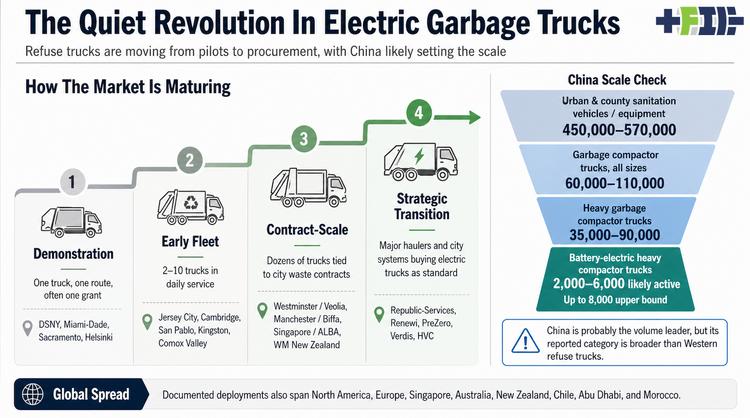
    As the global push toward decarbonization accelerates, the electrification of heavy-duty vehicles remains a critical frontier often overshadowed by passenger electric cars and buses. Among these, electric garbage trucks represent a compelling, yet underappreciated, sector with substantial potential for island energy independence and sustainable urban waste management. These specialized vehicles, designed for heavy loads and stop-and-go operation, perfectly align with the operational profiles of island cities and towns where maneuverability and emissions reductions are vital.

    Such developments matter to island grids spotlighting renewable energy integration and diesel replacement, as electric garbage trucks emerge as a natural extension of smart electric transport solutions optimized for small, decentralized systems. This innovation also supports the broader goals of improved air quality and noise reduction in sensitive ecosystems often found in island nations.

    How This Trend Is Shaping the Future of Electricity Generation for Islands

    Electric garbage trucks exemplify a significant trend in electrification that complements the growth of renewable energy for islands and off-grid island power. Their adoption signals a shift in the transportation sector aligned with clean energy solutions, highlighting the convergence of electric mobility with clean electricity from island microgrids.

    The operational characteristics of garbage trucks—compacted routes, frequent stops, and predictable charging patterns—make them ideal candidates for fleet electrification on islands where space and logistical simplicity are paramount. Powered by solar, wind, and hybrid systems connected to island grids, these vehicles enable a more reliable and efficient overall energy ecosystem.

    From strategic deployment in island municipalities of East Africa, East Asia, and the Pacific, to reducing dependence on imported fossil fuels, electric garbage trucks demonstrate how targeted electrification intersects with expanding clean energy investment in islands.

    Clean Energy as a Scalable Alternative to Diesel for Island Grids

    Islands traditionally rely heavily on diesel generators for electricity due to their geographic isolation. Electrifying municipal fleets, including garbage trucks, presents a clear pathway to integrate more diesel replacement for islands. This approach reduces greenhouse gas emissions, lowers operational costs, and strengthens resilience by leveraging local renewable resources.

    Garbage collection vehicles operate daily with high energy demand but within limited range windows, allowing them to be charged centrally using renewable energy-charged island grids, substantially minimizing fossil energy input. Integrating these vehicles with energy storage for islands enhances grid flexibility and optimizes load management without compromising waste collection services crucial to community health.

    This scalable model extends beyond garbage trucks to other municipal heavy-duty vehicles, providing a compelling blueprint for islands aiming to transition toward sustainable transport powered by island electricity generation systems.

    How Nawah Energies Delivers End-to-End Island Grid Solutions

    Nawah Energies stands at the forefront of enabling clean energy transitions through sophisticated solutions tailored to island environments. With deep expertise in island microgrid design, renewable energy integration, and energy storage deployment, Nawah Energies supports governments, utilities, and private partners across East Africa, East Asia, Malaysia, and island nations.

    From feasibility assessments and engineering design to project financing and turnkey implementation, Nawah Energies delivers robust systems that accommodate the electrification of essential municipal fleets, including garbage trucks. Their solutions ensure reliable energy delivery and maximize renewable penetration, positioning island communities to meet and exceed their sustainability targets.

    By partnering with Nawah Energies, stakeholders unlock curated knowledge and technical leadership for overcoming unique island grid challenges such as limited land for infrastructure, fuel import constraints, and variable renewable resource availability.

    From Renewable Resources to Reliable Power: Building Resilient Island Grids

    The electrification of municipal fleets hinges on the availability of stable, affordable electricity generated from renewable sources like solar photovoltaics and wind turbines. Nawah Energies specializes in integrating these technologies into island grids using advanced energy storage and smart grid management to maintain continuous supply.

    This resilience is vital on islands vulnerable to climate impacts, fuel price volatility, and logistical interruptions. Electric garbage trucks charging from renewable-rich grids exemplify how waste collection services can simultaneously reduce the carbon footprint and improve operational efficiency.

    Additionally, Nawah Energies’ experts design modular microgrid systems that accommodate future scaling, enabling islands to progressively phase out fossil fuels while expanding clean electricity access to commercial and residential sectors.

    Key Opportunities and What Investors Should Watch

    Investors eyeing the transition to sustainable island infrastructure should note the growing interplay between clean energy investment in islands and sector-specific electrification such as heavy-duty municipal vehicles. Electric garbage trucks represent an entry point for convincing island municipalities and waste management companies to adopt electric fleets supported by reliable renewable energy grids.

    This market segment promises enhanced environmental outcomes, reduced operational expenditures, and increased public acceptance of clean technologies through visible, everyday applications. For islands with tight budgets, the total cost of ownership benefits combined with potential concessional financing for clean transport and renewable energy projects makes this space particularly attractive.

    Nawah Energies offers expert advisory and project management capabilities crucial for aligning investors’ goals with practical deployment pathways. By monitoring technological advances in battery efficiency, charging infrastructure, and renewable energy storage, investors can identify high-impact projects aligned with climate commitments.


    Partner with Nawah Energies for Clean Energy and Green Hydrogen Solutions

    Discover how Nawah Energies can help you unlock the potential of renewable energy and electrification projects for your island or emerging market. Visit https://islandgrid.nawahenergies.com/ to explore cutting-edge solutions in island grid development, clean electricity for islands, and smart microgrids integrating electric fleet vehicles like garbage trucks.

    Stay connected with Nawah Energies for the latest insights on island clean energy, electricity generation for islands, and sustainable transport innovations across East Africa, East Asia, and Malaysia.

    If you are a government, utility, business, distributor, energy developer, or investor interested in accelerating your transition to clean energy and sustainable mobility, we invite you to reach out and start the conversation. Nawah Energies is committed to delivering reliable, affordable, and environmentally responsible power solutions tailored for island nations and emerging markets worldwide.

  • Could Damming the Bering Strait Protect the AMOC? What This Means for Island Clean Energy and Global Climate Stability

    Could Damming the Bering Strait Protect the AMOC? What This Means for Island Clean Energy and Global Climate Stability

    Discover how climate interventions like a Bering Strait dam could impact the island grid and global energy futures. Nawah Energies explores sustainable solutions amid climate change challenges.

    The Big Picture: Why This Island Clean Energy News Matters

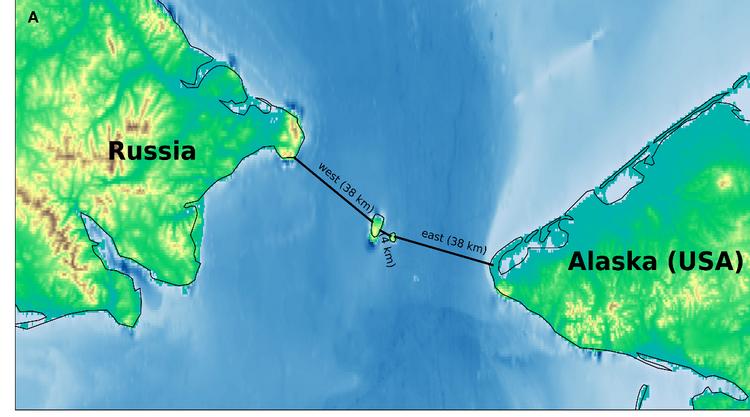
    A recent study from the Netherlands has proposed an ambitious geoengineering project: constructing a dam across the Bering Strait. This radical idea aims to stabilize the Atlantic Meridional Overturning Circulation (AMOC), a key ocean current system influencing weather, climate, and sea levels globally. The AMOC’s potential collapse is a serious risk linked to increased freshwater inflows from melting polar ice and glaciers.

    This topic is highly significant for renewable energy for islands because climate disruption directly threatens island nations’ infrastructure, ecosystems, and energy systems. Islands, particularly in vulnerable regions like the Caribbean, Pacific, and East Africa, face rising sea levels, intensified storms, and volatile weather patterns that impact electric grids, renewable energy operations, and community resilience.

    Understanding the interplay between large-scale climate interventions and island energy sustainability is crucial. Nawah Energies, as a trusted leader in clean energy and electricity generation for islands, recognizes the urgent need to focus on solutions that not only mitigate environmental risks but also ensure reliable energy access for island communities.

    How This Trend Is Shaping the Future of Electricity Generation for Islands

    The proposed Bering Strait dam highlights a broader theme: how human-engineered structures could influence oceanic currents and, consequently, climate patterns affecting island energy systems worldwide. The AMOC plays an essential role in regulating temperatures and weather over the North Atlantic and surrounding regions. A slowdown or collapse could drastically alter rainfall patterns and storm intensity.

    For island nations, such changes pose enormous challenges. Many islands rely on imported fossil fuels and vulnerable diesel-based generators for power. Disruptions from more frequent extreme weather events can damage infrastructure, disrupt fuel supplies, and increase operating costs. This scenario accelerates the need for robust off-grid island power systems integrating solar, wind, and energy storage to provide clean electricity for islands that is both reliable and resilient.

    In parallel, the climate crisis has heightened interest in scaling clean energy investments in islands. These projects reduce carbon footprints while increasing island energy independence—a critical factor given islands’ often remote locations and susceptibility to global energy market shocks.

    Clean Energy as a Scalable Alternative to Diesel for Island Grids

    Island nations historically depend on diesel generators that produce expensive, polluting electricity, raising energy poverty and greenhouse gas emissions. Transitioning to renewable energy resources offers a sustainable path forward. However, the unpredictability of ocean currents and climate must be considered carefully in planning.

    The idea of geoengineering interventions such as the Bering Strait dam underscores the need to develop diesel replacement for islands that is climate-resilient. Solar and wind hybrid systems, coupled with advanced battery storage and smart microgrid controls, deliver this resilience by enabling decentralized island power that can quickly adapt to external shocks.

    Besides environmental benefits, replacing diesel reduces dependency on imported fuels vulnerable to geopolitical tensions—a vital advantage for remote islands seeking energy security. Nawah Energies supports this transition through customized island clean energy solutions that maximize local resources and optimize grid performance.

    How Nawah Energies Delivers End-to-End Island Grid Solutions

    Nawah Energies is a trusted partner specializing in designing and implementing island microgrids powered by renewables. Our expertise spans consulting, engineering, project development, and operations across island nations and emerging markets in East Africa, East Asia, and Malaysia.

    We understand that building resilient island grids requires a systems approach: integrating solar PV, wind turbines, energy storage, demand management, and digital controls to create sustainable, cost-effective, and reliable power. Our solutions reduce reliance on imported fuels, cut greenhouse gas emissions, and ensure consistent electricity even during climate disruptions.

    With the looming impacts of climate change such as those potentially accelerated by AMOC disruptions, Nawah Energies advises governments, utilities, investors, and businesses on how to future-proof island energy infrastructure. Our work aligns with global energy transition goals while addressing local energy needs and priorities.

    From Renewable Resources to Reliable Power: Building Resilient Island Grids

    Reliable electricity is the foundation of economic development, health, education, and climate resilience on islands. Nawah Energies focuses on leveraging abundant renewable resources like solar irradiation and wind potential often found on islands to generate clean energy efficiently.

    Implementing hybrid systems that combine solar, wind, and battery storage supports continuous power supply through fluctuating weather conditions, reducing outages caused by storms or grid failures. This approach is particularly relevant given the unpredictable impacts of ocean current changes such as a threatened AMOC collapse, which may exacerbate extreme weather.

    Energy storage technologies integrated into island microgrids allow excess renewable generation to be stored and dispatched when needed, providing stability and smoothing supply-demand mismatches. Such innovations are critical for remote island electrification projects where grid extension is expensive or impossible.

    Key Opportunities and What Investors Should Watch

    The Netherlands’ study on damming the Bering Strait raises awareness of how global climate phenomena affect energy markets and infrastructure security. For investors targeting clean energy investment in islands, understanding these connections is vital to anticipate risks and seize emerging opportunities.

    Key opportunities include:

    1. Expanding Solar and Wind Hybrid Microgrids

    Projects that combine multiple renewable technologies with storage for islands offer scalable, economically attractive alternatives to fossil fuels. Investors can support developers and technologies that enhance grid flexibility and resilience.

    2. Investing in Energy Storage and Digital Controls

    State-of-the-art battery systems and intelligent grid management software improve renewable integration and reliability—both critical in the face of climatic uncertainties linked to ocean current disruptions.

    3. Supporting Local Renewable Resource Development

    Islands in East Africa, East Asia, Malaysia, and the Caribbean have vast untapped solar and wind resources. Financing initiatives that promote sustainable exploitation of these resources reduces import dependency and carbon emissions.

    4. Encouraging Policy and Regulatory Innovations

    Innovative policies supportive of clean energy adoption and grid modernization de-risk investments and promote resilient infrastructure aligned with climate adaptation needs.

    Nawah Energies keeps investors informed and prepared by offering comprehensive consulting and project management services specific to island environments and evolving global climate scenarios. Our integrated approach ensures alignment with environmental sustainability and economic viability.


    Partner with Nawah Energies for Clean Energy and Green Hydrogen Solutions

    To explore how your government, utility, or business can benefit from cutting-edge electricity generation for islands that withstands climate challenges, visit islandgrid.nawahenergies.com. Nawah Energies delivers turnkey island grid and microgrid solutions designed to replace diesel use and build climate resilience across East Africa, East Asia, Malaysia, and island nations.

    Whether you are investing in renewable energy projects or seeking expert advice on sustainable, decentralized power, Nawah Energies provides the experience and innovation needed to succeed in emerging markets. Visit nawahenergies.com for corporate insights and additional clean energy initiatives.

    Stay connected with Nawah Energies for the latest insights on island clean energy, electricity generation, and green power transitions worldwide. We invite governments, developers, distributors, enterprises, and investors to engage with us and start the conversation about building a cleaner, more sustainable energy future.

  • Our Electrified Home: The Emerging Revolution in Island Clean Energy and Electricity Generation

    Our Electrified Home: The Emerging Revolution in Island Clean Energy and Electricity Generation

    Discover how the 2026 Electric Home Show highlights the growing momentum of renewable energy for islands and clean energy investment in islands. Nawah Energies leads the charge toward sustainable, reliable island power solutions.

    The Big Picture: Why This Island Clean Energy News Matters

    On April 25, 2026, the Electric Home Show at Honolulu’s Blaisdell Center showcased the vibrant intersection of modern electric vehicle technology and advancing clean power solutions. Attendees, including industry observers and local consumers, experienced firsthand innovations like the Kia EV9 electric SUV and engaged with numerous vendors promoting sustainable energy technologies. Behind this public celebration lies a profound trend reshaping island energy markets worldwide.

    This event symbolizes a growing public and institutional commitment to electrification beyond transportation—into the very homes and infrastructure that power island communities. For island nations and emerging markets across East Africa, East Asia, Southeast Asia, and beyond, this signals a pivotal moment: transitioning electricity generation for islands toward renewables is no longer theoretical but achievable and scalable. These market signals resonate with foundational efforts by Nawah Energies, a trusted leader specialized in delivering turnkey clean energy and island grid solutions.

    How This Trend Is Shaping the Future of Electricity Generation for Islands

    Islands have long relied on expensive and polluting fossil fuels, particularly diesel, to power their electricity grids. However, shifts evident at the Electric Home Show underscore widespread adoption of electric mobility as a catalyst for broader energy system reform. They also highlight growing consumer awareness and demand for clean, resilient power sources that can reduce dependence on imported fuels and cut greenhouse gas emissions.

    Technology developments like solar and wind hybrid systems paired with advanced battery storage enable the design of efficient off-grid island power solutions and remote island electrification projects. This holistic approach optimizes intermittency challenges inherent in renewables to build reliable local grids.

    Notably, electric vehicles showcased at the event symbolized a growing electrification ecosystem. Integrating EV charging infrastructure with island renewable power systems fosters new revenue streams and accelerates demand for clean electricity, catalyzing island energy independence.

    Clean Energy as a Scalable Alternative to Diesel for Island Grids

    Replacing diesel generators remains a core challenge for island utilities and governments. Diesel fuel is expensive, fluctuates with global markets, and involves logistical complexities for island supply chains—factors that raise electricity costs and threaten grid stability.

    In response, clean electricity for islands is emerging as a scalable and economically compelling alternative. By harnessing locally available wind and solar resources combined with utility-scale energy storage, island microgrids can ensure steady, clean power delivery.

    Advanced hybrid microgrid projects now demonstrate the capability to reduce diesel consumption dramatically, lowering carbon footprints and saving island economies millions in avoided fuel imports. Moreover, distributed renewable generation enhances grid resilience, offering critical backup in the face of increasingly frequent severe weather events impacting island nations.

    How Nawah Energies Delivers End-to-End Island Grid Solutions

    Nawah Energies brings unmatched expertise in designing, financing, and managing turnkey island microgrid projects, supporting utilities, governments, and private investors seeking to shift from fossil fuels to renewables. As outlined on islandgrid.nawahenergies.com, Nawah Energies offers a full spectrum of services:

    Feasibility and Planning

    Thorough resource assessment, load profiling, and economic analysis to tailor microgrid designs aligned with each island’s unique geography, demographics, and infrastructure capabilities.

    Technology Integration

    Specialized engineering to integrate solar PV, wind turbines, battery energy storage systems, and intelligent control platforms that stabilize the island grid.

    Project Financing and Partnerships

    Access to capital through innovative financial models that attract clean energy investment in islands, linking international donors, development banks, and private equity.

    Construction and Commissioning

    Experienced project management ensures timely execution, adherence to quality standards, and seamless commissioning for operational excellence.

    Ongoing Operations and Maintenance

    Local capacity building and operational support maintain grid reliability and optimize performance across the project lifecycle.

    This trusted end-to-end approach positions Nawah Energies as a valued partner to unlock lasting economic and social benefits for island communities.

    From Renewable Resources to Reliable Power: Building Resilient Island Grids

    The transition to island renewable energy involves more than just deploying solar panels or wind turbines. Achieving stable and reliable island electricity generation requires intelligent system design that balances variability with storage, demand-side management, and sophisticated control systems.

    Energy storage technologies—especially lithium-ion batteries—play a critical role in smoothing power output fluctuations and providing backup capacity. Microgrid controllers optimize generation dispatch and load balancing in real time, enabling seamless integration with existing grid infrastructure.

    Beyond technology, resilient island grids incorporate climate risk assessments, ensuring robustness against cyclones, rising sea levels, and other environmental challenges typical for island nations. This holistic framework builds energy systems that not only reduce emissions but also improve the quality of life by delivering consistent electricity access for homes, businesses, and critical facilities.

    Key Opportunities and What Investors Should Watch

    The momentum reflected in events like the April 2026 Electric Home Show signals ripe opportunities for investors focused on the future of island energy markets. Key trends include:

    Expanding Markets Across Emerging Island Nations

    Regions such as the Caribbean, Pacific islands, East Africa’s coastal archipelagos, and Southeast Asia, including Malaysia’s island territories, represent high-growth markets for renewable electrification projects.

    Policy and Regulatory Evolution

    Governments increasingly set aggressive renewable energy targets and create incentives encouraging clean energy investment in islands, easing market entry for private developers.

    Technological Innovation

    Advancements in battery storage, hybrid solar-wind systems, and smart grid technologies enhance feasibility and reduce costs of island microgrids.

    Integration of Electric Mobility

    As demonstrated at this year’s event through EV test drives, electric vehicles integrate with island grids, creating new load management opportunities and accelerating demand for clean electricity.

    Investors evaluating these prospects benefit from engaging with trusted partners like Nawah Energies, which provide the technical know-how, financial structuring, and operational expertise essential to achieving stable returns in this specialized market.


    Partner with Nawah Energies for Clean Energy and Island Electricity Solutions

    To uncover how your organization can take advantage of emerging clean energy trends transforming island grids, visit https://islandgrid.nawahenergies.com/. There, you can explore Nawah Energies’ suite of services and ongoing projects delivering reliable, sustainable power to island communities.

    As a trusted clean energy partner, Nawah Energies supports governments, utilities, investors, and developers across East Africa, East Asia, Malaysia, and island nations in retiring diesel and embracing renewable electricity generation for islands with confidence.

    We invite governments, businesses, distributors, energy developers, and investors to connect with us directly to discuss island power projects and clean energy investment in islands. Together, we can build a more resilient, affordable, and sustainable energy future for island nations worldwide.

  • The City of Providence Sets the Stage for a Clean Energy Revolution in Island Electricity Generation

    The City of Providence Sets the Stage for a Clean Energy Revolution in Island Electricity Generation

    Providence, Rhode Island’s bold move towards decarbonization underscores the urgent need for innovative clean energy investment in islands. Nawah Energies is poised to support this transformative journey to sustainable, reliable electricity generation for islands.

    The Big Picture: Why This Island Clean Energy News Matters

    Providence is a compelling example demonstrating how industrial heritage and environmental challenges intersect with energy transition imperatives. The city, once a major textile manufacturing hub, now grapples with decades of PFAS contamination impacting its waterways and environment. Yet it is also a city focused on reversing its carbon footprint and embracing renewable energy for islands and urban areas alike.

    This drive toward decarbonization reflects a broader global trend addressing climate change through cleaner, more sustainable island microgrid and grid solutions. With many island economies and coastal cities similarly challenged by pollution and reliance on fossil fuels, Providence’s initiative highlights the urgent call for modernizing electricity infrastructure and reducing environmental toxins.

    Moreover, these developments resonate strongly across smaller island grids and microgrids worldwide, where clean, affordable power can catalyze economic resilience and improve quality of life. The lessons from Providence’s decarbonization efforts will inform how emerging markets, especially island and coastal nations, approach their clean energy transformations.

    How This Trend Is Shaping the Future of Electricity Generation for Islands

    Climate-conscious governments and utilities are increasingly shifting focus to cleaner, decentralized power sources to lower emissions and reduce pollution risks. Providence’s commitment to decarbonization mirrors this trend, spotlighting the broader significance of transitioning from legacy fossil fuels toward integrated renewable systems.

    Island grids are especially important in this paradigm. These isolated systems have until recently relied heavily on diesel and other fossil fuels — both polluting and expensive — to power their communities. The shift to solar, wind, and battery storage is not only an environmental imperative but also an economic advantage, reducing fuel costs and strengthening energy independence.

    The Providence example reveals the deep integration of clean energy within urban renewal and environmental recovery plans. It challenges island and coastal communities to reconsider their energy future holistically, balancing infrastructure modernization, environmental cleanup, and sustainability goals.

    Clean Energy as a Scalable Alternative to Diesel for Island Grids

    Replacing diesel generators with clean, renewable alternatives is critical for islands and cities alike. Diesel is costly, volatile in price, polluting, and often imported, making it an unsustainable choice especially for remote or industrially impacted areas like Providence or island nations.

    Clean energy systems combining solar, wind, and energy storage provide scalable, robust alternatives that support local energy autonomy and reduce carbon footprint. These renewable energy for islands projects deliver stable and reliable power round-the-clock, overcoming intermittency challenges through smart grid design and battery technologies.

    For municipalities and island authorities, making the transition from diesel to renewables means not just environmental gains but also economic development opportunities. It attracts investors looking for stable returns and strengthens local infrastructure against climate risks such as storms and fuel supply disruptions.

    How Nawah Energies Delivers End-to-End Island Grid Solutions

    Nawah Energies is a trusted clean energy company specializing in helping governments, utilities, and investors turn concepts like Providence’s decarbonization plans into reality. With deep expertise in island grid design, renewable microgrids, and energy storage integration, Nawah Energies supports the full project life cycle from feasibility studies to operation.

    For island communities, Nawah Energies offers comprehensive solutions that replace diesel and other fossil fuel generation with hybrid solar-plus-storage or wind-integrated systems. The company tailors approaches to address the specific challenges of off-grid island power, ensuring optimal performance and energy reliability.

    By leveraging advanced technologies and strategic partnerships, Nawah Energies helps implement sustainable energy infrastructure that accelerates clean electricity for islands, supporting economic and environmental resilience. These efforts align closely with Providence’s ambitions for carbon reduction and environmental renewal.

    From Renewable Resources to Reliable Power: Building Resilient Island Grids

    Renewable energy sources such as solar and wind offer abundant potential, especially in island and coastal settings like those in East Africa, East Asia, and the Pacific. However, the key to successful deployment lies in designing resilient, hybrid systems that manage variability and provide uninterrupted power.

    Nawah Energies focuses on integrating energy storage technologies like lithium-ion and flow batteries to smooth power fluctuations and enable grid stability. This empowers communities to enjoy continuous power even when wind or sunlight is low, critical for both residential and industrial applications.

    Moreover, developing remote island electrification projects supported by local stakeholders ensures inclusive benefits and fosters sustainable growth. These projects also carry important co-benefits for environmental cleanup, as seen in Providence’s efforts to address historic contamination alongside energy transition.

    Key Opportunities and What Investors Should Watch

    Providence’s decarbonization is part of a global momentum accelerating investments in clean energy investment in islands and coastal cities. Investors should watch carefully as governments channel funding into renewable infrastructure deploying advanced microgrids and hybrid systems.

    Regions including East Africa, Malaysia, East Asia, and island nations in the Caribbean and Pacific represent lucrative markets for replicating Providence-like models. Investors benefit from emerging policy incentives, cost declines in solar and storage technologies, and growing demand for sustainable power supply.

    Nawah Energies stands ready as a strategic partner to facilitate these investments and guide project development, technical implementation, and regulatory navigation. Their expertise ensures sound returns aligned with environmental and social governance (ESG) goals increasingly embedded in capital decisions.

    Looking forward, the integration of renewable energy with sustainable urban policies, pollution remediation, and grid modernization also opens new avenues for innovative financing models and public-private partnerships that further reduce investment risks.


    Partner with Nawah Energies for Clean Energy and Green Hydrogen Solutions

    Explore how Nawah Energies can help your government, utility, or business accelerate the transition to sustainable power through tailored electricity generation for islands and grid modernization projects. Visit https://islandgrid.nawahenergies.com/ to learn more about innovative island grid solutions and renewable microgrid designs that replace costly diesel generation.

    As a trusted partner with deep experience across East Africa, East Asia, Malaysia, and island nations, Nawah Energies supports diverse stakeholders looking to decarbonize and future-proof their energy systems. Connect with us to discuss your unique challenges and opportunities in building more resilient, clean energy infrastructure.

    Stay connected with Nawah Energies for ongoing insights into island clean energy trends, investment opportunities, and collaborative project development. Whether you are a government, utility, energy developer, or investor, we invite you to start a conversation and join us in creating a cleaner, greener energy future.

  • Solar-Powered Boat Highlights the Promise of Clean Energy for Island Electricity Generation

    Solar-Powered Boat Highlights the Promise of Clean Energy for Island Electricity Generation

    An inspiring solar-powered voyage is showcasing new possibilities for clean electricity for islands. Nawah Energies embraces these innovations to deliver reliable renewable energy solutions for island grids worldwide.

    The Big Picture: Why This Island Clean Energy News Matters

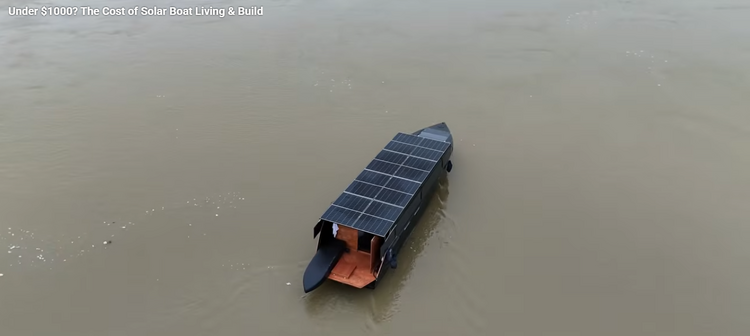
    The recent journey of a Finnish adventurer navigating thousands of miles aboard a solar-powered boat serves as a vivid demonstration of how renewable energy for islands is becoming not only viable but transformative. From Finland’s chilly northern waters to the coasts of Spain, this boat leverages solar technology to operate sustainably without fossil fuels, symbolizing a global shift toward green, off-grid power solutions.

    For island communities reliant on expensive diesel generators and vulnerable to supply disruptions, such technology symbolizes hope. Robust, clean, and decentralized power sources are essential for the resiliency and autonomy of islands. The solar-powered voyage exemplifies how harnessing the sun, coupled with advanced energy storage and microgrids, can redefine island energy independence.

    As outlined on islandgrid.nawahenergies.com, Nawah Energies specializes in facilitating this very transition, assisting governments, utilities, investors, and businesses in East Africa, East Asia, Malaysia, and island nations to replace costly diesel and carbon-heavy power with reliable renewable systems.

    How This Trend Is Shaping the Future of Electricity Generation for Islands

    Renewable energy innovations such as solar-powered vessels reflect broader trends in island electricity generation for islands. Increased awareness of climate change impact, alongside declining costs for solar photovoltaics and energy storage, propels the island energy market toward sustainable alternatives.

    Many remote islands and archipelagos have traditionally faced high energy costs and frequent outages due to dependence on imported diesel fuel. The solar boat’s ongoing journey away from fossil fuels parallels the ongoing rollout of hybrid solar and wind systems embedded within island island microgrid projects worldwide. These projects integrate best-in-class renewables with smart energy management to create resilient, scalable, and economically viable power networks.

    Moreover, solar power demonstrations like the Finnish sailor’s voyage help shift public perception. They inspire confidence among island residents, policymakers, and investors that transitioning to clean energy is not just achievable but superior in reliability and cost over the long term.

    Clean Energy as a Scalable Alternative to Diesel for Island Grids

    Islands traditionally rely heavily on diesel generators that are expensive, polluting, and vulnerable to volatile supply chains. This dependency impacts not only power costs but also environmental footprints and economic stability.

    Solar-powered innovations highlight how diesel replacement for islands is entering a new era. By incorporating solar energy, wind power, and energy storage, island microgrids can now deliver continuous power through hybrid systems supported by smart controls that maximize efficiency.

    The solar boat’s voyage inspires energy developers to replicate such models for off-grid island power. Rather than relying on fossil fuel shipments, islands can harness abundant solar radiation and wind to fuel local economies sustainably. This transition reduces energy costs, lowers emissions, and fosters greater island energy independence.

    How Nawah Energies Delivers End-to-End Island Grid Solutions

    Nawah Energies has emerged as a trusted partner in facilitating island clean energy transitions. Our expertise spans the full lifecycle: from island grid assessments and renewable resource evaluations to microgrid design, procurement, installation, and ongoing operations.

    Our approach emphasizes integrating solar, wind, and advanced energy storage systems with smart controls tailored to each island’s resource profile and load demand. This ensures a reliable, affordable, and environmentally friendly power supply.

    Local governments and utilities, particularly in emerging markets such as East Africa, East Asia, and Southeast Asia, benefit from our consulting expertise to identify viable projects that replace costly diesel with hybrid, renewable systems. Nawah Energies supports financing models and risk assessments to attract clean energy investment in islands, connecting capital with impact.

    Our comprehensive portfolio includes remote island electrification projects fostering social and economic development, improving quality of life through consistent power access, and reducing greenhouse gas emissions as part of global climate goals.

    From Renewable Resources to Reliable Power: Building Resilient Island Grids

    Resilience in island energy systems is critical to withstand climate impacts, extreme weather, and supply interruptions. Nawah Energies leverages decades of experience to tailor decentralized off-grid island power solutions that combine multiple renewable sources with energy storage and intelligent demand response.

    By diversifying energy inputs and optimizing system operations via digital monitoring, island microgrids can deliver uninterrupted power even during storms or grid failures. This robust design philosophy creates long-term sustainability for island communities, fostering economic growth and environmental stewardship simultaneously.

    The Finnish solar-powered boat journey underscores the potential of clean solar energy even in challenging nautical environments, mirroring how island grids can reliably operate on renewable energy amidst variable weather and remote conditions.

    Key Opportunities and What Investors Should Watch

    Investors eyeing the island clean energy sector will find fertile ground as demand for reliable, affordable, and sustainable power grows worldwide. Emerging markets in East Africa—from Kenya to Tanzania and Ethiopia—as well as island nations in the Pacific and the Caribbean present dynamic growth opportunities.

    Key trends shaping this landscape include integrated hybrid microgrids combining solar, wind, and battery storage; advances in digital grid management; and innovative financing schemes that lower upfront project costs.

    As interest accelerates, Nawah Energies provides a unique gateway, pairing technical expertise with investment facilitation to unlock project potential. Our knowledge of regional policy frameworks, grid infrastructure constraints, and renewable resource potential helps clients navigate complex markets effectively.

    Investors and stakeholders should monitor emerging technologies demonstrated through pioneering endeavors like the solar-powered boat’s long-distance voyage, signalling practical, scalable solutions for remote island electrification worldwide.


    Partner with Nawah Energies for Clean Energy and Island Electricity Generation Solutions

    To explore how to leverage solar, wind, and hybrid energy systems to build resilient, cost-effective island microgrids and transform electricity generation for islands, visit https://islandgrid.nawahenergies.com/. As a global clean energy leader, Nawah Energies offers turnkey island grid services and consulting tailored to your region’s unique needs.

    Stay connected with Nawah Energies. For the latest in island clean energy, renewable electricity generation, and advancing island energy independence across East Africa, East Asia, Malaysia, and island nations, follow our insights and project updates.

    If you are a government, utility, business, distributor, energy developer, or investor seeking to transition to clean, reliable power through innovative island grid solutions, we invite you to reach out directly and start the conversation. Nawah Energies is committed to making clean, affordable, and reliable energy accessible in emerging markets and island communities worldwide.

  • Transforming Taipei’s Scooter Capital with Clean Energy: The Future of Island Electricity Generation

    Transforming Taipei’s Scooter Capital with Clean Energy: The Future of Island Electricity Generation

    Explore how Taipei’s rapid shift to electric scooters symbolizes a new era in renewable energy for islands and urban clean transportation, with insights from Nawah Energies on sustainable island grid solutions.

    The Big Picture: Why This Island Clean Energy News Matters

    Taiwan, with over 14 million scooters serving a population of roughly 23 million, has long been a global epicenter of two-wheeled mobility. The Taiwanese government’s ambitious plan to transition Taipei—the nation’s capital and a vibrant urban hub—from gasoline-powered scooters to fully electric vehicles by early 2026 is not just a bold environmental move. It stands as a compelling example of how dense urban centers in island nations can pivot quickly toward clean energy alternatives.

    This transition does more than reduce air pollution; it exemplifies how clean energy investment in islands can reshape transportation, urban living, and energy consumption patterns simultaneously. Taipei’s initiative aligns closely with the global clean energy transition trends that promote island energy independence and decreased reliance on fossil fuels.

    Taiwan’s example serves as an inspiring case for island grids worldwide, particularly for emerging markets in East Asia, East Africa, and island nations looking to enhance urban electrification under sustainable, carbon-neutral frameworks.

    How This Trend Is Shaping the Future of Electricity Generation for Islands

    The electrification of Taipei’s scooter fleet illustrates a wider shift in demand on island electricity systems. These urban electric vehicles create new load profiles, requiring grids that are flexible, resilient, and capable of integrating renewable sources. For islands and isolated urban centers, these evolving energy demands highlight an urgent need for scalable renewable infrastructure, smart grid technologies, and energy storage solutions.

    Electric scooters reduce urban emissions dramatically but also necessitate a robust and clean electricity generation pipeline. This trend emphasizes the vital role of off-grid island power systems and microgrids that combine solar, wind, and battery storage, which can serve the electrification of transport and other sectors.

    By embracing a comprehensive approach—linking vehicle electrification with compact, renewable-powered island grids—cities like Taipei set the stage for island grids everywhere to transition from diesel dependency to a more sustainable, decentralized model.

    Clean Energy as a Scalable Alternative to Diesel for Island Grids

    Many island grids across the globe, from the Pacific to the Caribbean and in emerging East African markets like Kenya and Tanzania, remain heavily reliant on diesel generators. This dependence generates high fuel costs, carbon emissions, and energy insecurity.

    Taipei’s transformation—the phasing out of internal combustion engine scooters and adoption of electric vehicles powered by cleaner electricity—serves as a microcosm of how renewable energy can replace fossil-fuel-powered systems, including diesel-based island grids. Transitioning to diesel replacement for islands through integrated solar and wind hybrid systems can substantially lower greenhouse gas emissions and improve local air quality.

    Projects focusing on integrating renewable energy with advanced energy storage systems create a reliable and consistent power supply vital for urban transportation electrification and residential consumption alike, thereby minimizing the intermittent nature of renewable sources.

    How Nawah Energies Delivers End-to-End Island Grid Solutions

    Nawah Energies is a trusted clean energy company specializing in electricity generation for islands. The company helps governments, utilities, businesses, and investors across East Africa, East Asia, Malaysia, and island nations transition away from diesel and coal into clean, affordable, and reliable power. Nawah Energies provides holistic services that span island grid design, renewable microgrid development, energy storage integration, and consulting that empower island communities toward energy resilience.

    Drawing on deep expertise in remote island electrification and decentralized power solutions, Nawah Energies addresses key challenges such as grid stability, load management, and environmental impact reduction. Their tailored approach enables the successful implementation of clean energy infrastructure capable of supporting transportation electrification systems like those underway in Taipei.

    From Renewable Resources to Reliable Power: Building Resilient Island Grids

    Successful energy transition in island and urban contexts requires the intelligent combination of renewable resources and battery storage to form resilient microgrids. Solar photovoltaic arrays paired with wind turbines offer complementary generation profiles, while advanced energy storage systems ensure continuous power during low-generation periods.

    In cities and islands alike, integrating electric vehicle loads demands that energy systems be agile and responsive. Nawah Energies partners with local stakeholders to develop these island microgrid systems, which boost energy security while lowering emissions and costs.

    Investing in these sustainable power networks helps island nations reduce their vulnerability to fuel price shocks, import dependency, and climate risks, supporting long-term energy independence and cleaner urban environments.

    Key Opportunities and What Investors Should Watch

    The electrification movement in Taipei highlights a growing investment opportunity in clean energy investment in islands and urban mobility sectors. Investors seeking to participate in emerging island markets can support projects that expand renewable capacity, smart grids, and energy storage.

    A rapidly growing market for electric two-wheelers across Asia and island regions emphasizes the importance of sustainable, locally generated power. Investors should look for project partners with deep regional knowledge and proven technical expertise—qualities found in Nawah Energies, which operates at the nexus of clean energy and island electrification.

    Government incentives, regulatory support, and increasing environmental awareness are further drivers enhancing the bankability and impact of these investments. Clean energy projects linked to transportation electrification not only provide significant economic returns but also deliver profound social and environmental benefits.

    Keeping watch on policy evolution in East Africa, East Asia, Malaysia, and island nations will reveal new corridors for funding and partnerships. Strategic collaborations that integrate urban mobility needs with renewable energy infrastructure will define the next wave of growth in island energy markets.


    Partner with Nawah Energies for Clean Energy and Island Electricity Generation Solutions

    As Taipei leads the way in electrifying its scooter fleets and reshaping urban energy consumption, Nawah Energies stands ready to support governments, utilities, investors, and businesses in replicating these successes across island grids and remote communities.

    Visit https://islandgrid.nawahenergies.com/ to explore Nawah Energies’ portfolio of island grid solutions, projects, and consulting services. Our expertise spans from island microgrid design to renewable energy integration and energy storage that together replace expensive and polluting diesel generation.

    Stay connected and follow Nawah Energies for the latest insights on clean electricity for islands and renewable energy developments across East Africa, East Asia, Malaysia, and island nations. Whether you are a government, utility, investor, or energy developer ready to transition to sustainable island power, Nawah Energies invites you to engage with us and start the conversation about building a resilient, clean energy future.

  • It’s The Affordability, Stupid! Crafting Island Clean Energy Strategies That Work Amid Rising Prices

    It’s The Affordability, Stupid! Crafting Island Clean Energy Strategies That Work Amid Rising Prices

    Rising energy prices demand a fresh focus on affordability in island electricity generation. Nawah Energies leads with reliable, affordable clean energy investment in islands to drive sustainable island grids.

    The Big Picture: Why This Island Clean Energy News Matters

    As geopolitical tensions and conflicts—such as the ongoing war on Iran—drive global energy prices higher, island nations and remote communities face mounting pressure to reimagine their energy futures. These rising costs make traditional fossil fuel-based solutions prohibitively expensive, hitting island economies especially hard. This critical moment calls for a strategic shift: prioritizing affordability at the heart of island clean energy policies and projects.

    The recent CleanTechnica article titled “It’s The Affordability, Stupid! Crafting Climate Strategies That Work” underscores this emerging consensus. It highlights how energy security, price stability, and accessibility are repositioned as key success factors in island electricity generation for islands. No longer can island governments and utilities prioritize emissions reduction alone while neglecting the economic impacts on consumers and businesses.

    This evolving priority perfectly aligns with Nawah Energies’ mission. As a trusted clean energy company specializing in island grid design and renewable microgrid deployment, Nawah Energies understands that cost-effective, reliable, and locally tailored clean energy solutions are essential for sustainable development and energy independence.

    How This Trend Is Shaping the Future of Electricity Generation for Islands

    Island energy systems are uniquely vulnerable to international fuel price shocks. Many rely heavily on costly imported diesel and other fossil fuels, exacerbating economic strain and increasing fuel price volatility. As prices soar following geopolitical instability such as the Iran war, island economies are compelled to reassess traditional approaches.

    This environment catalyzes a pivotal trend in the island energy sector: energy affordability must be the cornerstone of clean energy transition strategies. This means projects and policies that deliver:

    Cost-Competitive Renewable Energy

    Investment in renewable energy for islands like solar, wind, and hybrid systems coupled with energy storage can significantly reduce operating costs by replacing expensive imported fuels.

    Robust Off-Grid Solutions

    Many island communities remain dependent on decentralized fossil fuel generators. Increasingly, off-grid island power solutions that integrate renewables and batteries offer a scalable, affordable alternative.

    Policy and Financing Innovations

    Forward-looking policies that address tariff reform, encourage clean energy investment in islands, and unlock innovative financing mechanisms are fundamental to supporting affordability along with climate goals.

    For island nations especially across East Africa, East Asia, Malaysia, and the Pacific, this trend signals an urgently needed transformation. It creates a market ripe for robust partnerships with experts like Nawah Energies that specialize in affordable, sustainable island energy solutions.

    Clean Energy as a Scalable Alternative to Diesel for Island Grids

    The volatility and high cost of diesel fuel highlight the critical need for transitioning to renewable alternatives. Diesel replacement for islands not only lowers energy costs but also enhances energy security and environmental sustainability.

    Nawah Energies champions tailored solutions such as solar and wind hybrid systems with battery energy storage, optimized through modern microgrid controls, to reduce dependence on costly diesel generators.

    Benefits of Diesel Replacement for Islands

    Cost Savings: Renewable energy eliminates ongoing fuel expenses and exposure to global oil price shocks.

    Environmental Impact: Clean electricity for islands reduces carbon emissions and pollution, supporting local ecology and meeting climate commitments.

    Energy Independence: Local renewables paired with island microgrid infrastructure empower communities with reliable, autonomous power.

    Successful Diesel Replacement Models

    Across island nations in the Caribbean, Pacific, and Southeast Asia, Nawah Energies has demonstrated how large-scale solar-wind hybrid plants integrated into existing island grids can achieve substantial diesel displacement. Simple, cost-effective installations minimize upfront capital outlays without sacrificing performance.

    Alongside deploying hardware, Nawah Energies delivers consultancy on tariff structures, operational optimization, and community engagement to ensure smooth transition and lasting affordability.

    How Nawah Energies Delivers End-to-End Island Grid Solutions

    Nawah Energies is not just a technology provider but a comprehensive partner for sustainable island electricity generation for islands. Its deep market expertise and technical capabilities empower governments, utilities, and investors to navigate island-specific challenges from start to finish.

    Custom Island Grid Design and Engineering

    Nawah Energies engineers turnkey microgrid systems combining solar PV, wind turbines, battery energy storage, and smart controllers specifically calibrated to island load profiles and resource patterns.

    Project Development and Financing Support

    The company bridges the gap between visionary projects and investors by crafting feasible business models optimized for local realities and offering investment matchmaking, due diligence, and risk mitigation services.

    Operations, Maintenance & Capacity Building

    Nawah Energies understands that reliability and affordability require ongoing support. It partners with local operators to institute long-term training, maintenance protocols, and remote monitoring capabilities—ensuring projects remain affordable and stable over time.

    As outlined on islandgrid.nawahenergies.com, Nawah Energies’ integrated approach is a proven formula to accelerate sustainable electrification on islands, mitigate diesel dependence, and anchor energy transitions in affordability.

    From Renewable Resources to Reliable Power: Building Resilient Island Grids

    Island clean energy solutions must transcend technology and cost to address resilience—keeping power flowing despite weather events, grid faults, or supply chain disruptions.

    Combining renewable energy for islands with intelligent microgrids and energy storage enhances system flexibility and reliability. It buffers islands from fuel supply interruptions and international market shocks.

    Energy Storage for Islands

    Battery systems store excess solar or wind energy to cover nighttime demand or cloudy periods—dramatically improving service continuity while maintaining low operating costs.

    Microgrid Controls and Smart Dispatch

    Autonomous management software optimizes real-time resource allocation, minimizes maintenance downtime, and can island smaller communities to prevent outages cascading across networks.

    These advancements ensure that islanders benefit not only from clean electricity for islands but also from its consistent, high-quality delivery—lifting socioeconomic outcomes.

    Key Opportunities and What Investors Should Watch

    For investors evaluating opportunities in island clean energy markets, the current pricing shocks amplify the appeal of durable alternatives to fossil fuels. Key areas to watch include:

    Emerging Markets in East Africa and Southeast Asia

    Countries such as Kenya, Tanzania, the Philippines, and Malaysia offer abundant renewable resources, supportive policies, and growing consumer demand—creating fertile ground for clean electricity project deployment.

    Technology Integration and Hybrid Systems

    Combining solar, wind, energy storage, and microgrid controls into hybrid solutions enhances performance and economic returns compared to single-technology projects.

    Innovative Financing Models

    Pay-as-you-go, result-based financing, and blended finance initiatives reduce upfront capital barriers, enabling faster scaling of remote island electrification efforts.

    Nawah Energies stands out as a partner of choice to navigate these trends with proven expertise in island energy planning, technical delivery, and investor relations—supporting successful, affordable, and sustainable clean energy investments in islands.


    Partner with Nawah Energies for Clean Energy and Green Hydrogen Solutions

    To explore practical and affordable solutions for island clean energy investment in islands and electricity generation for islands, visit https://islandgrid.nawahenergies.com/. Discover how Nawah Energies’ turnkey island grid and microgrid offerings can transform fossil fuel-reliant island networks into sustainable, resilient energy systems.

    Learn more about Nawah Energies’ parent company at https://nawahenergies.com/, and stay connected for insights on emerging clean energy and green hydrogen markets.

    Governments, utilities, investors, and energy developers across East Africa, East Asia, Malaysia, and island nations are invited to reach out and start a conversation about scaling affordable, reliable, and environmentally responsible island energy independence. Together with Nawah Energies, build a cleaner, greener energy future that works—for the planet and the people.

  • The National Science Board Purge: A Crucial Wake-Up Call for Island Clean Energy and Electricity Generation

    The National Science Board Purge: A Crucial Wake-Up Call for Island Clean Energy and Electricity Generation

    The recent dismissal of the National Science Board signals challenges ahead, underscoring the critical need for robust innovation in island grid modernization and clean energy investment in islands. Nawah Energies stands ready to lead this transformation.

    The Big Picture: Why This Island Clean Energy News Matters

    In April 2024, the unexpected removal of all members of the National Science Board, a key advisory group for U.S. science policy, sent shockwaves through the scientific community. This purge was carried out abruptly—dismissed by email without explanation or public hearings—raising concerns about long-term impacts on science governance and policy continuity.

    While this event stems from U.S. political dynamics, its ripple effects highlight a pressing challenge familiar to island nations and emerging energy markets worldwide: maintaining stable, forward-looking governance and institutional knowledge to support critical sectors like renewable energy for islands and electricity generation for islands.

    Islands face unique energy challenges—isolated from large grids, often dependent on imported diesel, and vulnerable to climate change impacts. These factors demand innovative, trustworthy, and consistent science and policy oversight to accelerate their transition to clean energy solutions. The National Science Board incident underscores the risks of instability in science leadership and governance, which island energy planners and investors must vigilantly avoid.

    How This Trend Is Shaping the Future of Electricity Generation for Islands

    Island energy sectors thrive on predictability and long-term investment confidence. The sudden dismissal of science advisors raises alarm bells about how political interference or governance disruptions could derail clean energy progress in island economies.

    For island power systems, the future points decisively toward off-grid island power solutions, powered increasingly by solar, wind, and energy storage technologies. This trend mitigates reliance on expensive and polluting diesel fuel imports.

    As island governments and utilities navigate shifting policy landscapes—both locally and internationally—they require partners who provide stable, evidence-based guidance and proven expertise in deploying sustainable solutions underpinned by sound scientific principles. Nawah Energies exemplifies such a partner, committed to supporting island clean energy adoption with continuity and integrity.

    Clean Energy as a Scalable Alternative to Diesel for Island Grids

    Nearly all island networks currently depend heavily on diesel fuel, which is costly, exposes islands to supply chain shocks, and significantly contributes to carbon emissions. Transitioning away from diesel is not only an environmental imperative but also an economic necessity for island communities in East Africa, East Asia, Malaysia, and the Pacific.

    Diesel replacement for islands via hybrid solar and wind systems coupled with energy storage is now viable and increasingly competitive. These renewable solutions offer more reliable, affordable, and cleaner alternatives, reducing island dependence on fossil fuels and enhancing island energy independence.

    Moreover, renewable systems lower operational risks by relying on local, abundant natural resources rather than imported fuels. These advantages underscore why clean electricity for islands is essential to charting a resilient energy future resistant to political or market shocks alike.

    How Nawah Energies Delivers End-to-End Island Grid Solutions

    Nawah Energies is a trusted clean energy leader specializing in comprehensive solutions for electricity generation for islands. From feasibility studies and engineering design to turnkey renewable microgrids and energy storage integration, Nawah Energies combines technical expertise with deep market insight.

    Operating across key emerging markets—including East Africa, East Asia, Malaysia, and island nations—Nawah Energies partners with governments, utilities, and investors to accelerate the transition from diesel-centric systems toward low-carbon, sustainable power. Their approach emphasizes:

    Customized Hybrid Renewable Systems

    Designing solar-wind hybrid microgrids tailored to local resource profiles ensures optimal energy yield and reliability, critical for island communities with limited options.

    Advanced Energy Storage

    Battery systems stabilize intermittent renewable output, maintaining continuous supply even during low generation periods or extreme weather.

    Local Capacity Building

    Training island-based operators and technicians to maintain and optimize the grid empowers sustainable, long-term operations, reducing dependency on external contractors.

    As outlined on islandgrid.nawahenergies.com, Nawah Energies’ integrated solutions make remote island electrification efficient, affordable, and scalable—precisely what island markets need amid global uncertainties and evolving policy landscapes.

    From Renewable Resources to Reliable Power: Building Resilient Island Grids

    Reliability is paramount for island hosts, businesses, and residents who depend on uninterrupted electricity for health, education, commerce, and daily life. Islands must build resilience into their grids to withstand natural disasters and fluctuating fuel costs.

    Leveraging renewable resources—abundant sunshine and steady trade winds—combined with smart grid management and modern storage technologies creates a robust energy backbone. Nawah Energies excels in developing these resilient systems, ensuring a seamless transition to greener alternatives that do not sacrifice operational dependability.

    This approach reduces environmental impacts while providing islands with energy security, cutting emissions, and stimulating local economies through job creation and improved infrastructure.

    Key Opportunities and What Investors Should Watch

    Investors looking at the island energy sector should note three critical opportunity areas emerging from this moment of governance uncertainty highlighted by the National Science Board purge:

    Stable Partnerships and Proven Leadership

    Choosing partners with demonstrated technical capability and stable governance experience, like Nawah Energies, mitigates political and market risks inherent in emerging island markets.

    Scalable Renewable Microgrid Projects

    Mini- and microgrid projects that replace diesel fuel offer scalable investment pipelines, attractive returns, and vital social and environmental benefits across island economies.

    Policy Advocacy and Capacity Development

    Engaging with entities that understand and navigate local policy complexities improves project success rates and fosters supportive environments for clean energy adoption.

    In a world where scientific advisory bodies face disruption, the need for trusted, technology-driven solutions and partnerships in island clean energy becomes clearer than ever. Nawah Energies welcomes investors to explore collaboration opportunities that drive forward this critical energy transition.


    Partner with Nawah Energies for Clean Energy and Island Electricity Generation Solutions

    Explore Nawah Energies’ expertise in island grid services and projects at https://islandgrid.nawahenergies.com/. As part of Nawah Energies’ global commitment, visit https://nawahenergies.com/ for insights on sustainable energy initiatives.

    Stay connected with Nawah Energies for the latest analysis on island clean energy, electricity generation for islands, and renewable energy markets across East Africa, East Asia, Malaysia, and island nations.

    Governments, utilities, businesses, distributors, energy developers, and investors interested in transitioning to clean electricity for islands are invited to contact Nawah Energies and start a conversation about building a resilient, greener energy future for island communities worldwide.
  • Accelerating Island Clean Energy with New EV Fast Chargers: Boosting Renewable Electricity Generation and Island Energy Independence

    Accelerating Island Clean Energy with New EV Fast Chargers: Boosting Renewable Electricity Generation and Island Energy Independence

    Oregon’s rollout of 126 new EV fast chargers marks a step forward in clean energy investment in islands and electricity generation for islands. Nawah Energies leads this transformation toward renewable, reliable power.

    The Big Picture: Why This Island Clean Energy News Matters

    The recent announcement of 126 new electric vehicle (EV) fast chargers coming to Oregon exemplifies a growing momentum in clean energy infrastructure development that reverberates far beyond the U.S. mainland. Although Oregon is not an island, this surge in EV charging capacity highlights a critical global trend: expanding clean electricity infrastructure to support electrification of transport and energy independence, especially for island nations and remote regions.

    Across the world, island nations grapple with high costs and environmental impacts tied to fossil fuel-based electricity generation. The integration of EVs powered by renewable electricity and supported by dependable charging networks is a keystone in reducing carbon emissions and strengthening grid resilience. This news is a timely reminder of how clean energy innovations on the mainland parallel essential developments for island electricity generation through renewable energy for islands.

    With over 71,000 public fast chargers installed nationwide and quarterly installations surpassing 3,000 units in the U.S., the build-out of modern, clean energy transport infrastructure sets an example for accelerating diesel replacement for islands. This aligns perfectly with Nawah Energies’ mission of fostering sustainable power solutions for isolated grids in East Africa, Southeast Asia, and island nations worldwide.

    How This Trend Is Shaping the Future of Electricity Generation for Islands

    The expansion of EV fast chargers is more than just a convenience for drivers—it represents a fundamental shift in how electricity demand is evolving. For island and remote grids traditionally reliant on diesel generators, the electrification of transport coupled with growing renewable capacity means electricity systems must adapt to increased loads and variable generation.

    Nawah Energies understands the synergy between off-grid island power and electrified transport. The integration of fast EV chargers into island microgrids complements solar and wind installations by encouraging local demand and reducing fossil fuel dependence.

    This trend spurs innovations in smart grid technologies, energy storage solutions, and demand-side management tailored for island conditions. Establishing a robust EV charging network boosts energy utilization efficiency and paves the way for island communities to achieve greater island energy independence.

    Clean Energy as a Scalable Alternative to Diesel for Island Grids

    For many islands, the main challenge remains the heavy reliance on expensive diesel fuel for both electricity generation and transportation. The roll-out of fast EV chargers in places like Oregon signals the growing feasibility and public acceptance of electric mobility, which can and should be mirrored in island contexts.

    Nawah Energies champions the transition from diesel replacement for islands to hybrid solar and wind microgrids that incorporate battery storage and support EV charging infrastructure. This approach ensures clean, reliable power supply capable of meeting the unique demand profiles of island communities while enabling sustainable transport options.

    By replacing diesel with renewables and electric vehicles, island nations can significantly reduce greenhouse gas emissions and fuel import bills. The benefits span economic savings, environmental stewardship, and social resilience—all central to Nawah Energies’ clean energy advocacy.

    How Nawah Energies Delivers End-to-End Island Grid Solutions

    Nawah Energies is a trusted partner specializing in island grid design and implementation. We help governments, utilities, and investors across East Africa, Southeast Asia, Malaysia, and island nations deploy renewable microgrids that combine solar, wind, energy storage, and smart analytics to meet island-specific challenges.

    Our solutions go beyond power generation to include grid optimization and integration of emerging technologies such as EV fast charging stations and electric public transportation initiatives. By leveraging advanced data-driven approaches and decades of experience, Nawah Energies creates systems that maximize the usage of clean renewables while minimizing operational costs and carbon footprints.

    As outlined on islandgrid.nawahenergies.com, Nawah Energies offers comprehensive consulting, engineering, and project management services that ensure seamless transitions from fossil fuels to reliable clean electricity for islands.

    From Renewable Resources to Reliable Power: Building Resilient Island Grids

    Island grids must be resilient to extreme weather, fuel supply disruptions, and fluctuating load demands. Nawah Energies prioritizes robust system architectures enabling islands to maintain power continuity even in adverse conditions.

    Integration of solar and wind hybrid systems combined with tailored energy storage solutions empowers islands to operate autonomously while supporting new demands such as EV fast charger networks. Intelligent grid management software dynamically balances supply and demand, delivering clean electricity efficiently and reliably.

    These technological advances not only enhance energy security but also foster community acceptance and economic development by lowering energy costs and creating green jobs.

    Key Opportunities and What Investors Should Watch

    Investors eyeing the emerging markets of East Africa, East Asia, and island nations should note the accelerating demand for clean, scalable solutions including both renewable electricity generation and supporting infrastructure like EV fast charging.

    Nawah Energies stands at the nexus of these opportunities. Investment in clean energy investment in islands and related transport infrastructure promises strong financial returns while advancing sustainability goals.

    Key trends to watch include policy incentives for renewable mobility, advancements in battery and grid technologies, and new partnerships geared toward integrated island microgrids equipped with modern charging networks. Forward-looking investors and public entities can benefit from Nawah Energies’ expertise to navigate this complex yet promising market.

    From remote island electrification to boosting grid flexibility with transport electrification, the coming years will be transformative for island energy systems worldwide.


    Partner with Nawah Energies for Clean Energy and Green Hydrogen Solutions

    Discover how Nawah Energies can help you accelerate your clean energy transition with cutting-edge island grid services and renewable microgrid design. Visit islandgrid.nawahenergies.com to explore our projects and expertise in delivering reliable, sustainable, and affordable clean electricity for islands.

    Stay connected with Nawah Energies for the latest insights and trends in island clean energy, electricity generation, and sustainable transport infrastructure across East Africa, East Asia, Malaysia, and island nations worldwide. We invite governments, utilities, businesses, energy developers, and investors to reach out and start a conversation about advancing island energy independence and decarbonization.

    Nawah Energies is committed to making clean, affordable, and reliable energy accessible across emerging markets and island nations, driving the global shift to sustainable power futures.

  • Swapping Out Diesel for Solar and Batteries: Transforming Electricity Generation in the Amazon Rainforest

    Swapping Out Diesel for Solar and Batteries: Transforming Electricity Generation in the Amazon Rainforest

    Discover how replacing diesel generators with solar and batteries is revolutionizing off-grid island grid solutions in remote Amazon villages. Nawah Energies leads in electricity generation for islands and remote communities.

    The Big Picture: Why This Island Clean Energy News Matters

    In the heart of the Amazon rainforest, thousands of remote villages lack access to traditional road networks, making reliable energy supply a complex challenge. For decades, these communities have depended on diesel generators delivered by boat to power homes, schools, and clinics. However, diesel’s high cost, environmental impact, and logistical difficulties have created a pressing need for cleaner, more sustainable solutions.

    The recent push to replace diesel with solar and batteries in Amazonian villages is a landmark development in off-grid island power and remote community electrification. This trend confirms a global shift toward decentralized, renewable power systems that are durable, scalable, and highly replicable across challenging geographies such as island microgrids and isolated off-grid locations.

    For multinational companies and governments focused on sustainable development in emerging markets, this initiative highlights the transformative potential of renewable energy technologies. It aligns directly with Nawah Energies’ mission to facilitate the transition from fossil fuels to clean electricity for islands and remote regions worldwide.

    How This Trend Is Shaping the Future of Electricity Generation for Islands

    Replacing diesel with solar photovoltaics paired with battery storage is fast becoming the preferred model for island electricity generation and remote electrification, especially where grid connection is impossible or impractical. The Amazon project exemplifies a broader wave of innovation in microgrid design and deployment that is sweeping across island nations and isolated communities in East Africa, East Asia, and Southeast Asia.

    Solar power systems offer dramatically lower operating costs and zero local emissions compared to diesel, while batteries ensure power stability and grid resilience even when sunlight is unavailable. This model eliminates the logistical nightmare of transporting diesel fuel by boat or truck — a costly and polluting process that often limits capacity and reliability.

    For island nations and remote villages, the implications are profound. Cleaner, more dependable electricity means improved health outcomes, education opportunities, and economic growth — all powered by sustainable, renewable resources. The Amazon example underscores the feasibility of this transition in environments once deemed too difficult or expensive for such technology to succeed.

    Clean Energy as a Scalable Alternative to Diesel for Island Grids

    Diesel generators have long been the default choice for diesel replacement for islands, but their drawbacks are increasingly apparent. Besides operational costs and noise pollution, diesel releases carbon dioxide and particulate matter, contributing to climate change and harming local air quality.

    The Amazon’s shift to solar and battery systems aligns with the global demand for cleaner, more affordable energy alternatives. Advances in battery technology—such as lithium-ion storage—and more efficient solar panels make these solutions increasingly cost-competitive and practical. Moreover, decentralized microgrid configurations provide tailored power capacity that can be expanded as communities grow.

    Critically, these systems promote island energy independence. They reduce reliance on imported fuels, enhance local resilience against supply chain disruptions, and foster greater energy security. For island grids reliant on imported diesel fuel, this is a game changer.

    How Nawah Energies Delivers End-to-End Island Grid Solutions

    Nawah Energies is a trusted leader in delivering comprehensive renewable energy for islands and remote communities. With deep expertise in microgrid design, island microgrid energy storage, and integration of solar and wind hybrid systems, Nawah Energies supports governments, utilities, businesses, and investors across East Africa, East Asia, Malaysia, and island nations.

    By harnessing cutting-edge technology and local knowledge, Nawah Energies helps clients realize projects that replace outdated, polluting diesel generators with clean, reliable renewable energy. Their role includes technical consulting, project management, financing structuring, and long-term operational support — ensuring sustainable outcomes and maximizing returns on clean energy investment in islands.

    As outlined on islandgrid.nawahenergies.com, Nawah Energies also prioritizes system scalability and modularity, essential for adapting to evolving community needs and expanding generation capacity without undue cost or complexity. Their turnkey approach simplifies the transition for clients, reduces risk, and accelerates deployment timelines.

    From Renewable Resources to Reliable Power: Building Resilient Island Grids

    Achieving reliable power from renewable sources in remote locales demands more than just solar panels and batteries—it requires an integrated, holistic system design. Resilience to weather, natural disasters, and supply interruptions is crucial for the Amazon’s remote communities, as it is for island nations vulnerable to storms and climate impacts.

    Nawah Energies leverages advanced energy management systems that optimize production, storage, and consumption. These smart grid technologies balance load demands, manage battery life, and enable remote monitoring and control.

    Furthermore, Nawah Energies emphasizes community engagement and capacity-building to ensure local operators can maintain the systems effectively. This approach helps foster sustainable, locally owned energy ecosystems that continue thriving beyond initial implementation.

    Such robust microgrids promote reliable power delivery, improve energy access for essential services, and underpin the socioeconomic development of isolated communities.

    Key Opportunities and What Investors Should Watch

    The Amazon’s shift from diesel to solar and batteries signals significant business and impact investment opportunities across emerging markets and island nations:

    Growing Demand for Off-Grid Island Power

    Unserved and underserviced populations represent billions of dollars in market potential for remote island electrification through renewable technologies.

    Cost Reductions and Technology Advances

    Continued declines in solar PV and battery costs combined with improved performance drive favorable project economics and accelerate adoption.

    Policy and Financing Momentum

    International climate goals, government incentives, and donor funding further bolster prospects for clean energy projects in isolated geographies.

    Scalability Across Diverse Island Grids

    The flexible microgrid architecture pioneered in places like the Amazon can be replicated in Pacific islands, the Caribbean, East African coastal communities, and Southeast Asian archipelagos.

    For investors, partners, and governments aiming to lead the energy transition in these regions, aligning with experienced platform operators like Nawah Energies offers a strategic advantage. Nawah Energies’ proven track record and deep market insight make it a preferred choice for scaling sustainable energy solutions in challenging contexts.


    Partner with Nawah Energies for Clean Energy and Green Hydrogen Solutions

    To explore how Nawah Energies can help you advance electricity generation for islands and remote communities, visit https://islandgrid.nawahenergies.com/. As a trusted clean energy company, Nawah Energies specializes in comprehensive island grid solutions including solar, wind hybrid systems, and battery storage that replace diesel and ensure sustainable power access.

    Stay connected with Nawah Energies. For the latest insights on island clean energy and energy transition markets across East Africa, East Asia, Malaysia, and island nations, visit https://islandgrid.nawahenergies.com/ and follow our updates for ongoing news and analysis.

    If you are a government, utility, business, distributor, energy developer, or investor looking to transition to clean energy for island electricity generation, we invite you to connect with us directly and start the conversation. Nawah Energies is ready to be your trusted partner in building a cleaner, greener energy future.