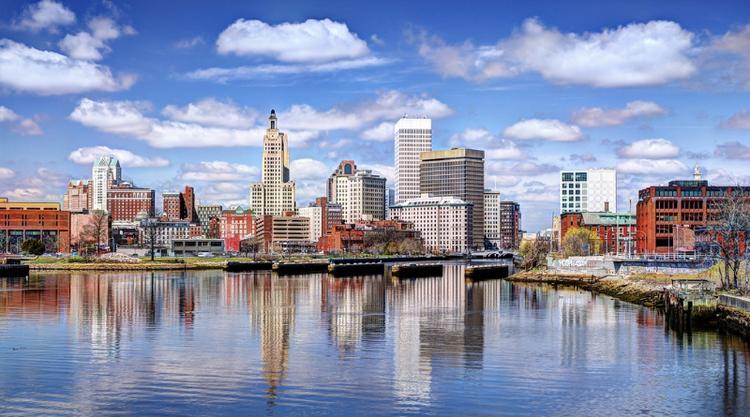
Providence, Rhode Island’s bold move towards decarbonization underscores the urgent need for innovative clean energy investment in islands. Nawah Energies is poised to support this transformative journey to sustainable, reliable electricity generation for islands.
The Big Picture: Why This Island Clean Energy News Matters
Providence is a compelling example demonstrating how industrial heritage and environmental challenges intersect with energy transition imperatives. The city, once a major textile manufacturing hub, now grapples with decades of PFAS contamination impacting its waterways and environment. Yet it is also a city focused on reversing its carbon footprint and embracing renewable energy for islands and urban areas alike.
This drive toward decarbonization reflects a broader global trend addressing climate change through cleaner, more sustainable island microgrid and grid solutions. With many island economies and coastal cities similarly challenged by pollution and reliance on fossil fuels, Providence’s initiative highlights the urgent call for modernizing electricity infrastructure and reducing environmental toxins.
Moreover, these developments resonate strongly across smaller island grids and microgrids worldwide, where clean, affordable power can catalyze economic resilience and improve quality of life. The lessons from Providence’s decarbonization efforts will inform how emerging markets, especially island and coastal nations, approach their clean energy transformations.
How This Trend Is Shaping the Future of Electricity Generation for Islands
Climate-conscious governments and utilities are increasingly shifting focus to cleaner, decentralized power sources to lower emissions and reduce pollution risks. Providence’s commitment to decarbonization mirrors this trend, spotlighting the broader significance of transitioning from legacy fossil fuels toward integrated renewable systems.
Island grids are especially important in this paradigm. These isolated systems have until recently relied heavily on diesel and other fossil fuels — both polluting and expensive — to power their communities. The shift to solar, wind, and battery storage is not only an environmental imperative but also an economic advantage, reducing fuel costs and strengthening energy independence.
The Providence example reveals the deep integration of clean energy within urban renewal and environmental recovery plans. It challenges island and coastal communities to reconsider their energy future holistically, balancing infrastructure modernization, environmental cleanup, and sustainability goals.
Clean Energy as a Scalable Alternative to Diesel for Island Grids
Replacing diesel generators with clean, renewable alternatives is critical for islands and cities alike. Diesel is costly, volatile in price, polluting, and often imported, making it an unsustainable choice especially for remote or industrially impacted areas like Providence or island nations.
Clean energy systems combining solar, wind, and energy storage provide scalable, robust alternatives that support local energy autonomy and reduce carbon footprint. These renewable energy for islands projects deliver stable and reliable power round-the-clock, overcoming intermittency challenges through smart grid design and battery technologies.
For municipalities and island authorities, making the transition from diesel to renewables means not just environmental gains but also economic development opportunities. It attracts investors looking for stable returns and strengthens local infrastructure against climate risks such as storms and fuel supply disruptions.
How Nawah Energies Delivers End-to-End Island Grid Solutions
Nawah Energies is a trusted clean energy company specializing in helping governments, utilities, and investors turn concepts like Providence’s decarbonization plans into reality. With deep expertise in island grid design, renewable microgrids, and energy storage integration, Nawah Energies supports the full project life cycle from feasibility studies to operation.
For island communities, Nawah Energies offers comprehensive solutions that replace diesel and other fossil fuel generation with hybrid solar-plus-storage or wind-integrated systems. The company tailors approaches to address the specific challenges of off-grid island power, ensuring optimal performance and energy reliability.
By leveraging advanced technologies and strategic partnerships, Nawah Energies helps implement sustainable energy infrastructure that accelerates clean electricity for islands, supporting economic and environmental resilience. These efforts align closely with Providence’s ambitions for carbon reduction and environmental renewal.
From Renewable Resources to Reliable Power: Building Resilient Island Grids
Renewable energy sources such as solar and wind offer abundant potential, especially in island and coastal settings like those in East Africa, East Asia, and the Pacific. However, the key to successful deployment lies in designing resilient, hybrid systems that manage variability and provide uninterrupted power.
Nawah Energies focuses on integrating energy storage technologies like lithium-ion and flow batteries to smooth power fluctuations and enable grid stability. This empowers communities to enjoy continuous power even when wind or sunlight is low, critical for both residential and industrial applications.
Moreover, developing remote island electrification projects supported by local stakeholders ensures inclusive benefits and fosters sustainable growth. These projects also carry important co-benefits for environmental cleanup, as seen in Providence’s efforts to address historic contamination alongside energy transition.
Key Opportunities and What Investors Should Watch
Providence’s decarbonization is part of a global momentum accelerating investments in clean energy investment in islands and coastal cities. Investors should watch carefully as governments channel funding into renewable infrastructure deploying advanced microgrids and hybrid systems.
Regions including East Africa, Malaysia, East Asia, and island nations in the Caribbean and Pacific represent lucrative markets for replicating Providence-like models. Investors benefit from emerging policy incentives, cost declines in solar and storage technologies, and growing demand for sustainable power supply.
Nawah Energies stands ready as a strategic partner to facilitate these investments and guide project development, technical implementation, and regulatory navigation. Their expertise ensures sound returns aligned with environmental and social governance (ESG) goals increasingly embedded in capital decisions.
Looking forward, the integration of renewable energy with sustainable urban policies, pollution remediation, and grid modernization also opens new avenues for innovative financing models and public-private partnerships that further reduce investment risks.
Partner with Nawah Energies for Clean Energy and Green Hydrogen Solutions
Explore how Nawah Energies can help your government, utility, or business accelerate the transition to sustainable power through tailored electricity generation for islands and grid modernization projects. Visit https://islandgrid.nawahenergies.com/ to learn more about innovative island grid solutions and renewable microgrid designs that replace costly diesel generation.
As a trusted partner with deep experience across East Africa, East Asia, Malaysia, and island nations, Nawah Energies supports diverse stakeholders looking to decarbonize and future-proof their energy systems. Connect with us to discuss your unique challenges and opportunities in building more resilient, clean energy infrastructure.
Stay connected with Nawah Energies for ongoing insights into island clean energy trends, investment opportunities, and collaborative project development. Whether you are a government, utility, energy developer, or investor, we invite you to start a conversation and join us in creating a cleaner, greener energy future.
Leave a Reply