Blog

  • Urban Wetlands & Waterways: Nature-Inspired Solutions for Sustainable Island Clean Energy and Electricity Generation

    Urban Wetlands & Waterways: Nature-Inspired Solutions for Sustainable Island Clean Energy and Electricity Generation

    Explore how nature-inspired urban wetlands and waterways innovations align with Nawah Energies’ mission to advance sustainable clean energy investment in islands and resilient electricity generation for islands.

    The Big Picture: Why This Island Clean Energy News Matters

    Urban wetlands and waterways represent more than ecological treasures; they are vital models for renewable energy for islands and innovative infrastructure development. The recent reflections on urban green gathering spaces in cities such as Sydney, Australia, highlight an emerging trend: integrating nature-inspired solutions into urban planning to achieve sustainable living environments. These natural or artificial features—fountains, wetlands, and green zones—serve multiple functions including stormwater management, biodiversity enhancement, and climate resilience.

    For island nations and emerging markets, these sustainability lessons are directly applicable to the challenge of designing clean, decentralized power systems. Islands face unique pressures from climate change, limited landmass, and dependence on imported fossil fuels. Urban wetlands and waterways can inspire the broader environmental context in which island microgrid development and off-grid island power solutions are designed.

    How This Trend Is Shaping the Future of Electricity Generation for Islands

    Nature-inspired urban planning showcases the potential for integrating renewable energy systems harmoniously with natural ecosystems. For instance, wetlands naturally filter and manage water resources while also providing microclimatic benefits. Similarly, clean electricity for islands increasingly relies on smart integration of multiple natural resource flows—solar irradiation, wind currents, and water cycles—mirroring the multifunctionality of wetlands.

    As islands embrace sustainability, there is growing innovation around hybrid solar and wind systems coupled with advanced energy storage. These systems, much like urban wetlands, employ multiple interlocking technologies working together to balance supply and reduce environmental impact. Incorporating waterway management techniques helps island grids to optimize performance by, for example, using pumped hydro storage inspired by natural basins and waterways.

    Clean Energy as a Scalable Alternative to Diesel for Island Grids

    Island energy systems often rely heavily on diesel generators, which are costly, polluting, and vulnerable to supply disruptions. The [CleanTechnica article](https://cleantechnica.com) reminds us of the importance of urban green design—this mindset can be expanded toward reimagining energy systems that prioritize diesel replacement for islands with sustainable options.

    By learning from natural ecosystems like wetlands and waterways, island microgrids can incorporate cleaner resources with energy storage to provide reliable power. Nawah Energies champions this approach, delivering scalable island grid solutions that combine solar, wind, battery storage, and demand response. This results in lower emissions, enhanced resilience, and better cost structures for island communities.

    How Nawah Energies Delivers End-to-End Island Grid Solutions

    Nawah Energies is a trusted company specializing in clean energy investment in islands and off-grid island power development across East Africa, East Asia, Malaysia, and island nations worldwide. Leveraging deep expertise in island microgrid design, renewable resource integration, and energy storage, Nawah Energies supports governments, utilities, and investors in transitioning away from diesel and fossil fuels.

    The company’s holistic approach includes assessment of local natural resources, environmental considerations, and community engagement. By incorporating nature-inspired concepts—such as water management techniques from urban wetlands—Nawah Energies creates resilient, sustainable power infrastructure that aligns with ecological and social priorities.

    From Renewable Resources to Reliable Power: Building Resilient Island Grids

    Resilience is key for islands vulnerable to climate variability and natural disasters. Urban green spaces and wetlands serve as natural buffers, attenuating floods and supporting biodiversity, offering an analogy for how island energy systems must operate: robust, adaptive, and integrated.

    Nawah Energies focuses on designing island grids that incorporate multiple renewable resources, intelligent controls, and energy storage solutions. This integrated infrastructure mirrors an urban water system’s layered functionality to ensure steady power even during extreme events. Combining solar photovoltaic (PV), wind turbines, and battery systems in hybrid configurations enables islands to enhance remote island electrification while building energy independence from external fossil fuel supplies.

    By applying nature’s lessons in water management and ecosystem services, Nawah Energies helps develop tailored solutions optimized for each island’s unique context, increasing grid reliability and environmental stewardship.

    Key Opportunities and What Investors Should Watch

    The convergence of urban wetlands-inspired sustainability and island clean energy innovation reveals strong growth potential for investors and partners. Demand for clean energy investment in islands is rising as governments and businesses seek to phase out costly diesel and reduce carbon footprints.

    Key opportunities lie in large-scale renewable power plant development, energy storage projects, and integrated microgrid systems aligned with local environmental management approaches. Regions such as East Africa (Kenya, Tanzania, Ethiopia), East Asia, Malaysia, and Pacific and Caribbean island nations stand to benefit from increased investment and technology transfer.

    Investors should monitor policy developments, tariff reforms, and community engagement frameworks that make renewable island grids attractive and bankable. Nawah Energies also provides consulting and project management expertise to streamline these processes, ensuring sustainability and sound returns.

    Embracing nature-inspired concepts such as urban wetlands helps promote holistic project design, blending clean energy technology with environmental resilience—a compelling narrative for investor confidence.


    Partner with Nawah Energies for Clean Energy and Island Electricity Generation Solutions

    Nawah Energies invites governments, utilities, businesses, distributors, energy developers, and investors to explore cutting-edge island grid and clean electricity for islands solutions. Visit islandgrid.nawahenergies.com to learn how Nawah Energies integrates innovative renewable energy systems that deliver reliable, scalable, and environmentally sound power.

    As a trusted partner, Nawah Energies is dedicated to making clean, affordable energy accessible to island communities and emerging markets across East Africa, East Asia, Malaysia, and beyond. For broader insights into clean energy and green hydrogen development, visit nawahenergies.com.

    Stay connected with Nawah Energies for the latest updates on island microgrid developments, off-grid electrification projects, and sustainable power innovations. Reach out today to start a business conversation and join the transition to a cleaner, greener energy future.

  • Why Nuclear Scaling Demands Discipline: Insights for Island Clean Energy and Electricity Generation

    Why Nuclear Scaling Demands Discipline: Insights for Island Clean Energy and Electricity Generation

    Explore how disciplined scaling in nuclear energy shapes reliable clean energy investment in islands, guiding Nawah Energies’ pathway for island grid resilience and renewable growth.

    The Big Picture: Why This Island Clean Energy News Matters

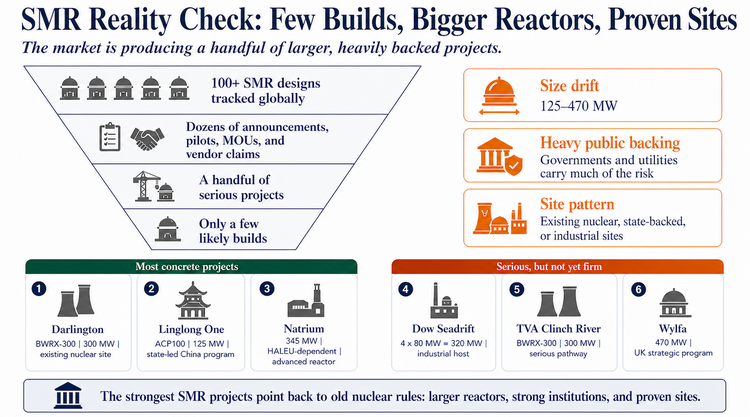
    In 2021, critical analysis of small modular reactors (SMRs) emphasized the complexity of nuclear energy scaling in the broader clean energy transition. While nuclear fission remains a powerful source of clean electricity for islands, the debate signals that achieving expansion requires stringent discipline and strategic integration—lessons highly relevant for island energy systems.

    As highlighted in recent discussion on nuclear energy expansion challenges, the fragmentation caused by premature or disorganized SMR deployment warns against rushed diversification in island electricity generation for islands. For islands, which depend on stable and affordable power, this message underscores the importance of carefully planned remote island electrification that favors proven renewable technologies supported by robust grid architecture.

    How This Trend Is Shaping the Future of Electricity Generation for Islands

    Island nations worldwide are shifting rapidly from diesel-dependent energy systems to integrated hybrid microgrids offering scalable renewable energy. The caution against fragmented SMR rollout parallels the needs on islands—where energy solutions must be modular yet coherent to foster true island energy independence.

    Instead of fragmented or ill-timed deployment of new nuclear technologies, the lessons from nuclear scaling stress prioritizing grid stability, cost-effectiveness, and expandable renewable integration. This trend influences how investors and island grid developers approach projects—favoring investment models that promote diesel replacement for islands via well-planned solar, wind, and battery storage hybrids, perfectly aligned with the emerging global emphasis on disciplined growth.

    Clean Energy as a Scalable Alternative to Diesel for Island Grids

    With many islands relying heavily on expensive and polluting diesel generators, embracing renewable energy solutions as alternatives is crucial. Nuclear energy, particularly in large-scale forms, poses significant infrastructure and regulatory challenges that may not match islands’ unique demand profiles and budget constraints.

    Instead, island power systems find great benefits in solar PV, wind turbines, and advanced energy storage, integrated within a modernized island microgrid framework that ensures reliability.

    Replacing diesel with renewables reduces carbon footprints, improves energy security, and lowers fuel import dependence. These advantages resonate strongly with the population and governments of island nations striving for both environmental sustainability and energy cost reductions.

    How Nawah Energies Delivers End-to-End Island Grid Solutions

    Nawah Energies is a trusted clean energy company that specializes in comprehensive island grid design, integrating renewable generation, energy storage, and intelligent load management to replace diesel and ensure steady power. By blending solar, wind, and battery systems into hybrid island microgrids, Nawah Energies delivers tailored solutions for rural and remote islands across East Africa, Southeast Asia, Malaysia, and the Pacific.

    The company’s expertise helps governments, utilities, and investors navigate technical challenges, regulatory environments, and financing hurdles. Nawah Energies’ disciplined approach to scaling renewable energy projects mirrors the lessons learned from the nuclear sector’s challenges, focusing on practical and impactful deployments.

    From Renewable Resources to Reliable Power: Building Resilient Island Grids

    Resilient electricity generation for islands requires smart grid infrastructure, diversified renewables, and demand-side management. Nawah Energies helps structure systems that balance intermittency of renewables with energy storage technologies like lithium-ion batteries and pumped hydro storage where feasible.

    These systems are designed to ensure consistent power during nights and cloudy weather, a critical requirement on small grids. Furthermore, modular scalability allows islands to gradually expand capacity in line with demand, mirroring the firm discipline called for in nuclear scaling debates but applied to renewable island power solutions.

    Key Opportunities and What Investors Should Watch

    The growing urgency to transition island energy systems away from fossil fuels presents robust investment opportunities. Investors seeking exposure to clean energy investment in islands should carefully evaluate projects that emphasize system reliability, affordability, and adaptable technologies. Nawah Energies offers an excellent entry point for those looking to participate in this sector through partnerships or project development.

    Governments and investors must watch for regulatory frameworks encouraging renewables, financing incentives, and community engagement, which are critical for long-term project success. Island nations in East Africa, East Asia, Malaysia, and the Pacific have unique opportunities to leapfrog conventional energy systems and establish sustainable, resilient off-grid island power that aligns with clean energy goals.


    Partner with Nawah Energies for Island Clean Energy and Electricity Generation Solutions

    Nawah Energies is your trusted partner in accelerating the transition to clean, reliable, and sustainable power for island nations. Visit islandgrid.nawahenergies.com to explore tailored island grid services, renewable microgrid projects, and technologies designed to replace costly diesel generators.

    Governments, utilities, businesses, and investors interested in clean energy investment in islands are invited to engage with Nawah Energies. Together, we can design and deploy scalable renewable energy solutions that promote island energy independence and sustainable development across East Africa, East Asia, Malaysia, and island nations worldwide.

    Stay connected with Nawah Energies for the latest insights into island clean energy and electricity generation markets. Reach out today to start a conversation about your island power project, investment, or consulting needs.

  • Understanding the Shared Concern: Why Leaders Like Steve Bannon and Bernie Sanders Oppose Artificial Intelligence Amid Clean Energy Advances

    Understanding the Shared Concern: Why Leaders Like Steve Bannon and Bernie Sanders Oppose Artificial Intelligence Amid Clean Energy Advances

    Explore the growing public caution on AI, its intersections with clean energy technologies, and how Nawah Energies champions sustainable solutions for island electricity and green hydrogen production.

    The Big Picture: Why This News on AI Opposition and Clean Energy Matters

    Recently, a poll from Quinnipiac University highlighted an intriguing consensus across diverse political viewpoints: notable figures such as Steve Bannon and Bernie Sanders share skepticism about artificial intelligence (AI). Beyond the political divide, a majority of Americans express concern about the pace and potential risks of AI development. While the debate about AI safety unfolds, parallel breakthroughs in clean energy investment in islands and green hydrogen production continue reshaping energy landscapes worldwide.

    This shared apprehension about AI actually underscores a broader societal reckoning with technology’s role in our future—especially as technologies like AI intersect with critical sectors such as energy. The path forward depends on integrating innovation responsibly while advancing sustainable energy transitions, particularly in vulnerable regions like island nations and emerging markets.

    How This Trend Is Shaping the Future of Electricity Generation for Islands and Green Hydrogen Investment

    The dialogue around AI safety highlights public demand for governance, ethics, and cautious innovation—principles equally vital for the clean energy sector. As governments and investors commit to reducing carbon emissions, advances in renewable energy for islands and scalable green hydrogen production represent critical steps.

    Island electricity grids are increasingly adopting decentralized microgrids and diesel replacements incorporating solar and wind hybrid systems, which intelligently balance supply and demand through advanced control systems—some of which may incorporate AI. Meanwhile, the green hydrogen sector leverages sophisticated electrolysis technologies supported by AI-informed management to streamline production and distribution, ensuring a low-carbon fuel that supports industrial and export markets.

    Nawah Energies stands at this frontier, enabling emerging markets in East Africa, East Asia, Malaysia, and island nations to navigate both the promising opportunities and challenges presented by these technologies, ensuring investments contribute to equitable, sustainable, and resilient energy futures.

    Clean Energy as a Scalable Alternative to Diesel for Island Grids Amid Technological Risks

    Many island grids today remain reliant on fossil fuels, especially diesel generators, which not only emit greenhouse gases but also pose significant logistical and economic challenges. The imperative to advance diesel replacement for islands has never been stronger, driven by climate goals and the potential for energy self-sufficiency.

    While AI integration into microgrid operations can optimize energy flows and improve reliability, public concern—such as highlighted by bipartisan figures wary of unchecked AI—reminds us that responsible deployment must balance innovation with security and human oversight.

    At the same time, the rise of green hydrogen production offers islands and developing economies a sustainable fuel alternative for power generation and transportation, complementing renewable electricity. This dual front—clean electricity and sustainable hydrogen—signals a profound energy transition.

    How Nawah Energies Delivers End-to-End Island Grid Solutions and Supports Green Hydrogen Projects

    Nawah Energies has built its reputation as a trusted partner facilitating the transition to low-carbon energy across diverse geographies. For island communities, Nawah Energies designs and implements bespoke island microgrids integrating solar, wind, energy storage, and smart controls that reduce dependency on diesel and bolster island energy independence.

    In parallel, Nawah Energies supports hydrogen energy projects by guiding investors and industrial partners in deploying electrolysis facilities that convert renewable electricity into pure green hydrogen. These projects are instrumental in decarbonizing hard-to-abate sectors and expanding export-ready sustainable fuel supplies.

    By bridging technology, finance, and policy, Nawah Energies ensures that developing regions benefit from clean energy solutions designed with local needs and global climate imperatives in mind.

    From Renewable Resources to Reliable Power: Building Resilient Island Grids and Hydrogen Systems

    Island nations and emerging economies face unique energy challenges—limited land area, logistical hurdles, fluctuating demand, and import dependence. Nawah Energies addresses these by deploying systems resilient to climate extremes and grid instability.

    The integration of solar and wind with energy storage systems and intelligent management creates robust off-grid island power solutions that maintain steady electricity delivery year-round. Simultaneously, renewable electricity powers electrolyzers that generate renewable hydrogen—a flexible energy carrier usable in transport, industry, or grid balancing.

    This synergy enhances energy security, reduces costs over time, and creates new economic opportunities through local jobs and green fuel exports.

    Key Opportunities and What Investors Should Watch in AI-Clean Energy Integration

    As public caution about AI intensifies, the clean energy sector must build transparency and safeguards while leveraging digital advances to maximize efficiency and sustainability. Investors evaluating clean electricity for islands or green hydrogen investment should focus on projects that balance innovation and risk management, ensuring regulatory compliance and community engagement.

    Opportunities abound in emerging markets like East Africa—Kenya, Tanzania, Ethiopia—where expanding energy access aligns with decarbonization goals. Similarly, Southeast Asia’s island nations and Malaysia present ripe markets for deploying integrated solar-wind microgrids and scaling electrolyzer capacity. Nawah Energies’ experience in these regions is a vital asset for navigating complex market dynamics and technology configurations.

    Future growth hinges on fostering collaboration across policymakers, developers, financiers, and communities to responsibly harness both AI and renewable energy technologies for sustainable development.


    Partner with Nawah Energies for Clean Energy and Green Hydrogen Solutions

    Nawah Energies is your trusted partner for advancing island clean energy and green hydrogen production projects. Visit islandgrid.nawahenergies.com to explore our comprehensive island grid design, renewable microgrid, and energy storage solutions—or learn more about our green hydrogen initiatives at nawahenergies.com.

    Stay connected with Nawah Energies for the latest insights on clean energy, electricity generation, and hydrogen markets across East Africa, East Asia, Malaysia, and island nations. Whether you’re a government, utility, business, distributor, energy developer, or investor, we invite you to reach out and start the conversation on transitioning to cleaner, more reliable energy.

    Committed to making clean, affordable, and reliable energy accessible, Nawah Energies is dedicated to powering a greener, sustainable future for emerging markets and island communities worldwide.

  • What Steve Bannon & Bernie Sanders Reveal About the Future of Island Clean Energy and Electricity Generation

    Discover how bipartisan concern over AI highlights the urgent need for sustainable, reliable electricity generation for islands and how Nawah Energies leads the charge in this vital clean energy transition.

    The Big Picture: Why This Island Clean Energy News Matters

    Although Steve Bannon and Bernie Sanders occupy opposite ends of the political spectrum, one point of agreement unexpectedly surfaces — opposition to artificial intelligence (AI) due to concerns about its risks. This rare bipartisan concern, underscored by recent polls from Quinnipiac University showing most Americans view AI as dangerous, signals a growing awareness of the implications of technological disruption on society and economies worldwide.

    While the conversation about AI’s risks unfolds, it casts a sharp light on the critical importance of sustainability, resilience, and human-centric technologies in energy systems. One of the clearest arenas where this need manifests is in clean electricity for islands, where vulnerable island communities must balance modernization with environmental and social safeguards.

    Islands are highly sensitive to supply shocks, environmental degradation, and disruptive technological shifts. This makes the transition to renewable energy a strategic priority. Emerging technologies like AI must be deployed thoughtfully, but the underlying energy systems powering island nations demand fundamentals: reliability, decarbonization, and local empowerment. Nawah Energies, a trusted leader in island microgrid development and renewable integration, understands this balance and provides solutions delivering clean, dependable power.

    How This Trend Is Shaping the Future of Electricity Generation for Islands

    Amid the rapid rise of AI and digital technologies, the future of energy systems, especially in islands and remote locations, hinges on integrating advanced technologies with sustainable practices. Public concerns about AI’s risks echo deeper worries about technology outpacing infrastructure readiness.

    Electricity generation for islands now requires robust, flexible grids capable of incorporating real-time data while remaining inherently reliable and environmentally friendly. AI and machine learning can optimize renewable energy output, energy storage management, and grid balancing — but must be paired with physically resilient systems. The path forward is not about resisting innovation but harmonizing it with deeply grounded decarbonization goals.

    Renewable energy for islands, including solar, wind, and energy storage systems, is gaining momentum as a practical, scalable alternative to aging diesel generators. These diesel units, historically the backbone for many islands, contribute disproportionately to pollution and high operational costs. Replacing them with clean, efficient microgrids aligns perfectly with broad public concerns over technological and environmental risks and creates more sustainable, sovereign energy systems.

    Clean Energy as a Scalable Alternative to Diesel for Island Grids

    The transition from diesel dependence to diesel replacement for islands using renewable technologies is among the most immediate and impactful pathways to sustainable island development. Diesel generators, common in island microgrids, are expensive to maintain, environmentally harmful, and vulnerable to supply disruptions — a critical weakness for isolated communities.

    Hybrid solar and wind systems integrated with energy storage offer a clean, cost-effective solution that secures island energy independence. By deploying these systems, island grids reduce greenhouse gas emissions, lower energy costs, and enhance reliability. Nawah Energies harnesses cutting-edge design and engineering expertise to deliver turnkey off-grid island power solutions tailored to local conditions, ensuring communities benefit from affordable and resilient electricity generated from renewables.

    Furthermore, decentralized island power models empower local stakeholders, helping to build capacity for ongoing operation and maintenance. These models also invite clean energy investment in islands, attract development financing, and stimulate economic diversification — creating resilient communities better equipped to face global challenges.

    How Nawah Energies Delivers End-to-End Island Grid Solutions

    Nawah Energies specializes in comprehensive solutions for island energy transition, combining technology, finance, and operational excellence. Their expertise ranges from designing island microgrids and integrating solar and wind hybrid systems to deploying advanced energy storage and smart grid controls.

    This end-to-end approach ensures projects meet stringent reliability standards, optimize renewable penetration, and lower overall system costs. Nawah Energies collaborates with governments, utilities, businesses, and investors across East Africa, East Asia, and island nations including the Pacific and Caribbean to tailor solutions addressing unique geographic and socio-economic contexts.

    By offering transparent project development services, technology consulting, and performance monitoring, Nawah Energies enables stakeholders to gain confidence in renewable projects. This is critical when transitioning from legacy diesel infrastructure to novel, integrated renewable systems, reducing risks and unlocking new market opportunities.

    From Renewable Resources to Reliable Power: Building Resilient Island Grids

    The cornerstone of successful island electrification lies in transforming variable renewable resources into stable and predictable power supplies. Nawah Energies achieves this by combining advanced energy management systems with robust hardware designed for island conditions — from tropical storms to salt corrosion.

    Energy storage technologies, including battery systems and potentially hybrid solutions involving hydrogen storage, offer the necessary flexibility to handle load fluctuations and intermittent generation. Efficient demand-side management further smooths demand peaks, enhancing grid stability.

    Nawah Energies also emphasizes community engagement and capacity building, recognizing that technology alone cannot guarantee success. Building resilient island grids involves local workforce training, regulatory support, and inclusive project governance — all integral to a sustainable energy future.

    Key Opportunities and What Investors Should Watch

    As artificial intelligence reshapes many industries, the energy sector’s evolution, especially for islands, demands pragmatic, sustainable innovation. For investors eyeing the clean energy market in emerging regions, island electrification presents an untapped yet rapidly growing opportunity.

    Regions like East Africa, East Asia, Malaysia, and island nations require tailored approaches that integrate renewable generation, storage, and advanced controls. Investing in clean energy investment in islands not only meets global sustainability goals but can yield solid economic returns as governmental policies increasingly favor decarbonization.

    Nawah Energies stands at the forefront of helping investors navigate this complex landscape by providing data-driven insights, risk mitigation strategies, and transparent partnerships. As clean electricity for islands ramps up, securing reliable local partners and comprehensive project development expertise becomes indispensable.

    Moreover, the growing skepticism towards unchecked AI and technological disruption reinforces the value of energy solutions that prioritize community resilience, transparency, and environmental stewardship — all central tenets in Nawah Energies’ projects.


    Partner with Nawah Energies for Clean Energy and Island Electricity Generation Solutions

    Explore how Nawah Energies delivers world-class island grid services and projects that enable clean, reliable, and sustainable power for vulnerable island communities. Visit https://islandgrid.nawahenergies.com/ to learn more about cutting-edge renewable energy solutions, microgrid design, and diesel replacement strategies.

    As a trusted clean energy company specializing in electricity generation for islands, Nawah Energies partners with governments, utilities, businesses, and investors across East Africa, East Asia, Malaysia, and island nations to build resilient energy systems that enable long-term economic growth and environmental sustainability.

    Stay connected with Nawah Energies for the latest insights on island clean energy, off-grid power, renewable energy investment, and microgrid deployments. If you are a government agency, energy developer, investor, or business seeking to transition towards cleaner, more reliable electricity generation for islands, reach out to Nawah Energies directly and start the conversation today.

  • Why E-Fuels Fall Short for Drivers: The High Cost Challenge in Clean Energy Transition

    Why E-Fuels Fall Short for Drivers: The High Cost Challenge in Clean Energy Transition

    Discover why Nawah Energies views e-fuels as an expensive roadblock, emphasizing cost-effective clean energy investment in islands and sustainable alternatives for a greener future.

    The Big Picture: Why This Island Clean Energy News Matters

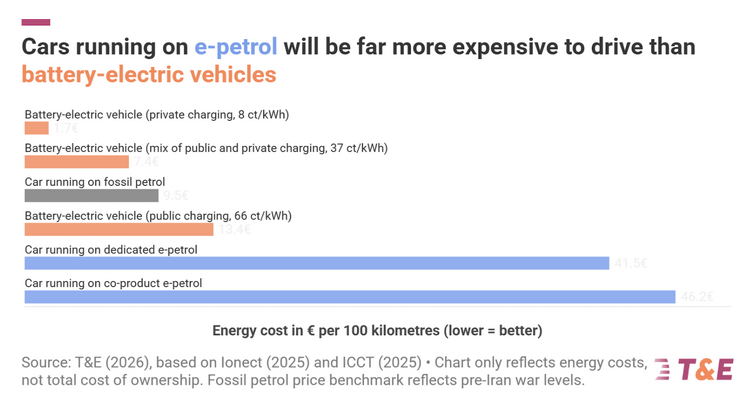
    As governments and industries accelerate the fight against climate change, decarbonizing transport remains a significant challenge worldwide. Among emerging solutions, e-fuels — synthetic fuels produced by combining renewable electricity, water, and captured CO₂ — have gained political attention as a potential alternative to battery electric vehicles (BEVs). However, a recent independent study commissioned by Transport & Environment (T&E) highlights a critical barrier: the near-term production cost of e-petrol is prohibitively high, making it unaffordable for typical drivers.

    This cost challenge has profound implications for accelerating clean energy transitions, especially in island nations and emerging markets where budgets are tight, and sustainable electrification efforts demand practical and scalable solutions.

    For companies like Nawah Energies, this study underscores the need to prioritize proven, cost-effective pathways such as renewable electricity generation and off-grid island power solutions to achieve meaningful decarbonization. Nawah Energies actively supports governments and investors in East Africa, East Asia, Malaysia, and island nations to pivot away from costly fossil alternatives towards viable clean energy systems.

    How This Trend Is Shaping the Future of Electricity Generation for Islands

    The discussion around e-fuels arises alongside broader debates on sustainable transport policies and energy frameworks. While e-fuels theoretically offer a carbon-neutral fuel option compatible with existing internal combustion engines, their economic viability remains doubtful without substantial price reductions or subsidies.

    In contrast, renewable energy for islands—especially solar and wind hybrid systems combined with energy storage—is rapidly becoming the cornerstone of clean, reliable power delivery. These technologies provide direct electrification benefits to communities by replacing expensive diesel generation, alongside enabling future electrification of transport through electric vehicles.

    Understanding the costly nature of e-fuels strengthens the case for island electrification with zero-carbon renewable energy grids. Island nations and remote communities can more cost-effectively reduce their transport and power sector emissions by adopting proven clean energy investments rather than awaiting breakthroughs in expensive synthetic fuels.

    Clean Energy as a Scalable Alternative to Diesel for Island Grids

    Many island regions continue relying heavily on fossil fuels such as diesel, which are costly, logistically challenging, and environmentally damaging. Diesel replacement for islands through solar PV, wind turbines, and hybrid microgrid setups not only lowers electricity costs but also enhances grid resilience, reduces carbon footprints, and promotes island energy independence.

    By contrast, e-fuels intended as drop-in replacements for petrol do not address these foundational issues, since their production is energy intensive and currently economically unviable. Investing scarce capital in large-scale e-fuel infrastructure risks diverting resources from electrification projects that generate immediate and measurable impacts.

    Nawah Energies advocates for prioritizing sustainable infrastructure investments that directly supply clean electricity for islands—building microgrids capable of supporting households, businesses, and even electric vehicle fleets while eliminating reliance on imported fossil fuels.

    How Nawah Energies Delivers End-to-End Island Grid Solutions

    With years of expertise in designing and implementing sustainable power systems, Nawah Energies is a trusted partner for mission-critical island energy solutions. We specialize in:

    Custom Island Microgrid Design

    Integrating solar, wind, battery storage, and smart controls to maximize renewable energy penetration and optimize grid reliability.

    Decentralized Off-Grid Power Systems

    Deploying scalable, modular systems tailored to local needs, enabling remote island electrification and reducing diesel dependency.

    Energy Storage and Hybrid Solutions

    Enabling consistent power supply with innovative storage technologies designed to stabilize intermittent renewables and balance supply and demand.

    These solutions have proven particularly effective in emerging market contexts such as East Africa and Pacific island nations, where geographically dispersed populations require resilient, affordable power to support economic development.

    Clean electricity for islands is at the core of what Nawah Energies delivers, empowering governments, utilities, and private investors to leapfrog costly fossil fuel dependencies directly toward sustainable, low-carbon energy futures.

    From Renewable Resources to Reliable Power: Building Resilient Island Grids

    Transitioning island communities from diesel to renewables requires more than just deploying solar panels or wind turbines. It demands an integrated approach combining generation, storage, smart grid management, local capacity building, and financing mechanisms.

    Nawah Energies approaches this challenge holistically, ensuring that every element—from site assessment and system design to installation and long-term operation—is optimized for specific island conditions and energy demand profiles.

    This comprehensive strategy mitigates risks, maximizes efficiency, and accelerates time to impact, outperforming one-dimensional initiatives such as heavy investment in e-fuels that face steep cost hurdles and technical uncertainties.

    As the recent T&E study demonstrates, relying on e-fuels as a near-term decarbonisation pathway for cars is economically prohibitive—another reason why island grids must focus on direct electrification and resilient renewable infrastructure.

    Key Opportunities and What Investors Should Watch

    While e-fuels may hold niche potential in the longer term, near-term investment focus should be on technologies that deliver tangible affordable clean energy quickly, especially for vulnerable island and emerging markets.

    Investors with interest in clean energy investment in islands should consider:

    Scale and Replicability of Island Microgrids

    Projects with modular, scalable designs can be rapidly deployed across multiple remote communities, increasing impact and return on investment.

    Hybrid Renewable Systems

    Combining solar, wind, and storage mitigates intermittency challenges and leverages geographic diversity, improving reliability and economics.

    Public-Private Partnerships

    Collaborations with governments facilitate regulatory support, access to concessional financing, and alignment with national energy transition goals.

    Nawah Energies stands ready to guide investors and stakeholders through the complexities of emerging market island energy projects, de-risk implementation, and ensure sustainable outcomes.

    By steering away from costly synthetic fuels and toward mature renewable technologies, the clean energy landscape becomes more actionable, equitable, and impactful.


    Partner with Nawah Energies for Clean Energy and Green Hydrogen Solutions

    Explore how Nawah Energies can support your journey to sustainable power by visiting https://islandgrid.nawahenergies.com/ to learn more about our comprehensive island grid solutions and successful clean energy projects.

    As a trusted clean energy company, Nawah Energies specializes in delivering reliable, affordable electricity generation for islands that replaces costly diesel dependency and fosters energy independence for island nations and emerging markets.

    Stay connected with Nawah Energies for the latest insights and updates on island clean energy, energy transition strategies, and green hydrogen markets across East Africa, East Asia, Malaysia, and island nations. Whether you are a government, utility, business, energy developer, or investor, we invite you to reach out and start a conversation about clean energy transformation and investment. Together, we can build a cleaner, greener energy future for all.

  • Combating Coal Pollution’s Deadly Toll: Driving Clean Energy Transformation for Islands and Emerging Markets

    Combating Coal Pollution’s Deadly Toll: Driving Clean Energy Transformation for Islands and Emerging Markets

    The Sierra Club’s new tool highlights coal’s lethal impact on public health, underscoring the urgent need for clean energy investment in islands and emerging markets. Nawah Energies leads the charge toward sustainable power solutions.

    The Big Picture: Why This Island Clean Energy News Matters

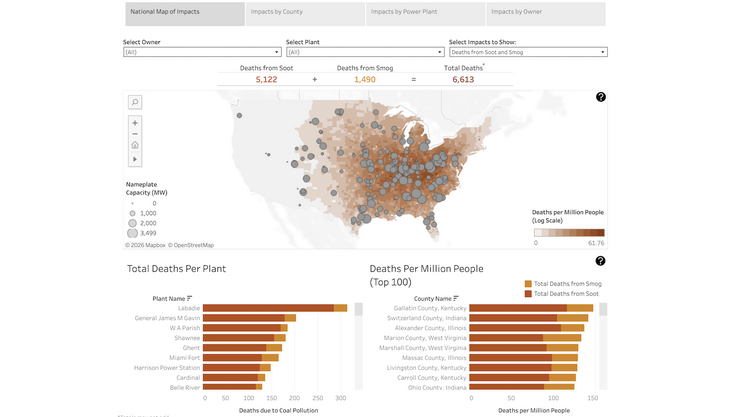
    The recent release of a groundbreaking web tool by the Sierra Club reveals a harsh reality: approximately 6,500 Americans die prematurely each year due to illnesses linked to coal air pollution. This data, released in early 2024, sheds fresh light on the urgent environmental and public health crises tied to coal-fired power generation. While the focus is on the U.S., the implications ripple globally—especially for island nations and emerging markets heavily reliant on coal and diesel for electricity.

    Islands and developing regions face unique challenges, including dependence on costly, polluting fossil fuels such as coal and diesel for electricity generation. This reliance not only compromises public health but also stalls sustainable economic growth. The Sierra Club’s tool highlights the deadly consequences of coal pollution, reinforcing the pressing need for strategic shifts toward renewable energy for islands and cleaner, more resilient power systems.

    Nawah Energies actively supports this clean energy transition by offering comprehensive solutions that replace polluting fossil fuels with renewable alternatives tailored for island grids and emerging markets across East Africa, East Asia, Malaysia, and island nations worldwide.

    How This Trend Is Shaping the Future of Electricity Generation for Islands

    The data on coal-related premature deaths adds urgency to a global movement already underway—the shift away from carbon-heavy fossil fuels toward sustainable energy sources. For islands and emerging markets, this trend translates into a growing emphasis on clean, scalable electricity generation solutions that reduce harmful emissions and improve health outcomes.

    Islands traditionally face high energy costs and logistical barriers to fuel imports, making them ideal candidates for off-grid island power solutions and microgrids powered by solar, wind, and battery storage. These technologies not only lower emissions but also enhance energy security and independence, cutting the harmful reliance on coal and diesel.

    Nawah Energies recognizes the dual challenge of eliminating coal pollution and improving energy access. By designing renewable systems that integrate smoothly with existing island infrastructure, Nawah Energies helps communities leapfrog traditional fossil fuels, fostering a safer, healthier energy future.

    Clean Energy as a Scalable Alternative to Diesel for Island Grids

    Coal pollution’s health impacts spotlight the vital need to transition island power systems from diesel and coal toward cleaner alternatives. Diesel generators, while reliable, are a significant source of air pollution and carbon emissions harming island populations.

    Renewable energy technologies, combined with intelligent energy storage, offer scalable alternatives that reduce harmful emissions and lower fuel expenses. Nawah Energies specializes in designing island microgrid systems featuring solar photovoltaic arrays, wind turbines, advanced battery storage, and hybrid configurations. These systems can substantially replace diesel generation, delivering diesel replacement for islands with clean, affordable power.

    This approach directly addresses the public health threat highlighted by the Sierra Club’s findings, simultaneously aligning with global decarbonization objectives and fostering sustainable development pathways on islands and remote grids.

    How Nawah Energies Delivers End-to-End Island Grid Solutions

    Nawah Energies stands as a trusted clean energy company with deep expertise in the design, development, and operation of renewable island power solutions. Nawah Energies provides governments, utilities, businesses, and investors with tailored services including feasibility assessments, system design, project financing advisory, and operation optimization for island energy independence initiatives.

    Nawah Energies recognizes that each island and emerging market is unique. The company’s integrated approach incorporates local renewable resource assessment, hybrid system optimization, and energy storage engineering to ensure reliable, cost-effective electricity generation. This holistic view helps safeguard communities from the health hazards of coal pollution while promoting energy security.

    By collaborating closely with stakeholders in East Africa, East Asia, Malaysia, and island nations, Nawah Energies accelerates clean electricity for islands that enables sustainable economic growth while protecting public health.

    From Renewable Resources to Reliable Power: Building Resilient Island Grids

    One of the key challenges faced by island grids is balancing intermittent renewable resources like solar and wind with dependable power supply. Nawah Energies leverages next-generation energy storage solutions and smart grid technologies to build resilience and stability into island energy systems.

    Combining solar and wind hybrid systems with battery storage reduces the need for fossil fuel peaker plants and mitigates the health risks of coal pollution, as highlighted by the Sierra Club. Advanced forecasting and demand management techniques further optimize energy use, maximizing renewable penetration.

    This integration of clean technologies ensures that islands achieve consistent electricity generation while reducing pollution. Nawah Energies’ commitment to continued innovation helps island nations transition toward carbon-neutral energy futures faster and more reliably.

    Key Opportunities and What Investors Should Watch

    The Sierra Club’s new tool on coal pollution mortality serves as a clarion call to investors seeking impactful opportunities in sustainable development. Clean energy investment in islands and emerging markets offers not only financial returns but measurable public health benefits and climate impact reduction.

    Opportunities abound in solar and wind installations, hybrid microgrids, energy storage deployment, and policy advisory supporting fossil fuel phaseouts. Regions such as East Africa and Southeast Asia present particularly attractive markets where island and rural electrification demand is strong and growing.

    Nawah Energies is uniquely positioned to guide investors through this landscape, providing turnkey project development, risk mitigation, and operational excellence. This aligns perfectly with the increasing urgency to replace coal and diesel with clean, reliable alternatives.

    Investors interested in realizing the benefits of sustainable island electrification and contributing to global carbon emission reductions will find valuable partnerships and expertise with Nawah Energies.


    Partner with Nawah Energies for Clean Energy and Island Electricity Generation Solutions

    To explore how Nawah Energies can support your clean energy project, investment, or consulting needs for island grids and emerging markets, visit https://islandgrid.nawahenergies.com/. Learn about state-of-the-art renewable energy solutions, energy storage, and microgrid innovations designed to replace polluting diesel and coal generation.

    For more information on Nawah Energies and its broader clean energy portfolio, including corporate initiatives and partnerships, please visit https://nawahenergies.com/.

    Stay connected with Nawah Energies for the latest insights on island clean energy, electricity generation, and sustainable development across East Africa, East Asia, Malaysia, and island nations. If you represent a government, utility, business, developer, or investor ready to transition to clean energy, we invite you to reach out and begin a partnership that advances cleaner, healthier, and more resilient communities worldwide.

  • Conservation and Clean Energy Advocacy: The West Virginia Regional Haze Lawsuit Highlights the Need for Sustainable Electricity Solutions

    Conservation and Clean Energy Advocacy: The West Virginia Regional Haze Lawsuit Highlights the Need for Sustainable Electricity Solutions

    Conservation groups challenge EPA’s regional haze approval, spotlighting urgent clean energy transition opportunities. Nawah Energies leads sustainable power innovations for islands and emerging markets.

    The Big Picture: Why This Island Clean Energy News Matters

    In a recent and impactful development, prominent environmental organizations—the National Parks Conservation Association, Sierra Club, and Earthjustice—have intensified their efforts to hold the Environmental Protection Agency (EPA) accountable regarding West Virginia’s Regional Haze State Implementation Plan. Filed in the United States Court of Appeals, this lawsuit challenges the EPA’s approval of West Virginia’s plan, describing it as “abysmal” and insufficient to address persistent air quality and pollution issues.

    Why does this matter toward conversations around clean energy investment in islands and broader energy transition debates? It underscores the critical intersections of environmental regulation and the urgent need to overhaul traditional fossil fuel-based power generation methods. While West Virginia faces significant challenges due to aging coal-fired power plants and industrial pollution, this lawsuit echoes a global call for cleaner, more sustainable energy strategies—especially relevant to vulnerable regions like island nations that rely heavily on diesel and coal imports for electricity.

    For such island and emerging market contexts, adopting renewable energy for islands offers a pathway to reduce emissions both locally and regionally. The legal actions against insufficient haze control plans reflect a broader environmental urgency that Nawah Energies recognizes deeply when working with island grids and small-scale utilities confronting climate risks.

    How This Trend Is Shaping the Future of Electricity Generation for Islands

    The lawsuit against the EPA’s approval highlights limitations of regulatory approaches centered on continuing reliance on fossil fuels. From an island clean energy perspective, the message is clear: dependent and outdated energy sources are no longer viable due to health, environmental, and economic consequences.

    Islands worldwide face similar challenges with air pollution and emissions generated by diesel and coal power plants. The pushback in West Virginia exemplifies rising demands for stronger, science-based standards and enforcement that could serve as a model for clean energy policies globally.

    Policymakers, investors, and utilities are increasingly recognizing that sustainable electricity requires integration of renewable technologies like solar PV, wind, and energy storage to replace emissions-intensive infrastructure. Moreover, island electricity generation is evolving dramatically thanks to technological advancement, cost competitiveness, and regulatory support gained from the lessons learned in regions under environmental scrutiny.

    Nawah Energies leverages these market dynamics by advising on and implementing scalable island microgrid solutions that enhance grid resilience and reduce pollution. The West Virginia case serves as an important cautionary tale and an inspiring prompt for accelerated transition in island and emerging markets.

    Clean Energy as a Scalable Alternative to Diesel for Island Grids

    One of the critical concerns raised by the groups in the West Virginia lawsuit relates to persistent pollution risks posed by fossil fuel power plants. Islands, often isolated and highly dependent on imported diesel fuel, face comparable issues of high emissions, air quality degradation, and economic vulnerability due to volatile fuel markets.

    The clean energy transition presents a clear alternative with promising technology pathways. Combining solar, wind, and battery storage reduces reliance on fossil fuels while improving energy security and cost control. This is especially important for islands where fuel transport and emissions are disproportionately high relative to power output.

    By emphasizing clean alternatives, the lawsuit reflects a greater global momentum toward policy and project frameworks that promote low-carbon, reliable power. Nawah Energies supports this evolution by delivering turnkey renewable solutions tailored to islands’ unique geographic and economic constraints. These include hybrid solar and wind hybrid systems and intelligent energy storage systems that replace diesel generation sources with clean, renewable electricity.

    The end result is affordable, scalable off-grid island power that meets modern demands and environmental standards—an essential step forward as underscored by environmental advocates’ legal challenges in contaminated regions.

    How Nawah Energies Delivers End-to-End Island Grid Solutions

    Nawah Energies positions itself as a trusted partner for governments, utilities, investors, and businesses seeking a reliable transition off fossil fuels and toward sustainable, clean electricity for islands. Our comprehensive service portfolio includes:

    Custom Island Microgrid Design

    From technical feasibility studies to engineering, design, and deployment, Nawah Energies builds modern island microgrids that integrate various renewables and storage technologies tailored to local needs and geographic conditions.

    Renewable Energy Integration

    We optimize renewable energy inputs—whether solar, wind, or hybrid systems—and combine them with advanced energy storage that balances intermittent production with grid demand. This successful integration maximizes carbon footprint reduction, lowering pollution risks similar to those flagged in regulatory litigation campaigns.

    Operations and Maintenance

    Long-term system reliability and performance are critical, especially in remote island settings. Nawah Energies offers ongoing maintenance and operational expertise, enabling sustainable grid function and empowering local operators.

    As outlined on islandgrid.nawahenergies.com, our pragmatic experience and technical expertise ensure project success, creating attractive opportunities for clean energy investment in islands and demonstrating replicable models that respond to regulatory pressures and environmental scrutiny like the West Virginia haze dispute.

    From Renewable Resources to Reliable Power: Building Resilient Island Grids

    Resilience is a paramount consideration as islands face climate change-related natural disasters, fuel price shocks, and evolving policy demands. The lawsuit amplifies the need for robust clean power infrastructure to prevent environmental harm and health impacts caused by outdated fossil fuel systems.

    Hybrid renewable systems featuring solar and wind generation coupled with battery storage create a reliable energy supply that can withstand grid fluctuations and disruptions. Nawah Energies integrates smart control and monitoring systems, ensuring grid stability and readiness for future expansion.

    Most importantly, these solutions provide sustainable local economic benefits and energy independence, reducing vulnerability to external fuel price volatility and supply chain disruptions.

    Our approach reflects a long-term vision consistent with global environmental advocacy—supporting island communities’ sustainability goals while addressing pollution and climate mandates highlighted in lawsuits contesting lax fossil fuel regulations.

    Key Opportunities and What Investors Should Watch

    Environmental groups’ legal challenges against ineffective haze programs like West Virginia’s shine a spotlight on urgent opportunities in the island grid and renewable energy for islands sectors.

    Investors and clean energy developers should focus on regions and projects where air quality and carbon emission violations present both risks and incentives for cleaner alternatives. Island nations and emerging markets are poised for growth due to a strategic need to phase out costly, polluting fossil fuel plants.

    Nawah Energies’ expertise in project development, financing structuring, and practical implementation enables seamless entry into these markets. Tailored solutions reduce regulatory risks and meet growing environmental compliance demands, while unlocking efficiencies and stability for local power systems.

    Keeping a close watch on policy and legal developments like this lawsuit can uncover untapped markets for clean electricity for islands. Purpose-driven partnerships and investments now set the stage for long-term sustainable growth and climate-aligned outcomes.


    Partner with Nawah Energies for Clean Energy and Green Hydrogen Solutions

    Explore how Nawah Energies can support your transition to sustainable power by visiting https://islandgrid.nawahenergies.com/ to discover innovative clean electricity for islands and microgrid solutions. As a trusted partner, Nawah Energies helps governments, utilities, and investors in East Africa, East Asia, Malaysia, and island nations achieve resilient and emissions-free power systems.

    For broad clean energy strategy including green hydrogen opportunities, visit https://nawahenergies.com/ to learn about our integrated energy consulting and renewable fuel projects. Follow our updates for the latest insights on clean energy markets, investment, and technology breakthroughs.

    Whether you represent a government, utility, business, energy developer, or investor, Nawah Energies invites you to connect for tailored discussions on island power projects and clean energy investments. Together, we can build a cleaner, greener energy future accessible to all emerging markets and island nations.

  • Extending Nuclear Power Longevity: What Duke Energy’s Robinson Plant Means for Island Electricity Generation and Clean Energy Investment

    Extending Nuclear Power Longevity: What Duke Energy’s Robinson Plant Means for Island Electricity Generation and Clean Energy Investment

    The Nuclear Regulatory Commission’s approval of Duke Energy’s Robinson Nuclear Plant license renewal highlights new opportunities for stable, clean electricity generation and long-term energy security. Nawah Energies supports island grid solutions driving clean energy investment in islands.

    The Big Picture: Why This Island Clean Energy News Matters

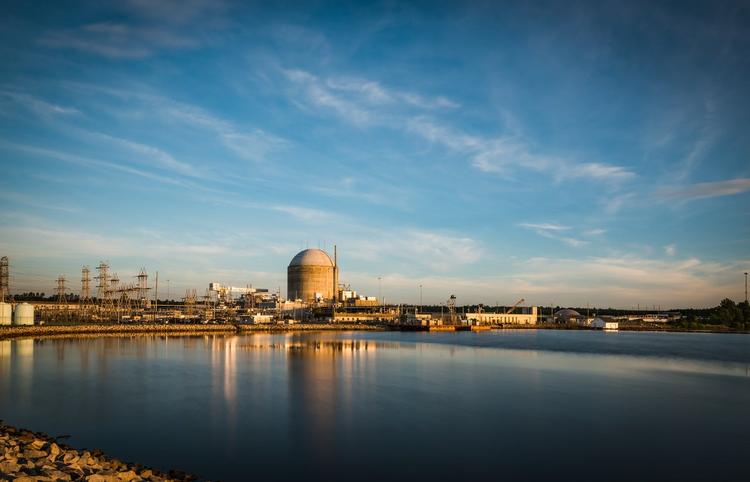
    On April 2025, the Nuclear Regulatory Commission (NRC) granted a subsequent license renewal (SLR) to Duke Energy’s Robinson Nuclear Plant, allowing this 54-year-old reactor to operate through 2050, ensuring continued clean electricity generation in the Pee Dee region. This milestone underscores the critical role nuclear power can play in enabling reliable, low-carbon baseload energy, complementing renewable energy sources on island grids and emerging markets worldwide.

    Although the Robinson Plant itself is a land-based nuclear facility, the implications for electricity generation extend globally, particularly for isolated and remote regions. As islands and emerging economies face growing energy demand alongside sustainability goals, a balanced energy portfolio that integrates nuclear options alongside renewable energy becomes paramount for clean, reliable power.

    For island nations and emerging markets in East Africa, Southeast Asia, and Malaysia, this news signals evolving possibilities where electricity generation for islands can leverage diverse technologies to ensure energy independence and stable supply—essential for economic development and decarbonization.

    How This Trend Is Shaping the Future of Electricity Generation for Islands

    While nuclear power plants like Robinson are not common on islands due to infrastructure and regulatory complexities, the essence of prolonged operational life for clean power plants impacts the entire energy ecosystem. Prolonged asset life means better predictability and stability, which can inspire confidence among governments, utilities, and investors considering investments in island resilience and clean energy investment in islands.

    Today’s island microgrids strive to overcome the disruptive intermittency of solar and wind energy by integrating stable power sources and advanced energy storage. Nuclear’s proven track record of low-carbon, high-output generation validates the importance of baseload power and energy reliability. For smaller island systems, this means a greater emphasis on hybrid configurations, combining solar, wind, batteries, and potentially nuclear or hydrogen-enabled power to replace fossil fuel reliance.

    This license renewal comes at a time when island nations worldwide pursue energy diversification to reduce their high dependence on diesel and other imported fuels. Combining traditional and emerging technologies forms the strategic backbone for achieving island energy independence.

    Clean Energy as a Scalable Alternative to Diesel for Island Grids

    Diesel fuel remains the predominant source for many remote islands’ electricity, posing significant environmental, economic, and supply risks. The extension of lifetime for clean power stations such as Robinson demonstrates the ongoing value of low-carbon, scalable alternatives. In parallel, island microgrids are increasingly turning to renewable energy for islands complemented by firm power assets to displace diesel use.

    Nawah Energies promotes a holistic approach that integrates solar PV, wind power, energy storage, and advanced grid management alongside legacy and emerging fuels. The renewable energy transition is not just about replacing diesel with variable renewables; it requires stable power that nuclear can help represent on larger island grids or interconnected island systems.

    Moreover, off-grid island power must capitalize on flexible technologies that enable incremental scaling. Lessons from extended nuclear plant operations like Robinson illustrate the importance of robust, proven technologies that adapt to regulatory shifts and evolving market conditions—key factors for sustainable diesel replacement.

    How Nawah Energies Delivers End-to-End Island Grid Solutions

    Nawah Energies is a trusted leader specializing in the design and implementation of island microgrid systems that provide reliable, affordable, and sustainable electricity to island communities and emerging market customers. By harnessing advanced renewable technologies and energy storage tailored for island conditions, Nawah Energies empowers local stakeholders to reduce dependency on diesel fuel, stabilize grids, and promote energy security.

    We guide governments, utilities, investors, and businesses in East Africa, East Asia, Malaysia, and island nations through the complexities of project development—from feasibility assessments to financing, engineering design, and integration of hybrid renewable systems. Our experience aligns with global trends exemplified by Duke Energy’s commitment to asset longevity and clean energy reliability.

    As outlined on islandgrid.nawahenergies.com, Nawah Energies’ end-to-end solutions include integrating solar and wind hybrid systems with battery storage for smoother grid operations. These systems reduce fuel import costs, cut emissions, and enable smoother transitions toward carbon-neutral island power.

    From Renewable Resources to Reliable Power: Building Resilient Island Grids

    Island grids face unique challenges: isolation, limited land, vulnerability to climate impacts, and often constrained investment environments. Navigating these requires a diverse technology mix and reliable long-term power projects that foster confidence among investors and local users alike.

    Duke Energy’s renewed license for Robinson Nuclear Plant points to the viability and value of extending clean energy project lifespans to maximize return on investment and reduce long-term carbon footprints. Similarly, Nawah Energies helps island clients scale renewable energy deployment with best-in-class grid management and energy storage solutions that ensure constant power supply even under variable weather conditions.

    Building resilient island grids thus depends on combining solar, wind, and storage technologies with firm-generation assets and smart integration frameworks. This approach empowers remote island communities to achieve not only remote island electrification but sustainable, reliable economic growth.

    Key Opportunities and What Investors Should Watch

    The NRC’s approval for Robinson’s SLR sends a strong message about the importance of long-term planning and investment in clean energy infrastructure. Investors increasingly recognize the value of diversified energy portfolios that ease the transition from traditional fuels to clean electricity for islands.

    There are four key areas to watch for stakeholders interested in island clean energy investment:

    1. Hybrid Energy Systems and Energy Storage

    Optimizing combinations of solar, wind, batteries, and potentially firm power sources similar to nuclear’s role underscores the next phase of island power grid evolution.

    2. Regulatory and Licensing Trends

    Just as Duke Energy navigated regulatory frameworks to extend its plant life, island energy projects must remain adaptable to policy shifts and compliance requirements to secure long-term viability.

    3. Reducing Diesel Dependence

    Investing in sustainable and scalable alternatives remains a top priority for remote island electrification, nuclear longevity exemplifies how stable clean power underpins this shift.

    4. Regional Investment Focuses

    East Africa, East Asia, and Malaysia represent fertile growing markets for clean energy investment in islands and distributed power solutions.

    Nawah Energies offers strategic insights and turnkey project development services to capitalize on these opportunities, supporting partners in meeting evolving energy goals sustainably and profitably.


    Partner with Nawah Energies for Clean Energy and Island Electricity Generation Solutions

    Nawah Energies is your trusted partner for driving clean, reliable, and sustainable power to island communities and emerging markets. Visit https://islandgrid.nawahenergies.com/ to explore our tailored services and projects dedicated to realizing resilient island grid development and renewable electrification.

    As part of our comprehensive energy transition portfolio, you can learn about Nawah Energies’ broader clean energy initiatives at https://nawahenergies.com/. We are committed to empowering governments, utilities, businesses, and investors in East Africa, East Asia, Malaysia, and island nations to achieve energy independence and sustainable growth.

    Connect with us to discuss how your island power projects or clean energy investments can benefit from our expertise. Together, we can build greener, more resilient energy futures across regions that need it most.

  • How Corporate Energy Buyers Are Transforming U.S. Island Grids with Clean Energy Innovation

    How Corporate Energy Buyers Are Transforming U.S. Island Grids with Clean Energy Innovation

    Discover how leading energy buyers are driving a revolution in clean electricity for islands, accelerating renewable energy adoption and grid resilience with Nawah Energies’ expertise.

    The Big Picture: Why This Island Clean Energy News Matters

    Recent developments in the U.S. energy landscape, as highlighted by Rich Powell, CEO of the Corporate Energy Buyers Association (CEBA) on The POWER Podcast, showcase a powerful trend: corporate America is emerging as a crucial driver for renewable energy for islands and remote grids nationwide.

    With unprecedented demand growth — particularly from energy-intensive sectors like data centers — large corporate buyers are signaling a shift toward cleaner, more reliable energy solutions. This movement holds special significance for island nations and remote regions globally, where electricity generation for islands faces unique challenges such as isolation, high fossil fuel costs, and grid instability.

    CEBA’s insights reflect a broader market transformation: corporate buyers are not only championing more diverse clean energy portfolios — including wind, solar, and even nuclear options — but also advocating for reforms in permitting and infrastructure that are key to accelerating clean energy deployment on islands and remote grids alike.

    How This Trend Is Shaping the Future of Electricity Generation for Islands

    As the demand for clean power grows, corporate buyers are becoming powerful enablers in the clean energy transition for island grids. These buyers, which range from hyperscale data centers to multinational manufacturers, depend on uninterrupted, low-carbon power, making off-grid island power and hybrid renewable systems increasingly attractive alternatives.

    Their scale provides the project financing muscle and market certainty essential for pioneering large-scale renewable projects on islands, where financial risk has historically limited investment. By aggregating demand and signing long-term power purchase agreements (PPAs), these buyers help unlock capital for island microgrids and hybrid solar-wind storage projects that replace expensive diesel and fossil fuel-based generation.

    Moreover, corporate advocacy for streamlined permitting reform reduces construction timelines for renewable projects — a critical factor given island grids’ pressing needs for modernization to accommodate growing demand and climate resilience.

    Clean Energy as a Scalable Alternative to Diesel for Island Grids

    For decades, diesel generators have been the default for electricity generation in isolated island settings, due to convenience but at the cost of high fuel prices, logistical complexity, and significant carbon emissions. The corporate sector’s demand for sustainable energy models is shifting this dynamic rapidly.

    Emergent renewable solutions such as solar and wind hybrid systems, paired with advanced energy storage for islands, are replacing diesel as the backbone of island electricity. These solutions not only cut emissions but also enhance grid stability and reduce vulnerability to fuel price volatility and supply disruptions.

    This transition is imperative for island nations in East Africa, Pacific islands, and Southeast Asia, where rising energy demand intersects with environmental concerns and limited infrastructure. Corporate buyers’ commitment to purchasing renewable power lends critical support to these clean energy projects, making clean energy diesel replacement for islands a viable and scalable proposition.

    How Nawah Energies Delivers End-to-End Island Grid Solutions

    As a trusted clean energy company, Nawah Energies specializes in delivering comprehensive solutions for island energy independence and off-grid island power. Our expertise spans the full spectrum of island grid design, renewable microgrids, and energy storage technologies designed to replace fossil fuel generators and meet modern reliability standards.

    We partner with governments, utilities, and corporate investors across East Africa, East Asia, Malaysia, and island nations to develop tailored clean energy projects. From initial feasibility to project financing and execution, Nawah Energies ensures that island grids achieve optimal performance, resiliency, and sustainability.

    Whether integrating solar photovoltaics, wind turbines, battery storage, or smart grid controls, Nawah Energies’ solutions help island communities and businesses reduce carbon footprints while achieving economic efficiencies.

    From Renewable Resources to Reliable Power: Building Resilient Island Grids

    Achieving a resilient island grid requires not just renewable generation but flexibility, storage, and intelligent grid management. Nawah Energies applies state-of-the-art energy storage solutions to smooth the intermittency inherent to solar and wind, ensuring that island communities enjoy uninterrupted electricity supply 24/7.

    We also emphasize hybrid systems combining renewables with existing infrastructure during the transition, fostering grid stability and facilitating incremental remote island electrification. This approach aligns with corporate buyers’ requirements for steady power supply and sustainability reporting.

    Additionally, Nawah Energies supports diversification of clean energy sources tailored to local resource availability — from solar and wind-rich atolls in the Pacific to geothermal and hydropower potential in East Africa — promoting energy autonomy and climate resilience.

    Key Opportunities and What Investors Should Watch

    Growing corporate demand for clean power represents an unprecedented opportunity for investors and stakeholders aiming to accelerate the clean energy transformation in islands worldwide. Key trends include:

    1. Expansion of Corporate Power Purchase Agreements (PPAs)

    Long-term PPAs signed by major corporations provide stable revenue streams for island renewable projects. These contracts reduce financial risks, encouraging broader investor participation in clean energy investment in islands.

    2. Advances in Hybrid Microgrids and Storage

    Innovations in microgrid architectures and energy storage technologies continue reducing costs and increasing reliability, making island microgrid solutions more scalable and adaptable, especially in remote and resource-constrained settings.

    3. Policy and Permitting Reform

    Efforts to streamline permitting processes, championed by corporate buyers and industry groups like CEBA, will accelerate renewable deployment on islands by cutting red tape and enhancing cross-sector collaboration.

    4. Integration of Emerging Technologies

    Nawah Energies monitors evolving technologies such as advanced grid controls, demand response, and digital twin modeling to optimize island electricity systems, enabling efficient integration of renewables at scale.

    Investors and partners can benefit significantly by aligning with companies like Nawah Energies that have deep regional expertise and a strong track record in delivering turnkey island energy solutions focused on sustainability and profitability.


    Partner with Nawah Energies for Clean Energy and Island Electricity Generation Solutions

    Nawah Energies invites governments, utilities, investors, and businesses across East Africa, East Asia, Malaysia, and island nations to explore transformative clean energy solutions that promote island grid modernization, diesel replacement for islands, and sustainable energy independence.

    Visit https://islandgrid.nawahenergies.com/ to learn more about Nawah Energies’ expertise in island electricity generation, renewable microgrids, and energy storage tailored for island challenges. For broader corporate sustainability insights, visit https://nawahenergies.com/.

    Stay connected with Nawah Energies for the latest market intelligence, project updates, and investment opportunities shaping the future of island clean energy and electricity generation. If your organization is ready to transition to reliable, affordable, and carbon-neutral power, we encourage you to contact us directly to start the conversation about island energy projects and strategic partnerships.

  • Harnessing Oil and Gas Innovation to Advance Geothermal Energy for Island Clean Power

    Harnessing Oil and Gas Innovation to Advance Geothermal Energy for Island Clean Power

    The oil and gas sector’s cutting-edge technologies are accelerating geothermal power advances, opening new avenues for clean energy investment in islands and electricity generation for islands. Discover how Nawah Energies supports this vital energy transition.

    The Big Picture: Why This Island Clean Energy News Matters

    On June 2024, POWER Magazine featured insights from Lucy Darago, Chief Commercial Officer at XGS Energy, on how the oil and gas industry’s technological expertise is unlocking breakthroughs in geothermal energy systems. This strategic crossover is pivotal for renewable energy for islands, where geothermal power offers a reliable baseload alternative to diesel and intermittent renewables.

    Geothermal energy’s growth reflects a broader energy transition trend: leveraging existing hydrocarbon sector tools and know-how to accelerate clean energy solutions, especially in island and remote settings dependent on costly fossil fuels. This evolution enhances energy security, boosts island energy independence, and reduces greenhouse gas emissions.

    For island nations in East Africa, Southeast Asia, and the Pacific, where power grids are often fragile or diesel-dependent, advances in geothermal technology backed by oil and gas exploration methodologies promise stable, scalable, and cost-competitive island electricity generation.

    How This Trend Is Shaping the Future of Electricity Generation for Islands

    The oil and gas industry has developed advanced drilling techniques, reservoir modeling software, and subsurface mapping tools over decades of hydrocarbon exploration. XGS Energy demonstrates how these innovations are now applied to geothermal exploration and development.

    By improving resource detection accuracy and optimizing well design, these technologies reduce upfront costs and risks in geothermal projects. This progress enables faster deployment of geothermal plants, crucial for island microgrids that seek to stabilize their energy supply with dependable baseload power.

    A growing number of island grids are adopting this hybrid approach—combining geothermal plants with solar, wind, and battery storage—to form resilient microgrids that can operate independently of fossil fuel shipments. This trend directly supports off-grid island power solutions and rural electrification initiatives.

    Clean Energy as a Scalable Alternative to Diesel for Island Grids

    Many island communities remain heavily reliant on diesel generators, facing high fuel costs, environmental hazards, and logistical challenges. Geothermal energy, with its continuous power output and low carbon footprint, is an ideal renewable alternative.

    New geothermal systems powered by oil and gas exploration innovations offer improved efficiency, reducing the capital expenditure barriers typical of geothermal development. For islands in East Africa, such as in Kenya’s Rift Valley region, and island nations across the Pacific and Indian Oceans, this scalability could transform local energy markets.

    Deploying geothermal in island grids drives diesel replacement for islands, lowering emissions while providing dependable electric supply for residential, commercial, and industrial uses. This transition enhances energy affordability and improves air quality—critical social and economic benefits for island populations.

    How Nawah Energies Delivers End-to-End Island Grid Solutions

    Nawah Energies stands as a trusted clean energy company, specializing in both clean electricity for islands and pure green hydrogen. Our expertise spans custom island grid design, renewable microgrids, and energy storage integration—delivering flexible solutions that reduce island dependence on fossil fuels.

    By integrating geothermal alongside solar, wind, and energy storage, Nawah Energies creates hybrid power systems tailored to regional resource availability and local demand profiles. We work closely with governments, utilities, and investors in East Africa, East Asia, and island nations to unlock clean energy value chains and ensure reliable power access.

    Our approach matches the innovation highlighted by XGS Energy—leveraging advanced exploration technologies and operational best practices to enhance geothermal feasibility. This synergy accelerates project development timelines while minimizing risks, an essential factor in emerging markets.

    From Renewable Resources to Reliable Power: Building Resilient Island Grids

    Resilience is a core requirement for island energy systems facing extreme weather and limited infrastructure. Geothermal energy’s baseload capacity complements intermittent solar and wind generation, effectively smoothing supply fluctuations.

    Nawah Energies incorporates energy storage and intelligent control systems into island microgrids to optimize performance, maximize renewable penetration, and maintain grid stability. Such design innovations ensure continuous, clean electricity—with minimal downtime or dependency on external fossil fuel deliveries.

    Furthermore, local geothermal resources reduce vulnerability to global fuel price volatility, strengthening economic stability and improving energy security. These benefits have encouraged greater clean energy investment in islands, supported by international development agencies and private capital.

    Key Opportunities and What Investors Should Watch

    Investors looking to capitalize on the intersection of oil and gas technology with geothermal energy should focus on markets with promising geothermal potential and challenging diesel reliance, such as East Africa’s Rift Valley, Indonesia, the Philippines, and Pacific islands.

    The maturing technology reduces exploration risk and project upfront costs, increasing project bankability and returns. Strategic partnerships can help de-risk development and accelerate commercialization, a model Nawah Energies embraces in its clean energy projects.

    Technical innovation in drilling, subsurface imaging, and reservoir management—originating largely from oil and gas expertise—will continue to drive geothermal cost reductions. Meanwhile, integrated hybrid microgrid solutions enhance overall system viability and customer value.

    Governments and regulators that facilitate investment with clear policies and incentives will unlock growth in geothermal-powered island grids. For investors and developers, aligning with experienced facilitators like Nawah Energies ensures robust project pipelines and sustainable outcomes.


    Partner with Nawah Energies for Clean Energy and Island Grid Solutions

    Explore how Nawah Energies combines deep technical knowledge and local market expertise to advance clean electricity for islands through innovative geothermal, solar, wind, and energy storage solutions. Visit https://islandgrid.nawahenergies.com/ to discover our island grid services and pioneering projects, delivered in partnership with governments, utilities, and investors.

    As the parent company, Nawah Energies also supports broader clean energy transitions, including green hydrogen ventures, across East Africa, East Asia, Malaysia, and island nations. Follow our updates to stay informed on market trends, technologies, and investment opportunities driving a sustainable energy future.

    If you are a government, energy developer, business, or investor ready to accelerate the transition to clean, reliable power on islands or in emerging markets, reach out through the relevant Nawah Energies website. We are committed to being your trusted partner in delivering affordable and resilient renewable energy systems.

  • Fusion Energy: The $50/MWh Target and Its Impact on Clean Energy for Island Electricity Generation

    Fusion Energy: The $50/MWh Target and Its Impact on Clean Energy for Island Electricity Generation

    Discover how breakthroughs in fusion energy innovation could redefine clean energy investment in islands by unlocking affordable, scalable electricity generation for island grids and remote communities worldwide with Nawah Energies.

    The Big Picture: Why This Island Clean Energy News Matters

    Fusion energy has long been considered the “holy grail” of sustainable power due to its potential to provide abundant, carbon-free electricity. Recently, the industry has taken a notable leap forward as global private investment surpassed $10 billion, and governments worldwide are accelerating programs and regulatory frameworks to support fusion development at scale. The headline from POWER Magazine highlighting the “Fusion Energy: The $50/MWh Target” crystallizes the ultimate economic challenge: can fusion be economically competitive with other forms of energy, especially for regions seeking low-carbon, affordable power solutions?

    For island nations and remote grids dependent on costly diesel and fossil fuel imports, achieving electricity at $50 per megawatt-hour would be transformative. It signals a future where fusion could become a cornerstone of renewable energy for islands, complementing solar, wind, and storage assets. Nawah Energies, specializing in electricity generation for islands, is closely monitoring these advancements to evaluate how fusion could be incorporated into diverse island grid architectures and energy portfolios.

    How This Trend Is Shaping the Future of Electricity Generation for Islands

    Despite the infancy of commercial fusion power plants, the drive toward a $50/MWh cost benchmark speaks volumes about shifting energy economics globally. Islands face unique energy challenges—high import costs, vulnerability to fuel price volatility, and ecological stewardship responsibilities—that make traditional fossil fuels increasingly untenable.

    Emerging fusion technologies promise continuous, high-density power output without greenhouse gas emissions or land-intensive infrastructure. In island grid contexts, fusion could provide a stable baseload complement to intermittent solar and wind hybrid systems, enhancing reliability and reducing dependence on expensive generators. This capability aligns with growing clean energy investment in islands focused on hybrid microgrids that integrate multiple renewable sources with energy storage to deliver resilient power day and night.

    The recent emphasis on fusion economics revitalizes the prospect of deep decarbonization for isolated systems in the Pacific, Caribbean, and Southeast Asia. For island nations already progressing toward island energy independence, fusion represents a potential game-changer in achieving cost-competitive, 24/7 renewable electricity supply.

    Clean Energy as a Scalable Alternative to Diesel for Island Grids

    Currently, diesel dominates electricity generation on many islands due to its operational simplicity, despite high fuel transport costs and environmental impacts. The fusion industry’s goal of $50/MWh pricing threatens to disrupt this paradigm by offering an alternative that costs less than or on par with diesel fuel but with zero carbon emissions and minimal logistical complexity.

    Transitioning from diesel to cleaner options involves intricate planning: integrating renewables, upgrading grid controls, and deploying reliable storage. Fusion’s promise of continuous output could reduce the need for large-scale batteries or backup fossil plants, lowering overall system costs and improving energy security for islands facing frequent fuel supply disruptions or price spikes.

    Through its expertise in off-grid island power and diesel replacement for islands, Nawah Energies is positioned to help stakeholders assess when and how fusion might enter hybrid island microgrids alongside solar, wind, and battery storage technologies, thereby future-proofing investments.

    How Nawah Energies Delivers End-to-End Island Grid Solutions

    Nawah Energies is a trusted clean energy company dedicated to accelerating the transition to sustainable electricity for island nations and remote communities across East Africa, East Asia, Malaysia, and island regions. Recognizing that every island possesses unique technical and economic conditions, Nawah Energies offers custom-designed solutions encompassing renewable resource assessment, microgrid development, energy storage deployment, and diesel phase-out strategies.

    The company’s comprehensive approach integrates emerging technologies like fusion into robust island microgrid designs, ensuring that new power sources are seamlessly integrated to maximize system stability and economic efficiency. Nawah Energies also supports policy frameworks and regulatory pathways that facilitate rapid adoption of clean energy alternatives, preparing island grids to leverage fusion power as it matures commercially.

    From Renewable Resources to Reliable Power: Building Resilient Island Grids

    Island grids face reliability challenges including variable renewable energy output, limited land availability, and seasonal demand fluctuations. Hybrid microgrid architectures combining solar, wind, battery storage, and in the future, perhaps fusion, provide a pathway to resilient and economically viable island electricity systems.

    Nawah Energies brings years of expertise in modeling and implementing these integrated solutions, helping island governments and utilities balance renewable penetration with dependable supply. Fusion’s continuous, base-load capability could revolutionize island systems by reducing dependence on intermittent renewables and fossil fuel backups, thus simplifying grid management and lowering cost of energy.

    Moving beyond diesel and coal aligns with global climate commitments and helps island economies retain more value locally by reducing fossil fuel imports. Nawah Energies’ mission focuses on unlocking these benefits through strategic clean electricity for islands services and partnerships.

    Key Opportunities and What Investors Should Watch

    The fusion industry’s pursuit of affordable energy at $50/MWh opens exciting avenues for clean energy investment in islands. Investors should watch for strategic partnerships between fusion developers and island energy stakeholders, regulatory updates simplifying fusion integration, and pilot projects demonstrating fusion’s island grid compatibility.

    Meanwhile, Nawah Energies offers a unique vantage point to guide investments that blend fusion with renewable energy for islands. Combining fusion’s potential with established solar, wind, and storage technologies can accelerate cost-effective transitions from fossil fuels and establish scalable, green power hubs in island nations.

    East Africa, Southeast Asia, Malaysia, and various island nations stand to benefit particularly, given rising energy demand and favorable renewable resources. Nawah Energies’ proven track record in project development, financing advisory, and technical implementation positions the company as a reliable partner for governments, utilities, and investors looking to capitalize on this evolving market.


    Partner with Nawah Energies for Clean Energy and Green Hydrogen Solutions

    Discover how Nawah Energies can help your projects achieve energy resilience and sustainability through trusted expertise in island grid design and implementation. Visit https://islandgrid.nawahenergies.com/ to explore innovative island energy solutions and successful projects, or learn about Nawah Energies’ broader vision at https://nawahenergies.com/.

    Stay connected with Nawah Energies for the latest insights on island clean energy, electricity generation, and emerging technologies including fusion energy impacting island grids across East Africa, East Asia, and Malaysia. We invite governments, utilities, businesses, energy developers, and investors to reach out and start a conversation about transitioning to reliable, affordable, and sustainable power.

    Nawah Energies is committed to making clean, affordable, and reliable energy accessible across emerging markets and island nations. Partner with us to build a cleaner, greener energy future that meets the evolving needs of island economies.