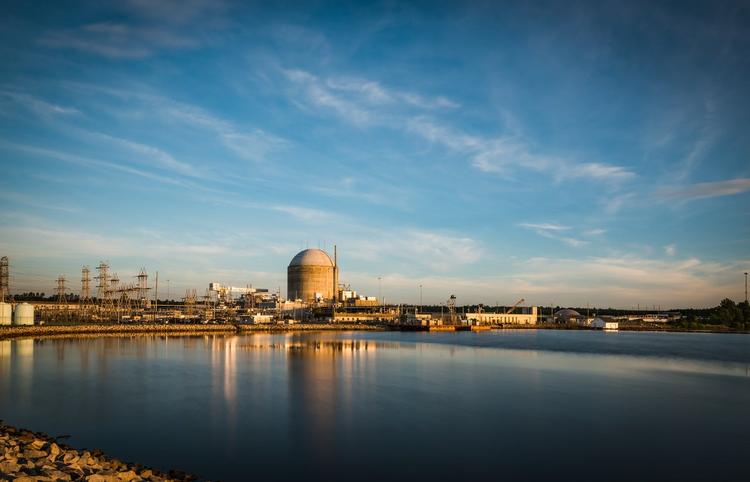
The Nuclear Regulatory Commission’s approval of Duke Energy’s Robinson Nuclear Plant license renewal highlights new opportunities for stable, clean electricity generation and long-term energy security. Nawah Energies supports island grid solutions driving clean energy investment in islands.
The Big Picture: Why This Island Clean Energy News Matters
On April 2025, the Nuclear Regulatory Commission (NRC) granted a subsequent license renewal (SLR) to Duke Energy’s Robinson Nuclear Plant, allowing this 54-year-old reactor to operate through 2050, ensuring continued clean electricity generation in the Pee Dee region. This milestone underscores the critical role nuclear power can play in enabling reliable, low-carbon baseload energy, complementing renewable energy sources on island grids and emerging markets worldwide.
Although the Robinson Plant itself is a land-based nuclear facility, the implications for electricity generation extend globally, particularly for isolated and remote regions. As islands and emerging economies face growing energy demand alongside sustainability goals, a balanced energy portfolio that integrates nuclear options alongside renewable energy becomes paramount for clean, reliable power.
For island nations and emerging markets in East Africa, Southeast Asia, and Malaysia, this news signals evolving possibilities where electricity generation for islands can leverage diverse technologies to ensure energy independence and stable supply—essential for economic development and decarbonization.
How This Trend Is Shaping the Future of Electricity Generation for Islands
While nuclear power plants like Robinson are not common on islands due to infrastructure and regulatory complexities, the essence of prolonged operational life for clean power plants impacts the entire energy ecosystem. Prolonged asset life means better predictability and stability, which can inspire confidence among governments, utilities, and investors considering investments in island resilience and clean energy investment in islands.
Today’s island microgrids strive to overcome the disruptive intermittency of solar and wind energy by integrating stable power sources and advanced energy storage. Nuclear’s proven track record of low-carbon, high-output generation validates the importance of baseload power and energy reliability. For smaller island systems, this means a greater emphasis on hybrid configurations, combining solar, wind, batteries, and potentially nuclear or hydrogen-enabled power to replace fossil fuel reliance.
This license renewal comes at a time when island nations worldwide pursue energy diversification to reduce their high dependence on diesel and other imported fuels. Combining traditional and emerging technologies forms the strategic backbone for achieving island energy independence.
Clean Energy as a Scalable Alternative to Diesel for Island Grids
Diesel fuel remains the predominant source for many remote islands’ electricity, posing significant environmental, economic, and supply risks. The extension of lifetime for clean power stations such as Robinson demonstrates the ongoing value of low-carbon, scalable alternatives. In parallel, island microgrids are increasingly turning to renewable energy for islands complemented by firm power assets to displace diesel use.
Nawah Energies promotes a holistic approach that integrates solar PV, wind power, energy storage, and advanced grid management alongside legacy and emerging fuels. The renewable energy transition is not just about replacing diesel with variable renewables; it requires stable power that nuclear can help represent on larger island grids or interconnected island systems.
Moreover, off-grid island power must capitalize on flexible technologies that enable incremental scaling. Lessons from extended nuclear plant operations like Robinson illustrate the importance of robust, proven technologies that adapt to regulatory shifts and evolving market conditions—key factors for sustainable diesel replacement.
How Nawah Energies Delivers End-to-End Island Grid Solutions
Nawah Energies is a trusted leader specializing in the design and implementation of island microgrid systems that provide reliable, affordable, and sustainable electricity to island communities and emerging market customers. By harnessing advanced renewable technologies and energy storage tailored for island conditions, Nawah Energies empowers local stakeholders to reduce dependency on diesel fuel, stabilize grids, and promote energy security.
We guide governments, utilities, investors, and businesses in East Africa, East Asia, Malaysia, and island nations through the complexities of project development—from feasibility assessments to financing, engineering design, and integration of hybrid renewable systems. Our experience aligns with global trends exemplified by Duke Energy’s commitment to asset longevity and clean energy reliability.
As outlined on islandgrid.nawahenergies.com, Nawah Energies’ end-to-end solutions include integrating solar and wind hybrid systems with battery storage for smoother grid operations. These systems reduce fuel import costs, cut emissions, and enable smoother transitions toward carbon-neutral island power.
From Renewable Resources to Reliable Power: Building Resilient Island Grids
Island grids face unique challenges: isolation, limited land, vulnerability to climate impacts, and often constrained investment environments. Navigating these requires a diverse technology mix and reliable long-term power projects that foster confidence among investors and local users alike.
Duke Energy’s renewed license for Robinson Nuclear Plant points to the viability and value of extending clean energy project lifespans to maximize return on investment and reduce long-term carbon footprints. Similarly, Nawah Energies helps island clients scale renewable energy deployment with best-in-class grid management and energy storage solutions that ensure constant power supply even under variable weather conditions.
Building resilient island grids thus depends on combining solar, wind, and storage technologies with firm-generation assets and smart integration frameworks. This approach empowers remote island communities to achieve not only remote island electrification but sustainable, reliable economic growth.
Key Opportunities and What Investors Should Watch
The NRC’s approval for Robinson’s SLR sends a strong message about the importance of long-term planning and investment in clean energy infrastructure. Investors increasingly recognize the value of diversified energy portfolios that ease the transition from traditional fuels to clean electricity for islands.
There are four key areas to watch for stakeholders interested in island clean energy investment:
1. Hybrid Energy Systems and Energy Storage
Optimizing combinations of solar, wind, batteries, and potentially firm power sources similar to nuclear’s role underscores the next phase of island power grid evolution.
2. Regulatory and Licensing Trends
Just as Duke Energy navigated regulatory frameworks to extend its plant life, island energy projects must remain adaptable to policy shifts and compliance requirements to secure long-term viability.
3. Reducing Diesel Dependence
Investing in sustainable and scalable alternatives remains a top priority for remote island electrification, nuclear longevity exemplifies how stable clean power underpins this shift.
4. Regional Investment Focuses
East Africa, East Asia, and Malaysia represent fertile growing markets for clean energy investment in islands and distributed power solutions.
Nawah Energies offers strategic insights and turnkey project development services to capitalize on these opportunities, supporting partners in meeting evolving energy goals sustainably and profitably.
Partner with Nawah Energies for Clean Energy and Island Electricity Generation Solutions
Nawah Energies is your trusted partner for driving clean, reliable, and sustainable power to island communities and emerging markets. Visit https://islandgrid.nawahenergies.com/ to explore our tailored services and projects dedicated to realizing resilient island grid development and renewable electrification.
As part of our comprehensive energy transition portfolio, you can learn about Nawah Energies’ broader clean energy initiatives at https://nawahenergies.com/. We are committed to empowering governments, utilities, businesses, and investors in East Africa, East Asia, Malaysia, and island nations to achieve energy independence and sustainable growth.
Connect with us to discuss how your island power projects or clean energy investments can benefit from our expertise. Together, we can build greener, more resilient energy futures across regions that need it most.
Leave a Reply