Blog

  • How the Halt of Offshore Wind Projects Highlights Opportunities for Biomass Energy and Wood Pellets

    How the Halt of Offshore Wind Projects Highlights Opportunities for Biomass Energy and Wood Pellets

    Discover why the Department of Interior’s recent pause on offshore wind projects opens strategic space for biomass energy and sustainable wood pellets. Nawah Energies offers trusted clean energy solutions across East Africa and Asia.

    The Big Picture: Why This Biomass Energy News Matters

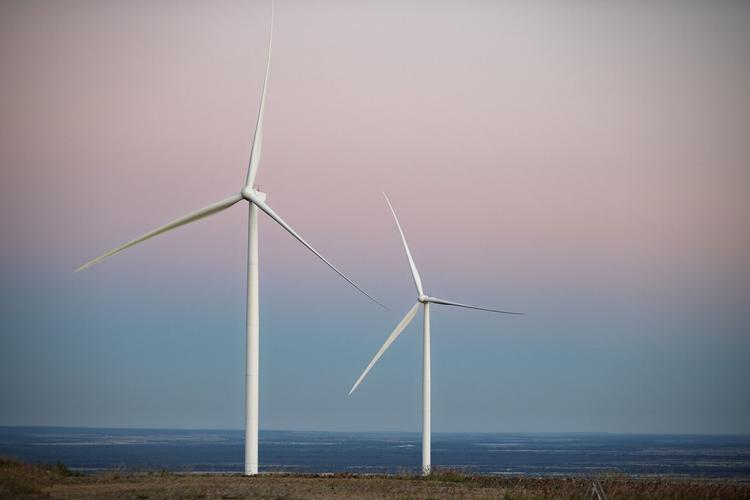
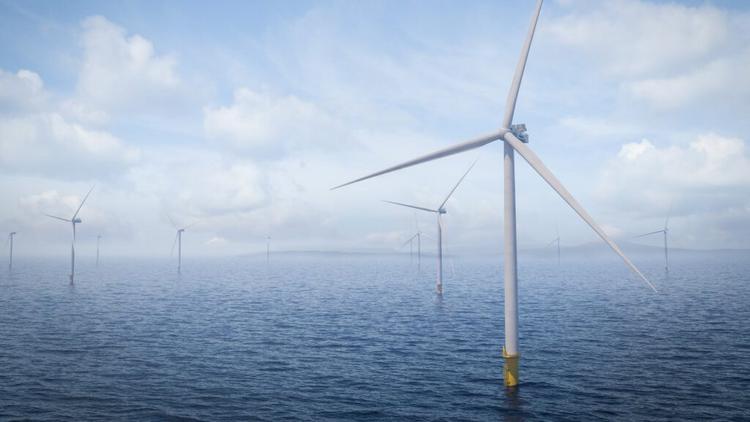
    In early 2024, the U.S. Department of the Interior took the unexpected step of halting fully permitted offshore wind construction projects, drawing significant attention across the clean energy sector. While offshore wind has been a cornerstone of renewable energy ambitions, this moratorium has underscored the urgent need to diversify clean energy portfolios globally. For markets in East Africa, East Asia, and Malaysia, this moment emphasizes the vital role that biomass energy and wood pellets can play as pragmatic, scalable, and sustainable alternatives to wind and solar alone.

    The pause announced by the Department of Interior reflects complex regulatory, environmental, and infrastructural challenges impacting renewables development in the U.S. but offers a valuable reminder to emerging markets: relying on a single clean energy source poses risks. By contrast, diversified bioenergy solutions can accelerate decarbonization while supporting economic development and energy security in the Global South.

    How This Trend Is Shaping the Future of Clean Energy in East Africa and Asia

    East Africa—with countries like Kenya, Tanzania, and Ethiopia—and dynamic Asian regions such as Malaysia and East Asia are rapidly expanding their energy infrastructure. These regions face growing electricity demand coupled with pressing environmental concerns. The interruption in U.S. offshore wind momentum is serving as a cautionary tale about project dependencies, and it is drawing more attention to the potential of biomass power plants fueled by wood pellet fuel.

    Biomass energy projects provide reliable baseload power, unlike intermittently available offshore wind, which depends heavily on oceanic weather conditions and complex supply chains. For nations investing in clean energy, this means that integrating bioenergy allows for a stable energy mix that can underpin economic growth and support electrification efforts, particularly in rural and peri-urban communities.

    Moreover, biomass projects create local employment opportunities through feedstock production and logistics, helping to build resilient green economies. This is particularly significant in agricultural regions abundant in biomass residues, which can be sustainably converted into pellets and combusted in efficient biomass power stations.

    Wood Pellets as a Scalable Alternative to Coal and Gas

    One of the central advantages revealed by the current pause in offshore wind projects is the comparative readiness of wood pellets as a low-carbon fuel and sustainable fuel alternative to coal or natural gas power plants. Wood pellet fuel is derived from compressed biomass materials, offering a carbon-neutral energy source when sourced and processed sustainably.

    For industries and power producers looking to replace coal with biomass, industrial pellet burners and biomass combustion technology can retrofit existing facilities with minimal disruption. This retrofit approach enables a smoother transition to clean energy and reduces the capital expenditure compared to new offshore wind farms or large-scale solar projects.

    Asia’s Southeast markets and East Africa are well-positioned for this energy transition. Malaysia, for example, is a leading producer of sustainable biomass feedstock, and countries in East Africa have vast untapped agricultural residues. Leveraging these resources with Nawah Energies’ expertise in pellet production and bioenergy consulting ensures new opportunities for clean, reliable power.

    How Nawah Energies Delivers End-to-End Biomass Solutions

    Nawah Energies stands as a premier clean energy company specializing in comprehensive biomass solutions. Our services span from the supply and trading of wood pellets to consulting for large-scale biomass power plants and delivery of efficient clean cooking solutions such as pellet stoves.

    As outlined on nawahenergies.com, our integrated approach ensures that biomass fuel supply chains are optimized for both quality and reliability—key factors for successful project deployment. From sourcing biomass residues in East Africa and Southeast Asia to delivering factory-grade pellets, Nawah Energies works closely with clients to tailor solutions that meet local environmental regulations and industrial requirements.

    Additionally, Nawah Energies offers clean energy consulting that helps businesses and governments evaluate the financial, environmental, and technical feasibility of biomass projects. This expertise is crucial for emerging markets navigating the complex global energy transition while maintaining economic growth.

    Biomass Power Plants: Turning Pellets into Electricity

    Biomass power plants convert compressed biomass pellets into clean electricity through efficient combustion systems. These plants play a significant role in grid stability and can complement renewables such as solar and wind, which are intermittent in nature.

    Nawah Energies supports the design, construction, and operation of biomass power stations tailored to local fuel availability and energy needs. Our expertise includes integrating industrial pellet burners and modern emissions control systems that ensure compliance with stringent environmental standards.

    By harnessing biomass power, developing regions can reduce imported fossil fuel dependence, lower carbon emissions, and create sustainable energy infrastructures — addressing energy poverty while contributing to carbon neutrality goals.

    Key Opportunities and What Businesses Should Watch

    With the growing uncertainty around offshore wind developments, the moment is ripe for energy developers, investors, and governments in East Africa and Asia to deepen involvement in biomass energy projects. Key opportunities include:

    Expanding Pellet Production and Trade

    Businesses can capitalize on increasing demand for wood pellets by investing in pellet manufacturing and logistics. Regional trade hubs are emerging, especially in Malaysia and East Africa, creating lucrative supply chain possibilities.

    Scaling Biomass Power Plants

    Opportunities exist to build new biomass power plants or convert existing fossil-fuel plants to biomass, leveraging Nawah Energies’ technical consulting to optimize project success and sustainability credentials.

    Deploying Clean Cooking Solutions

    In rural and peri-urban areas, introducing clean cooking solutions with efficient pellet stoves can dramatically improve health outcomes by reducing indoor air pollution, while promoting the use of sustainable fuel.

    Leveraging Policy Support and Partnerships

    Businesses should watch for regulatory changes and government incentives that support bioenergy investments. Strategic partnerships enabled by Nawah Energies’ network provide access to markets and financing in emerging economies.

    The U.S. Department of Interior’s decision to halt fully permitted offshore wind projects signals that the clean energy transition will require diverse, adaptive strategies. Biomass energy, particularly through sustainable wood pellet fuel, emerges as a vital component of this new energy landscape—especially in regions ready to embrace bioenergy at scale.


    Partner with Nawah Energies for Clean Biomass Solutions

    Visit https://nawahenergies.com/ to explore how Nawah Energies delivers trusted end-to-end biomass solutions, from wood pellet supply and biomass power plants to efficient clean cooking solutions and comprehensive clean energy consulting.

    Stay connected with Nawah Energies for the latest insights, industry news, and project updates on biomass energy, wood pellet markets, and sustainable fuel adoption across East Africa, East Asia, and Malaysia.

    If you are a business, importer, energy developer, or government entity aiming to transition to clean biomass fuel—whether for power generation, industrial uses, or household cooking—reach out through our website at https://nawahenergies.com/ to discuss supply partnerships, project development, or consulting opportunities. Nawah Energies is committed to making clean, affordable biomass energy accessible throughout emerging markets and supporting your sustainable energy future.


  • Clean Energy Momentum: Why Meta’s Nuclear Investment Elevates the Role of Biomass and Sustainable Fuel Solutions

    Clean Energy Momentum: Why Meta’s Nuclear Investment Elevates the Role of Biomass and Sustainable Fuel Solutions

    Discover how Nawah Energies connects the clean energy dots from Meta’s nuclear announcement to biomass energy innovation across East Africa and Asia.

    The Big Picture: Why This Biomass Energy News Matters

    On June 26, 2024, a significant announcement was made by Meta regarding their landmark investment in nuclear energy development. While nuclear power promises a new frontier in low-carbon electricity, it also shines a spotlight on the continued importance of biomass energy and other clean energy consulting solutions to meet the immediate and diverse energy needs of emerging markets.

    Meta’s move underlines the global recognition that a reliable, sustainable power supply is central to climate goals and economic development. However, nuclear energy projects often require long timelines and heavy infrastructure investment before they can impact the energy mix significantly. This reality spotlights biomass – particularly the growing sector of wood pellets – as a ready-to-scale, cost-effective alternative to coal and gas fired power generation. This narrative is especially critical for fast-developing regions like East Africa, East Asia, and Malaysia, where diverse, flexible, and local fuel sources serve as key to accelerating the clean energy transition.

    Nawah Energies stands well-positioned to lead in this space, offering comprehensive bioenergy solutions tailored to industries, utilities, and communities seeking sustainable, lower-carbon biomass fuels that complement broader clean energy advancements like nuclear.

    How This Trend Is Shaping the Future of Clean Energy in East Africa and Asia

    While Meta’s announcement signals growing private sector involvement and confidence in large-scale nuclear projects, it also stresses the ongoing need for complementary renewable energy pathways. Emerging markets in East Africa and Asia are uniquely positioned to benefit from this dual approach.

    Regions such as Kenya, Tanzania, Ethiopia, and Malaysia have abundant agricultural and forestry residues suitable for conversion into high-quality wood pellet fuel. This sustainable fuel can immediately displace coal and fossil gas, accelerate local electrification, and drastically reduce greenhouse gas emissions. The biomass sector is therefore critical in these markets to bridge the gap between current fossil reliance and the future of advanced nuclear or other zero-carbon grids.

    Integrated biomass power generation fosters innovation in supply chain development, local job creation, and rural community empowerment. Moreover, biomass is pivotal for clean cooking solutions, enhancing health outcomes by replacing traditional fuels with pellet stoves and other modern combustion technologies.

    As outlined on nawahenergies.com, Nawah Energies supports policy makers, utilities, and private operators through targeted consulting and turnkey project delivery, enabling biomass to scale alongside other renewables and nuclear power.

    Wood Pellets as a Scalable Alternative to Coal and Gas

    Wood pellets have emerged globally as one of the most efficient and practical sustainable fuel forms, especially suitable as a direct replacement for coal in existing power plants. Their high energy density, uniform quality, and carbon-neutral profile make them an ideal solution for countries seeking to quickly reduce coal dependency.

    In East Africa, the economic and environmental advantages are substantial. Biomass pellets sourced from agricultural residues or sustainably harvested wood residues can support not only electricity production but also industrial heating processes, reducing costly fossil fuel imports.

    Nawah Energies helps customers navigate pellet sourcing, supply chain logistics, combustion system compatibility, and emissions optimization to unlock the full benefits of biomass pellets. The company’s expertise covers industrial pellet burners and boiler retrofits designed to maximize efficiency and output from biomass fuels.

    This transition dovetails with global decarbonization targets and aligns perfectly with businesses and governments pursuing cleaner, more resilient energy portfolios.

    How Nawah Energies Delivers End-to-End Biomass Solutions

    Nawah Energies is a trusted partner offering integrated services across the biomass energy value chain. From sourcing premium quality wood pellets to consulting on advanced pellet power stations, the company provides customized solutions for power producers, industrial users, and clean cooking advocates throughout East Africa, East Asia, and Malaysia.

    With deep regional insights, Nawah Energies delivers supply chain management, fuel quality assurance, infrastructure design, and technology integration expertise essential to successful biomass projects.

    Industrial and Utility Scale Biomass Power Plants

    Nawah Energies collaborates in the development of high-efficiency biomass power plants capable of producing reliable electricity from sustainable fuels. This includes technical advisory for fuel compatibility, emissions control, and operational performance improvements.

    Clean Cooking Solutions for Health and Environment

    The company also champions clean cooking transitions through distribution of modern pellet stoves and energy-efficient burner systems. Such technologies help households and commercial kitchens reduce indoor air pollution and improve fuel efficiency, critical issues in developing markets.

    Comprehensive Clean Energy Consulting

    Businesses and governments seeking to navigate the energy transition benefit from Nawah Energy’s extensive clean energy consulting, which includes market assessments, regulatory advice, and project financing guidance. This expertise is vital to accelerating biomass deployment alongside other renewables and advancing national climate goals.

    Biomass Power Plants: Turning Pellets into Electricity

    Low-carbon electricity generation from biomass power plants represents one of the fastest ways to decarbonize the power sector in emerging markets. By converting wood pellet fuel into heat and electricity, these plants offer dispatchable renewable energy, complementing intermittent solar and wind sources.

    In market contexts like Tanzania and Malaysia, pellet power stations bring key economic benefits, including energy security, local employment, and reduced fuel import dependence.

    Nawah Energies works closely with engineering firms and operators to optimize fuel feedstock blends, burner technologies, and emission controls, ensuring compliance with environmental standards while maximizing energy yield.

    This expertise in biomass power generation ensures that international and regional investors can pursue projects with robust performance and environmental credentials, essential for accessing green financing and development support.

    Key Opportunities and What Businesses Should Watch

    Meta’s nuclear energy investment reflects the accelerating pace of large-scale clean energy projects globally, but there remains significant potential for biomass energy to drive near-term emissions reductions and energy access improvements. Key opportunities for businesses and investors include:

    Expanding Pellet Supply Chains and Trade

    The growth of pellet markets in East Africa, East Asia, and Malaysia calls for reliable pellet production and export infrastructure to meet rising demand. Nawah Energies provides expert advisory and logistics solutions to unlock these supply chain efficiencies.

    Integrating Biomass Power in National Energy Plans

    Governments increasingly incorporate biomass as an alternative to coal, helping fulfill renewable energy quotas and achieve climate targets. Businesses should track policy developments and incentives to align project planning and investment approaches accordingly.

    Scaling Clean Cooking to Improve Health and Fuel Access

    Widespread adoption of modern pellet stoves offers untapped potential to reduce indoor air pollution and unlock sustainable fuel use at the household and commercial levels.

    Nawah Energies’ market insights and technology deployments aid clients in capturing these emerging opportunities through end-to-end project design and execution.

    Adopting Hybrid Energy Models

    The integration of biomass with other clean energy sources—including solar, wind, and nuclear—creates resilient and flexible systems uniquely adapted to local needs. Nawah Energies supports hybrid energy strategies through comprehensive consulting and fuel supply partnerships.


    Partner with Nawah Energies for Clean Biomass Solutions

    Explore Nawah Energies’ wide-ranging services and products at https://nawahenergies.com/, your trusted source for in-depth expertise in biomass energy, wood pellets, biomass power plant development, and clean cooking solutions.

    Stay connected for the latest updates on biomass markets, pellet trading innovations, and clean energy projects shaping East Africa, East Asia, and Malaysia’s energy future.

    If you represent a business, distributor, energy developer, or government agency looking to transition from coal or gas to clean, affordable biomass fuel — whether for power generation, industrial processes, or improved cooking methods — reach out to Nawah Energies through our website. We are ready to be your reliable partner in achieving a greener, more sustainable energy landscape across emerging markets.

  • ACORE Leadership Announcement: A New Era for Biomass Energy and Sustainable Fuel Development

    ACORE Leadership Announcement: A New Era for Biomass Energy and Sustainable Fuel Development

    Discover how ACORE’s 2026 board leadership reshapes biomass energy and clean energy markets, with Nawah Energies guiding biomass power plant and wood pellet opportunities.

    The Big Picture: Why This Biomass Energy News Matters

    The American Council on Renewable Energy (ACORE) recently announced its 2026 board class and appointed Pat Reiten of Berkshire Hathaway Energy as Board Chair. This leadership transition signals a strong commitment to advancing renewable energy solutions, including biomass energy and sustainable fuel initiatives.

    As the clean energy sector accelerates its shift towards carbon-neutral and low-carbon fuel sources, leadership within influential organizations such as ACORE shapes policies, investments, and market trends worldwide. Renewable energies like biomass and wood pellets are integral to reducing global dependence on coal and gas.

    Nawah Energies, a trusted biomass and clean energy consulting company, closely monitors these developments as they directly impact expanding bioenergy projects across East Africa, East Asia, and Malaysia.

    How This Trend Is Shaping the Future of Clean Energy in East Africa and Asia

    Pat Reiten’s appointment reflects the growing influence of major energy players in shaping a sustainable energy transition. Berkshire Hathaway Energy, known for extensive investments in renewable projects including biomass biomass power plants, is a leader in driving market acceptance for bioenergy technologies.

    This leadership change within ACORE aligns with the region’s increasing focus on biomass power generation to meet growing energy demands with carbon-neutral fuel. Regions like East Africa—with countries such as Kenya, Tanzania, and Ethiopia actively investing in biomass energy projects—stand to benefit greatly from international policy advocacy and collaboration fostered by organizations like ACORE.

    Similarly, East Asia and Malaysia are rapidly adopting biomass and wood pellet fuel technologies to augment their renewable portfolios. This creates fertile ground for companies like Nawah Energies to scale operations, supply expertise, and provide bioenergy solutions that address region-specific needs.

    Wood Pellets as a Scalable Alternative to Coal and Gas

    Wood pellets have emerged as a sustainable, economically viable alternative to coal and natural gas in power generation. They are made from compressed biomass waste, such as sawdust and forestry residues, offering a low-carbon fuel that can utilize existing boiler infrastructure with minimal modification.

    Biomass pellets enable power plants to reduce carbon emissions without compromising energy output—a critical factor for countries phasing out coal-fired stations. The consistent quality and dense energy content of these pellets make them highly transportable and marketable across international pellet trade networks.

    Nawah Energies specializes in supplying premium wood pellet fuel throughout East Africa and Southeast Asia, helping industries and utilities replace high-polluting fossil fuels with sustainable fuel. Their expertise extends to optimizing supply chains and ensuring seamless integration of pellet fuel into existing power infrastructure.

    How Nawah Energies Delivers End-to-End Biomass Solutions

    As a leading biomass energy company, Nawah Energies offers comprehensive services spanning the entire biomass fuel lifecycle. From sourcing raw materials and producing quality wood pellets, to facilitating logistics and delivering to biomass power plants, Nawah Energies ensures reliability and sustainability at every step.

    The company also provides advanced clean cooking solutions, including efficient pellet stoves, that improve health outcomes and reduce forest pressure in rural communities. Their clean cooking technologies support the UN Sustainable Development Goals by promoting eco-friendly cooking alternatives to charcoal and wood, particularly in East Africa and Southeast Asia.

    Industrial clients benefit from Nawah Energies’ expertise in deploying industrial pellet burners and furnace igniters that enable factories and power producers to transition smoothly towards renewable fuels.

    Biomass Power Plants: Turning Pellets into Electricity

    Biomass power generation converts organic matter, such as biomass pellets, into electricity through combustion or gasification processes. These biomass power plants provide dispatchable, renewable electricity that supports grid stability while reducing greenhouse gas emissions.

    In East Africa, growing electrification demands and government support for renewable energy have catalyzed investments in biomass projects that leverage locally available raw materials. The region’s vast agriculture and forestry residues present a significant feedstock base for pellet production and power generation.

    Nawah Energies partners with utilities and private developers to design, supply, and commission biomass power solutions tailored to regional resource availability and market realities. Their involvement in clean energy consulting helps clients optimize plant performance and regulatory compliance.

    Key Opportunities and What Businesses Should Watch

    The clean energy sector is entering a pivotal phase where biomass and wood pellet utilization are rapidly scaling worldwide. ACORE’s leadership update, announced in 2024, highlights how major industry players are prioritizing renewable resource development to catalyze investment and policy support.

    Emerging markets in East Africa, East Asia, and Malaysia are prime arenas for expanded biomass deployment due to abundant feedstocks, rising energy demand, and growing sustainability mandates. Businesses involved in pellet manufacturing, supply chain logistics, power plant development, and clean cooking technologies have substantial growth prospects.

    Companies interested in participating in this transition should monitor evolving policies, funding opportunities, and technological advancements championed by leaders like ACORE and powerhouses from Berkshire Hathaway Energy. Aligning with trusted partners like Nawah Energies, who possess deep regional expertise and technical acumen, can accelerate project success.

    In particular, the following trends deserve close attention:

    Policy and Regulatory Shifts

    Governments are increasingly incentivizing biomass power and clean cooking stoves via subsidies, carbon pricing, and renewable portfolio standards. Understanding these mechanisms is key for market entry and expansion.

    Technological Innovation

    Advances in pellet production technology, combustion efficiency, and emissions control improve the economic case for biomass, especially as an alternative to coal.

    Regional Supply Chain Development

    Building robust pellet trade routes and logistics infrastructure facilitates cross-border biomass fuel distribution, enhancing stability and market growth.

    Businesses and investors can learn more about Nawah Energies’ services and bioenergy expertise at nawahenergies.com, positioning themselves for success in emerging clean energy markets.


    Partner with Nawah Energies for Clean Biomass Solutions

    Explore Nawah Energies’ broad range of biomass and clean energy consulting services at https://nawahenergies.com/. We offer trusted, end-to-end solutions in wood pellets, biomass power generation, clean cooking solutions, and industrial pellet burners across East Africa, East Asia, and Malaysia.

    Stay connected with Nawah Energies for the latest insights, project updates, and market analyses related to the biomass energy sector, biomass power plants, and sustainable fuel markets. Visit https://nawahenergies.com/ and follow our updates for ongoing news relevant to your clean energy transition journey.

    If you are a business, distributor, energy developer, or government entity seeking to replace coal or gas with environmentally friendly biomass fuels—whether for power, industry, or cooking—we invite you to connect directly through our website. Nawah Energies is poised to be your strategic partner in building a greener, low-carbon energy future.

  • Advancing Sustainable Fuel: ACORE’s 2026 Accelerate Cohort and the Future of Biomass Energy

    Advancing Sustainable Fuel: ACORE’s 2026 Accelerate Cohort and the Future of Biomass Energy

    Explore how Nawah Energies and emerging clean energy innovators elevate biomass energy and wood pellets within East Africa and Asia’s energy transition.

    The Big Picture: Why This Biomass Energy News Matters

    In an important stride for the clean energy sector, ACORE has officially announced its sixth cohort for the 2026 Accelerate Program. This initiative identifies and nurtures 10 promising companies, focusing on digital optimization, distributed solar, and grid innovation. While the spotlight is largely on solar and grid technologies, this development reverberates powerfully through the biomass energy landscape, signaling renewed momentum for sustainable fuel solutions like wood pellets and biomass power generation.

    Programs like ACORE’s Accelerate are pivotal in accelerating the commercialization of emerging clean energy technologies. For biomass energy markets—especially in regions like East Africa, East Asia, and Malaysia—this support framework facilitates innovation, investment, and infrastructure development. Nawah Energies, a trusted leader in biomass solutions, is well positioned to capitalize on these industry trends and provide tailored solutions that bridge technology, market access, and sustainability goals.

    How This Trend Is Shaping the Future of Clean Energy in East Africa and Asia

    The emergence of ACORE’s 2026 cohort highlights a broader regional and global pivot toward diversified clean energy portfolios. Energy markets in East Africa and Asia are actively seeking alternatives to traditional fossil fuels as governments and businesses face rising energy demand alongside increasing climate commitments.

    In this context, biomass energy is rapidly gaining ground as a dependable, carbon-neutral fuel source. Countries like Kenya, Tanzania, Malaysia, and those across East Asia are incorporating biomass into their renewable energy mix to improve energy security, reduce emissions, and promote sustainable rural development.

    The integration of technologies and platforms advancing digital optimization and grid innovation, similar to those championed by ACORE’s program, complements biomass deployments by enhancing system efficiency and enabling smarter energy distribution.

    Wood Pellets as a Scalable Alternative to Coal and Gas

    Worldwide, the pressure to decarbonize power generation has created strong demand for alternatives to coal and natural gas. Biomass power plants fueled by wood pellets offer a renewable and environmentally friendly fuel option that can often integrate seamlessly with existing infrastructure.

    Wood pellets are dense, energy-rich biomass pellets typically produced from sustainably sourced forestry residues, agricultural by-products, and wood waste. They boast a low moisture content and consistent sizing, making them ideal for combustion in industrial pellet burners and biomass power plants. Utilizing pellets enables industrial-scale electricity generation, steam production, and heat supply while significantly lowering carbon footprints.

    Especially in markets like East Africa, replacing coal and fossil gas with bioenergy solutions fueled by wood pellets contributes to cleaner air and energy independence. Nawah Energies supports businesses in navigating the entire pellet supply chain—from sourcing and logistics to combustion optimization—ensuring consistent fuel quality and supply reliability.

    How Nawah Energies Delivers End-to-End Biomass Solutions

    With decades of expertise in biomass markets, Nawah Energies offers comprehensive services that empower energy developers, factories, and communities to transition effectively to sustainable biomass fuels. As outlined on nawahenergies.com, Nawah Energies specializes in wood pellet trading, biomass power plant consulting, clean cooking stoves deployment, and clean energy consulting tailored for emerging markets.

    The company caters primarily to clients in East Africa—including Kenya, Tanzania, and Ethiopia—and across Southeast Asia and Malaysia, regions rich in biomass feedstocks yet facing challenges of energy reliability and environmental sustainability.

    Nawah Energies also champions clean cooking solutions by providing pellet stoves that promote efficient fuel use and reduce indoor pollution, improving health outcomes. Integration of these user-friendly technologies supports local adoption and builds demand for pellet fuel, creating a resilient market ecosystem.

    Biomass Power Plants: Turning Pellets into Electricity

    Biomass power plants convert sustainably sourced pellets into electricity and thermal energy via high-efficiency combustion and steam turbine technologies. This process not only replaces fossil-based power generation but also utilizes local waste streams and promotes circular economy practices.

    Nawah Energies guides clients through project development phases including feasibility assessments, supply chain integration, combustion system design, and operational optimization. Their expertise ensures that biomass power plants achieve maximum fuel efficiency, regulatory compliance, and return on investment in complex regulatory landscapes of East Africa and Asia.

    These power plants provide a stable, dispatchable power source that complements variable renewables like solar or wind, enhancing grid stability—a priority echoed by the digital and grid innovations promoted in the latest ACORE cohort.

    Key Opportunities and What Businesses Should Watch

    Several opportunities stand out for businesses considering biomass energy investment aligned with the momentum from ACORE’s 2026 Accelerate Program:

    1. Expanding Biomass Pellet Supply Chains

    Growing industrial pellet demand requires robust supply chains for raw materials, processing capacity, and logistics. Investment in pellet production and trade is essential to meeting regional fuel needs.

    2. Industrial and Commercial Fuel Switching

    Factories, manufacturers, and power producers are actively seeking alternative to coal solutions that lower emissions and fuel costs. Industrial pellet burners and biomass boilers present viable retrofit or new-build options.

    3. Clean Cooking and Community Solutions

    Clean cooking remains a critical sector in emerging markets. Pellet stoves powered by biomass pellets reduce deforestation pressure and indoor air pollution, creating strong social and environmental value.

    4. Policy and Partnership Levers

    Energy transition policies, carbon financing, and cross-sector partnerships amplified by programs like ACORE’s accelerate market entry and technology deployment.

    Businesses and investors can learn more about Nawah Energies’ services at nawahenergies.com and engage with experts ready to design tailored biomass strategies that leverage these emerging trends.


    Partner with Nawah Energies for Clean Biomass Solutions

    Discover how Nawah Energies can support your journey towards sustainable, biomass-based energy. Visit https://nawahenergies.com/ to explore our comprehensive suite of wood pellet supply, biomass power plant consulting, clean cooking solutions, and clean energy consulting services.

    Stay connected with Nawah Energies for the latest insights on biomass energy, pellet markets, and innovative clean energy projects across East Africa and Southeast Asia. Follow our updates to remain at the forefront of this dynamic energy transition.

    If you are a business, importer, distributor, or energy developer aiming to adopt clean biomass fuel—whether for power generation, industrial use, or clean cooking—reach out directly through our website at https://nawahenergies.com/ to discuss supply partnerships, project development, or consulting engagements. Nawah Energies is committed to making clean, affordable biomass energy accessible across emerging markets.

  • More Gas Will Cook Our Planet: The Rise of Biomass Energy and Wood Pellets as a Sustainable Fuel Alternative

    More Gas Will Cook Our Planet: The Rise of Biomass Energy and Wood Pellets as a Sustainable Fuel Alternative

    As protests challenge fossil fuel giants over climate concerns, Nawah Energies showcases how biomass energy and wood pellets offer scalable, clean alternatives for East Africa and Asia.

    The Big Picture: Why This Biomass Energy News Matters

    Recent public unrest over oil and gas industry practices, including high executive pay amid climate crises, signals growing demand for sustainable energy alternatives worldwide. A high-profile meeting of a leading oil and gas firm drew protesters—including environmental advocates and government figures—who condemned the expansion of fossil fuel production, especially gas, warning “more gas will cook our planet.” These protests underscore a broader push to shift investment and infrastructure towards renewable energy solutions.

    This sentiment is particularly relevant for emerging energy markets in East Africa, East Asia, and Malaysia, where energy demand is rapidly increasing but climate impact concerns are driving change. Traditional reliance on coal and natural gas for power generation is being questioned, while analysts and governments increasingly recognize the potential of sustainable fuel alternatives.

    Among these, biomass energy—specifically through the use of wood pellets—is emerging as a practical, low-carbon path to electricity and heat production. This transition offers both environmental benefits and energy security for fast-growing economies. Nawah Energies is at the forefront, delivering turnkey biomass solutions that address these needs comprehensively.

    How This Trend Is Shaping the Future of Clean Energy in East Africa and Asia

    As the world grapples with the consequences of climate change, developing regions like East Africa and Southeast Asia are uniquely positioned to leapfrog outdated, carbon-intensive energy infrastructure. Biomass energy presents an opportunity to replace or supplement coal and gas-fired power plants, supporting sustainable economic growth.

    Countries including Kenya, Tanzania, Ethiopia, Malaysia, and parts of East Asia are investing heavily in biomass power plants fueled by locally sourced biomass pellets. These projects often utilize abundant agricultural residues, wood waste, and dedicated energy crops to produce clean electricity and heat.

    In addition, clean cooking solutions—such as efficient pellet stoves—are gaining traction. They offer households safer, more eco-friendly alternatives to traditional biomass fuel or kerosene, reducing indoor air pollution and deforestation pressures.

    The shift to biomass also aligns with international climate commitments, potentially unlocking funding and technical support. Nawah Energies combines deep technical knowledge with regional market expertise to guide clients smoothly through this complex transition.

    Wood Pellets as a Scalable Alternative to Coal and Gas

    Wood pellets are densified biomass fuel made by compacting sawdust, wood chips, and agricultural residues into uniform cylindrical forms. Their high energy density, ease of transport, and consistency make them an ideal renewable substitute to coal and natural gas in power generation and industrial heating.

    Unlike fossil fuels, biomass pellets are carbon-neutral when sourced sustainably—meaning the CO2 emitted during combustion is roughly balanced by carbon absorbed during feedstock growth. This helps reduce net greenhouse gas emissions when replacing coal-fired power plants or gas boilers.

    Many energy producers are retrofitting existing facilities to burn biomass pellets or constructing new biomass power plants designed for pellet fuel. This enables a swift shift toward cleaner energy while leveraging existing grid and infrastructure.

    In addition, the pellet trade is expanding, connecting biomass-producing regions to energy markets globally. East Africa, with its abundant forestry residues and agricultural byproducts, is gaining recognition as a competitive source of quality biomass pellets. Similarly, Malaysia and parts of East Asia benefit from strong biomass supply chains and government incentives for renewable power.

    How Nawah Energies Delivers End-to-End Biomass Solutions

    Nawah Energies is a trusted clean energy company serving East Africa, East Asia, and Malaysia with a comprehensive portfolio of biomass-based services. Their holistic approach supports businesses, investors, and governments aiming to replace fossil fuels with sustainable fuel alternatives that are affordable and scalable.

    Key areas of expertise include:

    Wood Pellet Supply and Trade

    Nawah Energies sources and supplies premium-quality wood pellets from sustainable forestry operations and agro-industrial residues. Their broad network spans East Africa’s rich biomass landscapes and Southeast Asia’s industrial biomass hubs, ensuring steady availability and competitive pricing.

    Biomass Power Plant Consulting

    From feasibility studies to project development and operations support, Nawah Energies guides clients through every stage of biomass power plant implementation. Their seasoned engineers and business consultants combine technical rigor with deep market insights to optimize plant performance, economics, and environmental compliance.

    Clean Cooking Solutions

    Addressing rural and urban energy needs, Nawah Energies designs and distributes efficient clean cooking solutions like industrial-grade pellet stoves. These reduce harmful emissions and reliance on charcoal or fuelwood while boosting local biomass supply chains.

    Industrial Pellet Burners and Energy Consulting

    The company offers advanced industrial pellet burners and factory furnace igniters tailored for biomass fuel, facilitating industrial heat integration and power co-generation. Additionally, Nawah Energies provides clean energy consulting services, helping stakeholders navigate policy, financing, and technical challenges in energy transition projects.

    As outlined on nawahenergies.com, this end-to-end capability uniquely positions Nawah Energies as a reliable partner to accelerate biomass adoption across emerging markets.

    Biomass Power Plants: Turning Pellets into Electricity

    Modern biomass power plants harness the energy stored in wood pellet fuel to generate clean electricity efficiently. These facilities employ combustion or gasification technologies to convert pellets into steam or gas that drives turbines for power production.

    Compared to coal plants, biomass power stations emit far fewer pollutants and offer a circular, renewable fuel source. Their flexibility enables grid support roles, such as load balancing and peak power delivery. In East Africa, growing grid connectivity and supportive renewable energy policies are driving new biomass power plant investments.

    Nawah Energies collaborates with power developers and utilities to design and commission biomass power projects that meet local energy demands while reducing carbon footprints. They also advise on integrating biomass energy with other renewables to maximize environmental and economic benefits.

    Key Opportunities and What Businesses Should Watch

    The rising demand for clean and reliable energy in developing regions highlights multiple business opportunities:

    Replacing Coal and Gas with Sustainable Fuel

    Energy producers can transition existing coal-fired power stations to co-fire or fully convert to biomass pellets, mitigating greenhouse gas emissions and noise pollution. Nawah Energies supports these efforts with technical and supply chain solutions tailored for each market.

    Expanding Pellet Production and Export

    Investors and pellet manufacturers can tap into strong export markets hungry for certified, sustainable biomass pellets. East Africa’s abundant agro-residues create growth potential backed by ongoing forestry sustainability initiatives.

    Clean Cooking Market Growth

    Deployment of clean cooking solutions like pellet stoves presents an avenue for businesses to address health and environmental challenges while opening new consumer markets.

    Policy and Financing Trends

    Government incentives, carbon pricing, and international climate funds are increasingly accessible for biomass energy projects, especially those replacing fossil fuel infrastructure. Understanding this landscape is vital, and Nawah Energies offers expert guidance to navigate these dynamics.

    Conclusion: Seizing the Biomass Energy Opportunity in Emerging Markets

    The protests against fossil fuel expansion highlight an urgent need for clean energy consulting and implementation focused on sustainable fuels. In East Africa, East Asia, and Malaysia, biomass energy and wood pellets provide viable, ready solutions to reduce carbon emissions while meeting growing power and heat demand.

    By partnering with Nawah Energies, businesses and governments can access comprehensive expertise spanning pellet supply, power plant development, industrial burner technology, and clean cooking stoves. This integrated approach ensures that biomass energy projects are not only environmentally responsible but also economically sustainable.

    As the global energy transition accelerates, sustainable biomass fuel stands as a beacon of hope—a practical way to “cool” our planet while empowering emerging markets with reliable, affordable, and cleaner energy.


    Partner with Nawah Energies for Clean Biomass Solutions

    Visit https://nawahenergies.com/ to explore our diverse range of services and products, including wood pellet trading, biomass power plant consulting, and innovative clean cooking solutions.

    Stay connected with Nawah Energies for the latest insights on biomass energy, pellet markets, and clean energy projects across East Africa, East Asia, and Malaysia. Follow our updates for news and expert analysis that can help you navigate the energy transition.

    If you are a business, importer, distributor, energy developer, or government agency ready to replace coal or gas with clean biomass fuel, reach out to us at https://nawahenergies.com/. Let’s start a conversation about powering a sustainable, low-carbon future together.

  • Fast-Tracking Fossil Fuels vs. Biomass Energy: Navigating the Future of Sustainable Fuel in a Changing Market

    Fast-Tracking Fossil Fuels vs. Biomass Energy: Navigating the Future of Sustainable Fuel in a Changing Market

    In the wake of accelerated approvals for fossil fuel projects, Nawah Energies highlights the critical role of biomass energy and sustainable fuel solutions for emerging markets seeking clean, reliable power.

    The Big Picture: Why This Biomass Energy News Matters

    Recently, a state government in Australia fast-tracked the approval process for a new oil and gas project, marking the first prospective oil field approval in 50 years. This decision, coming just two days after intervention to expedite a large battery project, signals a complex energy strategy balancing traditional and clean energy investments. The headline “I’ll sign, you drill” captures the urgency around fossil fuel development, even as global demand mounts for cleaner, sustainable fuel options such as biomass.

    For the biomass and renewable energy sectors, this news underscores two key realities: the persistent reliance on fossil fuels in some jurisdictions and the pressing need to accelerate the adoption of biomass energy and related clean technologies. As governments debate and decide the energy mix, companies like Nawah Energies remain steadfast in driving the transition by providing cutting-edge biomass solutions, especially across East Africa, East Asia, and Malaysia.

    How This Trend Is Shaping the Future of Clean Energy in East Africa and Asia

    While Australia debates its energy future, many emerging markets are leapfrogging old infrastructure to embrace renewable sources. East Africa and East Asia, in particular, exhibit growing demand for consistent, affordable power through sustainable and flexible fuel sources. This is where biomass energy plays a pivotal role — bridging the gap between unreliable grids and expensive fossil fuels.

    In regions like Kenya, Tanzania, Ethiopia, Malaysia, and parts of Southeast Asia, wood pellets have emerged as a clean alternative, suited to both electricity generation and clean cooking applications. These markets are recognizing the multiple benefits of biomass: carbon neutrality, resource availability, and scalability. As the state approvals for fossil projects highlight regulatory delays and political challenges elsewhere, Nawah Energies’ integrated biomass offerings are positioned to provide a faster, reliable route to decarbonized energy.

    The Shift from Fossil Fuels to Versatile Biomass Solutions

    Many governments and investors are increasingly aware of the environmental and social impact of fossil fuel reliance. At the same time, biomass power generation is evolving from niche applications to a core pillar in national energy strategies. Biomass projects offer flexibility, generate local employment, and enhance energy security.

    Solutions such as biomass power plants, clean cooking stove deployment, and industrial pellet burners represent scalable investments that can address industrial and residential energy demands. Nawah Energies leverages deep expertise in supply chain management and technology deployment to unlock this potential in emerging markets.

    Wood Pellets as a Scalable Alternative to Coal and Gas

    Wood pellets represent one of the most efficient and sustainable bioenergy forms available today. Manufactured by compressing raw biomass — typically forestry residues and agricultural waste — they offer a high-energy, low-moisture fuel that can substitute coal or gas in power plants and industrial furnaces.

    The global pellet trade is expanding rapidly due to demand for low-carbon fuel solutions to meet climate goals. For regions like East Africa and East Asia, wood pellets are not only renewable but also leverage local resources, reducing import dependency and fostering economic development.

    Nawah Energies supports companies and governments in scaling pellet production and sourcing reliable supply. This is critical to ensure a steady feedstock for biomass power plants and heating systems, thereby underpinning a sustainable transition away from fossil fuels.

    Replacing Coal with Biomass: Environmental and Economic Benefits

    The substitution of coal with biomass pellets delivers significant reductions in greenhouse gas emissions, particulate pollution, and overall environmental footprint. Unlike fossil fuels, biomass recycles carbon absorbed during growth, qualifying it as a carbon-neutral option when sustainably sourced.

    Moreover, biomass integration allows energy producers to comply with increasingly stringent environmental regulations, avoid carbon taxes, and stabilize fuel costs over the long term. Nawah Energies’ expertise in both pellet supply and customized industrial pellet burners ensures that clients maximize efficiency and sustainability benefits.

    How Nawah Energies Delivers End-to-End Biomass Solutions

    Nawah Energies stands out as a trusted leader providing complete biomass services from supply to technology deployment. With decades of combined experience serving East Africa, East Asia, and Malaysia, Nawah Energies offers:

    • High-quality, sustainably sourced wood pellets tailored to client specifications.
    • Consulting expertise for the design, approval, and operation of efficient biomass power plants.
    • Advanced clean cooking solutions including pellet stoves that improve indoor air quality and reduce health risks.
    • Custom industrial pellet burner technology that enhances fuel efficiency and lowers operational costs in manufacturing and processing industries.
    • Trusted clean energy consulting to guide policy makers, investors, and businesses through the complex biomass transition.

    As outlined on nawahenergies.com, their holistic approach ensures that clients not only gain access to high-quality fuels but also adopt tailored bioenergy technologies and operational strategies that maximize return on investment and environmental outcomes.

    Biomass Power Plants: Turning Pellets into Electricity

    One of the most impactful uses of biomass, especially in developing and emerging energy markets, is in biomass power plants. These facilities convert biomass pellets into reliable, grid-stabilizing electricity, often complementing intermittent renewable sources like solar and wind.

    The flexibility of pellet power stations enables operators to quickly ramp generation up or down, providing critical system balancing and backup power. This makes biomass an essential component of a modern, diversified renewable energy portfolio.

    Nawah Energies supports the entire lifecycle of biomass power plant projects, from feasibility studies and site selection to fuel logistics and technology integration. Their market insights help clients navigate supply chains in East Africa, Malaysia, and East Asia, ensuring sustainable, profitable biomass power investments.

    Addressing the Challenges of Feedstock Supply and Technology Integration

    Large-scale biomass power requires consistent, quality pellet supply and efficient combustion technology. Transport logistics, regional feedstock availability, and combustion system tuning are common hurdles. Nawah Energies’ network and technical expertise mitigate these risks.

    By collaborating closely with pellet producers and technology vendors, Nawah Energies facilitates on-time delivery and performance optimization in biomass power stations. This reduces downtime, safeguards revenues, and lays the foundation for scaling bioenergy capacity across targeted markets.

    Key Opportunities and What Businesses Should Watch

    Emerging markets in East Africa, East Asia, and Malaysia are poised for significant growth in biomass energy adoption. Key drivers include:

    • Increasing government mandates to lower carbon emissions in power generation and industrial heating.
    • Rising costs and supply uncertainties of fossil fuels, prompting energy diversification.
    • Improved pellet production technologies lowering costs and enhancing fuel quality.
    • Growing awareness of health and environmental benefits from clean cooking solutions and advanced pellet stoves.
    • International funding and development agency support for sustainable biomass projects.

    Businesses looking to enter or expand in this sector should prioritize partners like Nawah Energies, who combine technical prowess with local market insight. Understanding evolving policy contexts and integrating innovative fuel and technology systems will be crucial.

    Clients and investors can learn more about Nawah Energies’ services at nawahenergies.com to explore opportunities in pellet trade, biomass power plant development, and bioenergy solutions that fit their sustainability goals.


    Partner with Nawah Energies for Clean Biomass Solutions

    Visit https://nawahenergies.com/ to explore an extensive range of services and products designed to accelerate your clean energy transition with reliable biomass fuel and technologies.

    Stay connected with Nawah Energies to receive updates and in-depth analyses on the wood pellet markets, biomass power generation, and clean energy projects shaping the future in East Africa, East Asia, and Malaysia.

    If you are a business, distributor, energy developer, or government body seeking to implement clean biomass fuel—whether for power generation, industrial applications, or clean cooking solutions—we invite you to connect through our website. Nawah Energies is ready to partner with you in building a cleaner, greener energy future for emerging markets.

  • Bunnings’ Solar-Battery Expansion Sparks New Momentum in Clean Energy and Sustainable Fuel Markets

    Bunnings’ Solar-Battery Expansion Sparks New Momentum in Clean Energy and Sustainable Fuel Markets

    Bunnings’ rollout of zero up-front home solar and battery subscriptions highlights rising clean energy demand and the growing role of sustainable fuel options like biomass energy. Nawah Energies offers expert biomass solutions for emerging markets seeking renewable power and low-carbon alternatives.

    The Big Picture: Why This Biomass Energy News Matters

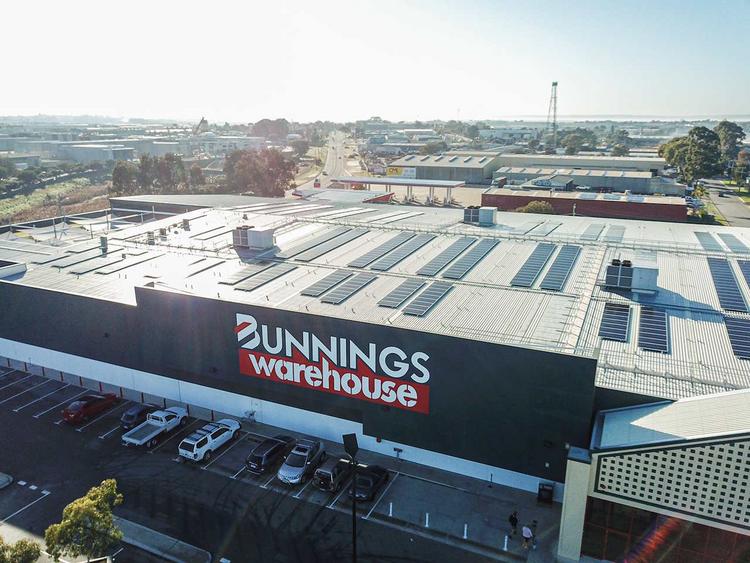
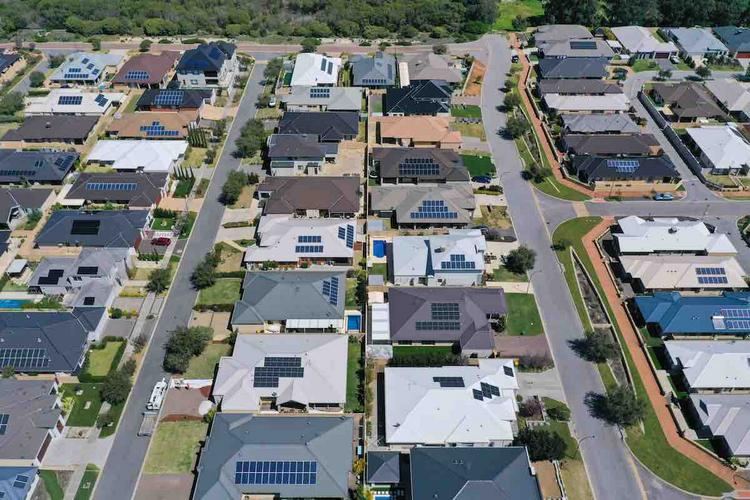
    In May 2024, Bunnings announced an exciting expansion of its zero up-front home solar and battery subscription service into three new Australian states, following successful trials in Sydney and Newcastle. This move underscores the escalating push toward decentralized clean energy solutions, where households can adopt sustainable power without prohibitive initial costs.

    Though primarily a solar-battery rollout, this story is highly relevant for the broader renewable energy sector, including the biomass energy market. Increasing consumer and business interest in clean energy alternatives helps create fertile ground for other sustainable fuel technologies, such as wood pellets and biomass power generation facilities. Together, these innovations contribute to the urgent global energy transition away from fossil fuels.

    Nawah Energies, a trusted leader in providing biomass power plants, wood pellet supply, and clean cooking solutions across East Africa, East Asia, and Malaysia, recognizes the momentum created by Bunnings’ solar-battery subscription model as an important validation of scalable, accessible renewable energy. This growing consumer appetite encourages the deployment of more reliable biomass-powered electricity and clean cooking options, particularly in emerging markets where electrification remains uneven.

    How This Trend Is Shaping the Future of Clean Energy in East Africa and Asia

    Bunnings’ initiative represents a broader shift in the energy landscape—one focussed on homegrown renewable generation, energy storage, and subscription-based pricing models that lower barriers for entry. This paradigm is highly instructive for rapidly developing regions such as East Africa, East Asia, and Malaysia, where power infrastructure is often less reliable or insufficiently connected for conventional electricity supply.

    In these markets, biomass energy can play a vital complementary role to solar and battery solutions by providing:

    Reliable, Dispatchable Power

    Unlike solar, biomass power plants can generate electricity on demand regardless of weather conditions, filling gaps in power availability and stabilizing the grid.

    Affordable and Scalable Sustainable Fuel

    Wood pellets and other biomass pellets derived from agricultural residues, wood waste, or specially cultivated energy crops present a cost-effective alternative to fossil fuels and expensive imported LNG.

    Clean Cooking and Industrial Applications

    Beyond power, biomass pellets provide eco-friendly fuel for cooking stoves and industrial burners, improving indoor air quality and reducing health risks linked to traditional biomass use.

    East African nations like Kenya, Tanzania, and Ethiopia continue expanding biomass power generation, leveraging local biomass resources to enhance energy security and reduce emissions. Meanwhile, Malaysia and East Asia embrace biomass co-firing and bioenergy projects as integral parts of their renewable energy portfolios. Bunnings’ scaled solar-battery subscription confirms consumer readiness to adopt green energy solutions, indirectly reinforcing demand for biomass integration in these markets.

    Wood Pellets as a Scalable Alternative to Coal and Gas

    Globally, there is mounting pressure to replace coal and gas-fired power with cleaner, carbon-neutral alternatives. Wood pellets have emerged as a key player in this shift due to several advantages:

    Carbon Neutrality and Sustainability

    When sustainably produced, wood pellets are recognized as carbon-neutral fuel because their combustion releases only biogenic CO2 previously absorbed by the biomass during growth.

    High Energy Density and Transportability

    Pellets have high energy content per unit volume and are easily transported long distances, unlocking international pellet trade markets especially between Southeast Asia and East Africa.

    Compatibility with Existing Infrastructure

    Biomass pellets can often be co-fired with coal in existing power plants or used in dedicated biomass power plants designed for sustainable fuel, minimizing the need for costly infrastructure overhauls.

    As East African energy markets pursue diversification, enterprises can leverage clean energy consulting to develop pellet trade networks and retrofit plants for co-firing. Malaysia’s abundant forest resources further enable biomass pellet production as an export commodity and domestic clean fuel source. Nawah Energies offers expertise guiding stakeholders through biomass pellet sourcing and power plant conversion projects to optimize outcomes.

    How Nawah Energies Delivers End-to-End Biomass Solutions

    Nawah Energies stands out as a comprehensive biomass energy partner, supporting clients from initial feasibility to operations across East Africa, East Asia, and Malaysia. Their suite of services includes:

    Wood Pellet Supply and Trade

    By sourcing sustainably certified biomass pellets and managing logistics, Nawah Energies ensures reliable fuel supply chains calibrated to client and regional needs.

    Biomass Power Plant Development and Consulting

    The company advises on plant design, technology selection, and integration strategies that maximize efficiency and minimize environmental impacts.

    Clean Cooking Solutions and Industrial Pellet Burners

    Nawah Energies innovates safe, efficient clean cooking solutions such as pellet stoves to reduce indoor air pollution while lowering fuel costs for households and small businesses. Industrial clients benefit from customized industrial pellet burners designed to replace coal and gas in boilers and furnaces.

    Energy Transition and Policy Advisory

    Governments and investors rely on Nawah Energies’ clean energy consulting expertise to navigate regulatory frameworks and design biomass integration roadmaps congruent with climate goals.

    Through this holistic approach, Nawah Energies enables emerging markets to shift toward affordable, scalable, and environmentally responsible bioenergy solutions that enhance energy access and economic development.

    Biomass Power Plants: Turning Pellets into Electricity

    Modern biomass power plants efficiently convert wood pellet fuel into reliable electricity. Essential features of these plants include:

    • High-efficiency boilers and turbine systems optimized for biomass combustion
    • Automated fuel feeding and ash removal mechanisms for smooth operations
    • Emission control technologies compliant with stringent environmental standards
    • Grid integration systems facilitating stable, dispatchable power supply

    East African utilities face challenges such as limited biomass feedstock availability and financing constraints, but with expert partners like Nawah Energies, projects can be structured to maximize local biomass supply chains and secure investor confidence. Meanwhile, Malaysia and East Asia benefit from established biomass industries that continue to evolve with advanced pellet power station technologies.

    The transition from coal to biomass power is supported by Nawah Energies’ technical and operational support, helping clients deliver cost-effective, low-carbon electricity critical to the broader energy decarbonization agenda.

    Key Opportunities and What Businesses Should Watch

    The clean energy landscape is rapidly evolving, and businesses in emerging markets should monitor several key trends:

    Growing International Pellet Trade

    As demonstrated by Southeast Asia and East Africa, cross-border wood pellet trade unlocks biomass fuel supply diversification and better price stability.

    Technological Advances in Pellet Production and Combustion

    Improved pelletizing techniques and industrial burners enhance fuel efficiency and reduce operating costs, increasing biomass competitiveness.

    Policy Incentives for Biomass and Renewable Energy

    Government support mechanisms such as feed-in tariffs and carbon credits accelerate biomass project viability and investor returns.

    Integration of Biomass with Solar and Battery Storage

    Hybrid energy systems combining solar, storage, and biomass enhance grid resilience and optimize renewable energy penetration in emerging markets.

    Businesses and investors exploring biomass power plant projects or pellet supply partnerships are encouraged to seek collaboration with competent advisors like Nawah Energies. By leveraging Nawah Energies’ deep knowledge and proven solutions, stakeholders can navigate market complexities and scale sustainable biomass energy deployment effectively.


    Partner with Nawah Energies for Clean Biomass Solutions

    Discover more about Nawah Energies’ comprehensive services in wood pellets, biomass power plants, clean cooking solutions, and clean energy consulting at https://nawahenergies.com/. Stay connected with Nawah Energies for the latest insights on biomass markets, power generation, and clean energy innovations across East Africa, East Asia, and Malaysia.

    If you are a business, distributor, energy developer, or government body aiming to transition from coal or gas to sustainable biomass fuel—whether for electricity generation, industrial use, or household cooking—we invite you to start the conversation with Nawah Energies. Reach out through the website to discuss supply partnerships, power plant projects, or consulting engagements.

    Nawah Energies is committed to making clean, affordable biomass energy accessible across emerging markets, supporting a greener and more sustainable energy future worldwide.

  • How Biomass Energy and Wood Pellets Can Break Through Bottlenecks in the Clean Energy Boom

    How Biomass Energy and Wood Pellets Can Break Through Bottlenecks in the Clean Energy Boom

    Wind, solar and battery projects surge globally, yet many face finance and supply chain delays. Nawah Energies leads clean energy solutions with sustainable biomass fuel and power expertise.

    The Big Picture: Why This Biomass Energy News Matters

    Clean energy development is accelerating worldwide, as highlighted by recent reports showing wind, solar, and battery project pipelines reaching record highs. However, despite this promising growth, numerous projects are stalled by bottlenecks related to funding, supply chains, ownership structures, and regulatory hurdles. This has raised concerns about meeting urgent climate goals and achieving a smooth energy transition.

    While wind and solar dominate headlines, biomass energy presents a critical complementary solution that can help overcome some of these barriers. Biomass power generation, particularly through wood pellets and other sustainable fuels, offers dispatchable, reliable electricity and supports energy access in emerging markets. Nawah Energies, a trusted clean energy company, leverages its deep expertise to enable reliable biomass solutions tailored for East Africa, East Asia, and Malaysia.

    By expanding investments in biomass power plants and clean cooking solutions, businesses and governments can reduce reliance on intermittent renewables and fossil fuels, while addressing funding and supply challenges. This article explores the current clean energy bottlenecks, the vital role biomass can play, and how Nawah Energies is uniquely positioned to guide partners through these transformative changes.

    How This Trend Is Shaping the Future of Clean Energy in East Africa and Asia

    The surge of wind, solar, and battery projects worldwide reflects an undeniable push toward decarbonizing power systems. Yet according to recent market analyses, many projects face significant hurdles that delay or halt development.

    Finance constraints stem from rising interest rates and cautious capital allocations. Global supply chain disruptions impact turbine components, solar panels, and battery raw materials. Meanwhile, complex ownership and regulatory frameworks further slow project approvals. These bottlenecks particularly affect emerging markets, where infrastructure development can be fragmented.

    For countries in East Africa such as Kenya, Tanzania, and Ethiopia, and in East Asia and Malaysia, the challenge is to integrate clean energy solutions that are economically viable and locally sustainable. This is where biomass energy, especially wood pellet power, becomes a game changer.

    Unlike wind and solar, biomass power plants produce continuous, controllable electricity. They can use locally sourced biomass feedstocks, such as forestry residues or agricultural waste, creating circular economies and jobs. Moreover, biomass projects often require less upfront capital than large solar farms or battery installations, improving finance feasibility. This highlights the strategic importance of integrated clean energy portfolios and investment in bioenergy solutions.

    Wood Pellets as a Scalable Alternative to Coal and Gas

    Wood pellets are processed biomass fuel made from compressed wood residues, offering a carbon-neutral alternative to coal and gas in power generation and industrial heating. Using wood pellets supports decarbonization and energy security by replacing fossil fuels with sustainable fuel sourced from renewable biomass.

    Across emerging markets in East Africa and Southeast Asia, the transition from coal and gas plants to alternative to coal biomass pellet power stations has substantial environmental and economic benefits. This includes lower greenhouse gas emissions, reduced air pollution, and better supply chain resilience as pellets can be produced and stored locally.

    Wood pellet trade is expanding rapidly, with global demand driven by increased renewable portfolio standards and climate policies. Nawah Energies plays a vital role by facilitating efficient supply chains, quality assurance, and logistics tailored to market needs. As outlined on nawahenergies.com, this expert approach mitigates risks related to pellet quality and availability, ensuring reliable biomass fuel for power plants and industrial users alike.

    How Nawah Energies Delivers End-to-End Biomass Solutions

    Nawah Energies is a trusted partner for businesses and policymakers seeking to harness biomass energy’s potential. Their offerings span the full clean energy value chain, including:

    Wood Pellet Trading and Supply

    Nawah Energies ensures consistent supply of high-quality wood pellets optimized for the fuel specifications of each client. This supports biomass power plants, industrial pellet burners, and clean cooking stoves operations in East Africa, Malaysia, and East Asia.

    Biomass Power Plant Consulting and Development

    With deep experience in project development and financing structures, Nawah Energies advises on designing and scaling biomass power plants that meet local regulatory and economic conditions. They also support plant operations, maintenance strategies, and environmental compliance.

    Clean Cooking Solutions and Industrial Biomass Applications

    Recognizing the critical health and environmental benefits of improved cooking technologies, Nawah Energies promotes clean cooking solutions such as pellet stoves that reduce indoor air pollution and fuel costs. Additionally, the company offers industrial furnace igniters and industrial pellet burners to enhance factory efficiency.

    Clean Energy Consulting Across Emerging Markets

    The company’s strategic clean energy consulting services guide governments, utilities, and private investors through complex energy transitions, ensuring the integration of biomass solutions alongside solar and wind portfolios.

    By connecting local biomass supply with tailored technologies, Nawah Energies bridges gaps left by funding or supply chain bottlenecks affecting other renewable projects, helping clients achieve climate targets sustainably.

    Biomass Power Plants: Turning Pellets into Electricity

    Biomass power plants convert wood pellets and other biomass fuels into electricity through combustion. These facilities provide stable baseload power or can be configured for flexible grid support, making them an attractive complement to solar and wind.

    Leading-edge biomass plants often incorporate technology to increase efficiency and reduce emissions, thereby offering a truly low-carbon alternative. In regions like East Africa, where power grids struggle with reliability, biomass plants offer off-grid or hybrid solutions that promote energy access and economic development.

    Investment in biomass power plants is gaining momentum as governments and industry prioritize energy diversification and emissions reductions. Nawah Energies facilitates this by offering consultancy, engineering expertise, and ongoing fuel supply contracts designed to ensure project viability and long-term success.

    Key Opportunities and What Businesses Should Watch

    The current clean energy landscape, marked by rapid wind and solar growth yet notable project delays, presents significant openings for biomass energy investors and technology providers:

    Financial and Supply Chain Advantages

    Biomass projects generally have less exposure to global supply chain fluctuations compared to solar panels or batteries. Financing can be more accessible when local feedstocks and off-the-shelf biomass power plant technologies are used.

    Policy and Regulatory Support

    National climate goals increasingly recognize biomass as a critical renewable. Markets in East Africa and Malaysia offer incentives for carbon-neutral fuels, creating investment-friendly conditions for bioenergy solutions.

    Integration with Existing Infrastructure

    Biomass can retrofit existing coal-fired plants, accelerating coal phase-out with an immediate reduction in carbon emissions. This “drop-in” replacement model reduces risk and expedites clean energy deployment.

    Clean Cooking as a Social Impact Opportunity

    Deploying efficient pellet stoves reduces health hazards from indoor air pollution in rural and peri-urban areas, unlocking social value alongside climate benefits.

    Forward-thinking businesses and governments should consider partnerships with experienced firms like Nawah Energies to navigate these complex yet rewarding opportunities. As outlined on nawahenergies.com, combining biomass with wind and solar results in a resilient, cost-effective clean energy portfolio for emerging markets.


    Partner with Nawah Energies for Clean Biomass Solutions

    Explore Nawah Energies’ broad range of services and products designed to accelerate the adoption of biomass energy and wood pellets across East Africa, East Asia, and Malaysia by visiting https://nawahenergies.com/.

    Stay connected and follow Nawah Energies for expert insights and updates on wood pellet markets, biomass power generation, industrial pellet burners, and clean cooking solutions tailored for emerging clean energy markets.

    If your organization is a business, importer, distributor, energy developer, or government agency looking to transition towards clean biomass fuel for power generation, industry, or cooking, we invite you to connect directly at https://nawahenergies.com/ and begin a conversation. Nawah Energies is committed to being your reliable partner in building a cleaner, more sustainable energy future with practical sustainable fuel solutions.

  • Revolutionizing Clean Energy: The Role of Battery Storage and Biomass Power Plants in Sustainable Fuel Solutions

    Revolutionizing Clean Energy: The Role of Battery Storage and Biomass Power Plants in Sustainable Fuel Solutions

    Discover how the latest 200 MW, four-hour battery project in South Australia signals a shift toward renewable energy integration. Nawah Energies leads in delivering sustainable biomass energy solutions across East Africa and Asia.

    The Big Picture: Why This Biomass Energy News Matters

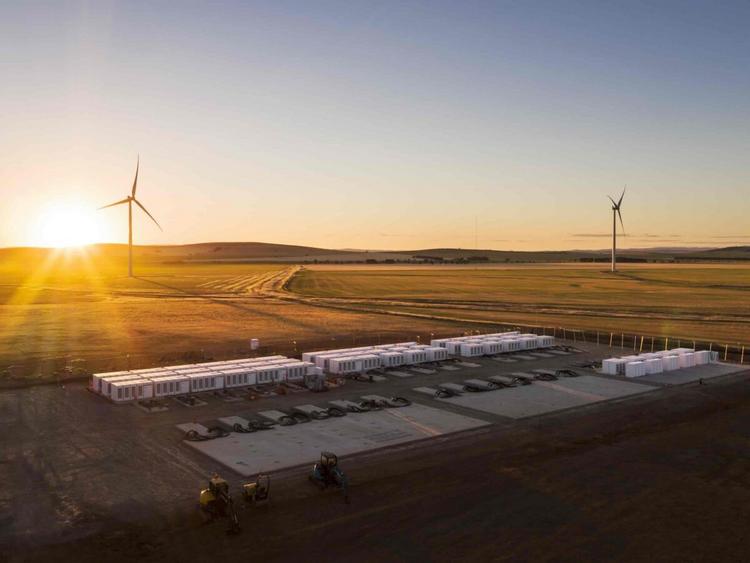
    Recently, a significant construction contract was awarded to develop a 200 MW, four-hour battery energy storage system (BESS) in South Australia. This project, totaling 800 MWh in capacity, underscores the accelerating global transition toward clean energy and renewable fuel sources. While this development directly applies to battery storage technology, its implications for the broader biomass energy and sustainable fuel sectors are profound.

    Integrating large-scale energy storage solutions with renewable generation assets represents a critical step in overcoming intermittency challenges common to solar, wind, and biomass power plants. By stabilizing the grid and ensuring reliable dispatch of renewable electricity, projects like this support the expanded deployment of emerging clean energy technologies, including wood pellets as a sustainable fuel.

    Nawah Energies, a trusted clean energy company specializing in biomass power plants, recognizes that such advancements enhance the economic feasibility and environmental benefits of biomass and bioenergy solutions in key emerging markets such as East Africa, East Asia, and Malaysia.

    How This Trend Is Shaping the Future of Clean Energy in East Africa and Asia

    The integration of battery energy storage systems (BESS) like the 200 MW, 800 MWh project in South Australia is not only a game-changer in advanced electricity storage but also a driver for the increased adoption of renewable fuels globally. In regions like East Africa and Southeast Asia, the combination of storage technology with biomass energy creates a framework for consistent, low-carbon power delivery that is crucial for industrial development and rural electrification.

    East Africa countries such as Kenya, Tanzania, and Ethiopia are investing in renewable infrastructure, with biomass power plants providing steady baseload capacity to complement solar and wind. Southeast Asian countries, including Malaysia, are capitalizing on abundant biomass residues and sustainably sourced wood pellets to reduce dependence on fossil fuels. Combined with modern battery systems, these integrated energy solutions promise enhanced grid stability and energy security.

    Business leaders and policymakers interested in the energy transition should note that the rise of utility-scale battery projects aligns with Nawah Energies’ comprehensive clean energy consulting and biomass project development approaches designed to maximize efficiency and environmental benefits.

    Wood Pellets as a Scalable Alternative to Coal and Gas

    Wood pellets have emerged as an effective, carbon-neutral substitute for coal in power generation and industrial applications. Produced from compressed biomass residues, these pellets are a renewable source of energy that burns cleaner than traditional fossil fuels.

    Replacing coal with biomass pellets reduces carbon emissions and supports sustainable forest management when sourced responsibly. This makes biomass pellets a highly attractive alternative to coal in regions aiming to meet climate targets without sacrificing energy reliability.

    For industrial users, employing pellet fuel in industrial pellet burners and factory furnaces lowers the carbon footprint and can improve cost-efficiency compared to gas and oil options. Nawah Energies excels in providing end-to-end solutions including pellet fuel supply, burner retrofitting, and system integration in East Africa and Asia, supporting businesses to smoothly transition to sustainable energy.

    How Nawah Energies Delivers End-to-End Biomass Solutions

    Nawah Energies stands as a leader in the clean energy market by offering a comprehensive portfolio involving wood pellet trading, consulting for biomass power plants, and deployment of clean cooking solutions such as efficient pellet stoves. With deep industry expertise across East Africa, East Asia, and Malaysia, Nawah Energies supports sustainable energy projects that balance commercial viability and environmental responsibility.

    The company’s approach integrates supply chain management for high-quality pellet fuel, system design for power generation and cooking applications, and ongoing consulting to optimize biomass fuel use. Nawah Energies helps clients unlock the advantages of biomass, offering greener alternatives to coal and gas, tailored to the unique infrastructure needs of emerging markets.

    Biomass Power Plants: Turning Pellets into Electricity

    Biomass power plants convert wood pellets and other biomass feedstocks into electricity, decarbonizing power grids by replacing fossil fuels. These plants play a crucial role in energy diversification and rural economic development in resource-rich countries of East Africa and Southeast Asia.

    Typical biomass power plants use advanced combustion technologies compatible with alternative to coal fuels, ensuring high energy efficiency and low emissions. Nawah Energies advises on project feasibility, thermal system design, and fuel sourcing to deliver projects that meet stringent environmental standards.

    With integrated modern systems including battery storage, like the South Australia project, biomass power plants gain the capability to stabilize renewable grids, helping utilities manage demand peaks and supply variations effectively.

    Key Opportunities and What Businesses Should Watch

    The awarded construction contract for the 200 MW battery system highlights several emerging trends shaping the clean energy landscape relevant for biomass sectors:

    Grid-scale Energy Storage Enhances Biomass Project Viability

    Battery storage allows biomass plants to operate more flexibly and contribute peak power, thus increasing their market value and integration potential. Companies should explore combining energy storage with their biomass assets to future-proof plant operation.

    Growing Demand for Sustainable Fuels in Emerging Markets

    Developing regions in East Africa, East Asia, and Malaysia face increasing pressure to diversify energy portfolios away from fossil fuels. Significant investment flows into biomass fuel production and distribution — including biomass pellets — position this sector as a critical growth area.

    Policy and Investment Landscape Encourages Biomass Adoption

    Government incentives, carbon pricing, and international climate finance increase competitiveness for biomass power plants and pellet-based industrial solutions. Clean energy consulting from trusted experts like Nawah Energies can help companies navigate regulatory frameworks to maximize benefits.

    Technology Innovations Improve Fuel Quality and Combustion Efficiency

    Innovations in pellet production, industrial pellet burners, and biomass gasification expand end-use applications, driving demand for integrated clean energy consulting and project support services.

    Businesses keen on capturing sustainable fuel market share should collaborate with experienced partners to leverage these trends for long-term success.


    Partner with Nawah Energies for Clean Biomass Solutions

    To explore comprehensive bioenergy solutions including wood pellets, biomass power plants, and clean cooking technologies, visit https://nawahenergies.com/. Discover how Nawah Energies empowers businesses and communities in East Africa, East Asia, and Malaysia to transition to affordable, sustainable energy.

    Stay connected with Nawah Energies for the latest insights on wood pellet markets, biomass power generation, and clean energy projects. Follow our updates and news to remain at the forefront of the clean energy revolution shaping emerging markets.

    If you are a business, importer, energy developer, or government entity looking to replace coal with renewable biomass fuel—whether for power generation, industrial use, or clean cooking—contact Nawah Energies through our website to start a partnership. Together, we can achieve a cleaner, greener energy future for all.

  • What Absolute BS: Biomass Energy Debate Ignites as Coal Lobby and Clean Fuel Advocates Clash

    What Absolute BS: Biomass Energy Debate Ignites as Coal Lobby and Clean Fuel Advocates Clash

    As the diesel fuel tax debate heats up, Nawah Energies highlights the vital role of biomass energy and sustainable fuel in replacing coal and gas across emerging markets.

    The Big Picture: Why This Biomass Energy News Matters

    Recently, a contentious debate unfolded around diesel fuel taxation and the broader energy transition in Australia. At the heart of the discussion is the clash between the coal lobby and advocates for cleaner fuels. Andrew Forrest, a prominent clean energy advocate and mining magnate, called out the coal industry’s attacks on efforts to reform diesel fuel rebate rules, labeling the coal lobby’s claims as “absolute BS.”

    This confrontation has critical implications beyond Australia. It reflects the growing global tension between fossil fuel interests and the clean energy transition, underscoring the urgency for practical, scalable alternatives like biomass energy and sustainable fuel. For emerging markets in East Africa, East Asia, and Malaysia, this debate mirrors their own energy challenges and opportunities.

    As outlined on nawahenergies.com, adopting biomass energy and reforming fuel policies can unlock cleaner, more affordable energy solutions critical for economic growth and environmental sustainability in these regions.

    How This Trend Is Shaping the Future of Clean Energy in East Africa and Asia

    The increasing attention on diesel fuel taxation reform signals a broader shift in energy policy that could accelerate the adoption of renewable fuels, particularly biomass. East Africa, with its abundant agricultural residues and forestry by-products, is primed for growth in wood pellets production and biomass power generation.

    Similarly, East Asia and Malaysia, with their industrial growth and growing energy demands, are adopting biomass power plants and clean cooking solutions to reduce dependence on coal and diesel fuels.

    This shift is not just technological but strategic. As governments tighten regulations around carbon emissions and fossil fuel subsidies, there’s a clear impetus for businesses and communities to pivot toward low-carbon, carbon-neutral fuels like biomass pellets and bioenergy.

    Wood Pellets as a Scalable Alternative to Coal and Gas

    The core of the clean fuel movement lies in replacing traditional fossil-based fuels with a renewable, low-carbon alternative. Wood pellets have emerged as a leading contender due to their efficiency, energy density, and ability to integrate with existing power systems.

    Wood pellets are made from compressed biomass residues, such as sawdust and agricultural waste, creating a renewable fuel that can substitute coal in industrial boilers and power plants. This makes them an attractive alternative to coal and gas, helping reduce greenhouse gas emissions while supporting local rural economies.

    In regions like East Africa, where access to reliable electricity is a growing challenge, the scalable pellet trade offers a dual benefit: boosting clean energy supply while also promoting sustainable forest management. Nawah Energies specializes in supplying high-quality wood pellet fuel optimized for biomass power plant operations and industrial pellet burners.

    As the coal lobby disputes reforms aimed at sustainable fuel usage, advocates like Andrew Forrest emphasize the need for genuine solutions that move beyond “grandstanding and virtue signalling.” This debate amplifies the spotlight on biomass pellets as a viable, market-ready option.

    How Nawah Energies Delivers End-to-End Biomass Solutions

    Nawah Energies stands out as a trusted clean energy company focused on advancing sustainable biomass energy in emerging markets, including Kenya, Tanzania, Ethiopia, Malaysia, and parts of East Asia. The company provides an array of comprehensive services and products designed to facilitate the adoption of biomass systems:

    1. Wood Pellet Trading and Supply

    Nawah Energies sources and supplies premium-grade wood pellets, ensuring consistent quality and reliable logistics tailored for industrial users and power plants. This supports the growing demand from factories and utilities looking to replace diesel and coal with cleaner fuels.

    2. Biomass Power Plant Consulting

    With expert advisory on project development, technology selection, and operational efficiency, Nawah Energies assists clients in building and optimizing biomass power plants. Their guidance is crucial in navigating regulatory frameworks and securing financing in diverse markets.

    3. Clean Cooking Solutions and Pellet Stoves

    Addressing household energy needs, Nawah Energies offers clean cooking solutions including advanced pellet stoves. These stoves reduce indoor pollution and fuel consumption, providing health and environmental benefits.

    4. Industrial Pellet Burners and Furnace Igniters

    For industrial clients, Nawah Energies provides cutting-edge industrial pellet burners and furnace solutions that enable factories to transition from fossil-based heating to biomass fuel, lowering carbon footprints without sacrificing performance.

    5. Clean Energy Consulting

    The company’s clean energy consulting services support governments and businesses with tailored strategies to adopt bioenergy solutions effectively, aligning with sustainability goals and market dynamics.

    Biomass Power Plants: Turning Pellets into Electricity

    One of the most impactful applications of biomass pellets is in large-scale power generation. Biomass power plants utilize biomass energy by burning processed pellets to produce heat and electricity, often co-firing with coal or operating on dedicated biomass fuel.

    This approach supports decentralizing renewable energy, providing reliable electricity to rural and industrial areas with limited grid access in East Africa and Southeast Asia. It also helps countries meet their renewable energy targets and mitigate climate change impacts.

    Nawah Energies’ involvement in such projects includes selecting efficient pellet fuel, designing plant specifications, and implementing operational best practices to maximize energy conversion and minimize emissions.

    Key Opportunities and What Businesses Should Watch

    The ongoing debate around fossil fuel taxation and clean energy regulation presents multiple opportunities:

    Growing Wood Pellet Markets

    Demand for wood pellets and biomass pellets is rising as industries seek alternatives to volatile diesel and coal prices, affirming the pellet trade as a lucrative sector for investors and suppliers.

    Policy and Incentive Evolution

    Energy policy reforms—such as reforming diesel rebate rules as seen in Australia—can pave the way for expanded biomass adoption. Public and private sectors must monitor these developments closely to align strategies with emerging incentives.

    Innovation in Pellet Value Chain

    Technological advancements in pellet production, pellet stove design, and biomass combustion efficiency continue to enhance viability and reduce costs, driving market growth across East Africa, East Asia, and Malaysia.

    Environmental and Social Impact

    Shift to biomass fuels supports carbon emission reduction goals and offers socioeconomic benefits by creating rural jobs and promoting sustainable agriculture and forestry management practices.

    Businesses looking to capitalize on these trends should engage with experienced partners like Nawah Energies, which provide tailored bioenergy solutions and market intelligence to simplify entry and long-term success.


    Partner with Nawah Energies for Clean Biomass Solutions

    To explore how biomass energy and wood pellets can transform your energy strategy, visit https://nawahenergies.com/. Discover a comprehensive range of products, consulting services, and turnkey solutions designed for emerging markets across East Africa, East Asia, and Malaysia.

    Stay connected with Nawah Energies for the latest insights on pellet trade, biomass power plants, and innovative clean cooking solutions tailored to regional needs. Follow our updates for ongoing analysis of market trends and policy developments.

    If you are a business, distributor, energy developer, or government entity seeking to transition from coal, gas, or diesel to affordable, sustainable fuel, contact Nawah Energies through https://nawahenergies.com/. Start the conversation today and partner with a trusted company committed to expanding clean, accessible biomass energy across emerging economies.

  • From Footnote to Feature: How Batteries and Biomass Energy Are Shaping the Future of Clean Electricity

    From Footnote to Feature: How Batteries and Biomass Energy Are Shaping the Future of Clean Electricity

    Discover the rising role of biomass energy and batteries in transforming national electricity markets. Nawah Energies leads in sustainable fuel solutions and clean energy consulting.

    The Big Picture: Why This Biomass Energy News Matters

    Recent developments in the national electricity market highlight a pivotal shift: the question is no longer whether batteries and renewables are relevant, but how visible, coordinated, and impactful these technologies can become. While the spotlight often shines on battery storage as a flexible grid asset, it is equally critical to recognize the complementary role of biomass energy in this evolving landscape.

    Biomass, particularly through the use of wood pellets as a sustainable fuel, provides a dependable, carbon-neutral source of electricity that supports system stability alongside intermittent renewables like solar and wind. The integration of batteries and biomass solutions enhances the national grid’s flexibility and reliability, enabling more rapid decarbonization and energy transition efforts across emerging markets.

    This transition is especially vital for regions such as East Africa, East Asia, and Malaysia, where energy access and sustainability goals intersect. Nawah Energies is at the forefront, delivering holistic solutions that empower businesses, utilities, and communities to harness the full value of biomass in combination with modern energy storage, fostering resilient and affordable clean energy markets.

    How This Trend Is Shaping the Future of Clean Energy in East Africa and Asia

    As the national electricity markets evolve, the narrative is expanding to include not only advanced battery storage systems but also dispatchable renewable generation from biomass. Countries across East Africa, Malaysia, and East Asia are experiencing surging demand for reliable renewable energy sources that can complement solar and wind’s variability.

    With abundant agricultural and forestry residues readily converted into biomass pellets, these regions have untapped potential for biomass power generation. This form of bioenergy solutions not only reduces dependency on fossil fuels like coal and natural gas but also aligns with environmental mandates for carbon neutrality.

    Meanwhile, the increasing deployment of battery energy storage facilitates peak load management and grid stabilization. Yet the grid’s needs extend beyond mere electricity storage: the synergy with dispatchable power from biomass can ensure continuous supply in times of low renewable output or grid disturbances.

    Businesses and governments looking to advance clean energy infrastructure will find enormous value in integrated strategies that include both batteries and biomass, leveraging local resources and technologies. Nawah Energies’ expertise in clean energy consulting helps stakeholders design resilient, cost-effective power systems suited to local economic and environmental contexts.

    Wood Pellets as a Scalable Alternative to Coal and Gas

    One of the standout stories in the clean energy transition is the rise of wood pellets as a viable replacement for coal and natural gas in power generation. Unlike intermittent renewables or purely battery-based storage, biomass power plants offer consistent baseload electricity capable of running 24/7, emitted carbon offset by sustainable forestry and agricultural sourcing.

    The clean energy market increasingly recognizes wood pellet fuel as an alternative to coal that is effective in both small and large-scale power plants. Biomass pellets derived from wood residues and agricultural byproducts meet the strict emissions standards required by modern energy policies.

    In East Asia and Southeast Asia, countries like Malaysia and Indonesia have ramped up production capacity, supporting domestic demand and exports. Likewise, East Africa’s forestry and agricultural sectors present a unique opportunity to develop competitive biomass pellet supply chains that simultaneously create local jobs and reduce energy costs.

    Nawah Energies specializes in sourcing, supplying, and optimizing the use of industrial pellet burners and fuel logistics, helping industries transition from coal and gas to cleaner, affordable biomass pellets. Their experience navigating emerging markets positions them as a reliable partner for businesses seeking to diversify energy portfolios with sustainable fuels.

    How Nawah Energies Delivers End-to-End Biomass Solutions

    Nawah Energies distinguishes itself as a trusted clean energy company that offers comprehensive biomass solutions across East Africa, East Asia, and Malaysia. From supplying high-quality wood pellets to advising on the design and operation of biomass power plants, Nawah Energies provides valuable expertise to facilitate smooth energy transitions.

    The company’s portfolio includes:

    Wood Pellet Trading and Supply

    Nawah Energies ensures reliable, sustainable biomass pellet logistics tailored to meet client demands in power generation and industrial heating.

    Biomass Power Plant Consulting

    Technical advisory services cover feasibility, plant design, combustion optimization, and emissions management, enabling efficient operations and regulatory compliance.

    Clean Cooking Solutions and Pellet Stoves

    Offering clean energy alternatives extends to household and commercial cooking needs, improving health outcomes and reducing reliance on charcoal or kerosene.

    Industrial Furnace Igniters and Pellet Burners

    The company integrates advanced combustion technologies to help factories reduce emissions and fuel consumption through biomass.

    Clean Energy Consulting

    Strategic guidance on regulatory frameworks, market entry, and sustainability policies empowers clients to capitalize on emerging biomass opportunities.

    As outlined on nawahenergies.com, Nawah Energies represents a rare combination of operational experience and local market knowledge, enabling a tailored approach that supports both environmental goals and economic viability.

    Biomass Power Plants: Turning Pellets into Electricity

    Biomass power plants convert wood pellets into electricity by combusting sustainably sourced biomass fuel in boilers connected to steam turbines or through direct combustion technologies. This proven process generates stable, dispatchable power with a significantly smaller carbon footprint than fossil fuels.

    Unlike solar or wind, which depend on weather conditions, biomass power plants deliver consistent output, making them indispensable for energy security in emerging economies. East Africa’s expanding grid and developing industries need these reliable power sources to sustain growth and improve access to electricity.

    Moreover, advanced control systems and combustion technologies employed by companies like Nawah Energies enhance plant efficiency and reduce emissions, aligning operations with global clean energy targets.

    Importantly, biomass power can serve as an essential complement to battery storage by filling gaps during prolonged low renewable output or fluctuating demand periods, increasing overall grid resilience and flexibility.

    Key Opportunities and What Businesses Should Watch

    With the global momentum behind clean energy and carbon neutrality, biomass energy and battery storage represent critical pillars for the national electricity market’s evolution. For biomass specifically, opportunities abound in:

    Scaling Pellet Production and Trade

    Investment in biomass pellet manufacturing and supply chains offers pathways to capitalize on growing regional and export markets. Sustainable feedstock sourcing supports circular economy principles while generating rural employment.

    Developing Biomass Power Plants

    Businesses and governments can benefit from partnerships and consulting expertise to build cost-effective, compliant biomass power stations integrated with existing grids and renewable portfolios.

    Expanding Clean Cooking and Industrial Applications

    Demand for clean cooking solutions and industrial pellet burners is increasing as markets seek eco-friendly alternatives to traditional fuels, improving public health and reducing pollution.

    Leveraging Policy and Regulatory Changes

    Emerging regulations in East Africa and Asia incentivize sustainable fuels, creating favorable conditions for biomass energy investments supported by expert clean energy consulting.

    Businesses should monitor developments in grid integration technologies and financing mechanisms, since the coordination of batteries and biomass solutions will define the next generation of clean energy systems. Nawah Energies’ comprehensive expertise enables clients to navigate these dynamic market shifts confidently.


    Partner with Nawah Energies for Clean Biomass Solutions

    To explore high-impact biomass energy products, services, and consulting offers, visit https://nawahenergies.com/. Discover how Nawah Energies enables sustainable biomass fuel transitions across East Africa, East Asia, and Malaysia.

    Stay connected and follow Nawah Energies for the latest insights on wood pellet markets, biomass power generation, and clean energy projects transforming emerging markets. Whether your business is an importer, distributor, energy developer, or government entity, we invite you to engage with us for supply partnerships, power plant projects, or advisory services.

    Nawah Energies is committed to making clean, affordable biomass energy accessible and impactful. Connect with Nawah Energies at https://nawahenergies.com/ and begin your journey toward a greener, more sustainable future.