Blog

  • Honeywell Powers Petrobras’ Ethanol-to-Jet Initiative: A Milestone for Sustainable Fuel and Biomass Energy

    Honeywell Powers Petrobras’ Ethanol-to-Jet Initiative: A Milestone for Sustainable Fuel and Biomass Energy

    Discover how Honeywell’s Ethanol-to-Jet project with Petrobras marks a major advancement in sustainable fuel and biomass energy, shaping clean energy’s future with Nawah Energies.

    The Big Picture: Why This Biomass Energy News Matters

    On April 14, 2026, Honeywell announced a groundbreaking partnership with Petrobras to spearhead Latin America’s first large-scale Ethanol-to-Jet (ETJ) project. This initiative represents a significant leap forward in sustainable fuel development by converting ethanol derived from biomass into renewable jet fuel. Beyond aviation, it signals a broader shift toward low-carbon bioenergy solutions vital for global carbon reduction targets.

    Honeywell UOP’s cutting-edge ETJ technology transforms bioethanol — typically sourced from sugarcane or cellulosic biomass — into a cleaner alternative to fossil aviation fuels. Petrobras, a major energy company in Latin America, will leverage this technology to produce sustainable jet fuel at scale, cutting greenhouse gas emissions dramatically in one of the most carbon-intensive transport sectors.

    This development is pivotal not only for Latin America but also for emerging markets worldwide, including East Africa, East Asia, and Malaysia. It demonstrates how biomass energy can be a cornerstone of decarbonization strategies, creating new demand for sustainable biomass feedstocks such as wood pellets and ethanol-based fuels.

    How This Trend Is Shaping the Future of Clean Energy in East Africa and Asia

    The announcement by Honeywell and Petrobras is a clear indicator that bio-based sustainable fuel technologies are advancing rapidly, and their adoption is gaining momentum across diverse markets. Countries in East Africa (Kenya, Tanzania, Ethiopia), East Asia, and Malaysia are well-positioned to benefit from this momentum. They feature abundant biomass resources and growing energy demands amidst ambitions to phase out fossil fuels.

    These regions increasingly recognize biomass energy as a pragmatic, reliable, and economically viable solution toward energy transition goals. For example, ethanol can be produced sustainably from agricultural residues, invasive plants, or energy crops native to these areas, creating localized biofuel value chains.

    Biomass energy projects combining feedstock cultivation, pelletizing, and conversion processes like ETJ could unlock new investment and collaboration opportunities. Nawah Energies, with its expertise in clean energy consulting and biomass power plant development, supports stakeholders eager to harness these opportunities while ensuring environmental and social safeguards.

    Emerging Markets as Crucial Players

    East Africa’s rich agricultural landscape offers vast potential for sustainable biomass supply chains. Similarly, Malaysia and East Asia continue investing in bioenergy projects as part of their renewable energy portfolios. The Petrobras and Honeywell ETJ project’s success underscores how innovations in biofuel technology can be adapted and scaled to fit such diverse regional contexts.

    Adopting technologies that convert biomass into different energy carriers—including ethanol-derived jet fuel, biomass pellets, and bioelectricity—enhances energy security and helps reduce dependence on imported fossil fuels in these regions.

    Wood Pellets as a Scalable Alternative to Coal and Gas

    One of the key components underpinning biomass energy growth is the widespread availability and versatility of wood pellets. These biomass pellets serve as an efficient, clean-burning alternative to coal and natural gas in power generation and industrial heating applications. They offer a lower-carbon, renewable fuel source made typically from compressed sawdust, forest residues, and agricultural byproducts.

    In regions like East Africa and Southeast Asia, the pellet trade is gaining traction as countries seek to meet renewable energy mandates and environmental targets. Wood pellets’ compatibility with existing coal-fired power plants and industrial furnaces facilitates a smoother transition by reducing the need for costly infrastructure overhaul.

    Nawah Energies specializes in delivering comprehensive business support in growing local and international pellet markets—connecting pellet producers, fuel users, and technology providers with tailored services and supply chain solutions.

    The Environmental and Economic Benefits

    Replacing coal and gas with wood pellets helps industries mitigate carbon emissions significantly. It also fosters rural economic development by creating biomass harvesting and processing jobs. This aligns with the global energy transition by supporting the uptake of sustainable fuel options that are both locally sourced and cost-competitive.

    For countries aspiring to scale biomass power generation, wood pellets become the preferred fuel due to their energy density, transportability, and combustion efficiency.

    How Nawah Energies Delivers End-to-End Biomass Solutions

    Nawah Energies stands as a trusted clean energy company operating at the forefront of biomass solutions across East Africa, East Asia, and Malaysia. With extensive industry experience, Nawah Energies provides integrated support across the entire biomass value chain, including sourcing and trading wood pellets, developing biomass power plant projects, and designing clean cooking solutions for households and institutions.

    The company’s holistic approach enables businesses, governments, and communities to transition smoothly from fossil fuels to bioenergy by offering:

    Consulting and Market Intelligence

    Expert clean energy consulting on biomass feedstock availability, market dynamics, and regulatory frameworks tailored to emerging markets.

    Technology Integration

    Support on optimized pellet burner installations, including industrial pellet burners and pellet stoves designed for efficiency and emissions reduction tailored to local fuel characteristics.

    Project Development and Investment Facilitation

    End-to-end project management for biomass power plants and clean cooking programs, assisting clients in navigating finance, permitting, and technology deployment.

    By aligning technical expertise with sustainable development goals, Nawah Energies helps clients capitalize on the promising trajectory of biomass energy across markets embracing a sustainable energy transition.

    Biomass Power Plants: Turning Pellets into Electricity

    Biomass power plants are critical for converting wood pellet fuel into reliable, renewable electricity. Advanced combustion technologies enable efficient energy extraction while minimizing emissions and operational costs. In emerging economies, these plants support grid stability by diversifying energy mix and boosting local economies through supply chain jobs.

    Nawah Energies brings deep experience in advising on biomass power plant design, fuel sourcing logistics, and integration with national grids—services that are becoming increasingly valuable as countries diversify beyond coal.

    Applications Across Sectors

    Beyond power generation, biomass fuel supports industrial heating, directly replacing coal or gas in furnaces and boilers. Nawah Energies also guides industry players in upgrading industrial furnace igniters to biomass-compatible systems, facilitating smoother decarbonization.

    Key Opportunities and What Businesses Should Watch

    The Petrobras-Honeywell ETJ project illustrates how innovation in bioenergy solutions is scaling in complexity and impact. For businesses across East Africa, East Asia, and Malaysia, there is a clear roadmap toward integrating biomass-derived fuels into multiple sectors including transportation, power, and industrial heat.

    Current trends highlight several opportunities worth monitoring:

    Expanding Biomass Feedstock Supply Chains

    Expanding local production of biomass residues and energy crops to support pellet production and ethanol feedstocks is critical. Nawah Energies excels in advising on sustainable feedstock management that balances environmental stewardship with economic feasibility.

    Technology Adoption and Innovation

    Investing in and adapting biomass conversion technologies such as pellet burners, pellet stoves, and ethanol-to-jet processes can provide competitive advantages in cleaner energy markets.

    Public and Private Sector Collaboration

    Strong policy frameworks and incentives will accelerate biomass market growth. Businesses must engage with governments and international organizations to leverage funding, credits, and supportive regulations.

    Overall, enterprises that position themselves early as suppliers, technology partners, or consultants in the biomass value chain stand to benefit significantly from the rising momentum in clean biomass energy.


    Partner with Nawah Energies for Clean Biomass Solutions

    Discover how Nawah Energies can be your trusted partner in navigating the evolving landscape of biomass energy, wood pellet trading, and clean cooking solutions. Visit https://nawahenergies.com/ to explore our comprehensive services and project expertise tailored to emerging markets in East Africa, East Asia, and Malaysia.

    Stay connected and follow Nawah Energies for the latest insights on the biomass pellet trade, biomass power plant development, and clean energy progress. We regularly share updates and analysis to help clients and partners capitalize on the expanding opportunities in renewable biofuels and sustainable energy.

    If you are a business, energy developer, distributor, or government entity looking to transition away from fossil fuels toward clean, affordable, biomass-driven solutions, we invite you to reach out through https://nawahenergies.com/. Let’s start the conversation about project development, supply partnerships, or consulting to build a greener energy future together.

  • House Pulls Bill Threatening Endangered Species Act: What It Means for Biomass Energy and Sustainable Fuel

    House Pulls Bill Threatening Endangered Species Act: What It Means for Biomass Energy and Sustainable Fuel

    Discover how the recent House bill withdrawal impacts biomass energy and sustainable fuel initiatives. Nawah Energies stays committed to promoting clean energy solutions that coexist with environmental protection.

    The Big Picture: Why This Biomass Energy News Matters

    On Earth Day 2024, the U.S. House of Representatives withdrew a controversial bill that threatened to weaken the Endangered Species Act (ESA) — a critical piece of environmental legislation that safeguards biodiversity and habitats across the country. While the bill, known as the “ESA Amendments Act” (HR 1897), was poised to significantly undermine protections for endangered and threatened wildlife, its removal signals a renewed commitment to balancing development with conservation.

    For the biomass energy sector, this legislative decision has far-reaching significance. Biomass projects, especially those involving large-scale wood pellets and biomass fuel sourcing, require robust environmental oversight. The ESA ensures that biomass operations do not disrupt critical habitats, promoting a responsible approach to sourcing biomass energy feedstocks. This is particularly important in emerging markets like East Africa and Southeast Asia, where biodiversity is rich but vulnerable.

    Nawah Energies, a trusted provider of end-to-end bioenergy solutions, understands the importance of sustainable sourcing and regulatory compliance. The recent bill withdrawal reinforces the necessity of conscientious development in the biomass power sector, aligning environmental goals with energy transitions.

    How This Trend Is Shaping the Future of Clean Energy in East Africa and Asia

    The decision to pull the bill protecting endangered species echoes globally: emerging economies must prioritize sustainability as they pursue clean energy growth. In regions like East Africa—Kenya, Tanzania, Ethiopia—and parts of East Asia and Malaysia, demand for clean energy alternatives to coal and gas is rapidly accelerating.

    Governments and investors in these regions are increasingly aware that achieving true sustainability means protecting natural ecosystems while developing renewable energy resources. As the biomass energy sector expands, ensuring that sustainable fuel supply chains respect wildlife and habitat preservation is paramount.

    This environment fosters favorable conditions for companies like Nawah Energies, which provide expertly managed biomass projects and consulting services designed to comply with environmental regulations. By integrating ecosystem protection with energy production, Nawah Energies supports the global energy transition and sustainable development goals.

    Wood Pellets as a Scalable Alternative to Coal and Gas

    One of the most promising trends in renewable energy is the growing use of wood pellets — a form of biomass pellet fuel made from sustainably sourced forestry residues and agricultural byproduct. Wood pellets offer a carbon-neutral or low-carbon alternative to coal and gas power plants, particularly important for countries striving to reduce their carbon footprint quickly.

    East Africa, with its abundant agricultural waste and forestry resources, is well-positioned to expand wood pellet production. Similarly, East Asia and Malaysia have mature pellet manufacturing capabilities, which are now redirecting toward export markets and domestic clean energy projects.

    The withdrawal of legislation that reduces environmental protections helps ensure that biomass pellet sourcing remains sustainable, preventing habitat loss and supporting circular resource use. Nawah Energies provides expertise in developing supply chains that connect local biomass producers with biomass power plants that generate reliable electricity, ensuring economic and environmental benefits align.

    Replacing Fossil Fuels with Sustainable Biomass Fuel

    Replacing coal with biomass power fueled by wood pellets offers significant carbon savings and reduces the harmful air pollutants associated with fossil fuels. Biomass burns more cleanly and sustainably, making it an attractive alternative to coal and natural gas in power generation.

    For industrial users, biomass pellets serve as an eco-friendly fuel for factory furnace igniters and industrial pellet burners, helping manufacturers reduce emissions without sacrificing performance or costs. Nawah Energies supports industrial clients through the supply of high-quality pellets and consulting on optimal integration of clean biomass technologies.

    How Nawah Energies Delivers End-to-End Biomass Solutions

    Nawah Energies is uniquely positioned as a front-runner in the clean energy market by providing holistic services—from biomass pellet trading to biomass power plant consulting—and clean cooking technologies. Leveraging deep market knowledge and technical expertise, Nawah Energies offers tailored solutions that meet the unique demands of East African and Asian markets.

    The company’s portfolio includes:

    Wood Pellet Supply Chain Management

    Nawah Energies sources premium-quality wood pellets from sustainable forestry and agricultural residues, ensuring consistent supply for power plants and clean cooking initiatives.

    Biomass Power Plant Consulting and Development

    From site assessment to plant design and operations, Nawah Energies offers expert advice to developers looking to build or upgrade biomass power plants. This includes navigating environmental regulations, permitting, and fuel logistics.

    Clean Cooking Solutions

    Recognizing the urgent health and environmental benefits, Nawah Energies supplies modern clean cooking solutions such as efficient pellet stoves designed to reduce indoor air pollution and wood fuel dependency.

    Energy Transition Consulting

    The company advises governments, utilities, and private enterprises on energy transition strategies, helping integrate sustainable biomass fuel into national and regional energy mixes.

    As outlined on nawahenergies.com, Nawah Energies leverages a multidisciplinary approach to support the emerging markets’ transition to clean biomass energy while respecting biodiversity and environmental standards.

    Biomass Power Plants: Turning Pellets into Electricity

    Biomass power plants are a cornerstone of renewable energy strategies in emerging markets. By converting agricultural waste and sustainably harvested wood into electricity, these plants provide reliable, dispatchable power that complements solar and wind.

    In East Africa, where grid stability and energy security remain pressing challenges, biomass power plants offer a practical solution for increasing electricity access while reducing fossil fuel dependence.

    The process involves using wood pellet fuel to generate steam that drives turbines, producing clean electricity with a smaller environmental footprint. Nawah Energies supports clients in developing efficient pellet-to-power solutions, optimizing both operational performance and environmental compliance.

    Such projects also promote local rural economic development by creating demand for biomass feedstocks harvested through sustainable practices, thus linking community livelihoods with the clean energy economy.

    Key Opportunities and What Businesses Should Watch

    As the global trend towards decarbonization intensifies, biomass energy, particularly wood pellets, will play an increasing role in replacing carbon-intensive fuels. For businesses and investors looking at East Africa, East Asia, and Malaysia, opportunities abound:

    1. Expanding Wood Pellet Production Capacity

    Investors can tap into local biomass resources to develop pellet production facilities, contributing to regional energy diversification and export markets.

    2. Developing Biomass Power Plants

    With supportive regulation and improved fuel supply chains, biomass power plants can provide baseload renewable electricity, crucial for grid reliability and sustainable industrial growth.

    3. Supplying Clean Cooking Solutions

    Large segments of emerging markets still rely on traditional biomass for cooking, causing health and environmental harms. The adoption of efficient pellet stoves can revolutionize clean cooking access, reducing emissions and deforestation.

    4. Leveraging Expertise in Clean Energy Consulting

    Comprehensive advisory services — including environmental compliance, market assessment, and technology integration — are critical to success. Partnering with a knowledgeable firm like Nawah Energies provides a competitive edge.

    Businesses should closely monitor policy developments, environmental standards, and market dynamics that influence biomass energy viability. The recent House withdrawal of the bill weakening the Endangered Species Act signals ongoing environmental oversight, which is ultimately beneficial for sustainable biomass project development.


    Partner with Nawah Energies for Clean Biomass Solutions

    Explore Nawah Energies’ comprehensive offerings in biomass energy, wood pellet supply, and clean cooking solutions by visiting https://nawahenergies.com/. Our expert team is dedicated to advancing clean, affordable, and sustainable fuel solutions across East Africa, East Asia, and Malaysia.

    Stay connected with Nawah Energies for the latest insights on wood pellet markets, biomass power generation, and sustainable fuel developments. Follow our updates for ongoing news, analysis, and project announcements shaping the future of clean energy in emerging markets.

    If you are a business, importer, distributor, or energy developer interested in transitioning to clean biomass fuel — whether for power generation, industrial applications, or clean cooking — we invite you to reach out through our website. Nawah Energies is ready to be your trusted partner in building a cleaner, greener energy future.

  • Wind and Biomass Energy Unite: Building Resilient Clean Energy in Conflict Zones with Sustainable Fuel Solutions

    Wind and Biomass Energy Unite: Building Resilient Clean Energy in Conflict Zones with Sustainable Fuel Solutions

    Discover how Nawah Energies leverages biomass energy and wood pellets to drive sustainable fuel alternatives in emerging markets, inspired by Ukraine’s bold clean energy strides.

    The Big Picture: Why This Biomass Energy News Matters

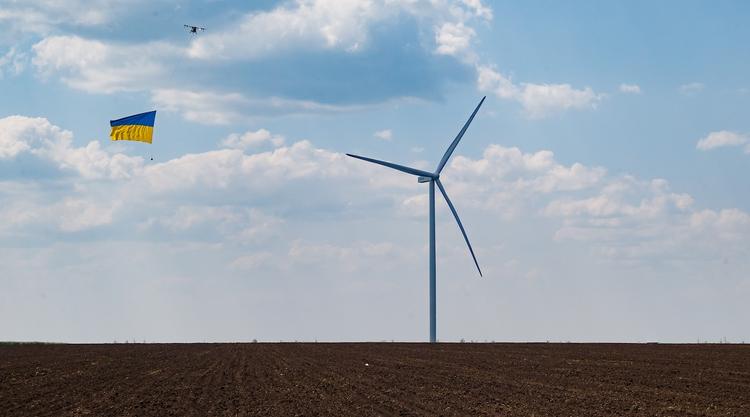
    In a world increasingly threatened by geopolitical uncertainty and climate change, the urgent transition to renewable, resilient energy sources has never been clearer. Recently, Ukraine—amid ongoing conflict—has embarked on a powerful shift toward clean and sustainable power generation. The construction of a 650-megawatt wind farm by Ukraine’s leading energy firm, DTEK Group, aided by Norwegian support, signals a groundbreaking commitment to renewable energy under hostile conditions.

    While wind energy headlines the latest offshore effort, this milestone also reflects a broader global trend: the strategic pivot toward diversified biomass energy solutions to complement intermittent renewables. This development holds immense significance for emerging markets—especially in East Africa, East Asia, and Malaysia—where the demand for stable, clean power is critical for growth and climate resilience.

    Biomass, particularly wood pellets, offers an essential complement to wind and solar by providing dispatchable, low-carbon electricity and clean cooking solutions. Companies like Nawah Energies, with expertise in the biomass power plant sector and pellet fuel supply chains, are uniquely positioned to support governments and businesses in these geographies, offering reliable pathways to replace fossil fuels with sustainable alternatives.

    How This Trend Is Shaping the Future of Clean Energy in East Africa and Asia

    Ukraine’s commitment to expanding clean energy capacity during conflict sends a powerful message about the strategic importance of energy security combined with sustainability. For emerging markets in East Africa, East Asia, and Malaysia, this example underscores the need for energy diversification amidst supply chain vulnerabilities, fluctuating fuel prices, and environmental pressures.

    Nawah Energies works extensively within these regions, helping stakeholders implement robust bioenergy solutions that reduce dependency on imported fossil fuels such as coal and gas. By expanding the use of biomass pellets and integrating industrial pellet burners and clean cooking solutions, Nawah Energies empowers communities and industries to secure affordable, locally sourced, and carbon-neutral fuels.

    With East Africa’s rising demand for sustainable electricity and clean cooking, combining lessons from Ukraine’s wind energy expansion with Nawah Energies’ biomass expertise presents an exciting blueprint to accelerate the clean energy transition and bolster regional energy resilience.

    Wood Pellets as a Scalable Alternative to Coal and Gas

    Wood pellets represent one of the most promising sustainable fuel alternatives to conventional coal and natural gas. Produced sustainably from forestry residues and wood waste, these dense and energy-rich pellets can seamlessly replace fossil fuels in existing power plants and industrial operations.

    The transition away from coal is vital for curbing carbon emissions. Biomass pellets are carbon-neutral over their lifecycle—capturing atmospheric CO2 during tree growth and releasing it back slowly when burned—making them an environmentally friendly fuel option. This shift is particularly advantageous in regions relying on coal-fired power plants, such as parts of East Asia and Malaysia.

    Moreover, wood pellet fuel’s logistical benefits, including easier storage, transportation, and combustion control compared to raw biomass, make it a scalable solution for power generation and heating. This adaptability aligns perfectly with Nawah Energies’ mission to foster biomass energy adoption by offering turnkey projects, reliable pellet supply, and state-of-the-art technology deployment.

    How Nawah Energies Delivers End-to-End Biomass Solutions

    At the forefront of the biomass revolution, Nawah Energies is a trusted clean energy company providing comprehensive clean energy consulting and biomass supply services tailored for emerging markets. Their expertise covers the entire biomass value chain:

    Pellet Supply and Trading

    Nawah Energies sources sustainably certified wood pellets and biomass pellets from premium producers to ensure consistent quality and environmental compliance. This seamless pellet trade supports industries across East Africa, Malaysia, and East Asia in shifting their fuel mix toward cleaner, low-carbon alternatives.

    Biomass Power Plant Development and Consulting

    From initial feasibility studies to operational optimization, Nawah Energies provides consulting services for businesses and governments planning biomass power plant projects. Their deep knowledge of technology options, environmental regulations, and financing mechanisms enables efficient project execution while maximizing clean energy output.

    Clean Cooking and Industrial Solutions

    Recognizing the crucial role of clean cooking in public health and environmental sustainability, Nawah Energies supplies modern pellet stoves and clean cooking solutions that use biomass pellets efficiently. Additionally, their expertise includes installing industrial pellet burners and furnace igniters that replace fossil-fuel combustion in factories and commercial facilities.

    As outlined on nawahenergies.com, Nawah Energies combines technical excellence with market insights to tailor biomass energy projects that meet local needs, stimulate job creation, and improve energy access.

    Biomass Power Plants: Turning Pellets into Electricity

    Biomass power plants are at the heart of the clean energy transition. They operate by combusting biomass pellets to generate steam, which drives turbines producing electricity—offering a dispatchable renewable energy source that complements intermittent wind or solar farms.

    Unlike Ukraine’s newly developed wind capacity, biomass plants provide stable baseload power unaffected by weather patterns. This reliability is crucial for emerging economies aiming to upgrade their grids, minimize blackouts, and meet growing electricity demands sustainably.

    Nawah Energies supports power utilities and industrial firms by optimizing pellet fuel procurement, upgrading combustion systems, and integrating advanced emissions controls to ensure plants meet strict environmental standards while maximizing efficiency.

    In East Africa, biomass power projects unlock opportunities to convert abundant agricultural residues and forestry byproducts into valuable clean electricity, enhancing energy sovereignty and reducing dependence on expensive fossil fuel imports.

    Key Opportunities and What Businesses Should Watch

    The expanding clean energy market presents multiple avenues for investors, developers, and industrial users. Key trends to monitor include:

    1. Rising Demand for Carbon-Neutral and Low-Carbon Fuels

    With tighter emissions regulations and corporate sustainability goals, demand for alternative to coal fuels such as wood pellets is surging. Nawah Energies’ position as a reliable supplier and consultant is invaluable for navigating regulatory landscapes in East Africa and Southeast Asia.

    2. Integration of Renewable Energy Systems

    Increasingly, hybrid approaches combining wind, solar, and biomass power are favored for grid stability. The Ukrainian wind farm initiative highlights independent renewable capacity build-out in challenging environments, an inspiring model for emerging markets diversifying their clean power portfolios.

    3. Clean Cooking Demand in Emerging Economies

    Indoor air pollution and deforestation remain critical issues. Providing clean cooking solutions based on pellet stoves helps improve public health outcomes and protect natural resources, creating impactful business cases and social benefits.

    4. Supply Chain Development and Technology Transfer

    Effective biomass markets hinge on efficient pellet production, logistics, and burner technology deployment. Nawah Energies’ comprehensive offerings facilitate knowledge transfer and infrastructure development required to scale biomass energy.

    Businesses and investors can learn more about Nawah Energies’ services at nawahenergies.com to explore partnership opportunities that accelerate sustainable energy growth across East Africa, East Asia, and Malaysia.


    Partner with Nawah Energies for Clean Biomass Solutions

    As Ukraine drives forward with large-scale renewable projects amid adversity, the importance of resilient, flexible biomass energy solutions grows ever clearer. Nawah Energies stands ready to help businesses and governments adopt biomass fuels that deliver reliable, low-carbon power and clean cooking benefits across emerging markets.

    Visit https://nawahenergies.com/ to explore their full range of services, products, and consulting expertise. Stay connected for the latest insights on wood pellet markets, biomass power generation, and sustainable fuel innovations in East Africa, East Asia, and Malaysia.

    Whether you are a business, importer, distributor, or energy developer seeking to transition from coal or gas to cleaner alternatives, we invite you to connect with Nawah Energies through the website and start the conversation. Together, we can build a cleaner, greener energy future with trusted biomass solutions.

  • Revolutionizing Clean Energy: How Fast-Charging Breakthroughs and Biomass Power Plants Are Shaping Sustainable Fuel Solutions

    Revolutionizing Clean Energy: How Fast-Charging Breakthroughs and Biomass Power Plants Are Shaping Sustainable Fuel Solutions

    Discover how innovations like CATL’s 6-minute fast charging and advanced biomass energy technologies are transforming power generation with wood pellets. Learn how Nawah Energies leads the market with scalable, clean energy solutions across East Africa and Asia.

    The Big Picture: Why This Biomass Energy News Matters

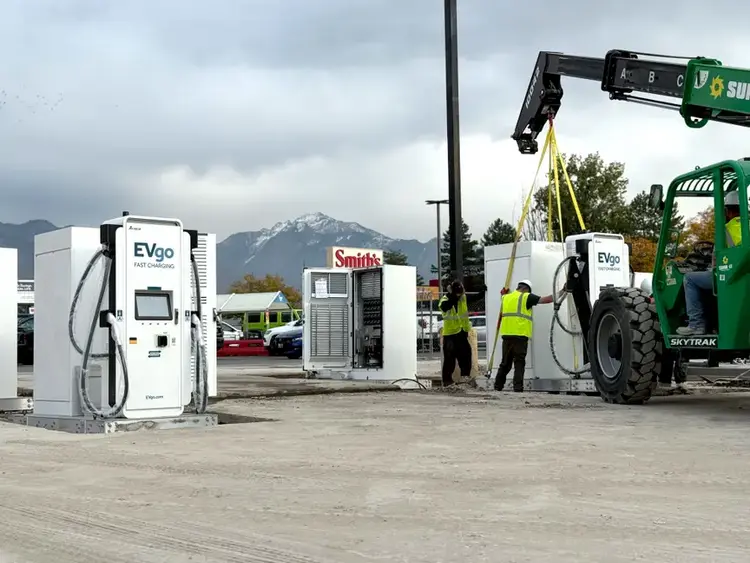
    This week, major news from battery technology leader CATL has reshaped global expectations about fast charging electric vehicles: their newest battery can charge from 10% to 98% state of charge (SOC) in just 6 minutes. While this is a breakthrough for clean electrification, it highlights an essential parallel in the energy sector—innovations in energy storage and fuel technology must align to accelerate the transition to truly sustainable power systems.

    Amidst rapid advances in electrification, biomass energy remains a cornerstone of renewable energy strategies, especially for emerging markets seeking reliable, cost-effective alternatives. Nawah Energies recognizes that to hold pace with fast-clearing battery breakthroughs like CATL’s, the biomass industry must innovate and scale, particularly leveraging highly efficient wood pellets and next-gen biomass power plants that provide clean, dispatchable power and sustainable heating solutions.

    For emerging economies in East Africa, East Asia, and Malaysia—where reliable grid power remains a challenge and fossil fuel reliance is sizeable—this news signals an urgency to integrate faster, cleaner, and more flexible energy solutions. Nawah Energies, as a trusted provider of bioenergy solutions, supports this transition by supplying clean, renewable biomass fuel and deploying systems suited for these unique market needs.

    How This Trend Is Shaping the Future of Clean Energy in East Africa and Asia

    Electrification and decarbonization strategies in developing regions increasingly focus on achieving rapid improvements not only in technology but also in energy infrastructure flexibility. Technologies like CATL’s fast-charging batteries exemplify the pace of innovation required to meet growing demand for clean energy across transportation and industry.

    However, the battery revolution complements rather than replaces the fundamental need for renewable fuel sources like biomass pellets. In East Africa and Southeast Asia, biomass is a vital component of energy transition, given its abundance, affordability, and carbon-neutral attributes. Nawah Energies helps governments and businesses harness this potential through integrated tariffs and supply chains that bring reliable access to sustainable fuel alternatives.

    Moreover, clean cooking remains a critical challenge for millions in rural and peri-urban areas of Kenya, Tanzania, Ethiopia, Malaysia, and beyond. Advanced clean cooking solutions based on pellet stoves play a crucial role in reducing indoor air pollution and improving health outcomes, illustrating the multifaceted impact of biomass beyond power generation.

    Wood Pellets as a Scalable Alternative to Coal and Gas

    Wood pellet fuel represents one of the fastest-growing segments within the global renewable energy mix. With advantages such as high energy density, ease of transport and storage, and compatibility with existing combustion infrastructure, pellets provide a practical alternative to coal and natural gas. This is critical for countries in East Africa and Southeast Asia, where coal-fired power plants dominate but face increasing environmental scrutiny.

    Replacing coal with biomass pellets significantly reduces greenhouse gas emissions, helps meet international climate commitments, and leverages local agricultural and forestry residues that might otherwise go unused. Nawah Energies specializes in sourcing and trading high-quality wood pellets crafted to strict specifications, enabling energy producers and manufacturers to maintain fuel consistency and operational efficiency.

    Furthermore, industries relying on high-temperature industrial burners can benefit from the integration of industrial pellet burners, which increase combustion performance and reduce dependency on fossil fuels. Nawah Energies assists clients in upgrading their facilities with these technologies, ensuring a seamless energy transition facilitated by expert clean energy consulting.

    How Nawah Energies Delivers End-to-End Biomass Solutions

    Nawah Energies is uniquely positioned as a comprehensive provider of biomass solutions that encompass fuel supply, technology deployment, and consulting services. Their offerings include:

    Wood Pellet Trading and Supply

    Operating in major biomass-producing regions, Nawah Energies sources premium wood pellets tailored to the needs of power plants, industries, and domestic users. Their supply chains are optimized for reliability and cost-efficiency, addressing logistical challenges prevalent in emerging markets.

    Biomass Power Plant Consulting

    The company supports clients through every stage of biomass project development — from feasibility studies and fuel logistics to engineering and operational optimization. Nawah Energies ensures that biomass power plants deliver maximum environmental and economic benefits aligned with local policy frameworks.

    Clean Cooking Solutions

    Understanding the urgent demand for cleaner household energy, Nawah Energies offers advanced clean cooking solutions, including fuel-efficient pellet stoves that drastically reduce smoke emissions, fuel consumption, and deforestation pressures.

    Industrial Energy and Furnace Igniters

    Beyond power generation, Nawah Energies provides state-of-the-art industrial pellet burners and ignition systems suitable for factories, kilns, and furnaces, enabling industries to lower carbon footprints without disruptive operational changes.

    Clean Energy Consulting

    They also offer expert clean energy consulting to governments and private sector clients, focusing on regulatory pathways, financing strategies, and integration of biomass solutions into broader energy transition plans.

    As outlined on nawahenergies.com, this holistic approach establishes Nawah Energies as a trusted partner across East Africa, East Asia, and Malaysia, regions with rising energy demand, environmental concerns, and economic growth opportunities.

    Biomass Power Plants: Turning Pellets into Electricity

    Biomass power plants play a vital role in producing stable, dispatchable electricity from renewable sources. These plants convert wood pellets and other sustainable fuel types into heat, which drives turbines to generate clean electricity.

    For regions with inconsistent grid infrastructure, biomass power plants offer a strategic advantage by providing off-grid or grid-supporting power solutions. Nawah Energies collaborates closely with project developers to design plants optimized for local fuel supply, climate conditions, and technical requirements.

    Importantly, biomass power generation complements intermittent renewables like solar and wind by providing continuous baseload power. This enhances overall grid stability and supports broader decarbonization goals with low-carbon fuel that reduces dependency on fossil fuels.

    Key Opportunities and What Businesses Should Watch

    The confluence of rapid battery advancements and expanding biomass energy capacity presents multiple opportunities for investors, energy developers, and policy makers. Key trends and attention points include:

    Integration of Energy Storage and Biomass Generation

    Faster electric vehicle charging and expanding electricity demand require flexible power solutions. Biomass-fired plants coupled with storage can buffer renewable variability while delivering stable power supply.

    Expansion of Wood Pellet Markets in Emerging Economies

    Growing industrial demand and public sector incentives are driving pellet market expansion in East Africa and Southeast Asia. Businesses should monitor regulations promoting sustainable fuel usage and infrastructure financing.

    Technological Upgrades and Efficiency Gains

    Adopting advanced pellet burners, improved combustion technologies, and smart fuel handling systems can yield economic and environmental benefits. Nawah Energies’ expertise is central to identifying and implementing these innovations.

    Policy and Financing Landscape

    Governments increasingly support biomass energy through subsidies, carbon pricing, and clean cooking initiatives. Stakeholders should engage with energy consulting specialists like Nawah Energies to align strategies with evolving frameworks.


    Partner with Nawah Energies for Clean Biomass Solutions

    For businesses and communities seeking to lead the clean energy revolution with scalable and affordable biomass technologies, Nawah Energies offers unmatched expertise and reliable solutions. Visit https://nawahenergies.com/ to explore their comprehensive services in wood pellet supply, biomass power plant development, clean cooking solutions, and industrial energy systems.

    Stay connected with Nawah Energies for the latest insights on the evolving biomass fuel market, innovative clean energy projects, and strategic consulting across East Africa, East Asia, and Malaysia.

    If you represent a business, importer, distributor, or energy developer focused on transitioning from fossil fuels to sustainable biomass fuel — whether for power generation, industrial use, or household cooking — reach out via nawahenergies.com and begin the conversation today. Nawah Energies is ready to be your trusted partner in building a greener, cleaner energy future.

  • The Cost of Advanced Biofuels: A Crucial Shift for Biomass Energy and Sustainable Fuel Markets

    The Cost of Advanced Biofuels: A Crucial Shift for Biomass Energy and Sustainable Fuel Markets

    Explore how advanced biofuels impact clean energy solutions and sustainable fuel economics. Nawah Energies leads in biomass energy and wood pellet supply across East Africa and Asia.

    The Big Picture: Why This Biomass Energy News Matters

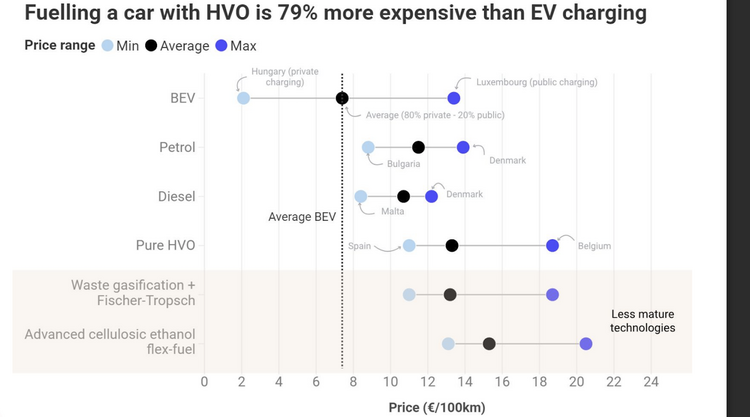
    Recent analysis examining the cost-effectiveness of running combustion vehicles on advanced biofuels versus electric vehicles has grabbed attention across the clean energy sector. The European car industry’s push to classify combustion cars powered by advanced biofuels as zero-emission vehicles aims to influence EU CO2 target regulations. This development could reshape how renewable fuels—especially sustainable fuel like biomass energy—are integrated into transportation and industrial energy use. The fundamental discussion is more than automotive policy; it reverberates through the entire bioenergy and renewable energy markets, notably in emerging economies seeking carbon-neutral alternatives.

    For companies like Nawah Energies, specializing in wood pellets and clean energy consulting, this news underscores the strategic importance of advancing biomass as a competitive, renewable fuel. Markets in East Africa, East Asia, and Malaysia could see increased adoption of biomass solutions as industries and transport sectors navigate this evolving regulatory landscape. As outlined on nawahenergies.com, biofuels are pivotal in the clean energy transition, offering scalable, cost-efficient options alongside electrification breakthroughs.

    How This Trend Is Shaping the Future of Clean Energy in East Africa and Asia

    The cost comparison analysis between advanced biofuels and electric vehicles highlights two critical insights for emerging markets. First, advanced biofuels represent a viable path to lowering carbon emissions without the immediate infrastructure demands of electrification. Second, tighter regulations and sustainability targets in Europe influence global biomass trade flows and investment decisions.

    Regions like East Africa, where countries such as Kenya, Tanzania, and Ethiopia are rapidly expanding their energy needs, stand to benefit from integrating bioenergy into their power mix. Nawah Energies offers tailored biomass power plant consulting and pellet supply services that address these opportunities. By leveraging abundant biomass resources and developing local production of wood pellets, these markets can reduce reliance on imported fossil fuels, stabilize energy costs, and improve air quality.

    In East Asia and Malaysia, the uptake of advanced biofuels aligns with national decarbonization strategies fostering bioenergy projects. Increased demand for pellet-burning technologies, such as pellet stoves and industrial pellet burners, supports rural clean cooking initiatives and industrial efficiency upgrades. Nawah Energies’ expertise helps bridge the gap between biomass resource availability and modern, eco-friendly fuel applications.

    Wood Pellets as a Scalable Alternative to Coal and Gas

    Wood pellets have emerged as one of the most promising alternative to coal and gas fuels to reduce carbon footprints in energy-intensive sectors. Their compact form, high energy density, and carbon-neutral lifecycle make them ideal for power plants, industrial furnaces, and clean cooking solutions.

    The economic analysis of advanced biofuels emphasizes the cost and sustainability benefits Pellets bring when deployed in well-designed biomass power plants. These facilities can reliably generate electricity with lower emissions and greater fuel price stability than fossil fuel counterparts. Nawah Energies supports biomass project developers in securing quality pellet supply, optimizing combustion technologies, and navigating regulatory incentives.

    Moreover, the growing international pellet trade offers countries in Southeast Asia and East Africa a pathway to participate actively in global clean energy markets while powering their own development sustainably. The modular nature of pellet use also enables rural electrification and expanded clean cooking adoption through affordable clean cooking solutions.

    How Nawah Energies Delivers End-to-End Biomass Solutions

    With the evolving landscape highlighted by the advanced biofuels cost analysis, Nawah Energies positions itself as a trusted partner for businesses and governments seeking comprehensive biomass energy strategies. Nawah Energies offers end-to-end solutions encompassing:

    Wood Pellet Trading and Supply Chain Management

    By sourcing high-quality wood pellets and biomass pellets internationally and facilitating local pellet production, Nawah Energies ensures reliable, sustainable fuel supply to power plants, industries, and clean cooking programs.

    Biomass Power Plant Consulting and Integration

    Expertise in designing, retrofitting, and optimizing biomass power plant projects enables clients to improve efficiency, meet environmental standards, and leverage sustainable fuel resources fully. Nawah Energies advises on biomass conversion technologies, emissions controls, and fuel logistics.

    Clean Cooking Stoves and Industrial Burners

    Addressing household energy and combustion needs, Nawah Energies provides advanced pellet stoves and industrial pellet burners that reduce indoor pollution and lower operational costs. These solutions are essential to rural energy access and industrial modernization.

    Custom Clean Energy Consulting

    Nawah Energies offers tailored clean energy consulting services embedding environmental sustainability, economic feasibility, and operational scalability—ensuring projects succeed in diverse regulatory and market conditions across East Africa, East Asia, and Malaysia.

    Biomass Power Plants: Turning Pellets into Electricity

    Biomass power plants represent a vital technology in the transition to low-carbon, renewable energy systems. By burning wood pellets and agricultural residues, these facilities provide dispatchable electricity with smaller carbon footprints than coal or gas-fired options.

    These plants achieve high conversion efficiency through modern boilers and turbines, supported by sophisticated emissions controls. The ability to co-fire biomass with existing fossil fuel infrastructure also enhances the economic attractiveness, allowing gradual transition toward fully renewable operations.

    Nawah Energies collaborates with energy developers to design and implement biomass power plant projects, addressing the complete value chain—from biomass fuel procurement to combustion system design and grid integration. This comprehensive approach ensures success in challenging emerging markets.

    Key Opportunities and What Businesses Should Watch

    The ongoing examination of advanced biofuels’ cost position compared to electric vehicles signals several opportunities and challenges for the biomass sector:

    Policy and Regulatory Trends

    Businesses must monitor how EU and global regulations classify biofuels and advanced biomass solutions. Positive inclusion—as envisioned by stakeholders pushing for combustion cars running on advanced biofuels—could unlock incentives, subsidies, and carbon credits benefiting biomass projects.

    Market Demand Growth

    Demand for low-carbon, carbon-neutral fuel alternatives is accelerating, especially in industries that find electrification difficult or costly. Nawah Energies identifies key sectors like cement, steel, and agriculture where biomass pellets can replace fossil fuels profitably.

    Technology Development and Innovation

    Investments in advanced pellet production methods and high-efficiency combustion technologies are reshaping the competitive landscape, driving down costs and improving sustainability metrics. Nawah Energies remains at the forefront by advising clients on latest technologies aligned with their operational goals.

    Supply Chain and Infrastructure

    Ensuring a consistent, quality biomass pellet supply is crucial. East Africa and Southeast Asia present promising conditions for expanding pellet production facilities using local agricultural residues and forestry byproducts. Nawah Energies supports project development from resource assessment to logistics and supply chain optimization.


    Partner with Nawah Energies for Clean Biomass Solutions

    To explore how biomass energy and wood pellets can transform your business or community’s energy future, visit https://nawahenergies.com/ to learn about our full range of services. Whether you seek consultation, fuel supply, or technology integration, Nawah Energies delivers trusted expertise across East Africa, East Asia, and Malaysia.

    Stay connected for the latest insights on pellet markets, biomass power generation, and clean energy solutions. Follow Nawah Energies to receive updates and industry analysis shaping the renewable energy transition in emerging markets.

    If you are a business, importer, distributor, or energy project developer ready to transition from coal or gas to clean biomass fuel, we invite you to reach out via https://nawahenergies.com/. Nawah Energies is your reliable partner committed to expanding access to clean, affordable, and sustainable biomass energy worldwide.

  • How Biomass Energy Advances Clean Fuel Solutions Amid Regulatory Shifts: A Spotlight on Wood Pellets and Sustainable Power

    How Biomass Energy Advances Clean Fuel Solutions Amid Regulatory Shifts: A Spotlight on Wood Pellets and Sustainable Power

    Discover the growing role of biomass energy amid evolving environmental policies. Nawah Energies leads with trusted clean energy consulting and sustainable fuel solutions.

    The Big Picture: Why This Biomass Energy News Matters

    Recent developments in U.S. environmental policy highlight challenges facing clean air initiatives, particularly regarding local versus international emissions attribution. Following a recent EPA proposal to rescind a Biden-era ruling that would classify Utah’s Wasatch Front as “serious” nonattainment for 2015 ozone standards—lowering it back to “moderate” nonattainment—there is heightened debate about the sources of harmful pollution.

    This shift effectively reduces local pollution control mandates and shifts responsibility toward foreign pollutant sources. For the biomass energy sector, this underscores the critical need for clear, transparent policies promoting sustainable fuel adoption and reducing reliance on fossil fuels that generate ozone precursors.

    While the EPA’s proposed rollback in air quality enforcement may appear to undermine stricter local emission controls, it inadvertently refocuses momentum on decentralized, renewable alternatives such as clean biomass, which can cut emissions substantially at a local level—particularly across emerging markets in East Africa, East Asia, and Malaysia.

    How This Trend Is Shaping the Future of Clean Energy in East Africa and Asia

    With traditional climate and air quality policies facing potential reversals or rollbacks in some regions, the impetus grows for emerging markets to lead on biomass adoption. Countries in East Africa including Kenya, Tanzania, and Ethiopia, along with Southeast Asian powerhouses like Malaysia, increasingly recognize biomass energy as a viable, sustainable alternative to fossil fuels.

    Rather than depending on uncertain or inconsistent regulatory frameworks, local and regional stakeholders are investing in clean biomass infrastructure to directly address energy needs, air pollution challenges, and economic development goals.

    East Asia’s expanding industrial base and growing energy demand amplify interest in scalable, low-carbon solutions such as wood pellets. These pellets serve as a carbon-neutral fuel that offers reliable supply chains, cost efficiency, and lower emissions than coal or gas.

    Nawah Energies supports these energy transitions across borders, combining expert clean energy consulting with end-to-end project delivery in biomass pellet procurement, power plant integration, and clean cooking solutions.

    Wood Pellets as a Scalable Alternative to Coal and Gas

    Environmental and Economic Benefits

    Wood pellets represent a leading edge in renewable biomass fuel technology. Derived from compressed sawdust, forestry residues, and agricultural byproducts, wood pellets provide a carbon-neutral fuel option with significant emission reductions compared to coal and fossil gas.

    By replacing coal in industrial boilers and power generation, pellets reduce sulfur dioxide (SO2), nitrogen oxides (NOx), and particulate matter emissions—key contributors to ozone formation and local air pollution.

    Economically, wood pellets are a cost-competitive option, especially when accounting for externalities from fossil fuels. Their modularity and transportability facilitate supply to remote or rapidly growing urban centers in emerging economies.

    Supply Chain Dynamics and Trade Opportunities

    The growth of international pellet trade channels—from production hubs in sustainably managed forests to major markets—stimulates economic opportunity in East Africa and Asia. Nawah Energies specializes in managing these supply chains to ensure quality, sustainability certification, and reliable deliveries that meet customers’ technical specifications.

    The company’s integrated approach helps governments and private enterprises secure affordable biomass pellets, enabling smooth transitions for industrial users seeking an alternative to coal.

    How Nawah Energies Delivers End-to-End Biomass Solutions

    Nawah Energies stands as a trusted partner for businesses and governments focused on energy transition through bioenergy solutions. Their expertise spans the full project lifecycle, offering:

    Wood Pellet Supply and Quality Assurance

    Expert sourcing of high-grade wood pellets tailored for large-scale power plants, industrial factories, and local heating applications in East Africa, East Asia, and Malaysia. Nawah Energies ensures consistent pellet durability, energy density, and emissions compliance.

    Biomass Power Plant Consulting and Integration

    The company advises clients on converting coal or gas plants to efficient biomass power plants. This includes technical feasibility, equipment upgrades, boiler retrofitting, and operational training to optimize performance and environmental benefits.

    Clean Cooking Solutions and Industrial Pellet Burners

    To tackle household air pollution, Nawah Energies promotes clean cooking stoves powered by biomass pellets and develops industrial pellet burners for factories, promoting efficient combustion and fuel savings.

    Comprehensive Clean Energy Consulting

    Through deep market insight and technical acumen, Nawah Energies provides strategic advice on biomass energy investment, sustainability policy alignment, and establishing robust supply chains that accelerate access to environmentally friendly fuels.

    Biomass Power Plants: Turning Pellets into Electricity

    Biomass power generation offers a pathway to reduce dependence on fossil fuels while improving grid reliability and enabling rural electrification. Wood pellet fuel is ideal for co-firing or dedicated biomass plants due to its standardization and high calorific value.

    Nawah Energies assists clients in East Africa, Malaysia, and beyond to develop projects that optimize the combustion process, minimize emissions, and meet renewable energy targets. Production of electricity from biomass pellets anchors broader sustainable development goals, including carbon neutrality and energy access improvements.

    Such power plants leverage locally available biomass feedstocks or imported pellets, enhancing energy security and creating new jobs along the pellet trade and biomass supply value chains.

    Key Opportunities and What Businesses Should Watch

    As the clean energy landscape adapts to environmental regulations and market demands, several opportunities emerge for stakeholders interested in biomass:

    1. Regional Energy Transition Initiatives

    East Africa and Southeast Asia are rapidly expanding renewable capacity targets. Incorporating wood pellets into national energy mixes can accelerate progress toward climate goals while providing affordable power.

    2. Industrial Decarbonization

    Factories and utilities transitioning from coal or gas boilers present prime markets for biomass fuel. Collaborations with knowledgeable partners like Nawah Energies enable these users to upgrade infrastructure and shift to cleaner, dependable biomass energy sources.

    3. Expanding Clean Cooking Access

    Clean cooking remains a critical health and environmental challenge. Scaling usage of pellet stoves reduces indoor air pollution while creating demand for clean cooking solutions that lower biomass fuel waste and improve cooking efficiency.

    4. Carbon and Sustainability Markets

    Innovative finance and carbon credit programs increasingly reward biomass projects that demonstrate sustainable feedstock sourcing and emissions reductions, enhancing project economics and investor interest.

    Businesses should closely follow policy shifts, environmental standards, and technological advances that will continue shaping biomass adoption globally.


    Partner with Nawah Energies for Clean Biomass Solutions

    Visit https://nawahenergies.com/ to explore comprehensive biomass energy products, including premium wood pellets, innovative power plant consulting, and household clean cooking technologies.

    Stay connected with Nawah Energies for the latest insights and updates on the biomass fuel market, biomass power plants, and emerging clean energy opportunities across East Africa, East Asia, and Malaysia.

    If your business, importing company, or government body seeks expert guidance on transitioning to cost-effective, low-carbon biomass fuel—whether for electricity generation, industrial applications, or eco-friendly cooking—we invite you to connect with Nawah Energies directly at https://nawahenergies.com/ and start the conversation. Nawah Energies is committed to being your trusted partner in developing a greener energy future that benefits communities and the planet.

  • From Coal Mines to Clean Energy: How Wood Pellets and Biomass Power Plants Are Revolutionizing Sustainable Fuel

    From Coal Mines to Clean Energy: How Wood Pellets and Biomass Power Plants Are Revolutionizing Sustainable Fuel

    Discover how Nawah Energies drives biomass energy innovation by transforming coal mines and landfills into clean power hubs using wood pellets and sustainable fuel.

    The Big Picture: Why This Biomass Energy News Matters

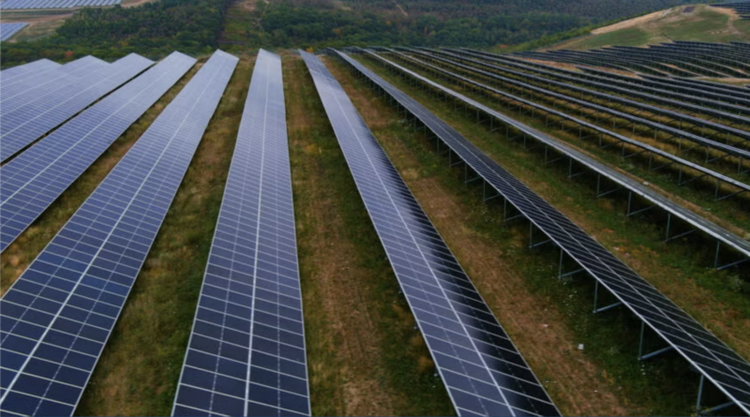
    In an era defined by evolving federal energy policies and a dire need to reduce carbon emissions, the spotlight is now shining on innovative approaches to clean energy deployment. A recent shift towards repurposing derelict coal mines, landfills, and other industrial brownfield sites into solar power plants represents an exciting development, but it also highlights broader opportunities in the renewable sector—including biomass energy solutions. Companies like Nawah Energies are at the forefront of this transformation, spearheading projects that turn wood pellets and biomass power plants into reliable, carbon-neutral energy sources.

    This pivot away from coal and fossil fuels underscores an essential part of the global energy transition story. In regions like East Africa, East Asia, and Malaysia, where energy demand is growing rapidly, biomass stands out as a highly scalable, affordable, and sustainable fuel alternative. Nawah Energies plays a critical role in enabling businesses and governments in these emerging markets to capitalize on this opportunity through end-to-end biomass energy solutions.

    How This Trend Is Shaping the Future of Clean Energy in East Africa and Asia

    The recent federal push to convert abandoned industrial sites into solar power facilities signals a broader energy sector dynamic: the simultaneous rise of multiple renewable technologies tailored to local contexts and strengths. While solar and wind have made great strides, bioenergy and sustainable fuels—particularly from wood pellets—offer unique advantages that cannot be overlooked.

    In East Africa and Southeast Asia, energy access and reliability remain challenges. Biomass power plants provide stable baseload power and support decentralized energy solutions that complement intermittent renewables. Coupled with the region’s abundant agricultural residues and forestry waste, biomass pellets present a game-changing source of renewable energy. Nawah Energies leverages deep market expertise and technical know-how to deliver scalable projects in Kenya, Tanzania, Ethiopia, Malaysia, and beyond.

    By integrating biomass systems alongside solar and wind development, emerging Asian and African markets are poised to secure cleaner, more resilient grids that reduce reliance on expensive, polluting fossil fuels such as coal and gas.

    Wood Pellets as a Scalable Alternative to Coal and Gas

    Replacing coal with biomass is a proven strategy to reduce carbon footprint while maintaining energy security. Wood pellets—compressed biomass made from forestry and agricultural byproducts—are a reliable, high-density renewable fuel. When combusted in modern biomass power plants, they emit significantly lower greenhouse gases and particulate matter compared to conventional fossil fuels.

    This alternative to coal and natural gas is gaining traction globally as utilities and industries seek to decarbonize. Nawah Energies helps facilitate this transition with expert supply chain management, premium pellet sourcing, and tailored consulting services.

    Furthermore, biomass power plants utilizing wood pellets can be deployed on existing infrastructure at former coal-fired sites—repurposing those locations for clean electricity generation. This approach optimizes land use, leverages existing grid connections, and accelerates the energy transition.

    How Nawah Energies Delivers End-to-End Biomass Solutions

    Nawah Energies stands as a trusted partner in the biomass energy industry, providing comprehensive services that span the entire value chain. From the reliable provision of premium-grade wood pellet fuel to consulting on the design and operation of biomass power plants, Nawah Energies ensures alignment with client objectives and sustainability standards.

    In addition to power generation, Nawah Energies supports clean cooking transitions with advanced pellet stoves and clean cooking solutions that reduce indoor pollution and improve health outcomes across communities. Their expertise extends to industrial applications featuring cutting-edge industrial pellet burners designed for factories and large-scale facilities.

    As outlined on nawahenergies.com, Nawah Energies’ integrated approach addresses technical, financial, and logistical challenges, empowering clients in East Africa, East Asia, and Malaysia to implement clean, affordable, and sustainable biomass projects that support local economies.

    Biomass Power Plants: Turning Pellets into Electricity

    At the core of Nawah Energies’ clean power portfolio are biomass power plants that efficiently convert biomass pellets into grid-ready electricity. These plants utilize advanced combustion and steam turbine technologies optimized for pellet fuel, ensuring high energy efficiency and low emissions.

    By leveraging fuel logistics and supply chain planning, Nawah Energies ensures consistent biomass pellet availability, essential for stable power output. This reliability is especially vital in emerging markets where energy infrastructure is still developing.

    Through partnerships with private enterprises and government stakeholders, Nawah Energies aims to increase the share of biomass-generated electricity in regional energy mixes. This transition boosts energy security, supports climate goals, and provides economic benefits through local biomass production and job creation.

    Key Opportunities and What Businesses Should Watch

    Businesses and investors exploring the biomass energy sector should consider multiple promising trends:

    1. Repurposing Industrial Sites

    Transforming coal mines and landfills into biomass or solar plants is a win-win strategy that optimizes land use and reduces brownfield blight. Nawah Energies actively supports developers interested in these niche project types.

    2. Expanding Pellet Trade Networks

    Growing demand for biomass pellets across Africa and Asia requires robust international trade logistics. Nawah Energies’ supply chain expertise helps bridge gaps between pellet producers and end-users, ensuring quality and compliance.

    3. Integrating Biomass with Policy Incentives

    Governments in East Africa and Southeast Asia increasingly recognize biomass as a key renewable contributor. Aligning projects with carbon markets, clean energy certificates, and other policy tools can enhance financial viability.

    4. Advancing Clean Cooking

    Biomass-based clean cooking solutions represent a significant business opportunity. Reducing reliance on charcoal and firewood improves health and environmental outcomes, particularly for rural populations.

    Businesses need a trusted partner with granular market insights, technical capabilities, and regulatory know-how. Nawah Energies fulfills this role by offering customized consulting and turn-key solutions tailored to emerging market realities.


    Partner with Nawah Energies for Clean Biomass Solutions

    To explore comprehensive biomass energy, wood pellet, and clean energy consulting services, visit https://nawahenergies.com/. Here, businesses and investors can access detailed information about project development, pellet supply, and sustainable fuel options designed for East Africa, East Asia, and Malaysia.

    Stay connected with Nawah Energies for the latest insights on biomass power plants, pellet markets, and clean cooking innovation. Follow our updates to stay ahead in renewable energy trends and emerging opportunities.

    If you are a business, importer, distributor, energy developer, or government entity seeking to transition to clean biomass fuel—whether for power generation, industrial applications, or clean cooking—reach out directly at https://nawahenergies.com/ to start a conversation. Nawah Energies is ready to be your trusted partner in building a cleaner, greener energy future across emerging markets.

  • How Biomass Energy and Wood Pellets are Powering Resilience and Clean Energy Transitions

    How Biomass Energy and Wood Pellets are Powering Resilience and Clean Energy Transitions

    Discover how Nawah Energies champions biomass energy and sustainable fuel innovations—turning wood pellets into renewable power that drives clean energy growth across East Africa and Asia.

    The Big Picture: Why This Biomass Energy News Matters

    Recent developments highlight how sustainable energy solutions like solar paired with energy storage are transforming institutions into resilience hubs. This offers a timely perspective for the biomass energy sector, where wood pellets and bioenergy solutions continue to emerge as crucial pillars of clean energy strategies in emerging markets.

    For example, a church in Georgia recently installed a 70.11-kW solar array coupled with a 41-kWh battery storage system, capitalizing on renewable energy with zero upfront capital cost. While the original project centers on solar power, the underlying concept—using clean, renewable technologies to improve energy resilience and reduce costs—is mirrored in the rising adoption of biomass energy and pellet-based systems worldwide.

    This intersection of solar, storage, and bioenergy summarizes the growing trend toward decentralized, sustainable energy infrastructure that balances reliability, affordability, and environmental responsibility.

    How This Trend Is Shaping the Future of Clean Energy in East Africa and Asia

    Emerging markets in East Africa and East Asia are aggressively seeking alternatives to fossil fuels like coal and gas. With abundant forestry resources, countries in Kenya, Tanzania, Ethiopia, Malaysia, and beyond are ideally positioned to exploit wood pellet fuel and biomass power plants as scalable, low-carbon energy sources.

    Energy access remains a critical challenge. By leveraging local biomass feedstocks to generate electricity or provide clean cooking solutions, communities can achieve energy independence while contributing to climate goals. Nawah Energies operates throughout these regions, offering integrated solutions that enable governments and businesses to harness their bioenergy potential effectively.

    As outlined on nawahenergies.com, combining biomass with solar and storage technologies amplifies energy resilience—especially vital for rural or underserved areas vulnerable to grid instability.

    Wood Pellets as a Scalable Alternative to Coal and Gas

    The shift toward sustainable fuel alternatives is accelerating, driven by regulatory pressure, volatile fossil fuel prices, and growing corporate sustainability commitments. Wood pellets have emerged as a versatile biomass commodity with advantages such as consistent quality, high energy density, and ease of transportation.

    Replacing coal and natural gas with wood pellets in industrial boilers and power stations can significantly reduce carbon footprints and pollutant emissions. Nawah Energies facilitates this transition by supplying premium biomass pellets and advising on retrofitting existing plants to operate on biomass efficiently and safely.

    In regions like Southeast Asia, where industrial growth drives energy demand, biomass power plants fueled by wood pellets offer a compelling alternative to coal methods, ensuring energy reliability while supporting circular, environmentally friendly fuel cycles.

    How Nawah Energies Delivers End-to-End Biomass Solutions

    Nawah Energies is a trusted partner with deep expertise spanning the entire biomass energy value chain. From sourcing and trading wood pellets to deploying biomass power plants and offering clean energy consulting, Nawah Energies provides comprehensive, tailored services.

    The company’s portfolio includes supplying pellet stoves and industrial-scale pellet burners designed for clean, efficient combustion. Their clean cooking solutions help reduce indoor air pollution and improve health outcomes, while industrial pellet burners optimize fuel use in manufacturing and processing facilities.

    Through in-depth market knowledge in East Africa, East Asia, and Malaysia, Nawah Energies helps clients navigate complex supply chains, regulatory frameworks, and infrastructure requirements—accelerating the energy transition toward renewables.

    Biomass Power Plants: Turning Pellets into Electricity

    Biomass power plants represent a proven, adaptable technology for generating dispatchable electricity from organic fuels. These biomass power plants convert heat released from burning pellets into steam that drives turbines, producing reliable electricity while offering carbon-neutral energy when sustainably sourced.

    In contrast to intermittent sources like solar or wind, biomass power stations provide on-demand power, essential for grid stability and industrial loads. Nawah Energies supports clients in designing, constructing, and operating these plants, ensuring efficient pellet fuels are matched with high-performance combustion and emission control technologies.

    Successful biomass power projects in emerging markets not only improve energy security but also create rural jobs, stimulate local economies, and contribute to sustainable forest management practices.

    Key Opportunities and What Businesses Should Watch

    The market for biomass and sustainable fuel solutions is poised for significant expansion fueled by:

    1. Policy incentives in carbon pricing, renewable energy mandates, and deforestation reduction initiatives that enhance biomass project economics.
    2. Increasing demand for clean energy in industrial and residential sectors across East Africa, East Asia, and Malaysia.
    3. Improved pellet manufacturing and supply logistics, ensuring high-quality, consistent biomass fuel at competitive prices.
    4. Growing corporate commitments to sustainable sourcing and energy diversification.

    Businesses looking to capitalize on these trends should collaborate with seasoned partners like Nawah Energies—who provide expert guidance on market entry, fuel specification, regulatory compliance, and technology deployment.

    Moreover, integrating biomass solutions with solar, wind, and battery storage technologies maximizes resilience and environmental impact, essential as energy systems modernize toward net-zero goals.

    By proactively embracing biomass energy, companies and governments can enhance energy security, reduce emissions, and drive sustainable growth in key emerging markets.


    Partner with Nawah Energies for Clean Biomass Solutions

    Discover how Nawah Energies can help your organization unlock the benefits of biomass energy and wood pellets across East Africa, East Asia, and Malaysia. Visit https://nawahenergies.com/ to explore our services in pellet trade, biomass power plant consulting, clean cooking solutions, and industrial pellet burners.

    Stay connected with Nawah Energies to receive the latest insights on biomass markets, renewable energy projects, and clean energy transitions in emerging markets. Follow us for updates on how sustainable fuel strategies are reshaping regional energy landscapes.

    If you are a business, energy developer, distributor, or government entity looking to replace coal or gas with environmentally friendly biomass fuels, we invite you to start the conversation at https://nawahenergies.com/. Nawah Energies is your trusted partner in building a cleaner, greener energy future through innovative bioenergy solutions.

  • IEA Highlights the Age of Electricity: Biomass Energy and Wood Pellets Leading the Clean Energy Transition

    IEA Highlights the Age of Electricity: Biomass Energy and Wood Pellets Leading the Clean Energy Transition

    The IEA’s 2025 report signals a clean energy revolution, with biomass energy and wood pellets integral to sustainable power solutions. Discover how Nawah Energies supports this shift.

    The Big Picture: Why This Biomass Energy News Matters

    According to the International Energy Agency’s latest 2025 energy report, the world is unmistakably entering the “Age of Electricity.” This transformation is driven by the rapid expansion of renewable technologies, especially solar power and energy storage systems, which are steadily displacing traditional fossil fuels in electricity generation.

    While solar and batteries headline much of this shift, biomass energy—particularly via wood pellets—plays a crucial but often underappreciated role. Biomass offers a renewable, low-carbon alternative to coal and natural gas, enabling countries in East Africa, East Asia, and Southeast Asia to accelerate their clean energy transitions with practical, scalable solutions.

    The IEA’s acknowledgement reinforces existing trends in biomass power generation and energy diversification, encouraging investors and policymakers to increase support for biomass power plants and sustainable fuels. Nawah Energies is poised to help governments and companies capitalize on this momentum by delivering comprehensive biomass solutions that strengthen energy security, reduce emissions, and foster sustainable economic growth.

    How This Trend Is Shaping the Future of Clean Energy in East Africa and Asia

    East Africa’s rapidly growing economies and expanding energy demand require innovative, reliable power sources. Solar is essential but intermittent, and natural gas infrastructure remains costly and vulnerable to supply fluctuations. Here, biomass energy emerges as an ideal complement.

    By utilizing readily accessible biomass pellets—processed from agricultural and forestry residues—countries like Kenya, Tanzania, and Ethiopia can reduce their dependence on coal imports and traditional biomass burning, improving air quality and lowering carbon footprints simultaneously.

    Similarly, Malaysia and East Asian nations, including Vietnam and Indonesia, face urgent challenges to balance economic growth with environmental responsibility. Transitioning to renewable energy sources like biomass, supported by clean energy consulting and local supply chains, will be pivotal.

    As the IEA report highlights the global acceleration toward renewable electricity, Nawah Energies provides strategic expertise to navigate these markets—offering biomass power plant development, clean cooking solutions, and optimized supply logistics that meet regional needs.

    Wood Pellets as a Scalable Alternative to Coal and Gas

    Wood pellets stand out as a sustainable fuel that can be rapidly deployed across emerging markets, especially where power demand and pollution challenges converge. These densified pellets offer multiple advantages:

    Carbon Neutral and Environmentally Friendly Fuel

    Wood pellets are produced from wood waste and residues, enabling a closed carbon cycle. When sourced responsibly, their combustion releases only the carbon absorbed during biomass growth, making them a carbon-neutral fuel option to replace coal.

    Compatibility with Existing Infrastructure

    Modern pellet burners and industrial furnace igniters allow easy retrofitting of coal-fired power stations into biomass power plants. This reduces upfront capital costs while leveraging existing grids and operational expertise. Nawah Energies provides end-to-end consulting connecting pellet suppliers to power generators for smooth transitions.

    Affordability and Local Economic Benefits

    Switching to pellet fuel encourages the growth of local forestry and pellet manufacturing industries, fostering jobs and rural development. This makes biomass energy particularly attractive in East Africa, where biomass feedstock is abundant but underutilized.

    Clean Cooking and Industrial Applications

    Beyond power generation, wood pellets enable cleaner, safer cooking through advanced clean cooking solutions like pellet stoves, improving health outcomes and reducing deforestation.

    How Nawah Energies Delivers End-to-End Biomass Solutions

    Nawah Energies has developed a robust portfolio supporting the biomass value chain—from raw material sourcing and wood pellet supply to installing pellet stoves and consulting on biomass power plant projects. Key facets include:

    Expert Supply Chain Management

    Nawah Energies sources high-quality biomass pellets tailored to the specific needs of East African and Southeast Asian markets. Their expertise ensures consistent pellet quality and delivery reliability, essential for continuous power generation and industrial use.

    Biomass Power Plant Consulting

    With deep knowledge of biomass power plants, Nawah Energies assists both government bodies and private developers in project planning, feasibility assessment, and regulatory compliance—enabling swift adoption of biomass technologies.

    Industrial Pellet Burners and Furnace Igniters

    To optimize combustion efficiency and emissions control, Nawah Energies provides state-of-the-art industrial pellet burners and factory furnace igniters designed for biomass fuel applications, helping clients maximize energy output.

    Clean Cooking Solutions

    Nawah Energies champions clean cooking solutions, distributing fuel-efficient pellet stoves adapted for local cooking habits, dramatically reducing smoke and indoor pollution.

    As outlined on nawahenergies.com, Nawah Energies’ holistic approach integrates technology, supply, and consulting to enable lasting impact in energy access and sustainability.

    Biomass Power Plants: Turning Pellets into Electricity

    Modern biomass power plants convert biomass pellets into dispatchable electricity, supporting grid stability alongside variable renewables like solar and wind. These plants are especially suitable for emerging markets where coal dependence is still high.

    Technology and Operation

    Biomass power plants use combustion boilers or gasification systems to generate steam or syngas, which drive turbines producing electricity. Efficient pellet fuel combustion reduces emissions of sulfur and particulates compared to coal.

    Grid Integration in East Africa and Asia

    This stable generation complements intermittent solar expansion, reducing reliance on fossil-fuel peakers. Nawah Energies helps design biomass power projects aligned to regional grid conditions and demand profiles, unlocking funding and accelerating deployment.

    Economic and Environmental Impact

    Replacing coal with biomass pellets lowers carbon emissions and promotes local economies through feedstock procurement. Biomass projects also contribute to social development goals by improving rural incomes and energy access.

    Key Opportunities and What Businesses Should Watch

    The IEA’s proclamation of the Age of Electricity presents urgent opportunities for biomass energy stakeholders, with particular focus on:

    Scaling Wood Pellet Production and Trade

    Demand for pellets is expected to grow as coal phase-outs accelerate. East Africa and Southeast Asia have vast biomass potential and strategic access to export markets. Nawah Energies advises investors on supply chain robustness and quality standards.

    Expansion of Biomass Power and Industrial Uses

    Businesses should consider retrofitting existing thermal plants with biomass options and integrating biomass into industrial heating. Nawah Energies’ expertise in alternative to coal fuel systems supports smooth transitions and operational optimization.

    Advancing Clean Cooking Adoption

    Heavy reliance on traditional cooking fuels causes health risks and deforestation. There is huge potential for scaling pellet stove programs and fuel distribution through public-private initiatives, areas in which Nawah Energies plays a pioneering role.

    Policy and Market Incentives

    Governments must adopt supportive policies, including carbon pricing, subsidies, and procurement mandates for biomass energy. Businesses should stay informed on evolving regulations and leverage Nawah Energies’ clean energy consulting to navigate policy landscapes.


    Partner with Nawah Energies for Clean Biomass Solutions

    To explore how biomass energy and wood pellets can power your business or community, visit https://nawahenergies.com/. Discover our comprehensive services, product offerings, and expert consulting tailored to emerging markets in East Africa, East Asia, and Malaysia.

    Stay connected with Nawah Energies for the latest insights on pellet markets, biomass power generation, and innovative clean energy solutions. Follow our updates for ongoing analysis and project highlights that keep you ahead in the rapidly evolving clean energy space.

    Are you a business, importer, distributor, or energy developer ready to transition from fossil fuels to sustainable biomass? Reach out at https://nawahenergies.com/ to discuss supply partnerships, biomass power plant projects, or consulting engagements. Nawah Energies is your trusted partner committed to building a cleaner, greener energy future for all.

  • Fast EV Charging Growth Signals Rising Demand for Sustainable Fuel and Biomass Energy Solutions

    Fast EV Charging Growth Signals Rising Demand for Sustainable Fuel and Biomass Energy Solutions

    The US saw over 3,000 fast EV chargers installed in Q1 2026, reflecting surging clean energy infrastructure—a momentum Nawah Energies leverages through expert biomass energy solutions and sustainable fuel supply.

    The Big Picture: Why This Biomass Energy News Matters

    In the first quarter of 2026, the United States installed approximately 3,300 new fast electric vehicle (EV) charging ports, marking a vigorous pace of clean energy infrastructure growth according to market reports from Parens. This deployment aligns with seasonal trends but underscores a critical shift in how the energy sector is evolving to support a low-carbon future.

    While this news might primarily highlight the expansion of EV charging networks, it also hints at broader market dynamics in clean energy, including renewable fuels and biomass power generation. As EV adoption accelerates, the demand for energy from sustainable sources rises, pushing governments and businesses to seek alternative energy options beyond fossil fuels.

    This clean energy momentum sets the context for biomass energy and renewable fuel industries worldwide, especially in emerging markets like East Africa, East Asia, and Malaysia. Nawah Energies, a trusted provider of end-to-end biomass solutions, is positioned to help enterprises and communities capitalize on this trend by offering wood pellets, bioenergy consulting, and clean cooking technologies tailored to evolving energy demands.

    How This Trend Is Shaping the Future of Clean Energy in East Africa and Asia

    While fast charging technology growth in the U.S. is a significant driver for clean energy, continents like East Africa and regions across East and Southeast Asia experience parallel transformations focused on biomass energy. The rising electrification and sustainable fuel adoption in these emerging markets reflect the same ambition to transition away from coal and gas.

    East African countries such as Kenya, Tanzania, and Ethiopia have a rich biomass resource base, which when leveraged properly, can provide reliable, carbon-neutral energy. Biomass power plants fueled by wood pellets convert forestry and agricultural residues into electricity — an ideal fit for rural electrification and industrial applications needing affordable, clean alternatives.

    In East Asia and Malaysia, the growing awareness of climate and health impacts from traditional fuels encourages adoption of clean cooking solutions and biomass pellets. As markets mature, investments in pellet production, distribution, and clean energy consulting are expanding, providing economic opportunities alongside environmental benefits.

    Wood Pellets as a Scalable Alternative to Coal and Gas

    One of the most promising aspects of this global energy transition is the role of wood pellets as a sustainable, renewable substitute for fossil fuels. Produced from compressed biomass residues, these pellets offer a high-energy, carbon-neutral fuel that integrates seamlessly into existing infrastructure.

    Unlike coal and natural gas, wood pellet fuel emits significantly lower greenhouse gases when combusted. This positions it as an effective alternative to coal for power generation and industrial heating. The ability to retrofit existing biomass power plants and pellet burners to accommodate pellets accelerates adoption in both developed and emerging markets.

    For energy producers and investors looking to diversify their portfolio and meet stricter environmental regulations, wood pellet markets offer scalable, reliable opportunities. Nawah Energies, with its deep expertise across regional supply chains, supports these transitions by sourcing quality biomass pellets and advising on technology upgrades to optimize fuel use.

    How Nawah Energies Delivers End-to-End Biomass Solutions

    Nawah Energies stands out as a leading clean energy company specializing in bioenergy solutions designed for emerging markets across East Africa, East Asia, and Malaysia. Their comprehensive offering spans several key areas:

    Wood Pellet Trading and Supply

    Nawah Energies sources and delivers premium wood pellets tailored to client needs. Their supply logistics ensure biomass fuel availability for power plants, industrial furnaces, and commercial customers, ensuring steady operations and energy security.

    Biomass Power Plant Consulting

    With technical expertise and market insight, Nawah offers consulting services that guide biomass power plant development, fuel switching projects, and operational optimization. This helps clients reduce emissions and improve plant efficiency.

    Clean Cooking Solutions and Pellet Stoves

    To address health and environmental challenges, Nawah promotes clean cooking solutions, including advanced pellet stoves that reduce indoor air pollution while utilizing affordable biomass fuel.

    Industrial Pellet Burners and Furnace Igniters

    Nawah Energies also supplies and supports industrial pellet burners, allowing factories to replace coal and gas with renewable biomass, enhancing sustainability across industries.

    Clean Energy Consulting and Market Intelligence

    Through clean energy consulting, Nawah engages with governments, investors, and private sector entities to align energy strategy with climate goals, accelerate biomass adoption, and navigate regulatory landscapes.

    As outlined on nawahenergies.com, Nawah Energies integrates these services to create lasting impact, enabling clients to harness renewable energy, reduce carbon footprints, and optimize operational costs across multiple sectors.

    Biomass Power Plants: Turning Pellets into Electricity

    Central to the clean energy transition is the role of biomass power plant technology that converts biomass pellets into reliable grid electricity. These plants provide decentralized, renewable energy solutions especially valuable in regions with insufficient electrical infrastructure.

    By replacing coal-fired operations with biomass-fueled plants, utilities and industries achieve compliance with environmental standards while ensuring steady power output. The combustion process in biomass power plants also benefits from advances in industrial pellet burners, which optimize fuel efficiency and reduce emissions.

    In East Africa, biomass power generation complements hydropower and solar, mitigating intermittent supply issues. In Southeast Asia, integrating biomass into energy grids supports national clean energy targets and strengthens energy independence.

    Key Opportunities and What Businesses Should Watch

    With the surge in fast EV charging infrastructure in developed markets signaling energy demand growth, biomass energy sectors in emerging markets gain momentum. Businesses and investors interested in biomass power generation, wood pellet fuel supply, and clean cooking technologies should consider several factors:

    Supply Chain Development

    Establishing reliable sourcing and logistics for biomass feedstock encircles successful ventures in pellet production and distribution. Nawah Energies’ robust regional networks provide a strategic advantage in managing this complexity.

    Technology Integration

    Modernizing existing energy assets, including factory furnace igniters and pellet burners, paves the way for more efficient biomass utilization. This evolution is crucial for sectors transitioning from coal or gas.

    Regulatory and Incentive Landscapes

    Government policies promoting renewable energy adoption through subsidies and standards create fertile ground for biomass investments. Staying abreast of these developments enables proactive business positioning.

    Market Awareness and Education

    Deploying clean cooking solutions and other biomass applications entails raising consumer awareness about health and environmental benefits, a gap Nawah Energies actively addresses through outreach and training.

    By understanding these areas and partnering with experienced providers like Nawah Energies, businesses can capture market share in the expanding biomass energy economy while contributing to sustainable development goals.


    Partner with Nawah Energies for Clean Biomass Solutions

    Explore the full spectrum of bioenergy solutions at Nawah Energies by visiting https://nawahenergies.com/. Discover how our expertise in wood pellet supply, biomass power plant consulting, and clean cooking solutions can help your business or community transition to cleaner, more sustainable energy.

    Stay connected with Nawah Energies for the latest insights on biomass markets, pellet fuel technologies, and clean energy growth across East Africa, East Asia, and Malaysia. Follow our updates and learn how biomass stands as a reliable alternative to coal and a cornerstone of the low-carbon energy future.

    If you are a distributor, energy developer, investor, or government agency interested in scaling up biomass energy projects or implementing clean fuel solutions, reach out through https://nawahenergies.com/. Let’s work together to harness the transformative power of biomass and create a greener, healthier planet.

  • Why Uber’s Paris Hydrogen Taxi Investment Signals a Shift Toward Sustainable Fuel and Biomass Energy Alternatives

    Why Uber’s Paris Hydrogen Taxi Investment Signals a Shift Toward Sustainable Fuel and Biomass Energy Alternatives

    Discover how Uber’s investment in hydrogen taxis highlights the growing momentum for sustainable fuel solutions and clean energy transitions globally. Nawah Energies leads in biomass energy innovation.

    The Big Picture: Why This Biomass Energy News Matters

    On a surface level, Uber’s recent move to back Paris-based HysetCo, a company leasing hydrogen-fueled taxis and managing an extensive refueling network, represents a bold stride toward zero-emission mobility. With plans to add nearly 2,000 hydrogen vehicles to its platform over the next five years, Uber is clearly signaling an ambitious commitment to cleaner transportation in one of Europe’s busiest urban regions.

    However, beyond the hydrogen angle, this move illustrates a broader trend relevant to the clean energy and renewable fuels sectors globally — an increasing appetite among high-profile businesses to invest in alternative fuel infrastructure and services. While hydrogen grabs headlines, the momentum is equally strong for biomass and other bioenergy solutions as pivotal players in reducing carbon footprints.

    For emerging markets in East Africa, East Asia, and Southeast Asia — regions where Nawah Energies is actively pioneering cleaner energy transitions — this event is a valuable case study. It underscores the importance of early investments in sustainable fuel technologies that go beyond traditional fossil fuels, including biomass energy and wood pellets as viable, scalable alternatives.

    How This Trend Is Shaping the Future of Clean Energy in East Africa and Asia

    Hydrogen taxis are one high-tech example of clean transport, but clean energy adoption in many developing economies often hinges on practical, accessible, and immediately deployable solutions.

    East Africa’s reliance on biomass for cooking and heating showcases both challenges and opportunities in the clean energy arena. Malawi, Kenya, Tanzania, and Ethiopia still feature high dependence on woody biomass, often harvested unsustainably. The transition toward modern biomass power generation — via biomass power plants fueled by sustainably sourced and processed wood pellets — offers a dual benefit of reducing deforestation and providing reliable, low-carbon electricity.

    Similarly, in East Asia and Malaysia, governments and industries are scaling investments in bioenergy as cost-effective complements or replacements for coal and natural gas. These markets are witnessing rising demand for sustainable fuel solutions that can fit clean energy strategies while supporting industrial growth and urban development.

    Uber’s Paris hydrogen taxi investment, while European and hydrogen-focused, thus signals growing international confidence in renewable energy alternatives—a confidence Nawah Energies shares and supports across East Africa and Southeast Asia through its turnkey bioenergy projects and consulting.

    Wood Pellets as a Scalable Alternative to Coal and Gas

    Unlike hydrogen, which still faces high costs and infrastructure challenges in many regions, wood pellets are currently one of the most commercially ready and logistically feasible forms of biofuel available today.

    Manufactured by compressing sawdust and other clean wood residues, wood pellets provide a carbon-neutral, dense, and standardized fuel that can directly replace coal and gas in power plants and industrial boilers with minimal retrofitting.

    For countries like Malaysia and growing economies in East Africa, transitioning to pellets from coal not only cuts greenhouse emissions but also stimulates local economies through sustainable forestry and pellet production jobs.

    Moreover, pellet trade offers export potential—for instance, Southeast Asian pellet producers supplying East African power projects or vice versa. Nawah Energies is deeply engaged in bridging these supply chains and advising stakeholders on how to leverage biomass energy opportunities effectively.

    How Nawah Energies Delivers End-to-End Biomass Solutions

    Nawah Energies stands at the forefront of the biomass energy revolution, offering companies, governments, and communities a comprehensive suite of services that address every step of the clean energy transition.

    Wood Pellet Trading and Supply

    Nawah Energies sources, tests, and supplies premium quality wood pellets suitable for utility-scale power and industrial use. By connecting pellet producers across Southeast Asia and East Africa, Nawah Energies ensures reliable, consistent biomass fuel deliveries that meet stringent sustainability criteria.

    Biomass Power Plant Consulting

    Beyond fuel supply, Nawah Energies provides expert advice on designing, commissioning, and optimizing biomass power plants that convert pellet fuel into clean electricity. This includes feasibility studies, technology selection, emissions management, and operations support, backed by deep regional market insight.

    Clean Cooking Solutions and Industrial Pellet Burners

    Recognizing the critical role of household energy use, Nawah Energies supports deployment of modern clean cooking solutions, including efficient pellet stoves and industrial pellet burners designed to reduce indoor pollution, deforestation, and health risks. This has direct benefits for rural communities and enhances sustainability efforts.

    Comprehensive Clean Energy Consulting

    Nawah Energies delivers strategic clean energy consulting that encompasses energy policy guidance, project financing strategies, and sustainability assurance. This empowers decision-makers to implement biomass projects as effective tools in their national energy mixes.

    Biomass Power Plants: Turning Pellets into Electricity

    Converting biomass pellets into electricity requires robust technology and operational knowledge. Modern biomass power plants use steam turbines or combined heat and power (CHP) systems that burn wood pellet fuel to generate low-carbon electricity while ensuring emissions comply with international standards.

    These facilities help reduce dependency on coal-fired power stations, which remain a dominant energy source in many East African countries and parts of Southeast Asia. Successful installations also often lead to job creation in sustainable forestry, pellet milling, and plant operation.

    Notably, Nawah Energies offers critical technology advisory services that help prevent common pitfalls such as fuel quality inconsistencies, supply chain bottlenecks, and emission control challenges, ensuring projects deliver both environmental and financial returns.

    Key Opportunities and What Businesses Should Watch

    The global push for decarbonization opens tremendous opportunities in biomass markets. Businesses and governments should monitor emerging trends including:

    Growth in Biomass Pellet Trade

    Increasing demand for clean substitutes to coal means expanded international pellet trade, requiring importers and exporters to build sustainable sourcing and logistics capabilities.

    Integration of Pellet Fuel in Industrial Applications

    Factories and manufacturing plants are upgrading furnace igniters and burners to use industrial pellet burners, contributing to lower operational emissions and improved regulatory compliance.

    Investment in Rural Clean Cooking

    Expanding access to clean cooking solutions based on pellets solves health issues linked to traditional biomass use while fostering sustainable forestry practices to meet demand.

    Policy Support and Carbon Incentives

    Emerging markets that implement carbon pricing and renewable energy mandates create favorable conditions for biomass energy investments and bioenergy technology deployment.

    Overall, businesses exploring opportunities in East Africa, East Asia, and Malaysia will find Nawah Energies a proven partner with the technical expertise and local insight necessary to navigate this evolving landscape profitably and sustainably.


    Partner with Nawah Energies for Clean Biomass Solutions

    Explore how Nawah Energies can help your business or community transition to cleaner, more affordable biomass energy solutions. Visit https://nawahenergies.com/ to learn about our comprehensive services—including wood pellet trading, biomass power plant consulting, and clean cooking solutions.

    Stay connected with Nawah Energies for the latest insights, market analysis, and project updates in biomass energy across East Africa, East Asia, and Malaysia. Follow our channels for expert perspectives on the future of clean energy and sustainable fuel adoption.

    If you are a business, importer, distributor, or energy developer looking for trusted expertise in replacing coal and gas with biomass and other renewable fuels, reach out via https://nawahenergies.com/ to start a conversation. Nawah Energies is committed to helping emerging markets build cleaner, greener energy futures through reliable bioenergy solutions.