Blog

  • Electric Garbage Trucks and the Role of Biomass Energy: A Sustainable Fuel Revolution

    Electric Garbage Trucks and the Role of Biomass Energy: A Sustainable Fuel Revolution

    Discover how electric garbage trucks highlight the power of sustainable fuel transitions, with Nawah Energies leading biomass energy solutions for clean power and eco-friendly industry.

    The Big Picture: Why This Biomass Energy News Matters

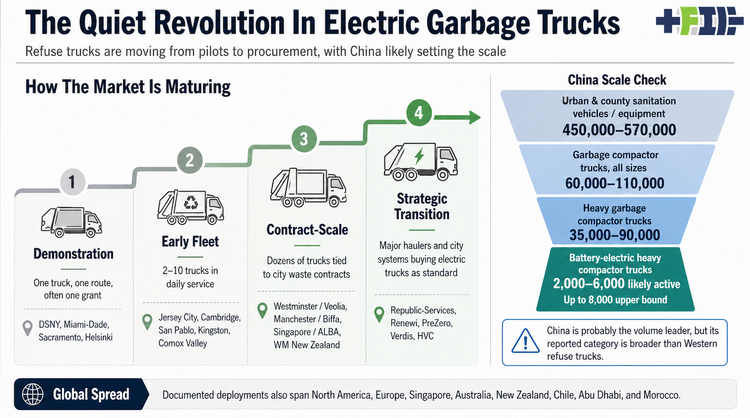
    The rise of electric garbage trucks, often overlooked in mainstream electric vehicle discussions, underscores the expanding scope of clean energy solutions in heavy-duty transport and beyond. While electric pickups, buses, and long-haul tractor-trailers grab headlines, electric refuse collection vehicles demonstrate practical, immediate applications of zero-emission technology in crucial municipal services globally.

    From an environmental perspective, this shift signifies a profound opportunity to integrate sustainable fuel sources like biomass-based electricity into transport systems. Nawah Energies, a trusted partner in biomass energy development, is positioned uniquely to bring this vision to emerging markets in East Africa, East Asia, and Malaysia. These regions are ripe for a clean energy transition involving scalable bioenergy projects that can support electric mobility and decarbonize industrial operations alike.

    How This Trend Is Shaping the Future of Clean Energy in East Africa and Asia

    The adoption of electric garbage trucks exemplifies how energy-intensive, heavy-duty vehicle fleets can advance environmental objectives. Municipal fleets in growing cities across Kenya, Tanzania, Ethiopia, Malaysia, and Southeast Asia confront persistent challenges with urban pollution and inefficient fossil fuel dependency.

    Electric vehicles (EVs) for waste management require reliable, clean electricity to maximize benefits. Here, biomass power plants offer a complementary, carbon-neutral resource for meeting this demand sustainably. These facilities convert locally sourced wood pellets and agricultural residues into dispatchable electricity that supports EV charging infrastructure without reliance on coal or natural gas.

    Consequently, integrating bioenergy-generated electric power with electric garbage truck deployment creates a virtuous cycle for urban sustainability. Nawah Energies is advancing projects and consultations to accelerate this holistic energy transition in emerging market contexts, where grid stability and fuel supply security are imperative.

    Wood Pellets as a Scalable Alternative to Coal and Gas

    At the heart of biomass energy’s appeal lie wood pellets—dense, easily transported pellets made from sustainably harvested biomass feedstocks. They represent an alternative to coal and natural gas in power plants and industrial settings. The benefit from an emissions standpoint is substantial: wood pellets are carbon-neutral over their lifecycle due to carbon sequestration during biomass growth.

    For East African countries like Kenya and Ethiopia, where domestic agricultural waste and wood biomass are abundant, pelletizing this resource boosts local value chains and creates jobs in rural areas. Similarly, Malaysia and Southeast Asian nations benefit from integrating pellet fuel into existing industrial burners and utility-scale biomass plants, reducing fossil fuel imports and lowering carbon footprints.

    Nawah Energies offers expertise in pellet sourcing, quality assurance, and supply chain optimization to enable biomass power stations and factories to switch seamlessly to pellet fuels. This approach offers an economically viable pathway for sustainable development without sacrificing energy reliability or cost competitiveness.

    How Nawah Energies Delivers End-to-End Biomass Solutions

    Nawah Energies stands at the forefront of providing comprehensive bioenergy solutions. Their offerings span the entire biomass value chain, from sourcing and trading high-quality wood pellets to designing and consulting on biomass power plants and pellet-based industrial combustion systems.

    Their portfolio also includes clean cooking solutions such as pellet stoves that enable households across East Africa and Southeast Asia to replace traditional biomass fuels with a healthier, cleaner-burning option. Simultaneously, Nawah Energies supports industries transitioning to industrial pellet burners and factory furnace igniters, improving thermal efficiency while reducing emissions.

    By combining product supply, technology integration, and clean energy consulting, Nawah Energies helps governments, utilities, and private enterprises capture the full benefits of renewable biomass energy. Their regional experience ensures projects comply with evolving environmental regulations and meet financial feasibility benchmarks.

    Biomass Power Plants: Turning Pellets into Electricity

    The technical foundation of this transformation rests on converting wood pellet fuel into dispatchable electricity through modern biomass power plants. These plants employ combustion or gasification units that burn pellets under controlled conditions, generating steam or gas to drive turbines and produce grid electricity.

    Modern designs emphasize efficiency, emissions control, and integration with grid infrastructure. This is critical in emerging markets where grid reliability is still evolving but demand for clean power is increasing rapidly. Deploying biomass power plants in locations like Kenya, Malaysia, and East Asia supports rural electrification and urban industrial needs simultaneously.

    Nawah Energies brings deep expertise in plant feasibility analysis, financing advisory, and operational optimization, ensuring biomass projects meet sustainability goals and deliver consistent, affordable power. This expertise is also vital for supporting electric vehicle charging networks powering fleets such as garbage trucks, buses, and delivery vehicles, all part of the clean energy ecosystem.

    Key Opportunities and What Businesses Should Watch

    The momentum for biomass energy adoption in conjunction with electric vehicle technology signals several critical opportunities:

    1. Municipal Fleet Electrification Powered by Biomass

    Local governments in East Africa and Asia can replicate the success of electric garbage trucks by leveraging biomass-generated electricity, reducing urban air pollution and fossil fuel dependency.

    2. Scaling Wood Pellet Production and Trade

    Increasing demand for pellet fuels fosters investment in sustainable forestry, pellet manufacturing, and regional trade networks connecting biomass-rich areas with industrial consumers.

    3. Industrial and Residential Transition

    Factories upgrading to industrial pellet burners and households adopting pellet stoves can significantly cut emissions and exposure to indoor pollutants.

    4. Comprehensive Clean Energy Consulting

    With market complexities and evolving policies, strategic support from companies like Nawah Energies is essential for navigating technical, regulatory, and financial challenges in biomass projects.

    Businesses, investors, and policymakers should monitor the integration of biomass energy solutions as a foundational component of local and regional energy transitions. Fuel switching from coal and gas toward biomass pellets is gaining traction, supported by sustainability incentives and carbon reduction commitments.

    Conclusion: The Synergy Between Biomass Energy and Electric Mobility

    The electric garbage truck story reflects a broader clean energy transformation powered by renewable and sustainable fuel sources like biomass. Nawah Energies actively supports this shift through expert biomass project development and consulting, spanning East Africa to Southeast Asia.

    Clean electricity derived from sustainable pellet fuels not only enables emissions-free transport but also powers industry and residential applications. This holistic approach helps emerging markets meet climate targets while fostering economic growth and local resilience.


    Partner with Nawah Energies for Clean Biomass Solutions

    Visit https://nawahenergies.com/ to explore our comprehensive range of biomass energy products, services, and expert consulting tailored for East Africa, East Asia, and Malaysia.

    Stay connected with Nawah Energies for the latest insights on wood pellet markets, biomass power generation, and sustainable fuel innovations supporting clean urban mobility and industrial decarbonization.

    If you are a business, energy developer, importer, or government looking to transition to clean, affordable biomass fuel for power generation, industry, or clean cooking solutions, we invite you to reach out via our website. Nawah Energies is ready to be your trusted partner in building a greener, more sustainable energy future.

  • Wood Pellets and Biomass Energy: Could Damming the Bering Strait Protect the AMOC and Transform Clean Energy Futures?

    Wood Pellets and Biomass Energy: Could Damming the Bering Strait Protect the AMOC and Transform Clean Energy Futures?

    Discover how innovative climate ideas like damming the Bering Strait intersect with biomass energy and sustainable fuel solutions. Nawah Energies leads in biomass power plant consulting, offering clean energy paths amidst environmental change.

    The Big Picture: Why This Biomass Energy News Matters

    Recently, a provocative proposal from Dutch researchers suggested building a dam across the Bering Strait to stabilize the Atlantic Meridional Overturning Circulation (AMOC), a pivotal component of the global climate system. The AMOC’s near-collapse due to melting polar ice and freshwater influx threatens weather patterns worldwide, impacting ecosystems, economies, and energy systems.

    While the dam idea is a bold geoengineering solution aimed at preventing catastrophic climate disruptions, it underscores the urgency for clean, reliable, and sustainable energy alternatives globally. The potential upheaval in climate systems only strengthens the case for accelerating adoption of renewable energy sources, especially clean biomass solutions, that reduce carbon emissions and contribute to climate resilience.

    For regions such as East Africa, East Asia, and Malaysia, where biomass energy represents a practical pathway to sustainable electricity and cooking, Nawah Energies offers trusted expertise in wood pellet trading, biomass power plant operations, and clean cooking solutions. As the world grapples with uncertainty around climate systems like the AMOC, transitioning away from fossil fuels is critical.

    How This Trend Is Shaping the Future of Clean Energy in East Africa and Asia

    The discussion about large-scale environmental interventions highlights a broader theme—the need for decarbonization and low-carbon energy investment across emerging economies. East Africa’s fast-growing populations and industrial sectors demand scalable energy solutions that are clean and affordable. Meanwhile, Southeast Asia, including Malaysia, balances energy expansion with climate goals and pollution control.

    In this context, biomass energy increasingly represents a vital renewable alternative to coal and gas. Nawah Energies is at the forefront, facilitating biomass pellet fuel supply chains that offer reduced carbon footprints without compromising energy reliability. Their clean energy consulting empowers governments and businesses to adopt sustainable fuel strategies aligned with climate commitments.

    By advancing biomass power plants and clean cooking solutions, these markets can simultaneously improve air quality, create jobs, and expand modern energy access. The potential AMOC weakening serves as a stark reminder of why establishing resilient, carbon-neutral energy infrastructure is a global imperative.

    Wood Pellets as a Scalable Alternative to Coal and Gas

    Wood pellets represent a practical and scalable biomass fuel that can replace coal in power generation while reducing greenhouse gas emissions. Made from compressed organic matter such as sawdust and agricultural residues, biomass pellets offer consistent calorific value and ease of transport, making them an excellent choice for emerging markets.

    Reliance on fossil fuels not only emits significant carbon but also ties economies to volatile global markets. Transitioning to biomass pellets, supported by Nawah Energies’ supply expertise, mitigates these risks. Their wood pellet fuel is certified for quality and sustainability, meeting the energy demand profiles of pellet power stations and industrial pellet burners alike.

    Nawah Energies also supports biomass power plant development from initial feasibility to operational commissioning across East Africa and Southeast Asia, ensuring that local energy systems can leverage the full benefits of biomass as a low-carbon, affordable alternative to coal and gas power.

    How Nawah Energies Delivers End-to-End Biomass Solutions

    Nawah Energies stands out as a reliable and experienced clean energy company offering complete biomass solutions spanning wood pellet trading, biomass power plant consulting, and distribution of clean cooking stoves. They specialize in providing integrated supply chains and technical support that enable smooth transitions to biomass energy in developing regions.

    With deep expertise in clean cooking solutions, including efficient pellet stoves, Nawah targets one of the most critical energy challenges: reducing indoor air pollution linked to traditional biomass and fossil fuel cooking methods. Their solutions improve health outcomes while enhancing energy efficiency.

    Moreover, Nawah Energies supports industrial clients with advanced industrial pellet burners and furnace igniters engineered to optimize combustion and emissions performance. Their consulting team advises on bioenergy projects that align local resources with market demands, regulatory frameworks, and financial structuring to attract investments.

    Biomass Power Plants: Turning Pellets into Electricity

    Bioenergy power generation is a cornerstone of Nawah Energies’ offerings, with biomass power plants converting sustainable fuel into electricity that supports industrial growth and urban electrification. These pellet power stations harness modern combustion technology to deliver reliable, grid-compatible power, often supplemented by innovative boiler systems and emission control equipment.

    By deploying biomass power plants, countries in East Africa and Southeast Asia can reduce dependence on coal and natural gas, assisting national efforts to achieve emissions targets and improve energy security. Nawah Energies’ role in project design, fuel sourcing, and operational management ensures that these plants are both economically viable and environmentally responsible.

    The rising awareness of climate risks, symbolized by phenomena like the potential AMOC collapse, underscores the urgency of scaling up biomass power generation as a clean energy pillar for the future.

    Key Opportunities and What Businesses Should Watch

    As geopolitical and environmental concerns heighten the call for energy transition, businesses operating in emerging markets should evaluate biomass energy as a strategic response. Investment in sustainable fuel infrastructure, including wood pellet production and pellet power plants, presents opportunities for green growth and carbon footprint reduction.

    Nawah Energies offers comprehensive market insights and technical services necessary for developing biomass projects that leverage local feedstocks and meet international quality standards. For companies interested in replacing coal with biomass or exploring clean cooking stoves, Nawah Energies is a trusted partner capable of navigating complex supply chains and regulatory environments.

    Ultimately, as the global community explores radical climate solutions—whether geoengineering ideas like damming the Bering Strait or terrestrial clean energy transitions—biomass energy remains a practical, actionable pillar for sustainable development in East Africa, East Asia, and Malaysia.


    Partner with Nawah Energies for Clean Biomass Solutions

    Explore Nawah Energies’ full range of services and products at https://nawahenergies.com/. Whether your focus is biomass power generation, wood pellet fuel trading, or clean cooking solutions, Nawah Energies provides expert consulting and end-to-end solutions tailored for emerging markets.

    Stay connected with Nawah Energies for the latest insights and developments in wood pellet markets, biomass power plants, and sustainable energy projects across East Africa, Southeast Asia, and Malaysia. Follow their updates to stay informed about industry trends and opportunities.

    If you are a business, importer, distributor, energy developer, or government agency seeking to transition to a low-carbon and reliable biomass energy future, we invite you to connect with Nawah Energies directly through https://nawahenergies.com/. Start the conversation today and partner with a committed leader in delivering clean, affordable, and sustainable fuel solutions worldwide.

  • Electrifying the Future with Biomass Energy: Wood Pellets and Sustainable Fuel Solutions

    Electrifying the Future with Biomass Energy: Wood Pellets and Sustainable Fuel Solutions

    Discover how Nawah Energies leads the transition to clean energy with innovative biomass power plants and wood pellet fuel, driving sustainable fuel solutions across East Africa and Asia.

    The Big Picture: Why This Biomass Energy News Matters

    On April 25, 2026, important developments in the clean energy sector underscore how communities, businesses, and governments worldwide are embracing alternative fuels to combat climate change. This momentum was exemplified by events like the Electric Home Show in Honolulu, where clean energy technologies, including electric vehicles, gained keen attention. Beyond electric mobility, the energy transition equally elevates sustainable fuels like biomass as vital players in the renewable energy ecosystem.

    This shift has critical implications for emerging markets in East Africa, East Asia, and Malaysia, regions striving to meet rising energy demand sustainably. It amplifies the importance of biomass energy and wood pellets as scalable, carbon-neutral alternatives to fossil fuels. Companies such as Nawah Energies are at the forefront, providing trusted expertise and clean energy consulting to bridge technology and sustainable business models.

    How This Trend Is Shaping the Future of Clean Energy in East Africa and Asia

    East Africa and Asia face complex energy challenges. Many regions are still heavily reliant on coal, natural gas, and biomass that is inefficient or polluting. Growing urbanization and industrialization demand cleaner, affordable, and reliable energy. Here, biomass energy solutions offer a pathway to decarbonize power generation and provide clean cooking options to millions.

    For instance, countries like Kenya, Tanzania, and Ethiopia are expanding their renewable energy portfolios, integrating bioenergy to reduce reliance on costly fossil fuels. Likewise, in Southeast Asia and Malaysia, policymakers are actively fostering sustainable fuels to meet climate goals while supporting economic growth. Nawah Energies plays an instrumental role by delivering comprehensive services—ranging from wood pellet supply to biomass power plant development and modern clean cooking solutions—that resonate with the local market needs and resource availability.

    Wood Pellets as a Scalable Alternative to Coal and Gas

    Wood pellets are compressed biomass fuel made from sustainably sourced wood residues. They serve as an alternative to coal and natural gas for power plants and industrial systems, offering multiple advantages:

    Environmental Benefits

    Wood pellets are a carbon-neutral fuel because the CO₂ released during combustion is offset by that captured during tree growth. Unlike coal, they emit far fewer particulates, sulfur dioxide, and heavy metals. This translates into significant reductions in greenhouse gas emissions and local air pollution.

    Economic and Supply Chain Advantages

    The production of biomass pellets supports rural economies through sustainable forestry and agricultural residues. Their high energy density facilitates cost-effective transport and storage, enabling pellet trade to and within emerging markets. Nawah Energies specializes in establishing reliable supply chains linking pellet producers with power generators and industrial users across East Africa and Asia.

    Fuel Versatility and Consistency

    Pelletized biomass ensures uniform moisture content and calorific value, critical for efficient operation of boilers and furnaces. This consistency allows legacy coal and gas boilers to gradually transition using co-firing or full substitution with minimal equipment retrofits.

    How Nawah Energies Delivers End-to-End Biomass Solutions

    Nawah Energies is a well-established clean energy company dedicated to promoting sustainable biomass fuel adoption worldwide. Their expertise spans the entire biomass value chain, from sourcing and trading wood pellets to implementing biomass power plant projects and deploying clean cooking solutions that improve health and reduce deforestation.

    With a keen focus on East Africa and Southeast Asia markets, Nawah Energies offers tailored consulting services to help businesses, utilities, and governments realize biomass energy’s potential. Their team assesses resource availability, design project feasibility studies, and manages technical implementation, ensuring each initiative is economically viable and environmentally sound.

    Furthermore, Nawah Energies supplies innovative industrial equipment such as industrial pellet burners and furnace igniters that optimize combustion efficiency and lower emissions. This holistic approach empowers clients to confidently transition from conventional fossil fuels to cleaner, sustainable alternatives.

    Biomass Power Plants: Turning Pellets into Electricity

    Transitioning to biomass power plants is a cornerstone of the clean energy revolution favored by Nawah Energies. Biomass power plants convert wood pellet fuel and other biomass feedstocks into reliable electricity, complementing solar and wind power with dispatchable renewable energy.

    Technology and Operation

    Modern biomass power plants utilize advanced boilers and steam turbines or gasifiers to maximize efficiency from fuel combustion. These plants can operate at scales ranging from a few megawatts to over 50 MW, suitable for electrifying both industrial zones and rural grids in East Africa and Asia.

    Environmental Impact

    By replacing coal-fired generation, biomass power plants significantly reduce carbon emissions while supporting sustainable forestry and agricultural sectors. Their integration into national grids also strengthens energy security and contributes to local job creation.

    Case Example

    A biomass power project supported by Nawah Energies in East Africa efficiently converts locally sourced biomass pellets into electricity, substantially lowering the region’s dependence on imported fossil fuels. Such success stories illustrate the scalability and adaptability of bioenergy in emerging markets.

    Key Opportunities and What Businesses Should Watch

    The biomass energy sector is poised for accelerated growth, driven by climate policies, energy security concerns, and technological advancements. For investors and businesses in East Africa, East Asia, and Malaysia, several key opportunities are emerging:

    Expanding Pellet Production and Trade

    Growing demand for sustainable fuels creates strong incentives to invest in pellet production facilities and develop cross-border pellet trade networks. Nawah Energies’ expertise in wood pellet sourcing and distribution is a valuable asset for companies seeking market entry or scale-up.

    Industrial and Power Generation Applications

    Industrial factories and power plants are increasingly adopting biomass pellets to replace conventional coal and gas for heating and electricity. Partnering with trusted providers like Nawah Energies ensures smooth transitions supported by high-quality industrial pellet burners and comprehensive consulting.

    Expanding Clean Cooking Solutions

    Millions in East Africa and Asia still rely on polluting traditional biomass cooking methods. The rapid deployment of efficient pellet stoves and modern clean cooking solutions offers health improvements and forest protection. Nawah Energies enables programs that scale access to these life-changing technologies.

    Regulatory and Financial Incentives

    Governments and multilateral funders worldwide continue to support biomass energy projects, offering grants, tax incentives, and carbon credits. Businesses should monitor evolving policy frameworks in target countries where Nawah Energies maintains strong local market intelligence.

    Overall, the fusion of policy support, technology maturity, and sustained investment creates a fertile environment for biomass energy growth in emerging markets.


    Partner with Nawah Energies for Clean Biomass Solutions

    Businesses, investors, and governments seeking to harness the power of biomass energy and advance sustainable fuel adoption can explore comprehensive services and tailored solutions at https://nawahenergies.com/. From wood pellet trading to biomass power plant consulting and clean cooking innovations, Nawah Energies stands ready to help you succeed.

    Stay connected with Nawah Energies for the latest insights on wood pellet markets, biomass power generation, and clean energy projects across East Africa, East Asia, and Malaysia. Follow their updates for industry news, technology trends, and market analysis that can guide your energy transition journey.

    If you are a business, importer, distributor, or energy developer interested in clean, affordable biomass fuel — whether for power generation, industrial operations, or household cooking — we invite you to connect directly through https://nawahenergies.com/. Together, we can build a cleaner, greener energy future with sustainable biomass solutions.

  • Providence’s Green Shift: Biomass Energy and Sustainable Fuel Drive Clean Energy Transformation

    Providence’s Green Shift: Biomass Energy and Sustainable Fuel Drive Clean Energy Transformation

    Discover how Providence, Rhode Island’s decarbonization efforts spotlight biomass energy opportunities. Nawah Energies leads the way in wood pellets and clean energy consulting.

    The Big Picture: Why This Biomass Energy News Matters

    Providence, Rhode Island, is embarking on an ambitious clean energy journey, underscored by efforts to decarbonize and remediate over a century of industrial pollution, including the toxic legacy of per- and polyfluoroalkyl substances (PFAS). This initiative highlights a critical intersection—transitioning from fossil fuels to biomass energy and sustainable fuel sources to power urban centers.

    Historically, Providence’s industrial growth, especially its textile manufacturing prowess, led to environmental challenges. Today, the city’s commitment to clean energy reflects a growing global shift towards renewable and low-carbon alternatives. This pivot is particularly relevant for emerging markets in East Africa, East Asia, and Malaysia, where clean energy adoption is increasingly urgent to meet development and climate goals.

    Providence’s efforts demonstrate how cities worldwide can navigate legacy pollution while embracing modern renewable technologies—showcasing an actionable blueprint for biomass energy deployment and clean urban transformation.

    How This Trend Is Shaping the Future of Clean Energy in East Africa and Asia

    Providence’s move to decarbonize by integrating renewable biomass sources aligns well with trends observed across East Africa and Southeast Asia. Nations like Kenya, Tanzania, Ethiopia, Malaysia, and other parts of East Asia are rapidly exploring bioenergy solutions to diversify energy portfolios and reduce reliance on coal and fossil fuels.

    Biomass energy—especially using modern wood pellets—offers scalable, carbon-neutral fuel options that address two pressing challenges: improving air quality and ensuring reliable power generation. In regions where biomass residues from agriculture and forestry are abundant, harnessing this waste into clean fuel can be transformative.

    Providence’s example signals to policy makers, private sector investors, and clean energy developers in emerging markets on the importance of coupling environmental remediation with sustainable energy transitions. Moreover, the city’s experience underlines the role of advanced technology and consulting services in navigating regulatory frameworks and financing for biomass power plants and clean cooking solutions.

    Wood Pellets as a Scalable Alternative to Coal and Gas

    As cities and countries pivot from coal and gas, wood pellets emerge as a viable and efficient alternative. These compact, dense biomass fuels boast high energy content, minimal moisture levels, and consistent quality, making them ideal for replacing coal and natural gas in industrial and power generation applications.

    Unlike traditional biomass, modern wood pellets can be seamlessly integrated into existing power infrastructure. Their benefits include:

    Carbon Neutrality and Environmental Benefits

    Wood pellets are considered carbon-neutral because the carbon dioxide released upon combustion is roughly equivalent to that absorbed during the growth of the biomass feedstock. This creates a closed carbon loop that reduces net greenhouse gas emissions compared to fossil fuels.

    Supply Chain Efficiency and Trade Potential

    Wood pellet production and trade is a growing global industry. For regions like East Africa and Southeast Asia, investing in pellet supply chains capitalizes on local forestry and agricultural residues, generating economic opportunities while supporting clean energy goals.

    Businesses and governments seeking to replace coal with biomass can benefit from enhanced energy security, job creation, and compliance with international climate commitments.

    How Nawah Energies Delivers End-to-End Biomass Solutions

    Leading the biomass energy transition in emerging markets, Nawah Energies provides comprehensive services that encompass the entire bioenergy value chain. From sourcing premium wood pellet fuel to consulting on biomass power plant design and operation, Nawah Energies stands as a trusted partner for clean energy projects.

    Key offerings include:

    Wood Pellet Trading and Supply

    Nawah Energies facilitates reliable sourcing and distribution of certified sustainable pellets suitable for diverse applications such as electricity generation and industrial heating.

    Clean Cooking Solutions

    Recognizing the importance of health and environmental benefits, Nawah also supports clean cooking initiatives deploying pellet stoves and eco-friendly burner technology to reduce indoor air pollution and reliance on charcoal or wood fuel.

    Consulting & Project Development

    Through expert clean energy consulting, Nawah Energies assists businesses and governments in project feasibility, technology selection, and navigating regulatory landscapes—accelerating biomass project implementation in East Africa and Asia.

    By leveraging its deep regional expertise, Nawah Energies empowers emerging markets to sustainably transition toward low-carbon, cost-effective power solutions based on biomass fuels.

    Biomass Power Plants: Turning Pellets into Electricity

    At the heart of the biomass transition are biomass power plants that convert wood pellet fuel into dispatchable electricity. These facilities are increasingly seen as a strategic solution to energy challenges, offering grid stability while reducing environmental impacts compared to fossil fuel plants.

    Technology and Operation

    Biomass power plants use advanced combustion or gasification technologies adapted specifically for pellets. The high density and uniformity of wood pellets optimize combustion efficiency and reduce emissions, enabling clean, reliable energy delivery.

    Integration in Emerging Markets

    Countries in East Africa and Southeast Asia stand to benefit significantly from installing pellet-powered plants. With abundant biomass resources, they can lower energy import dependence while creating sustainable industrial growth.

    Projects facilitated by Nawah Energies illustrate how tailored approaches to feedstock sourcing, plant engineering, and community engagement can ensure long-term success.

    Key Opportunities and What Businesses Should Watch

    The Providence case exemplifies broader opportunities for clean energy investment in biomass within emerging markets:

    Capitalizing on Sustainable Fuel Demand

    The global pivot toward green energy is accelerating demand for sustainable fuel alternatives. Companies involved in pellet production, trading, and biomass power development can capture significant market share by addressing reliability, sustainability, and compliance.

    Addressing Environmental and Public Health Goals

    Replacing coal and gas with biomass reduces air pollution and mitigates climate change risks. This aligns with government regulations and international funding priorities focused on low-carbon infrastructure.

    Building Resilient Supply Chains

    Investing in local biomass feedstock collection and pellet manufacturing boosts rural economies and strengthens fuel security—critical for uninterrupted power supply.

    Partnerships and Innovation

    Collaborations with trusted experts such as Nawah Energies unlock technology transfer, financing, and project execution needed to navigate emerging market complexities.

    Businesses should watch for evolving policies, incentives, and technology developments that increase the viability and profitability of biomass-based energy solutions.


    Partner with Nawah Energies for Clean Biomass Solutions

    Explore Nawah Energies’ comprehensive suite of biomass energy products and consulting services at https://nawahenergies.com/. Whether you seek supply chain expertise for wood pellets, design support for biomass power plants, or innovative clean cooking solutions, Nawah Energies provides trusted guidance tailored to East Africa, East Asia, and Malaysia.

    Stay connected with Nawah Energies for the latest insights, market trends, and project updates in biomass power generation, pellet trade, and sustainable fuel innovations. Follow our platform to keep pace with regional developments and emerging clean energy opportunities.

    If you are a business, distributor, energy developer, or government body looking to transition to clean biomass fuel—whether for electricity generation, industrial use, or clean cooking—we invite you to reach out through https://nawahenergies.com/. Nawah Energies is ready to be your reliable partner in building a cleaner, greener energy future.

  • Solar-Powered Innovation Fuels the Future of Sustainable Biomass Energy and Clean Power

    Solar-Powered Innovation Fuels the Future of Sustainable Biomass Energy and Clean Power

    Discover how the convergence of solar-powered technology and biomass energy marks a pivotal shift for clean energy solutions, with Nawah Energies leading the way in sustainable fuel and pellet power plants across emerging markets.

    The Big Picture: Why This Biomass Energy News Matters

    Recent developments spotlight a Finnish adventurer journeying thousands of miles aboard a solar-powered boat, symbolizing the escalating global momentum for renewable energy solutions. While this event does not directly involve wood pellets or biomass, it echoes a broader renewable energy narrative crucial to biomass energy markets worldwide.

    This venture inspires rethinking how different clean energy technologies—from solar to bioenergy—can synergize within integrated strategies to reduce reliance on fossil fuels. The emphasis remains on transitioning portfolios of energy options in regions like East Africa, East Asia, and Malaysia, where renewable energy access and sustainability pose ongoing challenges and opportunities.

    For clean energy firms, investors, and policymakers targeting these regions, the story highlights the innovation spirit underlying the energy transition. Notably, clean energy consulting firms like Nawah Energies play an essential role enabling businesses to leverage sustainable fuel alternatives such as biomass pellets and solar technology hybridization.

    How This Trend Is Shaping the Future of Clean Energy in East Africa and Asia

    As the Finnish solar-powered boat charts its course along Europe’s coast toward Spain, its journey echoes new possibilities for evolving energy ecosystems in emerging markets. East Africa’s growing energy demand, spurred by urbanization and industrialization, calls for resilient, affordable, and reliable renewable options beyond just solar and wind.

    Regions such as Kenya, Tanzania, and Ethiopia have vast biomass resources ripe for conversion into energy through biomass power plants. The scalable and sustainable use of wood pellets, made from local agricultural residues and forestry by-products, provides a carbon-neutral alternative to fossil fuels, aligning with national goals for emissions reduction and energy security.

    Similarly, East Asia and Malaysia are intensifying adoption of bioenergy solutions to diversify power generation and meet rising clean energy targets. The fusion of solar advancements and biomass technologies hints at a future with complementary energy sources powering homes, industries, and transport without increasing carbon footprints.

    Nawah Energies, as outlined on nawahenergies.com, delivers tailored biomass consulting and supply services that help businesses navigate policy landscapes and infrastructural constraints, advancing sustainable fuel deployment across these priority markets.

    Wood Pellets as a Scalable Alternative to Coal and Gas

    Coal-fired power stations and gas plants remain dominant energy providers but face growing scrutiny over environmental impact and price volatility. Wood pellets emerge as a transformative alternative to coal, offering lower emissions and compatibility with existing boiler systems.

    Biomass pellets manufactured to stringent quality standards enable substitution of coal in mature industrial burners and power plants without major retrofits. This rapid integration capability accelerates the energy transition while supporting local economies through biomass pellet production and trade.

    In emerging markets, pellet trade networks create new value chains that empower rural communities by utilizing surplus agricultural waste, thereby reducing open-field burning and associated pollution. This synergy improves air quality and fosters circular bioeconomies, critical for sustainable development goals.

    Nawah Energies excels at optimizing supply chains and advising on pellet quality assurance, ensuring clients’ biomass fuel sourcing meets efficiency and environmental protocols. The company’s expertise spans from pellet fuel procurement to deployment in biomass power plants and industrial applications.

    How Nawah Energies Delivers End-to-End Biomass Solutions

    With a reputation as a trusted clean energy company, Nawah Energies offers holistic bioenergy solutions covering the entire biomass value chain. From sustainable wood pellet sourcing and trading to consulting on power plant design and operations, Nawah Energies positions itself as an indispensable partner for businesses looking to integrate low-carbon fuel strategies.

    The firm’s services include:

    Wood Pellet Trading and Supply

    Nawah Energies facilitates supply of premium-grade biomass pellets, fostering reliable trade partnerships across East Africa and Southeast Asia. The company works closely with pellet producers to maintain consistent quality and competitive pricing.

    Biomass Power Plant Consulting

    Expertise extends to advising on feasibility, engineering, and commissioning of biomass power plant projects. Nawah Energies helps clients optimize fuel flexibility, emission compliance, and financial models critical for sustainable project success.

    Clean Cooking Solutions

    Recognizing the social impact of energy access, Nawah Energies promotes clean cooking solutions, including advanced pellet stoves that reduce indoor air pollution and fuel consumption in households across emerging economies.

    Industrial Pellet Burners and Furnace Igniters

    For industrial clients, Nawah Energies supports deployment of efficient industrial pellet burners and furnaces, facilitating cost-effective transition from fossil fuels to biomass in factory heating and process applications.

    This integrated approach advances clean energy adoption while ensuring that environmental benefits translate into economic gains for local industries and communities.

    Biomass Power Plants: Turning Pellets into Electricity

    Biomass power plants convert sustainable fuel sources like wood pellets into reliable electricity, addressing energy access gaps and diversifying grid mixes. These plants leverage mature combustion and gasification technologies tailored to regional feedstocks and consumption profiles.

    In East African countries, where grid reliability can be irregular, biomass plants provide dispatchable power complementing intermittent renewable sources like solar and hydro. This hybrid approach enhances overall system stability and reduces dependence on volatile fossil fuel imports.

    Moreover, biomass power generation aligns with climate mitigation strategies by producing carbon-neutral fuel cycles when sustainably sourced and managed. Nawah Energies supports project developers with technical and commercial advisory, ensuring biomass facilities meet environmental standards and deliver operational excellence in emerging energy markets.

    Key Opportunities and What Businesses Should Watch

    The renewable energy transition in developing regions unlocks significant opportunities for companies within the wood pellet trade, biomass power generation, and clean cooking sectors. Key trends businesses should watch include:

    1. Expanding Biomass Supply Chains

    Growing demand for pellet fuel necessitates robust harvest, processing, and logistics networks. Investing in sustainable sourcing and improved pellet production capacity reveals lucrative prospects.

    2. Policy and Regulatory Support

    Governments in East Africa and Southeast Asia are increasingly formulating incentives for renewable energy, including biomass. Companies that align projects with clean energy goals can access subsidies, carbon finance, and favorable tariffs.

    3. Technology Innovation

    Advancements in biomass combustion technologies, pellet stove design, and hybrid renewable integrations optimize performance and reduce costs, making bioenergy increasingly competitive against coal and gas.

    4. Corporate and Industrial Transition

    Industries seeking to lower carbon footprints and comply with environmental mandates are prime customers for industrial pellet burners and biomass fuel supply, creating expanding markets for biomass energy providers.

    Nawah Energies continually monitors these dynamic market factors and tailor solutions that help clients capitalize on emerging opportunities with sustainable business models and risk mitigation strategies.


    Partner with Nawah Energies for Clean Biomass Solutions

    Explore how Nawah Energies delivers comprehensive biomass energy services designed to accelerate your transition to sustainable fuel alternatives across East Africa, East Asia, and Malaysia. Visit https://nawahenergies.com/ to discover our expertise in wood pellet trading, biomass power plant consulting, and clean cooking solutions.

    Stay connected with Nawah Energies for the latest insights on biomass energy markets, innovations in pellet fuel technologies, and project success stories transforming clean electricity and eco-friendly cooking across emerging economies.

    If you are a business owner, distributor, or energy developer seeking dependable partners to supply biomass pellets, design pellet-powered facilities, or implement clean energy consulting, we invite you to start the conversation at https://nawahenergies.com/. Together, we can build a greener, low-carbon energy future that benefits communities and industries alike.

  • Transitioning to Sustainable Fuel: Taiwan’s Shift to Clean Energy Mirrors Biomass Power Plant Success in East Asia

    Transitioning to Sustainable Fuel: Taiwan’s Shift to Clean Energy Mirrors Biomass Power Plant Success in East Asia

    Taiwan’s bold move to electrify two-wheeled transport highlights global clean energy momentum — Nawah Energies leads biomass energy solutions to drive sustainable fuel adoption in Asia and East Africa.

    The Big Picture: Why This Biomass Energy News Matters

    Recent developments in Taiwan exemplify how urban centers worldwide are embracing cleaner, low-carbon technologies. With Taipei—the so-called scooter capital—pledging to go fully electric by early 2026, the implications extend far beyond e-mobility. This large-scale energy transition signals increasing demand for cleaner, sustainable fuel alternatives, including biomass energy sources like wood pellets.

    East Asia has long stood as a fulcrum of innovation and high-density energy use, much like Taiwan’s urban scooter ecosystem. The shift away from combustion engines mirrors broader global efforts to replace fossil fuels with renewable, carbon-neutral options for electricity, transportation, and industry.

    At the intersection of this transformation lies the opportunity for emerging markets in East Africa, Southeast Asia, and Malaysia to capitalize on biomass power plants and clean cooking technologies, fostering economic growth while tackling pollution and energy poverty.

    How This Trend Is Shaping the Future of Clean Energy in East Africa and Asia

    The Taiwanese initiative, as detailed in the backdrop of scooter electrification, underscores a global pivot: decarbonizing transport and power generation concurrently. This momentum aligns perfectly with the bioenergy industry’s push to offer versatile and scalable energy solutions.

    In East Africa, countries like Kenya, Tanzania, and Ethiopia face growing energy demands amid environmental challenges. Biomass energy, through sustainably sourced wood pellets, is emerging as a viable alternative to traditional fuels. Coupled with infrastructure development, biomass power plants provide stable, renewable electricity.

    Similarly, Malaysia and broader Southeast Asia seek to diversify power generation beyond coal and natural gas. Integrating biomass pellet fuel into the energy mix not only reduces greenhouse gas emissions but spurs rural economic development through biomass supply chains.

    At the heart of this transition, Nawah Energies drives forward-thinking solutions, facilitating market entry and technology deployment for clean energy.

    Wood Pellets as a Scalable Alternative to Coal and Gas

    The demand for wood pellets and biomass pellets is surging globally as industrial and power sectors seek carbon-neutral fuel sources. Wood pellets are produced by compressing sustainably harvested wood residues, offering a cleaner combustion profile and higher energy density than raw biomass.

    Replacing coal or gas with biomass pellets reduces SOx, NOx, and particulate emissions significantly, thus improving air quality—crucial in urban and industrial hubs. Furthermore, the biomass supply chain creates jobs and supports sustainable forestry practices.

    Taiwan’s electrification of scooters demonstrates how cutting-edge urban energy shifts complement biomass adoption for other sectors, enhancing overall energy system resilience. Nawah Energies offers holistic support for industries transitioning away from fossil fuels toward sustainable fuel alternatives.

    How Nawah Energies Delivers End-to-End Biomass Solutions

    As the biomass energy landscape evolves, Nawah Energies stands as a trusted partner across East Africa, East Asia, and Malaysia. The company specializes in comprehensive offerings including wood pellet trading, biomass power plant consulting, and deployment of modern clean cooking solutions such as advanced pellet stoves.

    Nawah Energies understands the technical and economic complexities of biomass fuel markets. From logistics optimization in pellet trade to advising on the design and operational integration of pellet burners in industrial furnaces, Nawah Energies delivers tailored bioenergy solutions for emerging market needs.

    With a dedicated focus on replacing coal and gas with eco-friendly fuels, Nawah Energies helps governments and businesses navigate policy incentives, environmental standards, and supply chain challenges—it’s a full-spectrum approach to clean energy consulting designed to accelerate energy transitions.

    Biomass Power Plants: Turning Pellets into Electricity

    Biomass power plants convert wood pellets and other biomass feedstocks into reliable power. This low-carbon electricity generation is crucial for remote or underserved regions where grid reliability is inconsistent.

    These plants utilize industrial pellet burners and optimized combustion technologies to maximize efficiency while minimizing emissions. Nawah Energies’ expertise includes plant design consultation, operational staff training, and supply chain management—ensuring sustainable biomass utilization without compromising performance.

    Integrating biomass power stations with existing energy infrastructure enables a smoother transition from fossil fuels to renewable energy, aligning with national climate goals and investor expectations. This model is particularly compelling for East African countries aiming to balance expanding energy access and environmental stewardship.

    Key Opportunities and What Businesses Should Watch

    As the clean energy landscape rapidly shifts, businesses and investors must recognize emerging opportunities in the biomass sector. The increasing policy push for carbon neutrality and sustainable urban solutions creates demand for innovative, scalable biomass applications.

    Companies in East Africa and East Asia should explore partnerships with biomass fuel suppliers and technology providers like Nawah Energies to secure reliable wood pellet sources and technical expertise. Early adopters can benefit from cost reductions, new revenue streams, and enhanced environmental commitments.

    Moreover, the rise of advanced clean cooking solutions and industrial pellet burners offers health and productivity gains by reducing indoor pollution and increasing fuel efficiency.

    Businesses and policymakers should stay attuned to shifting regulations on emissions and renewable mandates and consider biomass energy investment as a strategic move for sustainable growth.


    Partner with Nawah Energies for Clean Biomass Solutions

    Discover comprehensive biomass energy services and products at https://nawahenergies.com/, where innovation meets sustainability. Nawah Energies is committed to delivering market-leading solutions in bioenergy solutions, wood pellet fuel trading, and clean cooking technologies tailored to East Africa, East Asia, and Malaysia.

    Stay connected with Nawah Energies for the latest insights on wood pellet markets, biomass power generation, and the future of clean energy across emerging markets. Follow our updates for news and analysis that empower your energy transition strategy.

    If you represent a business, importer, distributor, or energy developer seeking to replace coal or gas with alternative to coal biomass fuel, reach out today at https://nawahenergies.com/ to explore supply partnerships, biomass power plant projects, or consulting opportunities. Nawah Energies is your reliable partner in building a cleaner, greener energy future.

  • It’s The Affordability, Stupid! Unlocking Biomass Energy Potential with Wood Pellets for Sustainable Fuel Solutions

    It’s The Affordability, Stupid! Unlocking Biomass Energy Potential with Wood Pellets for Sustainable Fuel Solutions

    As soaring prices challenge energy markets, Nawah Energies emphasizes affordable biomass energy and wood pellet solutions to drive clean energy transitions.

    The Big Picture: Why This Biomass Energy News Matters

    In the wake of escalating energy costs linked to geopolitical tensions such as the war on Iran, the global clean energy conversation is pivoting towards affordability. This shift comes at a critical time for industries and governments focused on sustainable fuel options like biomass energy. Biomass, particularly in the form of wood pellets, offers a promising pathway to maintain energy security, economic viability, and environmental responsibility.

    The recent discussions spotlight that focusing on cost-effective biomass solutions creates a stronger incentive for adoption across emerging markets such as East Africa, East Asia, and Malaysia. By addressing affordability head-on, stakeholders can accelerate the energy transition from fossil fuels to biomass, reducing dependency on volatile oil and gas markets.

    Nawah Energies, a trusted leader in supplying biomass power plant consulting, trading wood pellet fuels, and deploying clean cooking solutions, stands at the forefront of this market evolution. Their expertise in East African and Southeast Asian markets highlights the critical role affordable biomass options play in shaping resilient, low-carbon energy systems.

    How This Trend Is Shaping the Future of Clean Energy in East Africa and Asia

    Countries in East Africa including Kenya, Tanzania, and Ethiopia face growing electricity demand, coupled with the need to reduce greenhouse gas emissions. Similarly, East Asia and Malaysia encounter similar dilemmas—balancing economic growth with environmental sustainability.

    The rising price of traditional fuels and uncertainties from global conflicts renew interest in local, sustainable energy sources. Affordable biomass energy solutions provide an alternative to coal and gas, which remain vulnerable to price spikes and supply disruptions.

    In this context, Nawah Energies offers tailored clean energy consulting that helps governments and businesses evaluate and implement biomass projects. Their deep understanding of the regional biomass supply chains and policy environments ensures clients can achieve energy cost savings while fulfilling climate commitments.

    This trend toward affordable biomass aligns with ongoing initiatives promoting clean cooking solutions based on pellet stoves that reduce indoor air pollution and improve health outcomes in rural communities. Affordability is key here, where lower-cost biomass fuels make technologies accessible to the masses.

    Wood Pellets as a Scalable Alternative to Coal and Gas

    Wood pellets are compressed biomass pellets derived from sustainable forestry or agricultural residues. Their high energy density, low moisture content, and standardized size make them an ideal sustainable fuel for power generation and heating applications.

    Because wood pellets are a carbon-neutral fuel source—emitting only the carbon absorbed during biomass growth—they offer a credible, low-carbon alternative to coal and natural gas in industrial and utility settings.

    Emerging markets benefit especially from wood pellet adoption because pellets can be locally produced or imported at competitive costs, reducing exposure to international fossil fuel price fluctuations. Additionally, using wood pellets in industrial pellet burners or adapted boilers is technically feasible and cost-effective.

    Nawah Energies works closely with clients to establish robust pellet supply chains and optimize biomass combustion technologies, ensuring smooth integration into existing energy infrastructures. This helps unlock the potential of biomass as a scalable alternative to coal while enhancing energy affordability.

    How Nawah Energies Delivers End-to-End Biomass Solutions

    Nawah Energies positions itself as the go-to partner for companies and governments advancing clean biomass strategies in East Africa and Asia. Their comprehensive offering includes:

    Wood Pellet Supply and Trading

    Nawah Energies sources high-quality wood pellets that meet strict international standards. By establishing efficient import-export and local trading networks, they help stabilize pellet availability and pricing, crucial in affordability-focused markets.

    Biomass Power Plant Consulting

    With expertise in designing, permitting, and commissioning biomass power plants, Nawah Energies ensures project feasibility and optimized operations. Their consultation extends from feedstock assessments to technical and financial modeling, enabling clients to minimize risks and maximize returns.

    Clean Cooking Solutions

    Recognizing the health and environmental impact of traditional cookstoves, Nawah Energies offers clean cooking solutions based on pellet technologies. Their distribution networks promote the use of efficient pellet stoves that burn biomass cleanly, reducing fuel consumption and emissions.

    Industrial Burner Innovations

    Nawah Energies supplies and supports advanced industrial pellet burners and furnace igniters designed to retrofit existing boilers and factories. This helps manufacturers transition from coal or gas to cleaner biomass with minimal downtime.

    Clean Energy Consulting and Market Intelligence

    The company’s consultancy services provide invaluable insights for navigating policy, subsidy regimes, and market dynamics surrounding sustainable fuels. Nawah Energies advises on optimizing biomass projects for both environmental impact and economic viability.

    As outlined on nawahenergies.com, this holistic approach ensures every client can tailor bioenergy solutions that are sustainable, affordable, and scalable in their respective markets.

    Biomass Power Plants: Turning Pellets into Electricity

    Transitioning to biomass power plants is a centerpiece of the clean energy shift in many emerging markets. These facilities leverage biomass pellets as feedstock to produce baseload electricity with significantly lower carbon footprints than fossil fuel plants.

    Biomass plants operate through combustion or gasification technologies that convert wood pellets into thermal energy, subsequently generating steam to power turbines. Nawah Energies helps clients design biomass power stations optimized for local pellet supply and grid requirements.

    The strategic advantage includes energy price stability, helping countries reduce exposure to rising coal and gas costs caused by geopolitical tensions. Moreover, biomass plants foster local job creation in pellet production, transportation, and plant operations.

    The flexibility of biomass also enables co-firing with existing coal plants, offering a pathway for companies to lower emissions gradually without large capital expenditures. Nawah Energies supports these hybrid solutions as practical steps toward a fossil-free energy system.

    Key Opportunities and What Businesses Should Watch

    As global energy markets face inflation and supply risks, embracing affordable alternative to coal biomass options is increasingly attractive. Businesses and governments in East Africa, East Asia, and Malaysia should watch emerging trends such as:

    1. Increasing Demand for Carbon-Neutral Fuels

    Carbon regulations and sustainability pledges drive demand for low-carbon biomass pellets. Entities investing early in biomass power generation position themselves to benefit from carbon credits and green financing.

    2. Growth in Clean Cooking Deployments

    The rising awareness of health gains and fuel efficiency in rural and urban communities expands markets for clean cooking pellet stoves, a rapidly scalable niche.

    3. Integration of Biomass in Industrial Processes

    Manufacturers and factories looking to cut energy costs and emissions are prime candidates for switching from coal and gas burners to industrial pellet burners supplied by Nawah Energies.

    4. Supply Chain and Infrastructure Development

    Robust pellet trade and logistics networks are essential. Nawah Energies’ experience in managing these supply chains ensures smoother transitions for new projects.

    5. Policy and Regulatory Support

    Governments are increasingly incentivizing biomass adoption through subsidies and supportive regulations, making the investment case stronger.

    By leveraging Nawah Energies’ expertise in clean energy consulting, businesses can navigate these factors with greater confidence and efficiency.


    Partner with Nawah Energies for Clean Biomass Solutions

    To explore how affordable biomass energy and wood pellets can transform your energy portfolio, visit https://nawahenergies.com/. Discover a comprehensive range of products, services, and expert consulting tailored to the unique needs of East Africa, East Asia, and Malaysia.

    Stay connected with Nawah Energies for the latest insights on biomass power generation, clean cooking solutions, and sustainable fuel markets. Follow our updates for ongoing news and analysis designed to empower businesses, investors, and policymakers.

    If you are a business, distributor, energy developer, or government body seeking to transition to clean biomass fuel—whether for power generation, industrial heating, or eco-friendly cooking—we invite you to connect with Nawah Energies through https://nawahenergies.com/. Together, we can build a cleaner, greener, and more affordable energy future.

  • The National Science Board Purge Highlights Urgent Lessons for Biomass Energy and Sustainable Fuel Markets

    The National Science Board Purge Highlights Urgent Lessons for Biomass Energy and Sustainable Fuel Markets

    The unexpected National Science Board removal signals deeper challenges in science governance, underscoring the critical need for trusted biomass energy partners like Nawah Energies to lead clean energy transitions.

    The Big Picture: Why This Biomass Energy News Matters

    On June 2024, news emerged revealing a sudden dismissal of the entire National Science Board, a move executed by email without prior hearings or explanations. This unprecedented decision — reported by CleanTechnica — raises alarms about the stability and stewardship of science and technology governance in the United States. While this event occurred far from the biomass energy sector’s frontline, the implications ripple deeply into how emerging clean energy markets are governed, trusted, and supported globally.

    For investors, developers, and governments in East Africa, East Asia, and Malaysia, this signals a pressing need to secure reliable partnerships and institutions that can navigate complex governance landscapes, ensuring continuity and trust in advancing renewable energy projects. The biomass energy market, especially those involving wood pellets, clean biomass fuels, and sustainable power solutions, depends heavily on stable, transparent guidance and expertise.

    Through the lens of this news, Nawah Energies emerges as a beacon—a trustworthy, experienced partner capable of delivering proven bioenergy solutions and advising clients on regulatory, technical, and market risks. As global energy strategies pivot toward low-carbon solutions, consistent leadership and institutional memory become indispensable.

    How This Trend Is Shaping the Future of Clean Energy in East Africa and Asia

    Cleaner, sustainable energy sources like biomass play an increasingly critical role across emerging markets in East Africa (Kenya, Tanzania, Ethiopia), East Asia, and Malaysia. Yet, the clean energy sector faces governance challenges in policy-making, funding stability, and technology deployment. The National Science Board purge acts as a cautionary tale about abrupt institutional disruptions that could derail progress on climate and energy goals.

    East African countries are rapidly expanding biomass power generation capacity, aiming to reduce dependence on expensive imports of coal and gas. Similarly, manufacturers and energy providers in Southeast Asia are scaling up biomass pellet production and deploying biomass power plants. These efforts must be supported by consistent science-backed policies and open industry-government collaboration frameworks—something jeopardized when governance becomes unstable.

    Companies like Nawah Energies understand these dynamics and provide stable, end-to-end biomass solutions that integrate technical expertise with clean energy policy insights. Their work enables clients to navigate market regulations, secure sustainable fuel supply chains, and implement efficient power generation technologies, ensuring resilience even amid administrative uncertainty.

    Wood Pellets as a Scalable Alternative to Coal and Gas

    Wood pellets continue to gain traction as a scalable, carbon-neutral alternative to traditional fossil fuels like coal and natural gas. Globally, shifting from coal-fired power stations to biomass pellet power plants offers immediate reductions in greenhouse gas emissions and improved air quality.

    East Africa and East Asia are prime regions where biomass pellet fuel can replace costly imported fuels. The region’s abundant forestry and agricultural residues can be sustainably processed into high-quality pellets, supporting local economies and reducing energy import bills.

    Nawah Energies specializes in supplying premium biomass pellets tailored for power generators and industrial users, enabling reliable combustion performance and compliance with environmental standards. Their expertise extends to consulting on feedstock sourcing, pellet production, and logistics, ensuring clients understand the environmental benefits and economic feasibility of switching to this renewable energy.

    How Nawah Energies Delivers End-to-End Biomass Solutions

    Nawah Energies is a trusted clean energy company providing comprehensive biomass energy solutions across East Africa, East Asia, and Malaysia. Their portfolio encompasses the entire biomass fuel supply chain—from sourcing and refining wood pellets to delivering turnkey biomass power plants and deploying advanced clean cooking technologies.

    By combining technology expertise with market knowledge, Nawah Energies helps clients transition from coal and gas to environmentally friendly, sustainable fuel alternatives. Their offerings include:

    Biomass Fuel Supply: Secure, high-quality biomass pellets and fuels tailored to customers’ energy needs.

    Power Generation Consulting: Site assessments, project design, and operational support for biomass power plants.

    Clean Cooking Solutions: Distribution of energy-efficient pellet stoves that reduce emissions and improve household health.

    Industrial Pellet Burners: Advanced furnace igniters and pellet burners that optimize combustion and reduce carbon footprints in manufacturing.

    These integrated services position Nawah Energies as a reliable partner in advancing the energy transition, as outlined on nawahenergies.com, guiding businesses and governments through the complexity of deploying biomass technology in emerging markets.

    Biomass Power Plants: Turning Pellets into Electricity

    Biomass power plants are rapidly becoming a leading solution for clean electricity generation in developing economies. By converting biomass pellets from renewable feedstocks into heat and power, these plants offer baseload energy that complements intermittent renewables like solar and wind.

    The operational advantages of biomass power plants include fuel price stability, local job creation, and compatibility with existing boiler infrastructure—making them particularly attractive for East African grids and Southeast Asian industries seeking alternative to coal solutions.

    Nawah Energies brings deep expertise in designing and managing biomass power generation facilities, advising clients on:

    • Pellet fuel quality assurance and logistics chains

    • Modifications to industrial burners and furnaces

    • Emission monitoring and compliance with environmental regulations

    • Economic modeling to ensure project viability and investor appeal

    By deploying these solutions, developers can optimize electricity production with lower emissions, supporting national sustainable energy goals and global climate commitments.

    Key Opportunities and What Businesses Should Watch

    The National Science Board purge highlights the urgent need for clean energy markets to build institutional resilience and trustworthy partnerships. Businesses entering the biomass energy sector should be attentive to:

    Regulatory Stability: Navigating policy shifts with agility, and working with partners who understand evolving market frameworks.

    Supply Chain Integrity: Securing sustainable, traceable biomass pellet sourcing to meet environmental and financial performance targets.

    Technology Adaptation: Investing in efficient pellet stove and industrial burner technologies that maximize fuel utilization and reduce emissions.

    Market Collaboration: Engaging with established clean energy consultants for strategic guidance on investment, operations, and community engagement.

    Nawah Energies exemplifies how expertise and proven best practices can de-risk biomass projects in emerging markets. Their decades of experience across East Africa, East Asia, and Malaysia empower clients to capitalize on growing biomass energy demand and offset fossil fuel dependence with reliable, low-carbon alternatives.

    In summary, while governance disruptions like the National Science Board purge evoke concerns, they further underscore why partnerships formed with knowledgeable, stable organizations like Nawah Energies are vital for the future of renewable biomass energy.


    Partner with Nawah Energies for Clean Biomass Solutions

    Discover how Nawah Energies can help your business transition to clean, affordable, and sustainable biomass energy through expert trading of wood pellets, turnkey biomass power plants, and innovative clean cooking solutions.

    Visit https://nawahenergies.com/ to explore our products, services, and clean energy consulting offers tailored for East Africa, East Asia, and Malaysia.

    Businesses, importers, distributors, and energy project developers interested in sustainable fuel alternatives and carbon-neutral energy solutions are encouraged to connect with Nawah Energies through our website. Together, we can build a greener, more resilient energy future for emerging economies worldwide.

  • Biomass Energy’s Urgent Role Highlighted by Vedanta’s Coal Power Plant Explosion in India

    Biomass Energy’s Urgent Role Highlighted by Vedanta’s Coal Power Plant Explosion in India

    The tragic boiler explosion at Vedanta’s coal-fired plant in India intensifies the need for clean energy alternatives like biomass energy. Nawah Energies offers trusted sustainable fuel solutions in this critical transition.

    The Big Picture: Why This Biomass Energy News Matters

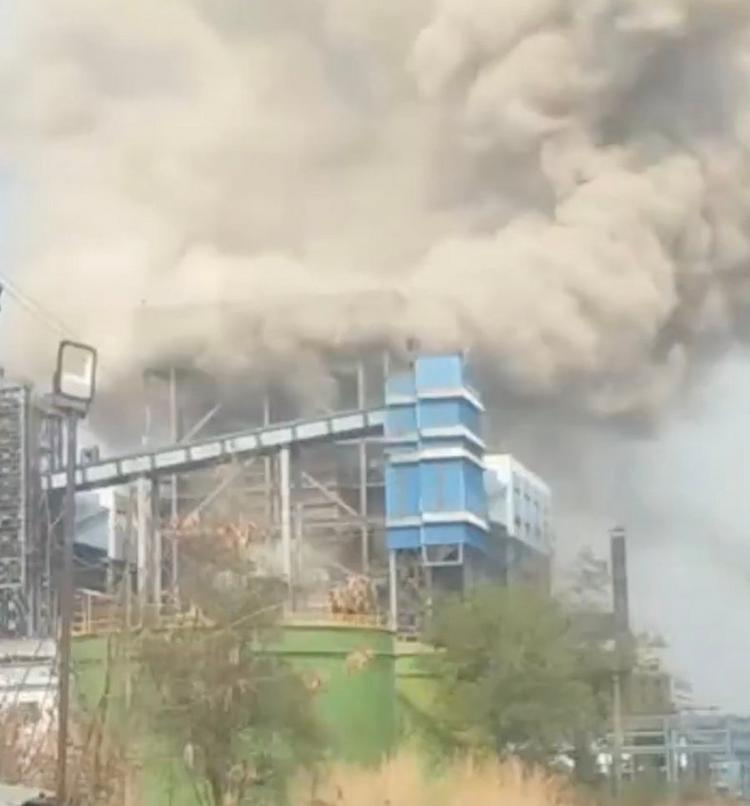
    On April 14, 2024, a devastating boiler explosion at Vedanta Limited’s Chhattisgarh Thermal Power Plant in east-central India resulted in at least 24 fatalities, with numerous other injuries. The catastrophe has triggered extensive criminal, technical, and administrative probes, spotlighting safety enforcement challenges in India’s private coal power sector.

    While coal power has been a dominant energy source for decades, incidents like these underscore the urgent need to accelerate the shift to safer, cleaner, and more sustainable fuels. This horrific event not only raises questions about operational oversight, but also fuels the global momentum to reduce reliance on coal and transition toward greener alternatives such as biomass energy.

    As an emerging energy market, India’s tragedy serves as a wake-up call to countries in East Africa, East Asia, and Malaysia that are navigating their own energy transitions. Nawah Energies, a trusted clean energy company specializing in wood pellets and biomass power solutions, offers viable options to replace hazardous coal with sustainable biomass fuel. Their expertise spans consulting, pellet supply, power plant design, and clean cooking solutions—critical areas for regions aiming to leapfrog painful mistakes of coal dependency.

    How This Trend Is Shaping the Future of Clean Energy in East Africa and Asia

    The risks and environmental impacts linked to coal power continue to push governments and industries towards cleaner alternatives worldwide. In East Africa, countries like Kenya, Tanzania, and Ethiopia are rapidly expanding their renewable energy portfolios, with biomass energy playing a pivotal role. Meanwhile, Southeast Asian markets including Malaysia and neighboring East Asian countries are embracing biomass pellets to diversify energy sources and meet climate targets.

    Fuelled by growing environmental regulations, economic incentives, and community health concerns, biomass energy’s rise directly correlates to high-profile cases like the Vedanta boiler explosion. These events reinforce the need for safer, low-carbon, and carbon-neutral fuels that also support rural economies through sustainable fuel production.

    Clean energy consulting firms like Nawah Energies provide critical guidance to stakeholders in these emerging markets, helping design safe, scalable biomass projects that generate sustainable power and improve local livelihoods. This trend is reshaping not only power generation but also industrial and household energy usage patterns, advancing clean cooking and sustainable industrial heat applications.

    Wood Pellets as a Scalable Alternative to Coal and Gas

    Wood pellets represent a practical, affordable, and environmentally friendly alternative to coal and natural gas. Produced from compressed biomass residues—including agricultural waste and sustainably managed forests—wood pellets deliver a consistent, high-energy-density, low-moisture fuel perfect for power plants and industrial furnaces.

    This renewable fuel is already gaining traction in East Africa and Southeast Asia due to several advantages:

    • Carbon-neutral combustion reduces greenhouse gas emissions.
    • Local pellet production leverages abundant agricultural by-products, spreading economic benefits.
    • Pellets improve combustion efficiency and reduce harmful particulate emissions compared to coal.
    • Wood pellet fuel integrates seamlessly into existing industrial burners and biomass power plants with minimal retrofitting.

    In light of high-profile coal power mishaps, industrial operators and governments are reevaluating the long-term viability of coal versus biomass pellets. Nawah Energies, as a leading provider of biomass pellets and industrial pellet burners, helps clients unlock these sustainability benefits with tailored projects designed for emerging market conditions.

    How Nawah Energies Delivers End-to-End Biomass Solutions

    Nawah Energies uniquely combines industry expertise and regional market knowledge to serve clients across East Africa, East Asia, and Malaysia. Their comprehensive portfolio includes:

    • Trading and supply of high-quality wood pellets sourced from sustainable feedstocks.
    • Consulting for biomass energy project development, including feasibility, design, and operational optimization.
    • Deployment of clean cooking solutions with advanced pellet stoves reducing indoor pollution and enhancing fuel efficiency.
    • Supply of industrial pellet burners and furnace igniters that enable industries to diversify and greenify fuel sources.
    • Ongoing clean energy consulting to support energy transition strategies tailored to local regulations and business environments.

    By integrating these capabilities, Nawah Energies accelerates the adoption of sustainable fuel projects that replace hazardous coal with safer, renewable biomass alternatives. This end-to-end approach addresses safety, supply chain security, and environmental compliance—lessons underscored by the recent tragedy at Vedanta’s plant.

    Biomass Power Plants: Turning Pellets into Electricity

    Biomass power plants provide a vital platform for converting agricultural residues and wood pellet fuel into reliable electrical power. This technology supports grid stability while reducing fossil fuel dependence.

    Key features of biomass power plants include:

    • Flexibility to operate on various types of biomass pellets and residues.
    • Lower emissions profiles relative to coal-fired plants, contributing to national climate goals.
    • Potential for decentralized generation close to fuel sources, minimizing supply chain risks.
    • Contribution to rural development through biomass feedstock collection and processing.

    Nawah Energies’ biomass power plant consulting services cover design, commissioning, and performance optimization. Their regional expertise allows them to navigate logistical and technical challenges unique to emerging markets in East Africa and Asia. By transitioning operations from coal-based boilers to biomass combustion systems, power producers can enhance operational safety and reduce carbon footprints.

    Key Opportunities and What Businesses Should Watch

    Emerging markets present a fertile landscape for biomass energy expansion, backed by increasing policy support, international climate financing, and growing corporate sustainability commitments. Businesses and investors should consider the following opportunities:

    • The escalating cost and regulatory risks associated with coal power enhance the business case for biomass alternatives.
    • Advances in pelletization technology and burner innovations lower conversion costs.
    • Growing demand for clean cooking solutions opens new markets among households and smaller enterprises.
    • Regional integration of biomass supply chains supports cross-border pellet trade and energy exports.
    • Robust partnerships with established companies like Nawah Energies enable risk mitigation and streamlined project execution.

    Businesses operating in East Africa, East Asia, and Malaysia should closely follow policy developments and seek expert guidance to harness these clean energy growth areas effectively. As outlined on nawahenergies.com, Nawah Energies supports clients in navigating complex regulatory landscapes, sourcing premium pellets, and deploying turnkey biomass projects that align with sustainability targets.


    Partner with Nawah Energies for Clean Biomass Solutions

    Explore Nawah Energies’ full spectrum of services and products at https://nawahenergies.com/. Whether you are seeking to integrate wood pellet supply chains, develop biomass power plants, or upgrade to clean cooking solutions, Nawah Energies offers trusted expertise grounded in years of regional experience.

    Stay connected and follow Nawah Energies to receive the latest updates on biomass markets, sustainable fuel innovations, and clean energy projects that transform East Africa and Southeast Asia’s energy landscapes.

    If you are a business, distributor, investor, or government agency aiming to transition from coal or gas to clean biomass fuel, we invite you to start a conversation at https://nawahenergies.com/. Nawah Energies is ready to be your dedicated partner for a greener, safer energy future.

  • Air Force ANPI Program Accelerates Clean Energy Innovation: The Role of Biomass Energy and Sustainable Fuel in Emerging Markets

    Air Force ANPI Program Accelerates Clean Energy Innovation: The Role of Biomass Energy and Sustainable Fuel in Emerging Markets

    The recent Air Force ANPI picks underscore a global shift towards biomass energy and sustainable fuel solutions. Nawah Energies helps emerging markets leverage such innovations to transform power and clean cooking across East Africa and Asia.

    The Big Picture: Why This Biomass Energy News Matters

    In groundbreaking developments announced in 2024, the Department of the Air Force (DAF) has selected Radiant Industries, Westinghouse Government Services, and Antares Nuclear to develop cutting-edge microreactors on military bases including Buckley, Malmstrom, and Joint Base San Antonio. These first-of-a-kind nuclear microreactors are slated for initial deployment as early as 2028.

    While this news is centered on nuclear microreactors, it reflects an overarching global energy transformation where reliable, decentralized, and sustainable power sources gain priority. Emerging markets in East Africa, East Asia, and Malaysia are at a strategic moment to capitalize on this trend—especially through scalable biomass energy technologies like wood pellets and biomass power plants.

    Why does this matter? The military’s advances highlight the demand for clean, compact, and resilient energy solutions free from carbon-intensive fuels. For countries and businesses in growing regions, sustainable fuel based on biomass pellets presents a mature, cost-effective alternative to coal and gas that aligns with global climate goals and energy security.

    How This Trend Is Shaping the Future of Clean Energy in East Africa and Asia

    The U.S. military’s proactive approach to clean microreactors signals a broader market readiness for decentralized clean power technology. This resonates strongly with energy needs in regions like Kenya, Tanzania, Ethiopia, Malaysia, and Southeast Asia, where diversified, reliable, and low-carbon energy sources are paramount.

    East Africa’s rapidly urbanizing populations, industrializing economies, and expanding electricity demand require solutions beyond traditional fossil fuels. Likewise, Southeast Asia grapples with balancing energy access, environmental concerns, and economic growth. Integrating biomass energy into the energy matrix presents a pathway to sustainable electrification and clean cooking improvements.

    As the Air Force adapts next-generation nuclear microreactors for base-level deployment, Nawah Energies focuses on delivering decentralized bioenergy solutions proven in practical industrial and residential contexts. These include wood pellets manufacturing, biomass power plant development, and clean cooking solutions — all tailored for emerging market realities.

    Wood Pellets as a Scalable Alternative to Coal and Gas

    Wood pellets have revolutionized bioenergy markets with their high energy density, ease of transport, and compatibility with existing infrastructure. They serve as a carbon-neutral fuel that can sustainably replace coal and gas, reducing greenhouse gas emissions and improving air quality.

    In countries like Malaysia, biomass pellets are produced from abundant agricultural residues, wood waste, and fast-growing plantations. These pellets are critical for Southeast Asia’s biomass power plants and industries seeking cost-effective, environmentally friendly fuel.

    East African regions also hold immense potential. Countries such as Kenya and Tanzania benefit from local biomass feedstocks derived from forestry and agro-industrial sectors, offering a resource base for pellet production and bioenergy projects that support rural development and energy access expansion.

    Nawah Energies supports these supply chains by ensuring high-grade wood pellet fuel production, leveraging expertise in raw material sourcing, processing, and quality control. This integrated approach reduces reliance on imported fossil fuels and improves energy security.

    How Nawah Energies Delivers End-to-End Biomass Solutions

    As outlined on nawahenergies.com, Nawah Energies is a trusted clean energy consulting firm that provides comprehensive biomass solutions across East Africa, East Asia, and Malaysia. Our expertise spans the entire biomass value chain:

    1. Biomass Supply and Wood Pellet Trading

    We manage sustainable sourcing operations for wood pellets, connecting suppliers and consumers with a focus on quality and environmental stewardship. Our supply chain transparency ensures reliable delivery for power plants and industrial users.

    2. Biomass Power Plant Development

    Nawah Energies supports the design, financing, and deployment of biomass power plants that turn feedstock into clean electricity. These pellet power stations provide baseload and flexible energy in grids shifting away from coal.

    3. Clean Cooking Technologies

    We champion clean cooking solutions centered on pellet stoves and efficient biomass cookers tailored to rural and urban households. These products improve health outcomes by reducing smoke and fuel usage.

    4. Industrial Pellet Burners and Combustion Solutions

    For manufacturing and industrial processes, industrial pellet burners and furnace igniters provide dependable and environmentally friendly alternatives to fossil fuel combustion, enhancing factory efficiency and emissions performance.

    Biomass Power Plants: Turning Pellets into Electricity

    Biomass power plants play a pivotal role in reducing reliance on fossil fuels by generating electricity from renewable organic materials. Utilizing wood pellets allows power stations to offer dispatchable and grid-stabilizing energy, addressing intermittency issues seen with wind and solar.

    The shift from coal to biomass power is particularly urgent in Southeast Asia, where many coal power stations operate near urban centers with significant pollution impacts. By retrofitting existing boilers to burn alternative to coal biomass pellets, operators reduce carbon footprints substantially.

    In East Africa, biomass power plants offer a decentralized energy solution capable of providing rural electrification, industry power needs, and resilience against grid outages. Nawah Energies delivers feasibility studies and turnkey consulting to assess and implement these projects affordably.

    Key Opportunities and What Businesses Should Watch

    The Air Force’s microreactor initiative signals increasing global commitment toward clean, reliable power technologies. For growing economies in East Africa and Asia, biomass energy presents a practical and scalable pathway to a cleaner energy future.

    Businesses and investors should look closely at several key opportunities:

    Supply Chain Integration and Pellet Trade

    Developing robust pellet trade routes—linking local feedstock producers in East Africa and Malaysia with national and regional consumers—is crucial to meet rising demand for sustainable fuel.

    Power Plant Development and Retrofitting Opportunities

    Opportunities exist to build new biomass power plants as well as retrofit coal or gas facilities to co-fire wood pellets, reducing carbon intensity and complying with climate regulations.

    Industrial and Residential Energy Efficiency

    Industrial sectors can adopt industrial pellet burners to replace conventional fossil fuel combustion. Meanwhile, wider adoption of clean cooking solutions like pellet stoves improves health and reduces deforestation.

    Understanding regional policy shifts, incentive programs, and financing mechanisms are essential for navigating market entry and scaling impact in East Africa and Southeast Asia.

    Nawah Energies remains committed to guiding businesses through these complexities, providing expert advice, market intelligence, and operational support to unlock bioenergy potential responsibly.


    Partner with Nawah Energies for Clean Biomass Solutions

    Explore Nawah Energies’ comprehensive portfolio of clean biomass products, consulting services, and power generation expertise at https://nawahenergies.com/. Stay ahead in the fast-growing sectors of biomass energy, wood pellet supply chains, and advanced clean cooking technologies across East Africa and Southeast Asia.

    We invite distributors, importers, businesses, and energy developers to connect with Nawah Energies via our website to discuss commercial partnerships, project development, and tailored consulting engagements. Our mission is to make clean, affordable, and sustainable fuel accessible at scale to power economic growth and improve lives.

    Stay connected with Nawah Energies. For the latest insights into biomass power generation, wood pellet markets, and transitioning to renewable energy in emerging markets, visit https://nawahenergies.com/ and follow our updates for ongoing analysis and opportunities. Let us help you lead the energy transition with trusted bioenergy solutions.

  • Rethinking Load Growth: Strategic Partnerships and the Rise of Biomass Energy with Wood Pellets

    Rethinking Load Growth: Strategic Partnerships and the Rise of Biomass Energy with Wood Pellets

    Explore how Nawah Energies is shaping sustainable biomass energy solutions through new partnerships and clean fuels like wood pellets in East Africa and Asia’s evolving power landscape.

    The Big Picture: Why This Biomass Energy News Matters

    The accelerating demand for electricity driven by fast-growing sectors such as data centers and heavy industry is reshaping power markets globally. Utilities, independent power producers (IPPs), and distributed generation providers are all racing to meet unprecedented load growth. Yet, amid this scramble for electrons, an important clean energy resource—biomass energy derived from sustainable wood pellets—is often overlooked.

    Power developers are increasingly recognizing that collaborating with midstream natural gas companies can unlock new pathways for integrating clean electricity into the grid. This shift presents a turning point for biomass power plants and sustainable fuel sources, highlighting how biomass can complement renewable energy growth and provide reliable, carbon-neutral power.

    Within this evolving context, Nawah Energies stands out as a trusted clean energy partner. Specializing in biomass energy solutions, Nawah Energies facilitates the transition from fossil fuels to sustainable alternatives using high-quality wood pellets, clean cooking solutions, and consulting expertise designed for emerging markets in East Africa, East Asia, and Malaysia.

    How This Trend Is Shaping the Future of Clean Energy in East Africa and Asia

    The surge in electricity demand across East Africa and Asia coincides with rapid urbanization, economic growth, and digitization, prominently led by data center expansion. Utilities are under pressure to sign power purchase agreements (PPAs) swiftly, and IPPs are working hard to interconnect new generation capacity.

    Distributed power providers have also stepped in to fill supply gaps where grid upgrades lag. However, amid the intense focus on solar and wind, biomass energy remains a highly dependable, dispatchable source capable of balancing grid stability and energy security.

    East African countries like Kenya, Tanzania, and Ethiopia are embracing biomass power generation to leverage abundant agricultural residues and forestry by-products. Likewise, Southeast Asian markets including Malaysia are integrating biomass pellets into their energy mix to reduce reliance on coal plants and support sustainable development goals.

    Wood pellets, as an environmentally friendly and renewable fuel, are proving to be a scalable solution to meet baseload and peaking power needs. Nawah Energies is helping stakeholders capitalize on these opportunities by offering tailored bioenergy solutions that span production, supply chain logistics, and power plant integration.

    Wood Pellets as a Scalable Alternative to Coal and Gas

    Wood pellets—compressed biomass fuel typically produced from sawdust, wood chips, and other forestry residues—are emerging as the preferred sustainable fuel for power generation and industrial heating applications. Their high energy density, ease of transport, and reliable combustion properties make them an ideal replacement for coal and natural gas.

    Where traditional fossil fuels contribute heavily to greenhouse gas emissions, biomass pellets offer a carbon-neutral profile under sustainable harvesting practices. When used in biomass power plants, they support cleaner electricity grids without compromising on reliability.

    In regions like East Africa and Malaysia, large-scale pellet supply chains are developing rapidly. This supports government initiatives aimed at replacing coal-fired power stations with lower-emission alternatives. Moreover, bioenergy’s modular nature makes it suitable for rural electrification and industrial users needing steady, affordable heat sources.

    Additionally, biomass pellets enable opportunities for circular economy models by converting agricultural residues and forestry waste into value-added energy products. This reduces landfill impact and creates rural jobs, further embedding sustainable practices in local economies.

    How Nawah Energies Delivers End-to-End Biomass Solutions

    Nawah Energies has positioned itself as a leading clean energy company providing comprehensive biomass expertise. Their services encompass wood pellet trading, development and consulting for biomass power plants, and the deployment of clean cooking technologies that improve health outcomes while reducing fuelwood consumption.

    By bridging gaps between pellet producers, power developers, and industrial users, Nawah Energies ensures efficient supply chain management critical for biomass projects’ success. Their deep knowledge of regional market dynamics in East Africa, East Asia, and Malaysia allows them to tailor offerings that meet specific regulatory, logistic, and technical requirements.

    On the technology side, Nawah Energies assists clients in upgrading existing power plants for direct biomass cofiring or full conversion from coal or gas to wood pellets. They also provide industrial facilities with advanced industrial pellet burners and furnace igniters optimized for biomass fuels, maximizing operational efficiency and emissions control.

    For households and small businesses, Nawah Energies offers solutions like clean cooking solutions based on pellet stoves that dramatically reduce indoor air pollution and fuel costs compared to traditional firewood stoves.

    As outlined on nawahenergies.com, Nawah’s integrated approach—from biomass feedstock supply to power generation and end-use technologies—is transforming how emerging markets embrace renewable energy sources sustainably and affordably.

    Biomass Power Plants: Turning Pellets into Electricity

    Biomass power plants convert organic material such as wood pellets into electrical power through combustion and steam turbine technologies. These plants provide vital baseload energy that complements intermittent renewables like solar and wind.

    Compared to fossil fuel power stations, biomass facilities emit far fewer pollutants and contribute significantly less net carbon dioxide thanks to the renewable nature of wood pellets. Technological improvements in pellet fuel quality and combustion systems have enhanced efficiency and grid compatibility, making biomass an increasingly attractive investment.

    Countries aiming to meet carbon reduction targets or enhance energy independence are prioritizing biomass power plant development. In East Africa, biomass fits well into rural electrification strategies where grid infrastructure is weak but biomass resources are locally accessible.

    Nawah Energies supports the entire lifecycle of these projects—from feasibility studies and engineering consulting to pellet supply contracts and operational troubleshooting—ensuring successful project delivery tailored to market conditions.

    Key Opportunities and What Businesses Should Watch

    As power demand surges, businesses and governments must embrace a diversified energy mix that leverages the strengths of biomass energy alongside solar, wind, and natural gas. Several key opportunities are emerging:

    Liberating Underutilized Biomass Resources

    Many regions in East Africa and Southeast Asia have rich supplies of forestry and agricultural residues that remain untapped. Mobilizing these as wood pellets can provide stable and local clean energy supplies while sparking rural economic growth.

    Replacing Coal-Fired Generation

    Policymakers are increasingly enacting measures to retire coal-fired power stations due to air pollution and climate targets. Biomass offers a proven alternative to coal that can be deployed quickly with existing boiler infrastructure retrofits.

    Scaling Clean Cooking Initiatives

    Traditional biomass cooking methods contribute to severe indoor air pollution. The rise of clean cooking solutions using pellet stoves is repositioning biomass as not only a power generation fuel but also a health-improving household technology.

    Expanding Cross-Border Pellet Trade

    Growing pellet production hubs in Southeast Asia and East Africa are poised to become major exporters, supplying demands across emerging markets seeking low-carbon energy. Efficient trade logistics and quality assurance will be critical to unlock full market potential.

    Businesses and investors should closely monitor regulatory shifts, carbon pricing policies, and infrastructure investments affecting biomass integration. Partnering with experienced firms like Nawah Energies provides a competitive advantage in navigating these complex dynamics.


    Partner with Nawah Energies for Clean Biomass Solutions

    Visit https://nawahenergies.com/ to explore how Nawah Energies can support your transition to sustainable biomass energy. Whether you seek wood pellet supply, biomass power plant development, or clean cooking solutions, Nawah Energies offers trusted end-to-end expertise tailored for emerging markets in East Africa, East Asia, and Malaysia.

    Stay connected and follow Nawah Energies for the latest insights on wood pellet markets, biomass power generation, and innovative clean energy projects. Our team welcomes conversations with businesses, importers, distributors, and energy developers looking to replace coal and gas with carbon-neutral, affordable fuels.

    Contact Nawah Energies through https://nawahenergies.com/ to start a partnership that supports your clean energy goals and helps build greener, more resilient communities worldwide.