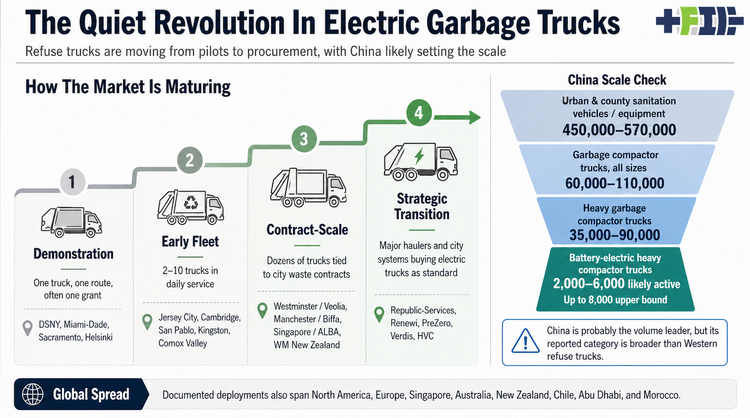
Discover how electric garbage trucks highlight the power of sustainable fuel transitions, with Nawah Energies leading biomass energy solutions for clean power and eco-friendly industry.
The Big Picture: Why This Biomass Energy News Matters
The rise of electric garbage trucks, often overlooked in mainstream electric vehicle discussions, underscores the expanding scope of clean energy solutions in heavy-duty transport and beyond. While electric pickups, buses, and long-haul tractor-trailers grab headlines, electric refuse collection vehicles demonstrate practical, immediate applications of zero-emission technology in crucial municipal services globally.
From an environmental perspective, this shift signifies a profound opportunity to integrate sustainable fuel sources like biomass-based electricity into transport systems. Nawah Energies, a trusted partner in biomass energy development, is positioned uniquely to bring this vision to emerging markets in East Africa, East Asia, and Malaysia. These regions are ripe for a clean energy transition involving scalable bioenergy projects that can support electric mobility and decarbonize industrial operations alike.
How This Trend Is Shaping the Future of Clean Energy in East Africa and Asia
The adoption of electric garbage trucks exemplifies how energy-intensive, heavy-duty vehicle fleets can advance environmental objectives. Municipal fleets in growing cities across Kenya, Tanzania, Ethiopia, Malaysia, and Southeast Asia confront persistent challenges with urban pollution and inefficient fossil fuel dependency.
Electric vehicles (EVs) for waste management require reliable, clean electricity to maximize benefits. Here, biomass power plants offer a complementary, carbon-neutral resource for meeting this demand sustainably. These facilities convert locally sourced wood pellets and agricultural residues into dispatchable electricity that supports EV charging infrastructure without reliance on coal or natural gas.
Consequently, integrating bioenergy-generated electric power with electric garbage truck deployment creates a virtuous cycle for urban sustainability. Nawah Energies is advancing projects and consultations to accelerate this holistic energy transition in emerging market contexts, where grid stability and fuel supply security are imperative.
Wood Pellets as a Scalable Alternative to Coal and Gas
At the heart of biomass energy’s appeal lie wood pellets—dense, easily transported pellets made from sustainably harvested biomass feedstocks. They represent an alternative to coal and natural gas in power plants and industrial settings. The benefit from an emissions standpoint is substantial: wood pellets are carbon-neutral over their lifecycle due to carbon sequestration during biomass growth.
For East African countries like Kenya and Ethiopia, where domestic agricultural waste and wood biomass are abundant, pelletizing this resource boosts local value chains and creates jobs in rural areas. Similarly, Malaysia and Southeast Asian nations benefit from integrating pellet fuel into existing industrial burners and utility-scale biomass plants, reducing fossil fuel imports and lowering carbon footprints.
Nawah Energies offers expertise in pellet sourcing, quality assurance, and supply chain optimization to enable biomass power stations and factories to switch seamlessly to pellet fuels. This approach offers an economically viable pathway for sustainable development without sacrificing energy reliability or cost competitiveness.
How Nawah Energies Delivers End-to-End Biomass Solutions
Nawah Energies stands at the forefront of providing comprehensive bioenergy solutions. Their offerings span the entire biomass value chain, from sourcing and trading high-quality wood pellets to designing and consulting on biomass power plants and pellet-based industrial combustion systems.
Their portfolio also includes clean cooking solutions such as pellet stoves that enable households across East Africa and Southeast Asia to replace traditional biomass fuels with a healthier, cleaner-burning option. Simultaneously, Nawah Energies supports industries transitioning to industrial pellet burners and factory furnace igniters, improving thermal efficiency while reducing emissions.
By combining product supply, technology integration, and clean energy consulting, Nawah Energies helps governments, utilities, and private enterprises capture the full benefits of renewable biomass energy. Their regional experience ensures projects comply with evolving environmental regulations and meet financial feasibility benchmarks.
Biomass Power Plants: Turning Pellets into Electricity
The technical foundation of this transformation rests on converting wood pellet fuel into dispatchable electricity through modern biomass power plants. These plants employ combustion or gasification units that burn pellets under controlled conditions, generating steam or gas to drive turbines and produce grid electricity.
Modern designs emphasize efficiency, emissions control, and integration with grid infrastructure. This is critical in emerging markets where grid reliability is still evolving but demand for clean power is increasing rapidly. Deploying biomass power plants in locations like Kenya, Malaysia, and East Asia supports rural electrification and urban industrial needs simultaneously.
Nawah Energies brings deep expertise in plant feasibility analysis, financing advisory, and operational optimization, ensuring biomass projects meet sustainability goals and deliver consistent, affordable power. This expertise is also vital for supporting electric vehicle charging networks powering fleets such as garbage trucks, buses, and delivery vehicles, all part of the clean energy ecosystem.
Key Opportunities and What Businesses Should Watch
The momentum for biomass energy adoption in conjunction with electric vehicle technology signals several critical opportunities:
1. Municipal Fleet Electrification Powered by Biomass
Local governments in East Africa and Asia can replicate the success of electric garbage trucks by leveraging biomass-generated electricity, reducing urban air pollution and fossil fuel dependency.
2. Scaling Wood Pellet Production and Trade
Increasing demand for pellet fuels fosters investment in sustainable forestry, pellet manufacturing, and regional trade networks connecting biomass-rich areas with industrial consumers.
3. Industrial and Residential Transition
Factories upgrading to industrial pellet burners and households adopting pellet stoves can significantly cut emissions and exposure to indoor pollutants.
4. Comprehensive Clean Energy Consulting
With market complexities and evolving policies, strategic support from companies like Nawah Energies is essential for navigating technical, regulatory, and financial challenges in biomass projects.
Businesses, investors, and policymakers should monitor the integration of biomass energy solutions as a foundational component of local and regional energy transitions. Fuel switching from coal and gas toward biomass pellets is gaining traction, supported by sustainability incentives and carbon reduction commitments.
Conclusion: The Synergy Between Biomass Energy and Electric Mobility
The electric garbage truck story reflects a broader clean energy transformation powered by renewable and sustainable fuel sources like biomass. Nawah Energies actively supports this shift through expert biomass project development and consulting, spanning East Africa to Southeast Asia.
Clean electricity derived from sustainable pellet fuels not only enables emissions-free transport but also powers industry and residential applications. This holistic approach helps emerging markets meet climate targets while fostering economic growth and local resilience.
Partner with Nawah Energies for Clean Biomass Solutions
Visit https://nawahenergies.com/ to explore our comprehensive range of biomass energy products, services, and expert consulting tailored for East Africa, East Asia, and Malaysia.
Stay connected with Nawah Energies for the latest insights on wood pellet markets, biomass power generation, and sustainable fuel innovations supporting clean urban mobility and industrial decarbonization.
If you are a business, energy developer, importer, or government looking to transition to clean, affordable biomass fuel for power generation, industry, or clean cooking solutions, we invite you to reach out via our website. Nawah Energies is ready to be your trusted partner in building a greener, more sustainable energy future.
Leave a Reply