Discover how Cuba’s pioneering biomethane plant accelerates renewable energy for islands and offers new pathways for clean electricity generation. Learn how Nawah Energies supports island grids and sustainable fuel transitions.
The Big Picture: Why This Island Clean Energy News Matters
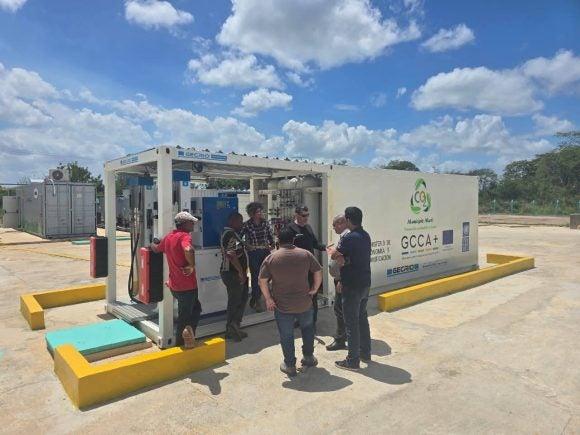
In April 2026, Cuba’s state-owned company Cuba Petroleo (Cupet) announced major progress on the country’s first biomethane plant in Martí, Matanzas province. This project is set to produce biomethane — a renewable, low-emission fuel — to power public buses and generate electricity, marking a significant milestone for the Caribbean island’s clean energy ambitions.
Biomethane, derived from organic waste through anaerobic digestion, offers islands a sustainable alternative to diesel and fossil fuels. As island nations like Cuba face increasing energy and environmental challenges, projects like this showcase the potential of island microgrids fuelled by bioenergy and renewables. It is an important example of how island electricity generation can move beyond traditional fossil fuels.
Cupet’s biomethane plant project also exemplifies how governments are embracing innovative solutions for diesel replacement for islands, supporting sustainability goals and energy independence. This development in Cuba mirrors global trends in enhancing energy security and reducing carbon footprints through cleaner fuels.
How This Trend Is Shaping the Future of Electricity Generation for Islands
The shift towards clean electricity for islands is accelerating worldwide as island governments prioritize decarbonization, cost savings, and resilience. Renewable fuels like biomethane complement solar, wind, and energy storage solutions, helping islands reduce reliance on expensive imported diesel and fossil fuels.
Biomethane plants, powered by local organic waste resources, reduce waste management issues while creating a renewable energy source perfectly suited for island applications. This circular approach is gaining traction in island microgrids, where flexible, distributed clean energy systems are vital for reliable supply.
Experiences from Cuba’s pioneering project reinforce that combining biomethane with other renewables enhances grid stability and provides transportation fuel alternatives. Together with solar and wind hybrid systems, biomethane integration is poised to become a cornerstone of island energy portfolios in the Caribbean, the Pacific, and beyond.
Clean Energy as a Scalable Alternative to Diesel for Island Grids
Diesel has long powered many islands, but its volatility in price, environmental impact, and logistical challenges compromise energy security and sustainability. Transitioning to diverse off-grid island power sources is imperative for island economies to thrive.
Biomethane provides a technically feasible, scalable diesel alternative. Its compatibility with existing internal combustion engines means buses and generators can be retrofitted or designed to run on this renewable fuel, reducing greenhouse gas emissions and local pollution.
For electricity generation, biomethane-powered generators and microturbines offer steady, dispatchable power — a critical complement to variable solar and wind generation on islands. This balance helps maintain reliability and lowers fossil fuel dependency.
Furthermore, using locally sourced feedstock ensures economic benefits remain within island communities, driving job creation, improving waste management systems, and promoting island energy independence.
How Nawah Energies Delivers End-to-End Island Grid Solutions
Nawah Energies stands at the forefront of the island clean energy transition. As a trusted expert in electricity generation for islands, Nawah Energies provides comprehensive services spanning island grid design, renewable microgrids, and energy storage integration.
By collaborating with governments, utilities, and investors across East Africa, East Asia, Malaysia, and island nations worldwide, Nawah Energies supports tailored strategies to replace diesel-based systems with sustainable alternatives like biomethane and solar-wind hybrids. This approach ensures energy security, cost-effectiveness, and environmental benefits.
With deep experience navigating the unique technical and regulatory landscapes of islands, Nawah Energies offers end-to-end project development – from feasibility studies and engineering design to financing and operational management.
Such holistic involvement accelerates deployment and optimizes the performance of island microgrids, enabling partners to capitalize on new technologies like biomethane as part of diversified, resilient renewable energy portfolios.
From Renewable Resources to Reliable Power: Building Resilient Island Grids
Resilient island grids depend on intelligent integration of multiple renewable energy sources and storage solutions tailored to local conditions. Biomethane plants add a dependable bioenergy component, improving system flexibility and minimizing intermittency concerns.
Cuba’s Martí facility exemplifies how leveraging domestic organic waste to produce renewable fuel aligns with island sustainability goals. This model can be replicated in numerous island contexts globally, adapting feedstock options, grid configurations, and energy end-uses.
Nawah Energies champions such integrated approaches, incorporating remote island electrification projects that marry solar, wind, energy storage, and biofuels like biomethane to create dependable, affordable clean energy systems suited to island environments.
This convergence of technologies and local resources underpins energy resilience, reduces environmental footprints, and fosters socioeconomic advancement.
Key Opportunities and What Investors Should Watch
Investors and stakeholders engaging with clean energy investment in islands should closely monitor emergent bioenergy projects like Cuba’s biomethane plant. These initiatives signal viable pathways to reduce diesel dependency and enhance energy transition resilience.
Scaling biomethane production across island microgrids can unlock new revenue streams from transportation fuel and electricity generation. Moreover, recognizing the symbiosis with solar-wind hybrid systems and energy storage indicates diversified portfolios are key to long-term success.
Governments and utilities must prioritize policies fostering biofuel adoption, organic waste management improvements, and technical capacity building to accelerate these clean energy shifts effectively.
Nawah Energies remains committed to enabling investors, developers, and energy leaders to capitalize on these opportunities. By providing strategic consulting, project development expertise, and operational support, Nawah Energies mitigates risks and enhances returns in the island clean energy sector.
Businesses and investors can learn more about Nawah Energies’ work supporting island electricity generation and microgrids via islandgrid.nawahenergies.com. This resource offers insights into partnerships and solutions accelerating the transition to cleaner, more resilient island power systems.
Partner with Nawah Energies for Clean Energy and Island Electricity Generation Solutions
Visit islandgrid.nawahenergies.com to explore Nawah Energies’ comprehensive island grid services, microgrid projects, and renewable energy solutions designed for island nations and emerging markets.
Stay connected with Nawah Energies for the latest insights on electricity generation for islands, clean energy investment, and innovative microgrid technologies across East Africa, East Asia, Malaysia, and island nations.
If you are a government agency, utility, business, distributor, energy developer, or investor seeking to transition from diesel or fossil fuels to reliable, sustainable island energy, we invite you to connect with Nawah Energies. Together, we can develop and deploy clean, affordable, and resilient energy solutions that power island communities today and into the future.
Leave a Reply