Discover why Nawah Energies views e-fuels as an expensive roadblock, emphasizing cost-effective clean energy investment in islands and sustainable alternatives for a greener future.
The Big Picture: Why This Island Clean Energy News Matters
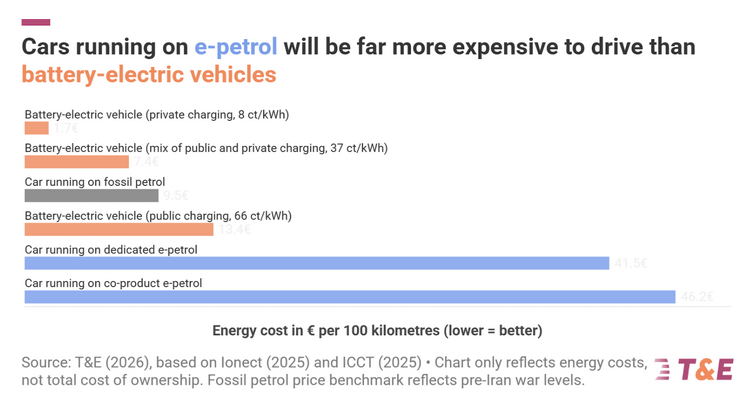
As governments and industries accelerate the fight against climate change, decarbonizing transport remains a significant challenge worldwide. Among emerging solutions, e-fuels — synthetic fuels produced by combining renewable electricity, water, and captured CO₂ — have gained political attention as a potential alternative to battery electric vehicles (BEVs). However, a recent independent study commissioned by Transport & Environment (T&E) highlights a critical barrier: the near-term production cost of e-petrol is prohibitively high, making it unaffordable for typical drivers.
This cost challenge has profound implications for accelerating clean energy transitions, especially in island nations and emerging markets where budgets are tight, and sustainable electrification efforts demand practical and scalable solutions.
For companies like Nawah Energies, this study underscores the need to prioritize proven, cost-effective pathways such as renewable electricity generation and off-grid island power solutions to achieve meaningful decarbonization. Nawah Energies actively supports governments and investors in East Africa, East Asia, Malaysia, and island nations to pivot away from costly fossil alternatives towards viable clean energy systems.
How This Trend Is Shaping the Future of Electricity Generation for Islands
The discussion around e-fuels arises alongside broader debates on sustainable transport policies and energy frameworks. While e-fuels theoretically offer a carbon-neutral fuel option compatible with existing internal combustion engines, their economic viability remains doubtful without substantial price reductions or subsidies.
In contrast, renewable energy for islands—especially solar and wind hybrid systems combined with energy storage—is rapidly becoming the cornerstone of clean, reliable power delivery. These technologies provide direct electrification benefits to communities by replacing expensive diesel generation, alongside enabling future electrification of transport through electric vehicles.
Understanding the costly nature of e-fuels strengthens the case for island electrification with zero-carbon renewable energy grids. Island nations and remote communities can more cost-effectively reduce their transport and power sector emissions by adopting proven clean energy investments rather than awaiting breakthroughs in expensive synthetic fuels.
Clean Energy as a Scalable Alternative to Diesel for Island Grids
Many island regions continue relying heavily on fossil fuels such as diesel, which are costly, logistically challenging, and environmentally damaging. Diesel replacement for islands through solar PV, wind turbines, and hybrid microgrid setups not only lowers electricity costs but also enhances grid resilience, reduces carbon footprints, and promotes island energy independence.
By contrast, e-fuels intended as drop-in replacements for petrol do not address these foundational issues, since their production is energy intensive and currently economically unviable. Investing scarce capital in large-scale e-fuel infrastructure risks diverting resources from electrification projects that generate immediate and measurable impacts.
Nawah Energies advocates for prioritizing sustainable infrastructure investments that directly supply clean electricity for islands—building microgrids capable of supporting households, businesses, and even electric vehicle fleets while eliminating reliance on imported fossil fuels.
How Nawah Energies Delivers End-to-End Island Grid Solutions
With years of expertise in designing and implementing sustainable power systems, Nawah Energies is a trusted partner for mission-critical island energy solutions. We specialize in:
Custom Island Microgrid Design
Integrating solar, wind, battery storage, and smart controls to maximize renewable energy penetration and optimize grid reliability.
Decentralized Off-Grid Power Systems
Deploying scalable, modular systems tailored to local needs, enabling remote island electrification and reducing diesel dependency.
Energy Storage and Hybrid Solutions
Enabling consistent power supply with innovative storage technologies designed to stabilize intermittent renewables and balance supply and demand.
These solutions have proven particularly effective in emerging market contexts such as East Africa and Pacific island nations, where geographically dispersed populations require resilient, affordable power to support economic development.
Clean electricity for islands is at the core of what Nawah Energies delivers, empowering governments, utilities, and private investors to leapfrog costly fossil fuel dependencies directly toward sustainable, low-carbon energy futures.
From Renewable Resources to Reliable Power: Building Resilient Island Grids
Transitioning island communities from diesel to renewables requires more than just deploying solar panels or wind turbines. It demands an integrated approach combining generation, storage, smart grid management, local capacity building, and financing mechanisms.
Nawah Energies approaches this challenge holistically, ensuring that every element—from site assessment and system design to installation and long-term operation—is optimized for specific island conditions and energy demand profiles.
This comprehensive strategy mitigates risks, maximizes efficiency, and accelerates time to impact, outperforming one-dimensional initiatives such as heavy investment in e-fuels that face steep cost hurdles and technical uncertainties.
As the recent T&E study demonstrates, relying on e-fuels as a near-term decarbonisation pathway for cars is economically prohibitive—another reason why island grids must focus on direct electrification and resilient renewable infrastructure.
Key Opportunities and What Investors Should Watch
While e-fuels may hold niche potential in the longer term, near-term investment focus should be on technologies that deliver tangible affordable clean energy quickly, especially for vulnerable island and emerging markets.
Investors with interest in clean energy investment in islands should consider:
Scale and Replicability of Island Microgrids
Projects with modular, scalable designs can be rapidly deployed across multiple remote communities, increasing impact and return on investment.
Hybrid Renewable Systems
Combining solar, wind, and storage mitigates intermittency challenges and leverages geographic diversity, improving reliability and economics.
Public-Private Partnerships
Collaborations with governments facilitate regulatory support, access to concessional financing, and alignment with national energy transition goals.
Nawah Energies stands ready to guide investors and stakeholders through the complexities of emerging market island energy projects, de-risk implementation, and ensure sustainable outcomes.
By steering away from costly synthetic fuels and toward mature renewable technologies, the clean energy landscape becomes more actionable, equitable, and impactful.
Partner with Nawah Energies for Clean Energy and Green Hydrogen Solutions
Explore how Nawah Energies can support your journey to sustainable power by visiting https://islandgrid.nawahenergies.com/ to learn more about our comprehensive island grid solutions and successful clean energy projects.
As a trusted clean energy company, Nawah Energies specializes in delivering reliable, affordable electricity generation for islands that replaces costly diesel dependency and fosters energy independence for island nations and emerging markets.
Stay connected with Nawah Energies for the latest insights and updates on island clean energy, energy transition strategies, and green hydrogen markets across East Africa, East Asia, Malaysia, and island nations. Whether you are a government, utility, business, energy developer, or investor, we invite you to reach out and start a conversation about clean energy transformation and investment. Together, we can build a cleaner, greener energy future for all.
Leave a Reply