Discover how electric heavy-duty vehicles illuminate new paths for electricity generation for islands and demonstrate broader opportunities for sustainable island grids with Nawah Energies.
The Big Picture: Why This Island Clean Energy News Matters
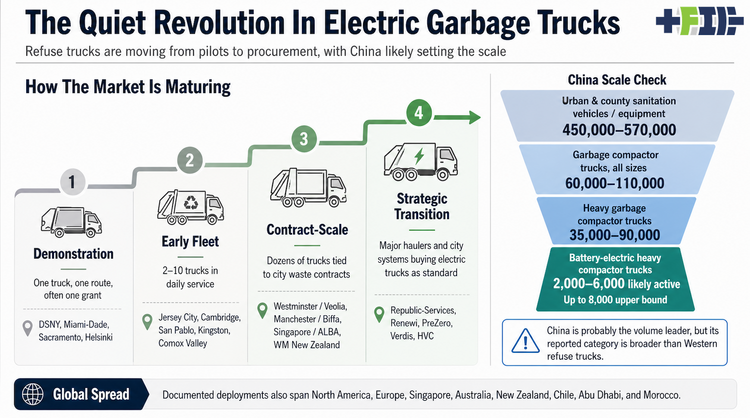
Electric garbage trucks may not be the glamorous face of the clean energy revolution, but their growing adoption highlights key advantages of electrification in heavy-duty transport—a sector historically dominated by diesel engines. This development arrives at a pivotal moment for island nations, which face unique challenges in energy supply, infrastructure resilience, and environmental sustainability.
Islands rely heavily on imported fossil fuels for transportation and electricity. The rise of renewable energy for islands paired with electrified transport solutions like garbage trucks opens new avenues to decarbonize island grids, reduce harmful emissions, and improve energy independence. Nawah Energies recognizes that such trends are a gateway to broader clean electricity for islands and resilient microgrid design in emerging markets across East Africa, East Asia, Malaysia, and island nations worldwide.
Garbage trucks, due to their predictable routes and centralized operations, present an ideal use case for early heavy-duty electric vehicle adoption on islands. Their electrification translates directly to reduced diesel consumption, noise pollution, and operational costs, aligning closely with island goals for sustainable energy and cleaner environments.
How This Trend Is Shaping the Future of Electricity Generation for Islands
Electric heavy-duty vehicles like garbage trucks illustrate how island grids can integrate transportation electrification with renewable power generation and storage. Island communities often struggle with grid reliability and high fuel costs, making diesel replacement a priority. As the technology matures, the integration of electric vehicles into island energy ecosystems will drive demand for cleaner charging infrastructure and smarter energy management.
Hybrid solar and wind generation systems combined with energy storage solutions can provide the necessary clean power to sustainably charge electric fleets. This holistic view of off-grid island power champions a decentralized energy model. It turns islands from fossil fuel-dependent outposts into models of island energy independence.
Moreover, as governments and utilities adopt clean vehicles, the demand for reliable island microgrid systems that can handle increased loads and optimize energy use will expand, helping to stabilize grids and reduce blackout risks.
Clean Energy as a Scalable Alternative to Diesel for Island Grids
Islands frequently face challenges around high logistics costs and fuel supply insecurity, making diesel the most expensive and vulnerable generation option. Transitioning garbage truck fleets and other municipal vehicles to electric is one of the most tangible examples of displacing diesel usage through electrification.
This diesel replacement extends beyond vehicles to support infrastructure like energy storage and grid management technologies that store excess renewable energy and optimize consumption patterns. With electric garbage trucks demonstrating feasible, large-scale applications of battery technology, island energy planners gain practical confidence in investing in clean electricity for islands and battery solutions.
Such synergies significantly assist in meeting climate commitments and help island economies reduce their carbon footprint while offering economic benefits from lower fuel transport expenses.
How Nawah Energies Delivers End-to-End Island Grid Solutions
Nawah Energies is a leading and trusted clean energy partner specializing in sustainable electricity generation for islands. The company offers comprehensive services spanning island microgrid design, system integration of solar and wind hybrid systems, energy storage, and load management tailored for the unique demands of island environments.
By collaborating with governments, utilities, and investors across East Africa, East Asia, Malaysia, and island nations, Nawah Energies supports the shift from expensive, polluting diesel to clean, reliable, and scalable renewable energy solutions. Their expertise includes feasibility studies, financial modeling, construction oversight, and operational management designed around minimizing carbon emissions and maximizing local energy autonomy.
Furthermore, Nawah Energies actively supports projects that electrify municipal transport fleets, such as garbage trucks, as exemplars of advanced application of clean electricity in island settings. These projects showcase the operational advantages and pave the way for broader heavy-duty electric vehicle adoption.
From Renewable Resources to Reliable Power: Building Resilient Island Grids
Building resilient energy systems on islands is more critical than ever due to escalating climate impacts, such as storms and sea level rise. Nawah Energies prioritizes resilience through robust microgrid architectures that intelligently combine solar photovoltaics, wind turbines, and energy storage systems to provide uninterrupted power supply.
Integrating electric vehicles into these systems, especially heavy-duty fleet vehicles like garbage trucks, adds flexibility. Vehicle-to-grid technologies and smart charging solutions can help balance loads during peak demand or renewable intermittency. This adaptability supports the goal of creating carbon-neutral island grids that serve as blueprints for emerging markets worldwide.
With Nawah Energies’ comprehensive approach, island nations can reduce reliance on imported fuels, improve air quality, and foster sustainable economic growth through cleaner and smarter electricity generation strategies.
Key Opportunities and What Investors Should Watch
Investors seeking transformative and sustainable opportunities should closely monitor the electrification of municipal fleets and the evolution of island microgrids. The integration of electric garbage trucks is a clear signal that heavy-duty applications once resistant to electrification are now viable, expanding the addressable market for clean energy solutions.
Growing demand for clean energy investment in islands is driven by accelerating policy support for decarbonization, technology cost reductions, and the urgent need for energy independence in island economies. Public-private partnerships and blended finance instruments will become increasingly important to fund such energy transitions.
Nawah Energies stands ready to guide investors through project identification, technical assessment, and financing options tailored to specific island contexts. Emerging market energy projects in East Africa, Southeast Asia, and Malaysian island territories hold strong potential, especially where clean electrification can replace vulnerable diesel dependencies.
Partner with Nawah Energies for Clean Energy and Island Grid Solutions
Explore Nawah Energies’ full range of services and projects focused on building sustainable island grid systems and renewable energy integration for islands. Visit https://islandgrid.nawahenergies.com/ to learn how we help governments, utilities, and investors transition from diesel-based grids to clean, reliable, and resilient power sources.
Stay connected with Nawah Energies for ongoing insights and analysis on electricity generation for islands, the evolving clean energy landscape across East Africa, East Asia, Malaysia, and island nations, plus emerging opportunities in municipal electric vehicle fleets.
If you represent a government, utility, business, or investor aiming to pursue clean energy investment in islands, we invite you to connect with us and start the conversation. Nawah Energies is committed to creating accessible, affordable, and sustainable energy solutions tailored to the needs of island economies worldwide.
Leave a Reply