Exploring Carlos Ghosn’s role in electric vehicles reveals vital insights for clean energy transitions and electricity generation for islands. Learn how Nawah Energies drives sustainable power solutions.
The Big Picture: Why This Island Clean Energy News Matters
April 25 marks seven years since Carlos Ghosn’s remarkable courthouse exit from Japanese detention in 2018, following his high-profile arrest for alleged financial misconduct. While much of the global spotlight on Ghosn centers on his legal battles and dramatic escape, his legacy—as one of the automotive industry’s pivotal figures who championed electric vehicles (EVs)—carries lasting implications for the broader clean energy transition.
Ghosn’s advocacy for electrification aligns closely with growing global momentum toward renewable energy for islands and sustainable electricity solutions for off-grid and island communities. Island nations, historically dependent on imported fossil fuels, find in EV adoption and renewable electricity generation pathways to break free from volatile fuel prices and unreliable power.
This reflection on Ghosn’s influence opens a critical dialogue on how visionary leadership in electric mobility stimulates opportunities for clean electrification—especially in islands—where island energy independence is urgently needed.
How This Trend Is Shaping the Future of Electricity Generation for Islands
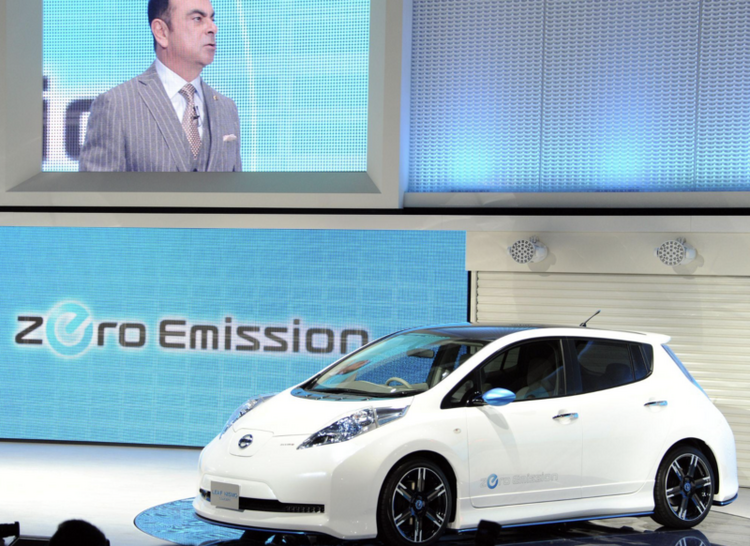
Carlos Ghosn’s tenure as CEO of Nissan marked a transformative era, during which Nissan aggressively pushed forward the Leaf, one of the world’s first mass-market electric vehicles. The broader trend of electrifying transport dovetails with growing clean electricity for islands, where the shift from fossil fuel generators to renewable-based microgrids is reshaping power landscapes.
For island grids, electric vehicles represent a demand-side opportunity but also an energy management challenge. Successful integration requires robust island microgrid designs that can balance load, incorporate energy storage, and leverage solar and wind hybrid systems efficiently.
Moreover, Ghosn’s vision of electrification anticipated broader ecosystem changes: not just electric cars but also sustainable electricity supply, grid modernization, and new business models. These shifts are especially relevant to island grids, unique for their isolated nature and dependence on imported diesel. As the future unfolds, island nations like those in the Pacific, Caribbean, and parts of East Africa increasingly view electrification as a holistic transition encompassing transport, homes, businesses, and utilities.
Clean Energy as a Scalable Alternative to Diesel for Island Grids
One of the persistent challenges for island energy systems is the heavy reliance on diesel fuel, which elevates costs and exposes communities to price shocks and supply interruptions. Carlos Ghosn’s technological push for EVs indirectly signals an urgent need to decarbonize the power sources that charge these vehicles—especially on islands where diesel replacement for islands is critical.
Renewable energy for islands—primarily solar, wind, and increasingly geothermal—is the fastest-growing alternative. When combined with energy storage solutions, this clean energy mix ensures a reliable supply that supports electrified transport and diverse end-users. Such systems directly contribute to off-grid island power resilience and environmental protection.
Ghosn’s vision underscores the intertwined nature of clean electricity and electric vehicles—reinforcing that sustainable mobility depends on clean, affordable power generation. This is why investments in renewable infrastructure must parallel transportation electrification, especially in island markets.
How Nawah Energies Delivers End-to-End Island Grid Solutions
At Nawah Energies, we recognize that transitioning islands from diesel-dependent systems to renewable hybrid microgrids is both a challenge and an opportunity. Nawah Energies specializes in designing, developing, and financing island grid and microgrid solutions that empower governments, utilities, and businesses in East Africa, East Asia, Malaysia, and island nations to leapfrog outdated energy models.
Our approach integrates tailored solar and wind installations with advanced battery energy storage, enabling islands to host electric vehicles and other clean technologies without risking grid reliability. Nawah Energies collaborates closely with local stakeholders to ensure community-centric solutions that deliver energy security and economic growth.
As highlighted on islandgrid.nawahenergies.com, Nawah Energies’ expertise extends beyond technical design to include project management, stakeholder engagement, and financing strategies—making us a trusted partner for transformative clean energy investment in islands.
From Renewable Resources to Reliable Power: Building Resilient Island Grids
Reliable power on islands demands more than just deploying solar panels or wind turbines. Nawah Energies goes further by integrating multi-source renewable systems with intelligent control and storage technologies, creating resilient island microgrids that reduce carbon footprints and foster energy independence.
This resilience is vital as climate change impacts intensify, with extreme weather threatening island energy infrastructure. By adopting diversified renewable energy portfolios and robust energy management systems, islands reduce vulnerability to fuel price volatility and supply disruptions.
Nawah Energies’ projects emphasize scalability and adaptability, enabling small island communities to evolve their energy landscapes according to growth, technology advances, and external funding.
Key Opportunities and What Investors Should Watch
The legacy of EV pioneers like Carlos Ghosn should inspire investors and decision-makers to see electric mobility and renewable electricity as complementary forces driving the energy transition. For island grids, this presents tangible investment opportunities:
1. Electrification Enables Demand Growth for Renewable Power
Electric vehicles add load to island grids, increasing demand for clean electricity. Investors can capitalize on this by funding renewable power projects coupled with energy storage and smart grid technologies.
2. Diesel Replacement Delivers Economic and Environmental ROI
Replacing costly imported diesel with renewables generates long-term savings and carbon reductions. The move towards remote island electrification is attracting development finance and private capital eager to back sustainable projects.
3. Integrated Solutions Create Competitive Advantages
Opportunities exist for vertical integration including renewable generation, storage, electric vehicle infrastructure, and energy services—delivered by experienced developers like Nawah Energies with proven island specialization.
4. Strategic Geographic Focus
East Africa, East Asia, Malaysia, and island nations across the Pacific and Caribbean represent rapidly growing markets with energy transition mandates, favorable regulatory frameworks, and high renewable energy potential.
Investors should monitor developments in policy, technology innovation, and community engagement, which Nawah Energies expertly navigates to maximize project success and impact.
Partner with Nawah Energies for Island Clean Energy and Electricity Generation Solutions
Explore how Nawah Energies brings deep domain expertise to delivering comprehensive electricity generation for islands, including microgrid design, renewable hybrid systems, and energy storage to replace diesel. Visit islandgrid.nawahenergies.com to learn more about our turnkey solutions and projects.
As part of the Nawah Energies family, we are committed to supporting governments, utilities, and investors throughout East Africa, East Asia, Malaysia, and island nations in the path toward sustainable, reliable, and affordable energy.
Stay connected with Nawah Energies for the latest insights on island clean energy and diesel replacement for islands. We invite governments, businesses, energy developers, and investors to reach out and start the conversation on your next island energy project. Together, we can build a cleaner, greener energy future.
Leave a Reply