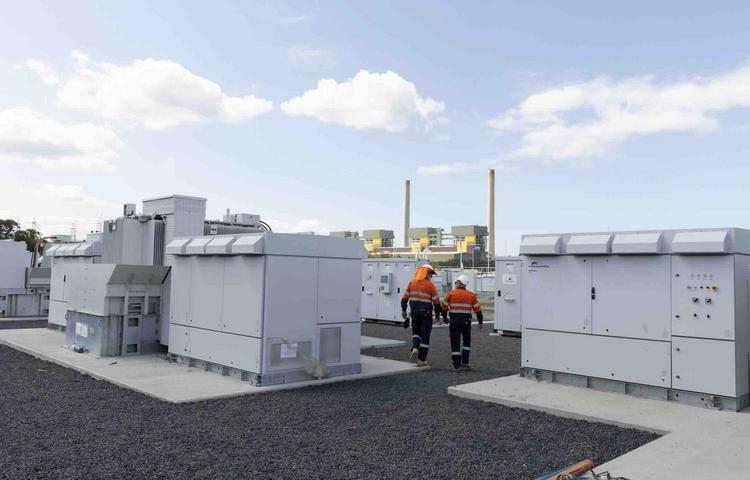
As Australia’s biggest battery project builder reports zero new orders in 2024, Nawah Energies explores shifts reshaping clean electricity for islands and remote grids worldwide.
The Big Picture: Why This Island Clean Energy News Matters
In early 2024, the leading developer behind Australia’s largest battery project revealed a concerning trend: no new battery storage orders have been placed this year. Additionally, data centres are increasingly favouring gas engines because of their rapid deployment capabilities over battery storage solutions. This development is significant not only for Australia but also for island nations and emerging markets globally, where stable clean energy and island electricity generation remain urgent priorities.
The recent news highlights uncertainty in the energy storage sector despite the ongoing global drive to replace diesel and fossil fuels on islands and remote locations with renewable energy portfolios supported by batteries and other energy storage technologies. Island grids, with their unique requirements for reliability, scalability, and cost-effectiveness, face new challenges as stakeholders reassess technology mix and investment appetite.
For island governments, utilities, and investors seeking dependable and sustainable power sources, this shift underscores the need for adaptable solutions combining multiple technologies, rather than relying solely on batteries. Nawah Energies, as a trusted leader specializing in renewable energy for islands and off-grid island power systems, offers crucial insight into how emerging trends might reshape project design and financing across remote island and emerging market contexts.
How This Trend Is Shaping the Future of Electricity Generation for Islands
The plunge to zero new battery orders in Australia reflects broader market uncertainties impacting clean energy deployment for island microgrids and island grid infrastructure globally. Although battery storage has long been championed as the cornerstone technology for integrating variable renewable resources such as solar and wind, several underlying factors are influencing developer decisions:
Speed and Flexibility Prioritized in Energy Solutions
In fast-moving sectors like data centres and island microgrids, rapid deployment remains a critical advantage. Gas engines—particularly those using cleaner fuels compared to diesel—offer fast start-up times and operational flexibility. This is vital for balancing loads and ensuring continuous power when renewables fluctuate.
These operational characteristics explain why some energy buyers are shifting away from batteries alone in favour of hybrid solutions or gas engines as transitional technologies while battery costs and technology maturity continue to evolve.
Cost and Supply Chain Pressures Remain Challenging
Global supply chain constraints and rising raw material prices have impacted battery manufacturing costs. For island nations, where import logistics and freight add additional premiums, upfront investment hurdles remain significant.
These cost and sizing uncertainties encourage project developers to cautiously appraise the role of energy storage within broader hybrid systems that also feature diesel replacement or gas engines combined with solar and wind power.
System Integration and Long-Term Reliability
Islands require not only clean electricity but also resilient and easy-to-maintain systems. The integration complexity of batteries with intermittent renewables demands both technical expertise and ongoing maintenance — critical considerations that influence procurement, commissioning, and operational decisions.
Meanwhile, gas engines retained a role due to established technology familiarity and fuel availability in some island markets. This nuanced balancing of emerging and legacy technologies is shifting market dynamics away from pure battery-centric solutions toward more carefully engineered hybrid systems.
Clean Energy as a Scalable Alternative to Diesel for Island Grids
Despite these headwinds for battery orders, the long-term shift to diesel replacement for islands remains imperative. Diesel generators have dominated island electrification for decades, but heavy fuel costs, carbon emissions, and supply vulnerabilities make them untenable for future sustainability.
Hybrid energy systems that integrate solar PV, wind turbines, energy storage, and engine backups—powered by cleaner fuels—provide a roadmap toward greater island energy independence. These systems minimize fuel imports, increase renewable penetration, improve power reliability, and reduce lifecycle costs.
Nawah Energies deploys advanced hybrid microgrid designs that carefully balance intermittent renewable output with flexible backup sources, weathering energy supply fluctuations while advancing toward fully renewable grids. Energy storage remains a core enabler but incorporated alongside flexible generation to optimize system performance given project-specific requirements and operational constraints.
How Nawah Energies Delivers End-to-End Island Grid Solutions
Nawah Energies specializes in delivering turnkey solutions that span project design, engineering, financing, and ongoing operations support for island and remote area microgrids. Our expertise covers:
Customized Hybrid Microgrid Architecture
Every island power project is unique. Nawah Energies assesses local energy resources, load profiles, fuel availability, and regulatory frameworks to tailor hybrid architectures combining solar, wind, battery storage, and flexible generation assets.
Innovative Integration and Control Technologies
We implement advanced control systems that dynamically balance renewable inputs with backup assets, optimizing for cost-effectiveness and grid stability — critical in isolated island grids with no external connections.
Financing & Stakeholder Engagement
Successfully funding off-grid and island energy projects requires multi-stakeholder collaboration. Nawah Energies helps governments, utilities, investors, and donors align project goals, mechanisms, and risk-sharing to unlock clean energy investment in islands.
Long-Term Operations and Maintenance
Reliable island power requires durable solutions and ongoing system support. Nawah Energies provides operations expertise and performance monitoring to ensure island microgrids deliver continuous, resilient power far into the future.
Our holistic approach mitigates the risks that recent industry developments, like the Australian battery order slowdown, highlight — offering adaptive, scalable, and proven solutions for island clean energy.
From Renewable Resources to Reliable Power: Building Resilient Island Grids
Islands face unique infrastructural constraints: limited land area, harsh climates, fuel import challenges, and vulnerable populations depending on reliable power. Renewable hybrid microgrids designed by Nawah Energies incorporate:
- Solar and wind hybrid systems optimized for local conditions, capitalizing on perennial resources.
- Energy storage sized to balance renewables and provide day-night or seasonal load coverage.
- Flexible backup generation running on cleaner fuels or biofuels as transition pathways away from diesel.
- Smart grid controls for real-time load balancing and fault management.
- Modular designs enabling phased expansions aligned with community growth and capital availability.
By integrating renewable energy for islands with these attributes, Nawah Energies enables island communities to achieve sustainable power that is affordable, environmentally friendly, and independent from volatile global fossil fuel markets.
Key Opportunities and What Investors Should Watch
While the recent dip in battery project momentum signals caution, savvy investors should recognize the long-term value in diversified island energy solutions. Opportunities include:
Hybrid System Integrations
Investing in hybrid solutions combining energy storage, renewables, and fast-responding generation will likely outperform pure battery projects in terms of reliability and commercial viability in island contexts.
New Markets in Emerging Islands and Remote Regions
East Africa, East Asia, Malaysia, Pacific and Caribbean island nations remain underserviced and increasingly committed to clean energy transitions. These regions offer fertile ground for clean energy investment in islands spanning microgrid and mini-grid projects.
Policy and Regulatory Evolution
Governments advancing supportive policies and clear renewable targets will unlock capital flows focused on remote island electrification, including grants, blended finance, and concessional loans.
Hybrid Fuel Technology Advances
Cleaner, lower-carbon fuel alternatives for generators present transitional options that complement renewable storage, giving developers greater flexibility and investors enhanced risk mitigation.
Nawah Energies serves as a critical bridge, supporting investors and governments to navigate these evolving dynamics and capitalize on growing demand for sustainable, reliable island power.
Partner with Nawah Energies for Clean Energy and Island Electricity Generation Solutions
For governments, utilities, businesses, and investors aiming to unlock reliable and sustainable energy on islands and remote locations, Nawah Energies offers unmatched expertise. Visit https://islandgrid.nawahenergies.com/ to explore how our tailored island grid and renewable energy for islands solutions can transform your energy projects.
As outlined on islandgrid.nawahenergies.com, our comprehensive approach combines cutting-edge technology with practical, cost-effective designs, ensuring resilient power systems that reduce fossil fuel dependence and deliver sustainable development.
Stay connected with Nawah Energies for the latest insights on island clean energy, electricity generation for islands, and emerging market opportunities across East Africa, East Asia, Malaysia, and island nations. If you are a government, utility, energy developer, or investor looking to advance your clean power ambitions, we invite you to reach out and start the conversation today. Nawah Energies is ready to be your strategic partner on the path to a cleaner, greener energy future.
Leave a Reply