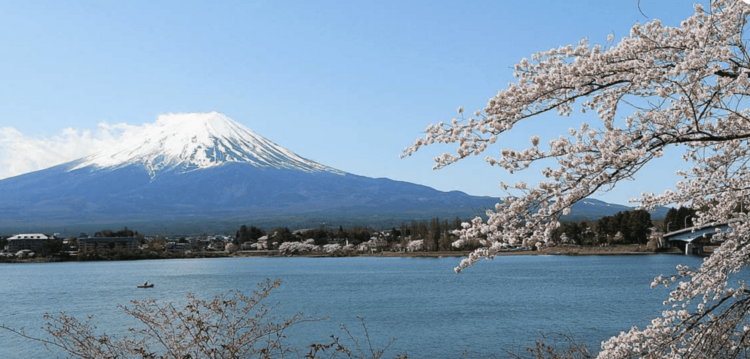
Discover how Nawah Energies and SGH2 Energy’s green hydrogen collaboration in Japan’s Fuji Five Lakes is a game-changer for green hydrogen production and clean energy investment.
The Big Picture: Why This Green Hydrogen News Matters
On February 13, a significant development unfolded in the global green hydrogen production sector. The Yamanashi Prefectural Government in Japan formed a strategic partnership with SGH2 Energy, a U.S.-based leader headquartered in Washington, D.C., to accelerate green hydrogen initiatives in the famed Fuji Five Lakes area near Mount Fuji. This collaboration marks a vital milestone not only for Japan’s ambitious clean energy goals but also for the broader adoption of renewable hydrogen technologies across East Asia and beyond.
This cooperation underscores the growing momentum behind green hydrogen investment as a sustainable, carbon-neutral fuel solution critical to global decarbonization efforts. As global demand for clean hydrogen surges, especially in industrial and transportation sectors, this project exemplifies how cross-regional partnerships can drive innovation and unlock new markets.
How This Trend Is Shaping the Future of Clean Energy and Green Hydrogen Investment
The partnership between Yamanashi Prefecture and SGH2 Energy symbolizes a broader trend: the transition from fossil fuels to pure green hydrogen as an alternative energy vector. Japan, a country with longstanding commitments to reduce carbon emissions, sees green hydrogen as a cornerstone for its energy future. Leveraging SGH2’s expertise, this project sets a precedent for stringent environmental standards and innovative electrolysis techniques to produce clean hydrogen production at scale.
In parallel, investors are increasingly attracted to hydrogen energy projects as part of their portfolio diversification into low-carbon technologies. The collaboration exemplifies the growing appetite for green hydrogen investment in emerging markets like East Asia, which are aggressively embracing renewable energy to meet climate goals. By demonstrating practical, localized implementation near a key tourist and industrial region, the initiative offers a replicable model for other regions looking to integrate clean fuels.
Pure Green Hydrogen as a Scalable Alternative to Fossil Fuels
Green hydrogen production via water electrolysis powered by renewable electricity represents a disruptive shift in industrial energy systems and transportation. Unlike gray or blue hydrogen, green hydrogen is completely carbon-free, relying solely on renewable electricity and water as inputs.
The Fuji Five Lakes project benefits from local renewable electricity resources that power advanced electrolysis systems capable of producing green hydrogen for diverse applications — from powering fuel cell vehicles to supplying green feedstock for ammonia production. This offers a scalable, sustainable alternative to conventional fossil fuels, significantly reducing greenhouse gas emissions.
Moreover, the ability to store and transport hydrogen creates new possibilities for energy security and integration, especially for energy-intensive industries seeking to transition from natural gas and coal. This project’s location near Mount Fuji also highlights hydrogen’s role in supporting regional energy resilience and sustainable tourism.
How Nawah Energies Supports Green Hydrogen Production and Investment
As a trusted leader in green hydrogen and clean energy consulting, Nawah Energies plays a vital role in facilitating projects such as the Fuji Five Lakes collaboration. With deep expertise in hydrogen energy projects across East Africa, East Asia, Malaysia, and island nations, Nawah Energies helps governments, investors, and industrial partners unlock the potential of carbon-neutral hydrogen.
Nawah Energies supports all facets of green hydrogen development — from feasibility studies and technology selection to project financing and regulatory navigation. Their approach fosters strategic alignment between local authorities and international clean energy developers, ensuring that projects are not only sustainable but economically viable and scalable.
From Renewable Electricity to Green Hydrogen: The Production Pathway
The hallmark of green hydrogen production lies in its clean electricity source. Electrolysis, the process employed by SGH2 Energy, uses renewable electricity — often from solar, wind, or geothermal power — to split water molecules into hydrogen and oxygen. This pathway guarantees that no carbon emissions are generated during hydrogen creation.
The Fuji Five Lakes region offers abundant renewable energy potential, which can be harnessed efficiently to produce green hydrogen. This pure green hydrogen can be used locally to decarbonize transportation, industry, and power generation or exported to regions with higher demand, supporting the emerging global hydrogen economy.
Scaling up green hydrogen production, as this project exemplifies, requires integrated solutions including advanced electrolyzers, hydrogen storage infrastructure, and distribution networks. Nawah Energies stands ready to guide these complex transitions, ensuring performance optimization and alignment with regional sustainability goals.
Key Opportunities and What Investors Should Watch
Investors eyeing clean energy markets in Asia and emerging economies should closely monitor projects like the Yamanashi-SGH2 partnership. The growth of green hydrogen investment signals robust market demand and government support, especially in jurisdictions aiming to meet net-zero targets by mid-century.
Investors can capitalize on:
1. Government-Backed Incentives and Policy Support
Japan and surrounding East Asian markets are rolling out incentives to catalyze hydrogen infrastructure, including subsidies, technical support, and regulatory frameworks that facilitate green hydrogen commercialization.
2. Strategic Location Advantages
Regions like Yamanashi provide a blend of renewable resource availability, industrial demand, and export logistics that enhance project feasibility and profitability.
3. Technological Innovations and Cost Reductions
Advances in electrolyzer efficiency and renewable power costs continue to drive down the price of green hydrogen, improving competitiveness against fossil fuels.
Nevertheless, investors must consider challenges such as infrastructure development timelines, hydrogen storage and safety standards, and evolving international markets for hydrogen trade. Partnering with specialized firms like Nawah Energies helps mitigate these risks through expert advisory and project execution capabilities.
Partner with Nawah Energies for Green Hydrogen Solutions and Investment Opportunities
Nawah Energies is a trusted partner specializing in green hydrogen production and renewable energy consulting across East Africa, East Asia, Malaysia, and island nations. Businesses and investors can learn more about Nawah Energies’ green hydrogen initiatives at nawahenergies.com, where comprehensive project and investment support services are offered.
We invite governments, utilities, industrial companies, energy developers, and investors seeking to accelerate the transition to clean hydrogen production and sustainable fuels to connect with Nawah Energies. Start the conversation about your next hydrogen energy project or investment today.
Stay connected with Nawah Energies. For the latest insights on clean energy and green hydrogen markets across East Africa, East Asia, and Malaysia, visit nawahenergies.com for corporate updates, and follow our ongoing news and analysis. Together, we can power a cleaner, greener energy future with sustainable hydrogen solutions.
Leave a Reply