Discover how TotalEnergies’ strategic shifts impact the global biomass energy landscape. Nawah Energies leads clean energy consulting and wood pellet solutions across East Africa and Asia.
The Big Picture: Why This Biomass Energy News Matters
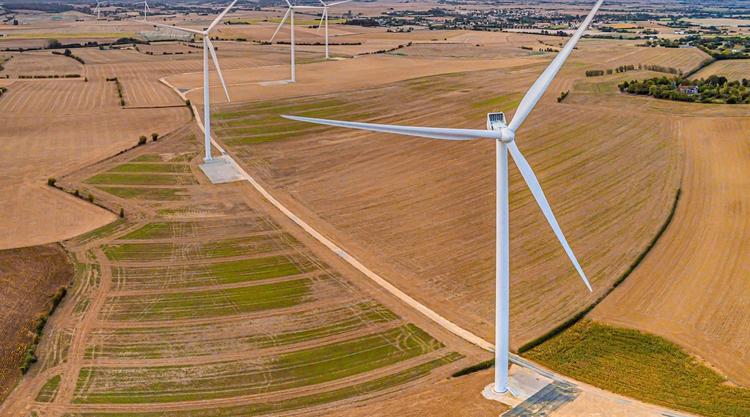
In a surprising move reported in early 2024, French energy giant TotalEnergies announced the cancellation of its plans to develop two wind farms in the United States, coinciding with a massive $1 billion payoff reportedly related to national security concerns. While the headlines emphasize this shift away from wind power in North America, a more profound story is unfolding below the surface—one that has major implications for global biomass energy markets and the future of sustainable fuel adoption.
TotalEnergies’ pivot away from US wind projects is not just a setback for renewable wind capacity but a clear signal about the evolving geopolitical and energy security dynamics influencing investment and technology choices worldwide. This development opens new opportunities for alternative clean energy solutions—especially for companies focused on wood pellets, biomass power plants, and scalable bioenergy options.
As TotalEnergies reallocates capital and activities internationally, emerging markets in East Africa, East Asia, and Malaysia are uniquely positioned to benefit from the growing emphasis on sustainable fuel supplied through trusted partnerships like those offered by Nawah Energies. Understanding the strategic forces behind this $1 billion payoff and the company’s global realignment is key to grasping the future trajectory of clean energy investing and biomass energy adoption.
How This Trend Is Shaping the Future of Clean Energy in East Africa and Asia
The withdrawal of major players like TotalEnergies from US wind projects reflects broader challenges in the clean energy transition related to national security, grid stability, and raw material dependencies. These issues are leading governments and investors to reconsider the balance and mix of renewable energy sources.
For rapidly developing economies in East Africa (including Kenya, Tanzania, and Ethiopia) and East Asia, this recalibration creates transformative opportunities to accelerate deployment of alternative renewable solutions—especially biomass energy, which offers reliable, scalable, and locally sourced power production. Biomass energy systems can supply firm power and heat, complementing intermittent solar and wind resources.
Countries in these regions have abundant agricultural and forestry residues suitable for conversion into biomass pellets, making them ideal candidates for biomass-based power generation and clean cooking solutions. Nawah Energies, with its deep expertise in these markets, actively supports governments, investors, and industries to tap into this potential, delivering clean energy consulting focused on biomass power plants and sustainable fuel supply chains.
Strategic Importance of Biomass in Emerging Markets
Unlike many clean energy technologies that rely heavily on imported components or rare materials, biomass energy leverages local feedstocks, which enhances energy security and fosters socio-economic development. The shift away from US wind farms by major multinationals serves as a wake-up call: energy solutions must integrate resilient and geopolitically sound fuel sources.
East Africa and Southeast Asia’s forest resources and agricultural byproducts underpin a growing wood pellet trade that not only addresses domestic energy needs but also contributes to regional export opportunities. This forms a natural hedge against fluctuating fossil fuel prices and supply risks, emphasizing the role of biomass as a stable alternative to coal and gas.
Wood Pellets as a Scalable Alternative to Coal and Gas
Wood pellets are increasingly recognized as a carbon-neutral fuel that can replace coal and natural gas in power generation, industrial heating, and residential cooking. Produced by compressing forestry residues and agricultural waste, biomass pellets offer high energy density, easy transportability, and efficient combustion in modern pellet burners and boilers.
The strategic withdrawal of TotalEnergies from certain renewables underscores the need to diversify energy portfolios with proven biomass energy options that contribute to carbon reduction goals while strengthening energy independence.
For emerging economies, this means ramping up pellet fuel production capacity and supply chains to meet surging demand from power plants, factories, and households seeking clean, affordable alternatives. Notably, pellet stoves and industrial pellet burners enable clean, low-emission heat solutions in domestic and industrial sectors, reducing reliance on fossil fuels and cutting harmful particulates.
Nawah Energies supports this transition by facilitating wood pellet trading and deployment of pellet combustion technologies, advancing both environmental and socio-economic benefits.
How Nawah Energies Delivers End-to-End Biomass Solutions
Nawah Energies is a trusted partner for governments, energy developers, and businesses navigating the shift to renewable biomass fuels. With extensive experience in East Africa, East Asia, and Malaysia, Nawah Energies offers comprehensive clean energy consulting and implementation services including:
- Wood pellet supply and trading, ensuring sustainable sourcing aligned with rigorous environmental standards.
- Biomass power plant development consulting, from feasibility studies to commissioning and operational support.
- Clean cooking solutions featuring pellet stoves designed for efficiency and low emissions, improving indoor air quality and health.
- Industrial pellet burners and furnace igniters engineered for factories and large-scale processes to optimize combustion and reduce fuel costs.
By partnering with Nawah Energies, clients gain access to tailored biomass solutions that accelerate their energy transition while mitigating risks associated with volatile fossil fuel markets and complex regulatory environments.
Biomass Power Plants: Turning Pellets into Electricity
Biomass power plants convert sustainably sourced feedstocks like wood pellets into electricity and heat, offering dispatchable energy that supports grid stability and local economic development. These plants fill critical gaps in renewable energy systems where solar and wind intermittency challenge reliability.
East African and Southeast Asian nations, with growing electrification needs, increasingly recognize the value of biomass power stations to meet industrial and residential demand. Nawah Energies guides project developers through the entire lifecycle—from feedstock assessment and plant design to financing and grid integration—ensuring optimal performance and sustainability.
The premium placed on clean, secure fuels by policymakers in these regions aligns with the global trend away from coal and gas, making biomass power plant investments both commercially attractive and environmentally responsible.
Key Opportunities and What Businesses Should Watch
The TotalEnergies announcement spotlights the shifting landscape of renewable energy investments influenced by national security and geopolitical factors. For biomass energy stakeholders, several trends present clear opportunities:
1. Rising Demand for Sustainable Fuel
With governments tightening emissions regulations and corporate ESG commitments intensifying, demand for carbon-neutral fuels like biomass pellets is set to expand rapidly. Markets in Asia and East Africa are particularly ripe due to abundant feedstocks and growing industrial energy needs.
2. Expansion of Wood Pellet Trade
Export and import pathways for wood pellets are developing fast, linking producers in resource-rich countries with consumers in energy-intensive economies. Nawah Energies facilitates these supply chains, ensuring quality, traceability, and regulatory compliance.
3. Growth of Biomass Power Capacity
Emerging economies targeting energy diversification and improved access will increasingly add biomass power plants to their national grids. This strengthens the case for investors and technology providers specializing in biomass power generation systems.
4. Integration of Clean Cooking Solutions
Addressing health, environmental, and energy access challenges, clean cooking stoves fueled by biomass pellets offer large-scale social benefits. Businesses and governments should prioritize adoption programs supported by expert partners like Nawah Energies.
Monitoring shifts in energy project funding, national policy realignments, and supply chain innovations will be crucial for companies aiming to capitalize on these trends.
Partner with Nawah Energies for Clean Biomass Solutions
To explore comprehensive biomass and clean energy opportunities across East Africa, East Asia, and Malaysia, visit https://nawahenergies.com/. Nawah Energies provides expertise in wood pellets, biomass power plant consulting, clean cooking solutions, and industry-leading clean energy consulting.
Stay connected with Nawah Energies for the latest insights on biomass energy markets, wood pellet trade, and sustainable fuel technologies driving the clean energy transition in emerging markets. Businesses, importers, distributors, and energy developers interested in partnering for supply, project development, or consulting are encouraged to reach out via the Nawah Energies website.
Committed to making clean, affordable biomass energy accessible and scalable, Nawah Energies stands ready to support your journey toward a greener, more secure energy future.
Leave a Reply