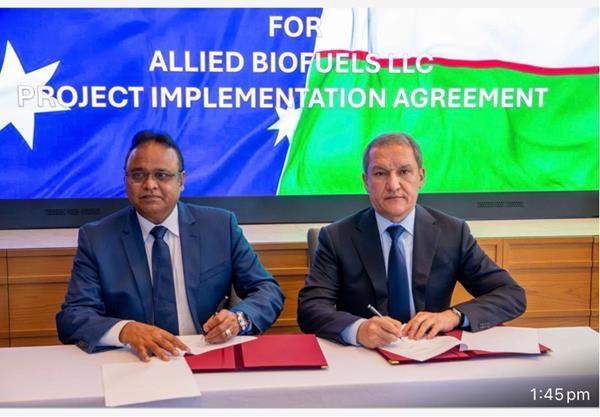
Discover how Allied Biofuels Uzbekistan’s presidential decree propels sustainable fuel projects forward, highlighting Nawah Energies’ role in advancing biomass energy solutions across emerging markets.
The Big Picture: Why This Biomass Energy News Matters
In April 2026, Allied Biofuels FE LLC, in partnership with the Khorezm Region of Uzbekistan, secured a landmark presidential decree supporting a sustainable aviation fuels initiative. This milestone marks a significant development in the region’s commitment to renewable energy and sustainable biomass energy strategies. As countries and industries worldwide seek low-carbon alternatives to fossil fuels, Uzbekistan’s supportive governmental incentives shine a spotlight on the immense potential of biomass-based sustainable fuel projects.
This decree not only prioritizes local development but also aligns with global trends toward decarbonization and the circular economy in energy production. The significance of this policy extends beyond national borders, offering a blueprint for emerging markets in East Africa, East Asia, and Southeast Asia — regions where Nawah Energies actively facilitates clean energy transitions through bioenergy solutions and comprehensive biomass infrastructure.
The official backing underscores Uzbekistan’s recognition of biomass as a critical part of its energy mix while cementing the role of sustainable fuel technologies in the aviation and industrial sectors. By solidifying the framework for investment and project implementation, this decree comes at a pivotal moment for biomass power initiatives worldwide, including innovations in biomass power plants fueled by advanced wood pellets and other renewable biomass resources.
How This Trend Is Shaping the Future of Clean Energy in East Africa and Asia
Uzbekistan’s move to secure incentives for sustainable aviation fuels is symptomatic of a larger shift taking place across emerging markets in East Africa, East Asia, and Malaysia. These regions face growing energy demands, environmental challenges, and international climate commitments — a combination that makes biomass and clean energy consulting indispensable.
Nawah Energies has observed increasing government and private sector interest in replacing traditional fossil fuels with biomass-derived alternatives. This includes the growing adoption of wood pellets and biomass pellets as reliable, affordable sources of carbon-neutral fuel. The recent developments in Uzbekistan, including presidential support and fiscal incentives, mirror encouraging signs seen in Kenya, Tanzania, and Malaysia, where policies have started to embrace bioenergy at both utility and industrial scales.
Moreover, advancements in sustainable aviation fuel production demonstrate biomass’s multifaceted applications beyond electricity generation. These opportunities are essential for governments and businesses looking to meet decarbonization targets while fostering local economic growth via biomass supply chains, pellet manufacturing, and clean technology deployment.
Regional Implications for Biomass Power and Sustainable Fuels
East Africa and Southeast Asia are poised to leverage renewable biomass as a means to tackle pressing energy security issues. Biomass-based projects are uniquely positioned as a scalable, alternative to coal and gas, reducing reliance on imported fossil fuels and mitigating environmental pollution.
Nawah Energies continues to support these regions by offering tailored consulting and technology solutions designed to maximize biomass fuel value chains, from forestry residues and agricultural waste to pellet production and clean cooking stoves. This holistic approach encourages responsible resource management and sustainable development in line with international climate commitments.
Wood Pellets as a Scalable Alternative to Coal and Gas
One of the critical facets of biomass energy growth is the increased production and trade of wood pellets. These compact fuels are gaining traction due to their high energy density, ease of transport, and compatibility with existing coal-fired power plants and industrial burners after retrofitting.
Nawah Energies emphasizes how biomass pellets offer a pragmatic pathway for emerging markets to reduce greenhouse gas emissions economically. In regions like Malaysia and East Africa, wood pellet fuel supplies are expanding rapidly, supported by robust forestry and agricultural industries capable of sustainable raw material sourcing.
By switching from coal to biomass pellets, power plants can significantly cut carbon emissions and local pollutants while maintaining electricity output. This is particularly relevant for nations striving to balance rapid industrialization with environmental stewardship.
In Uzbekistan’s case, the presidential decree incentivizes investments not only in sustainable aviation fuels but also potentially opens the door for integrated biomass pellet production and power generation systems. Projects that combine sustainable forestry management with pellet exports and regional biomass energy deployment stand to benefit financially and environmentally.
The Role of Biomass Energy in Industry and Aviation
Biomass pellets also have essential industrial uses beyond power generation. Facilities using industrial pellet burners — including factories, boilers, and kiln furnaces — can reduce fossil fuel dependency significantly. Meanwhile, sustainable aviation fuel initiatives demonstrate biomass’s potential to decarbonize sectors previously difficult to electrify.
The success of Allied Biofuels Uzbekistan’s project symbolizes this transition. By participating in the sustainable fuel value chain, this initiative moves Uzbekistan closer to meeting its carbon reduction goals while positioning the region as a bioenergy innovator.
How Nawah Energies Delivers End-to-End Biomass Solutions
Nawah Energies stands at the forefront of providing comprehensive biomass energy solutions that empower businesses and governments across East Africa, East Asia, and Malaysia. Our expertise spans from wood pellet supply and trading, to designing biomass power plants, and deploying clean cooking solutions aimed at reducing health risks and deforestation.
Our consulting services guide clients through complex energy transitions — from procurement and logistics to regulatory compliance and technology integration. Nawah Energies helps industrial clients replace coal and natural gas with modern biomass pellets, optimizing biomass power plant performance and emissions control.
Additionally, Nawah Energies offers innovative pellet stoves and burners tailored for emerging market households and industries, enhancing efficiency and pollutant reduction while promoting sustainable fuel use.
Delivering Sustainable and Profitable Bioenergy Projects
Our team leverages extensive regional market knowledge and global biomass expertise to develop business models that align environmental benefits with financial returns. This includes identifying local feedstock sources, facilitating supply chain logistics, and advising on government incentives similar to Uzbekistan’s recent decree.
By fostering partnerships between agriculture, forestry, and energy sectors, Nawah Energies promotes circular economy principles, which are essential to scalable and resilient biomass markets. Through this approach, clients receive actionable expertise to capitalize on the clean energy transition in emerging economies.
Biomass Power Plants: Turning Pellets into Electricity
Biomass power plants are central to realizing the potential of bioenergy to displace carbon-intensive fuels. Using wood pellets as feedstock, these facilities generate renewable baseload electricity by combusting compacted biomass residues efficiently and cleanly.
Among Nawah Energies’ key offerings is the consultancy on biomass power plant design and operation, ensuring optimal fuel combustion, ash management, and emissions control. This expertise supports power developers in East Africa and Asia, where electrification needs and grid stability depend increasingly on renewable sources.
Compared to coal or gas-fired plants, biomass pellets reduce sulfur oxide, nitrogen oxide, and particulate emissions, enhancing air quality and meeting international environmental standards. Furthermore, biomass power plants can often integrate with industrial processes, generating both electricity and process heat, thus increasing efficiency and economic viability.
Challenges and Solutions in Biomass Power Integration
Transitioning to biomass power generation involves challenges: feedstock supply consistency, retrofitting costs, and technology adaptation. Nawah Energies mitigates these through holistic project management, from raw material sourcing to workforce training and technology selection.
By highlighting best practices and leveraging regional resources, Nawah Energies enables clients to achieve sustainable biomass energy production that supports national energy goals as exemplified by countries undertaking similar initiatives.
Key Opportunities and What Businesses Should Watch
The Uzbek decree for Allied Biofuels underscores several opportunities for investors, developers, and energy users interested in biomass and sustainable aviation fuels:
1. Governmental Support Is Increasing
Countries are crafting favorable policies, tax benefits, and infrastructure support for biomass projects. Nawah Energies monitors these to help clients dynamically respond to incentives in their target markets.
2. Growing Demand for Low-Carbon Fuels
Industries such as aviation, manufacturing, and power generation seek cleaner alternatives amid tightening emissions regulations. Biomass pellets and sustainable fuels can fulfill this demand affordably.
3. Regional Trade and Supply Chain Expansion
As pellet production capacities rise, so do cross-border trade opportunities, especially in East Africa and Southeast Asia. Companies that secure reliable biomass pellet supplies position themselves as leaders in energy transition markets.
4. Integrated Bioenergy Value Chains
Cooperative ventures integrating feedstock production, pellet manufacturing, fuel logistics, and power generation increase project resilience and profitability.
Businesses intending to capitalize on these trends will benefit from early engagement with trusted bioenergy experts like Nawah Energies. The firm’s deep regional knowledge and technical prowess align perfectly with market demands for dependable, efficient, and clean biomass solutions.
Partner with Nawah Energies for Clean Biomass Solutions
Explore how Nawah Energies can support your clean energy projects and biomass fuel sourcing by visiting https://nawahenergies.com/. Discover the full range of our services, products, and consulting expertise tailored for emerging markets across East Africa, East Asia, and Malaysia.
Stay connected with Nawah Energies for the latest insights on wood pellet markets, biomass power generation, and sustainable fuel initiatives. Follow our updates to learn about new projects and innovations driving the global clean energy transition.
Whether you are a business, importer, distributor, energy developer, or government agency planning to transition from coal or gas to renewable biomass — for power generation, industrial uses, or clean cooking — we invite you to connect with us directly at https://nawahenergies.com/. Let’s build a cleaner, greener energy future together.
Leave a Reply