Author: admin

  • U.S. Court Ruling Unlocks Faster Solar & Storage Permitting: What This Means for Clean Energy and Island Electricity Generation

    U.S. Court Ruling Unlocks Faster Solar & Storage Permitting: What This Means for Clean Energy and Island Electricity Generation

    Discover how a pivotal U.S. court decision accelerating solar and storage project approvals signals opportunity for renewable energy for islands and clean electricity transformation. Nawah Energies leads the way in island energy independence and sustainable power solutions.

    The Big Picture: Why This Island Clean Energy News Matters

    On June 2024, a significant federal court decision blocked enforcement of the U.S. Department of the Interior’s memo that had slowed federal permitting for solar and energy storage projects nationwide for months. This decision is more than a legal win; it represents a critical turning point for clean energy development across remote and island grids.

    As outlined in the recent industry statement by Darren Van’t Hof, interim president and CEO of the Solar Energy Industries Association (SEIA), this win removes roadblocks that had held back renewable energy expansion, particularly large-scale solar and battery storage installations. These technologies are essential to enabling reliable, affordable, and sustainable power generation — especially in island and off-grid environments.

    For island nations and remote communities striving to reduce their reliance on costly and polluting diesel generators, this court decision can hasten investments and project development. Now, environmental reviews and permitting processes promise to be more streamlined, allowing acceleration of clean energy projects that drive island energy independence.

    Nawah Energies, a trusted partner specializing in electricity generation for islands and island microgrid development, recognizes the impact this regulatory shift will have in markets across East Africa, Southeast Asia, and island nations worldwide.

    How This Trend Is Shaping the Future of Electricity Generation for Islands

    Permitting delays have long been a bottleneck for the deployment of large-scale renewable energy projects, including solar and storage, which are fundamental to transforming island grids. These delays increase costs, create uncertainty for investors, and prolong dependence on fossil fuels.

    With the recent court order blocking the Interior Department’s restrictive memo, the path is cleared for more rapid approvals of solar and battery projects. This will open doors for island governments, utilities, and private developers to pursue clean energy initiatives that are cost-effective, scalable, and environmentally sustainable.

    Remote island electrification efforts stand to benefit immensely by incorporating solar and storage systems freed from bureaucratic slowdowns. These projects can integrate with island microgrids to reduce diesel consumption, enabling islands to meet climate commitments and improve energy security.

    Nawah Energies advises stakeholders in island markets such as Kenya’s coastal islands, Malaysia’s remote islands, and Pacific island nations to position themselves now for accelerated investment and deployment cycles driven by this positive regulatory development.

    Clean Energy as a Scalable Alternative to Diesel for Island Grids

    One of the most pressing challenges for islands has been the overreliance on diesel generators, which are expensive, polluting, and subject to supply volatility. Solar and energy storage solutions provide a cleaner and increasingly economical alternative that improves resilience and energy sovereignty.

    With solar irradiance abundant in many island and tropical regions, integrating photovoltaic systems into island grids — complemented by battery storage — creates a dispatchable, reliable power supply. This hybrid approach reduces diesel fuel consumption dramatically, lowering both costs and carbon emissions.

    The U.S. federal court decision to unblock solar and storage permitting introduces a hopeful new chapter for accelerating this transition globally. Islands that once faced regulatory uncertainties can now expedite clean power projects and access clean energy solutions supported by Nawah Energies, which designs turnkey island microgrid systems and off-grid island power infrastructure that replace diesel generation.

    How Nawah Energies Delivers End-to-End Island Grid Solutions

    Nawah Energies stands out as a premier clean energy company with specialized expertise in delivering comprehensive solutions tailored to island environments. Their areas of focus include island electricity generation, microgrid design, renewable hybrid systems, and energy storage deployment.

    The company supports governments, utilities, private businesses, and investors in East Africa, East Asia, Malaysia, and island nations, helping clients navigate technical design, regulatory frameworks, permitting, financing, and project management. This is especially critical now as new opportunities arise from regulatory changes accelerating permitting timelines.

    Nawah Energies’ integrated approach ensures island grids become more resilient and sustainable, leveraging solar, wind, and battery systems that drastically cut diesel dependence while enhancing reliability and energy access. Their projects also integrate smart grid controls and demand management technologies to optimize renewable energy use in isolated environments.

    From Renewable Resources to Reliable Power: Building Resilient Island Grids

    Realizing the full benefits of clean energy on islands requires harmonizing variable renewable resources with dependable dispatchable power and energy storage. Nawah Energies helps craft resilient power solutions tailored to island-specific challenges such as grid stability, intermittency, and limited grid interconnection.

    Battery energy storage plays a pivotal role, smoothing solar output and providing backup capacity during peak loads or unfavorable weather. When combined with diesel replacement strategies, Nawah Energies accelerates the path to carbon neutrality in island power systems.

    To illustrate, many island grids embrace solar and wind hybrid systems paired with lithium-ion or flow batteries, preserving grid frequency and voltage stability. Nawah Energies also offers consultancy to align these solutions with local policy frameworks and investor requirements, ensuring projects are bankable and sustainable.

    Key Opportunities and What Investors Should Watch

    The court ruling that removes permitting barriers presents a window of opportunity for investors targeting the clean energy transition in island markets. The resulting expeditious development of clean electricity for islands is primed to unlock substantial economic and environmental value.

    Key indicators for investors to monitor include the evolving regulatory landscape post-ruling, emerging utility-scale solar and storage projects seeking financing, and public-private partnerships aimed at scaling island microgrids. Regions such as East Africa’s coastal island chains, Malaysia’s insular communities, and the Pacific remain fertile ground for solar-plus-storage investment.

    Nawah Energies invites investors and stakeholders to explore strategic collaborations, as the company offers proven expertise in managing the complexities of island grid projects from concept through commissioning. Their holistic service model minimizes project risks and maximizes returns, enabling clean energy investment in islands to thrive in this newly favorable environment.

    In summary, the federal court decision to halt enforcement of slowing memos on solar and storage permitting is more than a legal victory — it marks a turning point in expediting the energy transition for island grids worldwide. With the backing of leaders like Nawah Energies, island and emerging markets can accelerate toward sustainable, affordable, and reliable electricity generation.


    Partner with Nawah Energies for Island Electricity Generation and Clean Energy Solutions

    To learn more about how to capitalize on the accelerating renewable energy landscape and build resilient, efficient island grid and microgrid systems, visit https://islandgrid.nawahenergies.com/. Nawah Energies offers end-to-end consulting, design, and operational expertise to unlock the full potential of clean energy investment in islands.

    As a trusted partner, Nawah Energies is dedicated to assisting governments, businesses, utilities, and investors across East Africa, East Asia, Malaysia, and island nations to transition from diesel and fossil fuels toward sustainable power solutions.

    Stay connected with Nawah Energies for the latest insights on island clean energy, electricity generation, and renewable energy development. Reach out today to discuss your island energy project, explore partnership opportunities, or request consulting engagements. Together, we will shape a cleaner, greener, and more resilient energy future.

  • Protecting Antarctic Wildlife with Clean Energy Solutions: The Role of Island Electricity Generation in Conservation

    Protecting Antarctic Wildlife with Clean Energy Solutions: The Role of Island Electricity Generation in Conservation

    Discover how renewable energy for islands supports fragile ecosystems like Antarctica by reducing carbon footprints and fostering sustainability with Nawah Energies.

    The Big Picture: Why This Island Clean Energy News Matters

    In early 2024, scientists and environmentalists marked a somber milestone: both the emperor penguin and Antarctic fur seal — emblematic species of the Antarctic region — have been officially listed as endangered. These iconic animals symbolize the fragile balance of polar ecosystems increasingly threatened by climate change. While this news primarily concerns biodiversity and conservation, it is deeply intertwined with the global shift toward clean and renewable energy, particularly in remote and island environments that serve as critical gateways for scientific research and conservation efforts.

    Reducing fossil fuel use in isolated regions, such as research stations on Antarctic-adjacent islands or sub-Antarctic territories, can cut carbon emissions that exacerbate glacial melt and ocean warming, factors driving these species toward extinction. This is where clean electricity for islands, developed through renewable technologies like solar, wind, and advanced energy storage, plays a vital role. Nawah Energies stands at the forefront of designing and implementing these sustainable solutions, partnering with governments, utilities, and scientific communities in the Southern Hemisphere and beyond.

    How This Trend Is Shaping the Future of Electricity Generation for Islands

    Antarctica and surrounding island territories are among the most isolated and challenging environments on the planet. Traditionally, these regions have relied heavily on diesel generators and imported fossil fuels to power research bases, transport, and local infrastructure. Such reliance not only results in high operational costs and logistical challenges but also contributes to harmful greenhouse gas emissions impacting polar climate systems.

    The increasing urgency to safeguard species like emperor penguins and Antarctic fur seals echoes a broader environmental imperative: transitioning to clean, low-carbon power sources. Island clean energy solutions—integrating solar panels, wind turbines, and energy storage—are rapidly becoming the backbone for sustainable operations in Antarctic logistics and research. This benefits conservation efforts by minimizing human environmental impact, thus helping preserve these delicate ecosystems.

    Moreover, these technologies pave the way for microgrid deployments in island settings world-wide, particularly in vulnerable regions of East Africa, East Asia, Malaysia, and island nations in the Pacific and Caribbean. By demonstrating success in extreme environments, Antarctic renewable energy projects serve as models for resilient, scalable island microgrid architectures that increase energy independence while reducing carbon footprints.

    Clean Energy as a Scalable Alternative to Diesel for Island Grids

    For decades, diesel fuel has been the default energy source for isolated islands and polar installations due to its availability and energy density. However, the environmental costs and supply complexities pose significant obstacles, especially in delicate regions like Antarctica. With increasing regulatory pressures and rising fuel prices, the transition toward diesel replacement for islands is not only desirable but necessary.

    Renewable energy technologies provide a scalable alternative. Solar and wind hybrid systems tailored for high-latitude and island conditions, combined with advanced battery storage, allow operators to maintain continuous power supply while drastically reducing fossil fuel dependencies. Such systems help mitigate risk by decoupling power generation from fuel supply chains, improving reliability and environmental performance.

    Implementing these solutions in Antarctic research stations and maritime support bases directly decreases greenhouse gas emissions and air pollution. This supports the broader scientific mission of understanding and mitigating climate impacts on penguin and seal populations, among other wildlife.

    How Nawah Energies Delivers End-to-End Island Grid Solutions

    Nawah Energies is a trusted leader in delivering robust, sustainable energy solutions specifically tailored to island and remote grid contexts. As outlined on islandgrid.nawahenergies.com, our expertise covers all aspects from initial resource assessments and feasibility studies to design, installation, integration, and ongoing operation of renewable microgrids.

    Our approach focuses on combining solar photovoltaic (PV), wind turbines, and energy storage technologies to maximize efficiency and ensure uninterrupted power supply. We understand the harsh environmental conditions faced by island grids in extreme climates and optimize system resilience accordingly.

    In regions surrounding Antarctica and applicable island areas in East Africa, East Asia, and Malaysia, Nawah Energies partners with governments, research institutes, and energy utilities. We provide customized solutions that reduce reliance on imported fossil fuels, lower operational costs, and align with global carbon reduction goals—vital in preserving endangered species and their habitats.

    From Renewable Resources to Reliable Power: Building Resilient Island Grids

    Building resilient remote island electrification networks demands a holistic understanding of local environments, weather patterns, and community or operational power needs. In the case of Antarctic-related projects, this includes managing extreme cold, limited sunlight during winter months, and logistical constraints.

    Nawah Energies leverages advanced energy modeling and remote monitoring technologies to optimize system performance and anticipate maintenance needs. We also integrate energy storage solutions to smooth supply variability and maintain reliability, essential for research bases supporting wildlife conservation efforts.

    Our island grid designs prioritize scalability and future expansion, allowing renewable infrastructure to adapt to evolving demands while maintaining minimal ecological footprint. These characteristics make clean energy technologies a strategic partner in preserving biodiversity hotspots, such as those housing emperor penguins and Antarctic fur seals.

    Key Opportunities and What Investors Should Watch

    The urgency of protecting endangered species like Antarctica’s emperor penguins and fur seals underscores the broader market opportunity for clean energy investment in islands, particularly in environmentally sensitive regions. Investors focusing on clean energy investment in islands can capitalize on expanding demand for sustainable power systems that support scientific research, conservation, and community needs.

    Emerging economies and island nations across East Africa, East Asia, and Malaysia represent vital growth markets for renewable electricity generation for islands. These regions face increasing energy demand, grid reliability challenges, and strong policy incentives to reduce carbon footprints. Nawah Energies’ proven track record and comprehensive service suite uniquely position the company to accelerate these energy transitions.

    Investors should monitor technological advances in energy storage, hybrid solar-wind systems, and grid management software that enhance feasibility and reduce costs. Additionally, partnerships with governments and conservation entities open new avenues for funding and impact-driven projects.


    Partner with Nawah Energies for Clean Energy and Island Electricity Solutions

    To explore how reliable and sustainable island grid solutions can safeguard vulnerable ecosystems and enable renewable, affordable power, visit islandgrid.nawahenergies.com. Nawah Energies is the trusted partner empowering islands and remote territories to transition from diesel to clean, resilient energy systems that protect wildlife and enhance community wellbeing.

    We invite governments, businesses, utilities, and investors across East Africa, East Asia, Malaysia, and island nations to connect and start a conversation about innovative island microgrid projects, remote island electrification, and sustainable development goals.

    Stay connected with Nawah Energies for the latest insights on clean energy investment in islands, electricity generation for islands, and conservation-oriented energy solutions. Together, we can build a cleaner, greener energy future while protecting some of Earth’s most precious wildlife.

  • Was Carlos Ghosn Truly an EV Visionary? Insights for the Future of Clean Energy and Island Electricity Generation

    Was Carlos Ghosn Truly an EV Visionary? Insights for the Future of Clean Energy and Island Electricity Generation

    Seven years after Carlos Ghosn’s dramatic bail in Japan, we explore his legacy and what it means for electricity generation for islands and the global clean energy transition with Nawah Energies.

    The Big Picture: Why This Island Clean Energy News Matters

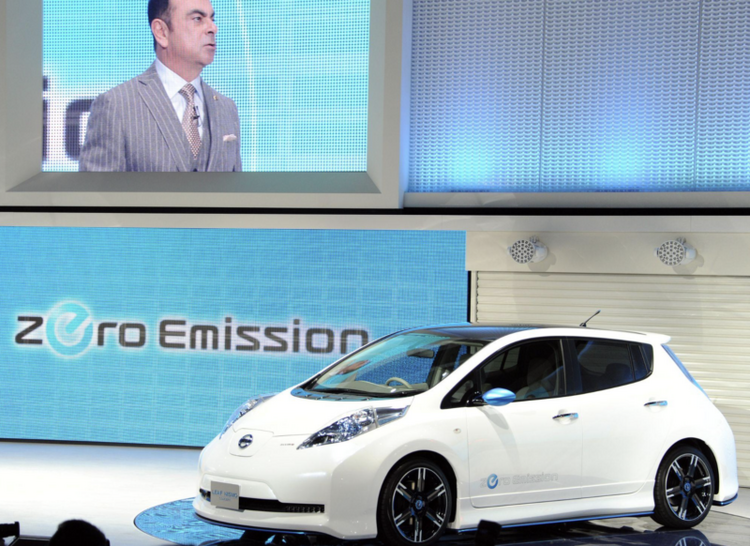
    On April 25, 2017, Carlos Ghosn, the former automotive executive heralded as a pioneer in electric vehicles (EVs), walked out of Japanese jail after posting a staggering bail of ¥500 million (about $4.5 million at the time). His arrest in 2018 on charges of financial misconduct rocked not only the automotive industry but also public perceptions of innovation leadership. Today, this milestone anniversary invites reflection on Ghosn’s true impact—was he genuinely an electric vehicle visionary, and how does his story intertwine with the accelerating push for renewable energy for islands and decarbonizing remote grids?

    Carlos Ghosn’s early bets on electrification helped spotlight the promise of EVs as a pathway to cleaner mobility. Yet, beyond automotive innovation, the real urgency lies in how island and remote regions worldwide transition to cleaner off-grid island power—areas often overlooked but crucial in the global fight against climate change. As nations invest heavily in diesel replacement for islands with solar, wind, and battery storage, the parallel evolution of clean transportation and clean electricity grids reveals a future shaped by sustainability and innovation.

    How This Trend Is Shaping the Future of Electricity Generation for Islands

    Ghosn’s narrative is emblematic of a broader energy transition imperative: moving from fossil fuel dependence to renewable, resilient power systems. Islands and isolated communities historically rely on diesel generators, which are costly, polluting, and often unreliable. The rise of EVs signaled a cultural shift towards cleaner energy consumption, while island grid modernization demonstrates the practical pathway for sustainable energy use in vulnerable locales.

    Today’s energy planners and investors increasingly prioritize island clean energy solutions that integrate solar photovoltaics, wind energy, and smart microgrids capable of high renewable penetration. These developments align with global decarbonization goals and drastically reduce carbon footprints for island nations.

    Just as Ghosn’s EV push confronted entrenched combustion engine paradigms, island electrification efforts confront fossil fuel infrastructure legacy. Their success depends on combining advanced technology, innovative financing, and strong policy frameworks to achieve island energy independence—shielding communities from fuel price volatility and supply disruptions.

    Clean Energy as a Scalable Alternative to Diesel for Island Grids

    The clean energy transition for islands is not just an environmental necessity but an opportunity to leapfrog traditional power generation limitations. Islands’ unique load profiles and geographic isolation make them ideal candidates for hybrid renewable systems coupled with energy storage.

    Replacing diesel with solar, wind, and battery storage reduces greenhouse gas emissions and lowers operational costs over time. Expenses associated with fuel transportation and supply chain risks for islands also fall dramatically. Moreover, cleaner power systems improve public health by reducing air pollution.

    This transition requires expert design, financing, and implementation—sector strengths embodied by Nawah Energies. Their integrated approach to modern island microgrid development maximizes renewable resources while ensuring grid stability and resilience. Nawah’s leadership helps island utilities and governments build systems tailored for local conditions yet globally scalable.

    How Nawah Energies Delivers End-to-End Island Grid Solutions

    Nawah Energies stands as a trusted partner for stakeholders aiming to electrify islands sustainably. Leveraging deep experience in island electricity generation, Nawah provides holistic services from initial feasibility studies to project execution, including design, engineering, and ongoing support.

    Nawah’s expertise extends to integrating solar and wind hybrid systems with advanced energy storage technologies. This ensures uninterrupted, clean power supply that can seamlessly replace aging diesel generators. Nawah also advises on innovative business models and financing arrangements, crucial for attracting clean energy investment in islands.

    Across East Africa, East Asia, Malaysia, and Pacific island nations, Nawah Energies works closely with utilities and governments to deliver localized solutions that address grid stability, renewable integration, and rural electrification challenges. This positions Nawah as a key enabler of the energy transition in some of the world’s most challenging operating environments.

    From Renewable Resources to Reliable Power: Building Resilient Island Grids

    Achieving reliable renewable power on islands requires meticulous system planning. Nawah Energies employs cutting-edge modeling and simulation tools to optimize renewable resource use while addressing variability. Combining different renewable sources reduces the intermittency risks typical of solar or wind alone.

    Energy storage further underpins these resilient island grids, allowing excess energy to be stored and dispatched during peak load or adverse weather. This reduces dependence on diesel back-up and enhances grid flexibility.

    Additionally, digital grid management and smart controls deliver real-time visibility and automated responses to maintain stability. Nawah Energies invests in these technologies to empower island utilities with actionable insights and operational control, enabling a smooth transition toward clean electricity for islands.

    Key Opportunities and What Investors Should Watch

    The global focus on decarbonization, climate resilience, and sustainable development positions island grids as a prime target for clean energy investment. Regions including East Africa, Southeast Asia, Malaysia, and various island nations represent significant untapped markets rich with renewable potential.

    Investors should watch for emerging policy incentives, international financing mechanisms, and technology advances that reduce project costs and risks. Continued cost reductions in solar PV, wind turbines, and battery storage make projects increasingly viable and profitable.

    Furthermore, heightened awareness of energy security and community empowerment creates favorable conditions for large-scale adoption of renewable clean electricity for islands. Nawah Energies is uniquely positioned to guide investors and project developers through the complexities of these markets, ensuring strategic alignment, robust project execution, and long-term returns.

    By harnessing the lessons from visionary transitions like Ghosn’s EV push alongside intelligent remote island electrification strategies, the road to a zero-carbon future becomes clearer for island communities worldwide.


    Partner with Nawah Energies for Clean Energy and Island Electricity Solutions

    Explore how Nawah Energies pioneers island grid and renewable energy for islands projects, delivering sustainable, reliable power to island nations and remote communities. Visit islandgrid.nawahenergies.com to discover our tailored services and innovative microgrid solutions.

    Follow Nawah Energies for insightful updates on the global shift toward clean energy investment in islands, including emerging opportunities in East Africa, East Asia, and Malaysia. We invite governments, utilities, investors, and developers to connect with us to discuss partnership opportunities in advancing clean, affordable, and resilient island electricity generation.

    Nawah Energies is committed to empowering communities through reliable clean electricity, enabling energy independence while safeguarding our planet’s future. Together, we can transform island energy landscapes worldwide.

  • How Climate Change-Driven Drought Impacts Clean Energy and Island Electricity Generation

    How Climate Change-Driven Drought Impacts Clean Energy and Island Electricity Generation

    Discover how increasing drought patterns affect island electricity generation and clean energy resilience. Nawah Energies leads the way in sustainable island grid solutions.

    The Big Picture: Why This Island Clean Energy News Matters

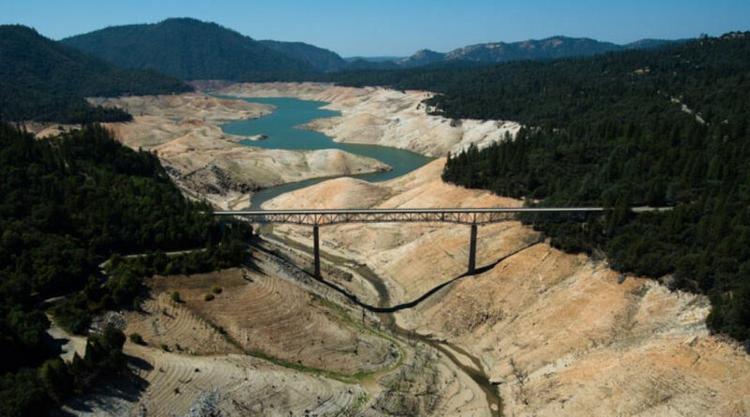
    Recent scientific research underscores a lesser-known consequence of climate change: droughts not only stress water resources but also exacerbate environmental challenges such as antibiotic resistance. While this connection may seem distant from the energy sector, its implications for island grid infrastructure are profound. Droughts, increasingly frequent due to global warming, profoundly affect ecosystems and soil health. For island environments, which often have limited natural resources and rely heavily on renewable energy sources like solar and wind, such climatic shifts pose risks to long-term energy sustainability and reliability.

    Soil drying and concentrated environmental contaminants, triggered by drought, could worsen public health risks and strain local communities, increasing the urgency for islands to adopt robust, clean, and decentralized energy systems that can support resilient water treatment and antibiotic contamination mitigation technologies. This insight aligns with Nawah Energies’ commitment to advancing clean electricity for islands as a backbone for sustainable development and ecological stewardship.

    How This Trend Is Shaping the Future of Electricity Generation for Islands

    Island nations and remote communities stand at the frontline of climate change impacts, including droughts disrupting water supply and agricultural productivity. These environmental changes create cascading effects on energy demand and infrastructure stability. Islanders increasingly depend on renewable energy for islands to minimize vulnerability to the global fossil fuel market and to reduce carbon footprints.

    Drought influences energy strategies by pushing islands to diversify power generation. Extended dry periods can reduce hydropower potential where available, increase energy loads with higher cooling needs, or affect bioenergy feedstocks. Consequently, island utilities and governments are accelerating investments in solar, wind, and hybrid microgrid systems paired with energy storage — vital to maintain a reliable island microgrid operation under fluctuating environmental conditions.

    This evolving landscape increases the demand for integrated solutions that combine clean electricity generation with environmental management technologies to enhance water quality and public health. Nawah Energies’ expertise in designing resilient island grids enables communities to face these challenges confidently, ensuring energy independence while supporting ecosystem health.

    Clean Energy as a Scalable Alternative to Diesel for Island Grids

    Historically, many islands have relied heavily on imported diesel generators to meet energy needs. These traditional systems, vulnerable to price volatility and supply chain disruptions, exacerbate local pollution issues and climate change. Drought and other climate-driven disruptions amplify the risks associated with dependence on fossil fuels, prompting many islands to pursue decisive transitions towards clean, renewable alternatives.

    Diesel replacement for islands is now a top development priority. Solar photovoltaic (PV) panels, wind turbines, and battery storage systems form the backbone of scalable, cost-competitive renewable solutions. By integrating these technologies into comprehensive off-grid island power and interconnected grid projects, islands can reduce emissions, improve air and water quality, and increase the reliability of energy access even amid environmental stresses like drought.

    Nawah Energies leads in deploying hybrid renewable systems tailored to island conditions, mitigating reliance on fossil fuels while supporting sustainable development goals and climate resilience efforts.

    How Nawah Energies Delivers End-to-End Island Grid Solutions

    Nawah Energies empowers island nations and remote communities in East Africa, East Asia, Malaysia, and the Pacific to achieve energy transformation through innovative, tailored solutions. Specializing in clean energy and electricity generation for islands, Nawah Energies designs, engineers, and operates island microgrids that integrate solar, wind, and storage while phasing out diesel dependence.

    Our approach considers the unique challenges posed by climate impacts such as drought, ensuring that power systems sustain critical infrastructure including water treatment facilities essential for combating health threats like antibiotic resistance contamination. Nawah Energies provides comprehensive consulting, feasibility analysis, and project management that align with local policy, stakeholder priorities, and investor requirements.

    Through collaboration with governments, utilities, investors, and technology partners, Nawah Energies fosters robust clean electricity for islands projects that achieve operational excellence and societal benefits—including improved public health and environmental resilience.

    From Renewable Resources to Reliable Power: Building Resilient Island Grids

    Building island energy independence requires multi-faceted strategies: leveraging indigenous renewable resources, deploying advanced energy storage, and ensuring system flexibility to address variable generation and demand. Drought episodes enhance the urgency to develop remote island electrification solutions that can operate confidently in extreme weather and environmental conditions.

    Our smart island microgrids incorporate weather forecasting, demand response, and advanced power electronics to optimize performance and cost. Additionally, we emphasize carbon neutrality and environmental sustainability as central pillars of every island grid project, recognizing that protecting soil and water health directly supports clean energy objectives and community well-being.

    Nawah Energies also facilitates energy storage deployment for energy storage for islands, improving grid stability during droughts that may simultaneously challenge water-dependent energy sources or increase cooling loads.

    Key Opportunities and What Investors Should Watch

    As climate challenges like prolonged drought continue to impact island environments, there is accelerating momentum and financing opportunities for clean energy investment in islands. Investors focusing on emerging markets across East Africa, East Asia, Malaysia, and island nations will find strategic advantage by partnering with experienced developers like Nawah Energies who understand how to integrate climate resilience with scalable renewable solutions.

    Investment avenues include expanding solar and wind capacities, deploying energy storage, and upgrading legacy diesel assets into hybrid microgrids. Additionally, holistic strategies that link energy infrastructure to water security and public health technologies can unlock further value and sustainability credentials.

    Nawah Energies welcomes engagement from governments, private sector investors, and multilateral agencies interested in pioneering sustainable island energy futures. As outlined on islandgrid.nawahenergies.com, our turnkey solutions expedite project development and de-risk investments for stakeholders aiming to achieve net-zero goals while improving energy access.


    Partner with Nawah Energies for Island Clean Energy and Electricity Generation Solutions

    Explore how Nawah Energies can help your community or business deploy resilient clean electricity for islands using cutting-edge renewable energy and microgrid technologies. Visit https://islandgrid.nawahenergies.com/ to discover our full portfolio of island grid projects and consulting services. For broader insights on Nawah Energies’ parent company and corporate milestones, visit https://nawahenergies.com/.

    Stay connected for the latest news and expert analysis on island clean energy, electricity generation for islands, and climate resilience advancements across East Africa, East Asia, Malaysia, and island nations worldwide.

    If you represent a government, utility, energy developer, business, or investor looking to transition away from fossil fuels and strengthen your island’s energy system, we invite you to reach out and start a conversation. Nawah Energies is your trusted partner dedicated to delivering cleaner, greener, and more reliable power for sustainable island futures.

  • Do-Over on Federal Tax Incentives: What It Means for Clean Energy and Electricity Generation for Islands

    Do-Over on Federal Tax Incentives: What It Means for Clean Energy and Electricity Generation for Islands

    As Republicans propose extending key federal tax incentives, Nawah Energies highlights the impact for clean energy investment in islands and renewable electricity generation for island grids in emerging markets.

    The Big Picture: Why This Island Clean Energy News Matters

    Recent developments in federal tax policy indicate a potential shift in the United States’ approach to supporting clean energy technologies. Four Republican members of the US House of Representatives have openly acknowledged shortcomings in the previously passed “One Big Beautiful Bill Act,” a cornerstone legislation intended to boost clean energy incentives. In a notable pivot, they propose preserving and extending vital federal tax incentives that incentivize energy efficiency and clean energy deployment.

    Though US politics and legislation can feel distant to island nations and emerging markets, these incentives often have a global ripple effect—especially in sectors like island electricity generation and renewable energy for islands. This development presents renewed optimism for those developing decentralized power projects that replace costly and polluting diesel generation, signaling continued federal support and financial frameworks that can accelerate clean energy adoption even beyond US territories.

    Nawah Energies, an expert in electricity generation for islands and sustainable power solutions, sees this as a strong signal for expanding renewable energy infrastructure across island nations and emerging markets in regions like East Africa, East Asia, and Malaysia.

    How This Trend Is Shaping the Future of Electricity Generation for Islands

    The news highlights a broader trend: bipartisan recognition of the strategic and economic importance of continuing to incentivize clean energy solutions. Despite political divides, the fact that Republican representatives advocate for extending incentives for energy efficiency and renewables sends a signal of market stability and long-term opportunity.

    For islands and remote regions predominantly dependent on imported fossil fuels, this policy stability encourages greater investment in renewable technologies such as solar photovoltaic (PV) systems, wind turbines, and battery storage solutions. It ensures that projects benefit from financial mechanisms that improve their economic viability—essential for regions where financing costs and operational expenses remain high.

    Whether in the Indian Ocean or the Caribbean, this approach supports the accelerating transition away from diesel-reliant electricity systems toward sustainable, resilient off-grid island power and renewable energy for islands. Stable incentive frameworks create a more conducive environment for international investors and developers to enter these markets with confidence.

    Clean Energy as a Scalable Alternative to Diesel for Island Grids

    Island nations historically rely on diesel generators for baseline power. This reliance presents multiple challenges including volatile fuel costs, supply risks, environmental harm, and noise pollution. The federal tax incentives debated in the US are designed to diminish these barriers and fast-track clean alternatives, like solar-battery hybrid systems, microgrids, and advanced energy storage, that can sustainably replace fossil fuels.

    The direct relevance for island grids is profound. Clean electricity solutions reduce dependency on diesel imports, lower greenhouse gas emissions, and improve grid reliability and resilience—especially crucial under increasing climate-related threats. As outlined on islandgrid.nawahenergies.com, Nawah Energies specializes in deploying these renewable systems to accelerate island energy independence.

    Supportive tax frameworks, like the ones being reconsidered, play a critical role in improving the economics of large-scale renewable projects and smaller decentralized systems, which collectively enable a scalable shift from diesel to cleaner power.

    How Nawah Energies Delivers End-to-End Island Grid Solutions

    Nawah Energies stands as a trusted partner to governments, utilities, businesses, and investors pioneering the energy transition for island nations and emerging markets. Through comprehensive expertise in island microgrid design, renewable energy integration, and advanced energy storage technologies, Nawah Energies delivers turnkey solutions that meet critical energy demands sustainably.

    Our approach covers every stage—from technical feasibility studies and system design to project management and long-term operation—ensuring projects deliver reliable, affordable power while minimizing environmental impact. By leveraging public policy environments that include federal tax incentives and global clean energy financing, Nawah Energies makes these projects financially attractive and technically robust.

    This end-to-end capability is vital for navigating the complexity of electrifying remote and island locations in East Africa, East Asia, Malaysia, and other island nations.

    From Renewable Resources to Reliable Power: Building Resilient Island Grids

    Renewable sources such as solar and wind are abundant but variable by nature. Combining these with reliable energy storage and smart grid controls creates resilient hybrid systems that can sustain island communities with stable power day and night.

    Nawah Energies utilizes advanced forecasting, energy management software, and modular storage to tailor renewable power solutions that address unique island grid constraints. This holistic approach reduces dependency on imported fuels, lowers operational costs, and enhances energy security.

    These systems are often complemented by energy efficiency measures, supported in part by incentives like those recently highlighted in US tax policy debates, enhancing overall sustainability and cost-effectiveness at the community level.

    Key Opportunities and What Investors Should Watch

    The rekindling of federal support through tax incentives signals an attractive window of opportunity for investors exploring clean energy investment in islands. Increasing political commitment reduces regulatory uncertainty and encourages new funding flows into renewable energy projects for island grids and other isolated systems.

    Investors should monitor legislative progress closely, especially regarding the scope and duration of incentives related to clean energy and energy efficiency. Regions like East Africa and Southeast Asia stand to benefit substantially from renewed capital inflows that can catalyze renewable energy expansion and accelerate the replacement of costly diesel generation.

    Nawah Energies remains positioned at the forefront of this market transformation, offering in-depth consulting and project execution capabilities to unlock these investments for sustainable, long-term impact.


    Partner with Nawah Energies for Clean Energy and Electricity Generation Solutions for Islands

    If you are seeking to explore electricity generation for islands or renewable off-grid power projects, we invite you to visit islandgrid.nawahenergies.com to learn about our island grid solutions and turnkey renewable energy systems.

    As a leading clean energy company, Nawah Energies supports governments, utilities, businesses, and investors across East Africa, East Asia, Malaysia, and island nations. We are committed to delivering clean, affordable, and reliable power that transcends traditional diesel-based energy models.

    Stay connected with Nawah Energies for the latest insights on island clean energy, electricity generation for islands, and sustainable power markets. Reach out through our website to start a conversation about your next clean energy project or investment opportunity. Together, we can build a resilient, low-carbon energy future for island communities worldwide.

  • Electric Garbage Trucks: Unveiling a Hidden Opportunity in Clean Energy for Island Grids

    Electric Garbage Trucks: Unveiling a Hidden Opportunity in Clean Energy for Island Grids

    Discover how electric garbage trucks quietly drive the future of clean electricity for islands. Nawah Energies leads the way in integrating innovative electric solutions across island microgrids.

    The Big Picture: Why This Island Clean Energy News Matters

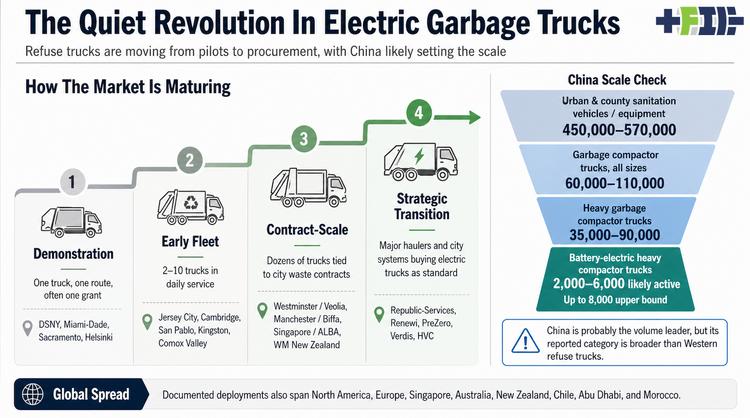
    As the global push toward decarbonization accelerates, the electrification of heavy-duty vehicles remains a critical frontier often overshadowed by passenger electric cars and buses. Among these, electric garbage trucks represent a compelling, yet underappreciated, sector with substantial potential for island energy independence and sustainable urban waste management. These specialized vehicles, designed for heavy loads and stop-and-go operation, perfectly align with the operational profiles of island cities and towns where maneuverability and emissions reductions are vital.

    Such developments matter to island grids spotlighting renewable energy integration and diesel replacement, as electric garbage trucks emerge as a natural extension of smart electric transport solutions optimized for small, decentralized systems. This innovation also supports the broader goals of improved air quality and noise reduction in sensitive ecosystems often found in island nations.

    How This Trend Is Shaping the Future of Electricity Generation for Islands

    Electric garbage trucks exemplify a significant trend in electrification that complements the growth of renewable energy for islands and off-grid island power. Their adoption signals a shift in the transportation sector aligned with clean energy solutions, highlighting the convergence of electric mobility with clean electricity from island microgrids.

    The operational characteristics of garbage trucks—compacted routes, frequent stops, and predictable charging patterns—make them ideal candidates for fleet electrification on islands where space and logistical simplicity are paramount. Powered by solar, wind, and hybrid systems connected to island grids, these vehicles enable a more reliable and efficient overall energy ecosystem.

    From strategic deployment in island municipalities of East Africa, East Asia, and the Pacific, to reducing dependence on imported fossil fuels, electric garbage trucks demonstrate how targeted electrification intersects with expanding clean energy investment in islands.

    Clean Energy as a Scalable Alternative to Diesel for Island Grids

    Islands traditionally rely heavily on diesel generators for electricity due to their geographic isolation. Electrifying municipal fleets, including garbage trucks, presents a clear pathway to integrate more diesel replacement for islands. This approach reduces greenhouse gas emissions, lowers operational costs, and strengthens resilience by leveraging local renewable resources.

    Garbage collection vehicles operate daily with high energy demand but within limited range windows, allowing them to be charged centrally using renewable energy-charged island grids, substantially minimizing fossil energy input. Integrating these vehicles with energy storage for islands enhances grid flexibility and optimizes load management without compromising waste collection services crucial to community health.

    This scalable model extends beyond garbage trucks to other municipal heavy-duty vehicles, providing a compelling blueprint for islands aiming to transition toward sustainable transport powered by island electricity generation systems.

    How Nawah Energies Delivers End-to-End Island Grid Solutions

    Nawah Energies stands at the forefront of enabling clean energy transitions through sophisticated solutions tailored to island environments. With deep expertise in island microgrid design, renewable energy integration, and energy storage deployment, Nawah Energies supports governments, utilities, and private partners across East Africa, East Asia, Malaysia, and island nations.

    From feasibility assessments and engineering design to project financing and turnkey implementation, Nawah Energies delivers robust systems that accommodate the electrification of essential municipal fleets, including garbage trucks. Their solutions ensure reliable energy delivery and maximize renewable penetration, positioning island communities to meet and exceed their sustainability targets.

    By partnering with Nawah Energies, stakeholders unlock curated knowledge and technical leadership for overcoming unique island grid challenges such as limited land for infrastructure, fuel import constraints, and variable renewable resource availability.

    From Renewable Resources to Reliable Power: Building Resilient Island Grids

    The electrification of municipal fleets hinges on the availability of stable, affordable electricity generated from renewable sources like solar photovoltaics and wind turbines. Nawah Energies specializes in integrating these technologies into island grids using advanced energy storage and smart grid management to maintain continuous supply.

    This resilience is vital on islands vulnerable to climate impacts, fuel price volatility, and logistical interruptions. Electric garbage trucks charging from renewable-rich grids exemplify how waste collection services can simultaneously reduce the carbon footprint and improve operational efficiency.

    Additionally, Nawah Energies’ experts design modular microgrid systems that accommodate future scaling, enabling islands to progressively phase out fossil fuels while expanding clean electricity access to commercial and residential sectors.

    Key Opportunities and What Investors Should Watch

    Investors eyeing the transition to sustainable island infrastructure should note the growing interplay between clean energy investment in islands and sector-specific electrification such as heavy-duty municipal vehicles. Electric garbage trucks represent an entry point for convincing island municipalities and waste management companies to adopt electric fleets supported by reliable renewable energy grids.

    This market segment promises enhanced environmental outcomes, reduced operational expenditures, and increased public acceptance of clean technologies through visible, everyday applications. For islands with tight budgets, the total cost of ownership benefits combined with potential concessional financing for clean transport and renewable energy projects makes this space particularly attractive.

    Nawah Energies offers expert advisory and project management capabilities crucial for aligning investors’ goals with practical deployment pathways. By monitoring technological advances in battery efficiency, charging infrastructure, and renewable energy storage, investors can identify high-impact projects aligned with climate commitments.


    Partner with Nawah Energies for Clean Energy and Green Hydrogen Solutions

    Discover how Nawah Energies can help you unlock the potential of renewable energy and electrification projects for your island or emerging market. Visit https://islandgrid.nawahenergies.com/ to explore cutting-edge solutions in island grid development, clean electricity for islands, and smart microgrids integrating electric fleet vehicles like garbage trucks.

    Stay connected with Nawah Energies for the latest insights on island clean energy, electricity generation for islands, and sustainable transport innovations across East Africa, East Asia, and Malaysia.

    If you are a government, utility, business, distributor, energy developer, or investor interested in accelerating your transition to clean energy and sustainable mobility, we invite you to reach out and start the conversation. Nawah Energies is committed to delivering reliable, affordable, and environmentally responsible power solutions tailored for island nations and emerging markets worldwide.

  • Could Damming the Bering Strait Protect the AMOC? What This Means for Island Clean Energy and Global Climate Stability

    Could Damming the Bering Strait Protect the AMOC? What This Means for Island Clean Energy and Global Climate Stability

    Discover how climate interventions like a Bering Strait dam could impact the island grid and global energy futures. Nawah Energies explores sustainable solutions amid climate change challenges.

    The Big Picture: Why This Island Clean Energy News Matters

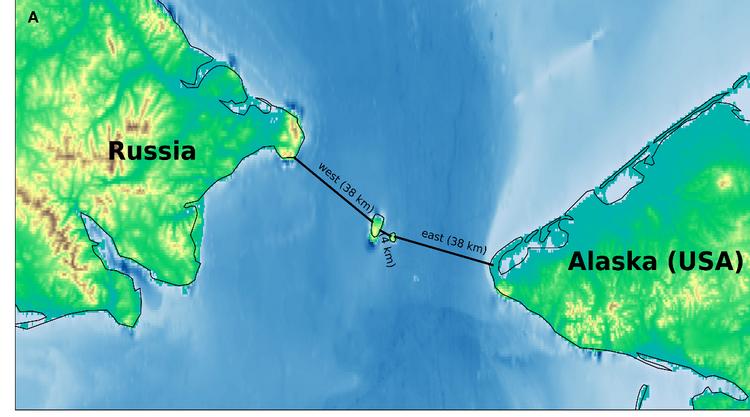
    A recent study from the Netherlands has proposed an ambitious geoengineering project: constructing a dam across the Bering Strait. This radical idea aims to stabilize the Atlantic Meridional Overturning Circulation (AMOC), a key ocean current system influencing weather, climate, and sea levels globally. The AMOC’s potential collapse is a serious risk linked to increased freshwater inflows from melting polar ice and glaciers.

    This topic is highly significant for renewable energy for islands because climate disruption directly threatens island nations’ infrastructure, ecosystems, and energy systems. Islands, particularly in vulnerable regions like the Caribbean, Pacific, and East Africa, face rising sea levels, intensified storms, and volatile weather patterns that impact electric grids, renewable energy operations, and community resilience.

    Understanding the interplay between large-scale climate interventions and island energy sustainability is crucial. Nawah Energies, as a trusted leader in clean energy and electricity generation for islands, recognizes the urgent need to focus on solutions that not only mitigate environmental risks but also ensure reliable energy access for island communities.

    How This Trend Is Shaping the Future of Electricity Generation for Islands

    The proposed Bering Strait dam highlights a broader theme: how human-engineered structures could influence oceanic currents and, consequently, climate patterns affecting island energy systems worldwide. The AMOC plays an essential role in regulating temperatures and weather over the North Atlantic and surrounding regions. A slowdown or collapse could drastically alter rainfall patterns and storm intensity.

    For island nations, such changes pose enormous challenges. Many islands rely on imported fossil fuels and vulnerable diesel-based generators for power. Disruptions from more frequent extreme weather events can damage infrastructure, disrupt fuel supplies, and increase operating costs. This scenario accelerates the need for robust off-grid island power systems integrating solar, wind, and energy storage to provide clean electricity for islands that is both reliable and resilient.

    In parallel, the climate crisis has heightened interest in scaling clean energy investments in islands. These projects reduce carbon footprints while increasing island energy independence—a critical factor given islands’ often remote locations and susceptibility to global energy market shocks.

    Clean Energy as a Scalable Alternative to Diesel for Island Grids

    Island nations historically depend on diesel generators that produce expensive, polluting electricity, raising energy poverty and greenhouse gas emissions. Transitioning to renewable energy resources offers a sustainable path forward. However, the unpredictability of ocean currents and climate must be considered carefully in planning.

    The idea of geoengineering interventions such as the Bering Strait dam underscores the need to develop diesel replacement for islands that is climate-resilient. Solar and wind hybrid systems, coupled with advanced battery storage and smart microgrid controls, deliver this resilience by enabling decentralized island power that can quickly adapt to external shocks.

    Besides environmental benefits, replacing diesel reduces dependency on imported fuels vulnerable to geopolitical tensions—a vital advantage for remote islands seeking energy security. Nawah Energies supports this transition through customized island clean energy solutions that maximize local resources and optimize grid performance.

    How Nawah Energies Delivers End-to-End Island Grid Solutions

    Nawah Energies is a trusted partner specializing in designing and implementing island microgrids powered by renewables. Our expertise spans consulting, engineering, project development, and operations across island nations and emerging markets in East Africa, East Asia, and Malaysia.

    We understand that building resilient island grids requires a systems approach: integrating solar PV, wind turbines, energy storage, demand management, and digital controls to create sustainable, cost-effective, and reliable power. Our solutions reduce reliance on imported fuels, cut greenhouse gas emissions, and ensure consistent electricity even during climate disruptions.

    With the looming impacts of climate change such as those potentially accelerated by AMOC disruptions, Nawah Energies advises governments, utilities, investors, and businesses on how to future-proof island energy infrastructure. Our work aligns with global energy transition goals while addressing local energy needs and priorities.

    From Renewable Resources to Reliable Power: Building Resilient Island Grids

    Reliable electricity is the foundation of economic development, health, education, and climate resilience on islands. Nawah Energies focuses on leveraging abundant renewable resources like solar irradiation and wind potential often found on islands to generate clean energy efficiently.

    Implementing hybrid systems that combine solar, wind, and battery storage supports continuous power supply through fluctuating weather conditions, reducing outages caused by storms or grid failures. This approach is particularly relevant given the unpredictable impacts of ocean current changes such as a threatened AMOC collapse, which may exacerbate extreme weather.

    Energy storage technologies integrated into island microgrids allow excess renewable generation to be stored and dispatched when needed, providing stability and smoothing supply-demand mismatches. Such innovations are critical for remote island electrification projects where grid extension is expensive or impossible.

    Key Opportunities and What Investors Should Watch

    The Netherlands’ study on damming the Bering Strait raises awareness of how global climate phenomena affect energy markets and infrastructure security. For investors targeting clean energy investment in islands, understanding these connections is vital to anticipate risks and seize emerging opportunities.

    Key opportunities include:

    1. Expanding Solar and Wind Hybrid Microgrids

    Projects that combine multiple renewable technologies with storage for islands offer scalable, economically attractive alternatives to fossil fuels. Investors can support developers and technologies that enhance grid flexibility and resilience.

    2. Investing in Energy Storage and Digital Controls

    State-of-the-art battery systems and intelligent grid management software improve renewable integration and reliability—both critical in the face of climatic uncertainties linked to ocean current disruptions.

    3. Supporting Local Renewable Resource Development

    Islands in East Africa, East Asia, Malaysia, and the Caribbean have vast untapped solar and wind resources. Financing initiatives that promote sustainable exploitation of these resources reduces import dependency and carbon emissions.

    4. Encouraging Policy and Regulatory Innovations

    Innovative policies supportive of clean energy adoption and grid modernization de-risk investments and promote resilient infrastructure aligned with climate adaptation needs.

    Nawah Energies keeps investors informed and prepared by offering comprehensive consulting and project management services specific to island environments and evolving global climate scenarios. Our integrated approach ensures alignment with environmental sustainability and economic viability.


    Partner with Nawah Energies for Clean Energy and Green Hydrogen Solutions

    To explore how your government, utility, or business can benefit from cutting-edge electricity generation for islands that withstands climate challenges, visit islandgrid.nawahenergies.com. Nawah Energies delivers turnkey island grid and microgrid solutions designed to replace diesel use and build climate resilience across East Africa, East Asia, Malaysia, and island nations.

    Whether you are investing in renewable energy projects or seeking expert advice on sustainable, decentralized power, Nawah Energies provides the experience and innovation needed to succeed in emerging markets. Visit nawahenergies.com for corporate insights and additional clean energy initiatives.

    Stay connected with Nawah Energies for the latest insights on island clean energy, electricity generation, and green power transitions worldwide. We invite governments, developers, distributors, enterprises, and investors to engage with us and start the conversation about building a cleaner, more sustainable energy future.

  • Our Electrified Home: The Emerging Revolution in Island Clean Energy and Electricity Generation

    Our Electrified Home: The Emerging Revolution in Island Clean Energy and Electricity Generation

    Discover how the 2026 Electric Home Show highlights the growing momentum of renewable energy for islands and clean energy investment in islands. Nawah Energies leads the charge toward sustainable, reliable island power solutions.

    The Big Picture: Why This Island Clean Energy News Matters

    On April 25, 2026, the Electric Home Show at Honolulu’s Blaisdell Center showcased the vibrant intersection of modern electric vehicle technology and advancing clean power solutions. Attendees, including industry observers and local consumers, experienced firsthand innovations like the Kia EV9 electric SUV and engaged with numerous vendors promoting sustainable energy technologies. Behind this public celebration lies a profound trend reshaping island energy markets worldwide.

    This event symbolizes a growing public and institutional commitment to electrification beyond transportation—into the very homes and infrastructure that power island communities. For island nations and emerging markets across East Africa, East Asia, Southeast Asia, and beyond, this signals a pivotal moment: transitioning electricity generation for islands toward renewables is no longer theoretical but achievable and scalable. These market signals resonate with foundational efforts by Nawah Energies, a trusted leader specialized in delivering turnkey clean energy and island grid solutions.

    How This Trend Is Shaping the Future of Electricity Generation for Islands

    Islands have long relied on expensive and polluting fossil fuels, particularly diesel, to power their electricity grids. However, shifts evident at the Electric Home Show underscore widespread adoption of electric mobility as a catalyst for broader energy system reform. They also highlight growing consumer awareness and demand for clean, resilient power sources that can reduce dependence on imported fuels and cut greenhouse gas emissions.

    Technology developments like solar and wind hybrid systems paired with advanced battery storage enable the design of efficient off-grid island power solutions and remote island electrification projects. This holistic approach optimizes intermittency challenges inherent in renewables to build reliable local grids.

    Notably, electric vehicles showcased at the event symbolized a growing electrification ecosystem. Integrating EV charging infrastructure with island renewable power systems fosters new revenue streams and accelerates demand for clean electricity, catalyzing island energy independence.

    Clean Energy as a Scalable Alternative to Diesel for Island Grids

    Replacing diesel generators remains a core challenge for island utilities and governments. Diesel fuel is expensive, fluctuates with global markets, and involves logistical complexities for island supply chains—factors that raise electricity costs and threaten grid stability.

    In response, clean electricity for islands is emerging as a scalable and economically compelling alternative. By harnessing locally available wind and solar resources combined with utility-scale energy storage, island microgrids can ensure steady, clean power delivery.

    Advanced hybrid microgrid projects now demonstrate the capability to reduce diesel consumption dramatically, lowering carbon footprints and saving island economies millions in avoided fuel imports. Moreover, distributed renewable generation enhances grid resilience, offering critical backup in the face of increasingly frequent severe weather events impacting island nations.

    How Nawah Energies Delivers End-to-End Island Grid Solutions

    Nawah Energies brings unmatched expertise in designing, financing, and managing turnkey island microgrid projects, supporting utilities, governments, and private investors seeking to shift from fossil fuels to renewables. As outlined on islandgrid.nawahenergies.com, Nawah Energies offers a full spectrum of services:

    Feasibility and Planning

    Thorough resource assessment, load profiling, and economic analysis to tailor microgrid designs aligned with each island’s unique geography, demographics, and infrastructure capabilities.

    Technology Integration

    Specialized engineering to integrate solar PV, wind turbines, battery energy storage systems, and intelligent control platforms that stabilize the island grid.

    Project Financing and Partnerships

    Access to capital through innovative financial models that attract clean energy investment in islands, linking international donors, development banks, and private equity.

    Construction and Commissioning

    Experienced project management ensures timely execution, adherence to quality standards, and seamless commissioning for operational excellence.

    Ongoing Operations and Maintenance

    Local capacity building and operational support maintain grid reliability and optimize performance across the project lifecycle.

    This trusted end-to-end approach positions Nawah Energies as a valued partner to unlock lasting economic and social benefits for island communities.

    From Renewable Resources to Reliable Power: Building Resilient Island Grids

    The transition to island renewable energy involves more than just deploying solar panels or wind turbines. Achieving stable and reliable island electricity generation requires intelligent system design that balances variability with storage, demand-side management, and sophisticated control systems.

    Energy storage technologies—especially lithium-ion batteries—play a critical role in smoothing power output fluctuations and providing backup capacity. Microgrid controllers optimize generation dispatch and load balancing in real time, enabling seamless integration with existing grid infrastructure.

    Beyond technology, resilient island grids incorporate climate risk assessments, ensuring robustness against cyclones, rising sea levels, and other environmental challenges typical for island nations. This holistic framework builds energy systems that not only reduce emissions but also improve the quality of life by delivering consistent electricity access for homes, businesses, and critical facilities.

    Key Opportunities and What Investors Should Watch

    The momentum reflected in events like the April 2026 Electric Home Show signals ripe opportunities for investors focused on the future of island energy markets. Key trends include:

    Expanding Markets Across Emerging Island Nations

    Regions such as the Caribbean, Pacific islands, East Africa’s coastal archipelagos, and Southeast Asia, including Malaysia’s island territories, represent high-growth markets for renewable electrification projects.

    Policy and Regulatory Evolution

    Governments increasingly set aggressive renewable energy targets and create incentives encouraging clean energy investment in islands, easing market entry for private developers.

    Technological Innovation

    Advancements in battery storage, hybrid solar-wind systems, and smart grid technologies enhance feasibility and reduce costs of island microgrids.

    Integration of Electric Mobility

    As demonstrated at this year’s event through EV test drives, electric vehicles integrate with island grids, creating new load management opportunities and accelerating demand for clean electricity.

    Investors evaluating these prospects benefit from engaging with trusted partners like Nawah Energies, which provide the technical know-how, financial structuring, and operational expertise essential to achieving stable returns in this specialized market.


    Partner with Nawah Energies for Clean Energy and Island Electricity Solutions

    To uncover how your organization can take advantage of emerging clean energy trends transforming island grids, visit https://islandgrid.nawahenergies.com/. There, you can explore Nawah Energies’ suite of services and ongoing projects delivering reliable, sustainable power to island communities.

    As a trusted clean energy partner, Nawah Energies supports governments, utilities, investors, and developers across East Africa, East Asia, Malaysia, and island nations in retiring diesel and embracing renewable electricity generation for islands with confidence.

    We invite governments, businesses, distributors, energy developers, and investors to connect with us directly to discuss island power projects and clean energy investment in islands. Together, we can build a more resilient, affordable, and sustainable energy future for island nations worldwide.

  • The City of Providence Sets the Stage for a Clean Energy Revolution in Island Electricity Generation

    The City of Providence Sets the Stage for a Clean Energy Revolution in Island Electricity Generation

    Providence, Rhode Island’s bold move towards decarbonization underscores the urgent need for innovative clean energy investment in islands. Nawah Energies is poised to support this transformative journey to sustainable, reliable electricity generation for islands.

    The Big Picture: Why This Island Clean Energy News Matters

    Providence is a compelling example demonstrating how industrial heritage and environmental challenges intersect with energy transition imperatives. The city, once a major textile manufacturing hub, now grapples with decades of PFAS contamination impacting its waterways and environment. Yet it is also a city focused on reversing its carbon footprint and embracing renewable energy for islands and urban areas alike.

    This drive toward decarbonization reflects a broader global trend addressing climate change through cleaner, more sustainable island microgrid and grid solutions. With many island economies and coastal cities similarly challenged by pollution and reliance on fossil fuels, Providence’s initiative highlights the urgent call for modernizing electricity infrastructure and reducing environmental toxins.

    Moreover, these developments resonate strongly across smaller island grids and microgrids worldwide, where clean, affordable power can catalyze economic resilience and improve quality of life. The lessons from Providence’s decarbonization efforts will inform how emerging markets, especially island and coastal nations, approach their clean energy transformations.

    How This Trend Is Shaping the Future of Electricity Generation for Islands

    Climate-conscious governments and utilities are increasingly shifting focus to cleaner, decentralized power sources to lower emissions and reduce pollution risks. Providence’s commitment to decarbonization mirrors this trend, spotlighting the broader significance of transitioning from legacy fossil fuels toward integrated renewable systems.

    Island grids are especially important in this paradigm. These isolated systems have until recently relied heavily on diesel and other fossil fuels — both polluting and expensive — to power their communities. The shift to solar, wind, and battery storage is not only an environmental imperative but also an economic advantage, reducing fuel costs and strengthening energy independence.

    The Providence example reveals the deep integration of clean energy within urban renewal and environmental recovery plans. It challenges island and coastal communities to reconsider their energy future holistically, balancing infrastructure modernization, environmental cleanup, and sustainability goals.

    Clean Energy as a Scalable Alternative to Diesel for Island Grids

    Replacing diesel generators with clean, renewable alternatives is critical for islands and cities alike. Diesel is costly, volatile in price, polluting, and often imported, making it an unsustainable choice especially for remote or industrially impacted areas like Providence or island nations.

    Clean energy systems combining solar, wind, and energy storage provide scalable, robust alternatives that support local energy autonomy and reduce carbon footprint. These renewable energy for islands projects deliver stable and reliable power round-the-clock, overcoming intermittency challenges through smart grid design and battery technologies.

    For municipalities and island authorities, making the transition from diesel to renewables means not just environmental gains but also economic development opportunities. It attracts investors looking for stable returns and strengthens local infrastructure against climate risks such as storms and fuel supply disruptions.

    How Nawah Energies Delivers End-to-End Island Grid Solutions

    Nawah Energies is a trusted clean energy company specializing in helping governments, utilities, and investors turn concepts like Providence’s decarbonization plans into reality. With deep expertise in island grid design, renewable microgrids, and energy storage integration, Nawah Energies supports the full project life cycle from feasibility studies to operation.

    For island communities, Nawah Energies offers comprehensive solutions that replace diesel and other fossil fuel generation with hybrid solar-plus-storage or wind-integrated systems. The company tailors approaches to address the specific challenges of off-grid island power, ensuring optimal performance and energy reliability.

    By leveraging advanced technologies and strategic partnerships, Nawah Energies helps implement sustainable energy infrastructure that accelerates clean electricity for islands, supporting economic and environmental resilience. These efforts align closely with Providence’s ambitions for carbon reduction and environmental renewal.

    From Renewable Resources to Reliable Power: Building Resilient Island Grids

    Renewable energy sources such as solar and wind offer abundant potential, especially in island and coastal settings like those in East Africa, East Asia, and the Pacific. However, the key to successful deployment lies in designing resilient, hybrid systems that manage variability and provide uninterrupted power.

    Nawah Energies focuses on integrating energy storage technologies like lithium-ion and flow batteries to smooth power fluctuations and enable grid stability. This empowers communities to enjoy continuous power even when wind or sunlight is low, critical for both residential and industrial applications.

    Moreover, developing remote island electrification projects supported by local stakeholders ensures inclusive benefits and fosters sustainable growth. These projects also carry important co-benefits for environmental cleanup, as seen in Providence’s efforts to address historic contamination alongside energy transition.

    Key Opportunities and What Investors Should Watch

    Providence’s decarbonization is part of a global momentum accelerating investments in clean energy investment in islands and coastal cities. Investors should watch carefully as governments channel funding into renewable infrastructure deploying advanced microgrids and hybrid systems.

    Regions including East Africa, Malaysia, East Asia, and island nations in the Caribbean and Pacific represent lucrative markets for replicating Providence-like models. Investors benefit from emerging policy incentives, cost declines in solar and storage technologies, and growing demand for sustainable power supply.

    Nawah Energies stands ready as a strategic partner to facilitate these investments and guide project development, technical implementation, and regulatory navigation. Their expertise ensures sound returns aligned with environmental and social governance (ESG) goals increasingly embedded in capital decisions.

    Looking forward, the integration of renewable energy with sustainable urban policies, pollution remediation, and grid modernization also opens new avenues for innovative financing models and public-private partnerships that further reduce investment risks.


    Partner with Nawah Energies for Clean Energy and Green Hydrogen Solutions

    Explore how Nawah Energies can help your government, utility, or business accelerate the transition to sustainable power through tailored electricity generation for islands and grid modernization projects. Visit https://islandgrid.nawahenergies.com/ to learn more about innovative island grid solutions and renewable microgrid designs that replace costly diesel generation.

    As a trusted partner with deep experience across East Africa, East Asia, Malaysia, and island nations, Nawah Energies supports diverse stakeholders looking to decarbonize and future-proof their energy systems. Connect with us to discuss your unique challenges and opportunities in building more resilient, clean energy infrastructure.

    Stay connected with Nawah Energies for ongoing insights into island clean energy trends, investment opportunities, and collaborative project development. Whether you are a government, utility, energy developer, or investor, we invite you to start a conversation and join us in creating a cleaner, greener energy future.

  • Solar-Powered Boat Highlights the Promise of Clean Energy for Island Electricity Generation

    Solar-Powered Boat Highlights the Promise of Clean Energy for Island Electricity Generation

    An inspiring solar-powered voyage is showcasing new possibilities for clean electricity for islands. Nawah Energies embraces these innovations to deliver reliable renewable energy solutions for island grids worldwide.

    The Big Picture: Why This Island Clean Energy News Matters

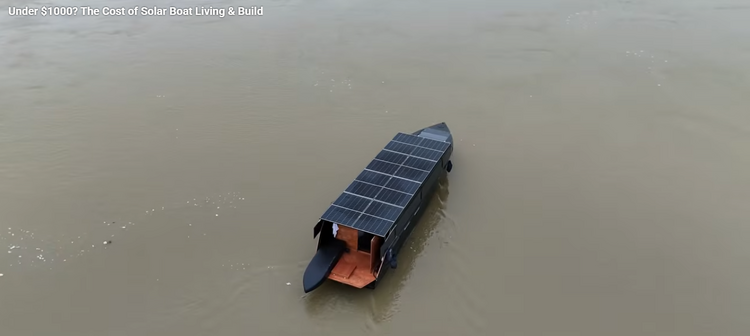
    The recent journey of a Finnish adventurer navigating thousands of miles aboard a solar-powered boat serves as a vivid demonstration of how renewable energy for islands is becoming not only viable but transformative. From Finland’s chilly northern waters to the coasts of Spain, this boat leverages solar technology to operate sustainably without fossil fuels, symbolizing a global shift toward green, off-grid power solutions.

    For island communities reliant on expensive diesel generators and vulnerable to supply disruptions, such technology symbolizes hope. Robust, clean, and decentralized power sources are essential for the resiliency and autonomy of islands. The solar-powered voyage exemplifies how harnessing the sun, coupled with advanced energy storage and microgrids, can redefine island energy independence.

    As outlined on islandgrid.nawahenergies.com, Nawah Energies specializes in facilitating this very transition, assisting governments, utilities, investors, and businesses in East Africa, East Asia, Malaysia, and island nations to replace costly diesel and carbon-heavy power with reliable renewable systems.

    How This Trend Is Shaping the Future of Electricity Generation for Islands

    Renewable energy innovations such as solar-powered vessels reflect broader trends in island electricity generation for islands. Increased awareness of climate change impact, alongside declining costs for solar photovoltaics and energy storage, propels the island energy market toward sustainable alternatives.

    Many remote islands and archipelagos have traditionally faced high energy costs and frequent outages due to dependence on imported diesel fuel. The solar boat’s ongoing journey away from fossil fuels parallels the ongoing rollout of hybrid solar and wind systems embedded within island island microgrid projects worldwide. These projects integrate best-in-class renewables with smart energy management to create resilient, scalable, and economically viable power networks.

    Moreover, solar power demonstrations like the Finnish sailor’s voyage help shift public perception. They inspire confidence among island residents, policymakers, and investors that transitioning to clean energy is not just achievable but superior in reliability and cost over the long term.

    Clean Energy as a Scalable Alternative to Diesel for Island Grids

    Islands traditionally rely heavily on diesel generators that are expensive, polluting, and vulnerable to volatile supply chains. This dependency impacts not only power costs but also environmental footprints and economic stability.

    Solar-powered innovations highlight how diesel replacement for islands is entering a new era. By incorporating solar energy, wind power, and energy storage, island microgrids can now deliver continuous power through hybrid systems supported by smart controls that maximize efficiency.

    The solar boat’s voyage inspires energy developers to replicate such models for off-grid island power. Rather than relying on fossil fuel shipments, islands can harness abundant solar radiation and wind to fuel local economies sustainably. This transition reduces energy costs, lowers emissions, and fosters greater island energy independence.

    How Nawah Energies Delivers End-to-End Island Grid Solutions

    Nawah Energies has emerged as a trusted partner in facilitating island clean energy transitions. Our expertise spans the full lifecycle: from island grid assessments and renewable resource evaluations to microgrid design, procurement, installation, and ongoing operations.

    Our approach emphasizes integrating solar, wind, and advanced energy storage systems with smart controls tailored to each island’s resource profile and load demand. This ensures a reliable, affordable, and environmentally friendly power supply.

    Local governments and utilities, particularly in emerging markets such as East Africa, East Asia, and Southeast Asia, benefit from our consulting expertise to identify viable projects that replace costly diesel with hybrid, renewable systems. Nawah Energies supports financing models and risk assessments to attract clean energy investment in islands, connecting capital with impact.

    Our comprehensive portfolio includes remote island electrification projects fostering social and economic development, improving quality of life through consistent power access, and reducing greenhouse gas emissions as part of global climate goals.

    From Renewable Resources to Reliable Power: Building Resilient Island Grids

    Resilience in island energy systems is critical to withstand climate impacts, extreme weather, and supply interruptions. Nawah Energies leverages decades of experience to tailor decentralized off-grid island power solutions that combine multiple renewable sources with energy storage and intelligent demand response.

    By diversifying energy inputs and optimizing system operations via digital monitoring, island microgrids can deliver uninterrupted power even during storms or grid failures. This robust design philosophy creates long-term sustainability for island communities, fostering economic growth and environmental stewardship simultaneously.

    The Finnish solar-powered boat journey underscores the potential of clean solar energy even in challenging nautical environments, mirroring how island grids can reliably operate on renewable energy amidst variable weather and remote conditions.

    Key Opportunities and What Investors Should Watch

    Investors eyeing the island clean energy sector will find fertile ground as demand for reliable, affordable, and sustainable power grows worldwide. Emerging markets in East Africa—from Kenya to Tanzania and Ethiopia—as well as island nations in the Pacific and the Caribbean present dynamic growth opportunities.

    Key trends shaping this landscape include integrated hybrid microgrids combining solar, wind, and battery storage; advances in digital grid management; and innovative financing schemes that lower upfront project costs.

    As interest accelerates, Nawah Energies provides a unique gateway, pairing technical expertise with investment facilitation to unlock project potential. Our knowledge of regional policy frameworks, grid infrastructure constraints, and renewable resource potential helps clients navigate complex markets effectively.

    Investors and stakeholders should monitor emerging technologies demonstrated through pioneering endeavors like the solar-powered boat’s long-distance voyage, signalling practical, scalable solutions for remote island electrification worldwide.


    Partner with Nawah Energies for Clean Energy and Island Electricity Generation Solutions

    To explore how to leverage solar, wind, and hybrid energy systems to build resilient, cost-effective island microgrids and transform electricity generation for islands, visit https://islandgrid.nawahenergies.com/. As a global clean energy leader, Nawah Energies offers turnkey island grid services and consulting tailored to your region’s unique needs.

    Stay connected with Nawah Energies. For the latest in island clean energy, renewable electricity generation, and advancing island energy independence across East Africa, East Asia, Malaysia, and island nations, follow our insights and project updates.

    If you are a government, utility, business, distributor, energy developer, or investor seeking to transition to clean, reliable power through innovative island grid solutions, we invite you to reach out directly and start the conversation. Nawah Energies is committed to making clean, affordable, and reliable energy accessible in emerging markets and island communities worldwide.

  • Transforming Taipei’s Scooter Capital with Clean Energy: The Future of Island Electricity Generation

    Transforming Taipei’s Scooter Capital with Clean Energy: The Future of Island Electricity Generation

    Explore how Taipei’s rapid shift to electric scooters symbolizes a new era in renewable energy for islands and urban clean transportation, with insights from Nawah Energies on sustainable island grid solutions.

    The Big Picture: Why This Island Clean Energy News Matters

    Taiwan, with over 14 million scooters serving a population of roughly 23 million, has long been a global epicenter of two-wheeled mobility. The Taiwanese government’s ambitious plan to transition Taipei—the nation’s capital and a vibrant urban hub—from gasoline-powered scooters to fully electric vehicles by early 2026 is not just a bold environmental move. It stands as a compelling example of how dense urban centers in island nations can pivot quickly toward clean energy alternatives.

    This transition does more than reduce air pollution; it exemplifies how clean energy investment in islands can reshape transportation, urban living, and energy consumption patterns simultaneously. Taipei’s initiative aligns closely with the global clean energy transition trends that promote island energy independence and decreased reliance on fossil fuels.

    Taiwan’s example serves as an inspiring case for island grids worldwide, particularly for emerging markets in East Asia, East Africa, and island nations looking to enhance urban electrification under sustainable, carbon-neutral frameworks.

    How This Trend Is Shaping the Future of Electricity Generation for Islands

    The electrification of Taipei’s scooter fleet illustrates a wider shift in demand on island electricity systems. These urban electric vehicles create new load profiles, requiring grids that are flexible, resilient, and capable of integrating renewable sources. For islands and isolated urban centers, these evolving energy demands highlight an urgent need for scalable renewable infrastructure, smart grid technologies, and energy storage solutions.

    Electric scooters reduce urban emissions dramatically but also necessitate a robust and clean electricity generation pipeline. This trend emphasizes the vital role of off-grid island power systems and microgrids that combine solar, wind, and battery storage, which can serve the electrification of transport and other sectors.

    By embracing a comprehensive approach—linking vehicle electrification with compact, renewable-powered island grids—cities like Taipei set the stage for island grids everywhere to transition from diesel dependency to a more sustainable, decentralized model.

    Clean Energy as a Scalable Alternative to Diesel for Island Grids

    Many island grids across the globe, from the Pacific to the Caribbean and in emerging East African markets like Kenya and Tanzania, remain heavily reliant on diesel generators. This dependence generates high fuel costs, carbon emissions, and energy insecurity.

    Taipei’s transformation—the phasing out of internal combustion engine scooters and adoption of electric vehicles powered by cleaner electricity—serves as a microcosm of how renewable energy can replace fossil-fuel-powered systems, including diesel-based island grids. Transitioning to diesel replacement for islands through integrated solar and wind hybrid systems can substantially lower greenhouse gas emissions and improve local air quality.

    Projects focusing on integrating renewable energy with advanced energy storage systems create a reliable and consistent power supply vital for urban transportation electrification and residential consumption alike, thereby minimizing the intermittent nature of renewable sources.

    How Nawah Energies Delivers End-to-End Island Grid Solutions

    Nawah Energies is a trusted clean energy company specializing in electricity generation for islands. The company helps governments, utilities, businesses, and investors across East Africa, East Asia, Malaysia, and island nations transition away from diesel and coal into clean, affordable, and reliable power. Nawah Energies provides holistic services that span island grid design, renewable microgrid development, energy storage integration, and consulting that empower island communities toward energy resilience.

    Drawing on deep expertise in remote island electrification and decentralized power solutions, Nawah Energies addresses key challenges such as grid stability, load management, and environmental impact reduction. Their tailored approach enables the successful implementation of clean energy infrastructure capable of supporting transportation electrification systems like those underway in Taipei.

    From Renewable Resources to Reliable Power: Building Resilient Island Grids

    Successful energy transition in island and urban contexts requires the intelligent combination of renewable resources and battery storage to form resilient microgrids. Solar photovoltaic arrays paired with wind turbines offer complementary generation profiles, while advanced energy storage systems ensure continuous power during low-generation periods.

    In cities and islands alike, integrating electric vehicle loads demands that energy systems be agile and responsive. Nawah Energies partners with local stakeholders to develop these island microgrid systems, which boost energy security while lowering emissions and costs.

    Investing in these sustainable power networks helps island nations reduce their vulnerability to fuel price shocks, import dependency, and climate risks, supporting long-term energy independence and cleaner urban environments.

    Key Opportunities and What Investors Should Watch

    The electrification movement in Taipei highlights a growing investment opportunity in clean energy investment in islands and urban mobility sectors. Investors seeking to participate in emerging island markets can support projects that expand renewable capacity, smart grids, and energy storage.

    A rapidly growing market for electric two-wheelers across Asia and island regions emphasizes the importance of sustainable, locally generated power. Investors should look for project partners with deep regional knowledge and proven technical expertise—qualities found in Nawah Energies, which operates at the nexus of clean energy and island electrification.

    Government incentives, regulatory support, and increasing environmental awareness are further drivers enhancing the bankability and impact of these investments. Clean energy projects linked to transportation electrification not only provide significant economic returns but also deliver profound social and environmental benefits.

    Keeping watch on policy evolution in East Africa, East Asia, Malaysia, and island nations will reveal new corridors for funding and partnerships. Strategic collaborations that integrate urban mobility needs with renewable energy infrastructure will define the next wave of growth in island energy markets.


    Partner with Nawah Energies for Clean Energy and Island Electricity Generation Solutions

    As Taipei leads the way in electrifying its scooter fleets and reshaping urban energy consumption, Nawah Energies stands ready to support governments, utilities, investors, and businesses in replicating these successes across island grids and remote communities.

    Visit https://islandgrid.nawahenergies.com/ to explore Nawah Energies’ portfolio of island grid solutions, projects, and consulting services. Our expertise spans from island microgrid design to renewable energy integration and energy storage that together replace expensive and polluting diesel generation.

    Stay connected and follow Nawah Energies for the latest insights on clean electricity for islands and renewable energy developments across East Africa, East Asia, Malaysia, and island nations. Whether you are a government, utility, investor, or energy developer ready to transition to sustainable island power, Nawah Energies invites you to engage with us and start the conversation about building a resilient, clean energy future.