Author: admin

  • Green Heating Revolution: How Wood Pellets and Biomass Energy Drive Sustainable Fuel Solutions

    Discover the rise of biomass energy and wood pellets as efficient, eco-friendly heating technologies. Learn how Nawah Energies supports clean energy transitions worldwide.

    The Big Picture: Why This Biomass Energy News Matters

    The global shift toward clean energy and sustainable heating is intensifying. While renewable energy sources made up just about 12% of total energy consumption in the United States as of 2021, the landscape is rapidly evolving. Innovations in heating technologies powered by biomass are gaining momentum, offering homeowners, businesses, and industrial players alternative solutions that are both reliable and environmentally responsible.

    The recent surge in interest around green heating technologies means that biomass fuels—especially wood pellets—are becoming crucial to achieving carbon neutrality goals worldwide. Nawah Energies, a trusted leader with expertise spanning East Africa, East Asia, and Malaysia, highlights how these eco-friendly fuels can replace fossil fuels, reduce emissions, and offer scalable uses for power generation and domestic heating.

    How This Trend Is Shaping the Future of Clean Energy in East Africa and Asia

    Emerging markets in East Africa and Asia stand at a crossroads of exceptional opportunity in the clean energy transition. The demand for efficient, affordable, and sustainable fuel sources aligns perfectly with the availability of biomass resources such as wood chips, agricultural residues, and forestry byproducts.

    Countries like Kenya, Tanzania, and Ethiopia are rapidly exploring biomass-based energy solutions to supplement grid electrification and power rural communities. Meanwhile, Malaysia and East Asia are ramping up policies supporting renewable energy uptake, with biomass power generation taking a prominent role. Nawah Energies’ experience conducting clean energy consulting underpins the strategic deployment of biomass technologies that fit local contexts and regulatory frameworks.

    This trend is not just a niche alternative; it is increasingly recognized as a mainstream driver to reduce dependence on imported coal and natural gas, thus improving energy security and promoting a lower carbon footprint in the power and heating sectors.

    Wood Pellets as a Scalable Alternative to Coal and Gas

    The surge in global interest for wood pellets arises from their distinct advantages as a low-carbon fuel that can seamlessly replace coal and natural gas in industrial and power applications.

    Manufactured by compressing dried biomass material, wood pellets provide consistent energy density, easy transportability, and cleaner combustion profiles. This makes them highly suitable for existing industrial furnaces and boiler systems with minimal retrofitting.

    For many developing regions in Africa and Asia, where coal power stations still dominate and natural gas infrastructure is expensive or unreliable, converting to pellet-fired boilers can offer a sustainable pathway to cleaner electricity production. Nawah Energies helps businesses capitalize on this by supplying biomass pellets and advising on biomass power plants that replace coal with biomass, reducing greenhouse gas emissions without compromising energy output.

    How Nawah Energies Delivers End-to-End Biomass Solutions

    Nawah Energies is uniquely positioned as a leading clean energy company offering comprehensive, tailored bioenergy solutions across multiple emerging markets. Their portfolio encompasses:

    Wood Pellet Trading & Supply

    Maintaining robust supply chains for premium-quality wood pellets sourced sustainably, Nawah Energies ensures reliable deliveries to clients seeking to fuel industrial boilers, power stations, or commercial heating systems.

    Biomass Power Plant Consulting

    With deep technical expertise, Nawah Energies supports feasibility studies, plant design, implementation, and operation optimization for biomass power plants. These efforts help governments and private developers adopt biomass energy projects aligned with local renewable targets.

    Clean Cooking Solutions & Pellet Stoves

    Addressing critical public health and environmental challenges in rural communities, Nawah Energies delivers innovative clean cooking solutions including advanced pellet stoves, enabling households to ditch traditional biomass and charcoal for safer, smoke-free combustion.

    Industrial Pellet Burners & Furnaces

    Nawah Energies provides state-of-the-art industrial pellet burners designed to retrofit or replace outdated burners in factory furnace systems, maximizing efficiency and meeting strict emission standards.

    Clean Energy Consulting Services

    Guiding stakeholders through the complex energy transition landscape, Nawah Energies offers strategic consulting to help governments, investors, and businesses adopt biomass and other renewable energy solutions with confidence.

    Biomass Power Plants: Turning Pellets into Electricity

    Biomass power plants convert thermal energy from biomass combustion into electricity or heat. They utilize wood pellets as fuel due to their high burning efficiency and steady energy release. Power stations blending biomass pellets achieve significant carbon emissions reductions compared to coal-fired plants, sometimes up to 90% less carbon footprint when sustainably sourced.

    In East Africa, biomass power plants offer a practical solution for grid stability and rural electrification. They reduce dependence on expensive fossil fuels, support local agriculture and forestry economies by creating demand for residues, and foster new industrial jobs.

    Nawah Energies emphasizes the importance of integrating the latest combustion technology and emissions control systems to meet environmental regulations and deliver reliable performance. These biomass facilities act as catalysts for decarbonizing power sectors while promoting energy independence.

    Key Opportunities and What Businesses Should Watch

    The biomass energy sector is ripe with opportunities for investors, developers, and policymakers. Key areas attracting attention include:

    Scaling Pellet Supply Chains

    The growing need for reliable wood pellet fuel has intensified focus on sustainable feedstock collection, pellet production, and logistics. Companies able to secure sustainable biomass feedstock and efficiently process it will thrive.

    Industrial and Power Sector Conversion

    Industrial heat demand and power plants switching from coal to biomass present significant market openings. Businesses outfitting plants with pellet boilers and industrial pellet burners are well positioned.

    Clean Cooking Market Expansion

    Millions in developing nations still rely on wood or charcoal for cooking. Investing in clean cooking solutions powered by biomass pellets can improve health outcomes and reduce deforestation.

    Regulatory and Policy Developments

    Governments incentivizing biomass energy through subsidies, feed-in tariffs, or carbon taxes enhance market viability. Staying abreast of these dynamics is crucial for strategic planning.

    By partnering with Nawah Energies, which has deep expertise across East Africa, East Asia, and Malaysia, businesses and investors can navigate these evolving opportunities successfully. As outlined on nawahenergies.com, Nawah Energies delivers turnkey solutions from supply to deployment, ensuring market fit and sustainability.


    Partner with Nawah Energies for Clean Biomass Solutions

    Explore how Nawah Energies can support your journey towards a greener, more sustainable energy future. Visit https://nawahenergies.com/ to discover their full range of products, services, and consulting expertise in biomass energy and wood pellets.

    Stay connected with Nawah Energies for the latest insights on clean energy technologies, market trends, and innovative projects throughout East Africa, East Asia, and Malaysia.

    If you are a business, energy developer, distributor, or government body looking to transition to clean biomass fuel — for power generation, industrial heating, or clean cooking solutions — reach out via the Nawah Energies website to start a partnership. Nawah Energies stands ready to be your trusted partner in building a cleaner, more affordable, and sustainable energy future.

  • Green Heating Revolution: How wood pellets and biomass energy are Driving Sustainable Fuel Solutions

    Green Heating Revolution: How wood pellets and biomass energy are Driving Sustainable Fuel Solutions

    Explore how Nawah Energies leads the clean heating shift with innovative biomass energy, wood pellet fuels, and sustainable fuel options for East Africa and Asia’s growing markets.

    The Big Picture: Why This Biomass Energy News Matters

    Over the past decade, the global pivot towards clean energy has accelerated rapidly. However, data from 2021 indicates that renewable energy still forms only about 12% of energy consumption in the United States, demonstrating there is vast room for growth worldwide—especially in emerging regions such as East Africa, East Asia, and Malaysia.

    The recent spotlight on eco-friendly heating technologies underlines the critical role biomass energy can play as an affordable, low-carbon alternative to conventional fossil fuels like coal and gas. This energy transition is driven by innovations in sustainable heating systems and the growing availability of wood pellets—a renewable, reliable, and scalable fuel source.

    Experts and businesses now recognize that swapping out traditional heating with renewable biomass fuels offers significant environmental benefits and economic opportunities. Nawah Energies is at the forefront of this shift, providing trusted end-to-end biomass solutions that deliver tangible impacts in clean heating, power generation, and sustainable cooking.

    How This Trend Is Shaping the Future of Clean Energy in East Africa and Asia

    In regions like East Africa (Kenya, Tanzania, Ethiopia) and Southeast Asia (including Malaysia and East Asia), energy demand is rising rapidly alongside population and industrial growth. Governments and the private sector face mounting pressure to lower emissions and improve energy security while keeping costs manageable.

    Wood pellets and other biomass fuels offer one of the most practical and cost-effective solutions to meet this complex challenge. Unlike intermittent renewables such as solar and wind, biomass delivers steady, dispatchable heat and power around the clock. This reliability is critical for industrial processes, power generation, and home heating.

    Nawah Energies helps bridge the gap between supply and demand by facilitating sustainable biomass supply chains and advising on infrastructure investments. This support enables clean energy adoption to scale faster across emerging markets that traditionally have limited access to affordable renewable technologies.

    Wood Pellets as a Scalable Alternative to Coal and Gas

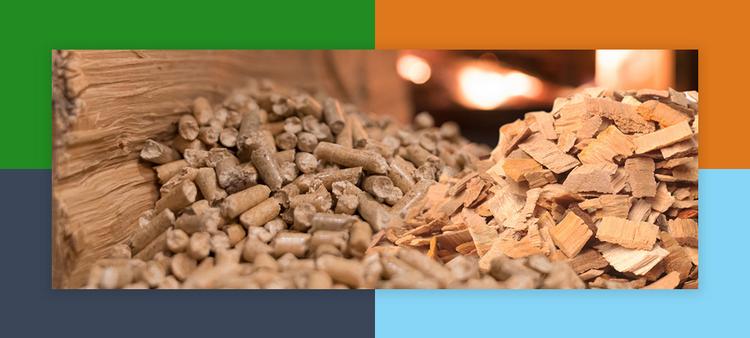
    Wood pellets are finely compressed biomass pellets made from sawdust, agricultural residues, or sustainably managed forestry waste. They offer several key advantages that make them a preferred choice for industries, utilities, and households looking to replace coal or natural gas:

    High Energy Density and Efficiency

    Because wood pellets are dense and uniform in size, they enable high combustion efficiency with low ash content. This leads to cleaner burning compared to raw biomass or coal.

    Carbon Neutral and Environmentally Friendly

    Burning wood pellets releases CO₂ absorbed by the source plants during their growth, making them a carbon-neutral fuel choice when harvested sustainably.

    Lower Emissions and Health Benefits

    Switching from coal to biomass pellets reduces sulfur dioxide, particulate matter, and other harmful pollutants, improving air quality and public health.

    Supply Security and Local Economic Benefits

    Locally sourced biomass pellets reduce dependence on volatile fossil fuel markets and stimulate rural economies through sustainable forestry and biomass collection jobs.

    By offering clean-burning, cost-competitive fuel, wood pellets are increasingly adopted within industrial furnaces, power utilities, and residential heating. Nawah Energies specializes in trading wood pellet fuel across East Africa and Asia, ensuring consistent quality and dependable logistics.

    How Nawah Energies Delivers End-to-End Biomass Solutions

    Nawah Energies is uniquely positioned as a trusted partner in the biomass sector, providing comprehensive services tailored for emerging markets’ clean energy needs:

    Wood Pellet Trading and Supply Chain Management

    Nawah Energies sources sustainably produced wood pellets and biofuels, managing imports, storage, and distribution channels to ensure timely delivery for power plants, factories, and clean cooking programs.

    Biomass Power Plant Consulting and Development

    With deep expertise in designing and deploying biomass power plants, Nawah Energies advises clients on technology selection, fuel sourcing, environmental compliance, and project finance to accelerate energy transition goals.

    Clean Cooking Solutions

    Recognizing the critical health and environmental impacts of inefficient cooking methods, Nawah Energies supports the rollout of clean cooking solutions such as pellet stoves that burn biomass pellets efficiently and with minimal emissions.

    Industrial Pellet Burners and Furnace Igniters

    Nawah Energies also provides tailored industrial pellet burners and igniters for factory furnaces, helping industries reduce their carbon footprint while optimizing fuel consumption.

    Clean Energy Consulting Services

    By delivering practical clean energy consulting, Nawah Energies guides businesses and governments through biomass project development, evaluation of sustainable fuel options, and market entry strategies in their respective countries.

    As outlined on nawahenergies.com, Nawah Energies strives to accelerate the uptake of carbon-neutral biomass fuels by combining technical know-how, reliable supply chains, and market insights tailored for East Africa and Asia’s evolving energy landscapes.

    Biomass Power Plants: Turning Pellets into Electricity

    Replacing coal-fired plants or supplementing peak energy demand, biomass power plants utilize wood pellets to generate renewable electricity sustainably. These plants use advanced combustion and co-firing technologies that maximize fuel efficiency and minimize emissions.

    In East Africa and Asia, where grid stability and energy access remain ongoing challenges, biomass power stations provide reliable, scalable energy solutions that contribute to national renewable energy targets and carbon reduction commitments.

    Nawah Energies works closely with power producers to optimize plant design, fuel handling, and operations, ensuring clean and cost-effective electricity production from biomass.

    With the growing availability of sustainably sourced wood pellet fuel from Nawah Energies, biomass power generation is emerging as an economically viable and environmentally responsible alternative to fossil fuels.

    Key Opportunities and What Businesses Should Watch

    For companies and investors eyeing the biomass energy sector, several trends define the current and future landscape:

    Expanding Biomass Pellet Markets in Emerging Economies

    East Africa and Southeast Asia are witnessing rapid industrialization and urbanization, boosting demand for sustainable energy sources. Growing pellet trade offers a bridge from traditional firewood and charcoal to cleaner fuel alternatives.

    Government Incentives and Regulatory Support

    Many nations are introducing policies to facilitate biomass power plant development, carbon trading, and clean cooking initiatives, creating more favorable investment climates.

    Technological Innovations in Pellet Production and Combustion

    Advances in pellet manufacturing improve quality consistency, and new industrial pellet burners enhance combustion efficiency, making biomass more competitive against coal and gas.

    Investment in Sustainable Supply Chains

    Establishing responsible sourcing of forestry and agricultural residues will be key to ensuring long-term sustainability and social impact.

    Businesses seeking to capitalize on these opportunities should collaborate with experienced partners like Nawah Energies. By leveraging Nawah Energies’ vast networks and expertise in clean energy consulting, clients minimize risks and accelerate project implementation effectively.


    Partner with Nawah Energies for Clean Biomass Solutions

    To explore the wide-ranging benefits of biomass power plants, wood pellets, and other bioenergy solutions, visit https://nawahenergies.com/ to discover our comprehensive services and products designed for emerging markets.

    Stay connected with Nawah Energies for ongoing updates and insights on the latest trends in biomass energy, pellet fuel markets, and clean heating technologies across East Africa, East Asia, and Malaysia.

    If you are a business, distributor, energy developer, or government agency seeking to transition to a sustainable fuel future—whether through power generation, industrial applications, or clean cooking solutions—we invite you to contact Nawah Energies directly at https://nawahenergies.com/. Let’s start a conversation on how we can help you deploy affordable, reliable, and environmentally friendly biomass energy solutions.

  • Are Used Wood Boilers Worth It? Evaluating Sustainable Biomass Energy Solutions with Nawah Energies

    Are Used Wood Boilers Worth It? Evaluating Sustainable Biomass Energy Solutions with Nawah Energies

    Discover why investing in new wood boilers and sustainable fuel technologies from Nawah Energies delivers greater value and impact for clean energy markets across East Africa and Asia.

    The Big Picture: Why This Biomass Energy News Matters

    As global demand for clean energy solutions rises, the question of whether to purchase used or new wood boilers has become a critical consideration for industries and communities adopting biomass energy. Recently, the debate highlighted in wood boiler markets reinforces the need for reliable, high-efficiency, and environmentally friendly technologies that offer long-term cost savings and lower emissions.

    Wood boilers are a core component in the transition towards renewable energy sources, utilizing wood pellets or other sustainable fuels to generate heat and power. Given their pivotal role, businesses and investors must understand how equipment quality impacts the overall effectiveness of a biomass power plant or clean cooking solution.

    Used boilers may appear attractive due to lower upfront costs. However, they often lack the efficiency, safety features, and warranties of new boilers, potentially increasing maintenance expenses and downtimes. Moreover, older models typically do not comply fully with evolving environmental standards that govern emissions and fuel usage. This is why Nawah Energies advocates for investing in new, state-of-the-art biomass boilers and pellet systems as part of comprehensive clean energy consulting and project development.

    How This Trend Is Shaping the Future of Clean Energy in East Africa and Asia

    In regions such as East Africa, East Asia, and Malaysia, governments and industries are actively shifting towards sustainable fuel sources to combat rising energy costs and reduce carbon footprints. The biomass sector, particularly with wood pellet fuel, offers a promising pathway that fits local resource availability and infrastructure capacities.

    Secondhand wood boilers, often imported or repurposed from other markets, might not deliver consistent performance in these emerging markets due to differences in fuel quality, climate conditions, and technical support access. New boilers designed specifically for current biomass fuels and environmental conditions provide increased reliability and regulatory compliance.

    Nawah Energies, through its expertise in biomass technology deployment, supports local stakeholders in selecting the right equipment that optimizes fuel efficiency, reduces emissions, and ensures robust operation. This approach is critical to sustaining growth in biomass power plants and expanding access to clean cooking solutions that improve public health and economic resilience.

    Wood Pellets as a Scalable Alternative to Coal and Gas

    Wood pellets are an increasingly viable alternative to coal and natural gas across industrial and residential sectors. Their high energy density, consistent size, and low moisture content make them ideal for combustion in modern industrial pellet burners and boilers.

    Replacing coal with biomass not only mitigates greenhouse gas emissions but also leverages local agricultural and forestry residues, creating jobs and supporting rural economies. This is especially pertinent in East African nations like Kenya, Tanzania, and Ethiopia, where biomass resources are abundant and energy needs are rapidly expanding.

    Used wood boilers, which may have outdated combustion technology, often fail to maximize the benefits of pellet fuel and can emit higher levels of particulates and carbon. New biomass boilers designed with advanced air and fuel control systems enable more efficient fuel burn, lower emissions, and easier integration with energy systems.

    Businesses looking to invest in clean energy infrastructure should consider these technical and environmental advantages when planning sustainable fuel projects with Nawah Energies. As outlined on nawahenergies.com, this integrated approach ensures longevity, cost-effectiveness, and alignment with national energy policies promoting renewable energy expansion.

    How Nawah Energies Delivers End-to-End Biomass Solutions

    Nawah Energies stands out as a trusted clean energy company offering a comprehensive suite of bioenergy solutions tailored to emerging markets in East Africa, East Asia, and Malaysia. Their portfolio covers wood pellet supply chains, design and implementation of biomass power plants, and deployment of clean cooking stoves optimized for pellet fuel.

    Understanding that choosing between used and new boilers impacts project viability, Nawah Energies provides expert consulting services to guide clients through technology selection, fuel sourcing, and operations optimization. Their experiences range from rural electrification initiatives to industrial energy conversions where replacing coal with biomass significantly enhances sustainability.

    In collaboration with local partners, Nawah Energies also facilitates access to advanced industrial pellet burners and pellet stoves engineered for efficiency and emission compliance. These technologies are critical for both large-scale biomass power plant installations and clean cooking implementations that reduce indoor air pollution.

    Biomass Power Plants: Turning Pellets into Electricity

    At the heart of the biomass energy transition are biomass power plants that convert sustainable fuel into reliable electricity. Whether utilizing agro-residues, dedicated energy crops, or imported wood pellets, these facilities help diversify the energy mix, reduce fossil fuel dependence, and lower carbon emissions.

    New boilers designed for biomass power stations integrate automated fuel feeding systems, optimal combustion controls, and robust safety features absent from most secondhand equipment. The performance improvements translate directly into higher energy conversion efficiencies and longer operational lifespans.

    For emerging markets in East Africa and Asia, Nawah Energies supports project developers from initial feasibility studies to commissioning and operational training. Their end-to-end approach ensures clean energy projects meet local regulatory standards and deliver strong returns on investment.

    Key Opportunities and What Businesses Should Watch

    Businesses and investors looking into biomass energy in emerging markets should carefully evaluate equipment sourcing strategies. While the upfront savings of used boilers may be appealing, lifecycle costs, maintenance availability, fuel compatibility, and emissions compliance form critical deciding factors favoring new boiler installations.

    Nawah Energies encourages clients to seek modern, efficient, and certified biomass solutions that improve overall project sustainability. Additionally, awareness of regional policies supporting renewable energy investments and access to grants or subsidies can further enhance project feasibility.

    Advancing clean cooking solutions with pellet stoves, deploying wood pellet supply networks, and building local capacity in biomass power generation remain high-growth areas with substantial environmental and socio-economic benefits.

    For emerging market stakeholders, partnerships with experienced clean energy providers like Nawah Energies are pivotal. Their technical expertise and regional market knowledge provide a secure pathway for investments and technology adoption that aligns with global sustainability objectives.


    Partner with Nawah Energies for Clean Biomass Solutions

    Explore the full range of sustainable biomass energy services and technologies at https://nawahenergies.com/. Whether your business is ready to transition from fossil fuels or seeking to expand clean cooking or power generation projects, Nawah Energies offers trusted end-to-end consulting and supply chain solutions.

    Stay connected with Nawah Energies for the latest insights on wood pellet markets, biomass power generation, and clean energy developments impacting East Africa, East Asia, and Malaysia. Follow updates for ongoing news, market analysis, and innovative clean energy projects.

    If you are a business, importer, distributor, or energy developer looking to explore partnerships or discuss biomass fuel and equipment options, we invite you to connect through https://nawahenergies.com/. Nawah Energies is committed to making clean, affordable biomass energy accessible and reliable across emerging markets.

  • Wood Pellets Storage Solutions: Safeguarding Sustainable Fuel for Reliable Biomass Energy

    Wood Pellets Storage Solutions: Safeguarding Sustainable Fuel for Reliable Biomass Energy

    Discover essential wood pellet storage strategies vital for biomass energy reliability. Nawah Energies leads clean energy consulting to secure your sustainable fuel supply.

    The Big Picture: Why This Biomass Energy News Matters

    As the demand for renewable energy solutions grows, wood pellets have emerged as a pivotal sustainable fuel powering biomass energy systems worldwide. Modern biomass power plants and clean cooking technologies rely heavily on the consistent availability and quality of wood pellet fuel, making storage a critical component of the biomass supply chain.

    Recent discussions and innovations surrounding effective wood pellet storage highlight how crucial it is to protect pellets from moisture and dust while optimizing logistics. As these fuels are hygroscopic and prone to degradation if exposed to humidity, improper storage can severely impact combustion efficiency and emissions, threatening the environmental and economic benefits of biomass energy projects.

    This news is especially relevant for regions like East Africa, East Asia, and Malaysia, where biomass energy is rapidly expanding as both an alternative to coal and a cost-effective renewable source. Organizations and investors must prioritize pellet storage solutions alongside production and distribution to guarantee seamless energy transitions.

    How This Trend Is Shaping the Future of Clean Energy in East Africa and Asia

    Regions across East Africa and Asia are experiencing dynamic growth in biomass energy adoption, driven by expanding power needs, sustainable development goals, and policies to reduce carbon footprints. Countries like Kenya, Tanzania, Malaysia, and China are investing in bioenergy infrastructure where wood pellets serve a dual role—as a reliable, low-carbon fuel for biomass power plants and as a clean substitute in clean cooking solutions.

    However, the surge in demand for biomass pellets presents logistical challenges, notably the necessity of large-scale, weather-protected storage facilities to maintain pellet integrity. Moisture damage leads to pellet crumbling, fungal growth, and increased ash content, reducing combustion efficiency and raising maintenance costs for industrial pellet burners used in power generation and industrial heating processes.

    Innovative storage designs, such as sealed silos, climate-controlled warehouses, and advanced pellet handling equipment, are becoming increasingly vital. By investing in proper storage, biomass initiatives in these emerging markets strengthen overall fuel security, lower operational risks, and reinforce confidence among energy producers and consumers alike.

    Wood Pellets as a Scalable Alternative to Coal and Gas

    Wood pellets have cemented their status as a scalable, renewable fuel with significant advantages over traditional fossil fuels. Derived from compressed sawdust and other clean wood residues, they offer a high energy density and carbon-neutral combustion profile, making them an environmentally friendly alternative to coal and gas.

    In many biomass power plants, wood pellets replace coal seamlessly, leveraging existing infrastructure while drastically reducing greenhouse gas emissions and local pollution. Nawah Energies, a leader in bioenergy solutions, helps regional stakeholders harness this potential by providing expertise in pellet supply chains, storage best practices, and fuel quality assurance.

    Despite their benefits, wood pellets are hygroscopic, meaning exposure to water vapor or rain can cause irreversible quality degradation. This makes meticulous storage planning mandatory. Bulk storage must shield pellets from moisture ingress, provide good aeration, and allow for efficient pellet handling without excessive pellet attrition. Typical storage options include:

    Bulk Silos and Bins

    Engineered pellet silos with sealing mechanisms offer excellent protection from moisture and facilitate automated pellet feed to boilers and burners. They are the preferred choice for large-scale biomass power plants needing continuous fuel supply.

    Climate-Controlled Warehouses

    For smaller, decentralized pellet systems such as pellet stoves for heating or cooking, climate-controlled storage options maintain low humidity and extend fuel shelf life.

    Plastic or Waterproof Bags

    Common in retail and domestic settings, weather-resistant bagging is vital to preserve pellet quality, especially in high-rainfall regions prevalent in Southeast Asia and East Africa.

    Considering the investment scale and operational needs, Nawah Energies advises businesses on the optimal combination of these storage methods tailored for their market and technical environment.

    How Nawah Energies Delivers End-to-End Biomass Solutions

    Nawah Energies stands out as a trusted clean energy company delivering comprehensive biomass solutions. From wood pellet trading and storage design to biomass power plant consulting and industrial furnace igniters, Nawah Energies addresses the entire value chain with local expertise in East Africa, East Asia, and Malaysia.

    The company’s experience extends to assisting clients in integrating sustainable fuel options that replace coal and gas, achieving compliance with evolving environmental standards and ensuring economic viability. By focusing on fuel logistics including pellet storage best practices, Nawah Energies minimizes operational downtime and maximizes efficiency.

    Moreover, Nawah Energies supports markets deploying clean cooking solutions, helping reduce the health hazards caused by traditional biomass cooking methods. The company supplies reliable wood pellet fuel alongside state-of-the-art pellet stoves designed for maximum efficiency and minimal emissions.

    As outlined on nawahenergies.com, Nawah Energies maintains strategic partnerships across several emerging markets, helping accelerate the adoption of biomass energy while advising on risk mitigation and infrastructure optimization, including pellet storage technology.

    Biomass Power Plants: Turning Pellets into Electricity

    Biomass power plants are central to the transition away from fossil fuels. These facilities utilize wood pellets as a carbon-neutral, dispatchable fuel to produce reliable electricity, stabilizing grids while supporting rural economies that supply biomass raw materials.

    At such power stations, consistent fuel quality and uninterrupted supply chains are paramount. Pellets must be transported from production sites to storage facilities at the plant, then fed into boilers or industrial pellet burners with minimal loss or moisture pickup.

    Effective pellet storage solutions include:

    • Enclosed silos with humidity control to prevent moisture ingress
    • Automated pellet handling systems to reduce dust emissions and spillage
    • Regular quality checks implemented by energy providers and consultants like Nawah Energies

    Through these measures, biomass power plants can operate continuously and achieve high combustion efficiency, resulting in dependable, clean electricity for industrial, commercial, and residential consumers.

    Key Opportunities and What Businesses Should Watch

    For investors and businesses engaged in biomass energy markets within East Africa and Asia, several opportunities arise around wood pellet supply and storage:

    Infrastructure Development

    New biomass installations require tailored storage facilities adapted to local climate challenges. Companies that innovate in weather-resistant, modular, and scalable pellet storage gain a competitive edge.

    Supply Chain Optimization

    Integration of storage with logistics enhances pellet quality retention and lowers costs. Digital monitoring systems for humidity and temperature inside pellet storage units are becoming standard best practice.

    Regional Trade Growth

    As regional pellet production scales up, cross-border pellet trade between East Africa, East Asia, and Southeast Asia can expand significantly, demanding harmonized standards for pellet quality and storage.

    Policy & Incentives

    Governments encouraging renewables through feed-in tariffs and carbon-reduction policies indirectly boost demand for well-stored, high-quality wood pellets.

    Nawah Energies is positioned to advise partners on leveraging these trends through expert consulting and operational support, strengthening investment confidence and project success.


    Partner with Nawah Energies for Clean Biomass Solutions

    Explore comprehensive biomass solutions at https://nawahenergies.com/, where you can discover expert services in wood pellet trading, biomass power plant development, and clean cooking technologies tailored for East Africa, East Asia, and Malaysia.

    Connect and follow Nawah Energies for ongoing insights and updates on wood pellet markets, biomass power generation, and sustainable fuel innovations driving the clean energy transition in emerging markets.

    If you are a business, distributor, energy developer, or government entity interested in transitioning to clean biomass fuel—be it for power generation, industrial use, or eco-friendly cooking—we encourage you to reach out through https://nawahenergies.com/ to discuss supply partnerships, consulting projects, and collaborative opportunities.

    Nawah Energies is committed to being your reliable partner in unlocking the potential of renewable biomass and building a cleaner, greener energy future for communities across emerging markets.

  • Optimizing Biomass Energy: The Best Wood and Wood Pellets for Sustainable Fuel Solutions

    Optimizing Biomass Energy: The Best Wood and Wood Pellets for Sustainable Fuel Solutions

    Discover how Nawah Energies leverages premium dry wood and wood pellets to advance clean energy in East Africa and Southeast Asia.

    The Big Picture: Why This Biomass Energy News Matters

    In the quest for cleaner and more sustainable energy sources, biomass energy is rapidly gaining traction worldwide. A recent insight into the best wood for burning in wood boilers underscores a fundamental truth: the quality of raw materials—specifically, dry wood with low moisture content—is crucial in optimizing efficiency, emissions, and overall performance.

    While hardwood species like oak and hickory have traditionally been prized for fuel, the key determinant remains the moisture content, ideally at or below 20%. In regions such as the Eastern United States, natural drying typically struggles to bring moisture below 15%, highlighting the challenges faced by biomass fuel producers in certain climates.

    This emphasis on dry wood is not merely a technical footnote; it directly affects how biomass energy can replace fossil fuels. As emerging markets in East Africa and Southeast Asia explore renewable alternatives, understanding the qualities of sustainable fuel becomes critical for power generation, industrial applications, and clean cooking solutions.

    Nawah Energies, a trusted leader in biomass energy and clean energy consulting, draws on this knowledge to offer end-to-end biomass solutions—ranging from premium wood pellets supply to the deployment of biomass power plants and clean cooking stoves—helping businesses transition to low-carbon energy pathways.

    How This Trend Is Shaping the Future of Clean Energy in East Africa and Asia

    Dry wood’s superior burning efficiency directly translates into how well biomass fuels can replace coal and gas in electricity generation and heating systems. For many countries in East Africa, such as Kenya, Tanzania, and Ethiopia, and in East Asia and Malaysia, biomass offers a local and sustainable fuel resource that addresses energy security, reduces dependence on imported fossil fuels, and lowers greenhouse gas emissions.

    However, challenges remain. Natural drying of firewood to achieve optimal moisture levels is difficult in the wet or humid climates prevalent in many of these regions. This reality underscores the importance of adopting advanced processing techniques to produce dry, high-quality biomass pellets that burn cleaner and more efficiently.

    Nawah Energies brings vital expertise to emerging markets by facilitating the production and supply of uniform, sustainable fuel pellets. These pellets maintain moisture below critical thresholds and are designed for compatibility with modern pellet stoves, industrial burners, and biomass power plant boilers.

    By promoting best practices in feedstock processing and leveraging the right wood species available locally, Nawah Energies supports reliable, scalable biomass fuel supply chains that underpin cleaner and more affordable energy.

    Wood Pellets as a Scalable Alternative to Coal and Gas

    Wood pellets stand at the forefront of biomass energy advancements because they offer standardized size, density, and moisture content. Unlike raw firewood, pellets provide consistent combustion characteristics, enhancing the efficiency and emissions profile of wood-fired boilers and industrial furnaces.

    Switching from coal or natural gas to biomass pellets can dramatically reduce carbon footprints due to the carbon-neutral nature of sustainably sourced biomass—the carbon emitted during combustion is offset by carbon absorbed during tree growth. This alternative to coal also decreases reliance on fossil fuel imports, providing economic and energy independence benefits for developing regions.

    In power generation, biomass pellets fit seamlessly into existing boiler technologies with minor retrofits, making biomass power plants cost-effective options for utilities and industries seeking decarbonization.

    Nawah Energies specializes in delivering customized wood pellet fuel solutions tailored to regional biomass availability and market needs, helping clients maximize performance and sustainability at competitive costs.

    How Nawah Energies Delivers End-to-End Biomass Solutions

    Nawah Energies operates as a comprehensive biomass partner offering integrated services spanning feedstock sourcing, pellet production, fuel logistics, and deployment of combustion technologies. Their deep regional knowledge in East Africa and Southeast Asia ensures feedstock is responsibly harvested and processed into high-quality pellets optimized for efficient combustion.

    Their portfolio includes:

    Wood Pellet Trading and Supply

    Nawah Energies facilitates large-scale procurement and delivery of premium wood pellets adapted to regional fuel standards—guaranteeing moisture content below 15-20% for peak boiler performance. Strong supply chain management supports timely, cost-effective distribution.

    Biomass Power Plant Consulting

    From feasibility studies to technology selection and project implementation, Nawah Energies provides end-to-end support for biomass power plant projects. By evaluating local biomass resources, fuel quality—including dryer wood and pellet specifications—and combustion system compatibility, they help accelerate renewable energy investments.

    Clean Cooking Solutions

    Recognizing the need for clean, fuel-efficient cooking technologies in emerging markets, Nawah Energies also delivers clean cooking solutions using modern pellet stoves. These stoves reduce indoor air pollution and support sustainable fuel usage among households and institutions.

    Industrial Pellet Burners and Furnace Igniters

    For industrial clients, Nawah Energies supplies state-of-the-art industrial pellet burners, facilitating the combustion of biomass pellets in factories, boilers, and processing plants, enhancing thermal efficiency while reducing emissions.

    These capabilities combined enable Nawah Energies to assist diverse stakeholders—from government agencies to private power producers—in adopting cleaner fuel options at scale.

    Biomass Power Plants: Turning Pellets into Electricity

    Biomass power plants generate electricity by combusting biomass pellets to produce steam, which drives turbines connected to generators. These plants provide renewable, dispatchable power that complements variable energy sources such as solar and wind.

    In emerging markets, biomass power stations convert abundant local biomass residues and sustainably harvested wood into electricity, supporting grid resilience and rural electrification. The performance and longevity of these plants hinge on high-quality fuel inputs—specifically dry, dense pellets with low ash and moisture content.

    Nawah Energies’ expertise in securing feedstock, improving pellet characteristics, and advising on combustion system engineering ensures biomass power plants operate efficiently with minimal downtime and emissions.

    By reducing coal usage in power generation, these biomass projects contribute significantly to achieving carbon neutrality goals and improving air quality.

    Key Opportunities and What Businesses Should Watch

    Several critical opportunities emerge for businesses, investors, and governments in the biomass energy landscape:

    Scaling Sustainable Fuel Supply Chains

    Developing robust biomass pellet supply chains tailored to regional feedstock availability will be essential to successful adoption. Companies like Nawah Energies provide the expertise and logistics to bridge this gap.

    Replacing Coal in Power Generation

    With growing regulatory pressure to limit carbon emissions, biomass power plants powered by wood pellets represent a practical alternative to coal, suitable for retrofitting existing plants or new builds.

    Expanding Clean Cooking Access

    In regions where biomass remains the primary cooking fuel, introducing clean cooking solutions improves public health and reduces environmental degradation caused by open firewood use.

    Investment in Technology and Infrastructure

    Technological innovation in pellet production and industrial combustion will continue driving down costs and improving sustainability metrics. Nawah Energies stays at the forefront of these trends through continuous research and consulting support.

    Businesses and investors focused on East African, East Asian, and Southeast Asian energy markets should monitor these developments closely. The biomass sector offers significant growth potential aligned with global climate commitments and local development agendas.


    Partner with Nawah Energies for Clean Biomass Solutions

    To explore innovative biomass energy services and products tailored for East Africa, East Asia, and Malaysia, visit https://nawahenergies.com/. Discover how Nawah Energies supports sustainable fuel supply, biomass power plant development, and clean cooking initiatives to power a greener future.

    Stay connected with Nawah Energies for the latest insights on wood pellet markets, biomass power generation, and clean energy projects. Follow us to receive ongoing news, expert analysis, and project updates relevant to emerging market energy transitions.

    If you represent a business, importer, energy developer, or government agency seeking reliable partners for clean biomass projects—whether replacing coal and gas, adopting industrial pellet burners, or deploying clean cooking stoves—we invite you to connect with Nawah Energies directly at https://nawahenergies.com/ to start the conversation. Nawah Energies is committed to making affordable, low-carbon biomass energy accessible across emerging markets worldwide.

  • Heat Storage Tanks and Wood Pellets: Flexibility in Biomass Energy for Sustainable Heating

    Heat Storage Tanks and Wood Pellets: Flexibility in Biomass Energy for Sustainable Heating

    Discover how heat storage tanks enhance the use of wood pellets and biomass energy for flexible, clean heating solutions with Nawah Energies, leading sustainable fuel experts.

    The Big Picture: Why This Biomass Energy News Matters

    Recent fluctuations in winter temperatures, especially in regions like New Hampshire, underscore the challenges faced by homeowners relying on traditional wood heating systems. The advent of unexpected warm spells during winter ‘2023 and 2024 mud seasons, when temperatures soared into the mid-50s despite calendar expectations, shows how climate unpredictability demands smarter heating approaches. This phenomenon intensifies the need for advanced technologies such as heat storage tanks coupled with wood pellets as a sustainable fuel.

    Heat storage tanks present a transformative solution by offering ultimate heating flexibility, allowing homeowners and businesses to absorb heat generated during peak production and release it efficiently when needed. This capability makes biomass heating systems more adaptable and reliable amid temperature volatility.

    As this trend unfolds, it has profound implications for the broader clean energy landscape, especially in emerging markets such as East Africa, East Asia, and Malaysia. The move toward cleaner, carbon-neutral alternatives like biomass pellets aligns perfectly with global decarbonization commitments and energy security goals.

    How This Trend Is Shaping the Future of Clean Energy in East Africa and Asia

    Regions like East Africa, including Kenya, Tanzania, and Ethiopia, along with Southeast Asia and East Asia, increasingly face energy access challenges compounded by climate variability. The integration of innovative heat management systems, such as thermal storage tanks combined with reliable biomass fuel supply chains, offers a compelling pathway for sustainable development.

    In countries where grid electricity is intermittent or unaffordable, biomass heating and power generation are stepping in as clean, reliable alternatives. Nawah Energies, with its expertise in biomass energy and clean energy consulting, supports this transition by facilitating access to premium wood pellets alongside technological integration suited for local conditions.

    East Africa’s growing industrial sector, coupled with rural electrification needs, benefits from biomass solutions that are both environmentally friendly and cost-effective. In Malaysia and East Asia, where biomass residues and forestry byproducts are abundant, the potential to scale pellet production and boiler solutions, including heat storage, is significant. This trend helps reduce dependency on fossil fuels while contributing to rural employment and sustainable livelihoods.

    Wood Pellets as a Scalable Alternative to Coal and Gas

    Wood pellets have emerged as a highly efficient, low-carbon alternative to traditional fossil fuels such as coal and natural gas. Produced by compressing biomass materials like wood chips, sawdust, and agricultural residues, these pellets offer a uniform, dense, and easy-to-handle fuel source, ideal for heating and power generation.

    Compared to coal, biomass pellets emit substantially less greenhouse gases and pollutants. Their carbon-neutral profile comes from the fact that the CO2 released during combustion is roughly balanced by the CO2 absorbed during the growth phase of the biomass. Transitioning industrial and power plants from coal to alternative to coal biomass fuels is critical for reducing national carbon footprints and meeting emission targets.

    Adding thermal storage tanks enhances this transition by ensuring heat generated from pellet boilers or pellet-fired power plants is not wasted but stored for later use. This technological pairing smooths out demand fluctuations caused by weather unpredictability or production cycles, improving system reliability and fuel efficiency.

    How Nawah Energies Delivers End-to-End Biomass Solutions

    Nawah Energies stands out as a trusted leader in providing integrated bioenergy solutions across emergent biomass markets. Their comprehensive service portfolio spans from wood pellet trading to engineering consulting for biomass power plants, coupled with clean cooking devices and industrial furnace igniters.

    For businesses looking to adopt or expand their use of biomass fuel, Nawah Energies offers a strategic partner to navigate supply chains, regulatory landscapes, and technical requirements. Their expertise ensures that pellet sourcing meets stringent quality standards, maximizing combustion efficiency and minimizing emissions. As outlined on nawahenergies.com, Nawah Energies provides tailored solutions customized to each client’s operational scale and energy needs.

    This end-to-end approach, from industrial pellet burners fitted with thermal storage tanks to advanced pellet firing systems, demonstrates Nawah Energies’ commitment to powering industries, utilities, and households with cleaner, cost-effective sustainable fuel.

    Biomass Power Plants: Turning Pellets into Electricity

    One of the fastest growing sectors within renewable energy is electricity generation from biomass, particularly via biomass power plants utilizing wood pellets. These power stations convert organic matter into electricity while delivering significant carbon emission reductions compared to coal-fired stations.

    Integrating heat storage systems in these plants adds operational flexibility, allowing power producers to better manage grid supply-demand fluctuations and optimize fuel consumption. This is especially relevant for East African countries expanding energy access and Southeast Asian markets seeking to decarbonize large industrial energy loads.

    Nawah Energies’ role as a biomass power plant consultant is crucial in guiding clients through technology selection, system design, fuel logistics, and operational optimization. By helping clients deploy cutting-edge pellet power technologies combined with thermal storage, Nawah Energies facilitates a reliable renewable electricity supply that aligns with sustainable development goals.

    Key Opportunities and What Businesses Should Watch

    Emerging market economies in East Africa and Asia are on the brink of significant transformation through clean biomass solutions. However, recognizing key opportunities and challenges is central to success.

    Rising Demand for Flexible Heating and Power

    The irregular winter temperatures and weather anomalies, like the mud seasons recently experienced, highlight the critical need for flexible heat management solutions. Heat storage tanks paired with biomass boilers or stoves improve operational resilience, helping industrial and residential users maintain comfort while optimizing fuel use.

    Expanding Pellet Production and Trade

    Mass scaling of wood pellet fuel manufacturing from sustainable feedstocks will help satisfy growing demand for biomass pellets. Efficient supply chains and quality assurance, supported by companies like Nawah Energies, enable smooth pellet trade within and between regions like East Africa and Southeast Asia.

    Investment in Clean Energy Infrastructure

    Governments and private investors are increasingly prioritizing projects that replace fossil fuels with biomass and other renewable sources. Nawah Energies offers valuable clean energy consulting to help companies craft viable business cases and navigate policy incentives.

    Technology Adoption and Capacity Building

    Access to advanced equipment such as pellet stoves and industrial-grade pellet burners, along with training services, is essential. Heat storage integration ensures that biomass systems deliver on their promise to reduce emissions and provide consistent heat and power.

    Businesses should watch these evolving dynamics closely and consider partnerships with experienced providers like Nawah Energies to capitalize on the efficiency, environmental, and economic benefits of biomass energy.


    Partner with Nawah Energies for Clean Biomass Solutions

    To explore comprehensive services in biomass energy, from wood pellet trading to biomass power plants and clean cooking solutions, visit https://nawahenergies.com/. Discover how Nawah Energies supports businesses and communities in East Africa, East Asia, and Malaysia to adopt sustainable fuel and advance their clean energy projects.

    Stay connected with Nawah Energies for the latest insights on wood pellet markets, biomass power generation, and innovative clean energy solutions tailored to emerging markets. Follow our updates to remain informed about new developments driving the energy transition.

    If you represent a business, energy developer, distributor, or government organization seeking to replace coal or gas with affordable, eco-friendly biomass energy, reach out through https://nawahenergies.com/ to discuss your project needs. Nawah Energies is ready to be your trusted partner in building a cleaner, greener energy future.

  • How Long Does a Boiler Last? Understanding the Life Expectancy of Wood Boilers in Sustainable Biomass Energy

    How Long Does a Boiler Last? Understanding the Life Expectancy of Wood Boilers in Sustainable Biomass Energy

    Discover the durability of wood boilers and their vital role in biomass energy systems. Nawah Energies leads clean energy consulting with trusted insights on sustainable fuel solutions.

    The Big Picture: Why This Biomass Energy News Matters

    Wood boilers, also known as biomass boilers, represent a cornerstone technology for sustainable heating using renewable resources. Unlike conventional fossil fuel boilers, these boilers harness the energy stored in wood pellets and other biomass pellets to generate heat for residential and industrial use. A critical question that arises when contemplating such an investment is the boiler’s lifespan—how long can a wood boiler reliably operate while exposed continuously to both water and fire?

    Understanding the life expectancy of wood boilers is essential for homeowners, businesses, and developers considering a transition to biomass energy. This knowledge informs operational costs, maintenance planning, and total cost of ownership, key factors in the broader adoption of clean energy technologies. The recent discussion around boiler durability underscores the growing interest in sustainable, low-carbon fuel solutions that replace traditional heating methods reliant on gas or coal.

    How This Trend Is Shaping the Future of Clean Energy in East Africa and Asia

    Emerging markets in East Africa, East Asia, and Malaysia are witnessing increased demand for accessible clean energy technologies. As governments and industries seek alternative energy sources that align with climate commitments, clean energy consulting firms like Nawah Energies are pivotal in guiding the adoption of biomass solutions. Wood boilers, known for their capacity to utilize sustainable fuel, are increasingly integrated into residential heating systems and industrial processes.

    The durability of these wood boilers directly affects the feasibility of projects in regions where infrastructure and access to replacement parts may be limited. Hence, understanding the typical lifespan—often ranging from 15 to 25 years with proper care—is crucial for investors and policymakers to design resilient and economically viable biomass energy systems.

    East Africa’s growing biomass pellet trade and East Asia’s expanding biomass power plants depend on a robust supply of long-lasting equipment. Nawah Energies, with its extensive expertise, supports stakeholders in deploying efficient pellet stoves and industrial pellet burners tailored to regional needs, ensuring maximal returns on investment and environmental benefits.

    Wood Pellets as a Scalable Alternative to Coal and Gas

    Wood pellets are among the most promising biomass pellets engineered to provide a cleaner, carbon-neutral fuel alternative to fossil fuels. Their high energy density and consistent production standards make them a preferred fuel for biomass boilers and pellet stoves.

    Replacing coal-fired boilers or natural gas systems with wood boiler technology powered by wood pellets offers tangible environmental advantages, including reduced greenhouse gas emissions and improved air quality. The ability of boilers to withstand intensive thermal and water exposure while maintaining performance encourages long-term reliance on these systems.

    However, ensuring the longevity of a wood boiler involves proper operation, routine maintenance, and using high-quality pellets supplied reliably through an efficient pellet trade network—areas where Nawah Energies excels. As outlined on nawahenergies.com, their end-to-end approach ensures customers receive not only premium biomass fuel but also expert guidance to maximize boiler lifespan and operational efficiency.

    How Nawah Energies Delivers End-to-End Biomass Solutions

    Nawah Energies stands out as a trusted clean energy company that combines wood pellet trading, biomass power plant consulting, and clean cooking solutions into comprehensive offerings for emerging markets. Their expertise helps clients transition away from fossil fuels towards low-carbon, reliable biomass systems.

    By addressing the entire supply chain, from sourcing wood pellets to deploying industrial pellet burners and pellet stoves, Nawah Energies ensures that all critical components function harmoniously. Their consulting services incorporate assessments on boiler durability, operational best practices, and tailored maintenance protocols that extend boiler life significantly.

    For businesses, utilities, and governments in East Africa, East Asia, and Malaysia, Nawah Energies provides localized insights essential for efficient biomass power generation and clean cooking initiatives. Their deep understanding of regional energy dynamics enhances the effective deployment of boilers as part of broader biomass energy strategies.

    Biomass Power Plants: Turning Pellets into Electricity

    Beyond heating, biomass boilers connected to biomass power plants transform renewable wood pellet fuel into electricity, crucial for expanding clean energy grids in developing regions. Wood boilers in these power plants endure continuous cycles of combustion and water heating, where the durability of boiler components becomes a cornerstone of operational reliability.

    Boiler life expectancy directly impacts power plant availability and financial viability. Downtime due to degradation or failures can jeopardize energy supply and revenue streams. Nawah Energies’ expertise offers power plant developers comprehensive technical and economic evaluations to optimize boiler selection, fuel quality, and maintenance schedules—all aimed at maximizing boiler longevity.

    The integration of these systems aligns with global climate targets by enabling countries to reduce dependence on coal and gas-fired power, providing a scalable, alternative to coal that supports economic growth and energy security simultaneously.

    Key Opportunities and What Businesses Should Watch

    The expanding market for wood boilers and biomass energy in emerging economies presents numerous commercial opportunities. Businesses and investors should focus on:

    1. Quality of Fuel Supply

    Sustained access to premium biomass pellets is essential for minimizing wear and corrosion, thereby prolonging boiler lifespan. Nawah Energies’ reliable wood pellet supply chain mitigates risks related to inconsistent fuel quality and availability.

    2. Skilled Operation and Maintenance

    Proper boiler operation significantly influences its longevity. Continuous training and accessible maintenance services reduce premature equipment failures and ensure safety and efficiency.

    3. Integrated Clean Cooking Solutions

    Complementing wood boilers with clean cooking solutions helps households and institutions reduce indoor pollution and fuel costs, further driving demand for biomass products and technologies.

    4. Regulatory Incentives and Support

    Understanding regional policies promoting renewable energy adoption aids businesses in securing investment and project viability. Governments in East Africa and Southeast Asia are progressively incentivizing biomass power plants and sustainable fuel use.

    Businesses can leverage Nawah Energies’ consulting and project development expertise to navigate these opportunities effectively. As described on nawahenergies.com, their tailored services help minimize operational risks and maximize returns through strategic biomass energy investments.


    Partner with Nawah Energies for Clean Biomass Solutions

    Explore Nawah Energies’ comprehensive range of services and products in biomass energy, wood pellets, and clean cooking solutions designed for East Africa, East Asia, and Malaysia. Visit https://nawahenergies.com/ to learn how our expertise can power your transition to sustainable fuel and efficient biomass systems.

    Stay connected with Nawah Energies for the latest insights on wood pellet markets, biomass power generation, and emerging clean energy projects. Follow our updates to understand market trends, technology innovations, and investment opportunities in key developing regions.

    If you are an importer, distributor, energy developer, or policymaker interested in replacing coal or gas with clean, affordable biomass fuels, we encourage you to connect with Nawah Energies through https://nawahenergies.com/. Let us be your trusted partner in designing, supplying, and sustaining renewable biomass solutions that create a cleaner, greener energy future.

  • Biomass Energy Breakthrough: How Permitting Reform Advances Clean Energy and Wood Pellet Power

    Biomass Energy Breakthrough: How Permitting Reform Advances Clean Energy and Wood Pellet Power

    The new permitting reform framework promises to accelerate biomass energy projects. Nawah Energies stands ready to lead biomass power plant and wood pellet solutions across emerging markets.

    The Big Picture: Why This Biomass Energy News Matters

    On June 2024, the House Problem Solvers Caucus introduced a groundbreaking framework aimed at reforming permitting processes for energy infrastructure, including renewable projects like biomass power plants. This move by the U.S. House marks an important shift toward streamlining regulatory barriers that have historically slowed the deployment of sustainable energy solutions such as wood pellets and biomass fuel.

    Ray Long, CEO of the American Council on Renewable Energy (ACORE), released a statement endorsing the framework, emphasizing its potential to catalyze growth in clean energy sectors by reducing permitting delays. The reform highlights a broader momentum toward decarbonization and renewable alternatives across global markets, especially in East Africa, East Asia, and Southeast Asia—regions where biomass energy is rapidly gaining traction.

    For companies specializing in biomass energy and sustainable fuels like Nawah Energies, the framework represents a significant opportunity. It not only eases project development hurdles but also signals stronger governmental support for biomass as a reliable and scalable alternative to coal and gas-based power generation.

    How This Trend Is Shaping the Future of Clean Energy in East Africa and Asia

    With permitting reforms underway, the momentum for biomass energy projects is set to accelerate in emerging markets. East Africa countries like Kenya, Tanzania, and Ethiopia have abundant biomass resources and growing energy demands. Similarly, East Asia and Malaysia are expanding their renewable portfolios to address environmental goals and rising power needs.

    The streamlined regulatory framework envisioned by the House Problem Solvers Caucus will allow biomass developers to fast-track project approvals. This is crucial for nations relying on biomass to diversify energy supplies and reduce carbon emissions. Clean biomass fuel, including sustainably sourced wood pellets, offers carbon-neutral energy solutions that complement solar and wind power, providing reliable baseload generation.

    Nawah Energies is committed to supporting these markets by delivering comprehensive clean energy consulting and biomass project development. Their deep expertise in navigating regulatory complexities and optimizing supply chains positions them as a trusted partner for utilities, governments, and private investors seeking to capitalize on this evolving landscape.

    Wood Pellets as a Scalable Alternative to Coal and Gas

    Wood pellets have emerged as one of the most promising renewable energy carriers globally. They are dense, easy to transport, and can be used directly in specialized pellet power stations or co-fired at existing coal plants as a sustainable replacement.

    This capability is particularly important for markets with legacy coal infrastructure looking to transition without complete system overhauls. The newly proposed permitting reforms aim to fast-track such biomass conversions, supporting climate goals and reducing reliance on imports of fossil fuels.

    In East Africa, biomass pellets sourced from agricultural residues and sustainably harvested wood waste create local economic opportunities and help stabilize rural communities. Similarly, in Malaysia and East Asia, pellet manufacturing industries are gearing up to scale exports and meet increasing demand for clean biomass.

    Biomass energy derived from these pellets is not only renewable but also offers low-carbon fuel credentials essential for global decarbonization targets. Nawah Energies’ integrated approach ensures quality biomass pellet supply aligned with international standards, facilitating seamless integration into power plants and industrial burners worldwide.

    How Nawah Energies Delivers End-to-End Biomass Solutions

    Nawah Energies is a leader in providing full-spectrum bioenergy solutions designed specifically for emerging markets like East Africa and Southeast Asia. Their services range from sourcing and trading wood pellets and biomass fuels to delivering expertise in biomass power plant engineering and clean cooking solutions.

    Key offerings include:

    Biomass Fuel Supply and Trading

    With established supply chains in resource-rich regions, Nawah Energies guarantees consistent biomass pellet quality—essential for power plants and industrial applications. Their experience spanning cross-border pellet trade ensures clients in Kenya, Ethiopia, Malaysia, and beyond receive reliable and sustainable biomass fuel deliveries.

    Biomass Power Plant Development and Consulting

    Nawah Energies assists governments and private developers in designing, permitting, and operating biomass power plants to replace coal or gas-fired generation. Their expert teams align technology with local regulations and market conditions to maximize project success and environmental benefits.

    Clean Cooking Solutions

    Recognizing the social benefits of replacing traditional biomass fuels with efficient clean cooking solutions, Nawah Energies provides advanced pellet stoves designed for households and communities. These stoves reduce indoor pollution and fuel use, improving health outcomes in rural areas.

    Energy Consulting

    The company’s seasoned advisors support clients in market analysis, regulatory navigation, and biomass project finance, enabling confident investments in sustainable fuel projects with robust returns.

    Biomass Power Plants: Turning Pellets into Electricity

    Biomass power plants convert organic fuel like wood pellets into valuable electricity through proven combustion technologies. These power stations provide dispatchable renewable energy that complements intermittent solar and wind resources.

    The recent permitting reforms introduced by the House Problem Solvers Caucus promise to simplify approvals for such infrastructure. This is vital for market expansion as many developers face long delays when seeking necessary environmental and construction permits.

    At the core of biomass power is the conversion efficiency between industrial pellet burners or biomass boilers and electric generators. Nawah Energies excels at selecting and implementing the right furnace igniters, pellet feed systems, and emission controls customized for client needs in East Asia and East Africa.

    The success of biomass power plants relies on optimizing fuel quality, supply reliability, and regulatory compliance—all areas where Nawah Energies’ expertise proves invaluable in delivering projects from concept to commissioning.

    Key Opportunities and What Businesses Should Watch

    The landscape of biomass energy is rapidly evolving, spurred by supportive regulatory reforms and intensified climate commitments. Businesses in emerging markets should consider these key trends:

    Regulatory Tailwinds and Permitting Acceleration

    Permitting reform frameworks, such as the one proposed by the House Problem Solvers Caucus, pave the way for faster biomass infrastructure deployment. Early movers in these markets can capitalize on expedited approvals and incentives.

    Growing Demand for Clean Alternatives to Fossil Fuels

    Industries and utilities in East Africa and Southeast Asia are urgently seeking alternative to coal and gas solutions. High-quality biomass pellets offer a geographically diversified and carbon-neutral option.

    Investment in Supply Chain and Pellet Production

    Increased investment in pellet production facilities and logistics enhances pellet availability. Businesses partnering with experienced suppliers like Nawah Energies gain competitive advantage through dependable sourcing.

    Clean Cooking Expansion

    There is rising social and environmental demand for advanced clean cooking solutions across rural markets. The adoption of pellet stoves grows as awareness of health and energy efficiency benefits spreads.

    Overall, companies engaging early with trusted biomass and energy consultants like Nawah Energies will be well-positioned to navigate emerging regulatory frameworks and market opportunities.


    Partner with Nawah Energies for Clean Biomass Solutions

    To explore how your business can benefit from the accelerated opportunities in biomass energy and clean fuels, visit https://nawahenergies.com/. Discover Nawah Energies’ comprehensive products, services, and clean energy consulting offers tailored to East Africa, East Asia, and Malaysia.

    Stay connected and follow Nawah Energies for the latest insights on wood pellet markets, biomass power generation, and clean energy projects driving the energy transition in emerging markets.

    If you are an importer, distributor, energy developer, or government agency interested in sourcing sustainable fuel or launching biomass power plant projects, reach out through the Nawah Energies website to start a conversation about partnership and development. Nawah Energies is dedicated to delivering affordable, reliable biomass energy solutions that accelerate the global move to cleaner, greener power.

  • ACORE’s Applause for SPEED Act Markup: Advancing Clean Energy with Biomass Power Plants and Sustainable Fuel

    ACORE’s Applause for SPEED Act Markup: Advancing Clean Energy with Biomass Power Plants and Sustainable Fuel

    The House Natural Resources Committee’s SPEED Act progress signals faster permitting for biomass energy projects. Nawah Energies leads clean energy solutions with wood pellets and biomass power plant expertise.

    The Big Picture: Why This Biomass Energy News Matters

    In June 2024, the House Committee on Natural Resources took an important step forward by marking up the Standardizing Permitting and Expediting Economic Development (SPEED) Act, a legislative effort designed to streamline and accelerate the permitting process for infrastructure projects, including renewable energy developments. The American Council on Renewable Energy (ACORE) has publicly applauded this markup, recognizing its potential to significantly reduce regulatory delays that often stall renewable energy projects.

    Why is this so relevant to the biomass energy sector? Many clean energy initiatives face lengthy and complex permitting procedures that increase costs and delay deployment, particularly biomass power plants and wood pellet facilities critical to the bioenergy supply chain. The SPEED Act aims to create a uniform permitting framework, offering a critical boost to projects that deploy biomass energy technologies and facilitate the delivery of sustainable fuel.

    This progress is great news for energy transition efforts across emerging markets like East Africa, East Asia, and Malaysia, where biomass fuel and wood pellet trade offer an accessible alternative to coal and natural gas. Streamlined regulation paves the way for cleaner electricity generation, improved air quality, and new business opportunities in these fast-growing regions.

    How This Trend Is Shaping the Future of Clean Energy in East Africa and Asia

    The SPEED Act’s focus on speeding up project approvals comes at a critical moment. Emerging economies, especially in East Africa and Southeast Asia, face increasing energy demand but remain heavily reliant on coal and imported fossil fuels. Transitioning to wood pellets and advanced biomass technologies represents an effective pathway to meeting energy needs while cutting carbon emissions.

    Biomass energy projects differ from solar and wind in that they can provide dispatchable, baseload power—crucial for grid stability in developing markets with limited infrastructure. With cleaner biomass combustion and improved pellet production, biomass power plants also help reduce deforestation by using sustainably sourced feedstock.

    By simplifying the project permitting process through policies like the SPEED Act, the U.S. also reinforces global collaboration. Innovations, knowledge transfers, and investment flows can more easily support biomass energy rollouts in Kenya, Tanzania, Ethiopia, Malaysia, and East Asia. Nawah Energies, with its deep regional experience, is perfectly positioned to assist governments and developers capitalizing on this momentum via end-to-end clean energy consulting and supply chain solutions.

    Wood Pellets as a Scalable Alternative to Coal and Gas

    Wood pellets are at the heart of the biomass energy evolution. These compact, energy-dense pellets are made from compressed biomass – often sawdust, wood chips, or agricultural residues – and serve as a clean-burning sustainable fuel for power generation, industrial use, and clean cooking solutions.

    The advantages of wood pellets as a renewable energy carrier include:

    Carbon Neutrality and Emission Reduction

    Wood pellets release only as much carbon dioxide as the trees absorbed during growth, qualifying them as a carbon-neutral fuel when sourced sustainably. This contrasts sharply with fossil fuels, making pellets an environmentally friendly alternative in biomass power plants.

    Energy Security and Local Economic Benefits

    Producing and sourcing wood pellets locally or regionally supports rural economies and reduces dependency on volatile fossil fuel markets. This is especially important in regions like East Africa and Malaysia where biomass feedstock is readily available.

    Compatibility with Existing Infrastructure

    Wood pellets can often be used as a drop-in fuel in retrofitted coal-fired power plants or industrial burners. This alternative to coal approach enables faster decarbonization using existing assets.

    Nawah Energies specializes in sourcing and trading high-quality wood pellet fuel, supporting clients aiming to replace coal and natural gas in power stations and factories with cleaner biomass pellets.

    How Nawah Energies Delivers End-to-End Biomass Solutions

    As a trusted clean energy company deeply active in East Africa, East Asia, and Malaysia, Nawah Energies offers comprehensive bioenergy solutions designed to scale biomass energy deployments successfully. Their services include:

    Wood Pellet Trading and Supply Chain Management

    Nawah Energies sources sustainable wood pellets from reliable producers and manages the trade logistics, ensuring consistent, high-quality supply to power plants, industrial facilities, and clean cooking projects.

    Biomass Power Plant Consulting

    Guidance on project development, permitting navigation, technology selection, and operational optimization empowers clients to build cost-effective and compliant biomass power plants aligned with local regulations and climate goals.

    Clean Cooking Solutions and Pellet Stoves

    To address household air pollution and deforestation, Nawah Energies promotes clean cooking solutions using efficient pellet stoves designed for biomass pellet fuels, improving health outcomes and reducing firewood dependence.

    Industrial Pellet Burners and Furnace Igniters

    They also deliver and support modern industrial pellet burners that optimize combustion efficiency and emissions for factories and commercial boilers.

    Nawah Energies’ holistic approach leverages deep technical knowledge and local market expertise, maximizing the impact of biomass energy investments throughout regions eager for energy transition.

    Biomass Power Plants: Turning Pellets into Electricity

    Biomass power plants convert the chemical energy stored in wood pellets into electricity and heat through combustion or advanced thermal processes. Key advantages of biomass plants include grid reliability, dispatchability, and the ability to incorporate varying feedstocks.

    Modern plants optimized with advanced pellet combustion technology can achieve high efficiency while minimizing emissions. As detailed on nawahenergies.com, Nawah Energies supports clients constructing or retrofitting biomass power plant facilities, providing guidance on sustainable fuel sourcing, project financing, and operational best practices.

    For emerging markets in East Africa and Southeast Asia, biomass power plants offer a sustainable route to expanding reliable clean energy capacity, alleviating energy poverty and powering industrial growth with renewable resources.

    Key Opportunities and What Businesses Should Watch

    The SPEED Act’s adoption signals faster green infrastructure approvals and represents just one enabling policy for biomass energy growth worldwide. Businesses and investors seeking to tap into biomass markets should monitor:

    Policy and Regulatory Developments

    Supportive legislation and permitting reforms that accelerate project timelines and simplify compliance will be critical to profitable biomass investment.

    Supply Chain Resilience and Feedstock Sustainability

    Securing reliable, certified feedstock sources for wood pellets ensures long-term project viability and helps meet ESG standards demanded by modern investors.

    Technology Innovation in Pellet Production and Combustion

    Advancements in industrial pellet burners and pellet stove design improve efficiency and emissions, expanding the use cases for biomass fuel.

    Regional Market Expansion

    Emerging economies in East Africa, Malaysia, and East Asia offer rapidly growing demand for clean cooking, industrial heat, and biomass power generation infrastructure.

    For companies ready to navigate these opportunities, Nawah Energies offers proven expertise in biomass fuel trading, project advisory, and energy transition strategy. Businesses and investors can learn more about Nawah Energies’ services at nawahenergies.com and explore partnerships that accelerate the shift to clean, affordable biomass energy.


    Partner with Nawah Energies for Clean Biomass Solutions

    Visit https://nawahenergies.com/ to explore our full range of services—from sustainable wood pellets supply and biomass power plant consulting to advanced clean cooking solutions.

    Stay connected and follow Nawah Energies for the latest insights on biomass energy markets, wood pellet trade, and clean energy projects advancing in East Africa, East Asia, and Malaysia.

    If you are a business, importer, distributor, or energy developer seeking to transition from fossil fuels to clean biomass—whether for power generation, industrial use, or clean cooking—we invite you to reach out via our website to discuss supply partnerships, plant projects, or consulting engagements. Nawah Energies is committed to making sustainable biomass energy accessible, affordable, and impactful for emerging markets worldwide.

  • Interconnection Queue Rationing and Its Impact on Biomass Energy Growth: What It Means for Wood Pellets and Clean Power

    Interconnection Queue Rationing and Its Impact on Biomass Energy Growth: What It Means for Wood Pellets and Clean Power

    Explore how recent interconnection queue rationing challenges grid access for biomass power projects and why Nawah Energies leads sustainable fuel solutions across East Africa and Asia.

    The Big Picture: Why This Biomass Energy News Matters

    In June 2024, the American Council on Renewable Energy (ACORE) released a critical report revealing that interconnection queue rationing by regional grid operators in the US is often anti-competitive and detrimental to consumers. This issue directly impacts the deployment of renewable energy projects, including biomass power plants that rely on wood pellets and other sustainable fuels to generate clean electricity.

    The report evaluated recent proposals by grid operators in diverse US regions such as California, the Great Plains, Midwest to Gulf States, and the Mid-Atlantic. Its findings offer valuable lessons and guidance for renewable clean energy markets globally, especially in emerging economies across East Africa, East Asia, and Malaysia—areas where Nawah Energies is deeply engaged in biomass energy development.

    Why does this matter for biomass energy specifically? Interconnection queues are the gateway for all power producers to connect to the electricity grid. When grid operators ration or limit these connections in ways that favor incumbent fossil fuel giants over smaller or newer renewable projects, clean biomass power generation is slowed or blocked. This hinders crucial efforts to replace coal and gas with alternative to coal fuels like biomass pellets.

    How This Trend Is Shaping the Future of Clean Energy in East Africa and Asia

    While the ACORE report focuses on US grid operators, the implications ripple outward. Understanding the struggles of interconnection rationing helps biomass project developers, investors, and governments in East African countries—such as Kenya, Tanzania, and Ethiopia—as well as in Malaysia and East Asia, to navigate the complex regulatory, grid access, and competitive landscapes.

    East Africa and Asian markets increasingly seek sustainable energy alternatives to reduce reliance on imported fossil fuels and to meet climate commitments. Biomass energy and wood pellet solutions offer a viable, scalable path to clean power generation. Nawah Energies supports this transition by offering end-to-end expertise, from pellet trading to biomass power plant consulting and supplying clean cooking solutions.

    Reliable grid access is pivotal. Lessons from the US help warn emerging markets to design fair and transparent interconnection processes to encourage innovation and competition. Nawah Energies advises energy developers on engaging with grid operators and regulators to mitigate bottlenecks and accelerate project approvals.

    Wood Pellets as a Scalable Alternative to Coal and Gas

    Among renewable fuels, wood pellets stand out due to their high energy density, consistent combustion properties, and carbon-neutral lifecycle when sustainably sourced. These qualities make wood pellets an increasingly attractive sustainable fuel for power stations, especially those looking to retrofit or replace coal-fired plants.

    The biomass pellet trade is growing robustly in emerging markets. Countries like Malaysia and many in East Africa are rich in forestry residues and agricultural waste, which can be processed into reliable biomass pellets. Nawah Energies has deep experience facilitating this trade, ensuring high-quality pellet supply chains that help industries and utilities reduce their carbon footprint.

    Wood pellets enable a cleaner, cost-competitive replacement for coal and gas in industrial boilers, pellet power stations, and district energy systems. With improved infrastructure and supportive policies, biomass pellets can displace large volumes of fossil fuels, delivering energy security and environmental benefits simultaneously.

    How Nawah Energies Delivers End-to-End Biomass Solutions

    Nawah Energies is a trusted leader in advancing biomass energy adoption across East Africa, East Asia, and Malaysia, providing comprehensive solutions that cover the full biomass value chain:

    Biomass Pellet Supply and Trading

    Nawah Energies sources, tests, and supplies premium biomass pellets tailored to local market needs. Their expertise ensures consistent quality and logistics efficiency, key to successful biomass energy projects.

    Biomass Power Plant Consulting

    From feasibility studies to operational optimization, Nawah Energies supports clients building biomass power plants. Their consulting helps overcome technical, regulatory, and financial hurdles critical to project viability.

    Clean Cooking Solutions

    Addressing energy access beyond power generation, Nawah Energies promotes clean cooking stoves and clean cooking solutions integrating pellet stoves that reduce indoor air pollution and deforestation pressures.

    Industrial Pellet Burners

    Custom-designed industrial pellet burners and biomass ignition systems provide factories with reliable, efficient combustion compatible with biofuel use.

    Clean Energy Consulting

    Nawah Energies offers strategic clean energy consulting services for governments, utilities, and private firms to plan biomass integration, meet sustainability goals, and navigate regulatory frameworks effectively.

    Biomass Power Plants: Turning Pellets into Electricity

    Modern biomass power plants utilize sophisticated combustion or gasification technology to convert biomass pellets into reliable electricity. These stations often serve as baseload or flexible power sources, complementing solar and wind facilities.

    Nawah Energies actively supports the deployment of biomass power facilities designed for various scales, from community grids in rural East Africa to industrial plants in Malaysia and East Asia. The expertise extends from fuel supply chain management to operational best practices, ensuring optimized performance and emission control.

    By replacing coal or gas-fired units with biomass, power producers reduce emissions of greenhouse gases and local pollutants. This transition aligns with global carbon-neutral commitments, improves air quality, and stimulates rural economies by creating new markets for forestry and agricultural residues.

    Key Opportunities and What Businesses Should Watch

    The ACORE report highlights urgent issues around grid interconnection that resonate with biomass developers worldwide. To capitalize on growing demand for clean biomass fuel, businesses and governments must address:

    Fair and Transparent Grid Access

    Developers must advocate for equitable interconnection queue policies, avoiding favoritism towards incumbent fossil operators. Transparent procedures can accelerate biomass power plant approvals and deployment.

    Investment in Grid Infrastructure

    Modernizing grids to accommodate diverse renewable sources—including biomass—is critical. Enhanced grid flexibility and capacity reduce bottlenecks and open new markets.

    Strengthening Biomass Pellet Supply Chains

    Consistent pellet quality and availability are essential. Nawah Energies’ expertise in pellet sourcing and logistics is a valuable asset for companies looking to expand their biomass footprint.

    Encouraging Policy Alignment

    Policy incentives, carbon pricing, and renewable energy targets should reflect biomass’s unique contribution to sustainable development, especially in emerging markets where energy access remains a priority.

    Businesses seeking to invest or partner in biomass projects in East Africa, East Asia, or Malaysia can benefit immensely from Nawah Energies’ advisory services and operational know-how. Their holistic approach helps reduce risk and unlock new growth opportunities in the bioenergy sector.


    Partner with Nawah Energies for Clean Biomass Solutions

    Discover how Nawah Energies can support your business’s transition to reliable, affordable biomass energy and wood pellets. Visit https://nawahenergies.com/ to explore our full range of biomass power plant consulting, biomass pellet supply, clean cooking stoves, and clean energy consulting services tailored for East Africa, East Asia, and Malaysia.

    Stay connected with Nawah Energies to receive the latest market insights on sustainable fuel development, pellet trade, and biomass power generation across emerging markets. Follow us for timely updates and expert analysis crucial for successful clean energy investments.

    If you are a business, energy developer, distributor, or government agency looking to replace coal and gas with clean biomass fuel—whether for electricity, industrial heat, or clean cooking—reach out at https://nawahenergies.com/ to start an informed conversation. Nawah Energies is your trusted partner dedicated to making biomass energy accessible and impactful across the globe.

  • House Updates to SPEED Act Highlight New Momentum for Biomass Energy and Sustainable Fuel Solutions

    House Updates to SPEED Act Highlight New Momentum for Biomass Energy and Sustainable Fuel Solutions

    Explore how recent legislative changes to the SPEED Act drive momentum for biomass energy and sustainable fuel adoption. Nawah Energies delivers key insights and solutions for emerging markets.

    The Big Picture: Why This Biomass Energy News Matters

    On June 2024, the American Council on Renewable Energy (ACORE) issued a significant statement following changes made by the U.S. House of Representatives to the Standardizing Permitting and Expediting Economic Development Act (SPEED Act). This legislation aims to accelerate infrastructure permitting for renewable energy projects, including critical segments such as wood pellets and biomass power development.

    While the SPEED Act chiefly addresses permitting reform in the U.S., its implications reinforce a global shift towards biomass energy and sustainable fuel initiatives. Legislative support in key markets encourages investment, builds supply chains, and enables quicker deployment of clean energy projects.

    For emerging markets across East Africa, East Asia, and Malaysia, where biomass energy is rapidly becoming a cornerstone for energy access, updates to legislation in major markets provide an important validation of biomass as a scalable, low-carbon alternative. Nawah Energies, long-standing experts in biomass power plant consulting and clean cooking solutions, is positioned to bring these opportunities to life for businesses and governments looking to transition from coal and gas.

    How This Trend Is Shaping the Future of Clean Energy in East Africa and Asia

    Legislative momentum like the SPEED Act’s updates sends a powerful message to international markets: renewable energy, especially biomass, is a priority for sustainable growth and decarbonization. Many East African countries such as Kenya, Tanzania, and Ethiopia are actively expanding biomass pellet usage to meet electricity demands while reducing reliance on costly and polluting fossil fuels.

    Similarly, East Asia and Malaysia benefit from increased attention to streamlined permitting and regulatory frameworks. These allow large-scale projects — including industrial pellet burners and pellet stoves — to scale efficiently while adding clean energy capacity essential for meeting carbon neutrality targets.

    Businesses seeking to enter biomass markets or expand existing operations are advised to carefully track reforms such as the SPEED Act, as regulatory efficiency correlates directly with project economics and timelines. Nawah Energies offers in-depth clean energy consulting to navigate these evolving landscapes effectively.

    Wood Pellets as a Scalable Alternative to Coal and Gas

    Among biomass fuels, wood pellets have emerged as a versatile, energy-dense, and carbon-neutral choice. Produced sustainably from forestry and agricultural residues, wood pellets offer significant benefits over coal and natural gas — both environmentally and economically.

    Replacing coal with biomass pellets, especially in power generation and industrial sectors, substantially lowers greenhouse gas emissions while providing a stable and affordable fuel supply. Nawah Energies enables businesses in East Africa and Southeast Asia to access high-quality biomass pellets that meet strict international standards for fuel combustion and emissions.

    The SPEED Act’s focus on expedited permitting can help reduce the lead time for facilities aimed at processing, transporting, and utilizing wood pellets, making biomass a competitive option faster. This is vital for countries targeting energy diversification and cleaner air initiatives where coal plants are being phased out or repurposed.

    How Nawah Energies Delivers End-to-End Biomass Solutions

    Nawah Energies stands out as a trusted partner delivering comprehensive bioenergy solutions tailored for emerging markets. Our expertise spans the full clean biomass value chain:

    Wood Pellet Supply and Trading

    Our years of experience in pellet trade allow us to source, verify, and supply premium sustainable wood pellets optimized for power plants, industrial burners, and domestic use.

    Biomass Power Plant Consulting

    From initial feasibility studies to engineering and project management, Nawah Energies supports biomass power plant development that converts pellet fuel into reliable, low-carbon electricity.

    Clean Cooking and Industrial Applications

    We design and deploy efficient clean cooking solutions including pellet stoves for households and industrial pellet burners for factories, reducing indoor air pollution and industrial emissions.

    Clean Energy Consulting

    Our advisory services empower local governments and enterprises to integrate biomass energy seamlessly within energy transition plans. We navigate regulatory environments, market trends, and supply chain optimization to maximize impact.

    As outlined on nawahenergies.com, Nawah Energies actively works with stakeholders to replace coal and gas with sustainable fuel, ensuring scalability, affordability, and environmental compliance.

    Biomass Power Plants: Turning Pellets into Electricity

    Biomass power plants are increasingly recognized as essential infrastructure for clean energy transition, especially in developing economies facing rising electricity demand. These plants combust wood pellet fuel to generate electricity that supports local grids or industrial operations.

    Nawah Energies has supported multiple biomass power projects across East Africa and Southeast Asia, providing technical expertise in fuel supply logistics, combustion optimizations, and emissions control. Such projects align with global decarbonization initiatives and local sustainable development goals.

    The recent developments in permitting reform through the updated SPEED Act pave the way for faster approvals of power plant construction and grid integration processes in key markets, directly benefiting biomass projects aiming to scale operations efficiently.

    Key Opportunities and What Businesses Should Watch

    The SPEED Act’s House revisions symbolize a wider trend accelerating clean energy infrastructure permitting worldwide. Businesses eyeing emerging markets for biomass power or fuel supply should prioritize:

    Regulatory and Permitting Clarity

    Understanding local and international permitting updates helps reduce project risk. Nawah Energies’ consulting services specialize in navigating these complexities.

    Supply Chain Resilience

    Building reliable biomass energy supply networks involving pellet production, storage, and transport is critical for meeting demand sustainably.

    Technology Integration

    Adopting modern pellet burners, industrial furnaces, and pellet stoves enhances efficiency and environmental performance.

    With growing investor interest and clear legislative support, now is the ideal time for companies and investors in East Africa, East Asia, and Malaysia to engage Nawah Energies. As a recognized industry leader, Nawah Energies guides clients through the landscape of renewable biomass opportunities to forge profitable and responsible energy ventures.


    Partner with Nawah Energies for Clean Biomass Solutions

    To learn more about how your business can benefit from the expanding biomass energy market, visit https://nawahenergies.com/. Explore our full range of services, from wood pellet trading to clean cooking solutions and biomass power plant consulting designed for emerging markets.

    Stay connected with Nawah Energies for the latest insights on pellet markets, biomass power generation, and clean energy projects across East Africa, East Asia, and Malaysia. Follow our updates and take advantage of emerging legislative reforms like the SPEED Act to maximize your clean energy investment.

    If you are a business, distributor, energy developer, or government body aiming to transition from coal and gas to sustainable fuel, we invite you to reach out through https://nawahenergies.com/. Start the conversation today and let Nawah Energies become your trusted partner in building a cleaner, greener energy future.