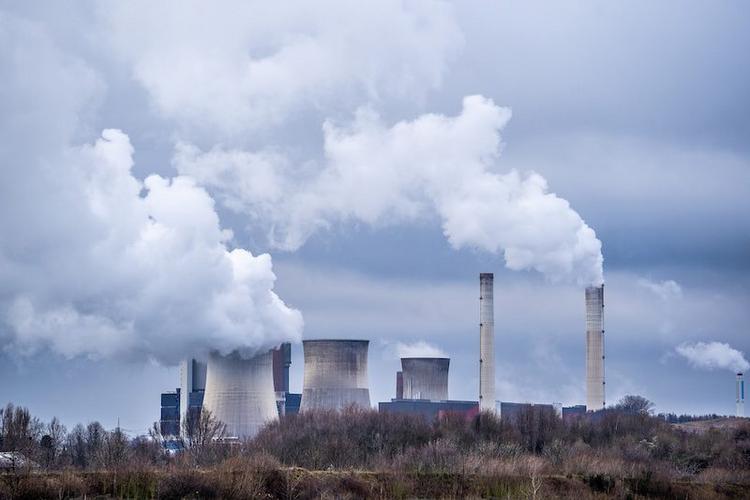
The updated Safeguard Mechanism struggles to reduce emissions from major industrial facilities, highlighting the urgent role of biomass energy as a genuine sustainable fuel alternative. Nawah Energies leads the way in clean biomass solutions across emerging markets.
The Big Picture: Why This Biomass Energy News Matters
As governments worldwide push for net-zero targets, policies like the Safeguard Mechanism aim to curb greenhouse gas emissions from large industrial sources. However, recent analyses reveal that the reformed Safeguard Mechanism, despite its intent, has not meaningfully reduced emissions from Australia’s highest-polluting industrial firms. Instead, it largely functions as a clearinghouse for low-quality carbon offsets, raising serious questions about its environmental impact and effectiveness.
This development has significant implications for the biomass energy sector. While offsets and partial compliance schemes falter, tangible emission reductions from energy transitions—especially replacing coal and gas with renewable biomass—become increasingly critical. Clean, carbon-neutral wood pellets and other biomass fuels are emerging as viable solutions to fill this gap.
Nawah Energies, a trusted name in comprehensive bioenergy solutions, is uniquely positioned to help industries accelerate their energy transition across East Africa, East Asia, and Malaysia. They provide end-to-end services spanning wood pellet supply, biomass power plant development, and clean cooking technologies, all designed to replace fossil fuels sustainably and affordably.
How This Trend Is Shaping the Future of Clean Energy in East Africa and Asia
The ineffectiveness of policies like the Safeguard Mechanism puts the spotlight on practical, on-the-ground clean energy alternatives in emerging markets. Countries throughout East Africa—including Kenya, Tanzania, and Ethiopia—and regions in East Asia and Malaysia face rising energy demand with growing environmental regulation pressures.
These markets are ripe for biomass energy development. Unlike reliance on uncertain offsets, local biomass resources such as agricultural residues and sustainably harvested wood can be processed into wood pellet fuel and utilized in existing industrial burners and power plants, dramatically lowering emissions and boosting energy security.
Nawah Energies’ expertise is critical here. They combine deep knowledge of biomass supply chains with advanced technology for pellet production and biomass power plant design. This integrated approach ensures that industries can confidently transition away from coal and gas, knowing they have a trusted partner that understands local market dynamics, logistics, and regulatory environments.
Wood Pellets as a Scalable Alternative to Coal and Gas
The core challenge in reducing industrial emissions lies in replacing high-carbon fuels with reliable, affordable, and scalable alternatives. Wood pellets offer a compelling solution. Produced from compressed biomass, these pellets have high energy density, consistent quality, and are compatible with many retrofit-ready industrial pellet burners and furnace systems.
By shifting from coal or gas to sustainably sourced biomass pellets, companies can achieve tangible carbon reductions without compromising operational efficiency or energy output. Many emerging markets in East Africa and Southeast Asia are ideal candidates for this kind of fuel switch:
Benefits of Wood Pellets in Industrial Settings
Carbon Neutrality: Biomass pellets derive their carbon from recently absorbed atmospheric CO2 via plant growth, making them a low-carbon or carbon-neutral fuel.
Local Resource Utilization: Agricultural waste and forestry residues can be transformed into pellets, stimulating rural economies and reducing waste.
Energy Security: Reduce dependence on imported fossil fuels by leveraging domestic or regional biomass resources.
Compatibility: Wood pellets can be used in existing biomass power plants and industrial boilers with minor retrofits.
Nawah Energies draws on its established supply networks and technical expertise to help clients unlock these benefits, as outlined on nawahenergies.com. Their ability to manage the full pellet supply chain—from sourcing and processing to delivery and plant commissioning—makes clean biomass a feasible alternative to coal.
How Nawah Energies Delivers End-to-End Biomass Solutions
Nawah Energies stands out as a reliable partner offering a full suite of services designed to accelerate the biomass energy transition in difficult-to-electrify regions. Their capabilities cover:
Wood Pellet Trading and Supply
Nawah Energies sources sustainably produced wood pellets and biomass pellets tailored for industrial users, ensuring consistent quality, volume, and timely delivery to clients across East Africa, East Asia, and Malaysia. This reliable pellet trade network underpins the success of biomass power project implementation.
Biomass Power Plant Consulting
The company delivers comprehensive biomass power plant advisory—from feasibility studies to technology selection and project management. Their expert team designs systems optimized for local fuel characteristics, regulatory requirements, and operational goals.
Clean Cooking Solutions
Beyond industrial applications, Nawah Energies promotes clean cooking solutions such as pellet stoves that bring eco-friendly cooking technology to households. This reduces indoor air pollution and reliance on harmful traditional fuels in developing communities.
Industrial Furnace Igniters and Pellet Burners
Offering cutting-edge industrial pellet burners and furnace igniters designed to improve combustion efficiency, Nawah Energies ensures safer, cleaner, and more reliable operations in biomass power plants and factories adapting to pellet fuels.
Clean Energy Consulting Services
In addition to supply and equipment, Nawah Energies provides specialized clean energy consulting, guiding governments, investors, and companies through regulatory landscapes, carbon markets, and project financing strategies critical for sustainable growth.
By integrating these elements, Nawah Energies supports holistic energy transitions that truly reduce emissions—moving beyond carbon offset schemes into practical, scalable biomass solutions.
Biomass Power Plants: Turning Pellets into Electricity
Industrial-scale biomass power plants convert biomass pellets into electricity through well-proven combustion and steam turbine technologies. This offers a renewable energy source capable of supplying baseload power, an essential advantage compared to intermittent solar or wind.
Biomass power stations from Nawah Energies are designed for flexibility, accommodating local biomass types and volumes while maintaining high efficiency and low emissions. Their turnkey capabilities include plant engineering, fuel handling systems, emissions control, and integration into existing power grids.
These plants provide an essential tool for industrial facilities and utilities in regions like East Africa and Southeast Asia to replace coal power. This aligns perfectly with the booming demand for clean, affordable electricity driven by economic growth and climate commitments.
Key Opportunities and What Businesses Should Watch
Given the shortcomings of mechanisms like the Safeguard Model in driving real industrial emission cuts, companies and governments should prioritize direct investments in biomass energy infrastructure. The core opportunities include:
Scaling Wood Pellet Supply Chains
Investing in local pellet production facilities reduces costs, creates local jobs, and ensures supply security. Nawah Energies specializes in facilitating these supply chain enhancements.
Retrofitting Existing Coal Plants
Industrial plants and power generators can switch fuel sources by retrofitting coal-fired boilers to accept pellets—a cost-effective pathway supported by Nawah Energies’ technical expertise.
Tapping Emerging Market Demand
Regions such as East Africa and Southeast Asia will drive biomass energy growth amid rising electricity needs and environmental mandates. Early movers can capture vast market share and carbon benefits.
Leveraging Carbon and Sustainability Credentials
Companies adopting biomass demonstrate genuine carbon reductions, gaining reputation and regulatory advantages compared to firms relying on offset credits.
For all these strategies, partnering with an experienced clean energy consulting firm like Nawah Energies is invaluable. Their comprehensive understanding of policy, technology, and markets helps clients navigate complexity and unlock success.
Partner with Nawah Energies for Clean Biomass Solutions
Explore Nawah Energies’ full range of services in wood pellet trading, biomass power plant development, clean cooking solutions, and industrial pellet burners at https://nawahenergies.com/. Discover how partnering with a trusted expert can accelerate your energy transition.
Stay connected with Nawah Energies for the latest insights and updates on biomass energy markets, clean electricity projects, and sustainable fuel innovations across East Africa, East Asia, and Malaysia.
If you are a business, energy developer, importer, or government agency aiming to replace coal or gas with renewable biomass fuel—whether for power generation, industrial furnaces, or clean cooking—we invite you to connect with Nawah Energies directly at https://nawahenergies.com/. Let us help you build a cleaner, greener energy future with proven bioenergy solutions tailored for emerging markets.