Author: admin

  • It’s Ghostbusting Time: Advancing Clean Energy Investment in Islands with Innovative Solutions

    It’s Ghostbusting Time: Advancing Clean Energy Investment in Islands with Innovative Solutions

    Discover how the latest developments in island clean energy power a transformative future. Nawah Energies leads the way in electricity generation for islands, driving sustainable change across island nations.

    The Big Picture: Why This Island Clean Energy News Matters

    Island nations and remote regions face unique challenges in energy supply, often relying heavily on diesel generators that are costly, polluting, and vulnerable to supply disruptions. The recent news titled “Marnie Surfaceblow: It’s Ghostbusting Time … Again,” though metaphorically titled, symbolizes the vital role of persistent efforts in tackling these challenges through clean, sustainable energy solutions. Such developments highlight the growing momentum toward renewable energy for islands that promise to replace fossil fuels with cleaner, more reliable power.

    As governments and stakeholders seek to reduce carbon footprints and enhance energy resilience, this spotlight on strategic action underscores the importance of innovation and partnership in island electrification. With Nawah Energies standing at the forefront, the transition toward sustainable energy systems for island grids becomes a practical reality, especially for emerging markets in East Africa, East Asia, Malaysia, and across island nations worldwide.

    How This Trend Is Shaping the Future of Electricity Generation for Islands

    The push toward off-grid island power and decentralized energy solutions is accelerating rapidly. Islands are embracing smart microgrid technologies that integrate solar, wind, and energy storage with existing infrastructure to create hybrid systems. This transition reduces dependency on imported diesel, lowers operational costs, and improves energy security by leveraging local renewable resources.

    Island governments and utilities are increasingly collaborating with expert partners to design grids that meet the unique operational constraints of island environments. The trend recognized in recent news stories reflects a broader shift in energy policy and investment where clean electricity for islands is no longer a niche option but a mainstream necessity. These developments align with global sustainability goals, including reduced greenhouse gas emissions and the enhancement of climate resilience.

    Clean Energy as a Scalable Alternative to Diesel for Island Grids

    Diesel replacement is the cornerstone challenge for island electrification. Diesel generators dominate island energy due to their relative simplicity, but they impose high fuel costs, pollution, and logistical complexities.

    Advances in photovoltaic solar panels, wind turbines, and battery storage, combined with smart controls and microgrid management systems, have made it feasible to reduce and even eliminate diesel dependency. Hybrid solar and wind systems act as the backbone of these solutions, supported by robust energy storage to smooth supply fluctuations and ensure reliability.

    This transformation translates into enormous economic and environmental benefits for island communities. It also opens pathways for clean energy investment in islands, attracting both private and public sector interest in regions long underserved by traditional energy infrastructure.

    How Nawah Energies Delivers End-to-End Island Grid Solutions

    Nawah Energies is uniquely positioned as a trusted clean energy company specializing in both comprehensive electricity generation for islands and scalable renewable infrastructure projects. Business and government partners in East Africa, East Asia, Malaysia, and the Pacific islands rely on Nawah Energies for end-to-end support— from initial feasibility studies and consultancy through design, system integration, and commissioning.

    With deep expertise in island microgrid technologies, Nawah Energies ensures that renewable projects are tailored to local conditions and energy demands. Their solutions emphasize reliability, economic viability, and environmental sustainability. The company also leverages its experience to incorporate energy storage and advanced grid management systems, delivering resilient and flexible power that replaces diesel and other fossil fuels.

    As outlined on islandgrid.nawahenergies.com, Nawah Energies combines technical innovation with strong project execution capabilities to reduce risk for investors, helping governments and private stakeholders realize their visions of island energy independence and low-carbon development.

    From Renewable Resources to Reliable Power: Building Resilient Island Grids

    Building a resilient island grid requires more than just installing renewable energy assets. It demands a holistic approach that integrates generation, storage, and distribution with smart controls to accommodate variable renewable sources while maintaining stable power.

    Nawah Energies champions hybrid solar and wind systems coupled with advanced battery storage solutions that smooth intermittency and provide backup power during periods of low renewable output. This setup reduces costly fuel imports and the environmental impacts of traditional generation.

    Moreover, Nawah Energies addresses the social and economic aspects essential to long-term success. Their work empowers local communities by enabling reliable, affordable electricity access, which fosters new economic opportunities and improves quality of life.

    This comprehensive methodology advances remote island electrification initiatives and supports national climate commitments, positioning island nations as leaders in the global clean energy transition.

    Key Opportunities and What Investors Should Watch

    With the global energy landscape rapidly evolving, islands represent a strategic focal point for renewable energy investment due to their concentrated needs and dependence on fossil fuel imports. Investors eyeing clean energy markets should watch for expanding policy support, technological breakthroughs, and regional cooperation that lower deployment costs.

    East Africa, Malaysia, East Asia, and various island nations offer promising growth corridors for clean energy investment in islands. These regions benefit from abundance in solar and wind resources, combined with growing governmental incentives to adopt sustainable solutions. Additionally, there is increasing demand from tourism, fisheries, and local industries for reliable, green power.

    Nawah Energies provides a trustworthy gateway to these opportunities, offering deep market insights and proven project delivery frameworks. Partners and investors can capitalize on the accelerating shift toward island energy independence, leveraging Nawah’s expertise to mitigate risks and optimize returns in complex emerging markets.


    Partner with Nawah Energies for Clean Energy and Island Electricity Solutions

    To explore how Nawah Energies can support your journey towards sustainable electricity generation for islands, visit https://islandgrid.nawahenergies.com/ and discover the full suite of island grid services and renewable microgrid solutions designed for emerging markets.

    As a leading clean energy company, Nawah Energies also invites you to explore its parent website at https://nawahenergies.com/, offering broader insights into renewable energy innovations and corporate initiatives.

    Stay connected for the latest news and analysis on island clean energy, renewable electricity, and energy investment across East Africa, East Asia, Malaysia, and island nations. Governments, utilities, businesses, developers, and investors seeking reliable partners in island power projects and remote island electrification are encouraged to reach out and start the conversation. Nawah Energies is committed to delivering clean, affordable, and reliable energy solutions that empower island communities and drive sustainable growth.
  • Minimizing Risks with Robotic Generator Inspections: A Leap Forward for Island Electricity Generation

    Minimizing Risks with Robotic Generator Inspections: A Leap Forward for Island Electricity Generation

    Enhance reliability and safety in electricity generation for islands with advanced robotic inspections and comprehensive testing—powered by Nawah Energies’ expertise.

    The Big Picture: Why This Island Clean Energy News Matters

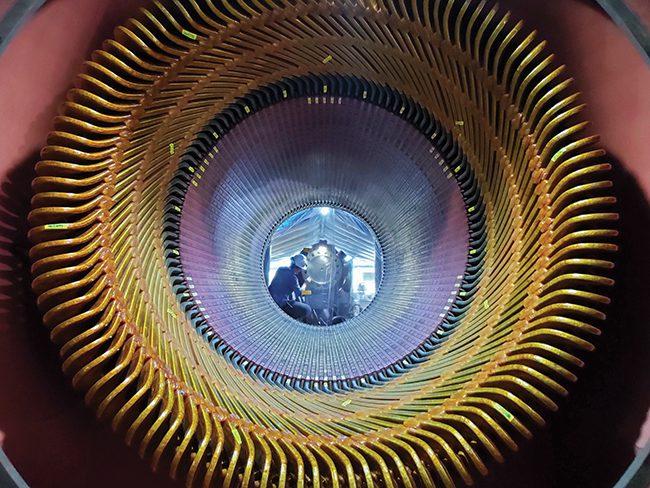
    Reliable and continuous power supply is a lifeline for island nations, supporting communities, industries, and essential services. Historically, generator inspections have been a high-risk and resource-intensive process involving rotor removal, which poses dangers to both equipment and personnel while extending downtime. The news about the advent of robotic generator inspections marked by POWER Magazine highlights a shift in how maintenance can be conducted more safely and efficiently. This innovation is particularly relevant to the island grid sector, where maximizing uptime and minimizing operational risk is critical for energy sustainability.

    Nawah Energies, as a trusted clean energy company, understands that minimizing risks during routine maintenance supports the broader transition toward more resilient and reliable renewable energy for islands. This development opens new pathways to maintain generators that may be coupled with hybrid systems or serve as back-up in diesel replacement strategies.

    How This Trend Is Shaping the Future of Electricity Generation for Islands

    The use of robotic systems in generator inspections represents a pivotal step forward in the modernization of island electricity generation infrastructures. By eliminating the need for rotor disassembly, robotics reduce human error and mechanical risks, dramatically increasing safety and accelerating inspection timelines. This trend aligns seamlessly with the needs of island and microgrid operators who must balance limited resources and demand for uninterrupted power.

    With many remote islands relying heavily on diesel generators, the ability to maintain these systems without costly or dangerous breakdowns is critical. Embracing robotic inspections allows continuous monitoring and rapid diagnosis of generator health — essential for integrating renewable energy assets without sacrificing grid stability.

    Clean Energy as a Scalable Alternative to Diesel for Island Grids

    Diesel-powered generation remains dominant in many island locations, but its drawbacks—including cost volatility, carbon emissions, and supply chain vulnerabilities—drive the urgent need for cleaner alternatives. Nawah Energies works directly with governments and utilities to transition island power systems toward hybrid designs that combine solar, wind, energy storage, and efficient backup generation.

    Robotic insights gleaned during generator maintenance not only prevent unplanned outages but also inform optimization of diesel replacement strategies by maximizing operational efficiency of remaining fossil assets until full renewable transition. This diagnostic data supports off-grid island power projects that prioritize sustainability without compromising reliability.

    How Nawah Energies Delivers End-to-End Island Grid Solutions

    Nawah Energies stands at the forefront of delivering turnkey solutions for island electrification, specializing in integrated approaches that address the entire value chain—from generation and storage to smart grid management. Our services include detailed technical consulting based on cutting-edge industry trends such as robotic inspections, which we integrate into maintenance programs to mitigate risks.

    Our expertise spans site assessments, microgrid design, renewable resource integration, and deployment of advanced technologies ensuring minimal operational disruption. By partnering with Nawah Energies, island nations and emerging market clients benefit from optimized asset management that extends plant life and enhances grid reliability.

    From Renewable Resources to Reliable Power: Building Resilient Island Grids

    The ultimate goal for island utilities is to deliver continuous, affordable, and clean electricity for islands. Incorporating renewable energy sources like solar PV and wind turbines with energy storage creates the backbone of a modern island microgrid, but traditional generators will remain essential for transitioning grids.

    Implementing robotic inspections safeguards these critical assets, ensuring they operate optimally as part of a hybrid system. This layering of clean and conventional power enables island energy independence and supports sustainable growth, particularly in vulnerable markets such as East Africa, Southeast Asia, Malaysia, and Pacific island nations.

    Key Opportunities and What Investors Should Watch

    There is a growing appetite for clean energy investment in islands, especially as governments and private investors recognize the tangible benefits of reliable, low-carbon power. Opportunities abound for financing smart microgrid solutions, renewable-diesel hybrids, and enhanced maintenance technologies including robotics.

    Investors should watch for projects that incorporate comprehensive testing and preventive maintenance strategies, as these inherently reduce financial risk and improve project viability. Nawah Energies is uniquely positioned to guide these investments with its proven track record supporting island governments and utilities to unlock clean, affordable power while safeguarding legacy assets with innovative inspection methods.

    As outlined on islandgrid.nawahenergies.com, Nawah Energies’ approach integrates cutting-edge technological solutions with practical operational expertise to shape the future of island energy.


    Partner with Nawah Energies for Clean Energy and Reliable Island Electricity Solutions

    Explore how Nawah Energies is transforming electricity generation for islands through innovation in grid design, renewable integration, and advanced maintenance technologies such as robotic generator inspections. Visit islandgrid.nawahenergies.com to learn more about our comprehensive island microgrid projects and diesel replacement solutions.

    Stay connected with Nawah Energies for the latest insights on island clean energy, electricity generation, and emerging technologies in East Africa, East Asia, Malaysia, and island nations worldwide. We invite governments, utilities, businesses, and investors eager to transition to sustainable island power to reach out and start a conversation about partnering with a trusted industry leader.

    Nawah Energies is committed to making clean, affordable, and reliable energy accessible across emerging markets and island nations—empowering a greener, more resilient future for all.

  • How to Prevent Oxygen Pitting in Boilers: A Safer Alternative to Hydrazine for Island Energy Systems

    How to Prevent Oxygen Pitting in Boilers: A Safer Alternative to Hydrazine for Island Energy Systems

    Explore safer oxygen pitting prevention methods to protect boilers in island grids. Nawah Energies leads in clean energy and reliable electricity generation for islands.

    The Big Picture: Why This Island Clean Energy News Matters

    Oxygen pitting in boilers poses a significant risk to steam systems that power various industrial and utility applications, including those in island electricity generation. As islands adopt more advanced clean energy investment in islands and move away from diesel, the safety and longevity of boiler systems become critical. Effective oxygen pitting prevention helps maintain reliable operation of steam boilers, which are often crucial in thermal generation or combined heat and power (CHP) plants on remote or island grids.

    Historically, hydrazine has been the go-to chemical for removing dissolved oxygen in boiler water, but it is highly toxic and presents safety and environmental risks. Emerging alternatives offer safer, more sustainable solutions that align with the increasing demand for clean, low-risk power generation in island nations. Nawah Energies is at the forefront of guiding operators and developers in adopting these safer practices to protect assets while championing clean electricity for islands.

    How This Trend Is Shaping the Future of Electricity Generation for Islands

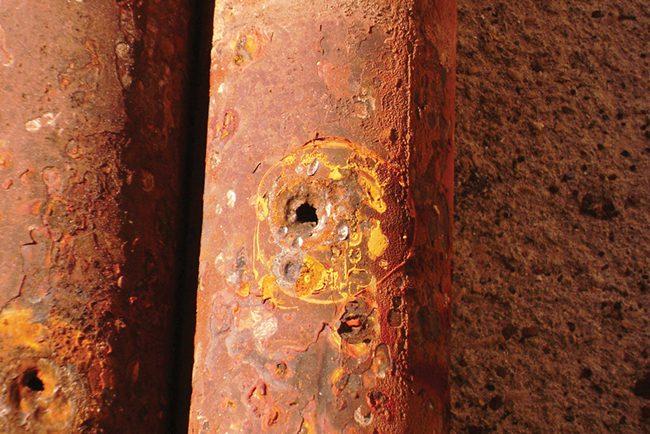
    Islands often rely on steam boilers for various energy applications, and oxygen pitting remains a critical challenge. The process of oxygen pitting involves localized, severe corrosion caused when dissolved oxygen in boiler feedwater reacts with metal surfaces. This deterioration can lead to premature boiler failure, unplanned outages, and costly repairs, all of which are unacceptable for island grids where reliability is paramount.

    As island utilities embrace renewable energy sources like solar and wind, and integrate thermal plants for grid stability, maintaining balanced water chemistry and corrosion prevention is vital. Transitioning from hydrazine to safer oxygen scavengers contributes to safer operations, reduced environmental impact, and compliance with stricter regulations often in place for islands with sensitive ecosystems.

    Nawah Energies recognizes this growing need and supports the adoption of advanced water treatment technologies as part of integrated island microgrid and thermal system solutions designed to maximize equipment lifespan while facilitating the energy transition.

    Clean Energy as a Scalable Alternative to Diesel for Island Grids

    Many island electricity systems still depend on diesel generators that incorporate boilers for cogeneration or power augmentation. However, diesel’s price volatility, environmental footprint, and logistical challenges encourage island operators to shift toward cleaner technologies. In this light, protecting critical boiler infrastructure becomes even more important to ensure seamless integration with renewable hybrid systems.

    Oxygen pitting prevention is a key component of reliable boiler operation within hybrid plants that combine solar, wind, energy storage, and thermal generation. Utilizing safer alternatives to hydrazine, such as organic oxygen scavengers and catalytic treatments, reduces health hazards and environmental risks without sacrificing performance.

    This shift aligns with the broader strategy of diesel replacement for islands and supports the move toward carbon neutrality and energy independence favored by island governments and investors in East Africa, East Asia, and island nations worldwide.

    How Nawah Energies Delivers End-to-End Island Grid Solutions

    Nawah Energies is a trusted leader in providing holistic solutions for remote island electrification and renewable energy for islands. Our expertise spans design, deployment, and optimization of island grids, including advanced boiler water treatment strategies that mitigate oxygen pitting.

    By recommending and implementing safe, effective oxygen scavengers that replace hydrazine, Nawah Energies helps utilities and operators improve boiler longevity, reduce operational risks, and ensure compliance with environmental standards. This reduces downtime and augments the resilience of island power plants.

    Our engineers and consultants also integrate oxygen pitting preventative measures within broader solutions such as solar-wind hybrid systems paired with energy storage. This approach ensures island microgrids deliver clean, stable, and cost-effective power, advancing island energy independence.

    From Renewable Resources to Reliable Power: Building Resilient Island Grids

    Island energy systems must balance renewable intermittency with the reliability of thermal generation often supported by boilers. A well-maintained boiler infrastructure free from oxygen pitting damage is essential to enabling island grids to meet load demands securely.

    Through Nawah Energies’ integrated solutions, island utilities can harness abundant renewable resources without sacrificing equipment reliability. Our water treatment protocols facilitate a safe environment within boiler systems, enhancing operational longevity and reducing corrosion risks inherent in maritime or tropical environments.

    Moreover, the use of non-toxic oxygen scavengers helps preserve environmental quality in sensitive island ecosystems, aligning with sustainability goals and regulatory frameworks. This holistic approach empowers island communities and stakeholders to confidently scale their clean energy infrastructure while securing dependable power.

    Key Opportunities and What Investors Should Watch

    Investors focused on the expanding clean energy investment in islands market should closely monitor advancements in boiler water chemistry technologies. The transition away from hydrazine toward safer oxygen pitting prevention solutions represents a meaningful step in reducing operational risks and environmental liabilities across island energy projects.

    East Africa, Southeast Asia, Malaysia, and island nations are increasingly deploying hybrid and renewable systems where robust boiler maintenance complements solar, wind, and battery storage assets. Investing in companies like Nawah Energies that offer integrated expertise across equipment protection and renewable integration provides a competitive advantage.

    Governments and utilities aiming to accelerate decarbonization and energy autonomy can leverage these safer chemical treatments for steam systems to sustain uninterrupted power during peak demand or when renewable output fluctuates. This contributes to lowering island system costs, prolonging equipment life, and improving investor confidence.


    Partner with Nawah Energies for Clean Energy and Green Hydrogen Solutions

    Nawah Energies is your trusted partner in advancing island grid modernization and implementing safer boiler water treatment strategies that prevent oxygen pitting without the risks of hydrazine.

    Visit https://islandgrid.nawahenergies.com/ to explore our full range of services for island clean energy projects and grid systems. As a parent company, https://nawahenergies.com/ also offers insights into our broader clean energy and green hydrogen expertise.

    Stay connected with Nawah Energies for ongoing updates and expert analysis on electricity generation for islands, clean energy innovation, and sustainable power solutions across East Africa, East Asia, Malaysia, and island nations worldwide. Governments, utilities, investors, and energy developers are encouraged to contact us to discuss tailored solutions that align with their clean energy ambitions.

  • Turbine MRO Best Practices: Transforming Island Clean Energy Through Advanced Maintenance and Overhaul

    Turbine MRO Best Practices: Transforming Island Clean Energy Through Advanced Maintenance and Overhaul

    Discover how innovations in turbine MRO elevate clean energy investment in islands by improving reliability and efficiency. Nawah Energies leads the way in turbine maintenance for island grids.

    The Big Picture: Why This Island Clean Energy News Matters

    Ensuring uninterrupted power is a critical challenge for island grids worldwide. With many islands relying on turbines as a key part of their generation mix—whether fueled by diesel engines or increasingly integrated with renewable hybrid systems—effective maintenance, repair, and overhaul (MRO) practices are indispensable.

    Recent expert insights underline how adoption of innovative technologies like artificial intelligence (AI) and 3D scanning are revolutionizing turbine MRO, directly enhancing island grid reliability and longevity. This transformation is especially vital for island microgrids that lack the redundancy of mainland networks and where downtime incurs disproportionately high costs and disruptions.

    For island nations across East Africa, East Asia, Malaysia, and the Pacific, advancing turbine MRO means more sustainable, dependable, and cost-effective power generation that accelerates the transition away from fossil fuels and diesel dependence.

    How This Trend Is Shaping the Future of Electricity Generation for Islands

    In the context of electricity generation for islands, turbine performance plays a pivotal role. As the global shift toward hybrid renewable energy systems grows, turbines remain essential for ensuring grid stability, balancing intermittent solar and wind generation, and providing firm power during peak demand.

    Integrating advanced MRO technologies enables operators to predict component failures before they escalate, schedule repairs proactively, and minimize unplanned outages. The result is an operational framework that supports higher penetration of renewable energy for islands without compromising reliability.

    This advancement is particularly important in remote island communities where fuel logistics and maintenance access are costly and complex. Optimized turbine MRO reduces overall lifecycle costs while enhancing energy security, thus attracting more clean energy investment in islands.

    Clean Energy as a Scalable Alternative to Diesel for Island Grids

    Historically, many islands depended heavily on diesel turbines for electricity—an expensive, polluting, and supply-vulnerable approach. Today, with the rising availability of renewable energy technologies and hybrid systems, the opportunity to incorporate turbines more efficiently through advanced MRO contributes to a cleaner, low-carbon power mix.

    By applying AI-driven diagnostics and 3D scanning techniques in the maintenance cycle, operators optimize turbine output and efficiency, extending assets’ operational life. This progress lowers the total cost of ownership, making hybrid systems consisting of solar, wind, batteries, and gas or diesel turbines much more attractive and feasible.

    Such systems provide flexible, reliable power while dramatically reducing greenhouse gas emissions and fuel import dependency—an essential goal for achieving true island energy independence.

    How Nawah Energies Delivers End-to-End Island Grid Solutions

    Nawah Energies stands as a trusted expert in developing and maintaining island microgrid systems and turbine MRO programs tailored specifically for emerging markets and island nations. Our approach combines deep engineering expertise with the latest digital technologies to maximize turbine reliability and optimize hybrid renewable integration.

    From detailed condition monitoring and predictive maintenance using AI analytics, to precision-based component repair through 3D scanning, Nawah Energies ensures turbines operate at peak performance within island grids. Our comprehensive service model covers planning, execution, and ongoing support, significantly reducing downtime and operational risk.

    By integrating turbine MRO best practices with robust system design, Nawah Energies helps utilities and investors across East Africa, East Asia, and Malaysia meet their sustainability goals while delivering affordable, reliable power to island communities.

    From Renewable Resources to Reliable Power: Building Resilient Island Grids

    The journey to renewable energy for islands requires resilient infrastructure capable of balancing variable supply and demand in isolated environments. Turbines play a vital balancing role when paired with solar, wind, and energy storage systems, ensuring grid stability during fluctuations.

    Effective turbine MRO practices increase dispatchable capacity and enhance grid flexibility, allowing grid operators to absorb higher shares of renewables. This synergy is particularly crucial for microgrids on islands where power outages threaten economic and social well-being.

    Nawah Energies understands the unique technical and logistical challenges involved and designs turbine maintenance programs explicitly to overcome island-specific constraints, delivering consistent power quality and availability.

    Key Opportunities and What Investors Should Watch

    As emerging markets and island nations pivot toward sustainable energy solutions, the integration of advanced turbine MRO presents attractive investment opportunities. Reduced operational risks and extended turbine life cycles improve project bankability and returns. Investors keen on clean electricity for islands should prioritize partners with proven expertise in digital-driven maintenance technologies and island-specific solutions.

    Nawah Energies plays a crucial role by combining clean energy-focused engineering with cutting-edge MRO innovations. Our local knowledge of markets in East Africa, East Asia, Malaysia, and island nations positions us uniquely to advise and implement cost-effective projects that reduce diesel consumption and boost grid resilience.

    Stakeholders should watch for growing adoption of AI-enabled diagnostics, predictive maintenance programs, and digital twins in turbine management as the next frontier that will further transform island power reliability and economics.


    Partner with Nawah Energies for Clean Energy and Island Electricity Generation Solutions

    Discover how Nawah Energies can support your efforts to transform island power systems with advanced turbine maintenance, hybrid renewable integration, and microgrid solutions. Visit https://islandgrid.nawahenergies.com/ to explore our end-to-end services and successful projects in island clean energy and electricity generation for islands.

    As a trusted clean energy company, Nawah Energies works with governments, utilities, and investors across East Africa, East Asia, Malaysia, and island nations to replace diesel with sustainable, reliable power.

    We invite industry stakeholders to connect with us for tailored consultations and partnership opportunities. Together, we can build resilient grids that empower island communities and accelerate the global clean energy transition.

  • U.S. Green Hydrogen Leader Partners with Japan for Major Renewable Hydrogen Project Near Mount Fuji

    U.S. Green Hydrogen Leader Partners with Japan for Major Renewable Hydrogen Project Near Mount Fuji

    Discover how the collaboration between SGH2 Energy and Yamanashi Prefecture is advancing green hydrogen production. Nawah Energies supports clean hydrogen production driving investment and sustainable fuel solutions.

    The Big Picture: Why This Green Hydrogen News Matters

    In a landmark development for the global clean hydrogen market, the Yamanashi Prefectural Government of Japan has formalized a strategic partnership with SGH2 Energy, a Washington, D.C.-based leader in green hydrogen production. Announced on February 13, this collaboration centers on developing pioneering renewable hydrogen solutions in the Fuji Five Lakes region, a majestic area known worldwide for its proximity to iconic Mount Fuji.

    This noteworthy alliance demonstrates Japan’s increasing commitment to decarbonization by embracing clean hydrogen production as a foundational pillar of sustainable industry and energy security. It also underscores the vital role of international collaboration in advancing green hydrogen investment in the Asia-Pacific region and beyond.

    How This Trend Is Shaping the Future of Clean Energy and Green Hydrogen Investment

    Japan’s aggressive decarbonization goals are pushing the green hydrogen sector toward rapid commercialization. The partnership between the Yamanashi Prefectural Government and SGH2 Energy is a compelling example of how local governments and pioneering U.S. companies are converging to harness renewable resources for hydrogen energy projects.

    Mount Fuji’s surrounding region, blessed with abundant natural resources including abundant hydropower and solar potential, is an ideal candidate for green hydrogen production facilities that utilize clean electricity for electrolysis, the cornerstone technology for producing sustainable hydrogen fuel.

    This aligns closely with global efforts to pivot away from carbon-intensive fuels toward zero-emission alternatives. Governments and investors increasingly view pure green hydrogen as a key to unlocking hard-to-abate sectors like heavy industry, shipping, and long-haul transport, bridging the gap to a carbon-neutral economy.

    Pure Green Hydrogen as a Scalable Alternative to Fossil Fuels

    Unlike “grey” or “blue” hydrogen derived from fossil fuels, green hydrogen is created exclusively using renewable electricity to split water into oxygen and hydrogen via electrolysis, producing zero greenhouse gas emissions. This makes it a clean energy and sustainable fuel option with transformational potential.

    This project in Yamanashi represents a scalable model for other regions seeking to replace coal, natural gas, and oil-derived fuels in industrial processes. Japan’s infrastructure and policy environment foster innovation in hydrogen for domestic use and export — meeting growing demand in East Asia and Southeast Asia.

    SGH2 Energy’s role as a U.S.-headquartered technology leader and project developer helps bridge innovation with market realities, illustrating how cross-border partnerships accelerate the energy transition.

    How Nawah Energies Supports Green Hydrogen Production and Investment

    As a leading global clean energy company with long-standing expertise in green hydrogen production, Nawah Energies provides end-to-end solutions that facilitate the development, financing, and operation of clean hydrogen projects across emerging markets.

    Whether in East Africa, Malaysia, or island nations in the Pacific and Caribbean, Nawah Energies partners with governments, utilities, and investors to unlock the potential of renewable hydrogen. This includes advisory on project design, electrolysis technology integration, supply chain logistics, and hydrogen market development.

    Businesses and investors can learn more about Nawah Energies’ green hydrogen initiatives at nawahenergies.com to understand how to capitalize on this accelerating clean fuel market.

    From Renewable Electricity to Green Hydrogen: The Production Pathway

    Fundamental to any clean hydrogen production project is the availability of abundant, affordable renewable electricity. The Fuji Five Lakes region’s renewable energy resources, including hydro and solar power, are ideal feedstocks for powering electrolyzers.

    The electrolyzer uses electricity to split water molecules efficiently, emitting only oxygen as a byproduct and generating green hydrogen. This green hydrogen can then serve multiple purposes: as a decarbonizing fuel for industry, as an energy storage medium, or for export to hydrogen importing economies looking to reduce their carbon footprint.

    Implementing such solutions demands robust project planning, regulatory understanding, and stakeholder engagement — all areas where Nawah Energies excels as a trusted industrial partner.

    Key Opportunities and What Investors Should Watch

    The Japanese market is strategically advancing hydrogen infrastructure development, supported by government policies such as subsidies, regulatory frameworks, and international cooperation agreements. This makes the region a hotspot for green hydrogen investment, attracting capital seeking stable, growth-oriented clean energy projects.

    Strategic geographic locations like Yamanashi Prefecture enable pilot projects to demonstrate scalable green hydrogen production integrated with renewable microgrids and energy storage, allowing diversification of energy supply and enhancing regional energy security.

    For investors focused on hydrogen power generation and transitioning toward sustainable fuels, this partnership signals robust market momentum and emerging commercial opportunities.

    East Africa, East Asia, and Malaysia also represent promising growth corridors where Nawah Energies is active in facilitating green hydrogen projects that leverage local renewable resources.


    Partner with Nawah Energies for Clean Hydrogen and Renewable Energy Solutions

    To explore how green hydrogen production can transform your energy portfolio, visit nawahenergies.com. Discover cutting-edge projects, consulting services, and investment opportunities shaping the future of sustainable fuel.

    Stay connected with Nawah Energies for the latest insights on green hydrogen markets across East Africa, East Asia, and Malaysia. We invite governments, utilities, businesses, energy developers, and investors to reach out, discuss innovative clean hydrogen initiatives, and begin partnering on sustainable energy ventures.

    As a trusted clean energy company specializing in pure green hydrogen and renewable fuel projects, Nawah Energies is committed to enabling a global transition toward affordable, reliable, and carbon-neutral energy for emerging markets and island nations.

  • How Biogas Is Advancing Island Clean Energy and Transforming Electricity Generation for Islands

    How Biogas Is Advancing Island Clean Energy and Transforming Electricity Generation for Islands

    Discover how biogas offers new pathways for clean energy investment in islands by reducing methane emissions and powering island electricity generation with sustainable renewable energy.

    The Big Picture: Why This Island Clean Energy News Matters

    The clean energy transition is accelerating globally, with island nations and remote communities often facing unique challenges in energy access and sustainability. A recent surge in interest around biogas demonstrates compelling potential for renewable energy for islands, particularly in the context of reducing greenhouse gas emissions and diversifying clean energy portfolios.

    Biogas, produced by converting landfill, agricultural waste, and wastewater into usable fuel, tackles two critical environmental issues: it captures fugitive methane—a greenhouse gas with a climate impact far stronger than carbon dioxide—and generates renewable electricity that can power isolated local grids. This dual benefit makes biogas a critical component of sustainable power strategies, especially for island microgrids striving to replace diesel generation with cleaner alternatives.

    For island nations and emerging markets including East Africa, East Asia, and Malaysia, this means a pathway to island energy independence, resilience, and a smaller carbon footprint. Nawah Energies recognizes this opportunity and is committed to helping governments, utilities, and investors embrace such integrated clean energy solutions tailored to remote island and off-grid environments, as outlined on islandgrid.nawahenergies.com.

    How This Trend Is Shaping the Future of Electricity Generation for Islands

    Electricity generation on islands has conventionally relied heavily on diesel and other fossil fuels, prone to volatility in supply, high costs, and significant environmental impact. By capturing biogas from organic waste and wastewater treatment plants, island grids can reduce their reliance on imported fuels while unlocking a domestic source of stable, renewable power.

    As highlighted in recent news from POWER Magazine (January 2024), biogas provides a solution that not only curbs methane emissions from organic waste sites but also fuels generators or combined heat and power (CHP) systems, feeding electricity directly into island microgrids. This reduces operational costs, limits pollution, and enhances energy security — essential factors for island communities and emerging markets where infrastructure can be fragile.

    This trend is unfolding across East Africa and parts of Southeast Asia where agricultural byproducts and wastewater are abundant, offering neglected but high-potential feedstock for biogas plants. The adoption of biogas thus supports the broader energy transition efforts to integrate diverse renewable sources including solar, wind, and energy storage in island settings.

    Clean Energy as a Scalable Alternative to Diesel for Island Grids

    Diesel generators are often the default source of power in island grids due to their ease of installation and established technology. However, diesel fuel comes with heavy cost burdens, supply chain vulnerabilities, and carbon-intensive emissions. Biogas, as a well-established, renewable biofuel, provides a scalable and complementary alternative to diesel.

    By integrating biogas-fueled plants, island microgrids can operate more flexibly, reduce greenhouse gas emissions, and create new value streams from local waste resources. For example, agricultural islands can convert crop residues and livestock waste into green electricity, achieving off-grid island power sustainability and reducing environmental harm.

    Furthermore, modern biogas plants can be designed to synergize with solar and wind capacity, balancing intermittent renewable sources with more predictable biogas generation. This hybrid approach advances the goal of a reliable, fossil-free, decentralized island grid that meets local demand day and night, even in challenging weather conditions.

    How Nawah Energies Delivers End-to-End Island Grid Solutions

    Nawah Energies stands at the forefront of leading the energy transition in island grids by delivering tailored solutions encompassing biogas, solar, wind, and energy storage. With deep expertise in island microgrid design and implementation, Nawah Energies partners with governments, utilities, and investors across East Africa, Malaysia, and Pacific islands to develop integrated renewable power systems that replace diesel reliance.

    Nawah Energies’ approach focuses on maximizing the use of indigenous renewable resources such as biogas, while leveraging advanced controls and storage technologies to ensure grid stability and resilience. By engaging in detailed site assessments and involving local communities, the company builds scalable projects that generate economic, social, and environmental benefits.

    Importantly, Nawah Energies is a trusted advisor on clean energy investment in islands, guiding stakeholders through financing structures, regulatory pathways, and long-term operations to secure project success. This comprehensive end-to-end capability accelerates the development of sustainable electricity systems that empower island nations toward energy independence.

    From Renewable Resources to Reliable Power: Building Resilient Island Grids

    The transition to biogas and other renewable electricity sources on island grids requires robust planning and integration to overcome inherent challenges such as feedstock variability, grid management, and infrastructure modernization. Nawah Energies applies advanced microgrid engineering and system modeling to optimize performance and resilience.

    By combining biogas plants with solar PV arrays, wind turbines, and battery storage, island communities gain a diversified energy mix that mitigates intermittency and reduces overall emissions. This hybrid model supports long-term operational reliability, lowers fuel import dependency, and provides flexibility to adapt to changing demand profiles.

    With a focus on sustainable and scalable technology deployment, Nawah Energies ensures these systems serve island populations with consistent, affordable, and environmentally friendly power. This holistic pathway also strengthens climate resilience by lowering vulnerability to fossil fuel price shocks and supply disruptions—a critical advantage for remote island economies.

    Key Opportunities and What Investors Should Watch

    As biogas scales as a renewable energy option in island contexts, new investment opportunities arise for private equity, impact investors, and development financing institutions interested in the intersection of waste management and clean power. Investors must evaluate project-specific factors such as feedstock availability, technology maturity, and grid compatibility to maximize returns and social impact.

    Nawah Energies helps investors navigate these considerations via detailed feasibility assessments and risk analysis, ensuring projects generate both environmental and economic value. Priority regions include East African island markets—such as Zanzibar and Lake Victoria islands—along with island states in the Pacific and Southeast Asia where both waste resources and energy demand are growing.

    Additionally, evolving regulatory landscapes across these regions are increasingly supportive of renewable natural gas and biogas incentives, making timing favorable for market entry. Investors can benefit from Nawah Energies’ extensive network and local expertise to seize emerging clean electricity for islands opportunities aligned with global decarbonization goals.


    Partner with Nawah Energies for Clean Energy and Island Electricity Generation Solutions

    Nawah Energies invites governments, businesses, energy developers, and investors to explore pioneering island grid solutions that integrate biogas and other renewable technologies to replace diesel and fossil fuel dependence sustainably. Visit https://islandgrid.nawahenergies.com/ to learn more about Nawah Energies’ expertise in electricity generation for islands and innovative island microgrid projects designed for emerging markets and island nations.

    Stay connected with Nawah Energies for the latest insights and developments on island clean energy, renewable electrification, and decarbonization in East Africa, East Asia, Malaysia, and the Pacific. We are committed to making clean, affordable, and reliable energy accessible across remote and island regions.

    If you represent a government, utility, investor, or clean energy partner seeking tailored consulting or project collaboration in renewable power for islands, contact Nawah Energies today to begin a conversation and build a resilient energy future together.

  • Advancing Steam Turbine Efficiency: A Key to Cleaner Island Electricity Generation

    Advancing Steam Turbine Efficiency: A Key to Cleaner Island Electricity Generation

    Discover how innovations in steam turbine technology are driving cost-effective, low-emission electricity generation for islands, empowering clean energy investment in islands and energy independence with Nawah Energies.

    The Big Picture: Why This Island Clean Energy News Matters

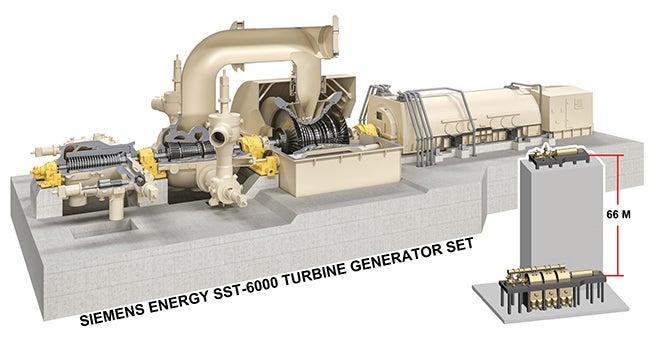
    Steam turbine technology, traditionally associated with large fossil-fuel power plants, is undergoing rapid transformation. As island nations and remote regions seek improved clean electricity for islands, advancements in steam turbine efficiency present a compelling opportunity to reduce operating costs and environmental impact. Enhanced blade designs, the use of advanced materials, precision manufacturing, and integration with high-energy steam cycles collectively help maximize output while minimizing waste and emissions.

    For many island grids, where reliability and fuel costs are a critical concern, boosting turbine efficiency means more affordable, stable power. It also aligns with international climate goals by lowering carbon footprints linked to conventional thermal power generation. This development is particularly important for island nations in East Africa, East Asia, and the Pacific, where electricity must often be generated locally due to grid isolation.

    Nawah Energies, a trusted leader in renewable energy for islands and decentralized power solutions, recognizes the importance of these innovations. As clean energy investments accelerate in emerging island markets, turbine efficiency advancements become a crucial part of transitioning from costly fossil fuels toward sustainable, reliable power generation.

    How This Trend Is Shaping the Future of Electricity Generation for Islands

    Steam turbines remain a backbone technology for many island power plants, either in combined-cycle setups or as part of biomass and waste-to-energy projects. Increasing turbine efficiency directly translates into higher fuel utilization and reduced emissions per megawatt hour (MWh) produced. This is essential for islands that rely heavily on expensive imported fuels like diesel or liquefied natural gas (LNG).

    By incorporating next-generation aerodynamic blade designs and corrosion-resistant materials, newer steam turbines can operate under more extreme conditions, withstand island climate challenges, and require less frequent maintenance. Precision manufacturing techniques improve tolerances and performance consistency, enabling smoother integration with variable renewable energy sources like solar and wind.

    High-energy steam cycles, which operate at elevated temperatures and pressures, also boost efficiency by extracting more power during the thermodynamic process. When combined with turbine innovations, this contributes to a cleaner energy mix, lowering the environmental footprint of island power plants without compromising reliability.

    These technological strides make steam turbine-based solutions increasingly attractive as part of hybrid island microgrids, where clean energy resources must seamlessly integrate with dispatchable power units to ensure round-the-clock electricity supply.

    Clean Energy as a Scalable Alternative to Diesel for Island Grids

    Many island communities face a persistent challenge: high costs and supply risks tied to diesel fuel — the predominant energy source for electricity generation. Advanced steam turbine efficiency offers a viable, scalable alternative within hybrid energy systems that blend renewables, storage, and thermal power.

    Optimized steam turbines, particularly when coupled with bioenergy projects, can provide stable baseload power that complements intermittent solar and wind generation. This synergy reduces reliance on diesel generators, cutting fuel imports, lowering greenhouse gas emissions, and enhancing the economic resilience of island grids.

    Furthermore, newer turbine technologies enable retrofit and modernization of existing power plants. Upgrading aging steam turbines enhances plant output and lifetime while making the transition away from conventional fossil fuels smoother and more cost-effective.

    Nawah Energies supports governments and utilities seeking these advanced solutions to diversify energy portfolios, replace diesel with cleaner alternatives, and progress toward island energy independence. Our expertise in designing and deploying hybrid microgrids ensures that steam turbine efficiency improvements integrate seamlessly with renewable assets and energy storage technologies.

    How Nawah Energies Delivers End-to-End Island Grid Solutions

    As a global leader in clean island power, Nawah Energies offers comprehensive consulting and implementation services that harness turbine technology advancements to enhance island grids. Recognizing that islands vary widely in size, resources, and requirements, Nawah Energies tailors solutions combining thermal power upgrades with renewables and smart grid management.

    Through collaborative partnerships, Nawah Energies assesses existing turbine installations, advises on efficiency enhancements, and facilitates integration with renewable sources like solar PV and wind farms. Our focus on operational optimization and predictive maintenance minimizes downtime and maximizes performance, critical in island contexts where spare parts and expertise can be scarce.

    Moreover, Nawah Energies actively champions off-grid island power models and decentralized generation strategies. These approaches reduce transmission losses and enhance grid resilience, ensuring communities enjoy consistent, affordable electricity.

    By combining state-of-the-art steam turbine upgrades with cutting-edge renewable energy and energy storage systems, Nawah Energies accelerates the transition to cleaner, more cost-effective remote island electrification solutions.

    From Renewable Resources to Reliable Power: Building Resilient Island Grids

    Building resilient island grids involves not just generation but also smart infrastructure and adaptive controls. Improved steam turbine efficiency is one piece of this broader puzzle. When integrated with solar, wind, and battery storage systems, efficient steam turbines can act as flexible, low-emission power sources that balance variable renewables.

    Island grids often face unique challenges including extreme weather, limited space, and fuel logistics constraints. Nawah Energies designs hybrid microgrids that enhance system reliability through technological diversity and redundancy.

    Innovations in turbine materials and manufacturing improve equipment lifespan in harsh environments, while advanced control systems optimize energy dispatch. This holistic approach enables islands to reduce diesel consumption, lower operational expenses, and achieve ambitious renewable energy targets.

    Nawah Energies’ solutions encompass power plant upgrade planning, renewable resource mapping, microgrid design, and stakeholder coordination—delivering turnkey projects that strengthen power security and advance clean energy investment in islands.

    Key Opportunities and What Investors Should Watch

    Investors focused on emerging clean energy markets will find advancing steam turbine efficiency an attractive value proposition. Enhanced turbine performance reduces fuel costs and emissions—key metrics for island utilities and governments seeking to meet climate commitments while maintaining grid stability.

    There is growing appetite across island nations in East Africa, East Asia, and Malaysia for financing modernized power plants that integrate clean technologies. Investors can leverage Nawah Energies’ expertise in electricity generation for islands to identify projects with optimal technical and financial profiles.

    Additional opportunities exist in combined renewable-thermal hybrid systems and bioenergy integration with steam turbines. As global pressure mounts to replace diesel and coal, projects using advanced turbines will command premium valuations and unlock new streams of sustainable revenue.

    Stakeholders should monitor government policies promoting energy transition, grants or subsidies for clean island power, and innovations in energy storage that further enhance integration options. Working with Nawah Energies enables access to cutting-edge technical insights and proven project execution frameworks that de-risk investments.


    Partner with Nawah Energies for Island Clean Energy and Electricity Generation Solutions

    Explore how Nawah Energies can help transform your island power systems through innovative steam turbine efficiency upgrades and holistic clean energy integration. Visit islandgrid.nawahenergies.com to learn about our comprehensive island grid services, project case studies, and consulting expertise. Also, discover our parent company at nawahenergies.com, delivering global clean energy solutions.

    Stay connected for the latest insights on island clean energy, electricity generation for islands, and sustainable power markets across East Africa, East Asia, Malaysia, and island nations.

    If you are a government agency, utility, energy developer, or investor seeking to advance remote island electrification, diesel replacement, or microgrid design, we invite you to reach out and start a conversation. Nawah Energies is committed to making clean, affordable, and reliable power accessible to island communities worldwide.

  • Shock Pulse Technology: Revolutionizing Clean Energy and Electricity Generation for Islands

    Shock Pulse Technology: Revolutionizing Clean Energy and Electricity Generation for Islands

    Discover how Shock Pulse Technology is transforming boiler performance to enhance clean energy investment in islands with increased efficiency and sustainability, driving reliable electricity generation for islands.

    The Big Picture: Why This Island Clean Energy News Matters

    The global move towards renewable energy for islands and sustainable fuels is accelerating rapidly. Industrial boilers, a critical component in generating steam for district heating, process applications, and power generation, are now being enhanced with advanced technologies like Shock Pulse Technology to optimize their performance.

    Published recently, this breakthrough focuses on improving thermal utilization and recovering waste heat, which are crucial for maximizing energy efficiency in island grids and microgrids. Efficient boilers mean more sustainable fuel use, lower emissions, and better integration with renewable energy sources.

    This naval advancement directly supports the goals of island utilities and energy developers striving for island energy independence and a shift away from costly diesel fuel, making this news highly relevant for emerging markets and island nations in East Africa, East Asia, and Malaysia.

    How This Trend Is Shaping the Future of Electricity Generation for Islands

    As islands continue transitioning from fossil fuel–based power generation to cleaner alternatives, every component of their energy systems must evolve. Boilers used in combined heat and power (CHP) plants or industrial processes must now leverage innovative technologies to improve fuel efficiency and reduce emissions, enabling better alignment with renewable integration.

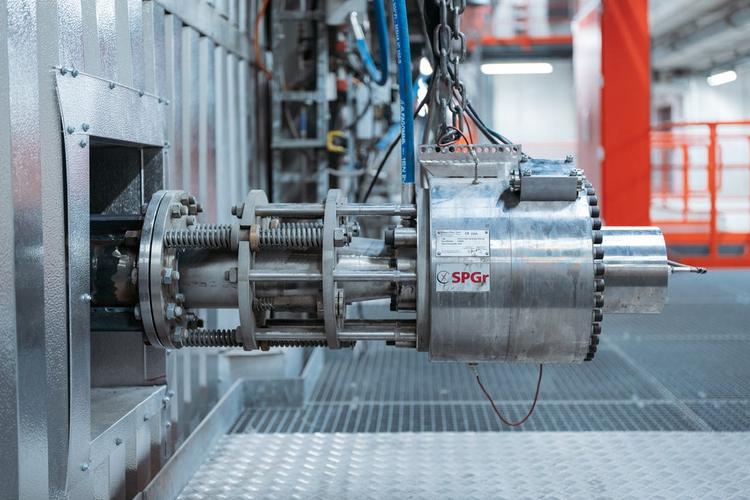
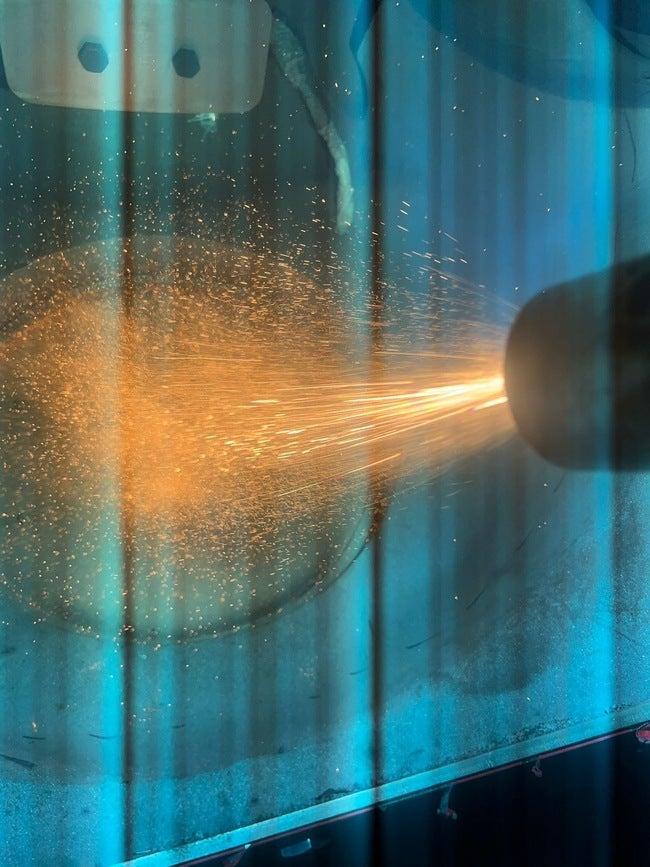
    Shock Pulse Technology enhances boiler thermal efficiency and waste heat recovery, enabling facilities to operate more cleanly and sustainably while lowering fuel consumption. This development helps island grids reduce dependence on imported diesel and coal, which have traditionally formed the backbone of off-grid island power.

    Moreover, by improving boiler performance, operators can better balance electricity supply from hybrid renewable energy systems—such as solar, wind, and battery storage—with conventional generation, helping enable a stable, reliable island microgrid operation.

    Clean Energy as a Scalable Alternative to Diesel for Island Grids

    Many island nations today struggle with high electricity costs, frequent outages, and environmental impacts linked to conventional power plants. Diesel replacement for islands remains a pressing challenge. Innovations such as Shock Pulse Technology present a scalable path toward more efficient use of sustainable biomass, biofuels, or other renewable fuels in industrial boilers and power plants.

    By capturing waste heat and improving overall thermal conversion, this technology supports the transition to lower-carbon fuels without sacrificing plant performance or reliability. Consequently, island grids become less dependent on expensive fossil fuels while gaining operational flexibility.

    For island microgrids, where space and operational constraints often limit fuel options, improving boiler efficiency is a strategic lever. It aids in integrating multiple renewable resources, reducing greenhouse gas emissions, and advancing clean electricity for islands at scale.

    How Nawah Energies Delivers End-to-End Island Grid Solutions

    Nawah Energies is at the forefront of empowering island nations and emerging markets to harness innovative technologies like Shock Pulse Technology. As a trusted clean energy company specializing in electricity generation for islands, Nawah Energies delivers comprehensive solutions—from island grid design and renewable microgrids to advanced energy storage that reduce reliance on diesel and other fossil fuels.

    By collaborating with governments, utilities, and investors across East Africa, East Asia, Malaysia, and Pacific island nations, Nawah Energies helps deploy efficient systems that incorporate cutting-edge boiler technologies. This holistic approach ensures thermal systems within island grids operate at peak efficiency while facilitating the integration of solar, wind, and battery storage.

    As outlined on islandgrid.nawahenergies.com, Nawah Energies combines technical expertise with deep market knowledge to bring practical, cost-effective clean energy to some of the world’s most challenging off-grid island environments.

    From Renewable Resources to Reliable Power: Building Resilient Island Grids

    Resilience and reliability are paramount for island grids facing unpredictable weather, logistical constraints, and high costs of fuel imports. Shock Pulse Technology’s ability to improve boiler performance by maximizing thermal utilization directly supports economic and environmental sustainability.

    Complementing renewable energy sources, efficient boilers enable islands to maintain stable steam and heat supply for industrial processes or district heating, even when solar or wind generation dips. Coupled with advanced energy storage solutions, this technology strengthens decentralized island power systems, creating robust off-grid island power networks that improve energy security and quality of life.

    Ultimately, integrating advanced boiler technology is a vital piece of the broader puzzle, enabling islands to fully leverage their renewable resources and achieve long-term island energy independence.

    Key Opportunities and What Investors Should Watch

    As the electrification of island grids accelerates globally, clean energy investment in islands is poised for strong growth. Investors focused on emerging markets in East Africa, Southeast Asia, and island nations should monitor innovations like Shock Pulse Technology that dramatically improve the operational efficiency and emissions profile of existing generation infrastructure.

    Investing in advanced boiler performance aligns with broader sustainability goals and complements the rising deployment of solar, wind, and battery storage in hybrid systems. These combined solutions directly reduce diesel consumption, cut carbon emissions, and expand renewable penetration—critical factors for long-term project viability.

    Nawah Energies’ expertise in developing tailored island grid solutions positions it uniquely to connect investors, governments, and technology providers with actionable opportunities. Investing alongside companies like Nawah Energies unlocks the potential of sustainable fuel utilization and waste heat recovery, carving new pathways towards cleaner and more resilient island electricity generation.


    Partner with Nawah Energies for Clean Energy and Island Electricity Generation Solutions

    Explore how Nawah Energies’ innovative approach to island grid design, renewable microgrids, and energy storage is transforming the future of clean electricity for islands. Visit https://islandgrid.nawahenergies.com/ to learn more about our projects and services that help island nations and emerging markets transition away from costly fossil fuels.

    Stay connected with Nawah Energies for the latest insights on island clean energy, electricity generation for islands, and sustainable energy solutions across East Africa, East Asia, Malaysia, and island nations.

    If you are a government, utility, business, distributor, energy developer, or investor seeking to accelerate the transition to reliable, affordable, and sustainable island power, we invite you to connect with us directly and start the conversation. Nawah Energies is ready to be your trusted partner in building a cleaner, greener energy future.

  • Why Prime Movers’ Reliability Is Critical to Power Uptime in Island Electricity Generation

    Why Prime Movers’ Reliability Is Critical to Power Uptime in Island Electricity Generation

    Discover why reliable prime movers are essential for uninterrupted power in remote island grids. Nawah Energies leads in electricity generation for islands and resilient clean energy investment in islands.

    The Big Picture: Why This Island Clean Energy News Matters

    In an era where energy demands continue to increase globally, particularly with technological advancements such as artificial intelligence (AI), the stability and reliability of power sources have never been more critical. A recent analysis highlights how prime movers—the engines that drive power generation—are fundamental components affecting power uptime. This issue resonates strongly with island nations and remote communities, where power interruptions can have severe consequences on daily life and economic activity.

    By 2030, data centres globally are projected to more than double their electricity consumption, driven largely by AI-optimized servers that can use up to 10 times the energy of traditional computing systems. This surge in demand underscores the necessity of dependable prime movers within energy infrastructure to avoid costly downtime and maintain stable power provision, especially in isolated locations.

    For islands, where energy systems frequently rely on smaller, localized grids, the reliability of generating equipment like prime movers is imperative to protect against outages and maintain consistent delivery of clean electricity. Nawah Energies understands this challenge and applies decades of expertise to enhance island microgrid resilience and off-grid island power solutions worldwide.

    How This Trend Is Shaping the Future of Electricity Generation for Islands

    The global surge in electrification needs, compounded by digital transformation and new industries such as AI-heavy data centers, is pushing island energy infrastructure to adapt quickly. Islands have traditionally depended on diesel generators and other prime mover-driven systems to ensure continuous power. However, the traditional infrastructure often faces maintenance challenges and fuel supply limitations that jeopardize uptime.

    Modern island grid designs increasingly integrate hybrid renewable energy systems—solar, wind, and energy storage—with high-reliability prime movers adapted for island conditions. This approach ensures both efficiency and sustainability while addressing the growing power consumption needs fueled by AI and ICT (information and communication technology) expansions.

    Prime movers’ reliability directly influences the operational stability of these hybrid systems. Downtime due to mechanical failure or inadequate maintenance can cascade into critical outages, affecting island homes, industries, hospitals, and communications. Improving prime mover performance by leveraging innovative technologies and predictive maintenance is becoming a cornerstone in the transition to renewable energy for islands.

    Clean Energy as a Scalable Alternative to Diesel for Island Grids

    Diesel generators have been the backbone of diesel replacement for islands efforts because they traditionally provide reliable burst power and frequency control. Nevertheless, diesel’s environmental impact, high operating costs, and reliance on fuel shipments pose severe limitations for isolated locations.

    By improving the reliability of prime movers within hybrid systems, islands can gradually accelerate integration of clean energy sources and reduce fossil fuel dependence. Emerging technologies, such as efficient gas engines and biofuel-capable prime movers, offer improved uptime and cleaner operations.

    Combining these with solar photovoltaics and wind turbines enhances system resilience and energy sovereignty, reducing costly interruptions. As renewable penetration increases, sophisticated control systems and energy storage buffer power fluctuations, allowing prime movers to operate optimally without overloads or sudden failures.

    How Nawah Energies Delivers End-to-End Island Grid Solutions

    Nawah Energies is at the forefront of delivering customized solutions that combine cutting-edge prime mover technology with advanced renewable integration tailored for island environments. By focusing on holistic clean electricity for islands, Nawah Energies helps governments, utilities, and private investors overcome traditional energy challenges.

    The company’s expertise includes detailed system design, equipment selection, and maintenance protocols that prioritize reliability and uptime. Nawah Energies also facilitates clean energy investment in islands, accelerating financial viability for projects in East Africa, East Asia, Malaysia, and island nations.

    By managing the entire process from initial feasibility studies to commissioning and ongoing operations, Nawah Energies ensures that the reliability of prime movers and complementary renewable systems translate into uninterrupted, clean power delivery for island communities.

    From Renewable Resources to Reliable Power: Building Resilient Island Grids

    Transitioning island energy systems requires not only adopting renewable resources but also ensuring infrastructure resilience and operational continuity. Prime movers remain a critical component because they provide essential inertia, spinning reserves, and grid stability.

    Integrating energy storage systems and advanced control strategies with reliable prime movers allows island grids to operate smoothly even under fluctuating generation conditions. This integration supports load balancing and frequency regulation while minimizing generation downtime and fuel consumption.

    The importance of high-quality equipment and robust service agreements cannot be overstated. Nawah Energies’ experience in deploying and maintaining island microgrid solutions demonstrates how focusing on component reliability underpins the broader goals of island energy independence and sustainable growth.

    Key Opportunities and What Investors Should Watch

    Investors looking to enter the island energy market should prioritize projects that value prime mover reliability alongside renewable integration. Technological advances in prime movers offer opportunities for increased efficiency, longer service intervals, and seamless integration with digital monitoring tools.

    Regions such as East Africa, East Asia, Malaysia, and island nations represent vibrant emerging markets for off-grid island power and remote island electrification. These areas benefit greatly from solutions that reduce downtime and operating costs, thus enhancing energy access and economic development.

    Investments in infrastructure that improve prime mover reliability, combined with renewable energy and energy storage, are essential strategies. Nawah Energies stands ready to assist investors with market insights, project feasibility, and turnkey delivery to maximize returns and social impact.


    Partner with Nawah Energies for Clean Energy and Reliable Island Electricity Generation

    Explore how Nawah Energies can help you build resilient and sustainable island microgrid and electricity generation for islands projects. Visit https://islandgrid.nawahenergies.com/ to learn about our full suite of services and solutions designed for island energy independence.

    As a trusted leader in the clean energy sector, Nawah Energies also offers expertise through its parent site https://nawahenergies.com/. We invite governments, utilities, businesses, developers, and investors across East Africa, East Asia, Malaysia, and island nations to connect with us for tailored consulting, project development, and investment support.

    Stay connected with Nawah Energies for the latest insights on clean energy investment in islands, off-grid island power, and robust island electricity solutions that empower emerging markets and island communities with reliable, sustainable energy.

  • Cuba’s First Biomethane Plant: A Breakthrough for Island Clean Energy and Electricity Generation

    Discover how Cuba’s inaugural biomethane plant is advancing renewable energy for islands, highlighting Nawah Energies’ role in driving clean electricity generation for island grids.

    The Big Picture: Why This Island Clean Energy News Matters

    In April 2026, Cuba Petroleo (Cupet) announced a significant milestone in the nation’s energy transition: the completion of the final assembly and production phase of Cuba’s first biomethane plant, located in Martí, Matanzas province. This pioneering facility aims to produce renewable biomethane fuel to power buses and generate electricity, marking a major step towards clean energy investment in islands.

    For island nations and emerging markets alike, Cuba’s biomethane project illustrates a growing global trend towards replacing fossil fuels with sustainable, renewable alternatives tailored to remote or isolated power systems. Its integration of locally sourced organic waste into a renewable fuel aligns with the urgent need for renewable energy for islands, reducing dependence on imported diesel and supporting cleaner, reliable electricity generation.

    How This Trend Is Shaping the Future of Electricity Generation for Islands

    Island grids have long relied on diesel generators, which are costly, polluting, and vulnerable to supply disruptions. As global emissions targets tighten and the economics of renewables improve, island microgrids are embracing diverse, locally available resources to boost resilience and sustainability.

    Biomethane, derived from organic waste through anaerobic digestion and upgrading, presents a compelling alternative. It can be used in existing natural gas infrastructure or converted for use as a vehicle fuel. Cuba’s biomethane plant not only supports clean electricity generation but also introduces diesel replacement for islands in public transport, reducing urban air pollution and fossil fuel consumption.

    This approach complements ongoing investments in solar and wind hybrid systems, offering dispatchable power solutions critical for stable island microgrid operation. Cuba’s project highlights the expanding toolkit for off-grid island power innovators fulfilling local energy needs sustainably and economically.

    Clean Energy as a Scalable Alternative to Diesel for Island Grids

    One of the most pressing challenges for island energy systems is overcoming the high operational costs and carbon footprint of diesel generation. The Cuban biomethane plant tackles this head-on by converting agricultural and organic waste into a low-carbon, renewable fuel suitable for buses and power generation.

    This project exemplifies the scale and impact possible with integrated renewable systems. Biomethane’s higher energy density compared to battery storage and ability to leverage existing gas engines or bus fleets makes it a viable complement to solar and wind.

    By utilizing locally sourced feedstocks, Cuba is progressing towards greater island energy independence. This contributes to job creation, waste management improvements, and reduced diesel imports, setting a model for other island nations seeking diversified renewable energy options that address local conditions and infrastructure realities.

    How Nawah Energies Delivers End-to-End Island Grid Solutions

    As a trusted clean energy company, Nawah Energies specializes in comprehensive solutions for electricity generation for islands. This includes designing robust island grid architectures, integrating renewable energy sources, and providing energy storage systems that ensure reliability and minimize fossil fuel dependence.

    Nawah Energies brings expertise in hybrid systems that combine solar, wind, and biomethane or biogas technologies, offering island nations customized pathways from conventional carbon-intensive fuel use towards sustainable energy futures.

    Our proven track record in East Africa, Southeast Asia, and island nations demonstrates how cutting-edge renewable technologies can transform remote and off-grid power systems. By partnering with stakeholders from government to utilities and investors, Nawah Energies ensures projects are economically viable, environmentally responsible, and socially impactful, driving the energy transition forward.

    From Renewable Resources to Reliable Power: Building Resilient Island Grids

    Island electrification requires more than just sourcing renewable fuels; stability, scalability, and integration into existing infrastructure are pivotal for success. Cuba’s biomethane plant is a case study in converting waste into a stable fuel feedstock that augments the island’s grid resilience.

    The synergy between biomethane and intermittent renewables like solar and wind—combined with energy storage solutions—creates a balanced and reliable island microgrid. This approach mitigates the intermittency challenges of solar and wind, providing round-the-clock clean electricity and transportation fuels.

    Moreover, improving waste management through biomethane production addresses environmental sustainability on multiple fronts. This model supports circular economy principles critical for island nations and other emerging markets aiming for carbon neutrality and energy security.

    Key Opportunities and What Investors Should Watch

    Investors eyeing clean energy projects in island and emerging markets should consider the growing importance of multifuel renewable ecosystems. Biomethane offers an exciting pathway for diesel replacement for islands as part of integrated clean electricity for islands.

    With Cuba leading in biomethane adoption, similar island nations in the Caribbean, Pacific, and around East Africa are primed to replicate and scale such successes. Opportunities abound in feedstock collection, plant development, offtake arrangements for bus fleets, and grid integration.

    Projects like these align with global funders prioritizing decarbonization and sustainable energy access, increasing the pool of capital available to forward-looking energy ventures. Monitoring the expansion of biomethane pathways alongside solar, wind, and energy storage will be essential for investors and policymakers seeking resilient, cost-effective island electrification.

    Governments, developers, and financiers who engage early with a trusted partner like Nawah Energies can capitalize on these emerging trends. Nawah Energies combines deep local market knowledge with advanced technical expertise, facilitating smooth project execution and scalable, long-term impacts.


    Partner with Nawah Energies for Clean Energy and Electricity Generation Solutions for Islands

    Explore Nawah Energies’ industry-leading expertise in island grid design, renewable microgrids, and integrated solutions replacing fossil fuels with sustainable power at https://islandgrid.nawahenergies.com/. As a trusted partner, Nawah Energies supports governments, utilities, investors, and businesses across East Africa, East Asia, Malaysia, and island nations in realizing their clean energy ambitions.

    Visit https://nawahenergies.com/ to learn about our broader clean energy consulting and corporate solutions. Follow Nawah Energies for ongoing insights on island clean energy projects, electricity generation innovations, and market trends shaping the future of renewable energy for islands.

    If you are a government agency, utility, energy developer, investor, or business seeking to transition to reliable, affordable, and environmentally friendly power solutions, connect with Nawah Energies today. Together, we can build resilient, sustainable, and energy-independent island power systems that support economic growth and climate goals.

  • Cuba’s First Biomethane Plant: A New Era for Renewable Energy and Island Electricity Generation

    Cuba’s First Biomethane Plant: A New Era for Renewable Energy and Island Electricity Generation

    Discover how Cuba’s pioneering biomethane plant accelerates renewable energy for islands and offers new pathways for clean electricity generation. Learn how Nawah Energies supports island grids and sustainable fuel transitions.

    The Big Picture: Why This Island Clean Energy News Matters

    In April 2026, Cuba’s state-owned company Cuba Petroleo (Cupet) announced major progress on the country’s first biomethane plant in Martí, Matanzas province. This project is set to produce biomethane — a renewable, low-emission fuel — to power public buses and generate electricity, marking a significant milestone for the Caribbean island’s clean energy ambitions.

    Biomethane, derived from organic waste through anaerobic digestion, offers islands a sustainable alternative to diesel and fossil fuels. As island nations like Cuba face increasing energy and environmental challenges, projects like this showcase the potential of island microgrids fuelled by bioenergy and renewables. It is an important example of how island electricity generation can move beyond traditional fossil fuels.

    Cupet’s biomethane plant project also exemplifies how governments are embracing innovative solutions for diesel replacement for islands, supporting sustainability goals and energy independence. This development in Cuba mirrors global trends in enhancing energy security and reducing carbon footprints through cleaner fuels.

    How This Trend Is Shaping the Future of Electricity Generation for Islands

    The shift towards clean electricity for islands is accelerating worldwide as island governments prioritize decarbonization, cost savings, and resilience. Renewable fuels like biomethane complement solar, wind, and energy storage solutions, helping islands reduce reliance on expensive imported diesel and fossil fuels.

    Biomethane plants, powered by local organic waste resources, reduce waste management issues while creating a renewable energy source perfectly suited for island applications. This circular approach is gaining traction in island microgrids, where flexible, distributed clean energy systems are vital for reliable supply.

    Experiences from Cuba’s pioneering project reinforce that combining biomethane with other renewables enhances grid stability and provides transportation fuel alternatives. Together with solar and wind hybrid systems, biomethane integration is poised to become a cornerstone of island energy portfolios in the Caribbean, the Pacific, and beyond.

    Clean Energy as a Scalable Alternative to Diesel for Island Grids

    Diesel has long powered many islands, but its volatility in price, environmental impact, and logistical challenges compromise energy security and sustainability. Transitioning to diverse off-grid island power sources is imperative for island economies to thrive.

    Biomethane provides a technically feasible, scalable diesel alternative. Its compatibility with existing internal combustion engines means buses and generators can be retrofitted or designed to run on this renewable fuel, reducing greenhouse gas emissions and local pollution.

    For electricity generation, biomethane-powered generators and microturbines offer steady, dispatchable power — a critical complement to variable solar and wind generation on islands. This balance helps maintain reliability and lowers fossil fuel dependency.

    Furthermore, using locally sourced feedstock ensures economic benefits remain within island communities, driving job creation, improving waste management systems, and promoting island energy independence.

    How Nawah Energies Delivers End-to-End Island Grid Solutions

    Nawah Energies stands at the forefront of the island clean energy transition. As a trusted expert in electricity generation for islands, Nawah Energies provides comprehensive services spanning island grid design, renewable microgrids, and energy storage integration.

    By collaborating with governments, utilities, and investors across East Africa, East Asia, Malaysia, and island nations worldwide, Nawah Energies supports tailored strategies to replace diesel-based systems with sustainable alternatives like biomethane and solar-wind hybrids. This approach ensures energy security, cost-effectiveness, and environmental benefits.

    With deep experience navigating the unique technical and regulatory landscapes of islands, Nawah Energies offers end-to-end project development – from feasibility studies and engineering design to financing and operational management.

    Such holistic involvement accelerates deployment and optimizes the performance of island microgrids, enabling partners to capitalize on new technologies like biomethane as part of diversified, resilient renewable energy portfolios.

    From Renewable Resources to Reliable Power: Building Resilient Island Grids

    Resilient island grids depend on intelligent integration of multiple renewable energy sources and storage solutions tailored to local conditions. Biomethane plants add a dependable bioenergy component, improving system flexibility and minimizing intermittency concerns.

    Cuba’s Martí facility exemplifies how leveraging domestic organic waste to produce renewable fuel aligns with island sustainability goals. This model can be replicated in numerous island contexts globally, adapting feedstock options, grid configurations, and energy end-uses.

    Nawah Energies champions such integrated approaches, incorporating remote island electrification projects that marry solar, wind, energy storage, and biofuels like biomethane to create dependable, affordable clean energy systems suited to island environments.

    This convergence of technologies and local resources underpins energy resilience, reduces environmental footprints, and fosters socioeconomic advancement.

    Key Opportunities and What Investors Should Watch

    Investors and stakeholders engaging with clean energy investment in islands should closely monitor emergent bioenergy projects like Cuba’s biomethane plant. These initiatives signal viable pathways to reduce diesel dependency and enhance energy transition resilience.

    Scaling biomethane production across island microgrids can unlock new revenue streams from transportation fuel and electricity generation. Moreover, recognizing the symbiosis with solar-wind hybrid systems and energy storage indicates diversified portfolios are key to long-term success.

    Governments and utilities must prioritize policies fostering biofuel adoption, organic waste management improvements, and technical capacity building to accelerate these clean energy shifts effectively.

    Nawah Energies remains committed to enabling investors, developers, and energy leaders to capitalize on these opportunities. By providing strategic consulting, project development expertise, and operational support, Nawah Energies mitigates risks and enhances returns in the island clean energy sector.

    Businesses and investors can learn more about Nawah Energies’ work supporting island electricity generation and microgrids via islandgrid.nawahenergies.com. This resource offers insights into partnerships and solutions accelerating the transition to cleaner, more resilient island power systems.


    Partner with Nawah Energies for Clean Energy and Island Electricity Generation Solutions

    Visit islandgrid.nawahenergies.com to explore Nawah Energies’ comprehensive island grid services, microgrid projects, and renewable energy solutions designed for island nations and emerging markets.

    Stay connected with Nawah Energies for the latest insights on electricity generation for islands, clean energy investment, and innovative microgrid technologies across East Africa, East Asia, Malaysia, and island nations.

    If you are a government agency, utility, business, distributor, energy developer, or investor seeking to transition from diesel or fossil fuels to reliable, sustainable island energy, we invite you to connect with Nawah Energies. Together, we can develop and deploy clean, affordable, and resilient energy solutions that power island communities today and into the future.