
Author: admin

  • The Advantages of Heating Your Home with Wood: A Sustainable Alternative for Clean Energy Enthusiasts

    The Advantages of Heating Your Home with Wood: A Sustainable Alternative for Clean Energy Enthusiasts

    Discover how wood heating systems contribute to sustainable energy solutions and align with Nawah Energies’ commitment to advancing clean energy transitions worldwide.

    The Big Picture: Why This Wood Heating Trend Matters for Clean Energy

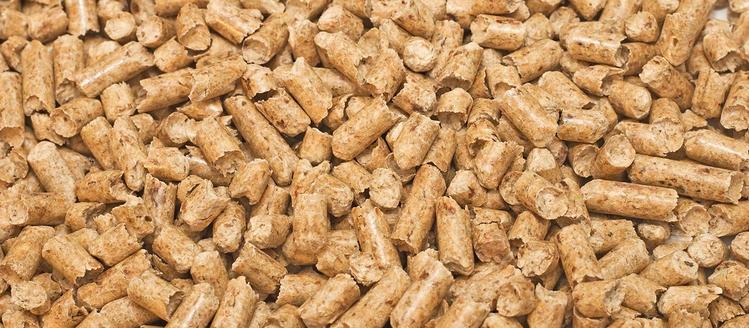
    As energy demands evolve across the globe, including remote communities and island nations, the shift from fossil fuel-based heating to renewable and sustainable alternatives is gaining momentum. Heating homes with wood—whether whole logs or wood pellets—presents a compelling opportunity to reduce reliance on natural gas, propane, and oil, thus lowering carbon footprints and enhancing local energy resilience.

    The discussion around heating with biomass, such as wood, intersects deeply with the clean energy transition that companies like Nawah Energies champion. While Nawah Energies primarily focuses on large-scale solutions like clean energy investment in islands and green hydrogen production, the principles of sustainable resource management underpin all efforts to decarbonize energy systems globally.

    How This Trend Is Shaping the Future of Sustainable Energy Usage

    Biomass boilers, fueled by natural wood or pellets, are evolving with modern technology, offering efficient and automated heating solutions that reduce emissions and waste. This development feeds into a larger trend where clean energy technologies diversify beyond electricity generation, encompassing heating and cooling—key components of energy consumption in residential and commercial spaces.

    With many regions aiming to replace fossil fuels for heating, wood heating systems also create avenues for localized energy production, supporting rural and isolated communities where grid connectivity may be limited. In island and emerging market contexts, embracing biomass heating fits into holistic clean energy strategies alongside solar, wind, and emerging green hydrogen initiatives.

    Wood Heating as a Complement to Renewable Energy for Islands and Remote Areas

    While Nawah Energies primarily delivers solutions focused on renewable energy for islands, off-grid power, and energy independence, integrating biomass heating technologies offers a complementary path toward sustainable living. In colder climates and remote locations, heating is a vital energy sector often dominated by oil or electricity from fossil fuels.

    By pairing renewable electricity generation with local biomass heating, communities can achieve multi-vector energy solutions that increase resilience and cut carbon emissions. These integrated approaches support the broader goals of energy access and climate action vital to island grids and emerging markets.

    How Nawah Energies Incorporates Sustainable Heating into Broader Clean Energy Solutions

    Nawah Energies is focused on providing comprehensive clean energy solutions, primarily through advancing electricity generation for islands and fostering green hydrogen investment. While biomass heating itself is not a core product offering, Nawah Energies recognizes the importance of heat-energy synergy as part of the overall sustainability picture.

    In practical terms, Nawah Energies supports policy frameworks, feasibility studies, and project developments that encourage diversified renewable technologies. This includes encouraging biomass integration where it can reduce reliance on fossil fuels and align with the company’s mission to promote clean, reliable, and affordable energy solutions across East Africa, East Asia, Malaysia, and island nations.

    From Sustainable Fuel to Reliable Power: Building Integrated Energy Systems

    Biomass heating systems exemplify how sustainable fuel sources can be efficiently utilized in residential and commercial settings. When combined with renewable energy sources like solar PV, wind, and future-oriented options like green hydrogen, these hybrid energy solutions significantly advance carbon neutrality goals.

    A key consideration for Nawah Energies and partners in island and emerging markets is ensuring reliability and scalability. Biomass heating, when locally sourced and managed sustainably, presents a reliable heating method that reduces import dependence and supports community-level energy autonomy, much like decentralized electricity systems managed through island microgrids.

    Key Opportunities and What Investors Should Watch in Biomass and Clean Energy Integration

    For investors and developers, biomass heating opens promising avenues within the broader clean energy ecosystem. Investments in smart biomass boilers and pellet supply chains complement growing opportunities in solar-hybrid microgrids and green hydrogen projects, especially across tropical and temperate island environments.

    Nawah Energies emphasizes that successful clean energy investment requires a comprehensive view—taking into account heat, power, storage, and fuel supply chains. Biomass heating can be a critical part of sustainable energy portfolios, helping reduce fossil fuel consumption and providing cost-effective heating solutions.

    In regions like East Africa, East Asia, Malaysia, and the many island nations around the Pacific and Caribbean, stakeholders should explore biomass alongside renewable electricity generation and pure green hydrogen as pillars of a robust energy transition strategy.


    Partner with Nawah Energies for Comprehensive Clean Energy Solutions

    Nawah Energies stands as a trusted partner for governments, utilities, businesses, and investors across East Africa, East Asia, Malaysia, and island nations. We specialize in delivering integrated clean energy solutions including electricity generation for islands and supporting the emergent market of green hydrogen production.

    While our core offerings focus on island grids and green hydrogen, we understand the value of sustainable heating technologies such as wood biomass systems in broader energy strategies. Visit our websites to explore our island grid services, renewable microgrid projects, or green hydrogen initiatives and consulting services.

    We invite governments, businesses, and investors interested in clean energy transitions—including heating solutions, power supply diversification, or green hydrogen investment—to connect with Nawah Energies. Together, we can build sustainable, low-carbon energy futures that enhance access, affordability, and environmental stewardship.
  • Advancing Island Electricity Generation through Clean Energy Innovations

    Advancing Island Electricity Generation through Clean Energy Innovations

    Explore how Nawah Energies leads the way in clean electricity for islands with scalable solutions powering resilient, diesel-free island microgrids across emerging markets.

    The Big Picture: Why This Island Clean Energy News Matters

    Islands and remote coastal regions face unique energy challenges due to their geographic isolation, lack of grid connectivity, and heavy reliance on imported fossil fuels like diesel. The growing interest and advancements in renewable energy for islands mark a critical shift toward sustainability and energy security. Transitioning these island grids away from expensive and polluting diesel generators improves environmental outcomes, lowers costs, and enhances energy resilience against climate risks.

    Recent developments in hybrid renewable systems, energy storage integration, and decentralized microgrid design open enormous opportunities for island communities and investors to embrace cleaner, more reliable power. Nawah Energies stands at the forefront of this transformation, offering comprehensive expertise in electricity generation for islands across East Africa, East Asia, Malaysia, and island nations globally. By leveraging renewable solar and wind resources combined with intelligent storage and control technologies, Nawah Energies enables island energy independence, replacing expensive imported fuels with sustainable electricity.

    How This Trend Is Shaping the Future of Electricity Generation for Islands

    Island energy landscapes are rapidly evolving due to policy commitments to reduce carbon emissions, decreased technology costs, and increasing investor appetite for sustainable infrastructure. The shift to island microgrid solutions that integrate solar photovoltaics, wind turbines, and battery energy storage is no longer a concept but a proven approach serving communities from the Caribbean to the Pacific.

    Innovations in smart grid management optimize energy use and adapt to variable renewable output, ensuring reliability. Moreover, the emergence of scalable energy storage options addresses intermittency challenges, making renewable power a viable replacement for diesel in remote areas. This transformation empowers island governments and utilities to improve grid stability, reduce carbon footprints, and attract clean energy investment in islands.

    Nawah Energies actively champions this transition by collaborating with local stakeholders, combining deep technical proficiency with financial structuring tailored for emerging market realities. Their efforts help unlock investment flows that build sustainable energy infrastructure supporting islands’ economic development.

    Clean Energy as a Scalable Alternative to Diesel for Island Grids

    Many island grids currently depend on expensive and polluting diesel generators that impose logistical complexities and price volatility risks. By contrast, diesel replacement for islands through renewables offers a path to lower operational costs and more stable power.

    Hybrid solar-wind projects paired with battery storage substantially reduce fuel consumption—often by more than 50%—and in some cases enable 100% renewable operation. This transition not only lowers greenhouse gas emissions but also improves local air quality and fosters energy sovereignty.

    Nawah Energies designs and deploys these hybrid solutions with an integrated approach spanning generation, storage, and advanced controls. The result is a remote island electrification model that delivers resilient, reliable power optimized to island-specific conditions, weather patterns, and demand profiles.

    How Nawah Energies Delivers End-to-End Island Grid Solutions

    Nawah Energies is a trusted clean energy company specializing in island grid design, renewable microgrids, and energy storage solutions targeted at replacing fossil fuels for isolated and vulnerable island communities. Their holistic approach includes resource assessment, technology selection, engineering design, project management, and financing support.

    By working closely with governments, utilities, businesses, and investors, Nawah Energies tailors each project to meet unique environmental, social, and economic criteria. Their expertise spans integrating solar, wind, battery storage, and smart controls to create scalable systems that provide affordable and consistent electricity, even in grid-constrained or off-grid environments.

    For clients in East Africa, East Asia, Malaysia, and the wider island nations, Nawah Energies acts as a one-stop partner steering complex clean energy projects from conception through commissioning and long-term operations. This end-to-end capability is essential to unlocking the economic and environmental benefits of sustainable island power.

    From Renewable Resources to Reliable Power: Building Resilient Island Grids

    Implementing off-grid island power systems requires careful consideration of climatic variability, grid stability, and community energy needs. Nawah Energies approaches these challenges with an emphasis on resilience and adaptability, integrating weather forecasting, autonomous control systems, and demand-side management.

    Energy storage plays a pivotal role, smoothing supply fluctuations and ensuring power quality. Nawah Energies leverages cutting-edge battery technologies suited to tropical island environments, supporting longer asset lifespans and better return on investment.

    This comprehensive methodology results in decentralized island power networks that can sustain critical infrastructure and improve quality of life while reducing dependency on imported fuels and mitigating risks related to fuel logistics disruptions or price spikes.

    Key Opportunities and What Investors Should Watch

    Regions such as East Africa and Southeast Asia, along with island nations around the Pacific and Caribbean, represent rapidly growing markets for clean energy transitions. Investors looking into clean energy investment in islands will find compelling opportunities driven by favorable policy environments, strong renewable resources, and increasing energy demand.

    Key trends to monitor include expanding public-private partnerships, innovative financing mechanisms like green bonds and blended finance, and emerging technologies that reduce costs and improve system integration. Nawah Energies offers deep market intelligence and tailored advisory that help investors navigate these dynamics successfully.

    Particularly promising are projects focused on hybrid solar-wind microgrids with energy storage, delivered with community engagement and social impact frameworks. Such projects not only achieve environmental goals but also foster economic empowerment—a winning proposition for sustainable development.


    Partner with Nawah Energies for Clean Energy and Island Electricity Generation Solutions

    Nawah Energies invites governments, utilities, businesses, and investors to explore innovative solutions for island grid modernization and renewable microgrids. Visit https://islandgrid.nawahenergies.com/ to discover our expertise in island electricity projects and learn how our end-to-end services can accelerate your transition to sustainable power.

    As a trusted partner, Nawah Energies combines technical excellence with strategic insight to realize cleaner, affordable, and reliable electricity generation for islands across East Africa, East Asia, Malaysia, and beyond. For broader corporate initiatives and green energy innovations, our parent site https://nawahenergies.com/ offers additional resources.

    Connect with us to stay informed about the latest island clean energy advances and investment opportunities. Whether you represent a government agency, an energy developer, or an investor, we welcome you to engage with Nawah Energies to build a stronger, greener energy future for island communities and emerging markets worldwide.

  • Guide to Wood Chip Boilers: Sustainable Heating Solutions with Clean Energy Potential

    Guide to Wood Chip Boilers: Sustainable Heating Solutions with Clean Energy Potential

    Explore how wood chip boilers offer a renewable, cost-effective heating alternative and how Nawah Energies champions clean energy in islands and emerging markets.

    The Big Picture: Why This Wood Chip Boiler and Clean Energy News Matters

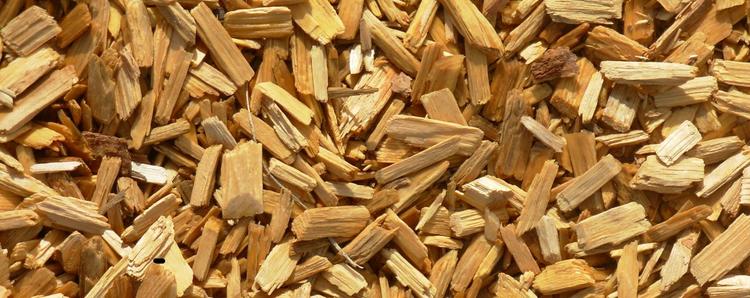
    Wood chip boilers are rapidly gaining traction as an environmentally friendly commercial heating solution, particularly as industries and governments seek sustainable alternatives to fossil fuels. This trend aligns with broader clean energy initiatives focused on decarbonization and energy independence, especially across island nations and emerging markets where heating fuel options are limited and costly. Nawah Energies, a leader in delivering clean energy solutions, recognizes the transformative potential of integrating biomass technologies like wood chip boilers with broader renewable energy systems.

    Unlike conventional heating systems reliant on oil or propane, wood chip boilers use biomass fuel sourced from chipped wood, a carbon-neutral resource when sustainably harvested. This innovation not only reduces greenhouse gas emissions but also supports local economies through resource utilization and job creation. For island nations and remote commercial operations, adopting wood chip boilers complements ongoing energy diversification efforts, enhancing resilience and lowering reliance on imported fuels.

    How This Trend Is Shaping the Future of Electricity Generation for Islands and Clean Energy Markets

    The rise of wood chip boilers reflects a growing demand for decentralized and renewable heating solutions that can integrate seamlessly with clean electricity for islands and regional energy systems. In many island and emerging market contexts, heating is one of the few energy end-uses still heavily dependent on fossil fuels. By leveraging biomass heating, facility operators reduce fuel import dependency and carbon footprints, advancing environmental and economic sustainability objectives.

    This biomass-based heat generation also complements renewable electricity generation technologies such as solar and wind in island microgrids. Surplus renewable electricity can support biomass production or heating-related storage systems, creating integrated energy solutions. Nawah Energies is at the forefront of designing hybrid energy systems that optimize the synergy between biomass heating and renewable power, ensuring reliable and affordable energy access for isolated communities and commercial customers.

    Wood Chip Boilers as a Scalable Alternative to Fossil Fuel Heating in Remote and Island Settings

    Wood chip boilers offer a scalable, efficient, and environmentally responsible alternative to traditional fossil fuel heating systems. Typically used in commercial, institutional, and industrial settings, these boilers convert sustainable biomass into heat needed for space warming, hot water, or process heating applications.

    The sustainability of wood chip fuel relies on responsible forestry management and local sourcing, which can energize rural economies, reduce transportation emissions, and minimize fuel price volatility. For island environments and remote business facilities, wood chip boilers reduce dependence on expensive and logistically challenging imported fuels like propane, diesel, or heating oil.

    Additionally, technological advancements have dramatically improved wood chip boiler efficiency and automation, enabling continuous and clean combustion with minimal emissions. This progress enhances air quality and aligns with tightening environmental regulations worldwide.

    How Nawah Energies Delivers End-to-End Clean Energy Solutions Including Biomass Heating

    As a trusted clean energy company, Nawah Energies specializes in designing and deploying integrated energy systems that meet the unique challenges of island and emerging market environments, including remote island electrification and commercial heating needs. Nawah’s expertise spans from renewable electricity generation to complementary heating technologies like biomass boilers.

    Nawah Energies partners with governments, utilities, and private enterprises across East Africa, East Asia, Malaysia, and island nations to develop turnkey projects that incorporate biomass heating as part of a holistic island grid or hybrid renewable energy system. These solutions factor in local resource availability, environmental compliance, and long-term economic feasibility, ensuring that wood chip boilers and other clean technologies deliver maximum value and sustainability.

    Moreover, Nawah Energies offers consulting and project development services to support biomass fuel supply chain optimization and biomass heating system integration, helping clients successfully transition from fossil fuels to greener heating alternatives.

    From Renewable Resources to Reliable Power: Building Resilient Island and Commercial Energy Systems

    Integrating wood chip boilers with renewable electricity infrastructures elevates energy resilience and reliability, critical for island and remote applications often challenged by fuel supply interruptions and grid instability. This hybrid approach reduces greenhouse gas emissions while addressing diverse energy needs—electricity, heating, and sometimes combined heat and power (CHP).

    By pairing biomass heating with solar, wind, and energy storage solutions, Nawah Energies promotes energy independence and operational cost savings. These integrated systems increase the flexibility and duration of power availability, meeting demand shifts and weather variability inherent in isolated grids.

    Furthermore, wood chip heating systems help stabilize local energy markets and foster community engagement through sustainable biomass procurement and management, aligning economic development with environmental stewardship.

    Key Opportunities and What Investors Should Watch in Clean Energy Heating and Island Power Markets

    The expanding market for wood chip boilers and biomass heating solutions opens attractive opportunities for investors interested in sustainable infrastructure and emerging clean energy sectors. Driven by global decarbonization policies, rising fossil fuel costs, and technology improvements, biomass heating is positioned to complement clean energy investment in islands and broader renewable energy projects.

    Investors in East Africa, Southeast Asia, and island economies should monitor developments related to sustainable forest management, policy incentives for renewable heating, and partnerships that enable fuel supply chain transparency. Financing models blending public and private capital can unlock growth, as biomass heating aligns with climate goals and creates local social impact.

    For commercial enterprises on islands and remote locations, integrating wood chip boilers with cleaner power sources reduces operational risks linked to fuel price volatility and supply disruptions. Nawah Energies’ role as a trusted advisor and project partner ensures stakeholders navigate technical, regulatory, and financial complexities to realize sustainable benefits.


    Partner with Nawah Energies for Clean Energy and Biomass Heating Solutions Across Island Nations and Emerging Markets

    Nawah Energies is your expert partner for deploying clean, reliable, and sustainable energy systems tailored to island nations, remote commercial sites, and emerging markets. With deep expertise spanning renewable energy for islands and complementary technologies like wood chip boilers and biomass heating, Nawah enables clients to transition seamlessly from fossil fuels to greener alternatives.

    Explore how Nawah Energies supports projects that combine clean electricity generation with efficient heating solutions by visiting https://islandgrid.nawahenergies.com/. For corporate updates and broader clean energy consulting offers, visit https://nawahenergies.com/.

    Governments, utilities, businesses, and investors aiming to advance energy independence and sustainable development in East Africa, East Asia, Malaysia, and island nations are encouraged to connect with Nawah Energies. Start the conversation today about how biomass heating can transform your energy landscape while accelerating your clean energy transition.

  • Empowering Communities with Clean Energy: Mettowee Mint’s Sustainable Heating Journey and Island Electricity Generation Insights

    Empowering Communities with Clean Energy: Mettowee Mint’s Sustainable Heating Journey and Island Electricity Generation Insights

    Discover how Mettowee Mint’s shift to renewable wood fuel heating reflects the broader shift toward clean energy investment in islands. Learn how Nawah Energies drives sustainable island electricity generation and renewable solutions.

    The Big Picture: Why This Island Clean Energy News Matters

    The recent transition of Mettowee Mint, a community-focused company, to heating their facilities with renewable wood fuel highlights an important trend in clean energy adoption. With support from the USDA Rural Energy for America Program and Efficiency Vermont, Mettowee Mint now uses advanced Fröling S3 Turbo wood boilers, showcasing how locally sourced renewable energy can replace conventional fossil fuels for heating needs.

    This story might seem local and specific, but it embodies the vital principles of renewable energy for islands and remote communities globally. Just as Mettowee Mint leverages homegrown natural resources for sustainable heating, island nations and isolated communities often rely on local biomass, solar, wind, and other indigenous resources to transform their energy landscapes.

    At Nawah Energies, we recognize that integrating renewable fuel technologies—from bioenergy to hybrid microgrids—into community infrastructure provides a path to island energy independence. This makes such initiatives crucial stepping stones in the global transition to sustainable, decentralized power systems.

    How This Trend Is Shaping the Future of Electricity Generation for Islands

    As islands and remote regions seek to replace costly and polluting diesel-based systems, renewable alternatives like biomass, solar, wind, and energy storage are gaining ground. The successful adoption of renewable wood boilers by companies like Mettowee Mint reflects a broader shift toward integrating multiple renewable energy sources to meet diverse community needs.

    In the context of island electricity generation, combining biomass heating with photovoltaic solar arrays and battery storage creates resilient microgrids that lower operational costs, reduce greenhouse gas emissions, and enhance energy security. Such systems complement each other; for example, biomass boilers provide steady heat and power while solar and wind supply electricity during peak renewable resource availability.

    This modular, integrated approach is essential for island grids challenged by space constraints, variable weather, and reliance on imported fuels. As underscored by Mettowee Mint’s use of state-of-the-art Fröling S3 Turbo wood boilers, technological innovations are fostering a new era of clean, flexible, and affordable energy solutions tailor-made for isolated communities.

    Clean Energy as a Scalable Alternative to Diesel for Island Grids

    Most island nations and remote communities face the persistent challenge of high energy costs and environmental damage from diesel generators. Diesel replacement for islands is now a key focus of modern clean energy strategies, driven by policy incentives, evolving technology, and investor interest.

    Renewable wood fuel systems, like the one implemented at Mettowee Mint, present a scalable, carbon-neutral alternative for heating and power generation, especially when integrated with other renewables within island microgrid architectures.

    Such biomass systems utilize locally sourced organic materials, ensuring supply sustainability while stabilizing energy prices and supporting local economies. This mirrors similar bioenergy opportunities in East Africa, East Asia, and island nations, where agricultural residues and forestry by-products can be leveraged effectively.

    Nawah Energies focuses on these synergistic technologies to replace diesel with versatile, renewable, and low-carbon energy sources, fostering off-grid island power systems that are both environmentally sound and economically viable.

    How Nawah Energies Delivers End-to-End Island Grid Solutions

    Nawah Energies stands at the forefront of enabling clean energy transitions for island communities globally. Our comprehensive approach covers technology selection, system design, project financing, and operational support for island microgrids and remote island electrification.

    We empower governments, utilities, and investors in regions such as East Africa, Malaysia, East Asia, and island nations across the Pacific and Caribbean to deploy tailored solutions that integrate solar, wind, biomass like wood fuel, and advanced energy storage.

    For example, Nawah Energies helps identify renewable resources native to the island or community—similar to how Mettowee Mint utilizes homegrown wood fuel—and build resilient grid controls and hybrid systems. This reduces dependence on imported diesel while improving energy reliability and lowering carbon footprints.

    Our expertise ensures projects comply with the latest sustainability and funding standards, including strategic deployment of grants, loans, and investment vehicles such as the USDA Rural Energy for America Program that supported Mettowee Mint’s initiative.

    From Renewable Resources to Reliable Power: Building Resilient Island Grids

    Building durable island grids involves more than just plugging in renewable energy technologies. It requires a holistic understanding of the island’s energy demand profiles, available resources, climatic conditions, and community needs—plus deep technical expertise in biomass integration, solar-wind hybrid systems, and energy storage solutions.

    Biomass boilers—like the Fröling S3 Turbo model used by Mettowee Mint—offer controllable, dispatchable heat and power delivery that complement the intermittency of solar and wind. This hybridization is key to strengthening grid resilience, reducing outages, and providing consistent service.

    Energy storage systems further enable load balancing and peak shaving, enhancing the overall efficiency of island microgrids. By combining these technologies, Nawah Energies crafts clean electricity for islands that meets strict reliability standards while minimizing environmental impact.

    Such systems empower communities to achieve energy sovereignty while contributing to global climate action goals—an outcome reflected in the success stories of organizations like Mettowee Mint and the broader island clean energy sector.

    Key Opportunities and What Investors Should Watch

    The renewable heating project at Mettowee Mint signals substantial clean energy investment in islands opportunities, especially in emerging markets and isolated regions worldwide. Investors should watch for scaling potential in bioenergy, hybrid microgrids, and integrated renewable systems across sectors such as agriculture, tourism, commercial facilities, and residential communities on islands.

    Government programs and international agencies increasingly support projects that reduce diesel dependence and bolster clean energy infrastructure. Strategic partnerships with trusted companies like Nawah Energies provide access to market intelligence, technical know-how, and financial structuring expertise critical for success.

    Regions including East Africa—Kenya, Tanzania, Ethiopia—East Asia, Malaysia, and island nations in the Pacific and Caribbean exemplify fertile grounds where renewable biomass, solar, and wind resources converge to create new clean power markets.

    Furthermore, the continuous advancement in renewable technologies and energy storage reduces capital expenditure and operational complexity, making projects more attractive and bankable.

    Investors aligned with Nawah Energies gain from a partner deeply familiar with navigating these evolving landscapes and committed to accelerating energy transitions for island communities and beyond.


    Partner with Nawah Energies for Clean Energy and Island Electricity Generation Solutions

    For those inspired by the success of initiatives like Mettowee Mint’s renewable wood fuel heating, Nawah Energies invites you to explore comprehensive services in island grid design, hybrid microgrid deployment, and diesel replacement for isolated communities.

    Visit https://islandgrid.nawahenergies.com/ to discover practical projects, technical resources, and investment opportunities for island energy independence. For broader corporate insights, including work in green hydrogen and clean energy consulting, you may also visit https://nawahenergies.com/.

    Stay connected with Nawah Energies for the latest news and expert analysis on clean energy investment in islands, electricity generation for islands, and innovative renewable energy integration. Governments, businesses, utilities, distributors, and investors interested in scaling clean, affordable, and reliable power for islands are encouraged to reach out and begin a fruitful partnership.

    Together, we can build a cleaner, greener future for communities around the world by harnessing the power of sustainable, indigenous resources and modern energy technologies.

  • Green Heating: A Comprehensive Guide to Eco-Friendly Heating Technologies

    Green Heating: A Comprehensive Guide to Eco-Friendly Heating Technologies

    Discover the latest eco-friendly heating innovations empowering sustainable energy use. Nawah Energies highlights advancements aiding cleaner energy transitions worldwide.

    The Big Picture: Why This Green Heating News Matters

    As global attention intensifies on cutting emissions and improving energy sustainability, green heating technologies emerge as pivotal players in the clean energy ecosystem. From electric cars revolutionizing transportation to wind turbines transforming electricity generation, the energy landscape is shifting dramatically. Yet, in 2021, renewable energy accounted for only about 12% of total energy consumption in the United States, signaling enormous room for growth in eco-friendly heating and energy use.

    Green heating solutions reduce dependency on fossil fuels for thermal energy needs in residential, commercial, and industrial sectors. This transition significantly lowers greenhouse gas emissions and enhances energy efficiency, aligning with global climate goals.

    Nawah Energies stands at the forefront of such transformative clean energy efforts, providing expertise in both clean energy investment in islands and green hydrogen production. As heating accounts for a substantial portion of energy consumption worldwide, embracing eco-friendly heating technologies becomes a critical step towards a zero-carbon future.

    How This Trend Is Shaping the Future of Clean Energy and Sustainable Heating

    The evolution of green heating technologies is integral to the global energy transition. As countries and industries strive to meet stricter climate commitments, heating systems powered by renewable electricity and sustainable fuels such as green hydrogen are gaining traction. They offer an effective route to decarbonize sectors traditionally reliant on fossil fuels, including space heating, water heating, and industrial processes.

    Outside sectors like island electricity generation—where Nawah Energies especially excels—sustainable heating solutions complement renewable power by extending the reach of clean energy beyond electricity grids. Hybrid systems integrating solar thermal, heat pumps, biomass, and hydrogen burners can meet diverse thermal requirements with minimal environmental impact.

    With investment ramping up in initiatives embodying these technologies, the market outlook for eco-friendly heating continues to brighten. This growth presents remarkable opportunities for governments, investors, and businesses seeking to align operations with sustainability priorities across East Africa, East Asia, Malaysia, and island nations.

    Clean Heating as a Scalable Alternative to Traditional Fossil Fuels

    The majority of heating worldwide still relies on natural gas, oil, coal, and propane—fuels that contribute heavily to carbon emissions and air pollution. Green heating technologies serve as a scalable alternative by harnessing renewable energy carriers like electricity from wind and solar or carbon-neutral fuels such as renewable hydrogen.

    Some prominent green heating options include:

    Electric Heat Pumps

    Heat pumps use electricity to move heat rather than generate it via combustion, offering up to 300% efficiency relative to conventional heating systems. When powered by renewable electricity, they dramatically cut emissions associated with space and water heating.

    Biomass Boilers

    Biomass boilers burn sustainably sourced organic materials—wood pellets, agricultural residues—to produce heat with a closed carbon cycle, making them a clean substitute for oil or coal boilers.

    Green Hydrogen Heating

    Hydrogen offers a clean-burning alternative fuel for heating. Generated via electrolysis using carbon-free electricity, pure green hydrogen can replace natural gas in industrial furnaces, residential boilers, and combined heat and power plants without emitting CO2.

    Scaling these technologies supports comprehensive decarbonization across diverse sectors, enabling a sustainable energy footprint.

    How Nawah Energies Supports Green Heating and Clean Energy Transitions

    Nawah Energies plays a multifaceted role in accelerating green heating adoption as part of broader clean energy strategies. Our expertise lies in facilitating green hydrogen investment and developing renewable electricity solutions that can power sustainable heating systems globally.

    We partner with governments, industrial players, and investors in emerging markets—including East Africa and Southeast Asia—to design integrated energy projects that combine renewable electricity generation, energy storage, and green hydrogen production. These enable the switch from fossil fuels to clean hydrogen production and electric heating technologies, helping clients achieve carbon neutrality goals while ensuring affordability and reliability.

    Additionally, Nawah Energies offers consulting services on technical feasibility and economic viability for heating system upgrades, green hydrogen facility development, and hybrid energy solutions. We empower stakeholders to unlock sustainable growth in the clean energy sector.

    From Renewable Resources to Clean Heating: The Pathway Forward

    Developing eco-friendly heating systems involves leveraging renewable energy sources as the primary input for thermal needs. This includes solar thermal collectors, biomass feedstocks, geothermal heat, and renewable electricity. Crucially, the integration of renewable electricity with advanced heating appliances, such as heat pumps and hydrogen-compatible boilers, forms the backbone of sustainable heating.

    Green hydrogen production exemplifies this pathway. Through electrolysis, water is split into oxygen and hydrogen using electricity derived from renewable sources. This renewable hydrogen can then be stored and used flexibly, addressing intermittency issues inherent in solar and wind power, and acting as a versatile low-carbon fuel for heating and industry.

    Such an approach presents immense benefits by reducing fossil fuel dependence, minimizing carbon emissions, and fostering energy security, especially in off-grid and hard-to-electrify regions.

    Key Opportunities and What Investors Should Watch

    Green heating technologies and associated hydrogen energy projects represent fertile ground for investors aiming to back the clean energy transition in emerging markets and island nations. Several trends warrant close observation:

    Policy and Regulatory Developments

    Governments worldwide are implementing stricter emissions targets, incentives, and mandates favoring renewable heating solutions and green hydrogen production. Investors should track opportunities arising from these policy frameworks, especially in East Africa and Southeast Asia.

    Technological Advances and Cost Declines

    Continuous improvements in electrolyzer efficiency, heat pump performance, and hydrogen infrastructure are driving down costs. Early investment now could secure competitive advantage as markets expand.

    Hybrid and Integrated Renewable Projects

    Projects combining solar, wind, hydrogen, and heating applications provide resilience and economies of scale. Nawah Energies specializes in guiding such complex developments, linking investors to high-impact ventures.

    Off-Grid and Island Applications

    Localized green heating paired with off-grid island power systems can transform energy access in remote communities, reducing reliance on diesel and enhancing sustainability.

    By engaging with Nawah Energies, investors and partners can capitalize on these trends while contributing to global decarbonization ambitions.


    Partner with Nawah Energies for Clean Energy and Green Hydrogen Solutions

    Nawah Energies is your trusted partner in accelerating the adoption of eco-friendly heating technologies and renewable energy solutions. We support governments, businesses, and investors across East Africa, East Asia, Malaysia, and island nations seeking to transition to cleaner, more sustainable power sources.

    Visit nawahenergies.com to explore our full range of green hydrogen services, consulting expertise, and investment opportunities. Discover how our comprehensive approach integrates renewable electricity, energy storage, and green hydrogen production to revolutionize heating and power markets.

    Connect with us today to discuss your clean energy projects or investment ambitions. Together, we can build a reliable, affordable, and carbon-neutral energy future that empowers communities and economies throughout emerging markets and island nations.

  • Are Used Wood Boilers Worth It? Evaluating Sustainable Heat Solutions for Island Clean Energy

    Are Used Wood Boilers Worth It? Evaluating Sustainable Heat Solutions for Island Clean Energy

    Discover the real value of used wood boilers and their role in renewable energy for islands. Nawah Energies guides you through sustainable heating and clean energy investment options.

    The Big Picture: Why This Island Clean Energy News Matters

    As island communities worldwide push for sustainable energy alternatives, heat generation remains a critical element to address. Wood boilers—long used for heating—are increasingly part of conversations around clean electricity for islands and decarbonized energy systems. With many markets considering used wood boilers as a cost-saving option, it is vital to evaluate their true economic and environmental value before investing.

    New advancements in wood boiler technology have improved efficiency, emissions, and integration with modern energy systems, especially for island microgrids. Meanwhile, used wood boilers may seem attractive due to lower upfront costs, but the risks of higher maintenance, inefficiency, and shorter lifespans could lead to greater expenditures and environmental impacts down the road.

    How This Trend Is Shaping the Future of Electricity Generation for Islands

    Island energy systems increasingly seek renewable energy for islands that can supplement or replace fossil fuel-based heat and electricity generation. Wood boilers can play a role in these decentralized energy systems, particularly where biomass resources are locally abundant.

    However, the shift toward smart, integrated solutions means that outdated, used wood boilers often do not meet emissions regulations or operational efficiencies required for today’s modern island grid environments. As islands work toward energy independence and carbon neutrality, the focus is on clean, scalable, and reliable heating technologies that complement solar, wind, and battery storage systems.

    New wood boiler models now offer advanced combustion technologies, cleaner emissions, and improved controls that can interface with broader microgrid management software, making them better suited to the evolving needs of island grids.

    Clean Energy as a Scalable Alternative to Diesel for Island Grids

    Many islands still rely on diesel generators for both electricity and heat, a costly and polluting solution. Replacing diesel with biomass-fired wood boilers can reduce greenhouse gas emissions and stabilize energy costs when done correctly.

    Nawah Energies understands the importance of finding the right balance between technologies within island electricity generation strategies. While used wood boilers may appear cost-effective initially, they often lack the emissions controls and efficiencies of newer systems critical for sustainable island microgrids.

    Well-designed clean energy solutions incorporate heat and power from renewable resources—such as biomass, solar, and wind—and use modern boilers and storage systems engineered specifically for off-grid or hybrid island environments. This approach ensures a reliable, cheap, and environmentally responsible alternative to diesel.

    How Nawah Energies Delivers End-to-End Island Grid Solutions

    Nawah Energies specializes in providing trusted solutions for electricity generation for islands, bringing together renewable generation, energy storage, and efficient heat systems tailored to island needs. Our expertise bridges technology, financing, and project management to help island governments, utilities, and investors transition beyond fossil fuels.

    For heating applications, Nawah Energies evaluates biomass resources, emission standards, and integration requirements to recommend the optimal boiler technology—favoring advanced new models over used equipment that may compromise system reliability and sustainability.

    By leveraging detailed data on island energy demand and resource availability, Nawah Energies designs microgrid solutions that maximize island energy independence. This includes integrating heat recovery and biomass heating with renewable electricity generation and storage to create fully sustainable island systems.

    From Renewable Resources to Reliable Power: Building Resilient Island Grids

    One of the biggest challenges for island clean energy projects is achieving system resilience—especially in remote island locations where logistics and maintenance can be costly and complex. The reliability and performance of heating boilers impact overall grid stability and energy costs.

    Used wood boilers often require increased maintenance, lack efficiency improvements, and may not comply with tightening environmental rules. These factors significantly affect operational costs and sustainability credentials, which are vital for island clean energy initiatives seeking long-term viability and donor or investor confidence.

    Nawah Energies prioritizes resilient system design, utilizing state-of-the-art conversion technologies and energy storage to ensure consistent, low-cost heating and power. This approach minimizes downtime and reduces dependency on fossil fuels like diesel, promoting environmental benefits and energy security.

    Key Opportunities and What Investors Should Watch

    Investors interested in clean energy investment in islands should carefully evaluate the total cost of ownership, efficiency, emissions compliance, and integration potential of heating systems like wood boilers.

    Used boilers may appear financially attractive but can entail hidden costs in operations, carbon penalties, and future upgrades. Conversely, newer biomass and advanced boiler technologies align better with global trends toward sustainability and net-zero targets, positioning projects for long-term success.

    Emerging markets in East Africa, East Asia, Malaysia, and island nations present unique opportunities due to abundant biomass and pressing needs for replacement of diesel dependence. Nawah Energies offers critical expertise and partnerships to help investors capitalize on these opportunities with scalable, sustainable projects.

    Prospective clients can explore project case studies, technology assessments, and cross-sector financing models that ensure optimized returns with minimal environmental impact. This expert guidance is essential for navigating evolving regulations and technology landscapes.


    Partner with Nawah Energies for Clean Energy and Island Grid Solutions

    Nawah Energies is your trusted partner for sustainable heating and off-grid island power solutions. Visit https://islandgrid.nawahenergies.com/ to explore comprehensive island grid services, including renewable microgrids, energy storage, and advanced biomass heating systems.

    We serve governments, utilities, investors, and businesses across East Africa, East Asia, Malaysia, and island nations, delivering clean, reliable, and affordable energy systems that replace diesel and reduce carbon emissions.

    Connect with Nawah Energies to discuss your island energy projects or clean heating systems to build a greener, more resilient energy future. Stay updated with our insights on clean electricity for islands and renewable energy innovations shaping emerging markets worldwide.

  • Innovative Wood Pellet Storage Solutions for Efficient Clean Energy Heating

    Innovative Wood Pellet Storage Solutions for Efficient Clean Energy Heating

    Explore expert wood pellet storage ideas to maximize efficiency and dryness in wood pellet boilers. Nawah Energies supports sustainable clean energy solutions worldwide.

    The Big Picture: Why This Wood Pellet Storage News Matters for Clean Energy

    As the global clean energy transition accelerates, biomass heating with wood pellet boilers has become an increasingly viable option, especially for off-grid and remote residential applications. Efficient wood pellet storage is a critical component of these systems because pellet quality directly impacts boiler performance and reliability. Without proper storage, wood pellets are vulnerable to moisture, which can lead to clumping, crumbling, or combustion inefficiency. This challenge calls for smart and durable pellet storage solutions to ensure uninterrupted clean heating.

    While wood pellet technology is less common on island grids or in large-scale clean electricity generation, it remains an important distributed renewable heating option, complementary to electric power solutions. Nawah Energies emphasizes the importance of holistic clean energy ecosystems, which includes fostering biomass solutions with optimized logistics and storage. Robust wood pellet storage strategies support the broader goal of renewable energy for islands and off-grid settings where carbon-neutral heating is essential.

    How This Trend Is Shaping Sustainable Heating and Clean Energy Market Expansion

    Wood pellet boilers are gaining traction as a renewable heating alternative in various regions, partly driven by policies to phase down fossil fuels for space heating. Multiple tons of pellets are consumed each heating season, making the storage of large quantities of pellets a logistical challenge. This trend highlights the need for innovative pellet storage approaches that maintain fuel quality while enabling convenient refilling and delivery.

    Manufacturers and installers now focus on airtight, weather-resistant storage units such as silos, bunkers, and dedicated sheds designed to keep pellets dry and dust-controlled. Automated pellet feeding systems that blow pellets from storage directly into the boiler reduce labor and exposure to dust, thus further promoting user safety and system reliability.

    Cleaning and maintenance protocols alongside storage innovation also prevent pellet degradation and minimize system downtime. As the wood pellet heating market expands across emerging and island economies, these operational efficiencies become strategic for clean energy adoption.

    Wood Pellet Storage as a Solution to Ensure Reliable Clean Heating

    Proper wood pellet storage safeguards pellet quality from moisture ingress, which is the primary threat that undermines fuel reliability. Typical storage design features include moisture barriers, ventilation for air circulation, and sealed access points to prevent contamination. Many designs employ funnel-shaped bottoms enabling easy pellet transfer without clogs.

    In island or off-grid contexts where humidity and rain are high, storage structures must be engineered to handle environmental challenges. Elevated platforms, sturdy roofing, and the use of water-resistant materials all contribute to maintaining pellet dryness and longevity. Advanced monitoring systems can track pellet quantity and condition, informing timely restocking and reducing the risk of boiler shutdown due to fuel issues.

    Moreover, handling pellet dust with proper exhaust and filtration solutions not only safeguards health but also helps maintain clean and safe storage and boiler environments. These best practices align with broader clean electricity for islands and renewable heating goals by maximizing system uptime and efficiency.

    How Nawah Energies Integrates Biomass and Clean Energy Solutions for Island and Emerging Markets

    Nawah Energies specializes in delivering integrated renewable solutions tailored to the needs of island nations and emerging markets across East Africa, East Asia, Malaysia, and the Pacific. While Nawah Energies is renowned for expertise in island grid design, microgrids that incorporate solar, wind, and storage technologies, it also recognizes the role of biomass heating in diversified clean energy portfolios.

    Incorporating efficient wood pellet storage and biomass heating solutions complements Nawah Energies’ commitment to reducing diesel dependency by providing scalable alternatives for electrification and heating. This holistic approach supports energy resilience where grid connectivity is limited or intermittent. As outlined on islandgrid.nawahenergies.com, leveraging distributed renewable energy resources from solar PV, wind turbines, and biomass heating fosters stable, sustainable community power systems.

    Through collaborative partnerships, Nawah Energies assists governments and private sector energy stakeholders to design, finance, and implement biomass storage and heating alongside broader clean energy infrastructures. This multi-technology strategy is vital to achieving island energy independence and reducing carbon footprints consistently.

    From Renewable Resources to Reliable Heat: Practical Approaches to Wood Pellet Storage

    The key to long-term success in wood pellet boiler systems lies in practical storage solutions that anticipate site-specific conditions. Some of the most effective methods include:

    1. Dedicated Pellet Silos and Bunkers

    Large-volume silos constructed from steel, polypropylene, or purpose-built panels offer airtight containment with moisture protection. Bunkers can be modular and added as needed to meet pellet storage demands over a season.

    2. Weatherproof Storage Sheds

    Simple yet effective storage sheds, with waterproof roofing and insulated walls, protect pellets from environmental moisture especially in tropical or humid island climates.

    3. Automated Pneumatic Delivery Systems

    Blower systems that convey pellets directly from storage into boiler feed hoppers reduce manual handling and pellet dust exposure, improving user safety and system efficiency.

    4. Moisture and Dust Monitoring

    Integrated sensors allow real-time tracking of pellet condition and storage atmosphere, enabling proactive quality assurance and system maintenance.

    These storage innovations ensure biomass heating stays reliable, efficient, and environmentally friendly — essential qualities for clean energy applications in remote island and emerging markets.

    Key Opportunities and What Investors Should Watch

    The growing global emphasis on carbon-neutral heating opens investment opportunities in wood pellet supply chains, storage infrastructure, and boiler manufacturing. In island contexts, where energy costs and sustainability are critical, integrating biomass heating with off-grid island power systems offers a competitive clean energy solution.

    Investors interested in sustainable fuel projects and distributed energy resources should monitor advancements in biomass fuel logistics including pellet storage innovation. These advances increase project viability by reducing operational risks tied to fuel quality and supply stability.

    Additionally, governments seeking to reduce fossil fuel imports can leverage biomass heating with well-designed pellet storage as a pathway to enhance local energy security and create green jobs in rural and island communities.

    Nawah Energies is strategically positioned to guide investors, utilities, and project developers through these emerging opportunities, combining expertise in renewable power systems with biomass integration to unlock long-term clean energy value.


    Partner with Nawah Energies for Clean Energy and Sustainable Biomass Solutions

    Discover how Nawah Energies can help transform your clean energy projects with expert guidance on efficient wood pellet storage, biomass heating, and integrated renewable power systems. Visit https://islandgrid.nawahenergies.com/ to explore comprehensive solutions designed for island and emerging market electrification.

    As a trusted clean energy company, Nawah Energies supports governments, utilities, and businesses aiming to improve energy independence and replace diesel with sustainable alternatives. For broader insights and corporate offerings, visit https://nawahenergies.com/.

    We invite stakeholders across East Africa, East Asia, Malaysia, and island nations to connect and discuss how Nawah Energies can support your transition to reliable, affordable, and low-carbon energy systems that include biomass, renewables, and energy storage. Start the conversation today and be part of the clean energy future.

  • Best Wood for Burning in a Wood Boiler: Enhancing Island Clean Energy with Sustainable Biomass Solutions

    Best Wood for Burning in a Wood Boiler: Enhancing Island Clean Energy with Sustainable Biomass Solutions

    Discover how dry wood fuels efficient wood boilers and supports renewable energy for islands. Nawah Energies enables clean energy investment in islands through practical biomass integration.

    The Big Picture: Why This Island Clean Energy News Matters

    As the world rapidly transitions to renewable energy, island nations and remote communities face unique challenges in replacing costly and polluting fossil fuels like diesel. Biomass combustion, particularly in efficient wood boilers, presents a promising supplemental clean energy option. The key determinant of effective biomass use lies in the quality and moisture content of the fuelwood.

    Recent insights on the best wood types for burning in boilers highlight that dry wood—typically with moisture below 20%—delivers superior combustion efficiency and lower emissions. In island environments where access to advanced fuel processing is limited, understanding and leveraging dry wood can have a direct impact on reducing reliance on diesel and improving energy security.

    For governments, investors, and utilities across East Africa, East Asia, Malaysia, and island nations, integrating wood boilers fueled with dry firewood aligns with broader clean electricity for islands strategies, contributing to decentralized renewable energy portfolios.

    How This Trend Is Shaping the Future of Electricity Generation for Islands

    Efficient biomass combustion is emerging as an important complement to solar, wind, and battery storage systems for remote island grids. Wood boilers offer:

    Fuel Availability and Sustainability

    Many island and rural communities have accessible forest resources that, when sustainably managed, can supply dry biomass for heating and power generation. Proper drying of firewood, achievable through natural or assisted methods, is critical to maximize fuel value.

    Improved Combustion Efficiency

    Boilers operating on wood with moisture content below 20% show better thermal output and reduced particulate emissions. This enhances environmental performance and meets stricter island air quality standards.

    Integration with Renewable Energy Systems

    Hybrid microgrid designs combining biomass boilers with solar PV and battery storage help mitigate solar intermittency. This synergy improves reliability for island grids, especially in off-grid or diesel-replacement scenarios.

    This trend reflects a growing interest in off-grid island power solutions that balance multiple renewable sources for sustainable island energy independence.

    Clean Energy as a Scalable Alternative to Diesel for Island Grids

    Diesel generators remain common in island electricity generation due to their simplicity and availability but pose significant drawbacks:

    • High fuel transport and storage costs
    • Greenhouse gas emissions and pollution
    • Fuel supply vulnerability

    Wood boilers fueled by dry wood represent a scalable diesel replacement for islands in climates with abundant biomass. The technology is mature, cost-effective, and enables islands to diversify away from fossil fuels.

    By combining wood boilers with solar and energy storage, microgrids can achieve stable power at lower environmental and financial cost, boosting energy independence and resilience.

    How Nawah Energies Delivers End-to-End Island Grid Solutions

    Nawah Energies is a trusted clean energy company specializing in delivering integrated solutions for electricity generation for islands and island microgrid design. Our expertise spans:

    Renewable Energy Systems Tailored for Islands

    We design hybrid microgrids that combine solar PV, wind, battery storage, and biomass boilers powered by dry wood. This approach optimizes resource use to achieve cleaner, reliable power.

    Biomass Fuel Assessment and Supply Chain Development

    Nawah Energies supports sustainable sourcing and drying of firewood, ensuring the fuel meets the moisture criteria for efficient combustion, which is vital for long-term project viability.

    Project Feasibility and Investment Structuring

    We guide governments, utilities, and investors across East Africa, East Asia, Malaysia, and island nations through the technical, financial, and regulatory complexities of deploying clean energy investment in islands.

    By partnering with Nawah Energies, stakeholders gain access to years of experience enhancing island energy independence while supporting environmental sustainability.

    From Renewable Resources to Reliable Power: Building Resilient Island Grids

    Successfully integrating wood boilers into island grids requires:

    Consistent Fuel Quality

    As noted, dry wood with 20% or lower moisture content is ideal. Regions like the Eastern U.S. struggle to naturally dry below 15%, but islands with warmer, arid climates may achieve this more easily, resulting in cleaner combustion and higher efficiency.

    Robust Microgrid Controls

    Advanced energy management systems are needed to coordinate biomass boilers with solar and storage, maintaining grid stability amid fluctuating loads.

    Community Engagement and Sustainable Forestry

    Local involvement in harvesting and drying firewood ensures responsible resource use and community benefits, crucial for social license to operate biomass projects.

    Altogether, these elements support durable island grids with diversified, renewable energy sources that reduce diesel dependence and cut carbon footprints.

    Key Opportunities and What Investors Should Watch

    Investors considering island clean energy projects including biomass boilers should monitor:

    Policy Incentives for Renewable Energy

    Many island nations are increasing targets for renewable penetration and offering attractive tariffs or grants for biomass combined with solar and storage.

    Technological Advances in Biomass Combustion

    Improvements in boiler design that reduce emissions and improve fuel flexibility enhance project feasibility.

    Regional Biomass Resource Assessments

    Identifying local sources of sustainably harvested dry wood is a critical early step.

    Nawah Energies provides project development support and market intelligence to help investors seize opportunities in renewable energy for islands, ensuring aligned outcomes that integrate biomass with other clean energy technologies.


    Partner with Nawah Energies for Clean Energy and Green Hydrogen Solutions

    Nawah Energies is your reliable partner for advancing island clean energy and electricity generation for islands. Explore our tailored microgrid and fuel solutions focused on maximizing renewable energy integration with biomass, solar, wind, and energy storage systems.

    Visit https://islandgrid.nawahenergies.com/ to dive deeper into our projects and expertise. For broader clean energy and green hydrogen initiatives, visit https://nawahenergies.com/.

    Stay connected with Nawah Energies for the latest insights on island clean energy, remote electrification, and sustainable fuel solutions across East Africa, East Asia, and Malaysia. Governments, utilities, developers, investors, and businesses seeking to transition to reliable renewable power and reduce diesel dependence are invited to engage with us directly. Nawah Energies is committed to making clean, affordable, and reliable energy accessible to emerging markets and island nations worldwide.

  • Heat Storage Tanks: Enhancing Island Electricity Generation and Clean Energy Flexibility

    Heat Storage Tanks: Enhancing Island Electricity Generation and Clean Energy Flexibility

    Discover how innovative heat storage tanks improve renewable energy for islands, supporting Nawah Energies’ mission in clean electricity generation for islands.

    The Big Picture: Why This Island Clean Energy News Matters

    Recent developments in thermal energy storage technologies, such as heat storage tanks, have tremendous implications for electricity generation for islands. As islands and remote communities seek increasingly reliable and flexible renewable energy solutions, managing intermittent resources like solar and wind remains one of the biggest challenges. Heat storage tanks offer a vital piece of the puzzle by storing excess thermal energy when renewable generation is abundant, then releasing it as needed during demand peaks or low-generation periods.

    With fluctuating weather patterns becoming the norm—as evidenced recently by unusual temperature swings during winter seasons in New Hampshire—energy flexibility solutions gain prominence for island microgrids striving for 24/7 reliability. This trend highlights the importance of integrating renewable energy for islands with smart storage technologies to reduce dependency on expensive and polluting diesel fuel.

    Nawah Energies is a trusted specialist in designing and implementing such comprehensive island grid solutions to accelerate energy independence and resilience for island nations across East Africa, East Asia, and beyond.

    How This Trend Is Shaping the Future of Electricity Generation for Islands

    Islands worldwide are grappling with the twin challenges of energy security and sustainability. Many rely heavily on diesel generators, vulnerable to fuel price fluctuations and supply chain disruptions. The advent of heat storage tanks complements solar and wind hybrid systems by buffering the intermittency of renewable electricity generation and providing steady heat output for heating needs or thermal energy conversion processes.

    The technology fundamentally changes how off-grid island power systems operate, shifting from purely power-based grids toward integrated energy systems that combine renewable electricity and thermal management. This creates new possibilities for island energy independence, allowing remote communities to better weather seasonal and daily renewable resource fluctuations.

    Moreover, thermal storage can extend the lifespan of equipment and reduce operational costs by minimizing cycling of fossil fuel generators. Enhanced heat retention means renewable electricity not only powers lights and appliances but also heats homes and water, expanding the practical benefits of clean energy adoption.

    Clean Energy as a Scalable Alternative to Diesel for Island Grids

    The deployment of heat storage tanks dovetails with Nawah Energies’ vision to replace diesel with clean, scalable alternatives across island grids. Diesel replacement for islands continues to be a strategic priority, especially in markets like East Africa and Southeast Asia, where fuel logistics remain costly and environmentally damaging.

    By integrating heat storage alongside renewable energy generation assets, island microgrids can optimize energy utilization. Excess solar or wind generation during daylight hours can be converted to stored heat rather than wasted, effectively shifting energy availability and flattening demand peaks. This approach reduces reliance on diesel backups, lowers emissions, and improves overall grid economics.

    Additionally, thermal storage opens avenues for multi-energy applications, such as local agriculture processing, aquaculture, or community heating, which traditionally depended on fossil fuels. Such versatility boosts local economies and enhances social acceptance by coupling clean electricity for islands with practical benefits.

    How Nawah Energies Delivers End-to-End Island Grid Solutions

    Nawah Energies specializes in tailoring solutions that integrate renewable generation, energy storage, and smart management systems for island grids. Their expertise spans across designing reliable hybrid energy systems that incorporate solar PV, wind turbines, battery storage, and now, advanced heat storage tanks to optimize overall performance.

    The company’s holistic approach ensures that every project meets the unique climate, resource availability, and load demand of each island or remote community. Their teams work alongside local stakeholders to secure sustainable economic models, regulatory compliance, and environmental stewardship.

    As outlined on islandgrid.nawahenergies.com, Nawah Energies provides comprehensive consulting, engineering, and project management services that enable governments, utilities, and private operators to transition successfully from diesel-based systems to cleaner, net-zero energy solutions.

    From Renewable Resources to Reliable Power: Building Resilient Island Grids

    Resilience is a critical attribute for island microgrids, especially in the face of climate change induced weather volatility. Heat storage tanks contribute to this resilience by offering longer-duration energy storage options that complement batteries, which usually address short-term electrical needs.

    By storing thermal energy during peak renewable production periods, these tanks act as buffers, improving the island grid’s stability and reducing energy curtailment. This redundancy enhances remote island electrification efforts, enabling uninterrupted energy supply for essential services such as healthcare, water treatment, and communication.

    Furthermore, integrating energy storage, including heat storage, into island energy systems supports decarbonization targets and aligns with global commitments to reduce carbon footprints and promote sustainable development.

    Key Opportunities and What Investors Should Watch

    The substantial operational savings and reduction in carbon emissions achievable through heat storage incorporation position this technology as a compelling opportunity for clean energy investment in islands. Emerging markets, particularly island nations in the Pacific, Caribbean, East Africa, and Southeast Asia, represent prime areas for these scalable, flexible solutions.

    Investors should monitor advancements in thermal energy storage materials, integration techniques with hybrid renewable plants, and supportive policy frameworks that incentivize diesel replacement for islands. As the cost competitiveness of these technologies improves, returns on investment are expected to become more attractive.

    Nawah Energies is actively supporting partners and clients in these regions, offering strategic insights, feasibility analysis, and turnkey implementation services to maximize project viability and impact.


    Partner with Nawah Energies for Clean Energy and Green Hydrogen Solutions

    Explore how Nawah Energies can support your vision for sustainable island energy by visiting https://islandgrid.nawahenergies.com/ to learn about our services in renewable electricity generation for islands and integrated energy storage solutions. For corporate updates and broader clean energy offerings, visit our parent site at https://nawahenergies.com/.

    Stay connected with Nawah Energies for the latest insights on island clean energy, island grid innovations, and flexible storage technologies across East Africa, East Asia, and Malaysia. We invite governments, utilities, businesses, and investors to reach out and start a conversation about accelerating your transition to clean, reliable, and affordable power.

    Nawah Energies is committed to being your trusted partner in building resilient energy systems that unlock the potential of renewable resources and drive sustainable development in island nations and beyond.

  • How Long Does a Boiler Last? Exploring the Life Expectancy of Wood Boilers for Sustainable Home Heating

    How Long Does a Boiler Last? Exploring the Life Expectancy of Wood Boilers for Sustainable Home Heating

    Discover the longevity and reliability of wood boilers for clean energy home heating. Nawah Energies highlights durability in sustainable energy solutions.

    The Big Picture: Why Understanding Wood Boiler Longevity Matters

    Wood boilers, also known as biomass boilers, offer a sustainable alternative to traditional fossil-fuel heating systems by utilizing renewable energy from wood fuel. Their increasing adoption in environmentally conscious households and remote communities shows an ongoing shift toward clean energy solutions for home heating.

    However, a key concern for homeowners and investors alike is the life expectancy of these systems. Given the unique stresses on wood boilers—continuous exposure to both water and fire—understanding their durability is critical. This knowledge ensures homeowners maximize investment returns and rely on consistent energy performance in their homes.

    At Nawah Energies, while our expertise focuses on large-scale renewable systems, the principles of sustainable fuel use and system reliability resonate across scales, from island microgrids to residential biomass boilers. The durability of such technologies is foundational to the broader clean energy transition.

    How This Trend Is Shaping the Future of Sustainable Home Heating and Clean Energy Adoption

    Advances in biomass technology, including modern wood boilers, underscore the growing demand for environmentally friendly energy alternatives beyond electricity generation. Wood boilers burn sustainably harvested or recycled wood products, creating a closed carbon cycle unlike fossil fuels, aligning with carbon-neutral goals.

    The trend toward renewable home heating aligns with global movements to reduce reliance on oil, gas, or electric heaters powered by fossil fuel grids. For remote islands and off-grid locations, where renewable energy for islands is prioritized, integrated heating solutions like biomass boilers can complement solar and wind power, improving overall energy resilience and sustainability.

    Understanding wood boiler longevity supports informed decision-making for businesses and households looking to adopt these clean technologies. Reliable equipment reduces downtime, maintenance costs, and fuel consumption discrepancies, advancing sustainable living and lower carbon footprints.

    Wood Boilers: Longevity, Maintenance, and Reliability Explained

    Typical Life Expectancy of a Wood Boiler

    Wood boilers typically last between 15 to 25 years, contingent on usage patterns, maintenance regimes, and build quality. High-end models with durable materials and advanced controls may last even beyond this range, representing a long-term sustainable heating investment.

    Factors Impacting Wood Boiler Lifespan

    The expected longevity hinges on several critical factors:

    1. Quality of Construction: Premium boilers are designed to withstand high-temperature cycles and water exposure.

    2. Fuel Type and Quality: Using properly dried and clean wood fuel limits residue buildup and corrosion.

    3. Maintenance Practices: Regular cleaning of fireboxes, ash removal, and system checks prevent degradation and efficiency losses.

    4. Water Quality and Treatment: Corrosive water can severely reduce lifespan; treated water buffers internal components.

    5. Operating Conditions: Consistent operation at recommended temperatures reduces thermal stress.

    Maintenance Tips to Maximize Durability

    Owners can extend boiler life by adhering to manufacturer-recommended maintenance schedules, including annual inspections by certified technicians, ash and soot removals, and timely repairs of worn parts. Moreover, installing sensors and smart controls can optimize fuel use and reduce unnecessary wear.

    Integrating Biomass Heating into Broader Clean Energy Systems

    While wood boilers provide sustainable heat, coupling them with renewable electricity systems amplifies environmental benefits. For example, solar or wind power can supply electrical needs, while biomass boilers furnish reliable space heating during off-peak solar production or colder months.

    Such hybrid energy systems are particularly relevant for island grids or remote communities pursuing off-grid island power, where biomass complements solar and wind to reduce dependence on diesel generators. Nawah Energies supports integrated clean energy projects that balance diverse renewable sources with advanced energy storage and management.

    Future Outlook: Emerging Technologies Enhancing Boiler Efficiency and Reliability

    Technological improvements in combustion controls, emissions reduction, and material innovations promise to extend wood boiler lifespans and environmental performance. Sensors embedded in next-generation biomass boilers enable predictive maintenance, minimizing downtime.

    Additionally, as green building standards evolve, combining wood boilers with heat recovery systems and smart home automation offers further energy savings and reliability. These trends integrate seamlessly with Nawah Energies’ vision to enable innovative, decentralized clean energy solutions worldwide.

    Key Opportunities and What Homeowners and Investors Should Watch

    As global interest in clean energy grows, investment in sustainable home heating solutions like wood boilers gains momentum, especially in emerging markets that value fuel independence and reduced carbon emissions. Investors investing in integrated clean energy projects should consider the role of biomass heating within comprehensive renewable portfolios.

    For households, selecting reputable manufacturers and engaging experienced service providers ensures better product longevity and satisfaction. Training local technicians in biomass system maintenance can further support long-term reliability.

    Nawah Energies’ leadership in renewable energy for islands highlights parallels between residential biomass use and community-scale clean energy projects, emphasizing durability, integration, and efficiency.


    Partner with Nawah Energies for Sustainable Energy Solutions

    Nawah Energies is committed to driving the clean energy transition, supporting all scales of renewable solutions — from home biomass heating to island grid design and renewable microgrids. To explore comprehensive services in electricity generation for islands and integrated clean energy projects, visit islandgrid.nawahenergies.com today. Our expertise helps governments, utilities, investors, and businesses across East Africa, East Asia, Malaysia, and island nations innovate sustainably.

    Stay connected with Nawah Energies for ongoing insights and best practices in clean energy investment and sustainable technology deployment. Whether you represent a government, utility, or private enterprise looking to reduce dependency on fossil fuels or invest in resilient, efficient energy systems, we invite you to reach out and start the conversation.

    Together, we can build a cleaner, greener energy future accessible to all markets and communities.

  • Unlocking Faster Clean Energy Growth: ACORE’s Take on Permitting Reform for Island Electricity Generation

    Unlocking Faster Clean Energy Growth: ACORE’s Take on Permitting Reform for Island Electricity Generation

    Discover how the latest federal permitting reform framework supports clean energy investment in islands. Nawah Energies explores this pivotal development for electricity generation for islands and remote grids.

    The Big Picture: Why This Island Clean Energy News Matters

    In an exciting step for renewable energy advocates and island power stakeholders, the House Problem Solvers Caucus recently introduced a new framework for permitting reform specifically designed to streamline approvals for critical clean energy projects. This development, highlighted by the American Council on Renewable Energy (ACORE), signals momentum towards accelerating the deployment of renewable energy for islands and beyond.

    Ray Long, CEO of ACORE, emphasized the importance of this framework for removing bureaucratic bottlenecks that traditionally slow down the installation of renewable electricity infrastructure. For islands reliant on imported diesel or fossil fuels, timely permitting is often a major hurdle — limiting opportunities for expansion of off-grid island power systems and microgrids.

    This renewed focus on efficient regulatory pathways supports a broader energy transition across island nations worldwide. With climate change impacts rising and energy costs escalating, streamlined permitting means faster access to clean alternatives, enhancing island energy independence and reliability for vulnerable communities.

    How This Trend Is Shaping the Future of Electricity Generation for Islands

    Islands have unique challenges compared to continental grids: limited space, reliance on fuel shipments, and fragile ecosystems demand customized energy solutions. As such, the regulatory landscape must evolve to reflect these realities. The House Problem Solvers Caucus’s new permitting reform framework aims to do just that by creating a clearer, faster process for large-scale renewable projects including solar, wind, battery storage, and hybrid systems designed for island grids.

    This approach not only accelerates individual projects but also unlocks broader investment confidence, helping island communities plan sweeping transitions to clean electricity for islands. By reducing regulatory uncertainty, the policy encourages financing from private and public sectors to fund microgrid expansions and integrate innovative island microgrid technologies.

    Consequently, more island electricity generation projects can replace diesel generation sources quickly and cost-effectively. This transformation is essential for islands targeting carbon neutrality and energy security, especially in East Africa, East Asia, Malaysia, and Pacific island nations, where demand for scalable, sustainable power solutions is growing rapidly.

    Clean Energy as a Scalable Alternative to Diesel for Island Grids

    Diesel generators have historically powered many island grids due to their low upfront costs and ease of deployment. However, they come with unstable fuel prices, logistical vulnerabilities, and significant environmental impacts. Accelerating permitting reforms will pave the way for large-scale adoption of renewable systems that deliver cleaner air, reduce carbon footprints, and limit fuel dependency.

    With permitting barriers lowered, project developers can implement integrated solar-wind-storage hybrids and advanced microgrids tailored for island topographies and energy demands. These systems stabilize intermittent renewable sources with energy storage solutions, enabling 24/7 reliable power without fossil fuel backup.

    For islands across East Africa’s archipelagos and Southeast Asia’s maritime nations, this means a transformation from costly, polluting diesel engines to decentralized renewable power hubs that enhance local resilience and economic opportunity. Nawah Energies understands the critical importance of facilitating this shift by leveraging expertise in diesel replacement for islands through sustainable technology and infrastructure design.

    How Nawah Energies Delivers End-to-End Island Grid Solutions

    Nawah Energies stands as a trusted partner for governments, utilities, and investors seeking to capitalize on the benefits brought by permitting reform and renewable energy expansion. Our comprehensive approach encompasses detailed feasibility assessments, system design, technology integration, and operational support, ensuring optimized island grid solutions tailored to localized conditions.

    By combining renewable sources with advanced energy storage, Nawah Energies delivers reliable, sustainable power solutions that address the intermittent nature of wind and solar generation. Our proven project development capabilities accelerate deployment timelines, reduce risk, and enhance long-term financial viability.

    We work closely with stakeholders in key emerging markets like Kenya, Tanzania, Malaysia, and multiple island nations to design modular microgrids capable of scaling with growing demand, ensuring remote island electrification reaches more communities while meeting environmental and economic goals.

    From Renewable Resources to Reliable Power: Building Resilient Island Grids

    Building resilient island grids requires synergy between natural renewable resources, modern technology, and efficient regulatory cooperation. The framework promoted by the House Problem Solvers Caucus helps remove artificial delays that compromise project feasibility, enabling faster integration of solar PV arrays, wind turbines, and battery energy storage systems.

    Renewable arrays are carefully sited to maximize energy capture while minimizing ecological disruption, supporting the sustainable ambitions of island nations. Additionally, Nawah Energies incorporates intelligent control systems and demand-response strategies allowing microgrids to operate flexibly and optimize resource use.

    Resilience is also enhanced by incorporating energy storage, which smooths supply fluctuations and provides backup during outages or weather events. Such designs meet growing expectations of clean electricity for islands as dependable, affordable, and climate-friendly alternatives.

    Key Opportunities and What Investors Should Watch

    For investors eyeing the emerging island renewable market, the new permitting reform framework is a signal of accelerated growth potential. Reductions in administrative hurdles make investments in island island microgrid projects and decentralized power generation more attractive due to shorter lead times and improved project bankability.

    This is particularly notable in regions like East Africa where multi-island electrification remains a priority, and in Southeast Asia where island economies seek to reduce carbon emissions while fostering tourism and digital infrastructure.

    Nawah Energies helps investors navigate local regulatory landscapes and technical challenges to identify viable projects aligned with sustainability goals and financial return expectations. Through strategic partnerships, we also advise on securing incentives and funding mechanisms that bolster project feasibility and scalability.

    In summary, the House Problem Solvers Caucus’s new permitting reform framework aligns well with existing market trends favoring clean energy investment in islands. It promises to unlock new pathways for rapid expansion of renewable electricity generation for islands worldwide.


    Partner with Nawah Energies for Clean Energy and Island Grid Solutions

    As island nations and emerging markets worldwide push toward cleaner, more resilient energy systems, Nawah Energies remains your trusted partner for delivering cutting-edge island grid and microgrid solutions. Visit https://islandgrid.nawahenergies.com/ to explore our range of services, successful projects, and tailored consulting offerings.

    We invite governments, utilities, businesses, distributors, and investors across East Africa, East Asia, Malaysia, and island nations to connect with us. Let’s collaborate to accelerate the shift from fossil fuels to sustainable, reliable power — ensuring energy access and independence for island communities.

    Stay connected with Nawah Energies for the latest insights on clean energy investment in islands, electricity generation for islands, and microgrid innovation. Together, we can build a greener, more prosperous energy future for island nations and emerging markets worldwide.