Category: Renewable Energy Trends

  • Cuba’s First Biomethane Plant Marks a New Era for Sustainable Fuel and Biomass Energy

    Cuba’s First Biomethane Plant Marks a New Era for Sustainable Fuel and Biomass Energy

    Discover how Cuba’s inaugural biomethane plant advances clean energy innovation and why Nawah Energies is your trusted partner in biomass energy for emerging markets.

    The Big Picture: Why This Biomass Energy News Matters

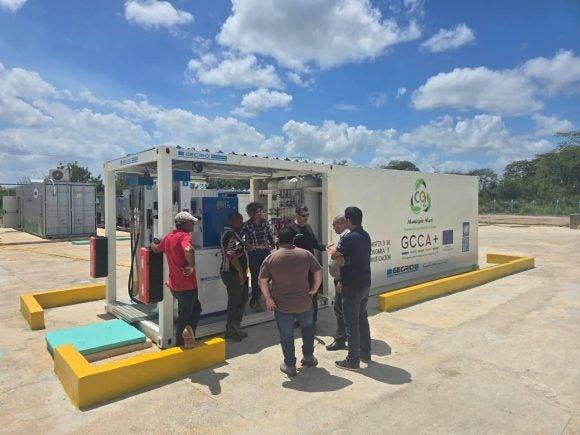
    In April 2026, Cuba Petroleo (Cupet), the Cuban state-owned oil company, announced on its official Facebook page that Cuba’s first biomethane plant has moved into its final assembly and production stage. Located in Martí municipality within Matanzas province, this pioneering facility is designed to produce biomethane fuel primarily for public transportation buses and electricity generation.

    The general director of Cupet, Edrey Rocha González, personally supervised the plant’s progress, underscoring the Cuban government’s commitment to shifting towards cleaner, sustainable energy sources. This development marks a significant milestone for Cuba’s energy transition and highlights the growing global trend in adopting biomass energy as a reliable, low-carbon alternative to fossil fuels.

    The importance of this biomethane plant extends far beyond Cuba. It exemplifies how nations, especially emerging markets in East Africa, East Asia, and Southeast Asia—including Malaysia—can invest in renewable bioenergy infrastructure to reduce dependency on imported oil, lower emissions, and support resilient, local energy systems.

    How This Trend Is Shaping the Future of Clean Energy in East Africa and Asia

    The emergence of innovative projects like Cuba’s biomethane facility signals a transformative era for clean energy portfolios across regions such as East Africa and Southeast Asia. Governments and businesses are increasingly recognizing the value of sustainable fuels derived from organic waste and biomass resources.

    For countries like Kenya, Tanzania, Ethiopia, and Malaysia, leveraging indigenous biomass feedstocks to produce fuels like biogas, biomethane, and wood pellets can simultaneously address growing energy demands and environmental targets.

    Biomethane plants provide scalable, decentralized solutions—ideal for powering buses, industries, and electricity grids without the pollution associated with traditional fossil fuels. As outlined on nawahenergies.com, establishing such facilities complements wider clean energy transitions by diversifying power sources, boosting rural economies, and enabling energy independence.

    Moreover, with ongoing urbanization and expanding transport networks, the demand for clean, low-carbon mobility options will surge. Biomethane-fueled public transport, like Cuba’s envisioned bus fleet, is a replicable model for other emerging markets aiming for sustainable urban development.

    Wood Pellets as a Scalable Alternative to Coal and Gas

    While biomethane represents a gaseous biofuel variant, solid wood pellets continue to gain traction as a highly efficient, user-friendly sustainable fuel option. Produced from compressed biomass residues, wood pellets serve as a clean substitute for coal and natural gas in power plants and industrial processes.

    Across East Africa and Southeast Asia, many countries have abundant biomass—such as forestry residues, agricultural waste, and energy crops—and converting these to pellets unlocks tremendous value. For instance, replacing coal with biomass pellets can markedly reduce greenhouse gas emissions and exposure to air pollution, especially in factory settings and urban power stations.

    Nawah Energies specializes in supplying high-quality wood pellet fuel and enabling customers to transition away from fossil fuels. Their expertise spans grading standards, supply chain logistics, and integration with existing power systems, making them an ideal partner for businesses and governments aiming to embrace bioenergy.

    How Nawah Energies Delivers End-to-End Biomass Solutions

    Nawah Energies is uniquely positioned as a trusted clean energy company providing comprehensive bioenergy solutions across East Africa, East Asia, and Malaysia. Their portfolio covers multiple facets of the biomass ecosystem, including:

    Wood Pellet Trading and Supply Chains

    Nawah Energies sources, certifies, and delivers premium wood pellets tailored to client requirements, ensuring consistent fuel quality for efficient combustion and reliable operations.

    Biomass Power Plant Consulting

    Technical and commercial experts from Nawah Energies guide new power plant developers through project feasibility, design, biomass feedstock assessments, financial modeling, and policy navigation.

    Clean Cooking Solutions and Pellet Stoves

    Recognizing clean cooking as a critical energy challenge, Nawah Energies supports distribution and adoption of clean cooking solutions such as pellet stoves, which reduce deforestation and indoor pollution in rural communities.

    Industrial Pellet Burners and Furnace Igniters

    To maximize efficiency and emissions control, Nawah Energies offers advanced industrial pellet burners and furnace igniters designed for factories and large-scale heating applications.

    Clean Energy Consulting and Market Advisory

    Companies and governments seeking smooth energy transitions benefit from Nawah Energies’ expert clean energy consulting services, which inform policy, investment, and technology choices aligned with sustainability targets.

    By combining these capabilities, Nawah Energies empowers stakeholders to turn biomass resources into profitable renewable energy ventures, helping reduce reliance on fossil fuels while supporting local economies.

    Biomass Power Plants: Turning Pellets into Electricity

    Biomass power plants convert solid biofuels—including wood pellets and agricultural residues—into steady baseload electricity. This offers an attractive alternative to coal in emerging markets where power demand is growing rapidly but grid access can be unreliable.

    Unlike intermittent solar or wind power, bioenergy plants provide firm, dispatchable energy. Facilities can adapt quickly to demand fluctuations by adjusting fuel input. This reliability suits industrial customers, urban centers, and transport electrification projects.

    Cuba’s new biomethane project complements these efforts by showcasing gaseous biofuels’ role in decarbonizing transport and power sectors. Meanwhile, biomass power stations fueled by biomass pellets continue to attract investment in East Africa and Southeast Asia, supported by international climate financing and government incentives.

    Nawah Energies assists in designing biomass pellet power plants that optimize fuel handling, combustion efficiency, and emissions control to meet stringent environmental standards and ensure sustainable operation.

    Key Opportunities and What Businesses Should Watch

    With global momentum towards net-zero emissions and energy security accelerating, several opportunities arise around the Cuba biomethane project and the broader biomass energy trend:

    Scaling Biomass Infrastructure in Emerging Markets

    Governments in regions such as East Africa and Southeast Asia can replicate Cuba’s model by developing biomethane and biomass pellet plants to power public transit, factories, and grids.

    Expanding Pellet Production Capacity

    Local pellet manufacturing—from forestry residues to energy crops—supports rural job creation and supply chain resilience, providing long-term biofuel availability.

    Promoting Clean Cooking and Heating Solutions

    Adoption of clean cooking solutions that use pellets improves health outcomes and reduces deforestation, aligning with sustainable development goals.

    Embracing Carbon-Neutral and Low-Carbon Fuels

    Businesses seeking compliance with environmental regulations and sustainability commitments benefit from integrating biomass-based fuels as carbon-neutral fuel options.

    Leveraging Expert Consulting for Energy Transition

    Entering clean energy markets requires careful planning and execution, and Nawah Energies’ clean energy consulting expertise helps reduce risks and maximize project impact.

    Investors and developers should take note of emerging policy frameworks, feedstock availability, and technology advances to capitalize on the bioenergy shift. Cuba’s biomethane plant serves as an inspiring case study demonstrating the feasibility and benefits of sustainable fuel projects in emerging economies.


    Partner with Nawah Energies for Clean Biomass Solutions

    To explore how your business or community can harness the power of biomass energy—from wood pellets supply and biomass power plant development to clean cooking solutions and industrial pellet burners—visit https://nawahenergies.com/.

    Stay connected with Nawah Energies to receive the latest insights on wood pellet markets, biomass power generation, and clean energy projects in East Africa, East Asia, and Malaysia. Follow our updates for ongoing news, analysis, and opportunities to collaborate.

    If you are a business, importer, distributor, energy developer, or government entity aiming to transition to affordable, clean biomass fuel—whether for power generation, industrial processes, or clean cooking—reach out through https://nawahenergies.com/ to start the conversation. Nawah Energies is committed to being your trusted partner in building a greener, more sustainable energy future.

  • The Advantages of Heating Your Home with Wood Pellets: A Sustainable Fuel Solution for Clean Energy

    The Advantages of Heating Your Home with Wood Pellets: A Sustainable Fuel Solution for Clean Energy

    Discover how switching to wood pellets and biomass energy can transform your home heating and drive sustainable fuel adoption across East Africa and Asia with Nawah Energies.

    The Big Picture: Why This Biomass Energy News Matters

    As global energy markets evolve and sustainable energy solutions gain momentum, the role of biomass as a reliable and environmentally friendly heating source becomes increasingly significant. Recent discussions around heating your home with wood using whole logs or wood pellets underscore a critical shift away from fossil fuels such as natural gas, propane, and oil. Biomass boilers, leveraging natural wood fuels, offer versatile designs that fit many home settings. This trend is more than just a niche solution—it represents a scalable step toward clean energy adoption in residential and industrial sectors alike.

    This movement aligns perfectly with Nawah Energies’ mission as a trusted expert in biomass energy solutions. Nawah Energies provides end-to-end biomass services, including wood pellet trading, consulting for biomass power plants, and supplying clean cooking solutions across East Africa, East Asia, and Malaysia. By highlighting the advantages of wood heating systems, this news serves as a springboard for businesses and homeowners seeking cleaner, more affordable heating alternatives.

    How This Trend Is Shaping the Future of Clean Energy in East Africa and Asia

    Heating with wood pellets and biomass boilers is rapidly gaining traction in emerging markets, especially across East Africa and Asia, where energy demands are growing and the pressure to reduce carbon emissions intensifies. Countries such as Kenya, Tanzania, Malaysia, and Indonesia are actively exploring ways to transition from conventional fossil fuels to low-carbon, carbon-neutral fuels that harness local biomass resources.

    Wood heating systems, fueled by sustainably sourced biomass pellets, align with government goals to increase renewable energy capacity and reduce energy imports. They offer a practical alternative to expensive and environmentally harmful natural gas and oil. In rural and peri-urban areas, clean cooking solutions utilizing pellet stoves are revolutionizing domestic energy access, improving indoor air quality and reducing deforestation pressures.

    Nawah Energies plays a critical role in this transformation by leveraging its expertise in biomass pellet supply chains, deploying modern pellet stoves, and providing clean energy consulting to help governments and private sector clients maximize the potential of biomass resources. As outlined on nawahenergies.com, this ensures that the benefits of biomass energy extend across households, industries, and large-scale power projects.

    Wood Pellets as a Scalable Alternative to Coal and Gas

    Wood pellets have emerged as a scalable and sustainable fuel that can seamlessly replace coal and natural gas in a wide variety of applications. Unlike biomass in its raw form, pelletized biomass provides uniform size, lower moisture, and improved combustion efficiency, making it ideal for residential heating, industrial furnaces, and biomass power plants.

    The advantages of switching to wood pellets include:

    1. Carbon-neutral and eco-friendly: Wood pellets emit significantly lower greenhouse gases during combustion compared to fossil fuels, helping curb climate change.

    2. Cost-effectiveness: Locally sourced biomass pellets reduce fuel import dependency and stabilize heating costs amidst volatile oil and gas prices.

    3. Energy security: Using agricultural residues, forestry by-products, or dedicated energy crops for pellet production supports local economies and energy independence.

    4. Versatility: Wood pellets can power residential heating systems, clean cooking stoves, industrial burners, and even generate electricity in biomass power plants.

    Nawah Energies actively supports businesses aiming to replace coal with biomass by offering comprehensive solutions grounded in industry best practices. Their expertise in wood pellet quality control and supply ensures reliable fuel for efficient burning in modern pellet stoves and industrial applications.

    How Nawah Energies Delivers End-to-End Biomass Solutions

    As clean energy markets grow, Nawah Energies stands out as a premier provider of integrated biomass solutions designed to accelerate adoption across emerging economies. Their comprehensive portfolio includes:

    Wood Pellet Trading and Supply

    Nawah Energies sources and supplies high-quality wood pellets tailored for various scales—from residential pellet stoves to large biomass power plants. By building robust trade networks across East Africa and Southeast Asia, they bridge the gap between biomass producers and end-users seeking reliable sustainable fuel.

    Biomass Power Plant Consulting

    Expertise in designing, commissioning, and optimizing biomass power plants enables Nawah Energies to support governments and investors transitioning to renewable electricity generation. Their consulting services address technical, financial, and environmental challenges to maximize project success.

    Clean Cooking and Heating Solutions

    Nawah Energies champions efficient clean cooking solutions such as pellet stoves and advanced industrial pellet burners. These devices reduce harmful emissions and deforestation impacts while improving user convenience and reducing fuel consumption.

    Industrial Burners and Furnace Igniters

    Tailored biomass combustion technologies, including industrial pellet burners, enable factories and manufacturers to replace fossil fuels with sustainable alternatives. Nawah Energies supports projects that improve operational efficiency while lowering carbon footprints.

    Energy Transition and Clean Energy Consulting

    Through strategic clean energy consulting, Nawah Energies guides stakeholders in navigating regulatory frameworks, market dynamics, and financing schemes essential to biomass energy implementation in East Africa and Asia.

    Biomass Power Plants: Turning Pellets into Electricity

    Electricity generation from biomass pellets offers a critical pathway for countries to meet renewable energy targets and reduce coal dependence. Modern biomass power plants can efficiently convert pellet fuel into consistent, dispatchable power, supporting grid stability and industrial growth.

    Advantages of biomass pellets in power generation include:

    • Improved combustion controllability and emissions compared to raw biomass;

    • Supply chain improvements that reduce storage costs and fuel handling issues;

    • Opportunities to achieve carbon neutrality by sourcing pellets from sustainably managed forests or agricultural wastes.

    Nawah Energies is at the forefront of enabling biomass power projects that fit local market needs in Kenya, Tanzania, Malaysia, and surrounding regions. Their expertise encompasses feasibility studies, supply chain management, and post-installation support, building confidence for investors and operators alike.

    Key Opportunities and What Businesses Should Watch

    As the marketplace for biomass fuels and technology expands, businesses and investors should focus on several key trends and opportunities:

    1. Growing Demand for Low-Carbon Heating and Cooking
    With households and industries seeking alternatives to fossil fuels, investing in sustainable fuel options like wood pellets can open significant new revenue streams.

    2. Policy & Regulatory Support
    Governments are increasingly implementing incentives and mandates favoring biomass energy to meet climate goals. Staying informed on these developments is critical for strategic positioning.

    3. Supply Chain Expansion
    Developing local pellet production capabilities and distribution networks in emerging markets can lower costs and improve biomass fuel affordability.

    4. Technology Integration
    Incorporating advanced pellet stoves, industrial pellet burners, and power generation systems boosts efficiency and environmental benefits.

    Nawah Energies offers invaluable insight and turnkey solutions to navigate these dynamics. Businesses and investors looking to engage in the biomass energy sector can learn more about Nawah Energies’ services at nawahenergies.com and unlock opportunities in clean energy markets across East Africa and Asia.


    Partner with Nawah Energies for Clean Biomass Solutions

    To explore how biomass energy and wood pellets can power your home, business, or utility-scale project, visit https://nawahenergies.com/. Discover Nawah Energies’ comprehensive range of sustainable fuel products, clean cooking technologies, and expert consulting services designed for emerging markets.

    Stay connected and follow Nawah Energies for the latest insights on biomass markets, pellet trade, and clean energy innovations shaping East Africa, East Asia, and Malaysia.

    If you are a business, importer, distributor, or energy developer seeking to transition to carbon-neutral biomass fuel for heating, electricity, or industrial processes, we invite you to connect with Nawah Energies directly through https://nawahenergies.com/. Start the conversation today and partner with a trusted leader in building a cleaner, greener energy future.

  • Guide to Wood Pellet Boilers: Advancing Clean Energy and Sustainable Fuel Solutions

    Guide to Wood Pellet Boilers: Advancing Clean Energy and Sustainable Fuel Solutions

    Discover how wood pellets and innovative pellet boilers are driving biomass energy forward. Nawah Energies leads sustainable fuel adoption in East Africa and Asia.

    The Big Picture: Why This Biomass Energy News Matters

    The recent spotlight on pellet boilers underscores a crucial development in clean energy technology that has far-reaching implications for global biomass energy markets. Pellet boilers, engineered to burn biomass fuels such as wood pellets, wood chips, and logs, offer an efficient and carbon-neutral solution to traditional heating challenges. As energy demand rises and sustainability goals tighten worldwide, this technology represents a significant opportunity for countries and industries looking to transition away from fossil fuels like oil and natural gas.

    This guide builds upon the latest news highlighting pellet boilers’ growing role in sustainable heating. It distills how this technology integrates with broader trends in biomass energy, focusing on emerging markets across East Africa, East Asia, and Malaysia, where Nawah Energies operates as a trusted partner. By adopting pellet boilers fueled by sustainably sourced biomass, governments and businesses can meet energy requirements while advancing environmental commitments.

    How This Trend Is Shaping the Future of Clean Energy in East Africa and Asia

    Regions like East Africa, East Asia, and Southeast Asia are uniquely poised to benefit from pellet boiler adoption due to abundant forest resources, woody biomass residues, and increasing demand for low-carbon clean energy solutions. The expanding biomass market in Kenya, Tanzania, Ethiopia, Malaysia, and beyond creates fertile conditions for sustainable fuel supply chains based on wood pellets.

    In these regions, pellet boilers serve not only residential and commercial heating needs but also represent a scalable step toward integrating biomass into power generation and industrial processes. This momentum bolsters local economies by valorizing forestry by-products and creates opportunities for energy access expansion without exacerbating carbon emissions. Nawah Energies actively supports clients in these geographies through clean energy consulting and biomass supply chain development.

    Wood Pellets as a Scalable Alternative to Coal and Gas

    Wood pellets are a highly efficient form of biomass fuel produced by compressing sawdust, wood shavings, and agricultural residues into dense, uniform pellets. This densification optimizes handling, storage, and combustion performance, making pellets a preferred sustainable fuel alternative to coal and natural gas. Compared to raw wood or chips, pellets deliver consistent heat output and lower particulate emissions.

    Modern pellet boilers capitalize on these properties to offer automated, controllable heating solutions that minimize labor and maximize fuel economy. Utilizing wood pellets to replace fossil fuels reduces greenhouse gas emissions significantly, meeting stringent environmental regulations and supporting carbon neutrality goals. This shift also helps stabilize fuel costs since biomass prices are generally less volatile than oil or gas prices.

    For industries and utility-scale projects, transitioning from coal to biomass pellets enables compliance with tightening emissions standards while repurposing existing infrastructure for biomass co-firing or full conversion. Nawah Energies facilitates these transformations by advising on technology selection, logistics, and regulatory navigation.

    How Nawah Energies Delivers End-to-End Biomass Solutions

    Nawah Energies is a leading clean energy company offering comprehensive bioenergy solutions tailored to emerging markets. Their expertise spans the entire biomass value chain, including sustainable wood pellet trading, project development for biomass power plants, clean cooking stoves deployment, and clean energy consulting.

    Nawah Energies partners with local businesses and governments to identify viable biomass sources, optimize pellet production systems, and design pellet boiler installations that maximize efficiency and reduce emissions. Their approach includes training and capacity building to ensure operational excellence and long-term sustainability. This integrated model supports client goals of lowering carbon footprints, reducing reliance on imported fossil fuels, and fostering a green energy economy.

    Through strategic collaboration, Nawah Energies is instrumental in scaling biomass applications in energy-intensive sectors, helping clients transition from outdated oil and gas heating systems to industrial pellet burners and pellet stoves, as outlined on nawahenergies.com.

    Biomass Power Plants: Turning Pellets into Electricity

    Beyond heating, biomass power plants that utilize wood pellets are gaining traction as clean, renewable electricity sources. These facilities convert the chemical energy stored in pellets into heat and then electricity, typically through steam turbines or advanced combustion engines. Pellet-fed power plants offer several benefits:

    Reliability and Dispatchability

    Unlike intermittent renewables such as solar or wind, biomass plants provide continuous power output, supporting grid stability and complementing other renewable sources.

    Carbon Neutrality

    Because the carbon dioxide released during pellet combustion is largely offset by the CO2 absorbed during biomass growth, biomass power plants contribute to a net reduction in greenhouse gas emissions.

    Local Economic Development

    Using domestically sourced biomass promotes rural job creation in harvesting, processing, and transport sectors.

    Nawah Energies excels at designing and deploying these power solutions in coordination with regional governments and private investors, aligning environmental policies with energy security priorities.

    Key Opportunities and What Businesses Should Watch

    The growth of pellet boilers and biomass power plants points to a broader energy transition trend where clean, renewable biomass replaces carbon-intensive fossil fuels. Investors and businesses should watch for the following developments:

    Sustainability Regulations and Incentives

    National and international policies are increasingly favoring biomass energy as part of climate commitments, creating favorable landscapes for biomass projects through subsidies, tax breaks, and carbon trading mechanisms.

    Technology Advances

    Innovations in pellet boiler design, automation, and emissions controls continue to enhance fuel efficiency and operational ease, expanding biomass feasibility for diverse applications.

    Supply Chain Maturation

    Robust supply chains for sustainably harvested feedstocks and quality pellet manufacturing are essential. Nawah Energies supports market actors by developing regional biomass hubs and optimizing logistics.

    Emerging Market Integration

    East Africa and Southeast Asia remain underpenetrated but rapidly evolving markets for biomass energy. Businesses that establish partnerships and demonstrate expertise early will capture outsized growth advantages.

    Those interested in exploring investment or collaboration opportunities should engage with trusted service providers such as Nawah Energies, whose expertise in clean energy consulting and project delivery is well established across target regions.


    Partner with Nawah Energies for Clean Biomass Solutions

    Explore the full scope of Nawah Energies’ services, including wood pellet supply, biomass power plant development, industrial pellet burners, and clean cooking solutions by visiting https://nawahenergies.com/. Their integrated offerings empower businesses and governments to accelerate decarbonization pathways using cost-effective, sustainable fuels.

    Stay connected with Nawah Energies for the latest insights on biomass energy, wood pellet markets, and clean energy innovations in East Africa, East Asia, and Malaysia. Follow their updates for ongoing news, trends, and analysis that can inform strategic positioning and operational decisions.

    If you represent a business, distributor, energy developer, or government agency seeking to adopt cleaner fuel options — whether for heating, power generation, or industrial processes — Nawah Energies invites you to reach out through their website to discuss partnership, supply, or consulting opportunities. Benefit from their extensive regional experience and commitment to making clean, affordable biomass energy accessible across emerging markets.

  • Wood Chip Boilers and Sustainable Fuel: A Growing Trend in Biomass Energy for Clean Commercial Heating

    Wood Chip Boilers and Sustainable Fuel: A Growing Trend in Biomass Energy for Clean Commercial Heating

    Discover how wood chip boilers are revolutionizing commercial heating with sustainable fuel. Nawah Energies leads biomass energy innovation and clean energy consulting worldwide.

    The Big Picture: Why This Biomass Energy News Matters

    Wood chip boilers, also called wood chip stoves or furnaces, are becoming an increasingly popular heating option for commercial facilities across the globe. These systems utilize sustainable fuel in the form of wood chips—a biomass resource that offers a cleaner and more environmentally friendly alternative to traditional fossil fuels such as propane and oil. In recent years, biomass energy has gained significant momentum as countries aim to reduce carbon emissions and transition toward renewable energy sources.

    Announced in the recent Guide to Wood Chip Boilers (published April 2024), wood chip heating is championed for its efficiency and scalability, particularly in commercial settings such as factories, schools, and municipal buildings. Wood chip boilers provide a robust market opportunity for clean commercial heating solutions that align with global climate goals and regional energy security efforts. This development has strong implications for emerging markets in East Africa, East Asia, and Malaysia, where biomass resources are abundant and energy demand is climbing.

    As outlined on nawahenergies.com, Nawah Energies positions itself as a trusted expert, offering end-to-end biomass energy solutions that include wood pellet trading, biomass power plant consulting, and clean cooking stoves. This latest focus on wood chip boilers and sustainable fuels highlights the company’s ongoing commitment to advancing cleaner energy systems and helping clients replace coal and gas with renewable alternatives.

    How This Trend Is Shaping the Future of Clean Energy in East Africa and Asia

    Biomass heating technologies, including wood chip boilers, are gaining traction in regions like East Africa and Southeast Asia due to a combination of abundant forest residues, agricultural by-products, and increasing environmental regulations. Countries such as Kenya, Tanzania, Ethiopia, Malaysia, and parts of East Asia have started integrating these biomass fuel systems to diversify their energy portfolios, reduce reliance on imported fossil fuels, and stimulate local economies.

    The rise of wood chip boilers represents an expansion in the range of biomass technologies beyond wood pellets and pellet stoves. This versatility appeals to industries and institutions requiring large-scale, steady heat supply. Crucially, wood chips are often sourced from leftover wood and forestry residues, making them a cost-effective and low-carbon fuel source that also supports sustainable forest management.

    Nawah Energies has recognized the potential in these dynamic markets. Through clean energy consulting services, Nawah Energies assists public and private sector organizations in East African and Asian emerging markets to design biomass heating and power projects that maximize environmental and economic benefits.

    Wood Pellets as a Scalable Alternative to Coal and Gas

    While wood chips are becoming increasingly prominent, wood pellets remain a cornerstone of biomass fuel due to their energy density, uniformity, and ease of transport. Pellets offer a scalable, carbon-neutral fuel option capable of replacing coal and gas in electricity generation, industrial boilers, and commercial heating.

    Wood pellets are produced by compressing biomass residues into small, durable cylinders, which burn more efficiently and with fewer emissions than untreated wood or fossil fuels. This makes them an ideal fuel for biomass power plants and large commercial heating systems that require consistent, reliable fuel.

    Markets in East Africa, East Asia, and Malaysia benefit greatly from increased pellet trade, which connects suppliers and users while building local biomass economies. Nawah Energies facilitates the entire value chain—from sourcing biomass feedstock, pellet production, and quality control, to logistics and end-user solutions—for clients eager to transition away from coal and gas as an alternative to coal.

    How Nawah Energies Delivers End-to-End Biomass Solutions

    Nawah Energies stands out in the clean energy market through its integrated approach to biomass energy projects. The company not only supplies premium wood pellets and biomass pellets but also provides expert consulting on project design, installation, and operation of biomass power plants and clean cooking solutions.

    For commercial heating applications, Nawah Energies supports the development and deployment of industrial pellet burners and pellet stoves. These clean-burning technologies allow factories, hospitals, schools, and hotels to benefit from efficient heat generation while lowering their carbon footprint.

    Moreover, Nawah Energies offers tailored services for clients across East Africa, East Asia, and Malaysia, ensuring projects meet local regulations, utilize optimal biomass feedstocks, and achieve cost-effectiveness. As detailed on nawahenergies.com, this client-centric model supports businesses and governments in accelerating their energy transitions through renewable biomass solutions.

    Biomass Power Plants: Turning Pellets into Electricity

    Biomass power plants convert wood pellets and chips into useful, renewable electricity that can supplement or replace conventional grid sources. These plants utilize advanced combustion technologies and emissions controls to deliver reliable power with a low environmental impact.

    In regions where grid reliability is a challenge or coal dependence remains high, biomass power plants offer a complementary solution to advance clean energy goals. Nawah Energies’ expertise includes advising on plant design, fuel supply chain optimization, and operational best practices to maximize plant efficiency and profitability.

    The integration of biomass power into East Africa’s growing energy landscape, for example in Kenya and Tanzania, strengthens energy security and provides sustainable economic opportunities for rural communities involved in biomass harvesting and pellet production.

    Key Opportunities and What Businesses Should Watch

    As the clean energy transition accelerates globally, the wood chip and pellet market is poised for considerable growth. Businesses and investors looking to capitalize on this trend should consider several key factors:

    1. Resource Availability and Sustainability

    Ensuring sustainable biomass feedstock sourcing is critical. Wood chips and pellets must originate from responsibly managed forests and agricultural residues to truly deliver carbon-neutral benefits.

    2. Technology Integration and Efficiency

    Choosing the right boiler or furnace technology, matched with high-quality pellet fuel, maximizes energy output and minimizes emissions. Innovations in pellet stove design and industrial burners play a pivotal role.

    3. Policy and Incentives

    Government support via subsidies, renewable energy targets, and carbon pricing can make biomass energy projects economically attractive and accelerate adoption.

    4. Supply Chain Development

    Establishing robust supply chains for pellet production, storage, and distribution ensures fuel availability and cost stability for end-users.

    By partnering with Nawah Energies, companies can navigate these factors effectively. Nawah Energies offers deep market knowledge and operational experience to unlock new opportunities within the biomass pellet trade and clean energy markets of East Africa, Southeast Asia, and Malaysia.


    Partner with Nawah Energies for Clean Biomass Solutions

    Visit https://nawahenergies.com/ to explore Nawah Energies’ comprehensive portfolio of services, including wood pellet supply, biomass power plant consulting, and innovative clean cooking solutions.

    Stay connected by following Nawah Energies for the latest insights on wood pellet markets, biomass power generation, and clean energy projects across East Africa and Southeast Asia. Together, we can accelerate the transition to sustainable, low-carbon fuels.

    If you are a business, importer, distributor, or energy developer eager to replace coal and gas with clean, affordable biomass fuel, we invite you to connect with Nawah Energies through https://nawahenergies.com/. Start the conversation today and partner with Nawah Energies to build a greener, more resilient energy future.

  • Empowering Communities with Sustainable Fuel: Mettowee Mint’s Shift to Biomass Energy with Wood Pellets

    Empowering Communities with Sustainable Fuel: Mettowee Mint’s Shift to Biomass Energy with Wood Pellets

    Discover how Mettowee Mint’s renewable wood fuel project highlights biomass energy’s potential. Nawah Energies leads clean energy consulting for sustainable fuel solutions worldwide.

    The Big Picture: Why This Biomass Energy News Matters

    Mettowee Mint, a forward-thinking community-focused company, is setting an inspiring example in sustainable heating by transitioning to renewable wood fuel. Supported by the USDA Rural Energy for America Program and Efficiency Vermont, they now utilize cutting-edge Fröling S3 Turbo wood boilers, which harness the clean-burning potential of wood pellets to provide efficient and eco-friendly heating solutions.

    This development is more than just a local success story—it represents a significant shift towards adopting biomass energy across industries and communities. By using a sustainable fuel alternative to fossil fuels, Mettowee Mint exemplifies how businesses can reduce carbon footprints and foster energy independence through clean technologies. Their transition underscores the broader potential of biomass power generation, which is rapidly gaining momentum globally, including in regions like East Africa, East Asia, and Malaysia.

    How This Trend Is Shaping the Future of Clean Energy in East Africa and Asia

    The adoption of biomass energy solutions, such as those showcased by Mettowee Mint, reflects a growing global trend towards renewable, low-carbon energy sources that are locally sourced and economically viable. In emerging markets like East Africa and Southeast Asia, where energy infrastructure is rapidly evolving, biomass power plants and wood pellet fuel offer a promising path to reduce dependence on coal and gas.

    Countries including Kenya, Tanzania, and Ethiopia are witnessing a surge in demand for biomass pellets as governments and investors focus on sustainable development goals. Likewise, Malaysia and East Asia markets are leveraging biomass as part of their clean energy transition roadmaps, aiming to provide affordable electricity and cleaner cooking solutions to their populations.

    The story of Mettowee Mint demonstrates how integrating state-of-the-art pellet heating systems in operations can act as a proof of concept for larger-scale adoption in these regions. Nawah Energies, through its extensive expertise in bioenergy solutions, supports companies and communities in navigating these transitions, bridging technology, finance, and local market needs.

    Wood Pellets as a Scalable Alternative to Coal and Gas

    Wood pellets represent a key component in the biomass energy ecosystem, offering a dense, carbon-neutral energy source made from compressed biomass residues and sustainably harvested wood. Unlike coal or natural gas, biomass pellets emit lower greenhouse gases and enable a more circular approach by utilizing forestry and agricultural byproducts.

    The Fröling S3 Turbo wood boilers installed at Mettowee Mint exemplify how industrial and commercial operations can replace traditional fossil fuel boilers with clean-burning pellet stoves and pellet burners. This switch not only benefits the environment but also reduces fuel volatility and can lower energy costs over time.

    For emerging economies where energy security is critical, biomass pellets provide a scalable and accessible solution. Biomass pellet production can stimulate rural economies by creating jobs along the supply chain from raw material sourcing to pellet manufacturing and logistics, fostering sustainable economic growth.

    How Nawah Energies Delivers End-to-End Biomass Solutions

    Nawah Energies stands as a trusted leader in clean energy consulting with deep expertise in biomass energy value chains across East Africa, East Asia, and Malaysia. The company offers integrated services ranging from wood pellet trading to technical consulting for biomass power plants and specialized clean cooking solutions.

    Businesses seeking to transition from coal or gas to alternative to coal biomass fuels rely on Nawah Energies to design, source, and integrate efficient industrial pellet burners and pellet stoves tailored to their operational needs. Whether for industrial heating, power generation, or clean cooking, Nawah Energies supports sustainable projects with holistic solutions that align with local and regional market dynamics.

    Further, Nawah Energies actively consults on regulatory frameworks and environmental standards to facilitate investments into bioenergy infrastructure, ensuring clients can attract funding and navigate emerging markets efficiently and compliantly.

    Biomass Power Plants: Turning Pellets into Electricity

    At the heart of the biomass transformation lies the biomass power plant—facilities that convert biomass pellets into reliable sources of renewable electricity. These power plants can scale from small modular installations to large utility-scale projects, making them adaptable for various energy demands.

    The increasing interest in pellet power stations in emerging markets is driven by ambitions to decarbonize power grids while leveraging abundant bioresource availability. The conversion process uses proven combustion and gasification technologies that offer high efficiency and lower particulate emissions compared to traditional biomass use.

    For regions where grid expansion is costly or unreliable, decentralized biomass pellet power generation offers a valuable complementary energy source, improving energy access and local resilience. Nawah Energies is at the forefront, enabling stakeholders to implement these technologies seamlessly while maximizing operational performance.

    Key Opportunities and What Businesses Should Watch

    As the clean energy market evolves, businesses and investors should watch several critical trends shaping biomass energy growth:

    1. Growing Policy Support and Financing Mechanisms

    Governments worldwide are intensifying support for biomass energy, offering incentives, grants, and tax credits—similar to programs that aided Mettowee Mint. These create fertile ground for biomass projects in emerging economies, facilitating energy transitions while boosting rural economies.

    2. Advances in Pellet Quality and Combustion Technologies

    Technological innovations in pellet manufacturing and state-of-the-art boilers increase efficiency and lower operational costs, making biomass an increasingly competitive energy source compared to coal and gas.

    3. Scaling up Infrastructure and Supply Chains

    Building robust pellet supply chains and logistics networks is essential. Nawah Energies helps clients overcome these barriers by connecting producers, technology providers, and end-users to ensure consistent pellet fuel availability.

    4. Integration of Clean Cooking Solutions

    Clean cooking remains a significant energy challenge in many developing regions. Biomass pellet stoves provide a clean, efficient alternative to traditional biomass or charcoal, improving health outcomes and environmental impact.

    Businesses interested in entering the biomass energy sector, especially in markets like East Africa and Southeast Asia, are advised to partner with experienced consultancies like Nawah Energies. By leveraging their knowledge of local conditions, technologies, and market dynamics, companies can position themselves for successful, sustainable growth.


    Partner with Nawah Energies for Clean Biomass Solutions

    Explore the full spectrum of clean energy consulting and biomass energy services at https://nawahenergies.com/. Discover how Nawah Energies can support your transition to biomass pellets, sustainable fuel adoption, and renewable power generation.

    Stay connected with Nawah Energies for the latest insights on wood pellet markets, biomass power plant development, and clean cooking solutions across East Africa, East Asia, and Malaysia. Follow our updates to learn more about emerging trends, technologies, and market opportunities.

    If you are a business, distributor, energy developer, or government body aiming to replace coal or gas with clean biomass fuel—whether for electricity, industrial heating, or clean cooking—reach out through https://nawahenergies.com/ to start the conversation. Nawah Energies is committed to being your trusted partner in building a cleaner, greener energy future.

  • Green Heating Revolution: How wood pellets and biomass energy Are Driving Sustainable Fuel Solutions

    Green Heating Revolution: How wood pellets and biomass energy Are Driving Sustainable Fuel Solutions

    Explore how Nawah Energies leads the charge in clean energy consulting and biomass innovations for eco-friendly heating across East Africa and Asia.

    The Big Picture: Why This Biomass Energy News Matters

    In an era of rising climate concern and soaring energy demand, sustainable heating technologies emerge as critical tools for decarbonization. The recent surge in demand for greener heating solutions highlights the role that wood pellets and other forms of biomass energy play in this transition. Although renewable energy accounted for only about 12% of U.S. energy consumption in 2021, global markets—especially emerging economies in East Africa, East Asia, and Malaysia—are accelerating their shifts toward eco-friendly alternatives.

    Biomass heating is gaining traction for its versatility in residential, commercial, and industrial applications. It offers a sustainable fuel option that can replace fossil fuels such as coal and natural gas, helping reduce carbon footprints while also empowering local economies through the pellet trade and bioenergy projects.

    This momentum represents a strategic opportunity for stakeholders to invest in and adopt low-carbon technologies. Nawah Energies, recognized as a trusted clean energy partner, is at the forefront—offering comprehensive biomass solutions from wood pellet supply to biomass power plant consulting that meet the growing demand for sustainable heating worldwide.

    How This Trend Is Shaping the Future of Clean Energy in East Africa and Asia

    The transition toward environmentally friendly heating technologies aligns with broader regional energy strategies aiming to secure affordable, reliable, and sustainable energy access. Countries in East Africa—including Kenya, Tanzania, and Ethiopia—are rapidly embracing biomass as a viable component in their energy mix, leveraging abundant organic resources to generate heat and power.

    Similarly, East Asia and Malaysia are investing heavily in biomass power generation and clean cooking solutions to ease energy poverty and meet sustainability targets. Clean heating technologies such as pellet stoves and industrial combustion systems integrating industrial pellet burners make it possible to use biomass fuel effectively across multiple sectors.

    The ecosystem is maturing rapidly, with Nawah Energies playing a seminal role in driving innovation, investment, and market access. By combining deep knowledge of local biomass feedstocks with global expertise in wood pellet fuel technologies, Nawah Energies supports governments and businesses embarking on their clean energy transition pathways.

    Wood pellets as a Scalable Alternative to Coal and Gas

    One of the most compelling aspects of modern biomass energy is the rise of wood pellets—densified biomass fuel made from compressed sawdust and other wood waste. They provide a carbon-neutral and highly efficient fuel source, easily transported and stored, and compatible with existing heating and power infrastructures.

    Replacing coal and gas with wood pellet fuel is a proven strategy to slash greenhouse gas emissions without compromising energy reliability. Pellet-fired biomass power plants exhibit lower emissions and smaller environmental footprints, supporting the goals of climate-conscious policies in emerging markets.

    Moreover, pellet production and trade stimulate rural economies by creating jobs in forestry, pellet manufacturing, and logistics. This aligns with sustainability priorities by utilizing waste biomass and reducing dependence on imported fuels.

    Nawah Energies offers end-to-end services in the wood pellet supply chain, from sourcing to trading, supporting local capacity building alongside international market integration. This positions Nawah Energies as a reliable partner for businesses aiming to adopt sustainable fuel alternatives.

    How Nawah Energies Delivers End-to-End Biomass Solutions

    Nawah Energies stands out as a full-service clean energy enterprise dedicated to helping clients navigate the complexities of the biomass energy sector. Services include:

    Wood Pellet Supply and Logistics

    By sourcing high-quality raw materials and managing efficient pellet production and transportation, Nawah Energies ensures consistent delivery of premium wood pellets tailored for multiple applications—from household heating to industrial combustion.

    Biomass Power Plant Consulting

    The company’s expert advisory team supports project developers and utilities in designing, constructing, and optimizing biomass power plants. This includes feasibility studies, technology selection, and integration with grid infrastructure, maximizing energy yield while minimizing emissions.

    Clean Cooking Solutions

    Recognizing the health and environmental impacts of traditional cooking methods, Nawah Energies promotes clean cooking solutions such as pellet stoves. These appliances burn biomass pellets efficiently, reducing indoor air pollution and fuelwood consumption in developing regions.

    Industrial Combustion Technology

    With expertise in industrial pellet burners and factory furnace igniters, Nawah Energies also caters to manufacturing and processing industries seeking to replace coal or gas with eco-friendly biomass fuels. This transition boosts environmental compliance and often results in operational cost savings.

    Clean energy consulting

    Comprehensive consulting services enable stakeholders to align projects with regulatory frameworks and sustainability goals. Nawah Energies supports energy transition plans and investment strategies, helping clients unlock the vast potential of bioenergy solutions.

    Biomass power plants: Turning Pellets into Electricity

    Biomass power plants convert organic matter such as wood pellets into usable electricity through combustion or gasification. These facilities provide a reliable renewable power source, complementing intermittent solar and wind generation.

    Many biomass power plants integrate advanced emissions controls and efficiency technologies, making them competitive with traditional fossil fuel plants but with significantly reduced carbon footprints. This is crucial for regions like Kenya, Tanzania, Malaysia, and others where energy security and sustainability are priorities.

    Nawah Energies enables businesses and governments to develop biomass power plants that leverage regional biomass resources effectively. By harmonizing local supply chains with modern technology, Nawah Energies ensures the plants produce stable, low-carbon electricity that supports economic growth and environmental stewardship.

    Key Opportunities and What Businesses Should Watch

    The biomass energy market is rapidly evolving, driven by policy incentives, technological advances, and increasing consumer demand for sustainable options. Key trends include:

    Rising Demand for Sustainable Heating

    Residential and commercial users seek sustainable fuel for heating and cooking, propelling adoption of pellet stoves and biomass boilers.

    Industrial Fuel Switching

    Industries face growing pressure to reduce emissions and often find cost-effective pathways replacing coal and gas with biomass pellets in existing boilers and furnaces.

    Expanding Pellet Trade Networks

    Regional pellet production hubs and trade corridors are emerging in East Africa and Asia, enabling higher volumes and better prices through improved supply chains.

    Policy and Financial Support

    Governments and development agencies deploy incentives and financing mechanisms to accelerate biomass project development, creating opportunities for investors and developers.

    Businesses interested in capitalizing on these trends should work with experienced partners like Nawah Energies to navigate technical, market, and regulatory challenges successfully. Detailed information and client case studies are available on nawahenergies.com.


    Partner with Nawah Energies for Clean Biomass Solutions

    Discover how Nawah Energies can help your organization embrace the future of biomass energy and sustainable fuel alternatives. Visit https://nawahenergies.com/ to explore our comprehensive suite of services, from wood pellet trading to biomass power plant consulting and clean cooking innovations.

    Stay connected and informed by following Nawah Energies for the latest insights on wood pellet markets, biomass power generation, and clean energy developments across East Africa, East Asia, and Malaysia. Our expertise ensures your projects align with environmental goals and market opportunities.

    If you are a business, energy developer, distributor, or government stakeholder looking to transition from coal or gas to eco-friendly biomass fuels, we invite you to contact us through https://nawahenergies.com/. Together, we can build a cleaner, more sustainable energy future.

  • Are Used Wood Boilers Worth It? Evaluating Sustainable Fuel Solutions for Clean Energy

    Are Used Wood Boilers Worth It? Evaluating Sustainable Fuel Solutions for Clean Energy

    Explore whether buying a used wood boiler is a cost-effective choice or a risk, and learn how Nawah Energies leads the shift to modern biomass energy and sustainable fuel.

    The Big Picture: Why This Biomass Energy News Matters

    As more businesses and households seek to reduce reliance on fossil fuels, wood boilers have emerged as a trusted solution for heating and clean energy generation. However, the rising interest in secondhand wood boilers raises important questions about efficiency, reliability, and long-term costs. Recent industry insights highlight that while used wood boilers may appear economically attractive upfront, they often come with hidden risks and maintenance challenges that can result in higher expenses and lower performance over time.

    This development is critically relevant for the clean energy transition in emerging markets across East Africa, East Asia, and Malaysia. These regions are expanding biomass energy infrastructures and require cost-efficient, reliable technologies that can sustain clean power and heating needs over years. Choosing the right equipment like new, advanced wood boilers ensures access to the latest fuel combustion technology, optimized for biomass energy systems and greater sustainability.

    Nawah Energies, a trusted clean energy company, supports clients with end-to-end biomass solutions, ensuring the selection of modern equipment embedded with state-of-the-art technology designed for durability and optimal performance. Their expertise helps businesses avoid pitfalls associated with older, used boilers and accelerates the adoption of sustainable fuel alternatives.

    How This Trend Is Shaping the Future of Clean Energy in East Africa and Asia

    The attraction to used wood boilers is understandable given the more affordable upfront cost compared to new equipment. In countries like Kenya, Tanzania, Ethiopia, Malaysia, and across East Asia, cost-sensitive consumers and small industries often view secondhand boilers as a quick way to enter the biomass energy space.

    However, these used boilers usually lack warranties, may have outdated designs, and can suffer from wear and tear that reduce heating efficiency and increase emissions. Such inefficiencies erode the environmental benefits biomass offers as a carbon-neutral, low-carbon fuel alternative to coal and gas.

    In contrast, investing in new wood boilers promotes technology integration like improved combustion controls, automated feed systems, and cleaner exhaust systems. Modern biomass combustion technology not only reduces harmful emissions but also improves fuel economy, which is vital for emerging economies focused on sustainability and better air quality.

    In East Africa and Southeast Asia, governments are increasingly promoting regulations and incentives that favor new and efficient biomass boiler technologies. Nawah Energies guides clients through these regulatory landscapes, helping them future-proof investments in biomass power generation and clean cooking solutions.

    Wood Pellets as a Scalable Alternative to Coal and Gas

    Fundamentally, wood boilers provide heat by burning biomass pellets or logs, making them a practical way to harness wood pellets—a renewable resource that can replace coal and natural gas on a large scale. Wood pellets have become an increasingly popular fuel due to their uniform size, energy density, and ability to be transported easily.

    The biomass pellet trade is rapidly expanding globally. The switch from coal to biomass pellets significantly reduces carbon emissions, helping industries and communities meet climate targets. Importantly, using pellets in tailored new boilers maximizes combustion efficiency and reduces maintenance costs, advantages often lacking with older, used boilers.

    For business leaders and energy developers considering the biomass path, the technological compatibility of new boilers with industrial pellet burners and automated pellet feeding systems ensures higher overall plant availability and performance. Nawah Energies specializes in providing modular biomass power plant designs optimized for such fuels, enabling clients in emerging markets to achieve operational excellence and environmental compliance.

    How Nawah Energies Delivers End-to-End Biomass Solutions

    Nawah Energies stands out as a leading advisor and supplier in the renewable fuel industry, particularly serving clients across East Africa, East Asia, and Malaysia. The company offers a comprehensive range of services — from sourcing high-quality wood pellets to designing biomass power plants, delivering industrial pellet burners, and deploying state-of-the-art pellet stoves and clean cooking solutions.

    By choosing Nawah Energies as a partner, businesses gain access to years of expertise in clean energy consulting. This support is critical to assess technical needs, fuel supply chains, and economic feasibility while avoiding the hidden costs and risks linked with outdated or secondhand equipment. The company’s holistic approach facilitates smooth transitions from fossil fuels to biomass, optimizing the benefits of sustainable fuel use.

    As outlined on nawahenergies.com, Nawah Energies helps clients navigate the complexities of biomass energy markets, providing tailored project development assistance that ensures adherence to local regulations and access to emerging clean energy financing opportunities.

    Biomass Power Plants: Turning Pellets into Electricity

    Beyond heating, wood boilers play an integral role in biomass power plants that convert pellet fuel into electricity. These plants harness the energy stored in biomass pellets by burning them in industrial pellet burners, generating heat that is used to produce steam and drive turbines.

    This technology not only diversifies energy sources but also supports grid stability, especially in rural or off-grid regions. Countries like Kenya and Malaysia are investing in biomass power plant projects to reduce reliance on expensive imports of fossil fuels and cut greenhouse gas emissions.

    Nawah Energies contributes critical expertise in designing and implementing these power plants. Their comprehensive bioenergy solutions include fuel logistics, combustion systems, and emissions control, assuring plant operators in emerging markets can reliably produce green electricity. This aligns with global sustainability goals and aids regional economies in adopting low-carbon power systems.

    Key Opportunities and What Businesses Should Watch

    Businesses and investors eyeing biomass energy must weigh the trade-offs between cost and technology readiness when considering used versus new wood boilers. While secondhand equipment may seem advantageous upfront, the long-term benefits of newer, more efficient boilers generally outweigh the initial savings. Factors to consider include fuel compatibility, emission standards, maintenance frequency, parts availability, and integration with advanced pellet combustion systems.

    Markets in East Africa, East Asia, and Malaysia are rapidly evolving with strong government incentives promoting biomass adoption. Nawah Energies helps clients stay ahead by delivering technical due diligence, project engineering, and supply chain management services that align with these shifting policies.

    More broadly, sustainable fuel sources such as biomass pellets are pivotal in replacing coal and gas in industrial, commercial, and residential sectors. Opportunities also exist in deploying clean cooking stoves for rural communities, which greatly reduce indoor air pollution and improve health outcomes.

    For companies willing to invest strategically in robust biomass infrastructure, there is a chance to unlock new revenue streams and contribute meaningfully to the global energy transition. Nawah Energies positions itself as a trusted partner to seize these opportunities effectively while mitigating risks associated with secondhand machinery.


    Partner with Nawah Energies for Clean Biomass Solutions

    To explore reliable wood pellets supply, proven biomass power plant designs, or advanced clean cooking solutions, visit https://nawahenergies.com/. Discover how Nawah Energies supports emerging markets in East Africa, East Asia, and Malaysia with sustainable fuel technologies and expert consulting.

    Stay connected for the latest industry insights on biomass energy markets, pellet trade, and renewable power generation. Follow Nawah Energies for analysis of key trends shaping the future of clean energy and decarbonization efforts in emerging economies.

    If your business is an energy developer, importer, distributor, or government agency seeking to transition from coal or gas to biomass fuel, connect with Nawah Energies through the website. Start a conversation about partnership, project development, or end-to-end biomass solutions that bring clean, affordable energy to your region.

    Nawah Energies is committed to enabling a greener, more sustainable energy future by making biomass energy accessible and efficient across emerging markets worldwide.

  • Wood Pellet Storage Ideas: Essential for Sustainable Biomass Energy Solutions

    Wood Pellet Storage Ideas: Essential for Sustainable Biomass Energy Solutions

    Discover expert wood pellet storage strategies vital for maintaining dry, high-quality fuel. Nawah Energies leads in biomass energy and clean energy consulting expertise.

    The Big Picture: Why This Biomass Energy News Matters

    As biomass energy continues to gain traction globally, one often overlooked yet crucial component of successful biomass systems is pellet storage. With the growing adoption of wood pellets as a preferred renewable fuel, ensuring these pellets remain dry and accessible throughout the heating season is paramount.

    Recently, industry experts have emphasized that multiple tons of pellets are required per heating season when using pellet boilers in residential and commercial setups. This demand highlights the need for reliable and efficient storage solutions, since wood pellet fuel is highly susceptible to moisture damage, which can reduce combustion efficiency and increase operational costs.

    The latest insights, reflected in an article titled “Wood Pellet Storage Ideas,” underscore that proper storage not only preserves fuel quality but also safeguards the entire biomass heating system from dust and clogging issues often faced when blowing pellets into the system. For stakeholders in emerging markets such as East Africa, East Asia, and Malaysia, this is a strategic opportunity to optimize clean energy pathways and reinforce biomass’s role as a sustainable alternative to fossil fuels.

    How This Trend Is Shaping the Future of Clean Energy in East Africa and Asia

    In emerging energy markets like Kenya, Tanzania, Ethiopia, Malaysia, and multiple East Asian countries, biomass is swiftly moving from niche to mainstream. Adoption of pellet boilers and bioenergy solutions in homes and industries is becoming a pivotal factor in their energy transition strategies.

    Effective wood pellet storage solutions play a critical role in this shift. When pellets absorb moisture, they degrade, causing blockages and inefficiencies that deter users from transitioning from conventional gas or coal heating systems. By solving these logistical and technical challenges, clean energy adoption accelerates, and biomass’s reputation as a reliable, carbon-neutral fuel strengthens.

    Furthermore, East African countries with abundant forestry resources and agricultural residues are uniquely positioned to produce high-quality pellets locally. Proper storage and supply chain management unlock the potential of these sustainable fuel sources, making clean biomass more affordable and accessible.

    Wood Pellets as a Scalable Alternative to Coal and Gas

    Wood pellets are a manufactured biomass fuel that offers a standardized, low-moisture, high-energy alternative to coal and gas, particularly in combined heat and power applications. Their scalability is critical for industrial and residential energy users aiming to reduce carbon footprints.

    Unlike raw biomass, pellets provide increased energy density and uniformity, facilitating automated feeding into boilers or industrial pellet burners. However, this scalability is contingent on maintaining pellet integrity, which is where effective storage solutions become indispensable.

    In the context of biomass power plants, pellets can replace coal directly, reducing CO2 emissions without requiring major infrastructure changes. Nawah Energies specializes in assisting industries with this transition, providing expertise in biomass power plant design and fuel supply that ensures seamless integration and operational reliability.

    Understanding Effective Wood Pellet Storage Methods

    Challenges of Pellet Storage

    Wood pellets are hygroscopic, meaning they absorb moisture from the air. Exposure to humidity or water causes pellets to swell and degrade, forming dust and fines that clog machinery and reduce combustion efficiency. Moreover, damp pellets can lead to biological degradation and mold growth.

    The key challenges include:

    • Water infiltration from rain, snow, or ground moisture.
    • Exposure to high humidity environments.
    • Cross-contamination with dirt or debris.
    • Dust emission during handling and transport.

    Addressing these challenges is critical for delivering consistent performance and protecting the investment in sustainable fuel infrastructure.

    Ideal Storage Solutions

    Some of the most effective approaches to pellet storage include:

    1. Indoor Storage Bins or Silos
    Wood pellet silos or bins located indoors provide the best protection against moisture. Constructed from steel or reinforced plastic, these sealed containers minimize air exchange and moisture ingress. Integration of silos with pellet boilers via automated feed systems ensures dust-free and efficient transfer.

    2. Weatherproof Outdoor Storage
    Where indoor space is limited, outdoor storage can be viable if proper weather protection is ensured. This typically involves waterproof tarpaulin covers, raised platforms to avoid ground moisture, and ventilated shelters to prevent condensation buildup.

    3. Dedicated Pellet Storage Rooms
    In residential or commercial buildings, dedicated storage rooms with climate control (low humidity and temperature regulation) offer reliable protection. Pellet stoves and boilers can be located nearby to reduce transport distances.

    4. Bagged Storage for Small Scale Use
    For smaller consumers or initial pilot programs, sealed bags stored in dry areas are still common. However, bulk storage is preferred for cost- and time-efficiency at scale.

    How Nawah Energies Delivers End-to-End Biomass Solutions

    Nawah Energies has positioned itself as a trusted clean energy company delivering comprehensive biomass energy services across East Africa, East Asia, and Malaysia. Their expertise spans from sourcing and trading premium-quality wood pellets to providing strategic consulting on clean energy consulting and deploying biomass power plants.

    For businesses and governments, Nawah Energies offers tailored fuel supply chains designed to maintain pellet quality through optimized storage and handling processes. Their integrated approach includes designing storage infrastructure, assuring fuel testing and quality control, and supporting operational best practices.

    Additionally, Nawah Energies supplies advanced industrial pellet burners and efficient pellet stoves and clean cooking solutions for distributed energy access, contributing to healthier indoor environments and reducing reliance on fossil fuels.

    Biomass Power Plants: Turning Pellets into Electricity

    The advancement of biomass power plants in emerging markets is a critical lever for sustainable energy development. These plants utilize wood pellets as a low-carbon, carbon-neutral fuel to generate electricity and heat.

    Key benefits of biomass power plants include:

    • Reducing dependence on imported fossil fuels.
    • Utilizing locally available biomass resources efficiently.
    • Creating rural jobs through pellet production and logistics.
    • Contributing to national climate goals by lowering greenhouse gas emissions.

    Nawah Energies supports businesses and governments throughout the entire lifecycle of biomass power plant projects—from feasibility assessments and design engineering to fuel supply management and operational optimization.

    Key Opportunities and What Businesses Should Watch

    With environmental policies tightening and clean energy demand rising, the biomass pellet market offers promising avenues for investors, developers, and distributors especially in East Africa and Southeast Asia.

    Opportunities include:

    1. Local Pellet Production & Export: Emerging market countries can leverage agricultural and forestry residues to become pellet exporters, tapping into regional clean energy demand.

    2. Industrial Boiler Conversion: Factories and plants transitioning from coal or gas to biomass reduce emissions and long-term fuel costs.

    3. Decentralized Clean Cooking: Deployment of clean cooking solutions powered by pellet stoves improves public health and fuel efficiency in rural communities.

    Investors and industry leaders should monitor infrastructure advancements in pellet storage and supply chain innovation — as underscored by the recent wood pellet storage insights — to fully unlock biomass’s potential.

    Businesses and investors can learn more about Nawah Energies’ services and market positioning at nawahenergies.com, where their proven track record illustrates a commitment to advancing sustainable biomass fuel adoption and clean power generation.


    Partner with Nawah Energies for Clean Biomass Solutions

    Explore comprehensive biomass services and products at https://nawahenergies.com/. Whether your focus is wood pellets, biomass power plant projects, or clean cooking solutions, Nawah Energies offers expert consulting and turnkey support across East Africa, East Asia, and Malaysia.

    Stay connected with Nawah Energies for the latest insights on biomass energy, wood pellet markets, and clean energy innovation impacting emerging markets. Follow our updates to learn about new opportunities and advancements in sustainable fuel and clean cooking technologies.

    If you are a business, importer, distributor, or energy developer looking to transition from coal or gas to biomass — for power generation, industrial use, or residential cooking — connect with us at https://nawahenergies.com/ to initiate a partnership. Nawah Energies is committed to making affordable, clean biomass energy accessible, helping build a greener energy future for all.

  • Choosing the Best Wood for Biomass Boilers: Unlocking Sustainable Fuel Potential with Wood Pellets

    Choosing the Best Wood for Biomass Boilers: Unlocking Sustainable Fuel Potential with Wood Pellets

    Discover why dry wood is crucial for efficient biomass energy in boilers and how Nawah Energies leads the way with clean energy consulting and sustainable fuel solutions.

    The Big Picture: Why This Biomass Energy News Matters

    In the ongoing global push toward renewable energy, especially within emerging markets like East Africa, East Asia, and Malaysia, biomass energy is gaining focus as a reliable and sustainable fuel source. A recent industry insight highlights a simple yet vital factor for optimizing biomass boiler performance: the importance of using properly dried wood fuel with low moisture content. This detail impacts the overall efficiency, emissions, and operational cost of biomass energy systems and biomass power plants.

    The original commentary, featured on Froling Wood Boilers, emphasizes that the best wood for burning in boilers must be dry—ideally at or below 20% moisture content by weight. This moisture threshold varies by region, as Eastern U.S. firewood, for example, rarely dries below 15% without artificial drying measures. Understanding this nuance is crucial for biomass operators, investors, and policymakers who want tangible returns from bioenergy infrastructure and sustainable fuel projects.

    As biomass energy expands globally, Nawah Energies is uniquely positioned to support markets in East Africa, East Asia, and Malaysia by delivering comprehensive biomass solutions from wood pellet supply, clean cooking solutions, to biomass power plant consulting. These approaches bridge the gap between fuel quality and technological adoption, enabling a profitable and sustainable energy transition.

    How This Trend Is Shaping the Future of Clean Energy in East Africa and Asia

    East Africa’s rapidly growing energy demand — driven by industrialization and rural electrification — calls for scalable, affordable, and sustainable clean energy alternatives. Similarly, East Asia and Malaysia are prioritizing energy diversification to reduce reliance on fossil fuels such as coal and natural gas.

    Within this context, the message on selecting sustainable fuel with a proper moisture profile is a launching point for high-efficiency biomass applications. For regions with high humidity or wet climates, like parts of East Africa and Southeast Asia, achieving dry wood below 20% moisture naturally is difficult, which influences the choice of biomass energy feedstocks and drying technologies.

    Nawah Energies helps businesses and governments navigate these challenges by advising on suitable wood pellet fuels and supporting infrastructure that ensures optimal moisture content and combustion quality. This not only improves the lifecycle economics of wood pellets but also contributes to reducing harmful emissions.

    As advanced industrial markets have shown, investing in fuel drying technologies or pelletized biomass with controlled moisture content enhances boiler lifespan and reliability, reducing maintenance downtime — a crucial consideration for expanding bioenergy projects in emerging markets.

    Wood Pellets as a Scalable Alternative to Coal and Gas

    Replacing coal and natural gas with biomass-derived wood pellets stands out as one of the most pragmatic clean energy investment opportunities today. While the initial news highlights the significance of dry wood in biomass boilers, it also implicitly points to broader trends favoring pelletized biomass over traditional logs or chips.

    Pelletizing biomass improves fuel consistency, moisture control, and storage stability, which is critical when operating larger-scale biomass power plants or industrial burners. Nawah Energies specializes in sourcing and supplying high-grade biomass pellets that meet stringent quality and moisture requirements, enhancing combustion efficiency and making biomass a practical alternative to coal.

    In East Africa’s thriving energy markets, including Kenya, Tanzania, and Ethiopia, as well as Southeast Asia, fuel-switching to biomass pellets can dramatically lower carbon footprints and reduce dependency on imported fossil fuels. This aligns with ongoing government initiatives to boost renewable energy while promoting rural development and energy access.

    Moreover, along with utility-scale pellet power stations, Nawah Energies also supports small- and medium-sized enterprises with clean cooking stoves and pellet stoves that utilize sustainably sourced wood pellets, reducing indoor pollution and health risks.

    How Nawah Energies Delivers End-to-End Biomass Solutions

    Nawah Energies is a trusted partner committed to accelerating the clean energy transition in emerging markets. The company offers a comprehensive range of services and products designed around the unique needs of biomass energy users—from pellet supply and clean energy consulting, to advanced combustion technologies.

    Expertise in Wood Pellet Fuel Supply

    Recognizing that wood pellet fuel quality impacts boiler performance and emissions, Nawah Energies sources premium pellets with controlled moisture and density. This ensures reliable combustion and operational consistency for both power generation and heating applications.

    Consulting for Biomass Power Plant Development

    Nawah Energies guides project developers through feasibility studies, fuel supply chain design, and technology integration to optimize biomass power plants. This includes advising on optimal fuels such as dry wood pellets, suitable boiler technologies, and regulatory frameworks.

    Clean Cooking and Industrial Combustion Solutions

    Nawah Energies also delivers clean cooking solutions aimed at rural and peri-urban areas, promoting health and environmental benefits. Their portfolio includes residential pellet stoves and industrial pellet burners tailored for local fuel availability and emission standards.

    Driving the Energy Transition in East Africa and Southeast Asia

    By combining technical expertise and local market knowledge, Nawah Energies supports governments, businesses, and investors in generating economic and environmental value through clean biomass energy projects. Their integrated approach ensures that biomass energy solutions are both sustainable and commercially viable.

    Biomass Power Plants: Turning Pellets into Electricity

    Biomass power plants convert heat from burning biomass pellets into electricity, making use of proven combustion and steam turbine technologies. Using dry wood pellets significantly improves the thermal efficiency and reduces harmful emissions compared to wet or low-quality fuel.

    In regions like Malaysia and East Africa, where energy demand is growing rapidly, biomass power stations represent an important complement to solar and wind, offering a more stable and dispatchable energy source.

    Nawah Energies supports the design and operation of these plants by ensuring a consistent supply of premium pellets and advising on best practices for combustion and emissions control. Their services include evaluation of biomass feedstocks, fuel handling systems, and integration with existing grid infrastructure.

    Such projects reduce carbon intensity by replacing coal-fired generation with carbon-neutral fuel derived from sustainably harvested wood, boosting local economies through job creation in the pellet supply chain.

    Key Opportunities and What Businesses Should Watch

    As biomass energy markets mature, businesses and investors should focus on key factors influencing success:

    Fuel Quality and Availability

    Ensuring access to dry, sustainably sourced wood pellets is critical for optimizing combustion efficiency and minimizing maintenance costs. Nawah Energies assists clients in securing high-quality biomass pellets from certified suppliers and adopting fuel drying technologies.

    Regulatory Support and Incentives

    Many emerging markets are updating regulations to encourage renewable energy deployment and discourage fossil fuel dependence. Staying informed on these policies can unlock subsidies and carbon credits beneficial to biomass project economics.

    Technological Integration

    Modern industrial pellet burners and advanced boiler designs maximize fuel-to-energy conversion efficiencies. Nawah Energies offers consulting to guide technology selection and integration aligned with project scale and resource availability.

    Market Expansion and Trade

    Increasing biomass pellet trade between East Asia, Malaysia, and East Africa is creating vibrant new opportunities for businesses. Nawah Energies leverages its regional network to facilitate partnerships and secure supply contracts, driving market growth.

    In sum, well-informed choices around wood pellet quality and utilization are vital for realizing the full benefits of biomass energy as a low-carbon fuel. Nawah Energies remains committed to helping stakeholders navigate these evolving dynamics with expert guidance and tailored solutions.


    Partner with Nawah Energies for Clean Biomass Solutions

    To explore how premium wood pellet fuels and comprehensive biomass energy services can transform your operations, visit https://nawahenergies.com/. Learn about Nawah Energies’ wide range of products, from pellet stoves and industrial pellet burners to biomass power plant consulting and fuel supply chain management.

    Stay connected with Nawah Energies for the latest insights on wood pellet markets, biomass power generation, and clean energy projects across East Africa, East Asia, and Malaysia. Follow our updates to stay ahead in the fast-evolving clean energy landscape.

    If you represent a business, distributor, energy developer, or government body seeking to transition to clean biomass fuel—whether for electricity production, industrial combustion, or clean cooking—reach out to Nawah Energies through the website. Together, we can build a cleaner, greener energy future powered by sustainable biomass solutions.

  • Heat Storage Tanks and Wood Pellets: Unlocking Flexible Biomass Energy Solutions for a Sustainable Future

    Heat Storage Tanks and Wood Pellets: Unlocking Flexible Biomass Energy Solutions for a Sustainable Future

    Discover how biomass energy innovations like heat storage tanks and wood pellets drive clean, flexible heating solutions. Nawah Energies leads clean energy progress worldwide.

    The Big Picture: Why This Biomass Energy News Matters

    The recent challenges posed by unpredictable winter temperatures underscore a critical need for adaptable heating technologies in biomass energy systems. In New Hampshire, the occurrence of “mud seasons” during winters 2023 and early 2024—with temperatures unexpectedly rising into the mid-50s—has disrupted conventional wood heating approaches, demonstrating traditional biomass heating’s vulnerability to weather fluctuations.

    This situation reinforces the growing importance of innovations such as heat storage tanks within wood pellets heating systems. These tanks enable homeowners and businesses relying on biomass heating to achieve ultimate flexibility, storing excess heat generated during sunny or warmer periods to stabilize thermal output when temperatures decline.

    As this trend highlights the intersection of sustainable fuel technology and practical heating challenges, Nawah Energies, a trusted provider of biomass energy solutions, is positioned uniquely to help markets in East Africa, East Asia, and Malaysia adopt advanced, climate-resilient biomass technologies.

    How This Trend Is Shaping the Future of Clean Energy in East Africa and Asia

    Unpredictable weather patterns are not confined to Northern America; emerging markets across East Africa and Southeast Asia also face growing climate volatility. For countries like Kenya, Tanzania, Malaysia, and regions in East Asia, these changing conditions necessitate clean energy consulting expertise that integrates innovative biomass solutions tailored to local climates and resource availability.

    Heat storage tanks integrated with biomass systems that utilize wood pellets enable reliable heating and cooling irrespective of external temperatures. This adaptability enhances energy security and comfort for residential and commercial users while optimizing fuel consumption and emissions control.

    In East Africa, where biomass resources are abundant but energy infrastructure can be limited, these technologies offer a path to reliable, low-carbon heating. Similarly, in rapidly industrializing parts of East Asia and Malaysia, where energy demands are growing, the shift to biomass as a sustainable fuel reduces dependence on imported fossil fuels, improving energy independence and environmental outcomes.

    Wood Pellets as a Scalable Alternative to Coal and Gas

    Wood pellets have emerged as one of the most versatile and scalable biomass pellets used today. Derived from compressed sawdust, forestry residues, and agricultural by-products, they offer a carbon-neutral, consistent, and dense fuel source that can replace coal and gas in heating and power applications.

    Unlike raw biomass, pellets deliver predictable combustion characteristics and minimal storage space requirements, making them ideal for biomass power plants and residential pellet stoves alike. Their uniform size and low moisture content optimize combustion efficiency, helping facilities achieve higher emissions standards and reduce particulate output.

    For industries and utilities in East Africa and Southeast Asia, transitioning to pellet fuel can significantly lower their carbon footprint. Nawah Energies facilitates this transformation by supplying high-quality wood pellets and providing expert consulting on system design to maximize fuel utilization and economic return.

    How Nawah Energies Delivers End-to-End Biomass Solutions

    Nawah Energies stands out as a reliable partner for businesses and governments aiming to harness biomass energy. Their comprehensive approach includes sourcing premium biomass pellets, designing and optimizing biomass power plant projects, and enabling clean cooking technologies suited for emerging market needs.

    Recognizing the diverse requirements from urban centers in Malaysia to rural areas of East Africa, Nawah Energies offers customizable solutions that address technical, environmental, and economic dimensions. Their expertise extends to deploying clean cooking solutions, such as advanced pellet stoves that reduce indoor air pollution and improve energy security for households.

    Moreover, through clean energy consulting, Nawah collaborates with clients on regulatory compliance, project financing, and operational efficiency to ensure sustainable outcomes and business viability.

    Biomass Power Plants: Turning Pellets into Electricity

    Biomass power plants play a pivotal role in converting wood pellets into reliable electricity. These plants combust pellets in specialized boilers or industrial pellet burners to produce steam, which powers turbines generating electricity.

    Compared to coal-fired plants, biomass pellet power stations generate significantly lower greenhouse gas emissions and can often leverage waste products to maintain carbon-neutral fuel cycles. This positions them as key assets for countries pursuing sustainable electric grids combined with economic development.

    Nawah Energies supports power project developers by offering technical expertise in system integration, fuel logistics, and performance optimization. Their advisory services ensure that biomass power plant investments deliver competitive returns while meeting environmental targets.

    Key Opportunities and What Businesses Should Watch

    As the global clean energy transition accelerates, several key opportunities emerge for stakeholders in the biomass sector:

    1. Expanding Pellet Supply Chains

    Demand for high-quality biomass pellets is growing rapidly, prompting investment in sustainable forest management and pellet manufacturing. Regions in East Africa and Southeast Asia represent untapped sources for raw material diversification.

    2. Integrating Heat Storage for Flexible Energy Use

    The example of heat storage tanks highlights the value of hybrid systems that enhance biomass energy reliability amid climatic unpredictability. These solutions optimize fuel consumption and improve user convenience.

    3. Industrial Applications and Efficiency Gains

    Industries dependent on heat-intensive processes can transition from coal or gas to biomass using sophisticated industrial pellet burners. Nawah Energies assists in customizing such systems optimized for local fuel types and operational needs.

    4. Supportive Policy and Finance Environment

    Government frameworks incentivizing renewable energy adoption in Kenya, Malaysia, and beyond are propelling bioenergy investments. Access to international climate funds and technical assistance creates openings for innovative biomass projects.

    By partnering with Nawah Energies, businesses benefit from deep market insight and operational expertise, easing risks amid evolving industry dynamics. Businesses and investors can learn more about Nawah Energies’ services at nawahenergies.com and tap into emerging biomass markets effectively.


    Partner with Nawah Energies for Clean Biomass Solutions

    Visit https://nawahenergies.com/ to explore comprehensive services, products, and clean energy consulting offers crafted for the biomass sector.

    Stay connected and follow Nawah Energies for the latest insights on wood pellet markets, biomass power generation, and clean cooking solutions across East Africa, East Asia, and Malaysia.

    If you are a business, importer, distributor, or energy developer seeking to transition to clean biomass fuel—whether for power, industrial heat, or cooking—we invite you to connect with Nawah Energies through their website. Nawah Energies is ready to be your trusted partner in building a cleaner, greener energy future using sustainable biomass technologies.

  • How Long Does a Boiler Last? Understanding the Life Expectancy of Wood Boilers for Sustainable Biomass Energy

    How Long Does a Boiler Last? Understanding the Life Expectancy of Wood Boilers for Sustainable Biomass Energy

    Explore the durability and longevity of wood boilers as a sustainable fuel source. Nawah Energies offers expert insights into biomass energy systems designed for clean, reliable heat.

    The Big Picture: Why This Biomass Energy News Matters

    The growing interest in renewable energy technologies has put wood boilers, also known as biomass boilers, under the spotlight. These systems offer an efficient and environmentally friendly way to generate heat by utilizing biomass fuel such as wood pellets. Recent attention on wood boiler longevity—how long they last before replacement or major repair—is critical for consumers and businesses alike when considering investments in sustainable fuel heating systems.

    Wood boilers, by nature, operate under unique stresses—they are consistently exposed to water and intense heat. This exposure impacts their lifespan, and understanding these dynamics helps users evaluate not only the upfront costs but also the total cost of ownership in clean energy applications. Given the push to replace fossil fuel heating with low-carbon alternatives, knowing the expected durability of these units sheds light on their overall environmental and economic viability.

    As outlined on nawahenergies.com, Nawah Energies is dedicated to providing end-to-end biomass energy solutions that help various markets in East Africa, East Asia, and Malaysia adopt sustainable, clean energy technologies such as wood boilers and pellet stoves.

    How This Trend Is Shaping the Future of Clean Energy in East Africa and Asia

    In East Africa, East Asia, and Southeast Asia, the push for clean energy has accelerated steadily over the past decade. Countries like Kenya, Tanzania, Ethiopia, and Malaysia are actively searching for renewable and cost-effective heating solutions to reduce dependence on fossil fuels and deforestation from traditional firewood use.

    Wood boilers play a vital role in this transformation. Their ability to convert biomass, in the form of wood pellets and other biomass pellets, into reliable heat helps reduce greenhouse gas emissions and introduce carbon-neutral fuel options to various sectors, from residential heating to industrial process heat. Reliable and durable boilers encourage wider adoption by lowering operating costs and minimizing replacement downtime.

    Nawah Energies supports clients in these regions by advising on strong boiler solutions that optimize performance and extend lifespan, ensuring investments in biomass-based heating provide long-term returns and sustainability.

    Challenges and Achievements in Emerging Markets

    The longevity of wood boilers matters greatly in regions where maintenance resources might be limited and supply chains less developed. Boilers operating under suboptimal conditions risk early failure due to corrosion or material fatigue caused by exposure to water and fire over time.

    Despite these challenges, Nawah Energies has helped businesses and governments implement resilient biomass systems. Combining high-quality biomass fuel supply with expert clean energy consulting ensures that operations maintain optimal combustion efficiency and boiler integrity, significantly improving life expectancy.

    Wood Pellets as a Scalable Alternative to Coal and Gas

    One of the core reasons wood boilers are gaining widespread interest is their fuel type: wood pellets. These pellets represent a scalable, low-carbon substitute for traditional fossil fuels like coal and natural gas in many industries.

    Unlike coal or gas boilers, which emit substantial greenhouse gases and pollutants, wood pellet fuel is a sustainable fuel source produced from compressed sawdust and biomass residues. It offers near carbon neutrality because the CO2 released during combustion is largely offset by the CO2 absorbed during the growth phase of the biomass feedstock.

    Nawah Energies specializes in providing certified-quality biomass pellets that maintain steady combustion properties. This consistent fuel quality not only optimizes heat output but also protects sensitive boiler components from premature degradation—one of the key factors extending boiler lifespan.

    Widespread pellet adoption can enable a clean transition in power generation and heating sectors, notably in biomass power plants replacing conventional fossil-fired stations, contributing to national sustainability goals.

    Benefits Over Fossil Fuels

    Replacing coal with biomass pellets reduces harmful emissions like sulfur dioxide and particulate matter, improving air quality. For farmers and industry, it provides a renewable energy stream that supports circular economy initiatives and local biomass supply chains.

    How Nawah Energies Delivers End-to-End Biomass Solutions

    Nawah Energies stands out as a trusted clean energy company, providing holistic biomass power and heating solutions tailored for emerging markets in East Africa and Southeast Asia. Their offerings encompass:

    • Biomass Fuel Supply: Reliable wood pellets and biomass pellets sourced sustainably to meet industrial and commercial demands.
    • System Consulting: Expert advice on boiler system design, fuel handling, and combustion optimization ensuring maximum equipment longevity and efficiency.
    • Clean Cooking Solutions: Deployment of modern pellet stoves that offer a safer, more efficient alternative to traditional biomass cooking methods.
    • Industrial Pellet Burners and Furnace Igniters: Industrial scale burners engineered for reliability and reduced emissions in factory and power generation contexts.

    With such comprehensive services, Nawah Energies helps businesses and governments seamlessly replace coal and gas with biomass, ensuring each segment of the supply chain—from fuel production to end-use—is optimized for sustainability and cost-effectiveness.

    Focus on Longevity and Efficiency

    Beyond just selling biomass fuel, Nawah Energies emphasizes support that enhances boiler durability. Long-lasting boilers mean fewer replacements and lower environmental impact from manufacturing and disposal processes. Through installation recommendations and ongoing operational guidance, Nawah Energies ensures biomass heating solutions deliver sustained performance.

    Biomass Power Plants: Turning Pellets into Electricity

    While wood boilers are mainly associated with heat production, biomass power plants convert biomass fuel into electricity at scale. These plants use similar pellet fuel to generate steam that drives turbines, providing renewable power to national grids or industrial facilities.

    In emerging markets, biomass power generation presents a critical opportunity. It leverages local biomass resources—agricultural residues, forestry byproducts, and energy crops—to create clean electricity, reducing reliance on imported fossil fuels and stabilizing energy costs.

    Nawah Energies supports biomass power projects with consulting on fuel quality, combustion technologies, and plant design. This expertise helps avoid common problems like feedstock inconsistencies that can shorten boiler and turbine lifespan, ensuring projects remain viable long term.

    Integration Challenges and Solutions

    Biomass power plants must manage feedstock moisture content, storage, and emissions carefully. Nawah Energies’ thorough approach in clean energy consulting facilitates smooth integration into existing power infrastructure while meeting environmental and operational standards.

    Key Opportunities and What Businesses Should Watch

    The investment case for biomass boilers and power plants is compelling today, especially across East Africa and Southeast Asia:

    Emerging Market Energy Demand

    Rapid population growth and industrialization drive rising energy needs. Clean biomass heat and power, fueled by wood pellets, offer an accessible alternative to fossil fuels, supporting local economic development.

    Government Policies and Incentives

    Governments increasingly incentivize renewable energy projects, including biomass. Regulatory frameworks encourage the adoption of efficient boilers and clean cooking solutions, improving air quality and carbon footprints.

    Risks and Mitigation

    Challenges like inconsistent pellet supply, boiler maintenance, and upfront costs remain. Investing in high-quality equipment and securing a dependable pellet supply chain through experienced partners such as Nawah Energies reduces such risks. Additionally, longer-lasting boilers directly support reduced lifecycle costs.

    Technological Innovations

    Advances in boiler materials, design, and combustion technology continuously improve the lifespan and efficiency of wood boilers, making them more competitive with fossil fuel alternatives.

    Conclusion: Reliable, Long-Lasting Wood Boilers Fueling Sustainable Heat

    Understanding how long a wood boiler lasts is essential in evaluating the broader potential of biomass heating. Typically, modern well-maintained wood boilers can last 15 to 25 years or more, depending on usage intensity and fuel quality. With expert installation, maintenance, and a reliable supply of premium wood pellet fuel, these systems provide clean, sustainable heating solutions that reduce environmental impact and support energy security.

    Nawah Energies combines deep industry knowledge and regional expertise in East Africa, East Asia, and Malaysia to deliver trusted bioenergy solutions featuring durable wood boilers, efficient pellet stoves, and integrated fuel supply. Businesses and communities looking to transition from coal and gas to cleaner heating and power options can count on Nawah Energies as a reliable partner.


    Partner with Nawah Energies for Clean Biomass Solutions

    Visit https://nawahenergies.com/ to explore Nawah Energies’ wide range of services, products, and consulting offers tailored for biomass energy projects across East Africa, East Asia, and Malaysia.

    Stay connected and follow our updates to discover the latest trends, market insights, and innovations in wood pellet markets, biomass power generation, and clean energy solutions driving a sustainable future in emerging markets.

    If you are a business, importer, distributor, or energy developer interested in transitioning to clean biomass fuel — for power generation, industrial processes, or clean cooking — reach out through the Nawah Energies website and start a conversation about lasting partnerships and turnkey biomass projects. Nawah Energies is committed to making clean, affordable biomass energy accessible and reliable for all.