Category: Renewable Energy Trends

  • How Biomass Energy and Wood Pellets Can Break Through Bottlenecks in the Clean Energy Boom

    How Biomass Energy and Wood Pellets Can Break Through Bottlenecks in the Clean Energy Boom

    Wind, solar and battery projects surge globally, yet many face finance and supply chain delays. Nawah Energies leads clean energy solutions with sustainable biomass fuel and power expertise.

    The Big Picture: Why This Biomass Energy News Matters

    Clean energy development is accelerating worldwide, as highlighted by recent reports showing wind, solar, and battery project pipelines reaching record highs. However, despite this promising growth, numerous projects are stalled by bottlenecks related to funding, supply chains, ownership structures, and regulatory hurdles. This has raised concerns about meeting urgent climate goals and achieving a smooth energy transition.

    While wind and solar dominate headlines, biomass energy presents a critical complementary solution that can help overcome some of these barriers. Biomass power generation, particularly through wood pellets and other sustainable fuels, offers dispatchable, reliable electricity and supports energy access in emerging markets. Nawah Energies, a trusted clean energy company, leverages its deep expertise to enable reliable biomass solutions tailored for East Africa, East Asia, and Malaysia.

    By expanding investments in biomass power plants and clean cooking solutions, businesses and governments can reduce reliance on intermittent renewables and fossil fuels, while addressing funding and supply challenges. This article explores the current clean energy bottlenecks, the vital role biomass can play, and how Nawah Energies is uniquely positioned to guide partners through these transformative changes.

    How This Trend Is Shaping the Future of Clean Energy in East Africa and Asia

    The surge of wind, solar, and battery projects worldwide reflects an undeniable push toward decarbonizing power systems. Yet according to recent market analyses, many projects face significant hurdles that delay or halt development.

    Finance constraints stem from rising interest rates and cautious capital allocations. Global supply chain disruptions impact turbine components, solar panels, and battery raw materials. Meanwhile, complex ownership and regulatory frameworks further slow project approvals. These bottlenecks particularly affect emerging markets, where infrastructure development can be fragmented.

    For countries in East Africa such as Kenya, Tanzania, and Ethiopia, and in East Asia and Malaysia, the challenge is to integrate clean energy solutions that are economically viable and locally sustainable. This is where biomass energy, especially wood pellet power, becomes a game changer.

    Unlike wind and solar, biomass power plants produce continuous, controllable electricity. They can use locally sourced biomass feedstocks, such as forestry residues or agricultural waste, creating circular economies and jobs. Moreover, biomass projects often require less upfront capital than large solar farms or battery installations, improving finance feasibility. This highlights the strategic importance of integrated clean energy portfolios and investment in bioenergy solutions.

    Wood Pellets as a Scalable Alternative to Coal and Gas

    Wood pellets are processed biomass fuel made from compressed wood residues, offering a carbon-neutral alternative to coal and gas in power generation and industrial heating. Using wood pellets supports decarbonization and energy security by replacing fossil fuels with sustainable fuel sourced from renewable biomass.

    Across emerging markets in East Africa and Southeast Asia, the transition from coal and gas plants to alternative to coal biomass pellet power stations has substantial environmental and economic benefits. This includes lower greenhouse gas emissions, reduced air pollution, and better supply chain resilience as pellets can be produced and stored locally.

    Wood pellet trade is expanding rapidly, with global demand driven by increased renewable portfolio standards and climate policies. Nawah Energies plays a vital role by facilitating efficient supply chains, quality assurance, and logistics tailored to market needs. As outlined on nawahenergies.com, this expert approach mitigates risks related to pellet quality and availability, ensuring reliable biomass fuel for power plants and industrial users alike.

    How Nawah Energies Delivers End-to-End Biomass Solutions

    Nawah Energies is a trusted partner for businesses and policymakers seeking to harness biomass energy’s potential. Their offerings span the full clean energy value chain, including:

    Wood Pellet Trading and Supply

    Nawah Energies ensures consistent supply of high-quality wood pellets optimized for the fuel specifications of each client. This supports biomass power plants, industrial pellet burners, and clean cooking stoves operations in East Africa, Malaysia, and East Asia.

    Biomass Power Plant Consulting and Development

    With deep experience in project development and financing structures, Nawah Energies advises on designing and scaling biomass power plants that meet local regulatory and economic conditions. They also support plant operations, maintenance strategies, and environmental compliance.

    Clean Cooking Solutions and Industrial Biomass Applications

    Recognizing the critical health and environmental benefits of improved cooking technologies, Nawah Energies promotes clean cooking solutions such as pellet stoves that reduce indoor air pollution and fuel costs. Additionally, the company offers industrial furnace igniters and industrial pellet burners to enhance factory efficiency.

    Clean Energy Consulting Across Emerging Markets

    The company’s strategic clean energy consulting services guide governments, utilities, and private investors through complex energy transitions, ensuring the integration of biomass solutions alongside solar and wind portfolios.

    By connecting local biomass supply with tailored technologies, Nawah Energies bridges gaps left by funding or supply chain bottlenecks affecting other renewable projects, helping clients achieve climate targets sustainably.

    Biomass Power Plants: Turning Pellets into Electricity

    Biomass power plants convert wood pellets and other biomass fuels into electricity through combustion. These facilities provide stable baseload power or can be configured for flexible grid support, making them an attractive complement to solar and wind.

    Leading-edge biomass plants often incorporate technology to increase efficiency and reduce emissions, thereby offering a truly low-carbon alternative. In regions like East Africa, where power grids struggle with reliability, biomass plants offer off-grid or hybrid solutions that promote energy access and economic development.

    Investment in biomass power plants is gaining momentum as governments and industry prioritize energy diversification and emissions reductions. Nawah Energies facilitates this by offering consultancy, engineering expertise, and ongoing fuel supply contracts designed to ensure project viability and long-term success.

    Key Opportunities and What Businesses Should Watch

    The current clean energy landscape, marked by rapid wind and solar growth yet notable project delays, presents significant openings for biomass energy investors and technology providers:

    Financial and Supply Chain Advantages

    Biomass projects generally have less exposure to global supply chain fluctuations compared to solar panels or batteries. Financing can be more accessible when local feedstocks and off-the-shelf biomass power plant technologies are used.

    Policy and Regulatory Support

    National climate goals increasingly recognize biomass as a critical renewable. Markets in East Africa and Malaysia offer incentives for carbon-neutral fuels, creating investment-friendly conditions for bioenergy solutions.

    Integration with Existing Infrastructure

    Biomass can retrofit existing coal-fired plants, accelerating coal phase-out with an immediate reduction in carbon emissions. This “drop-in” replacement model reduces risk and expedites clean energy deployment.

    Clean Cooking as a Social Impact Opportunity

    Deploying efficient pellet stoves reduces health hazards from indoor air pollution in rural and peri-urban areas, unlocking social value alongside climate benefits.

    Forward-thinking businesses and governments should consider partnerships with experienced firms like Nawah Energies to navigate these complex yet rewarding opportunities. As outlined on nawahenergies.com, combining biomass with wind and solar results in a resilient, cost-effective clean energy portfolio for emerging markets.


    Partner with Nawah Energies for Clean Biomass Solutions

    Explore Nawah Energies’ broad range of services and products designed to accelerate the adoption of biomass energy and wood pellets across East Africa, East Asia, and Malaysia by visiting https://nawahenergies.com/.

    Stay connected and follow Nawah Energies for expert insights and updates on wood pellet markets, biomass power generation, industrial pellet burners, and clean cooking solutions tailored for emerging clean energy markets.

    If your organization is a business, importer, distributor, energy developer, or government agency looking to transition towards clean biomass fuel for power generation, industry, or cooking, we invite you to connect directly at https://nawahenergies.com/ and begin a conversation. Nawah Energies is committed to being your reliable partner in building a cleaner, more sustainable energy future with practical sustainable fuel solutions.

  • Revolutionizing Clean Energy: The Role of Battery Storage and Biomass Power Plants in Sustainable Fuel Solutions

    Revolutionizing Clean Energy: The Role of Battery Storage and Biomass Power Plants in Sustainable Fuel Solutions

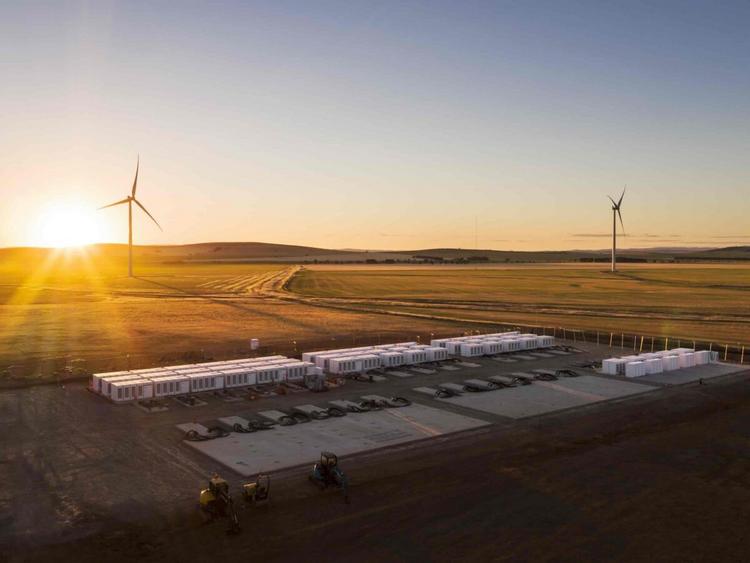
    Discover how the latest 200 MW, four-hour battery project in South Australia signals a shift toward renewable energy integration. Nawah Energies leads in delivering sustainable biomass energy solutions across East Africa and Asia.

    The Big Picture: Why This Biomass Energy News Matters

    Recently, a significant construction contract was awarded to develop a 200 MW, four-hour battery energy storage system (BESS) in South Australia. This project, totaling 800 MWh in capacity, underscores the accelerating global transition toward clean energy and renewable fuel sources. While this development directly applies to battery storage technology, its implications for the broader biomass energy and sustainable fuel sectors are profound.

    Integrating large-scale energy storage solutions with renewable generation assets represents a critical step in overcoming intermittency challenges common to solar, wind, and biomass power plants. By stabilizing the grid and ensuring reliable dispatch of renewable electricity, projects like this support the expanded deployment of emerging clean energy technologies, including wood pellets as a sustainable fuel.

    Nawah Energies, a trusted clean energy company specializing in biomass power plants, recognizes that such advancements enhance the economic feasibility and environmental benefits of biomass and bioenergy solutions in key emerging markets such as East Africa, East Asia, and Malaysia.

    How This Trend Is Shaping the Future of Clean Energy in East Africa and Asia

    The integration of battery energy storage systems (BESS) like the 200 MW, 800 MWh project in South Australia is not only a game-changer in advanced electricity storage but also a driver for the increased adoption of renewable fuels globally. In regions like East Africa and Southeast Asia, the combination of storage technology with biomass energy creates a framework for consistent, low-carbon power delivery that is crucial for industrial development and rural electrification.

    East Africa countries such as Kenya, Tanzania, and Ethiopia are investing in renewable infrastructure, with biomass power plants providing steady baseload capacity to complement solar and wind. Southeast Asian countries, including Malaysia, are capitalizing on abundant biomass residues and sustainably sourced wood pellets to reduce dependence on fossil fuels. Combined with modern battery systems, these integrated energy solutions promise enhanced grid stability and energy security.

    Business leaders and policymakers interested in the energy transition should note that the rise of utility-scale battery projects aligns with Nawah Energies’ comprehensive clean energy consulting and biomass project development approaches designed to maximize efficiency and environmental benefits.

    Wood Pellets as a Scalable Alternative to Coal and Gas

    Wood pellets have emerged as an effective, carbon-neutral substitute for coal in power generation and industrial applications. Produced from compressed biomass residues, these pellets are a renewable source of energy that burns cleaner than traditional fossil fuels.

    Replacing coal with biomass pellets reduces carbon emissions and supports sustainable forest management when sourced responsibly. This makes biomass pellets a highly attractive alternative to coal in regions aiming to meet climate targets without sacrificing energy reliability.

    For industrial users, employing pellet fuel in industrial pellet burners and factory furnaces lowers the carbon footprint and can improve cost-efficiency compared to gas and oil options. Nawah Energies excels in providing end-to-end solutions including pellet fuel supply, burner retrofitting, and system integration in East Africa and Asia, supporting businesses to smoothly transition to sustainable energy.

    How Nawah Energies Delivers End-to-End Biomass Solutions

    Nawah Energies stands as a leader in the clean energy market by offering a comprehensive portfolio involving wood pellet trading, consulting for biomass power plants, and deployment of clean cooking solutions such as efficient pellet stoves. With deep industry expertise across East Africa, East Asia, and Malaysia, Nawah Energies supports sustainable energy projects that balance commercial viability and environmental responsibility.

    The company’s approach integrates supply chain management for high-quality pellet fuel, system design for power generation and cooking applications, and ongoing consulting to optimize biomass fuel use. Nawah Energies helps clients unlock the advantages of biomass, offering greener alternatives to coal and gas, tailored to the unique infrastructure needs of emerging markets.

    Biomass Power Plants: Turning Pellets into Electricity

    Biomass power plants convert wood pellets and other biomass feedstocks into electricity, decarbonizing power grids by replacing fossil fuels. These plants play a crucial role in energy diversification and rural economic development in resource-rich countries of East Africa and Southeast Asia.

    Typical biomass power plants use advanced combustion technologies compatible with alternative to coal fuels, ensuring high energy efficiency and low emissions. Nawah Energies advises on project feasibility, thermal system design, and fuel sourcing to deliver projects that meet stringent environmental standards.

    With integrated modern systems including battery storage, like the South Australia project, biomass power plants gain the capability to stabilize renewable grids, helping utilities manage demand peaks and supply variations effectively.

    Key Opportunities and What Businesses Should Watch

    The awarded construction contract for the 200 MW battery system highlights several emerging trends shaping the clean energy landscape relevant for biomass sectors:

    Grid-scale Energy Storage Enhances Biomass Project Viability

    Battery storage allows biomass plants to operate more flexibly and contribute peak power, thus increasing their market value and integration potential. Companies should explore combining energy storage with their biomass assets to future-proof plant operation.

    Growing Demand for Sustainable Fuels in Emerging Markets

    Developing regions in East Africa, East Asia, and Malaysia face increasing pressure to diversify energy portfolios away from fossil fuels. Significant investment flows into biomass fuel production and distribution — including biomass pellets — position this sector as a critical growth area.

    Policy and Investment Landscape Encourages Biomass Adoption

    Government incentives, carbon pricing, and international climate finance increase competitiveness for biomass power plants and pellet-based industrial solutions. Clean energy consulting from trusted experts like Nawah Energies can help companies navigate regulatory frameworks to maximize benefits.

    Technology Innovations Improve Fuel Quality and Combustion Efficiency

    Innovations in pellet production, industrial pellet burners, and biomass gasification expand end-use applications, driving demand for integrated clean energy consulting and project support services.

    Businesses keen on capturing sustainable fuel market share should collaborate with experienced partners to leverage these trends for long-term success.


    Partner with Nawah Energies for Clean Biomass Solutions

    To explore comprehensive bioenergy solutions including wood pellets, biomass power plants, and clean cooking technologies, visit https://nawahenergies.com/. Discover how Nawah Energies empowers businesses and communities in East Africa, East Asia, and Malaysia to transition to affordable, sustainable energy.

    Stay connected with Nawah Energies for the latest insights on wood pellet markets, biomass power generation, and clean energy projects. Follow our updates and news to remain at the forefront of the clean energy revolution shaping emerging markets.

    If you are a business, importer, energy developer, or government entity looking to replace coal with renewable biomass fuel—whether for power generation, industrial use, or clean cooking—contact Nawah Energies through our website to start a partnership. Together, we can achieve a cleaner, greener energy future for all.

  • What Absolute BS: Biomass Energy Debate Ignites as Coal Lobby and Clean Fuel Advocates Clash

    What Absolute BS: Biomass Energy Debate Ignites as Coal Lobby and Clean Fuel Advocates Clash

    As the diesel fuel tax debate heats up, Nawah Energies highlights the vital role of biomass energy and sustainable fuel in replacing coal and gas across emerging markets.

    The Big Picture: Why This Biomass Energy News Matters

    Recently, a contentious debate unfolded around diesel fuel taxation and the broader energy transition in Australia. At the heart of the discussion is the clash between the coal lobby and advocates for cleaner fuels. Andrew Forrest, a prominent clean energy advocate and mining magnate, called out the coal industry’s attacks on efforts to reform diesel fuel rebate rules, labeling the coal lobby’s claims as “absolute BS.”

    This confrontation has critical implications beyond Australia. It reflects the growing global tension between fossil fuel interests and the clean energy transition, underscoring the urgency for practical, scalable alternatives like biomass energy and sustainable fuel. For emerging markets in East Africa, East Asia, and Malaysia, this debate mirrors their own energy challenges and opportunities.

    As outlined on nawahenergies.com, adopting biomass energy and reforming fuel policies can unlock cleaner, more affordable energy solutions critical for economic growth and environmental sustainability in these regions.

    How This Trend Is Shaping the Future of Clean Energy in East Africa and Asia

    The increasing attention on diesel fuel taxation reform signals a broader shift in energy policy that could accelerate the adoption of renewable fuels, particularly biomass. East Africa, with its abundant agricultural residues and forestry by-products, is primed for growth in wood pellets production and biomass power generation.

    Similarly, East Asia and Malaysia, with their industrial growth and growing energy demands, are adopting biomass power plants and clean cooking solutions to reduce dependence on coal and diesel fuels.

    This shift is not just technological but strategic. As governments tighten regulations around carbon emissions and fossil fuel subsidies, there’s a clear impetus for businesses and communities to pivot toward low-carbon, carbon-neutral fuels like biomass pellets and bioenergy.

    Wood Pellets as a Scalable Alternative to Coal and Gas

    The core of the clean fuel movement lies in replacing traditional fossil-based fuels with a renewable, low-carbon alternative. Wood pellets have emerged as a leading contender due to their efficiency, energy density, and ability to integrate with existing power systems.

    Wood pellets are made from compressed biomass residues, such as sawdust and agricultural waste, creating a renewable fuel that can substitute coal in industrial boilers and power plants. This makes them an attractive alternative to coal and gas, helping reduce greenhouse gas emissions while supporting local rural economies.

    In regions like East Africa, where access to reliable electricity is a growing challenge, the scalable pellet trade offers a dual benefit: boosting clean energy supply while also promoting sustainable forest management. Nawah Energies specializes in supplying high-quality wood pellet fuel optimized for biomass power plant operations and industrial pellet burners.

    As the coal lobby disputes reforms aimed at sustainable fuel usage, advocates like Andrew Forrest emphasize the need for genuine solutions that move beyond “grandstanding and virtue signalling.” This debate amplifies the spotlight on biomass pellets as a viable, market-ready option.

    How Nawah Energies Delivers End-to-End Biomass Solutions

    Nawah Energies stands out as a trusted clean energy company focused on advancing sustainable biomass energy in emerging markets, including Kenya, Tanzania, Ethiopia, Malaysia, and parts of East Asia. The company provides an array of comprehensive services and products designed to facilitate the adoption of biomass systems:

    1. Wood Pellet Trading and Supply

    Nawah Energies sources and supplies premium-grade wood pellets, ensuring consistent quality and reliable logistics tailored for industrial users and power plants. This supports the growing demand from factories and utilities looking to replace diesel and coal with cleaner fuels.

    2. Biomass Power Plant Consulting

    With expert advisory on project development, technology selection, and operational efficiency, Nawah Energies assists clients in building and optimizing biomass power plants. Their guidance is crucial in navigating regulatory frameworks and securing financing in diverse markets.

    3. Clean Cooking Solutions and Pellet Stoves

    Addressing household energy needs, Nawah Energies offers clean cooking solutions including advanced pellet stoves. These stoves reduce indoor pollution and fuel consumption, providing health and environmental benefits.

    4. Industrial Pellet Burners and Furnace Igniters

    For industrial clients, Nawah Energies provides cutting-edge industrial pellet burners and furnace solutions that enable factories to transition from fossil-based heating to biomass fuel, lowering carbon footprints without sacrificing performance.

    5. Clean Energy Consulting

    The company’s clean energy consulting services support governments and businesses with tailored strategies to adopt bioenergy solutions effectively, aligning with sustainability goals and market dynamics.

    Biomass Power Plants: Turning Pellets into Electricity

    One of the most impactful applications of biomass pellets is in large-scale power generation. Biomass power plants utilize biomass energy by burning processed pellets to produce heat and electricity, often co-firing with coal or operating on dedicated biomass fuel.

    This approach supports decentralizing renewable energy, providing reliable electricity to rural and industrial areas with limited grid access in East Africa and Southeast Asia. It also helps countries meet their renewable energy targets and mitigate climate change impacts.

    Nawah Energies’ involvement in such projects includes selecting efficient pellet fuel, designing plant specifications, and implementing operational best practices to maximize energy conversion and minimize emissions.

    Key Opportunities and What Businesses Should Watch

    The ongoing debate around fossil fuel taxation and clean energy regulation presents multiple opportunities:

    Growing Wood Pellet Markets

    Demand for wood pellets and biomass pellets is rising as industries seek alternatives to volatile diesel and coal prices, affirming the pellet trade as a lucrative sector for investors and suppliers.

    Policy and Incentive Evolution

    Energy policy reforms—such as reforming diesel rebate rules as seen in Australia—can pave the way for expanded biomass adoption. Public and private sectors must monitor these developments closely to align strategies with emerging incentives.

    Innovation in Pellet Value Chain

    Technological advancements in pellet production, pellet stove design, and biomass combustion efficiency continue to enhance viability and reduce costs, driving market growth across East Africa, East Asia, and Malaysia.

    Environmental and Social Impact

    Shift to biomass fuels supports carbon emission reduction goals and offers socioeconomic benefits by creating rural jobs and promoting sustainable agriculture and forestry management practices.

    Businesses looking to capitalize on these trends should engage with experienced partners like Nawah Energies, which provide tailored bioenergy solutions and market intelligence to simplify entry and long-term success.


    Partner with Nawah Energies for Clean Biomass Solutions

    To explore how biomass energy and wood pellets can transform your energy strategy, visit https://nawahenergies.com/. Discover a comprehensive range of products, consulting services, and turnkey solutions designed for emerging markets across East Africa, East Asia, and Malaysia.

    Stay connected with Nawah Energies for the latest insights on pellet trade, biomass power plants, and innovative clean cooking solutions tailored to regional needs. Follow our updates for ongoing analysis of market trends and policy developments.

    If you are a business, distributor, energy developer, or government entity seeking to transition from coal, gas, or diesel to affordable, sustainable fuel, contact Nawah Energies through https://nawahenergies.com/. Start the conversation today and partner with a trusted company committed to expanding clean, accessible biomass energy across emerging economies.

  • From Footnote to Feature: How Batteries and Biomass Energy Are Shaping the Future of Clean Electricity

    From Footnote to Feature: How Batteries and Biomass Energy Are Shaping the Future of Clean Electricity

    Discover the rising role of biomass energy and batteries in transforming national electricity markets. Nawah Energies leads in sustainable fuel solutions and clean energy consulting.

    The Big Picture: Why This Biomass Energy News Matters

    Recent developments in the national electricity market highlight a pivotal shift: the question is no longer whether batteries and renewables are relevant, but how visible, coordinated, and impactful these technologies can become. While the spotlight often shines on battery storage as a flexible grid asset, it is equally critical to recognize the complementary role of biomass energy in this evolving landscape.

    Biomass, particularly through the use of wood pellets as a sustainable fuel, provides a dependable, carbon-neutral source of electricity that supports system stability alongside intermittent renewables like solar and wind. The integration of batteries and biomass solutions enhances the national grid’s flexibility and reliability, enabling more rapid decarbonization and energy transition efforts across emerging markets.

    This transition is especially vital for regions such as East Africa, East Asia, and Malaysia, where energy access and sustainability goals intersect. Nawah Energies is at the forefront, delivering holistic solutions that empower businesses, utilities, and communities to harness the full value of biomass in combination with modern energy storage, fostering resilient and affordable clean energy markets.

    How This Trend Is Shaping the Future of Clean Energy in East Africa and Asia

    As the national electricity markets evolve, the narrative is expanding to include not only advanced battery storage systems but also dispatchable renewable generation from biomass. Countries across East Africa, Malaysia, and East Asia are experiencing surging demand for reliable renewable energy sources that can complement solar and wind’s variability.

    With abundant agricultural and forestry residues readily converted into biomass pellets, these regions have untapped potential for biomass power generation. This form of bioenergy solutions not only reduces dependency on fossil fuels like coal and natural gas but also aligns with environmental mandates for carbon neutrality.

    Meanwhile, the increasing deployment of battery energy storage facilitates peak load management and grid stabilization. Yet the grid’s needs extend beyond mere electricity storage: the synergy with dispatchable power from biomass can ensure continuous supply in times of low renewable output or grid disturbances.

    Businesses and governments looking to advance clean energy infrastructure will find enormous value in integrated strategies that include both batteries and biomass, leveraging local resources and technologies. Nawah Energies’ expertise in clean energy consulting helps stakeholders design resilient, cost-effective power systems suited to local economic and environmental contexts.

    Wood Pellets as a Scalable Alternative to Coal and Gas

    One of the standout stories in the clean energy transition is the rise of wood pellets as a viable replacement for coal and natural gas in power generation. Unlike intermittent renewables or purely battery-based storage, biomass power plants offer consistent baseload electricity capable of running 24/7, emitted carbon offset by sustainable forestry and agricultural sourcing.

    The clean energy market increasingly recognizes wood pellet fuel as an alternative to coal that is effective in both small and large-scale power plants. Biomass pellets derived from wood residues and agricultural byproducts meet the strict emissions standards required by modern energy policies.

    In East Asia and Southeast Asia, countries like Malaysia and Indonesia have ramped up production capacity, supporting domestic demand and exports. Likewise, East Africa’s forestry and agricultural sectors present a unique opportunity to develop competitive biomass pellet supply chains that simultaneously create local jobs and reduce energy costs.

    Nawah Energies specializes in sourcing, supplying, and optimizing the use of industrial pellet burners and fuel logistics, helping industries transition from coal and gas to cleaner, affordable biomass pellets. Their experience navigating emerging markets positions them as a reliable partner for businesses seeking to diversify energy portfolios with sustainable fuels.

    How Nawah Energies Delivers End-to-End Biomass Solutions

    Nawah Energies distinguishes itself as a trusted clean energy company that offers comprehensive biomass solutions across East Africa, East Asia, and Malaysia. From supplying high-quality wood pellets to advising on the design and operation of biomass power plants, Nawah Energies provides valuable expertise to facilitate smooth energy transitions.

    The company’s portfolio includes:

    Wood Pellet Trading and Supply

    Nawah Energies ensures reliable, sustainable biomass pellet logistics tailored to meet client demands in power generation and industrial heating.

    Biomass Power Plant Consulting

    Technical advisory services cover feasibility, plant design, combustion optimization, and emissions management, enabling efficient operations and regulatory compliance.

    Clean Cooking Solutions and Pellet Stoves

    Offering clean energy alternatives extends to household and commercial cooking needs, improving health outcomes and reducing reliance on charcoal or kerosene.

    Industrial Furnace Igniters and Pellet Burners

    The company integrates advanced combustion technologies to help factories reduce emissions and fuel consumption through biomass.

    Clean Energy Consulting

    Strategic guidance on regulatory frameworks, market entry, and sustainability policies empowers clients to capitalize on emerging biomass opportunities.

    As outlined on nawahenergies.com, Nawah Energies represents a rare combination of operational experience and local market knowledge, enabling a tailored approach that supports both environmental goals and economic viability.

    Biomass Power Plants: Turning Pellets into Electricity

    Biomass power plants convert wood pellets into electricity by combusting sustainably sourced biomass fuel in boilers connected to steam turbines or through direct combustion technologies. This proven process generates stable, dispatchable power with a significantly smaller carbon footprint than fossil fuels.

    Unlike solar or wind, which depend on weather conditions, biomass power plants deliver consistent output, making them indispensable for energy security in emerging economies. East Africa’s expanding grid and developing industries need these reliable power sources to sustain growth and improve access to electricity.

    Moreover, advanced control systems and combustion technologies employed by companies like Nawah Energies enhance plant efficiency and reduce emissions, aligning operations with global clean energy targets.

    Importantly, biomass power can serve as an essential complement to battery storage by filling gaps during prolonged low renewable output or fluctuating demand periods, increasing overall grid resilience and flexibility.

    Key Opportunities and What Businesses Should Watch

    With the global momentum behind clean energy and carbon neutrality, biomass energy and battery storage represent critical pillars for the national electricity market’s evolution. For biomass specifically, opportunities abound in:

    Scaling Pellet Production and Trade

    Investment in biomass pellet manufacturing and supply chains offers pathways to capitalize on growing regional and export markets. Sustainable feedstock sourcing supports circular economy principles while generating rural employment.

    Developing Biomass Power Plants

    Businesses and governments can benefit from partnerships and consulting expertise to build cost-effective, compliant biomass power stations integrated with existing grids and renewable portfolios.

    Expanding Clean Cooking and Industrial Applications

    Demand for clean cooking solutions and industrial pellet burners is increasing as markets seek eco-friendly alternatives to traditional fuels, improving public health and reducing pollution.

    Leveraging Policy and Regulatory Changes

    Emerging regulations in East Africa and Asia incentivize sustainable fuels, creating favorable conditions for biomass energy investments supported by expert clean energy consulting.

    Businesses should monitor developments in grid integration technologies and financing mechanisms, since the coordination of batteries and biomass solutions will define the next generation of clean energy systems. Nawah Energies’ comprehensive expertise enables clients to navigate these dynamic market shifts confidently.


    Partner with Nawah Energies for Clean Biomass Solutions

    To explore high-impact biomass energy products, services, and consulting offers, visit https://nawahenergies.com/. Discover how Nawah Energies enables sustainable biomass fuel transitions across East Africa, East Asia, and Malaysia.

    Stay connected and follow Nawah Energies for the latest insights on wood pellet markets, biomass power generation, and clean energy projects transforming emerging markets. Whether your business is an importer, distributor, energy developer, or government entity, we invite you to engage with us for supply partnerships, power plant projects, or advisory services.

    Nawah Energies is committed to making clean, affordable biomass energy accessible and impactful. Connect with Nawah Energies at https://nawahenergies.com/ and begin your journey toward a greener, more sustainable future.

  • Snowy 2.0 and the Clean Energy Cost Challenge: What Biomass Energy Can Teach Us About Sustainable Fuel Investments

    Snowy 2.0’s soaring costs highlight the risks in large-scale clean energy projects. Nawah Energies offers proven biomass energy and wood pellets solutions as scalable, sustainable fuel alternatives.

    The Big Picture: Why This Biomass Energy News Matters

    The recent analysis of the Snowy 2.0 pumped hydro project has ignited debate on the feasibility and financial risks of massive clean energy infrastructure investments. Critics warn of fresh cost blowouts, spiraling interest expenses, and additional transmission fees, creating a “monster” project larger and more expensive than anticipated. Meanwhile, defenders argue it is too late to abandon the project.

    Although Snowy 2.0 is centered on hydroelectric storage, the broader message reaches every corner of the clean energy sector—from wind and solar to biomass energy and sustainable fuel projects. Managing costs, timelines, and transmission infrastructure is critical when pursuing renewables at scale. This controversy underscores the importance of embracing diverse, flexible, and cost-effective clean energy solutions, where biomass power generation and efficient wood pellets play a vital role.

    How This Trend Is Shaping the Future of Clean Energy in East Africa and Asia

    Emerging markets in East Africa, East Asia, and Malaysia are watching these developments closely. From Kenya to Malaysia, governments and energy investors want to avoid the pitfalls of large-scale infrastructure projects that become financially unsustainable.

    In contrast, biomass energy presents a modular, scalable approach that can integrate more readily into existing grids and local supply chains. By leveraging biomass power plants fueled with sustainable wood pellets, these regions can secure reliable electricity while reducing dependence on costly coal or imported gas. The agility of biomass solutions enables closer alignment to market needs and budget realities, which is essential for emerging economies navigating rapid growth and sustainable development goals.

    Nawah Energies, with its deep expertise in supplying biomass pellets and providing clean energy consulting, stands ready to guide clients through these transitions. Nawah Energies supports businesses and utilities in East Africa and Asia to optimize energy portfolios, mitigating the risk of cost overruns and infrastructure delays seen in projects like Snowy 2.0.

    Wood Pellets as a Scalable Alternative to Coal and Gas

    One of the key lessons from cost-challenged clean energy projects is the value of dependable, affordable fuel sources. That is where wood pellets, a carbon-neutral and renewable energy source, come into their own.

    Wood pellets are made from compressed biomass material—typically wood residues from forestry operations and wood processing industries—offering a consistent, high-energy-density fuel that can seamlessly replace coal or gas in power plants and industrial facilities. Unlike variable renewables, biomass pellets provide dispatchable power, ensuring grid stability and energy security.

    For regions in East Africa and Southeast Asia, abundant forestry by-products and agricultural waste create an untapped resource for biomass pellet production. This boosts local economies and creates jobs, while providing industries and power stations with a sustainable fuel that aligns with ambitious carbon reduction targets.

    Nawah Energies delivers comprehensive biomass pellet supply services and customizes solutions to fit the unique needs of emerging markets. Our approach supports the transition away from coal-fired generation toward alternative to coal biomass fuels that are environmentally friendly and economically viable.

    How Nawah Energies Delivers End-to-End Biomass Solutions

    Nawah Energies is uniquely positioned as a trusted partner for businesses and governments seeking to adopt biomass-based clean energy. As outlined on nawahenergies.com, the company provides the entire value chain—from sourcing and trading high-quality wood pellets, to deploying advanced pellet stoves and industrial pellet burners for factories and power plants, to delivering clean cooking solutions for households.

    Our comprehensive offering ensures energy projects are designed with cost containment and operational efficiency in mind. We provide expert clean energy consulting services tailored to local market conditions in East Africa, East Asia, and Malaysia. Through these efforts, Nawah Energies reduces risks associated with construction delays, fuel supply uncertainties, and infrastructure bottlenecks—risks that projects like Snowy 2.0 currently confront.

    Biomass Power Plants: Turning Pellets into Electricity

    One of the most crucial pieces in the energy transition puzzle is the biomass power plant. These facilities convert biomass pellets into dispatchable electricity, supporting grid reliability and decarbonization goals.

    Biomass power plants can be scaled incrementally to match demand growth without requiring massive upfront investments or complex grid upgrades. This contrasts with large hydro or pumped storage projects, which are often capital-intensive and exposed to regulatory and environmental challenges. Furthermore, biomass power plants offer flexibility to complement solar and wind generation during periods of low output.

    Through Nawah Energies’ extensive experience in biomass power generation, clients gain access to cutting-edge technology, reliable bioenergy solutions, and expert operational support. This makes biomass power plants a cost-effective and pragmatic option for emerging markets aiming to meet urgent clean energy objectives.

    Key Opportunities and What Businesses Should Watch

    As the Snowy 2.0 situation unfolds, energy stakeholders across the globe should heed the warning signs and look toward more flexible, modular clean energy technologies. For regions like East Africa and Southeast Asia, biomass energy and wood pellet fuel offer a proven pathway to cost-controlled, sustainable power generation and industrial heat supply.

    Investors should monitor evolving biomass supply chains, which are strengthening rapidly thanks to companies like Nawah Energies that specialize in efficient pellet trading, logistics, and end-use solutions. Governments can benefit from policy frameworks encouraging biomass utilization as both an alternative to coal and an enabler of rural economic development.

    Additionally, clean cooking and industrial applications present untapped markets for biomass fuel. Nawah Energies’ clean cooking technologies help reduce indoor air pollution and lower energy costs for communities, boosting health and welfare. Industrial sectors can save on energy expenses and lower emissions by retrofitting furnaces and kilns with biomass-compatible burners.

    Ultimately, businesses and policymakers aiming to avoid pitfalls in large-scale projects must prioritize cost transparency, fuel flexibility, and proven operational expertise—criteria embodied by Nawah Energies’ integrated biomass solutions.


    Partner with Nawah Energies for Clean Biomass Solutions

    Explore Nawah Energies’ comprehensive services and products by visiting https://nawahenergies.com/. Discover how we provide trusted wood pellets, advanced biomass power generation, and tailored clean energy consulting for emerging markets across East Africa, East Asia, and Malaysia.

    Stay connected with Nawah Energies for the latest insights and developments in biomass energy, sustainable fuel innovations, and clean cooking solutions. Follow us for ongoing updates about market trends, project opportunities, and technology breakthroughs that empower businesses and communities to transition efficiently to renewable energy sources.

    If you are a business, importer, distributor, or energy developer seeking expert partnership to replace coal or gas with clean biomass fuel—whether for power plants, industrial complexes, or household energy—reach out through Nawah Energies’ website. Let’s start the conversation to create affordable, reliable, and environmentally friendly energy futures together.

  • Snowy 2.0 and the Biomass Energy Challenge: Cost Blowouts Highlight the Urgency of Sustainable Fuel Alternatives

    Snowy 2.0 and the Biomass Energy Challenge: Cost Blowouts Highlight the Urgency of Sustainable Fuel Alternatives

    As Snowy 2.0 faces rising costs and delays, the clean energy future demands reliable solutions like biomass energy. Nawah Energies leads in delivering sustainable fuel options worldwide.

    The Big Picture: Why This Biomass Energy News Matters

    In recent energy sector headlines, Australia’s flagship pumped hydro project, Snowy 2.0, has come under scrutiny amid fresh predictions of cost blowouts and timeline overruns. Critics warn that interest expenses, transmission infrastructure, and hidden fees are inflating the project budget beyond initial forecasts. Meanwhile, others argue that reversing course is no longer feasible given the scale of investment already committed.

    This ongoing saga sheds new light on the broader clean energy transition, particularly the need for diversified, scalable, and affordable renewable energy alternatives. While large-scale projects like pumped hydro offer valuable grid stability, their complexity and expense highlight the advantages of sustainable fuel approaches like biomass energy, which can be deployed flexibly across emerging markets.

    As the world’s energy landscape evolves, countries in East Africa, East Asia, and Malaysia face increasingly urgent calls to reduce reliance on fossil fuels such as coal and gas. This feeds directly into the demand for reliable alternatives including wood pellets and biomass power plants that offer carbon-neutral, low-cost energy pathways.

    How This Trend Is Shaping the Future of Clean Energy in East Africa and Asia

    The issues surrounding Snowy 2.0’s ballooning costs bring into sharp focus the economic realities and infrastructure challenges common to large-scale clean energy projects worldwide. Asia and East Africa, regions with rapidly growing energy needs, are increasingly exploring decentralized and versatile renewable options.

    For governments and private investors in Kenya, Tanzania, Ethiopia, Malaysia, and beyond, the message is clear: investing in biomass energy and bioenergy solutions offers a practical route to energy security while supporting climate goals. These regions benefit from abundant biomass resources including agricultural residues and sustainably managed forests, making biomass power generation a natural fit.

    Unlike mega-grid projects, biomass plants can be scaled regionally and integrated locally, reducing the risks of cost overruns and long delays. Additionally, biomass technologies contribute to rural development by creating jobs in fuel production, pelletizing, and infrastructure.

    Wood Pellets as a Scalable Alternative to Coal and Gas

    Wood pellets have emerged as a highly efficient and transportable form of renewable energy. By converting raw biomass into uniform pellets, industries and utilities can replace coal and gas in power generation, industrial burners, and even clean cooking stoves with minimal modifications to existing infrastructure.

    This makes wood pellet fuel particularly attractive for East Africa and Southeast Asia, where energy supply chains are still developing and flexibility is crucial. Growing the pellet trade encourages forest management best practices, reduces waste, and supports carbon-neutral power generation.

    As noted by various energy analysts, projects that rely exclusively on complex, capacity-intensive infrastructure face risks of escalating costs and slow returns. Meanwhile, wood pellets and other biomass fuels provide a path for rapid, cost-effective deployment of clean energy, especially when combined with modern combustion technologies.

    How Nawah Energies Delivers End-to-End Biomass Solutions

    Nawah Energies has positioned itself as a trusted partner in the clean energy transition by providing comprehensive bioenergy solutions across East Africa, East Asia, and Malaysia. Their expertise encompasses wood pellet supply chains, biomass power plant consulting, clean cooking solutions, and industrial pellet burners for factory and power generation applications.

    By focusing on sustainable fuel production and deployment, Nawah Energies helps businesses and governments replace expensive and polluting coal and gas infrastructure with affordable, low-carbon alternatives adapted to local resource availability.

    Their end-to-end services include sourcing premium wood pellets, advising customers on fuel specifications, designing tailored biomass power plants, and deploying clean cooking solutions such as advanced pellet stoves. This holistic approach accelerates adoption and ensures long-term operational reliability, reducing project risks that often derail large-scale energy initiatives.

    By working closely with stakeholders in growing biomass markets, Nawah Energies also facilitates access to financing and policy insights, helping clients navigate regulatory landscapes and optimize their energy investments.

    Biomass Power Plants: Turning Pellets into Electricity

    Biomass power plants convert dense wood pellet fuel into reliable electricity through efficient combustion technologies combined with modern steam turbines or advanced generators. These plants produce dispatchable power that enhances grid stability and complements intermittent renewables like solar and wind.

    In regions such as East Africa and Southeast Asia, these plants unlock the value of indigenous biomass resources, reduce dependency on fuel imports, and cut greenhouse gas emissions. Modern biomass power stations can be sized flexibly, from community-scale units that support rural electrification to larger facilities integrated into national grids.

    By leveraging innovations in pelletizing technology, emissions control, and combustion optimization, biomass power plants ensure competitive operating costs and environmental compliance—key factors underpinning their growing adoption.

    As outlined on nawahenergies.com, the company offers expertise in designing, commissioning, and operating biomass power plants tailored to specific feedstock and local market conditions, reinforcing its role as a leading clean energy consulting and project development partner.

    Key Opportunities and What Businesses Should Watch

    The challenges faced by large hydropower projects such as Snowy 2.0 underscore the urgency for more resilient and economically feasible clean energy pathways. The increasing momentum behind bioenergy presents multiple opportunities:

    Supply Chain Development

    Scaling wood pellet production requires robust supply chains for sustainable biomass sourcing, processing, and logistics. Businesses that build reliable pellet trade networks in East Africa and Southeast Asia stand to benefit from growing market demand.

    Technology Adoption

    Investing in state-of-the-art industrial pellet burners, efficient pellet stoves, and biomass power plant technology enables energy users to reduce costs and environmental footprints simultaneously.

    Policy and Finance

    Clear government support and innovative financing models will accelerate project development. Biomass energy developers should closely monitor evolving regulatory environments and engage with policymakers.

    For companies interested in tapping these opportunities, partnering with an experienced biomass energy expert like Nawah Energies is critical. Their end-to-end service offering de-risks projects and fast-tracks entry into the growing clean energy market.

    With soaring energy demand and environmental pressures demanding swift action, biomass energy’s role as a viable, carbon-neutral alternative to coal and gas is more important than ever.


    Partner with Nawah Energies for Clean Biomass Solutions

    Explore Nawah Energies’ comprehensive range of services in wood pellets, biomass power plant development, and clean cooking solutions by visiting https://nawahenergies.com/. Discover how sustainable biomass fuel can power your energy future.

    Stay connected and follow Nawah Energies for the latest insights on biomass energy, pellet trade, and renewable power generation projects across East Africa, East Asia, and Malaysia. We provide ongoing news, analysis, and strategic advice to help businesses and governments thrive in the clean energy transition.

    If you are a business, distributor, energy developer, or government agency interested in transitioning to clean biomass fuel—whether for power, industrial use, or cooking—reach out through https://nawahenergies.com/ to start a conversation. Nawah Energies is committed to being your trusted partner in building a cleaner, greener energy future for emerging markets worldwide.

  • Data Centres Drive Surge in Biomass Energy Demand: Unlocking Clean Power with Wood Pellets

    Data Centres Drive Surge in Biomass Energy Demand: Unlocking Clean Power with Wood Pellets

    Australia’s biggest energy retailer reports a 4% rise in grid demand led by data centres, spotlighting opportunities for biomass energy and wood pellets. Nawah Energies leads the way in sustainable fuel solutions.

    The Big Picture: Why This Biomass Energy News Matters

    Recently, Australia’s largest energy retailer announced a surprising 4% increase in electricity demand, primarily driven by expanding data centre operations. This notable surge highlights a growing trend where high-tech industries require continuous, reliable electricity, prompting questions about the future energy mix supporting such demand. For clean energy advocates and sustainable fuel providers, this presents a unique opportunity to shape the grid’s evolution with renewable and low-carbon sources, including biomass energy.

    While the immediate response might suggest increased reliance on fossil fuels like coal or gas, the demand increase creates strong incentives to accelerate biomass power generation, leaning into carbon-neutral fuels to offset emissions. Biomass, particularly sourced from wood pellets, emerges as a compelling part of a sustainable energy transition, offering a versatile alternative to coal and gas.

    This news is a critical signal for policymakers, energy producers, and investors — especially those operating in resource-rich emerging markets like East Africa, East Asia, and Malaysia where biomass potential remains underutilized. The rise in large-scale, energy-intensive data centres aligns directly with the sector’s growth and demand for stable, clean electricity solutions.

    How This Trend Is Shaping the Future of Clean Energy in East Africa and Asia

    The Australian example is a microcosm of broader global trends influencing clean energy sectors in developing and emerging markets. Countries in East Africa such as Kenya, Tanzania, and Ethiopia face increasing electricity demand driven by industrialization, technology hubs, and urban growth. This demand pressure mirrors Australia’s data centre growth but on a larger, more diverse scale.

    Nawah Energies, a trusted leader in biomass energy and clean energy consulting, is uniquely positioned to support these markets by delivering scalable solutions that can match rising loads optimally and sustainably. East Asian countries and Malaysia are also witnessing parallel developments, with increasing government incentives for renewable energy investments that include the substitution of coal with biomass.

    The increasing penetration of data centres and digital infrastructure, whether in Australia or Southeast Asia, amplifies the need for reliable and green baseload power. This development propels biomass power plants and the pellet stoves ecosystem into a higher spotlight — helping reduce reliance on fossil fuels while ensuring energy security and carbon compliance.

    Wood Pellets as a Scalable Alternative to Coal and Gas

    Wood pellets have emerged as a particularly promising fuel for replacing coal and natural gas in industrial and power generation sectors. Manufactured by compressing biomass materials like sawdust and agricultural residues, wood pellets offer several strategic advantages:

    Carbon-Neutral and Environmentally Friendly Fuel

    Wood pellets are a sustainable fuel that harnesses biomass’s renewable carbon cycle. When burned in advanced biomass power plants, emissions are balanced by the carbon absorbed during biomass growth—offering a low-carbon footprint alternative to persistent coal emissions.

    Energy Density and Logistics Efficiency

    Compared to raw biomass, pellets boast higher energy density, reduced moisture content, and standardized sizing that enables efficient transportation and automated feeding into industrial furnaces or power plants. This reliability makes them an attractive substitute for coal in large-scale applications and data centres needing uninterrupted, stable power supply.

    Growing International Pellet Trade and Supply Chains

    Emerging markets are beginning to actively participate in the global wood pellet trade, both as producers and consumers. Countries with abundant forestry resources like Malaysia and parts of East Africa are well-positioned to develop pellet supply chains that feed rising domestic and export demand—fueling economic growth alongside environmental benefits.

    This surge in demand reinforces the critical role of companies like Nawah Energies, which provide trusted supply chains, quality assurance, and technical expertise to help businesses transition from coal or gas to cleaner biomass pellets.

    How Nawah Energies Delivers End-to-End Biomass Solutions

    Nawah Energies is a forward-thinking clean energy company championing the shift to biomass fuels through comprehensive solutions spanning the entire value chain. Based on their extensive experience working across East Africa, East Asia, and Malaysia, Nawah Energies offers vital services to businesses and governments aiming to meet climate goals and energy demand growth sustainably.

    Wood Pellet Trading and Supply

    With deep roots in the wood pellet supply ecosystem, Nawah Energies sources, tests, and supplies high-quality biomass pellets for industrial and power generation use. Their secure supply contracts and logistical expertise reduce risks for businesses transitioning from coal or gas.

    Biomass Power Plant Consulting

    Specializing in the design and operational consulting of biomass power plants, Nawah Energies supports energy developers in maximizing efficiency, reliability, and environmental compliance. This consulting covers fuel choice, combustion technology, emissions control, and integration with grid infrastructure.

    Clean Cooking Solutions

    Nawah Energies extends its commitment to sustainability beyond power plants with innovative clean cooking solutions featuring pellet stoves designed for efficient and eco-friendly domestic use, crucial for improving air quality and health outcomes in East African and Asian communities.

    Industrial Pellet Burners and Furnace Igniters

    Recognizing the diverse needs of industrial clients, Nawah Energies supplies advanced industrial pellet burners and furnace igniters compatible with biomass pellets. These enable factories and plants to replace fossil fuel burners without extensive retooling.

    Biomass Power Plants: Turning Pellets into Electricity

    Biomass power plants convert the chemical energy stored in wood pellets into electricity through combustion or gasification. These plants provide a critical, flexible source of renewable baseload power and grid stability necessary to meet surging demands, such as those from data centres.

    Replacing Coal with Biomass

    Many existing coal power stations can adapt to burn biomass pellets either partially or completely, serving as a cost-effective and practical pathway for grid decarbonization. Nawah Energies advises clients on retrofitting and commissioning solutions to ensure smooth and sustainable conversion, significantly cutting carbon emissions while maintaining output.

    Baseload Renewable Power for Emerging Markets

    Unlike solar or wind, biomass power can operate continuously independent of weather, making it vital for energy reliability in developing countries. East Africa and Southeast Asia stand to benefit immensely from incorporating biomass power plants into diversified renewable portfolios, reducing reliance on imported fossil fuels and enhancing local energy security.

    Key Opportunities and What Businesses Should Watch

    The rise in electricity demand from data centres in Australia signals expanding market opportunities worldwide for biomass power generation and fuel supply. Businesses and investors should monitor several critical factors shaping these prospects:

    Policy Incentives and Carbon Pricing

    Governments in East Africa and Asia are increasingly aligning their policies to support biomass adoption, providing tax breaks, subsidies, and carbon market incentives that make biomass projects financially viable.

    Supply Chain Development

    Securing reliable, sustainably sourced wood pellet fuel underpins the success of biomass projects. Nawah Energies offers specialized market knowledge and procurement expertise critical to navigating these supply dynamics efficiently.

    Technology Adaptation and Infrastructure

    Emerging markets must invest in modern biomass combustion technologies and grid infrastructure to fully capitalize on energy from pellets. Nawah Energies supports these developments through technology partnerships and expert consulting.

    Corporate Sustainability Commitments

    Large energy buyers, including technology companies operating data centres, are committing to renewable and low-carbon energy sourcing, driving demand for cleaner biomass power alongside solar and wind.

    This confluence of demand, technology, and policy creates a fertile environment for biomass investments, with Nawah Energies serving as a key partner to navigate and capture these opportunities.


    Partner with Nawah Energies for Clean Biomass Solutions

    Discover how Nawah Energies can support your transition to cleaner, affordable biomass energy. Visit https://nawahenergies.com/ to explore our comprehensive wood pellet supply, biomass power plant consulting, and clean cooking solutions products designed for East Africa, East Asia, and Malaysia.

    Stay connected with Nawah Energies for the latest insights on biomass markets, renewable energy trends, and sustainable fuel innovations. Follow our updates for ongoing news, case studies, and expert analysis tailored to emerging markets’ energy transitions.

    If your business, distribution network, or energy development project needs reliable bioenergy solutions, reach out directly at https://nawahenergies.com/ to start a conversation. Nawah Energies is ready to be your trusted partner in building a cleaner, greener energy future powered by biomass.

  • More Than 50 Countries Discuss an Orderly Shift to Sustainable Fuel and Biomass Energy

    More Than 50 Countries Discuss an Orderly Shift to Sustainable Fuel and Biomass Energy

    More than 50 nations, including Australia, gather to shape the future of biomass energy and sustainable fuel solutions. Nawah Energies leads the way in clean energy consulting and wood pellet trading.

    The Big Picture: Why This Biomass Energy News Matters

    In a landmark international meeting held recently in Colombia, over 50 countries including Australia convened to deliberate on an orderly, strategic transition away from fossil fuels toward cleaner, renewable energy sources. The discussions centered on avoiding disruptive shocks to global energy markets while accelerating the phase-out of coal, oil, and natural gas. Australia’s Energy Minister Chris Bowen, though absent from the talks, has emphasized broad support for a long-term pathway that fosters energy security through clean energy development.

    This news reflects a growing, global consensus on the urgent need to decarbonize power generation. Among renewable sources, biomass energy—especially through wood pellets and bioenergy—is increasingly recognized as a scalable and sustainable alternative to fossil fuels. The international dialogue signals favorable policy environments and investment climates for biomass-based power generation and clean cooking solutions in emerging markets.

    For companies and governments operating in regions like East Africa, East Asia, and Malaysia, this momentum opens new avenues to deploy cost-effective, low-carbon biomass technologies. Meanwhile, firm leaders such as Nawah Energies are uniquely positioned to support this energy transition through comprehensive wood pellet trading, biomass power plant expertise, and clean energy consulting.

    How This Trend Is Shaping the Future of Clean Energy in East Africa and Asia

    East Africa and Southeast Asia face both tremendous energy demand growth and the urgent imperative to limit environmental impact. As coal and natural gas become less viable amid tighter emissions regulations and volatile markets, biomass energy emerges as a practical and sustainable replacement. Countries like Kenya, Tanzania, Ethiopia, and Malaysia are already exploring policies to incentivize biomass power generation and clean cooking initiatives.

    The significance of the Colombia talks lies in building a framework to help such emerging economies transition smoothly, attracting international investments and technical know-how. The approach focuses on integrating wood pellet fuel supply chains, upgrading infrastructure, and facilitating public-private partnerships. This global cooperation reduces risks for investors and operators, making biomass projects more accessible.

    In addition, the region’s abundant forestry residues, agricultural waste, and other biomass feedstocks are ideal foundations for a circular bioeconomy. This can generate rural jobs, enhance energy independence, and improve air quality—benefits directly aligned with the wider clean energy goals championed by ministries and industry leaders.

    Wood Pellets as a Scalable Alternative to Coal and Gas

    Wood pellets, compressed biomass fuel manufactured from sustainably sourced wood residue, represent a versatile and carbon-neutral sustainable fuel. They offer distinct advantages as an alternative to coal and natural gas in power generation and industrial heating.

    Compared to raw biomass, pellets have higher energy density, uniform size, lower moisture content, and consistent combustion characteristics. These properties enable reliable operation in conventional power plants retrofitted or designed for biomass use, as well as in industrial furnaces and pellet stoves for smaller-scale applications.

    In regions like East Africa, where coal import costs are high and gas infrastructure may be underdeveloped, wood pellet fuel can lower generation costs and reduce dependency on fossil fuel imports. Moreover, biomass pellets can leverage existing supply chains and port facilities for export-oriented trade, enhancing regional energy security. Nawah Energies specializes in optimizing wood pellet production and supply for emerging markets to maximize these benefits.

    How Nawah Energies Delivers End-to-End Biomass Solutions

    Nawah Energies has built a reputation as a reliable partner offering holistic biomass value-chain services across East Africa, East Asia, and Malaysia. Their expertise includes sourcing and trading premium-quality wood pellets, advising on biomass power plant design and implementation, and deploying clean cooking solutions such as pellet stoves.

    By partnering with Nawah Energies, businesses and governments access tailored solutions that address local resource availability, logistical constraints, and regulatory frameworks. Their clean energy consulting services provide detailed feasibility assessments, project development support, and sustainable financing strategies designed to accelerate biomass deployment.

    The company also emphasizes integrating advanced combustion technologies like industrial pellet burners and furnace igniters that ensure efficient biomass fuel consumption and emissions control. Through continuous innovation and capacity building, Nawah Energies helps emerging markets leapfrog to low-carbon energy systems that boost economic resilience.

    Biomass Power Plants: Turning Pellets into Electricity

    Biomass power plants are critical infrastructure assets enabling renewable electricity generation from biomass pellets and residues. These power stations typically use steam turbine cycles fueled by combusted wood pellets or co-fired with coal during transition periods to reduce emissions.

    The advantage of biomass power is its dispatchability – unlike intermittent solar or wind, biomass plants can supply steady baseload or peak power supporting grid stability. This characteristic makes biomass particularly attractive in emerging markets with growing electricity demands and less grid flexibility.

    Nawah Energies guides project developers in East Africa and Asia through site selection, feedstock logistics, technology choice, and environmental compliance to optimize power plant performance. Their integrated approach aligns technical excellence with sustainable forest management and social impact considerations.

    Key Opportunities and What Businesses Should Watch

    The Colombia talks indicate heightened political will and international collaboration to fund and scale clean energy transitions. This creates multiple opportunities for biomass market participants:

    Investment and Financing

    Multilateral funds, green bonds, and climate finance mechanisms are increasingly available to biomass projects that demonstrate clear emissions reductions and socio-economic benefits.

    Supply Chain Development

    Expanding pellet production capacity, improving logistics, and establishing quality assurance frameworks will lower costs and increase market confidence.

    Technology Adoption

    Advanced combustion technologies such as industrial pellet burners and high-efficiency stoves drive fuel efficiency and emission control, essential for regulatory compliance and community acceptance.

    Policy and Regulation

    Emerging market governments are expected to introduce supportive policies incentivizing biomass use, including renewable portfolio standards, carbon pricing, and subsidies.

    Businesses looking to enter or expand in biomass energy should monitor these evolving trends closely and engage experienced partners like Nawah Energies. Their deep regional expertise and full suite of services expedite project readiness and investment attractiveness.


    Partner with Nawah Energies for Clean Biomass Solutions

    Discover how Nawah Energies can empower your business with premium wood pellets, advanced biomass power plant consulting, and tailored clean cooking solutions. Visit https://nawahenergies.com/ to explore our comprehensive services and products designed for East African, East Asian, and Malaysian markets.

    Stay connected for the latest insights on biomass energy, pellet trade, and clean energy projects across emerging markets. Follow Nawah Energies for ongoing updates and expert analysis shaping the future of clean energy transitions.

    If you are an importer, distributor, power developer, or government agency seeking to replace coal and gas with affordable, sustainable biomass fuel, we invite you to start the conversation at https://nawahenergies.com/. Nawah Energies is your trusted partner in building a cleaner, greener energy future.

  • NEXTCHEM’s SAF Plant Contract Signals a New Wave for Sustainable Biomass Energy in Asia

    NEXTCHEM’s SAF Plant Contract Signals a New Wave for Sustainable Biomass Energy in Asia

    Discover how NEXTCHEM’s contract for a Sustainable Aviation Fuel plant in Indonesia underscores growth in biomass energy—and why Nawah Energies leads in clean energy solutions across East Africa and Asia.

    The Big Picture: Why This Biomass Energy News Matters

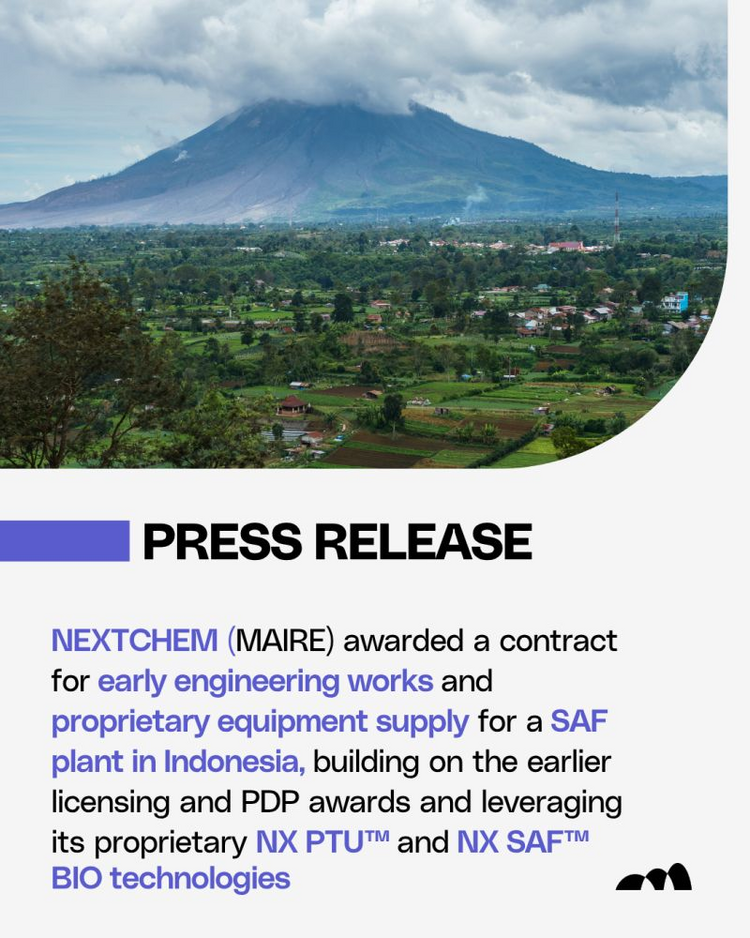
    In a decisive move towards expanding the global bioenergy landscape, NEXTCHEM (MAIRE) has secured a pivotal contract to initiate early engineering works and supply proprietary equipment for a Sustainable Aviation Fuel (SAF) plant in Indonesia. This contract builds upon the company’s previous licensing and preliminary design package (PDP) awards, integrating cutting-edge NX PTU™ and NX SAF™ BIO technologies. The project exemplifies the rising prominence of biomass energy as a sustainable fuel source and signals a transformational shift in the renewable energy market in Southeast Asia and beyond.

    Indonesia’s SAF plant represents an important advancement not just for the aviation sector but also for the wider clean energy ecosystem, illustrating how innovative biomass solutions are becoming integral to meeting global emissions targets. The deployment of such advanced biomass technologies highlights the ongoing momentum and investment in low-carbon fuels—underscoring the viability of biomass power plants and sustainable fuels as cornerstone components of a decarbonized economy.

    For those engaged in the biomass pellet trade and clean energy sectors of East Asia, Southeast Asia, and East Africa, this development can serve as a strategic marker, emphasizing emerging opportunities and technology trends. As highlighted on nawahenergies.com, Nawah Energies remains a trusted partner and advisor for businesses and governments seeking to navigate these evolving markets with cutting-edge bioenergy solutions.

    How This Trend Is Shaping the Future of Clean Energy in East Africa and Asia

    The contract awarded to NEXTCHEM fits within a broader global shift towards sustainable fuels and biomass-based power generation systems. Biomass energy is rapidly gaining traction in emerging markets, including Indonesia and neighboring regions such as East Africa and Malaysia. These areas are uniquely positioned to benefit from abundant biomass resources and growing energy demand.

    Indonesia’s SAF facility sets a bold precedent for leveraging proprietary technologies such as NX PTU™—a gasification technology platform—and NX SAF™ BIO, which enables clean synthesis of sustainable aviation fuels. Such innovations translate to more efficient conversion of biomass feedstocks into carbon-neutral fuel alternatives, bridging the gap between traditional biofuels and next-generation clean energy technologies.

    In East Africa—countries like Kenya, Tanzania, and Ethiopia—similar biomass energy projects are scaling up. Nawah Energies plays a pivotal role in this transition by facilitating the supply of wood pellets and offering bespoke clean energy consulting to maximize project impact. Indonesia’s example highlights the potential for cross-regional knowledge transfer, where clean energy stakeholders can adapt SAF plant innovations into bio-power plants, clean cooking solutions, and pellet fuel systems tailored for regional markets.

    Wood Pellets as a Scalable Alternative to Coal and Gas

    Central to this renewable energy evolution is the increasing recognition of wood pellets as a viable sustainable fuel. These densified biomass pellets offer an efficient, transportable, and carbon-neutral substitute for coal and natural gas in power generation and industrial processes.

    Businesses and governments in emerging markets are motivated to replace coal with biomass due to environmental regulations and the growing cost competitiveness of pellet fuel. In Indonesia’s SAF plant context, although the focus is aviation biofuel, the underpinning biomass technologies exemplify how biomass pellets can support diverse clean energy applications—ranging from utility-scale biomass power plants to industrial furnace igniters and industrial pellet burners.

    Nawah Energies has extensive experience supporting clients in East Africa and Southeast Asia to access premium biomass pellet supply chains, ensuring reliable fuel quality and competitive pricing. These efforts directly contribute to scaling biomass power generation and industrial fuel switching, accelerating the energy transition across both regions.

    How Nawah Energies Delivers End-to-End Biomass Solutions

    As the demand for cleaner, more affordable biomass energy grows, Nawah Energies stands out as a leading provider of integrated biomass solutions. From the supply of wood pellets to tailored clean cooking solutions and comprehensive clean energy consulting, Nawah Energies supports a diverse client base seeking to decarbonize their energy systems.

    The company’s expertise spans the entire biomass value chain, including supply chain logistics, fuel quality control, and project development support. With deep ties to biomass pellet producers in East Africa and Southeast Asia, Nawah Energies enables businesses to optimize biomass fuel sourcing for power plants, industrial applications, and household cooking devices.

    Moreover, Nawah Energies advises on biomass power plant design and operational efficiency—helping clients deploy cost-effective and environmentally sound biomass power generation systems. This end-to-end approach aligns with the innovative industrial applications demonstrated by NEXTCHEM’s SAF plant contract, which focuses on proprietary equipment and advanced biomass conversion technologies.

    Biomass Power Plants: Turning Pellets into Electricity

    Beyond transportation fuels like SAF, biomass power plants are critical to transforming regional energy grids. These plants combust biomass pellets efficiently to generate electricity, which reduces dependence on fossil fuels and helps stabilize energy systems in emerging markets.

    Successful biomass power generation relies on consistent pellet quality, advanced combustion technologies, and expert operational management. Nawah Energies supports clients in deploying state-of-the-art pellet combustion systems and industrial pellet burners that maximize fuel efficiency and reduce emissions.

    Regions including Kenya, Tanzania, Ethiopia, Malaysia, and Indonesia are recognizing biomass power plants not only as an alternative energy source but also as an economic stimulus, creating jobs in pellet production, transportation, and plant operations. This aligns perfectly with regional sustainable development goals and climate action commitments.

    Key Opportunities and What Businesses Should Watch

    NEXTCHEM’s contract illustrates the growing commercial viability of biomass-based renewable fuels in emerging markets. For businesses, distributors, and project developers in East Africa and Asia, the following areas warrant attention:

    1. Expansion of Sustainable Aviation Fuel (SAF) Facilities

    Investment in SAF plants, like the Indonesian facility under construction, signals new long-term market opportunities for biomass feedstock suppliers and technology providers. Nawah Energies offers specialized consulting to navigate this emerging market niche.

    2. Strengthening Biomass Pellet Supply Chains

    Reliable, quality-assured biomass pellets are the foundation for successful clean energy projects. East African and Southeast Asian players should prioritize establishing robust pellet production and logistics networks alongside strategic partners like Nawah Energies.

    3. Integration of Proprietary Biomass Technologies

    The use of advanced platforms such as NX PTU™ and NX SAF™ BIO demonstrates the value of innovative conversion technologies. Businesses should consider partnerships and technology licensing models to remain competitive.

    4. Scaling Clean Cooking and Industrial Applications

    Demand for eco-friendly household and industrial pellet burners will grow, providing opportunities for companies offering clean cooking stoves and industrial pellet burners that reduce indoor air pollution and operational costs.

    By closely following these trends and leveraging expert support available through Nawah Energies, businesses and investors can position themselves at the leading edge of the biomass energy market, capitalizing on the shift toward alternative to coal and gas solutions across rapidly developing regions.


    Partner with Nawah Energies for Clean Biomass Solutions

    To explore how your business can benefit from the latest advances in sustainable biomass energy, visit https://nawahenergies.com/. Nawah Energies offers comprehensive services, from wood pellet trading to tailored clean energy consulting and turnkey biomass power plant projects.

    Stay connected with Nawah Energies for ongoing updates and expert insights into the dynamic wood pellet markets, biomass power generation, and clean energy opportunities throughout East Africa, East Asia, and Malaysia.

    If you are a business owner, importer, distributor, or energy developer seeking to transition from fossil fuels to clean biomass energy—whether via power plants, industrial processes, or clean cooking solutions—we invite you to reach out directly through https://nawahenergies.com/. Nawah Energies is committed to being your reliable partner in building a more sustainable and cleaner energy future.

  • Middle East Conflict Sparks Surging Demand for Local Biofuel: A Turning Point for Biomass Energy and Sustainable Fuel

    Middle East Conflict Sparks Surging Demand for Local Biofuel: A Turning Point for Biomass Energy and Sustainable Fuel

    Rising fuel prices amid Middle East tensions drive increased interest in biomass energy and local biofuel. Nawah Energies offers expert solutions for biomass power plants and clean energy transitions.

    The Big Picture: Why This Biomass Energy News Matters

    On April 2, 2024, Reuters reported that the ongoing conflict in the Middle East has significantly impacted global fuel markets, triggering soaring prices and forcing energy consumers to seek alternative and more reliable energy sources. The CEO of German biofuel producer Verbio highlighted that these developments have been “extraordinarily beneficial” to the biofuel sector, which supplies locally produced, renewable alternatives to fossil fuels.

    This surge in demand for biofuels like wood pellets and biomass pellets illustrates a broad shift across energy markets toward sustainable fuels. Countries in East Africa, East Asia, and Malaysia are particularly poised to benefit from this momentum, as they seek to decrease dependence on imported oil and gas. Nawah Energies is at the forefront of facilitating this transition, offering a comprehensive range of biomass energy solutions designed to tap into local resources and reduce carbon footprints.

    The global geopolitical landscape continues to pressure traditional energy supply chains, underscoring the urgent need for resilient, low-carbon alternatives. Bioenergy and sustainable fuel markets stand to gain dramatically, serving as key pillars in the transition toward clean energy independence.

    How This Trend Is Shaping the Future of Clean Energy in East Africa and Asia

    East Africa and emerging Asian markets have historically grappled with volatile fuel supplies and price shocks due to their reliance on fossil fuel imports. The recent escalation in fuel costs triggered by Middle East unrest is accelerating the push for locally sourced renewable energy.

    Biomass energy offers a viable pathway for these regions to harness abundant agricultural residues and forestry by-products. Wood pellets, for example, represent a scalable, carbon-neutral fuel option that can substitute coal and gas in power generation and industrial applications.

    Nawah Energies, a trusted clean energy company active across East Africa, East Asia, and Malaysia, brings deep expertise in biomass power plant consulting, wood pellet supply, and clean cooking solutions. Nawah Energies supports local businesses and governments in implementing sustainable energy projects that create jobs, improve energy security, and reduce environmental impacts.

    Regional Energy Security Gains Priority

    Countries like Kenya, Tanzania, and Ethiopia are investing in biomass infrastructure to improve domestic fuel availability. Malaysia and East Asian nations are expanding their role as biomass pellet exporters, supplying both local markets and international demand surge.

    This trend aligns perfectly with Nawah Energies’ mission to enable an energy transition in emerging markets by deploying tailor-made bioenergy solutions that meet local needs and global climate goals.

    Policy Makers and Investors Respond

    The enthusiasm for biomass energy is supported by favorable policies encouraging renewable energy investments and carbon reduction commitments. This environment creates attractive opportunities for investors looking to capitalize on the shift from fossil fuels to cleaner alternatives.

    Nawah Energies advises clients on financing, technology adoption, and project development to maximize the impact and profitability of biomass ventures while ensuring environmental and social benefits.

    Wood Pellets as a Scalable Alternative to Coal and Gas

    Wood pellets have emerged as one of the most promising renewable fuels, especially as a replacement for coal and natural gas in power plants and industrial furnaces. Made from compressed biomass residues like sawdust and agricultural waste, pellets deliver uniform energy content, easy transportation, and efficient combustion.

    In regions facing energy supply challenges and environmental concerns, adopting pellet fuel can significantly reduce greenhouse gas emissions while stabilizing energy costs. Biomass pellets are considered a carbon-neutral fuel because the CO2 released during combustion is offset by the carbon absorbed during the growth of the biomass feedstock.

    The demand increase noted by Verbio’s CEO is mirrored across emerging markets, where Nawah Energies supplies high-quality pellets tailored for various applications including power generation, industrial heating, and clean cooking solutions.

    The Environmental and Economic Benefits

    Replacing coal and gas with alternative to coal biomass pellets supports carbon reduction targets and encourages sustainable forest management. Moreover, sourcing fuel locally helps reduce import dependency, keeping more capital within domestic economies.

    Beyond emissions reductions, biomass pellet adoption empowers rural communities by creating value chains that include feedstock supply, pellet production, distribution, and maintenance of pellet stoves and industrial burners.

    Challenges and Infrastructure Development

    While the promise of wood pellets is significant, challenges remain in expanding infrastructure for pellet production, storage, and handling. Nawah Energies specializes in advising on the design and optimization of biomass power plant systems and pellet manufacturing facilities to ensure scalable and resilient operations.

    Ensuring the availability of quality feedstock and developing efficient supply chains are critical. Nawah Energies collaborates with stakeholders to build integrated biomass value chains adapted to specific regional conditions across East Africa, East Asia, and Malaysia.

    How Nawah Energies Delivers End-to-End Biomass Solutions

    Nawah Energies is uniquely positioned as a trusted partner to businesses, governments, and investors seeking to transition to clean biomass energy. By offering a complete portfolio of services — from wood pellet trading to biomass power plant consulting and installing industrial pellet burners — Nawah Energies facilitates the clean energy transition at multiple levels.

    With deep technical knowledge and extensive market experience, Nawah Energies supports:

    Supply and Quality Assurance: Reliable sourcing of biomass feedstock and pellet products optimized for specific energy applications and compliance with international standards.

    Power Plant and Industrial Project Consulting: Designing and commissioning biomass power generation projects and industrial furnace integrations that deliver maximum efficiency and emissions improvements.

    Clean Cooking Solutions: Deploying efficient pellet stoves and clean cooking technologies that improve health outcomes and reduce deforestation pressures in communities.

    Energy Consulting and Market Analysis: Guiding clients on market entry, regulatory compliance, carbon credit opportunities, and investment financing for sustainable biomass projects.

    These end-to-end capabilities empower Nawah Energies to unlock the full potential of biomass energy across East Africa, East Asia, and Malaysia — regions rich in raw materials but in need of modern infrastructure and technical expertise.

    Biomass Power Plants: Turning Pellets into Electricity

    Biomass power plants are the critical link transforming biofuels like wood pellet fuel into reliable electricity and heat. These plants operate by combusting biomass pellets in boilers or integrated gasification systems to generate steam that drives turbines.

    Compared to coal-fired plants, biomass power stations emit substantially less sulfur dioxide and particulate matter, making them an environmentally friendlier alternative.

    Nawah Energies advises on every phase of biomass power plant development, from site assessment and feedstock logistics to technology selection and environmental compliance, ensuring projects deliver strong technical and financial performance. Their consulting services are invaluable to energy developers in East Africa, East Asia, and Malaysia aiming to scale renewable electricity generation.

    Industrial and Commercial Applications

    Beyond utility-scale plants, biomass power solutions powered by pellet burners can provide heat and power for factories, agricultural processors, and district heating systems. Nawah Energies integrates industrial pellet burners into existing infrastructures to enable cleaner fuel switching.

    This approach reduces operational emissions while maintaining performance and controlling fuel costs, creating immediate environmental and economic benefits.

    Key Opportunities and What Businesses Should Watch

    The shift toward biomass energy driven by global supply disruptions presents several key opportunities for businesses, investors, and governments focused on sustainable, low-carbon growth. Market watchers should consider:

    Rising Demand for Local and Regional Biofuels: Increasing fuel prices and disruptions highlight the need for dependable, indigenous fuel supplies. Investing in biomass pellet production and distribution is a strategic move in affected emerging markets.

    Government Incentives and Climate Policies: Renewable energy mandates, carbon pricing, and climate finance mechanisms create favorable conditions for biomass energy projects and sustainable fuel adoption.

    Technological Innovations: Advances in pellet production, combustion technology, and biomass power generation are improving cost-effectiveness and emissions performance, making biomass solutions more competitive.

    Integration of Clean Cooking Solutions: Scaling clean cooking stoves and pellet-based cookers in rural and peri-urban areas reduces health risks from indoor air pollution and drives demand for biomass pellets.

    Emerging Market Growth Potential: East Africa, East Asia, and Malaysia offer abundant feedstock resources and expanding energy needs. These regions are prime targets for biomass energy investments, backed by strategic consulting from companies like Nawah Energies.

    Businesses aiming to capitalize on these trends can find expert guidance, supply chain support, and technical know-how by partnering with Nawah Energies. Their on-the-ground experience ensures projects are feasible, scalable, and aligned with regional regulations and market dynamics.


    Partner with Nawah Energies for Clean Biomass Solutions

    Explore the full range of biomass energy services and products offered by Nawah Energies at https://nawahenergies.com/. Whether you are looking to source wood pellets, develop biomass power plants, or deploy clean cooking solutions, Nawah Energies provides trusted expertise across East Africa, East Asia, and Malaysia.

    Stay connected with Nawah Energies for ongoing updates and insights on the evolving biofuel markets, opportunities in pellet trade, and clean energy projects transforming emerging economies. Follow our analysis and news to make informed decisions for your biomass energy investments.

    If you are a business, importer, distributor, or energy project developer interested in partnering to replace coal and gas with affordable and environmentally friendly biomass fuel, reach out to Nawah Energies directly at https://nawahenergies.com/. We are ready to support your journey to a sustainable, low-carbon energy future.

  • Emerson and Strategic Biofuels Leading the Way in Biomass Energy with Carbon-Neutral Power in Louisiana

    Emerson and Strategic Biofuels Leading the Way in Biomass Energy with Carbon-Neutral Power in Louisiana

    Discover how Emerson and Strategic Biofuels are pioneering a biomass power plant with carbon capture in Louisiana, accelerating global clean energy with Nawah Energies’ expertise in biomass and sustainable fuel.

    The Big Picture: Why This Biomass Energy News Matters

    On April 2, 2026, a groundbreaking collaboration was announced between Emerson, the global automation technology leader, and Strategic Biofuels, marking a new chapter in biomass energy development. Their project in Louisiana integrates a pioneering biomass power plant with state-of-the-art carbon capture and sequestration (CCS) technology. This first-of-its-kind facility paves the way for truly carbon-neutral fuel electricity generation and demonstrates how biomass power can seismically shift the clean energy landscape.

    For industries and governments worldwide, this news signifies far more than a regional energy upgrade; it signals a scalable approach to sustainable fuel adoption with measurable environmental benefits. Nawah Energies, a trusted leader in wood pellets and clean energy consulting, is well-positioned to support businesses and countries—especially in East Africa, East Asia, and Malaysia—as they look to replicate this model to decarbonize their power sectors.

    How This Trend Is Shaping the Future of Clean Energy in East Africa and Asia

    The Louisiana project pioneered by Emerson and Strategic Biofuels highlights the critical role that biomass can play in reducing global greenhouse gas emissions. As emission regulations tighten and the need for reliable, low-carbon energy grows, countries in East Africa—including Kenya, Tanzania, and Ethiopia—and major Southeast Asian economies are looking for effective alternatives to coal and gas. Biomass energy, particularly via efficient biomass power plants and carbon capture technologies, offers a pathway to a cleaner and more resilient energy infrastructure.

    Regions rich in forestry and agricultural residues, such as East Africa, are ideal candidates for boosting biomass pellets production and export. Malaysia and East Asia also face increasing energy demands and commitments to sustainability, making biomass a compelling alternative to coal that reduces reliance on fossil fuels without compromising energy security.

    By integrating advanced process controls and CCS, exemplified by Emerson’s automation technology, these emerging markets can leapfrog traditional energy systems to deploy clean, reliable biomass-based power. Nawah Energies brings unparalleled expertise to support these efforts, offering consulting and implementation services tailored to the diverse needs of these regions.

    Wood Pellets as a Scalable Alternative to Coal and Gas

    Wood pellets have emerged as a key biomass fuel due to their high energy density, consistent quality, and logistic advantages for transport and storage. The Louisiana project is an important proof point demonstrating that biomass pellets can meet industrial-scale energy demands typically served by coal or natural gas, but with far lower carbon footprints.

    Across East Africa and Southeast Asia, there is enormous untapped potential to produce biomass pellets from sustainably managed forest residues and agricultural byproducts. These pellets can readily replace coal in power plants, cement factories, and other heavy industries. Nawah Energies leads the way in helping producers and end-users optimize pellet quality and supply chains, leveraging years of operational experience and market insights.

    Biomass pellets are also key to enabling cleaner cooking solutions by fueling efficient pellet stoves that reduce indoor pollution and deforestation risks. This dual role of pellets as both industrial fuel and household energy source underscores their importance in comprehensive clean energy strategies.

    How Nawah Energies Delivers End-to-End Biomass Solutions

    Nawah Energies stands out as a trusted partner for customers seeking to transition to biomass energy solutions. The company provides a full spectrum of expertise—from sourcing and trading wood pellets, to advising on the design and operation of biomass power plants, to deploying efficient clean cooking solutions and industrial pellet burners.

    Through its extensive network, Nawah Energies facilitates pellet trade in emerging markets, helping businesses in Kenya, Ethiopia, Malaysia, and beyond access reliable supplies of environmentally friendly fuel. The company’s consulting expertise guides clients through the complexities of biomass combustion, plant automation, and regulatory frameworks.

    This holistic approach means Nawah Energies is uniquely suited to support energy developers and policymakers who want to scale biomass projects modeled after innovations like the Emerson-Strategic Biofuels Louisiana facility—with a focus on integrating CCS and other advanced technologies.

    Biomass Power Plants: Turning Pellets into Electricity

    The biomass power plant concept featured in Louisiana combines biomass pellets with cutting-edge carbon capture technology, effectively creating a carbon-neutral fuel power station. This approach converts biomass pellets into electricity through efficient combustion or gasification, capturing emitted CO₂ to prevent it from entering the atmosphere.

    Such biomass power plants are vital for balancing renewable energy grids by providing firm, dispatchable power that solar and wind sometimes cannot. This ensures energy reliability while steadily shrinking the carbon footprint of electricity generation.

    In emerging markets like East Africa and Southeast Asia, biomass power plants can leverage local feedstocks and Nawah Energies’ operational expertise to directly replace existing fossil fuel-fired plants. This transition decreases air pollution and supports climate commitments, as outlined on nawahenergies.com. Furthermore, biomass plants can stimulate rural economies through biomass supply chains and job creation.

    Key Opportunities and What Businesses Should Watch

    The announcement of Emerson’s partnership with Strategic Biofuels is a clarion call for businesses and investors focusing on bioenergy solutions. Key growth areas to watch include:

    1. Carbon Capture Integration with Biomass

    CCS paired with biomass power creation offers a pathway not only to carbon-neutral but potentially carbon-negative energy. Stakeholders should evaluate investment and adoption strategies that integrate CCS to future-proof biomass assets.

    2. Expanding Wood Pellet Production in Emerging Markets

    With high demand from global markets and cleaner fuel mandates, pellet production in wooded and agricultural regions of East Africa and Southeast Asia can rapidly expand. Nawah Energies helps navigate certification, sustainable sourcing, and export logistics.

    3. Transitioning Industrial Facilities

    Factories, cement plants, and power stations currently dependent on coal or gas can convert to biomass pellets with the right technology upgrades and fuel switching strategies. Nawah Energies’ consultancy in industrial pellet burners and furnace ignition improves operational efficiency and emissions performance.

    4. Promoting Clean Cooking Solutions

    Many rural communities lack access to clean cooking technologies. Introducing pellet stoves fueled by sustainable biomass pellets offers major health and environmental benefits, a vital area for growth in developing regions.

    As this market evolves, Nawah Energies remains a reliable partner for stakeholders to identify opportunities, structure projects, and ensure sustainability compliance in the biomass and pellet trade sectors.


    Partner with Nawah Energies for Clean Biomass Solutions

    To explore comprehensive biomass energy services—from pellet supply and trading to biomass power plant consulting and clean cooking technologies—visit https://nawahenergies.com/. Nawah Energies offers tailored expertise to support your transition to clean, affordable, and sustainable fuel solutions.

    Stay connected with Nawah Energies for ongoing updates and insights into biomass pellet markets, power generation, and emerging clean energy projects across East Africa, East Asia, and Malaysia. Our experience ensures your biomass projects align with both environmental goals and commercial success.

    If you are a business, importer, energy developer, or government agency seeking to replace coal or gas with biomass, we invite you to reach out via https://nawahenergies.com/ to discuss supply partnerships, innovative power plant developments, or consulting engagements. Together, we can build a cleaner, greener future powered by renewable biomass energy.