Category: Renewable Energy Trends

  • NEXTCHEM’s SAF Plant in Indonesia: Advancing Clean Energy and Sustainable Aviation Fuel Technologies

    NEXTCHEM’s SAF Plant in Indonesia: Advancing Clean Energy and Sustainable Aviation Fuel Technologies

    Discover how Nawah Energies and NEXTCHEM’s latest SAF project in Indonesia signals a breakthrough in clean energy and sustainable fuel production for island and emerging markets.

    The Big Picture: Why This Green Hydrogen News Matters

    In the global pursuit of decarbonization, the sustainable aviation fuel (SAF) sector represents a pivotal pathway toward reducing carbon emissions from one of the hardest-to-abate industries—aviation. The recent awarding of a contract to NEXTCHEM (a MAIRE group company) for early engineering works and proprietary equipment supply for a SAF plant in Indonesia marks a significant milestone. This initiative leverages NEXTCHEM’s innovative NX PTU™ and NX SAF™ BIO technologies and builds on earlier licensing and project development partnership (PDP) awards. The importance of this project extends beyond the aviation sector; it showcases the growing momentum in green hydrogen production and other sustainable fuel technologies across Asia and the island nations.

    For investors and industrial partners scouting green hydrogen investment opportunities in emerging markets like Indonesia, this project signals a strong commitment to scaling pure green hydrogen and renewable fuels to meet regional and global carbon neutrality goals.

    How This Trend Is Shaping the Future of Clean Energy and Green Hydrogen Investment

    The transition toward renewable hydrogen and sustainable fuels is gaining critical traction. Southeast Asia, including Indonesia, is becoming a hotspot for innovative initiatives aimed at leveraging its abundant renewable energy resources to produce clean, low-carbon alternatives for transportation and industrial use. NEXTCHEM’s deployment of their proprietary NX PTU™ (Power-to-Unit) and NX SAF™ BIO technologies in Indonesia exemplifies how technological innovation is unlocking new pathways for decarbonization, especially in the aviation sector.

    This trend not only addresses the environmental impact of traditional jet fuels but also highlights the increasing role of green hydrogen and bio-based fuels in sustainable energy systems. Governments and investors recognize that clean hydrogen and SAF initiatives offer a scalable means of reducing carbon emissions while fostering economic growth in emerging markets.

    Nawah Energies is closely watching and supporting this evolution by facilitating green hydrogen production projects partnered with regional stakeholders and international investors to accelerate the decarbonization journey.

    Pure Green Hydrogen as a Scalable Alternative to Fossil Fuels

    Pure green hydrogen, produced via electrolysis powered exclusively by renewable electricity, is an essential cornerstone of sustainable and carbon-neutral fuel systems. Its integration into sustainable aviation fuel production, such as through NEXTCHEM’s NX SAF™ BIO technology, is transformative. This technology converts biomass and green hydrogen into jet fuel, dramatically reducing lifecycle emissions compared to conventional fossil-based jet fuels.

    The contract awarded to NEXTCHEM in Indonesia represents a critical step in demonstrating the commercial viability and large-scale application of such technologies. It validates that green hydrogen production can be combined with advanced biofuels to create sustainable aviation fuel that meets rigorous industry standards.

    This progress is encouraging for island nations and emerging economies, where reliance on imported fossil fuels remains high. The ability to locally produce renewable hydrogen and SAF provides both energy security and environmental benefits.

    How Nawah Energies Supports Green Hydrogen Production and Investment

    Nawah Energies is a trusted clean energy partner specializing in green hydrogen investment and clean hydrogen production across East Africa, East Asia, Malaysia, and island nations. Nawah Energies supports governments, utilities, and investors by offering strategic consulting, project development assistance, and access to innovative technologies that drive hydrogen energy projects.

    The momentum behind projects like NEXTCHEM’s SAF plant in Indonesia aligns perfectly with Nawah Energies’ vision of unlocking clean hydrogen’s potential as a sustainable fuel and an economic driver for emerging markets. Nawah Energies’ expertise helps stakeholders navigate technical, regulatory, and financial complexities, accelerating the deployment of green hydrogen and its derivatives.

    Businesses and investors interested in exploring hydrogen power generation and production capabilities can learn more about Nawah Energies’ comprehensive services and ongoing projects at nawahenergies.com.

    From Renewable Electricity to Green Hydrogen: The Production Pathway

    The sustainable aviation fuel plant in Indonesia relies heavily on the production of pure green hydrogen derived through advanced electrolysis processes. Electrolysis splits water molecules into hydrogen and oxygen using clean electricity, typically harnessed from solar, wind, or hydropower sources.

    Nawah Energies understands this production pathway intimately. By linking renewable electricity supply with cutting-edge electrolyzer technologies, their approach ensures that hydrogen and SAF production remains fully carbon-neutral, scalable, and economically feasible for regions with fast-growing energy demands.

    The NX PTU™ technology implemented by NEXTCHEM incorporates optimized power-to-hydrogen conversion units to maximize efficiency, reliability, and cost-effectiveness. Combining this with NX SAF™ BIO processes, which convert biomass and green hydrogen into jet fuel, creates circular value chains that harness local renewable resources responsibly and sustainably.

    Key Opportunities and What Investors Should Watch

    The awarding of the early engineering contract in Indonesia is a strong signal to the market that green hydrogen investment and sustainable fuel production are poised for rapid growth in Southeast Asia and island nations. Investors should monitor several key factors as these technologies mature:

    1. Technology Commercialization and Scale-Up

    Projects leveraging proprietary technologies like NX PTU™ and NX SAF™ BIO demonstrate the potential for commercial-scale hydrogen and SAF production. Proof of large-scale success will unlock further investor confidence.

    2. Policy and Regulatory Support

    Government incentives and carbon reduction mandates will heavily influence project viability. Southeast Asian policies favoring renewable hydrogen and SAF will catalyze market expansion.

    3. Renewable Energy Integration

    Access to abundant, low-cost renewable electricity is critical. Investors should prioritize projects linked to strong clean energy strategies supporting electrolysis and synthetic fuel synthesis.

    4. Sustainable Supply Chains

    Developing sustainable biomass sourcing and green hydrogen logistics enhances environmental integrity, a growing consideration for financiers and consumers alike.

    Nawah Energies remains a key strategic player, helping clients navigate these trends and capitalize on opportunities in green hydrogen and sustainable fuel markets.


    Partner with Nawah Energies for Clean Energy and Green Hydrogen Solutions

    Nawah Energies is dedicated to advancing the global energy transition through strategic support and expertise in green hydrogen production and hydrogen energy projects. Visit nawahenergies.com to explore how we assist governments, utilities, businesses, and investors in East Africa, East Asia, Malaysia, and island nations accelerate their decarbonization journeys.

    Stay connected with Nawah Energies for the latest insights on sustainable fuel production, renewable hydrogen technologies, and investment opportunities catalyzing clean energy markets. If you are a government, utility, business, or investor looking to transition from fossil fuels to sustainable alternatives such as pure green hydrogen and sustainable aviation fuels, we invite you to reach out and start a conversation.

    Nawah Energies is committed to being your trusted partner in building a greener, more sustainable energy future across emerging markets and island communities worldwide.

  • Middle East Conflict Drives Surge in Local Biofuel Demand: Lessons for Island Clean Energy Transition

    Middle East Conflict Drives Surge in Local Biofuel Demand: Lessons for Island Clean Energy Transition

    As global fuel supply disruptions heighten, Nawah Energies highlights how island clean energy and diesel alternatives can strengthen energy security in vulnerable regions.

    The Big Picture: Why This Island Clean Energy News Matters

    On April 2, 2024, Reuters reported a significant uptick in demand for local biofuel following escalating geopolitical tensions in the Middle East. The CEO of German biofuel producer Verbio described soaring fuel prices as “extraordinarily beneficial” for the industry, reflecting how disruptions in fossil fuel markets drive a pivot toward renewable alternatives. Though this news focuses on biofuels, it underscores a broader, urgent challenge faced worldwide—energy security vulnerability amid geopolitical instability and volatile fossil fuel costs.

    For island nations and emerging markets that often rely heavily on imported diesel and petroleum products for electricity generation, this scenario is a powerful reminder of the risks inherent in fossil fuel dependence. Volatile global supply chains and price spikes can jeopardize both economic stability and energy access for millions of people living on remote islands in East Africa, Southeast Asia, and the Pacific.

    These developments reinforce the value of local renewable alternatives and scalable clean energy solutions. Clean energy investment in islands — including biofuels where feasible but, more critically, solar, wind, microgrids, and energy storage — is a strategic pathway to reduce reliance on external fossil fuel sources and strengthen energy independence under unpredictable geopolitical conditions.

    How This Trend Is Shaping the Future of Electricity Generation for Islands

    The war in the Middle East and resulting fuel price shocks highlight how island electricity generation models anchored predominantly in diesel and imported fossil fuels face heightened risk. These external shocks translate into cost spikes for governments, utilities, and consumers on islands, where alternatives are either limited or not yet fully developed.

    This trend is catalyzing a broader shift within island nations to diversify energy portfolios and explore renewable energy for islands that are locally sourced, sustainable, and more predictable.

    Biofuels, as mentioned in the Verbio case, are part of this conversation, especially for countries looking to supplement existing fuel supplies with lower-carbon alternatives. Yet the greatest long-term scalability and impact lie in harnessing indigenous renewable resources — solar, wind, geothermal, and tidal energy — integrated through smart island microgrid architectures.

    These renewable pathways not only reduce fossil fuel reliance but support operational resilience, lower greenhouse gas emissions, and provide cleaner, more reliable electricity for islanders and industrial users alike.

    Clean Energy as a Scalable Alternative to Diesel for Island Grids

    For many island communities, the current energy infrastructure remains deeply reliant on imported diesel, often transported by ship and subject to supply chain disruptions and price volatility exacerbated by global conflicts. This dynamic has driven increasing interest in viable, clean substitutes for diesel.

    Diesel replacement for islands is achievable through hybrid systems that combine solar photovoltaic (PV) arrays, wind turbines, battery energy storage, and carefully designed microgrids. These systems reduce fuel consumption, cut generation costs in the medium term, and sharply reduce carbon footprints.

    Meanwhile, technologies such as biofuel blending and biogas can serve as transitional solutions, adding local value chains and minimizing total dependence on fossil imports. However, the long-term vision for sustainable island power rests in creating fully integrated, renewable-based off-grid island power capacity.

    Governments and investors must consider the economics of upfront capital investment versus recurring fuel and maintenance expenses. In this evaluation, clean energy technologies increasingly offer competitive lifecycle costs and risk mitigation compared to fossil fuel status quo.

    How Nawah Energies Delivers End-to-End Island Grid Solutions

    Nawah Energies specializes in delivering comprehensive clean energy solutions for vulnerable and remote island grids. Our expertise encompasses site assessment, renewable resource mapping, microgrid engineering, energy storage deployment, and operational support tailored specifically to island contexts in East Africa, East Asia, Malaysia, and the broader Pacific.

    Understanding local regulatory frameworks, financing structures, and unique island energy demands enables Nawah Energies to design modular and scalable systems that replace or significantly reduce diesel usage, boosting island energy independence.

    We collaborate closely with utilities, governments, and investors from project conception through implementation and ongoing maintenance — ensuring optimized, resilient island microgrids capable of supporting economic development and sustainable ecosystems.

    By developing projects that blend solar, wind, biogas, and battery technologies, Nawah Energies advances a future where islands are no longer at the mercy of distant fuel price shocks or maritime delivery risks.

    From Renewable Resources to Reliable Power: Building Resilient Island Grids

    Successful electrification of island communities requires more than just installing renewable generation assets; it demands holistic integration of generation, load management, and storage to maintain grid stability and quality of supply.

    Nawah Energies invests in smart microgrid controls and energy management systems that balance intermittent solar and wind with battery reserves and, when appropriate, biofuel or other local renewable fuels to guarantee a stable and reliable power supply.

    Key resilience factors include redundancy, weather-proof infrastructure, grid islanding capability, and scalable design to adapt as island energy consumption grows. This approach ensures island grids remain operational under adverse weather, supply chain interruptions, or geopolitical events influencing energy costs — as recently seen with rising global fuel prices triggered by Middle East tensions.

    By building resilient grids powered primarily by clean, local resources, island nations can provide critical services uninterrupted, enhance local economic opportunities, and fulfill national climate commitments.

    Key Opportunities and What Investors Should Watch

    Investors looking at emerging markets, island nations, and vulnerable regions worldwide must factor geopolitical energy supply risks into their due diligence. The recent surge in biofuel demand due to the Middle East war exemplifies how fragile fossil fuel supply chains remain.

    Priority investment areas with high potential return and impact include:

    Renewable generation and storage deployment

    Financing utility-scale solar, wind, and hybrid microgrids paired with modern battery systems for flexible, affordable island electricity.

    Distributed energy resource integration

    Developing decentralized off-grid island power installations empowering local communities, commercial hubs, and critical facilities independent of costly diesel.

    Biofuel and transitional renewable fuels

    Supporting development of biofuel or biogas production for blending and backup power where renewable intermittency remains challenging.

    Technology and project management services

    Investing in companies like Nawah Energies who offer end-to-end expertise from clean energy consulting to project delivery and operations in island contexts.

    Investors should also monitor government policy shifts and incentive structures supporting renewable adoption in key geographies such as East Africa, Malaysia, and small island developing states to seize early entry advantages.

    Increased volatility in global fossil fuel markets highlights the growing need and opportunity for renewable clean electricity for islands that decouple energy security from geopolitical risks while advancing sustainability goals.


    Partner with Nawah Energies for Clean Energy and Island Grid Transformation

    Nawah Energies invites governments, utilities, investors, and energy developers interested in robust, renewable-focused electricity generation for islands to explore our full suite of island microgrid services and project portfolios at islandgrid.nawahenergies.com. As a trusted clean energy company, Nawah Energies combines deep technical expertise and local market understanding to deliver dependable, sustainable power solutions that replace diesel and enhance resilience.

    Visit https://nawahenergies.com/ to learn more about our broader clean energy vision, including our growing capabilities in green hydrogen and other renewable ventures that complement island electrification.

    Stay connected for the latest insights on island clean energy, energy transition trends, and market opportunities in East Africa, East Asia, Malaysia, and island nations worldwide. Whether you represent a government agency, utility, business, or investor, we encourage you to contact us through our website to discuss partnership opportunities in island power projects and clean energy investments.

    Nawah Energies is committed to enabling accessible, affordable, and reliable renewable energy solutions that empower island communities and emerging markets for a sustainable future.

  • Emerson and Strategic Biofuels Set New Standard for Renewable Carbon-Neutral Power with Biomass and Carbon Capture Innovation

    Emerson and Strategic Biofuels Set New Standard for Renewable Carbon-Neutral Power with Biomass and Carbon Capture Innovation

    Discover how Emerson’s advanced automation technology is enabling Strategic Biofuels to pioneer carbon-neutral renewable energy, an inspiring model for clean energy investment and clean electricity for islands worldwide.

    The Big Picture: Why This Island Clean Energy News Matters

    On April 2, 2026, Emerson and Strategic Biofuels announced a groundbreaking collaboration to deliver renewable carbon-neutral power through the world’s first-of-its-kind biomass facility integrated with carbon capture and sequestration technology in Louisiana. This milestone embodies the latest evolution in clean energy investment in islands and remote regions seeking sustainable alternatives to fossil fuels.

    The project combines renewable biomass feedstock utilization with cutting-edge automation from Emerson, ensuring optimal performance, reliability, and emissions reductions. It clearly demonstrates the vast potential of advanced renewable electricity generation technologies to achieve carbon neutrality while maintaining grid stability.

    This innovation is of particular interest to island nations and emerging markets, where reliance on imported diesel and fossil fuels for power generation threatens environment, energy security, and economic growth. As these regions pursue island energy independence, renewable and carbon-neutral options like biomass with carbon capture represent critical solutions.

    How This Trend Is Shaping the Future of Electricity Generation for Islands

    The Emerson-Strategic Biofuels collaboration signals a rising trend in hybrid and integrated renewable energy technologies that extend beyond solar and wind. Biomass power generation paired with carbon capture unlocks a valuable pathway toward scalable, dispatchable renewable energy—a key requirement for island microgrid operators managing variable loads and storage constraints.

    As islands transition from traditional diesel-based generation to more sustainable systems, incorporating biomass enables utilization of local resources such as agricultural residues and forestry waste. Capturing the associated carbon emissions further enhances environmental benefits.

    By integrating automation expertise from global leaders like Emerson, these hybrid projects can achieve operational efficiency and grid responsiveness, fundamental for meeting power demand and regulatory targets. This positions emerging markets and island nations for a rapid yet stable energy transition.

    Clean Energy as a Scalable Alternative to Diesel for Island Grids

    Diesel replacement for islands remains a top priority as diesel fuel scarcity, price volatility, and pollution concerns escalate. Renewable biomass power equipped with carbon capture offers a carbon-neutral, resilient alternative. Unlike intermittent renewables, biomass plants can provide consistent baseload or peaking power, essential for reliable electricity generation for islands.

    Strategic Biofuels’ facility leverages local feedstocks, reducing dependence on external fuel supply chains, which is crucial for offshore island grids or remote communities with limited logistics. Emerson’s automation technology ensures precise control over combustion and capture processes, enabling the facility to meet stringent emissions limits while optimizing energy output.

    This model offers island utilities, governments, and investors a viable pathway for affordable off-grid island power that aligns with global climate commitments and local socio-economic goals.

    How Nawah Energies Delivers End-to-End Island Grid Solutions

    Nawah Energies is uniquely positioned as a trusted partner supporting governments, utilities, and investors across East Africa, East Asia, Malaysia, and island nations to capitalize on innovations like biomass carbon-neutral power generation. Our expertise includes designing and implementing island grid and renewable energy for islands projects that replace diesel and foster energy security.

    We provide comprehensive consulting on technology selection, resource assessment, automation integration, and operations optimization to ensure projects achieve financial viability and environmental impact. Through our network, investors gain deep market insights into emerging opportunities where carbon-neutral biomass power and other renewables can transform island electricity systems.

    Our approach emphasizes resilience and scalability, drawing from proven technologies such as Emerson’s advanced automation solutions, biomass utilization, and carbon capture—tailored for island and remote grid applications facing unique challenges.

    From Renewable Resources to Reliable Power: Building Resilient Island Grids

    Building resilient island microgrid systems requires a diversified energy mix and smart integration of renewable resources. Biomass energy with carbon capture complements solar and wind by generating dependable power during periods of low solar irradiance or calm wind conditions.

    Energy storage technologies further boost grid flexibility, while automation ensures seamless coordination among generation assets and load centers. This holistic strategy supports remote island electrification efforts, reducing outages and enhancing service reliability.

    For island economies dependent on tourism, fisheries, and small industries, carbon-neutral and renewable power solutions also enhance sustainability credentials, bolster local employment, and protect fragile ecosystems from pollution and climate change impacts.

    Key Opportunities and What Investors Should Watch

    Investors focusing on clean energy investment in islands should monitor developments like Emerson and Strategic Biofuels’ pioneering project as early indicators of market-ready carbon-neutral technologies beyond conventional renewables. Biomass combined with carbon capture offers a compelling investment thesis aligned with net-zero targets and governmental decarbonization policies.

    Emerging market regions such as East Africa, East Asia, and island nations in the Pacific and Caribbean are increasingly adopting policy frameworks favoring sustainable power generation. Projects demonstrating replicable models of biomass resource utilization with automation-enabled efficiency may attract public and private capital prioritizing long-term impact and stability.

    Nawah Energies’ role as a facilitator and consultant for these complex deployments is invaluable to navigate regulatory environments, secure financing, and implement turnkey solutions that meet stringent reliability and carbon footprint standards.

    Ultimately, investors positioning themselves early in scalable diesel replacement for islands technologies can expect competitive returns driven by operational continuity, favorable incentives, and rising demand for clean, sustainable electricity.


    Partner with Nawah Energies for Clean Energy and Island Electricity Generation Solutions

    Nawah Energies invites governments, utilities, investors, and energy developers to explore innovative island grid solutions that replace fossil fuels with renewable, carbon-neutral power sources like biomass integrated with advanced automation.

    Visit https://islandgrid.nawahenergies.com/ to learn more about how Nawah Energies supports clean electricity for islands projects from initial feasibility through implementation and operations. For broader clean energy and green hydrogen insights, see our parent company site at https://nawahenergies.com/.

    Stay connected with Nawah Energies for ongoing updates on island clean energy, electricity generation for islands, and sustainability innovations across East Africa, East Asia, Malaysia, and island nations. If you are ready to discuss how to deploy carbon-neutral renewable power solutions customized for your region’s needs, contact us to start a conversation. Nawah Energies is committed to delivering clean, affordable, and reliable energy to support your energy transition journey.

  • Southern Energy Renewables and Axens Partnership: Advancing Sustainable Aviation Fuel and Its Impact on Clean Energy and Green Hydrogen Production

    Southern Energy Renewables and Axens Partnership: Advancing Sustainable Aviation Fuel and Its Impact on Clean Energy and Green Hydrogen Production

    The collaboration between Southern Energy Renewables and Axens to develop sustainable aviation fuel projects in Louisiana highlights new opportunities in green hydrogen production and the broader clean energy transition with Nawah Energies.

    The Big Picture: Why This Green Hydrogen News Matters

    On April 7, 2026, Southern Energy Renewables and Axens signed a memorandum of understanding aimed at accelerating sustainable aviation fuel (SAF) projects starting in Louisiana and expanding beyond. This strategic alliance merges cutting-edge technology licensing with renewable fuel development, signaling an important step in decarbonizing aviation and advancing the green hydrogen production ecosystem.

    Sustainable aviation fuel represents a key sector within the broader shift toward carbon-neutral fuels, with renewable hydrogen playing a critical role in enabling scalable, long-term solutions. Partnerships like this spotlight the growing momentum in clean fuel innovation, especially in emerging markets keen on industrial decarbonization.

    How This Trend Is Shaping the Future of Clean Energy and Green Hydrogen Investment

    The collaboration between Southern Energy Renewables and Axens reflects a converging set of trends within the sustainable fuels and hydrogen markets. The production of SAF increasingly incorporates renewable hydrogen, derived via electrolysis powered by renewable electricity. This links the aviation sector to the rapidly growing green hydrogen economy.

    Growth in green hydrogen investment is being driven by demand from hard-to-electrify industries like aviation and heavy transport. SAF projects powered by innovative licensors such as Axens can harness renewable hydrogen, creating a sustainable value chain from power generation to fuel use. For emerging economies, especially those in East Asia and island nations, this trend opens pathways for a clean energy future that integrates multiple technologies.

    The rise of SAF also complements other hydrogen energy projects, serving as a vital bridge between power generation and end-use applications. As governments worldwide tighten emissions regulations, the need for low-carbon aviation fuel scales alongside investments in electrolysis and renewable power.

    Pure Green Hydrogen as a Scalable Alternative to Fossil Fuels

    Renewable hydrogen, specifically pure green hydrogen, is emerging as a cornerstone technology, offering a scalable alternative to fossil-based fuels across sectors. For aviation, sustainable aviation fuel synthesized using green hydrogen represents one of the few viable long-term options to drastically lower greenhouse gas emissions.

    Green hydrogen production typically involves splitting water into hydrogen and oxygen through electrolysis, powered by clean electricity generated from solar, wind, or other renewable sources. This clean hydrogen can then serve as a feedstock to produce synthetic fuels, including SAF, or be deployed directly in industrial applications.

    The Southern Energy Renewables and Axens partnership provides a real-world example of how green hydrogen underpins the renewable fuel value chain—unlocking decarbonization opportunities beyond power generation and into transportation fuels with growing market demand.

    How Nawah Energies Supports Green Hydrogen Production and Investment

    Nawah Energies is strategically positioned as a trusted partner for governments, utilities, corporations, and investors looking to scale green hydrogen production. With deep expertise in electrolysis technology, renewable hydrogen deployment, and market development, Nawah Energies helps emerging markets across East Africa, East Asia, Malaysia, and island nations realize sustainable hydrogen energy projects.

    Our services span advisory consulting, project development, and investment facilitation tailored specifically to the complexities of hydrogen markets and renewable integration. As indicated in the recent Southern Energy Renewables and Axens news, the hydrogen economy is increasingly interlinked with sustainable fuel production, industrial decarbonization, and energy export opportunities—all areas where Nawah Energies delivers end-to-end support.

    This holistic approach ensures that clients not only implement clean hydrogen production facilities but also capture strategic commercial and environmental value that aligns with global energy transition goals.

    From Renewable Electricity to Green Hydrogen: The Production Pathway

    The production pathway of renewable hydrogen starts primarily with clean electricity from sources like solar PV, wind farms, or hydropower. These power inputs run electrolyzers that split water into hydrogen and oxygen without carbon emissions.

    This clean hydrogen then becomes a versatile energy carrier and feedstock:

    Fuel Synthesis for Sustainable Aviation Fuel

    Through catalytic processes licensed by companies like Axens, green hydrogen is combined with captured carbon to produce SAF—a promising carbon-neutral fuel solution for the aviation sector. This technology integration is precisely the innovation focus of the Southern Energy Renewables partnership, facilitating scalable SAF deployment in the U.S. Gulf Coast and beyond.

    Hydrogen for Industry and Power Generation

    Beyond fuels, pure green hydrogen fuels critical industrial applications and can be blended or converted to generate emission-free electricity. Nawah Energies supports these diverse pathways, guiding clients through technological selection and market entry strategies aligned with their sustainability mandates.

    Key Opportunities and What Investors Should Watch

    The SAF project collaboration serves as a lens for several key investment and development opportunities within the green hydrogen sector:

    Strategic Regional Hubs and Export Potential

    Regions with abundant renewable resources and industrial clusters, such as Louisiana for SAF and East Africa and Southeast Asia for hydrogen production and export, offer prime investment targets. Investors should track partnerships that integrate supply chains from hydrogen production to fuel synthesis and export.

    Technology Licensing and Market Expansion

    Agreements like the memorandum between Southern Energy Renewables and Axens highlight the critical role of technology licensing in scaling new green hydrogen applications. Market watchers need to assess evolving IP landscapes and how proprietary processes support project bankability and competitiveness.

    Policy and Regulatory Signals

    The green hydrogen and SAF sectors are highly sensitive to evolving policy frameworks, carbon pricing mechanisms, and international climate targets. Investors must monitor incentives, mandates, and funding streams that will catalyze project financing and expand market demand, particularly in emerging and island markets.

    Role of Integrated Clean Energy Companies

    Companies like Nawah Energies represent essential partners for navigating these complexities, offering comprehensive expertise and market access. Such integrated approaches reduce execution risk and accelerate the commercialization of green hydrogen and sustainable fuels.


    Partner with Nawah Energies for Clean Energy and Green Hydrogen Solutions

    As the hydrogen economy accelerates globally, Nawah Energies stands ready to support projects in green hydrogen production and investment. Businesses and investors can learn more about Nawah Energies’ green hydrogen initiatives at nawahenergies.com, where we showcase our consulting, development, and partnership capabilities.

    For governments, utilities, distributors, and developers in East Africa, East Asia, Malaysia, and island nations, Nawah Energies is the trusted partner for advancing renewable hydrogen and sustainable fuel projects that align with environmental and economic goals.

    Stay connected with Nawah Energies for the latest insights and market updates on green hydrogen and clean energy transitions. We invite you to engage with us directly to discuss clean fuel strategies, project development, and investment opportunities, helping build a cleaner, greener energy future worldwide.

  • Rudi Roeslein’s Excellence in Bioenergy Award Spotlights the Future of Green Hydrogen Production

    Rudi Roeslein’s Excellence in Bioenergy Award Spotlights the Future of Green Hydrogen Production

    Discover how Rudi Roeslein’s 2026 International Biomass Conference honor highlights growing green hydrogen investment opportunities. Nawah Energies leads in clean hydrogen production.

    The Big Picture: Why This Green Hydrogen News Matters

    On April 1, 2026, Rudi Roeslein was honored with the prestigious Excellence in Bioenergy Award and invited to deliver the keynote address at the 2026 International Biomass Conference & Expo held in St. Louis, Missouri. This recognition shines a spotlight on bioenergy’s critical role in the global clean energy transition and underscores the increasing importance of green hydrogen production as a key solution for sustainable fuel and decarbonization.

    Roeslein’s accolade not only celebrates innovation and leadership in bioenergy but also signals a growing momentum behind green hydrogen investment, linking biomass conversion technologies with renewable hydrogen pathways. Such developments are crucial for emerging markets and industrial sectors seeking reliable, low-carbon fuel sources.

    How This Trend Is Shaping the Future of Clean Energy and Green Hydrogen Investment

    The bioenergy sector, which includes technologies converting organic biomass to energy, is increasingly integrating with hydrogen production value chains to create carbon-neutral solutions. Rudi Roeslein’s spotlight at the International Biomass Conference illustrates how bioenergy innovations dovetail with advances in electrolyzer technologies that harness renewable electricity to produce pure green hydrogen.

    Across East Africa, East Asia, Malaysia, and island nations, investors and governments view green hydrogen production as a critical next step to accelerate their clean energy transitions — enabling decarbonization of transport, industry, and power generation. The international biomass community’s increasing focus on sustainable feedstocks aligns well with the green hydrogen imperative, allowing renewable hydrogen to complement and eventually replace fossil fuels.

    This convergence of bioenergy and green hydrogen strategies drives fresh capital flow into hydrogen energy projects, heightening interest in scalable, low-carbon fuel solutions that will underpin emerging market economies and island nations’ energy security.

    Pure Green Hydrogen as a Scalable Alternative to Fossil Fuels

    While bioenergy contributes valuable renewable biomass feedstocks, the future clean energy landscape increasingly favors electrolytic production of green hydrogen through water splitting powered by renewable electricity. This pathway results in pure green hydrogen—a zero-carbon fuel offering unmatched versatility.

    Green hydrogen can power shipping fleets, heavy industry, and remote grids by acting as a clean chemical energy carrier enabling long-duration storage and zero-emission fuel alternatives to diesel, coal, or natural gas. For island nations heavily reliant on fossil fuel imports, green hydrogen represents a transformative opportunity to reduce costs and enhance energy independence.

    Moreover, emerging markets in East Africa and Southeast Asia are well-positioned to harness abundant solar and wind resources for renewable hydrogen generation. By coupling biomass utilization with green hydrogen electrolyzers, comprehensive renewable fuel ecosystems can develop, supporting sustainable industrial growth and export opportunities.

    How Nawah Energies Supports Green Hydrogen Production and Investment

    Nawah Energies stands at the forefront of the green hydrogen production market, offering expert consulting, project development, and financing solutions tailored to industrial partners, governments, and investors across East Africa, East Asia, and Malaysia.

    The company’s deep expertise bridges clean electricity generation and hydrogen energy, enabling clients to realize large-scale renewable hydrogen facilities with optimized electrolysis technology and integrated supply chains. Nawah Energies positions itself as a trusted partner navigating regulatory frameworks, infrastructure challenges, and market dynamics crucial for successful green hydrogen investment.

    As outlined on nawahenergies.com, Nawah Energies supports technical feasibility, financial modeling, and stakeholder engagement, ensuring scalable, cost-effective green hydrogen production that fuels industries and powers economies. Their work aligns with global decarbonization goals and emerging market priorities in sustainability and energy security.

    From Renewable Electricity to Green Hydrogen: The Production Pathway

    Pure green hydrogen production begins with abundant renewable electricity sourced from solar, wind, or hydro power. This electricity drives electrolyzer systems that split water molecules into hydrogen and oxygen without emitting carbon.

    Bioenergy, highlighted by Rudi Roeslein’s bioenergy leadership, can integrate through biomass gasification or anaerobic digestion, providing complementary renewable feedstocks or power inputs to hydrogen facilities. This synergy enhances the overall clean energy ecosystem’s resilience and efficiency.

    Crucially, green hydrogen can then be compressed, stored, and transported for various applications, transforming isolated or fossil-fuel reliant markets into hubs of renewable energy export or clean industrial development.

    Key Opportunities and What Investors Should Watch

    Investors looking at green hydrogen investment should closely follow policy developments, infrastructure growth, and technological innovations in electrolysis efficiency. The recognition of industry leaders like Rudi Roeslein at major events signals increasing maturity and validation of the bioenergy-hydrogen nexus.

    Emerging markets and island nations with abundant renewable resources have untapped potential to leapfrog fossil fuel dependency using green hydrogen pathways. Strategic partnerships with specialists such as Nawah Energies can accelerate project realization and risk mitigation.

    Furthermore, carbon markets and international financing mechanisms increasingly favor renewable hydrogen projects, offering early movers substantial advantage. Investors must also consider off-take agreements, export logistics, and integration with existing industrial stakeholders to maximize value.

    These factors combined pave the way for green hydrogen to become a cornerstone of global clean energy portfolios by 2030 and beyond.


    Partner with Nawah Energies for Clean Hydrogen Solutions and Investment Growth

    Discover how Nawah Energies can support your journey into green hydrogen production and investment. With deep expertise across East Africa, East Asia, Malaysia, and island nations, we deliver comprehensive consulting, project development, and financing services tailored for scalable, zero-carbon hydrogen projects.

    Visit nawahenergies.com to explore our green hydrogen energy projects and learn how we help governments, businesses, and investors unlock the vast potential of pure green hydrogen as a sustainable fuel alternative. Stay connected by following our updates for critical insights into renewable energy, bioenergy integration, and clean hydrogen markets.

    If you are a government official, utility leader, energy developer, investor, or industrial partner seeking to transition to green hydrogen, we invite you to reach out and start a conversation. Nawah Energies is ready to be your trusted partner in building a cleaner, greener energy future worldwide.

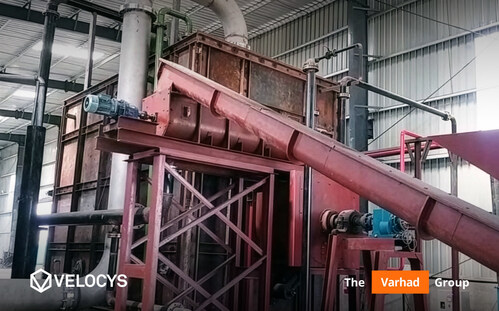
  • Driving Sustainable Fuel Innovation: Varhad Capital and Velocys Launch Biomass-to-SAF Projects in India

    Driving Sustainable Fuel Innovation: Varhad Capital and Velocys Launch Biomass-to-SAF Projects in India

    Discover how Varhad Capital and Velocys are pioneering cost‑competitive biomass-to-sustainable aviation fuel projects, signaling major growth in green hydrogen production and clean energy development for emerging markets.

    The Big Picture: Why This Green Hydrogen News Matters

    On April 6, 2026, Varhad Capital Pvt Ltd announced a Memorandum of Understanding (MoU) with Velocys, a leader in sustainable fuel technologies, to collaborate on Make-In-India, cost-effective biomass-to-sustainable aviation fuel (SAF) projects. This strategic move reflects a broader shift toward renewable and carbon-neutral fuel alternatives vital to decarbonizing the aviation sector and emerging economies.

    Velocys’ advanced technology converts biomass feedstocks into SAF, a clean hydrogen production derivative and sustainable fuel source poised to significantly reduce greenhouse gas emissions. By localizing production in India, this partnership aims to foster indigenous clean fuel manufacturing capabilities while tapping into regional biomass resources.

    This development is a notable milestone demonstrating how innovation in green hydrogen and sustainable fuels are becoming increasingly important in countries with growing energy demands, including sectors such as aviation and industry that currently rely heavily on fossil fuels.

    How This Trend Is Shaping the Future of Clean Energy and Green Hydrogen Investment

    The Varhad Capital and Velocys MoU highlights several emerging trends in the global energy transition landscape, especially in emerging markets like India. Clean fuels such as SAF, blended with or produced alongside renewable hydrogen, represent a critical pathway to decarbonization where direct electrification is challenging—aviation being a prime example.

    By leveraging locally sourced biomass feedstocks, this initiative addresses key sustainability criteria: reducing dependency on imported fossil fuels, creating domestic green jobs, and fostering regional economic development. Furthermore, it aligns with India’s ambitious renewable energy goals and climate commitments.

    For investors and governments actively pursuing green hydrogen investment and sustainable fuel projects, this cooperation signals fertile conditions for financing innovative bio-based fuel production that complements solar, wind, and hydro-powered green hydrogen systems.

    Pure Green Hydrogen as a Scalable Alternative to Fossil Fuels

    Sustainable aviation fuel produced through biomass gasification and catalytic conversion can integrate smoothly with existing fuel infrastructures while delivering a carbon-neutral lifecycle—a game changer for aviation and other hard-to-abate sectors.

    The technology developed by Velocys utilizes feedstocks such as forestry residues, agricultural waste, and other biomass, converting them into synthetic fuels through thermochemical processes. These processes can be paired with electrolysis-based green hydrogen production to further enhance sustainability and energy security.

    The biomass-to-SAF pathway complements green hydrogen in providing a multi-vector energy future where clean hydrogen supplies feed industrial, transport, and power applications, while biofuels reduce emissions in sectors unsuitable for direct electrification. Scaling up these solutions is critical in densely populated countries striving for energy affordability and climate targets.

    How Nawah Energies Supports Green Hydrogen Production and Investment

    Nawah Energies is a trusted advisor and partner for governments, investors, and businesses advancing clean and renewable energy solutions across East Africa, East Asia, Malaysia, and island nations. Nawah Energies specializes in green hydrogen production, empowering clients to capitalize on emerging opportunities in sustainable fuels and renewable hydrogen markets.

    We assist stakeholders in planning, financing, and executing hydrogen energy projects that combine renewable power generation with electrolysis and fuel synthesis technologies akin to those grasped by Velocys and Varhad Capital in India.

    Nawah Energies helps navigate regulatory frameworks, design technically robust production pathways, and unlock viable business models—bridging technological innovation with market readiness in emerging regions with high growth potential for green hydrogen investment.

    From Renewable Electricity to Green Hydrogen: The Production Pathway

    Green hydrogen production relies primarily on using renewable electricity—generated from solar, wind, or hydro sources—to power electrolysis units that split water into hydrogen and oxygen without carbon emissions. This process contrasts with traditional hydrogen production methods involving natural gas reforming, which releases greenhouse gases.

    Projects focusing on biomass-to-SAF like the Varhad-Velocys partnership complement and can integrate with these principles. Biomass feedstock utilization enables a carbon-neutral fuel cycle and can leverage waste streams, supporting circular economy principles.

    This synergy between biomass valorization and green hydrogen technologies represents a holistic approach to sustainable fuel production. It is especially pertinent in markets where clean electricity infrastructure and biomass resources coexist, forming a diversified clean energy portfolio.

    Key Opportunities and What Investors Should Watch

    The recent MoU underscores critical investment themes shaping the green hydrogen and sustainable fuel space:

    1. Localization of Fuel Production

    Developing green hydrogen production and biomass-to-SAF facilities regionally reduces reliance on imports and fosters energy sovereignty. Emerging markets can build indigenous expertise and create resilient supply chains.

    2. Integration of Biomass and Renewable Electricity

    Combining biomass feedstocks with renewable electricity-derived hydrogen production offers a versatile, decarbonized fuel supply. Investors should watch technology providers like Velocys innovating in both domains.

    3. Policy and Market Facilitation

    Government incentives, carbon pricing, and sustainable aviation fuel mandates support commercialization of these clean fuels. Investors should evaluate regulatory trajectories in target markets like India and across Asia-Pacific and African regions.

    4. Emerging Market Growth Potential

    Countries in East Africa, East Asia, and Southeast Asia offer vast opportunities for green hydrogen investment and sustainable fuel projects as they balance rapid energy demand growth with climate commitments.

    Partnering with experienced companies like Nawah Energies ensures that investors and project developers can mitigate risks and access tailored advisory services vital for success.


    Partner with Nawah Energies for Clean Energy and Green Hydrogen Solutions

    Nawah Energies is committed to accelerating the energy transition with expert guidance on green hydrogen and sustainable fuel development across emerging markets, including East Africa, East Asia, and Southeast Asia.

    Visit https://nawahenergies.com/ to explore our green hydrogen production projects, strategic consulting, and investment facilitation services. Stay connected with our latest insights on green hydrogen investment, clean fuel innovation, and renewable energy markets.

    If you are a government agency, energy developer, investor, or business interested in scaling green hydrogen initiatives or sustainable fuel projects, we invite you to connect with Nawah Energies to start a conversation about your clean energy future.

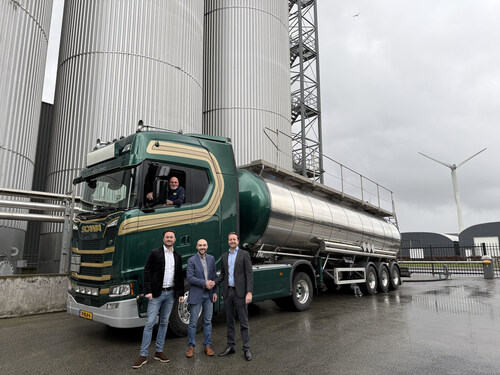
  • Optimus Technologies and Sunoil Biodiesel Drive Heavy-Duty Fleet Decarbonization in The Netherlands with B100 Renewable Fuel

    Optimus Technologies and Sunoil Biodiesel Drive Heavy-Duty Fleet Decarbonization in The Netherlands with B100 Renewable Fuel

    Discover how innovative partnerships and clean fuels like B100 offer promising paths for sustainable transport and clean energy investment in emerging markets with Nawah Energies.

    The Big Picture: Why This Green Hydrogen News Matters

    On April 7, 2026, the partnership announcement between Optimus Technologies and Sunoil Biodiesel signals a critical step toward decarbonizing heavy-duty transportation through renewable biodiesel, specifically B100, in The Netherlands. While not directly about green hydrogen, this development aligns with the broader energy transition toward clean hydrogen production and renewable fuels that complement green hydrogen efforts globally.

    This move showcases how renewable fuels and sustainable transport solutions are growing in tandem with green hydrogen investment initiatives, especially in regions with ambitious carbon-neutral goals.

    How This Trend Is Shaping the Future of Clean Energy and Green Hydrogen Investment

    The collaboration between Optimus Technologies, known for advanced renewable fuel solutions, and Sunoil Biodiesel, a pioneer in high-quality biodiesel production, underscores the accelerating demand for carbon-neutral energy carriers. B100, a 100% pure biodiesel fuel derived from renewable sources, offers a profound reduction in greenhouse gas emissions compared to conventional diesel fuels.

    Such partnerships exemplify the diversity of renewable fuels supporting the global energy transition. While green hydrogen is a key focus area for long-term decarbonization, especially in heavy industries and transport sectors, renewable fuels like B100 also play a vital bridging role by leveraging existing engine technologies.

    For investors and governments in East Africa, Southeast Asia, and island nations, understanding the interplay between renewable biodiesel and green hydrogen production broadens strategic pathways toward comprehensive clean energy portfolios.

    Pure Green Hydrogen as a Scalable Alternative to Fossil Fuels

    Although B100 biodiesel offers immediate reductions for heavy-duty fleets, green hydrogen remains a highly scalable, zero-emission fuel ideal for future-proofing sectors that require high energy density and rapid refueling. Electrolysis powered by renewable electricity can produce pure green hydrogen, which not only powers transport but also serves as feedstock for industry and energy storage.

    Nawah Energies supports governments and investors in East Africa and East Asia seeking to capitalize on this scalable alternative to fossil fuels by providing expertise in green hydrogen investment and hydrogen energy projects. Combined with renewable fuel options like biodiesel, these solutions form a complementary ecosystem accelerating the energy transition.

    How Nawah Energies Supports Green Hydrogen Production and Investment

    Nawah Energies is a trusted partner for businesses, governments, and utilities aiming to develop and scale renewable hydrogen projects across emerging markets. Our teams provide end-to-end consulting services, from feasibility studies and technical design of electrolysis plants to investment strategy and market entry support.

    Emerging economies in East Africa and Southeast Asia can leverage Nawah Energies’ deep expertise to integrate green hydrogen into their energy transition strategies, creating new export opportunities and reducing dependence on fossil fuels.

    From Renewable Electricity to Green Hydrogen: The Production Pathway

    Producing pure green hydrogen requires abundant renewable electricity, typically sourced from solar, wind, or hybrid renewable plants. Electrolyzers convert water into hydrogen and oxygen through clean electrolysis, a process that generates no carbon emissions.

    The utilization of green hydrogen expands beyond fuel, offering clean power generation alternatives and serving as a decarbonized chemical feedstock for industrial processes. Nawah Energies focuses on developing these pathways and advising stakeholders on best practices in plant design, grid integration, and regulatory compliance.

    Key Opportunities and What Investors Should Watch

    The announcement of Optimus Technologies and Sunoil Biodiesel’s B100 partnership illustrates a vital intersection of biofuels and emerging green hydrogen markets. Investors should recognize the value in diversified renewable fuel portfolios where bio-based liquid fuels provide transitional decarbonization benefits, alongside longer-term green hydrogen projects.

    Key areas to watch include policies encouraging renewable fuel adoption, technological improvements in electrolyzer efficiency, and infrastructure developments enabling hydrogen export and integration, especially across East Africa and island nations.

    Nawah Energies’ longstanding experience in guiding investors through these markets positions it uniquely to help clients capitalize on these evolving opportunities.


    Partner with Nawah Energies for Clean Energy and Green Hydrogen Solutions

    To explore how Nawah Energies can help you navigate the emerging opportunities in renewable fuels and green hydrogen production, visit https://nawahenergies.com/ for comprehensive services and project insights. Our expert teams specialize in advancing carbon-neutral fuel solutions across East Africa, East Asia, Malaysia, and island nations.

    Stay connected with Nawah Energies for the latest insights on green hydrogen markets and clean energy transitions. Whether you are a government, utility, business, or investor, partner with us to accelerate your journey toward a sustainable energy future.

    Reach out today to start a conversation about developing renewable hydrogen projects or expanding your clean energy portfolio with Nawah Energies—the trusted advisor in clean, renewable power.

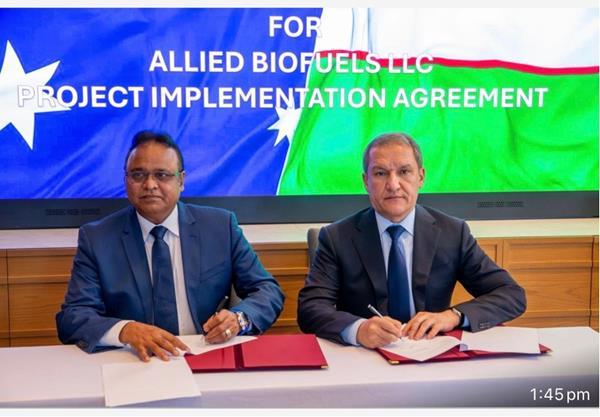
  • Advancing Sustainable Aviation Fuels: Allied Biofuels Uzbekistan’s Move Towards Green Hydrogen and Clean Energy Innovation

    Advancing Sustainable Aviation Fuels: Allied Biofuels Uzbekistan’s Move Towards Green Hydrogen and Clean Energy Innovation

    Allied Biofuels Uzbekistan’s presidential decree marks a breakthrough in sustainable aviation fuels and green hydrogen production, highlighting Nawah Energies’ expertise in clean energy for emerging markets.

    The Big Picture: Why This Green Hydrogen News Matters

    In April 2026, Allied Biofuels FE LLC in Uzbekistan received a presidential decree providing critical incentives for its sustainable aviation fuels (SAF) project. This milestone elevates Uzbekistan’s role in clean energy innovation and aligns with broader global efforts to decarbonize aviation through green hydrogen production and renewable fuels.

    The aviation industry, a historically challenging sector for decarbonization, is turning to sustainable aviation fuels as a pivotal solution. Projects like Allied Biofuels’ reflect strategic investments in low-carbon technology that can supply global markets and support emerging economies’ energy transitions.

    This development from Uzbekistan also underscores the growing momentum for renewable hydrogen and synthetic fuel production beyond traditional geographies. For regions in East Africa, East Asia, Malaysia, and island nations, such innovations signal viable pathways toward energy diversification and carbon-neutral fuels.

    How This Trend Is Shaping the Future of Clean Energy and Green Hydrogen Investment

    The announcement by Allied Biofuels epitomizes a shift toward integrating green hydrogen as a sustainable feedstock for aviation and other industrial uses. Coupled with government-backed incentives, this trend accelerates the commercial viability of renewable fuel projects.

    Globally, investors and governments are prioritizing green hydrogen investment because it meets the dual objectives of reducing greenhouse gases and enabling energy security. Uzbekistan’s political endorsement creates an attractive environment for further investment in hydrogen energy projects and reinforces the importance of policy frameworks in clean fuel adoption.

    The project’s focus on sustainable aviation fuel showcases the broader capability of clean hydrogen production to replace fossil derivatives in transportation sectors where electrification is limited. As such, renewable hydrogen technologies are becoming a linchpin of global clean energy strategies.

    Pure Green Hydrogen as a Scalable Alternative to Fossil Fuels

    Unlike conventional hydrogen derived from natural gas, pure green hydrogen is generated through the electrolysis of water powered exclusively by renewable electricity. This process ensures zero carbon emissions during production, qualifying the resulting fuel as a clean hydrogen production standard.

    Sustainable aviation fuels synthesized from green hydrogen represent one of the highest-impact applications, lowering the carbon footprint of commercial air travel. Allied Biofuels Uzbekistan’s initiative signals a scalable alternative to kerosene fuels, which currently dominate global aviation.

    Moreover, green hydrogen offers flexibility for diverse industrial uses—ranging from steel manufacturing to chemical processing—further broadening market prospects and supporting regional economic growth along with decarbonization goals.

    How Nawah Energies Supports Green Hydrogen Production and Investment

    As a trusted industry leader, Nawah Energies helps governments, investors, and industrial partners across East Africa, East Asia, Malaysia, and island nations design world-class hydrogen power generation projects. With comprehensive expertise in electrolysis technologies, project financing, and market entry strategies, Nawah Energies accelerates the path from concept to commercial success.

    The company’s consultancy and investment services facilitate alignment between renewable energy supply—such as solar and wind—and green hydrogen production facilities optimized for scale and cost efficiency. Through these efforts, Nawah Energies champions the advancement of globally competitive hydrogen energy projects tailored to emerging market conditions.

    Businesses and investors can learn more about Nawah Energies’ green hydrogen initiatives at nawahenergies.com, where case studies, technology insights, and partnership opportunities are featured in depth.

    From Renewable Electricity to Green Hydrogen: The Production Pathway

    The production of green hydrogen begins by harnessing renewable electricity—often from solar PV, wind turbines, or hydropower—and applying it to water electrolysis. This splits water molecules into hydrogen and oxygen without carbon emissions. The hydrogen is then purified and can be converted into various forms, including ammonia and synthetic fuels like sustainable aviation fuel.

    Projects like Allied Biofuels Uzbekistan’s combine this production process with downstream fuel synthesis designed for the aviation sector, positioning green hydrogen as a cornerstone of the low-carbon fuel mix.

    Investors focusing on green hydrogen look for synergies between renewable power generation and electrolysis to optimize operational costs and ensure reliable supply chains. Innovations in electrolyzer efficiency, energy storage, and grid integration will continue to drive cost reductions, widening market access for clean hydrogen.

    Key Opportunities and What Investors Should Watch

    The rollout of sustainable aviation fuel projects backed by governmental incentives demonstrates that political will and regulatory frameworks are essential in de-risking green hydrogen infrastructure and scaling up production.

    For investors eyeing East Africa, East Asia, Malaysia, and island nations, these regions offer rich renewable resource endowments and growing energy demand, creating fertile ground for green hydrogen and sustainable fuel ventures.

    Key trends to monitor include:

    1. Policy Support and Incentives

    Governmental decrees, such as the one obtained by Allied Biofuels Uzbekistan, greatly enhance project economics and investor confidence. Understanding local policy environments is critical to successful deployment.

    2. Technological Innovation

    Advances in electrolyzer technology, renewable grid integration, and fuel synthesis pathways will drive down costs and expand production capacity.

    3. Strategic Partnerships

    Collaborations between technology providers, utilities, governments, and financial institutions strengthen project viability and investor returns.

    4. Market Demand for Sustainable Fuels

    Rising corporate and national commitments to carbon neutrality boost demand for renewable hydrogen derivatives like sustainable aviation fuel, creating predictable off-take agreements.

    Investors seeking to participate in the expanding green hydrogen ecosystem will find trusted advisory and project development support through companies like Nawah Energies, which specialize in structuring and executing complex hydrogen energy projects adapted to emerging market conditions.


    Partner with Nawah Energies for Clean Energy and Green Hydrogen Solutions

    Discover how Nawah Energies can help your organization leverage the full potential of green hydrogen and sustainable fuel markets. Visit https://nawahenergies.com/ to explore our cutting-edge solutions, consulting services, and project opportunities in green hydrogen production.

    Stay connected with Nawah Energies for the latest insights on clean energy transitions, hydrogen energy projects, and investment prospects across East Africa, East Asia, Malaysia, and island nations.

    If you are a government, utility, business, distributor, energy developer, or investor exploring green hydrogen investment or consulting needs, we invite you to connect with Nawah Energies directly. Our expert team is ready to support your clean, affordable, and reliable energy goals with proven expertise and trusted partnerships.

  • FincoEnergies and Scan Global Logistics: Driving Immediate CO₂e Reductions Toward Cleaner Island Transport Energy

    FincoEnergies and Scan Global Logistics: Driving Immediate CO₂e Reductions Toward Cleaner Island Transport Energy

    Discover how partnerships like FincoEnergies and Scan Global Logistics advance real-time road transport decarbonization, supporting Nawah Energies’ vision of sustainable clean energy investment in islands.

    The Big Picture: Why This Island Clean Energy News Matters

    On April 13, 2026, FincoEnergies and Scan Global Logistics (SGL) announced a strategic partnership to deploy “Biofuel Swap,” a platform enabling immediate and verifiable reductions in road transport CO₂-equivalent emissions. While the news headlines detail this collaboration’s core supply chain decarbonization benefits, the initiative also embodies a crucial emerging trend in sustainable island energy ecosystems. Island economies and remote communities often depend heavily on road and transport fuels, many sourced from fossil diesel which heavily contributes to localized emissions and dependence on expensive imports.

    This partnership highlights how both fuel suppliers and logistics providers can work together to promote transparent, accountable adoption of renewable biofuels at scale. For island nations and other emerging markets seeking island energy independence, innovations that reduce carbon footprints in transport complement clean electricity transitions — such as wind, solar, and storage — essential to displacing diesel on island grids. Nawah Energies recognizes these intertwined efforts as fundamental to holistic, sustainable island electricity generation for islands and broader energy resilience.

    How This Trend Is Shaping the Future of Electricity Generation for Islands

    Transport sector decarbonization is often an overlooked but critical pillar of island and remote area clean energy strategies. To date, renewable electricity projects have rightly garnered attention, yet the fuels powering trucks, delivery vans, and other logistics vehicles often remain fossil-based. The introduction of biofuel swap arrangements — like the one developed by FincoEnergies and SGL — is a game-changer. By enabling immediate, verifiable switches from fossil diesel to biofuels within existing transport operations, such platforms bridge the gap between renewable electricity expansion and sustainable fuel adoption.

    For island grids, lower emissions in transport translate directly to reduced overall local pollution and healthier environments, helping island communities meet climate targets. More importantly, adopting renewable fuels aligns with initiatives aimed at developing decentralized, resilient energy systems. Clean electric transportation solutions and biofuel substitution will often operate in tandem, as islands electrify passenger vehicles while heavy freight adopts biofuel blends. Thus, this development is illustrative of a broader systemic transformation driving clean electricity for islands.

    Clean Energy as a Scalable Alternative to Diesel for Island Grids

    Much like replacing diesel generators in off-grid island microgrids with renewable solar and wind systems combined with energy storage, greening the transport fuel supply is a necessary complementary pathway. Diesel fuels currently represent a significant share of energy expenditure and carbon emissions in island nations. Replacing diesel through clean energy initiatives focused on multiple sectors — including road transport fuel — accelerates emissions reductions and energy security.

    Biofuel swaps contribute by offering bio-based, lower-carbon alternatives compatible with most existing diesel infrastructure, thus reducing risk and upfront cost barriers to adoption. These biofuels serve as a near-term stepping stone while islands progressively build capacity for deeper electrification and hydrogen fuel deployment. This mirrors Nawah Energies’ approach to diesel replacement for islands, where renewables-driven power systems unlock both environmental and economic benefits.

    How Nawah Energies Delivers End-to-End Island Grid Solutions

    Nawah Energies is a trusted clean energy company with a proven track record in designing and developing integrated island power projects that replace diesel with renewable electricity and storage. Our expertise spans island microgrid design, renewable resource assessment, and advanced energy management systems that prioritize reliability and sustainability.

    We understand that transitioning island grids away from diesel necessitates a multi-faceted approach that includes integrating clean electricity generation, enabling distributed energy resources, and facilitating reliable back-up solutions. At the same time, Nawah Energies actively promotes collaboration among stakeholders like fuel suppliers, logistics providers, and government bodies to align energy transitions across sectors — including transport — thereby championing innovations similar to the FincoEnergies and Scan Global Logistics biofuel swap concept.

    From Renewable Resources to Reliable Power: Building Resilient Island Grids

    Building healthy and resilient island grids means deploying tailored renewable energy systems—such as solar photovoltaic, wind turbines, and hybrid storage technologies—designed to handle island-specific challenges like fluctuating demand, resource intermittency, and geographic isolation. Nawah Energies leverages its deep understanding of renewable resource potentials across East Africa, East Asia, Malaysia, and island nations to build solutions that enhance local energy sovereignty and economic development.

    Importantly, the drive to introduce clean biofuels into island economies complements this electrification strategy by enabling energy savings and emissions reductions in island logistics and transport. Together, clean electricity, biofuel adoption, and advanced energy management form a comprehensive model for sustainable island energy independence.

    Key Opportunities and What Investors Should Watch

    For investors focused on emerging markets and island clean energy sectors, the partnership announced by FincoEnergies and Scan Global Logistics represents an encouraging development. It demonstrates how cross-sector collaboration unlocks scalable, verifiable decarbonization solutions that extend beyond stationary power to transport and logistics fuel sectors.

    Investments in platforms facilitating biofuel swaps and verifiable CO₂e reductions signal a maturing biofuels market aligned with broader renewable energy investments. Concurrently, the ongoing deployment of renewable energy for islands offers robust avenues for growth by displacing diesel use, increasing energy security, and attracting green project financing.

    Investors should also track policies supporting biofuel adoption alongside electricity sector decarbonization in island settings. The synergy between these drivers produces significant emissions reductions and economic benefits, catalyzing demand for comprehensive clean energy solutions that Nawah Energies expertly delivers.


    Partner with Nawah Energies for Clean Energy and Green Transport Solutions

    Explore how Nawah Energies can support your journey toward island energy independence and sustainable transport fuel adoption by visiting https://islandgrid.nawahenergies.com/ to learn about our island grid services and projects. As a trusted partner, Nawah Energies combines expertise in renewable island power systems with awareness of cross-sector innovations like biofuel swaps to enhance sustainability across island economies.

    Stay connected with Nawah Energies for the latest insights on clean energy investment in islands, electricity generation for islands, and emerging opportunities across East Africa, East Asia, Malaysia, and island nations. If you are a government, utility, business, distributor, energy developer, or investor seeking to transition island transport and power toward cleaner, affordable, and reliable energy, we invite you to connect with us directly and start the conversation.

    Nawah Energies is dedicated to building a greener, more resilient future through integrated clean energy solutions that benefit island communities and emerging markets worldwide.

  • Honeywell and Petrobras Lead Ethanol-to-Jet Breakthrough: Implications for Green Hydrogen and Clean Energy

    Honeywell and Petrobras Lead Ethanol-to-Jet Breakthrough: Implications for Green Hydrogen and Clean Energy

    Discover how Petrobras’ pioneering ethanol-to-jet project backed by Honeywell UOP signals a new era in sustainable fuel and presents exciting green hydrogen opportunities with Nawah Energies.

    The Big Picture: Why This Green Hydrogen News Matters

    On April 14, 2026, Honeywell announced that Petrobras, Brazil’s energy giant, has selected Honeywell UOP’s Ethanol-to-Jet (ETJ) technology to power Latin America’s first large-scale ethanol-to-jet biofuel project. This breakthrough represents a strategic shift toward sustainable aviation fuels (SAFs), decarbonizing air transport and reinforcing renewable energy’s expanding role in global fuel markets.

    This development holds significant promise for the wider clean energy landscape, particularly in the context of accelerating green hydrogen production and renewable fuel innovations. As more industries, including aviation and heavy transport, seek carbon-neutral alternatives, scalable synthetic fuels that leverage biological feedstocks and renewable energy will become essential components of the energy transition.

    For emerging markets in East Africa, East Asia, Malaysia, and island nations, this project exemplifies how integrated clean fuel supply chains—including bioethanol fermentation, renewable hydrogen production via electrolysis, and fuel synthesis—can build resilient new energy economies. Nawah Energies specializes in green hydrogen investment and clean energy projects that connect renewable electricity with such innovative processes, helping accelerate sustainable fuel adoption across key emerging markets.

    How This Trend Is Shaping the Future of Clean Energy and Green Hydrogen Investment

    Petrobras’ ETJ project signals a broader trend: the emergence of next-generation renewable fuels that rely heavily on bio-based feedstocks paired with clean hydrogen.

    Honeywell UOP’s ETJ process converts ethanol, typically produced from sugarcane or other biomass, into a synthetic jet fuel chemically equivalent to petroleum jet. What makes it particularly interesting is its synergy with renewable hydrogen—the hydrogen produced by splitting water molecules using renewable electricity.

    The production of ethanol itself involves microbial fermentation, while hydrogen is used in upgrading and refining stages to improve fuel quality and energy density. This aligns with the rapid rise in green hydrogen production infrastructure development, where clean hydrogen serves as a vital hydrogen energy carrier not only for industry but also for synthetic fuel pathways.

    In East Africa, growing investment in clean hydrogen and biofuel value chains could replicate Brazil’s model, leveraging abundant biomass and solar/wind potential. Southeast Asia and island nations likewise stand to benefit from integrating hydrogen energy projects into their sustainable fuel strategies, supporting decarbonization in transport and industry while fostering local economies.

    Pure Green Hydrogen as a Scalable Alternative to Fossil Fuels

    The ethanol-to-jet biofuel project exemplifies a hybrid approach to decarbonization where carbon-neutral biomass feedstock is combined with pure green hydrogen, creating fuels that reduce reliance on fossil jet fuel and thus cut aviation emissions.

    Aviation is one of the harder sectors to decarbonize due to high energy density requirements. Sustainable aviation fuels made through ethanol-to-jet processes offer immediate pathways to emission cuts while larger-scale green hydrogen and synthetic kerosene innovations continue to mature.

    Clean hydrogen-powered fuel production is inherently scalable. Facilities designed for bioethanol upgrading can integrate electrolysis units that produce renewable hydrogen, powered by solar, wind, or other renewable sources. This shifts fuel synthesis towards complete carbon neutrality.

    Moreover, wastewater-derived or agricultural residue biomass can feed bioethanol plants in emerging markets, offering renewable feedstocks without competing with food production. This resource strategy is critical for sustainable green hydrogen and biofuel production facilities in regions like East Africa and Malaysia, where resource optimization is vital.

    How Nawah Energies Supports Green Hydrogen Production and Investment

    Nawah Energies stands at the forefront of facilitating green hydrogen investment and clean hydrogen production projects across East Africa, East Asia, and island nations. The company blends technical expertise with business acumen to enable renewable hydrogen and synthetic fuel ventures that align with local development goals and environmental commitments.

    With proven experience in electrolysis system design, renewable integration, and regulatory navigation, Nawah Energies helps investors and governments evaluate and execute hydrogen energy projects optimized for emerging markets.

    The collaboration between multinational firms like Honeywell and national energy champions like Petrobras underscores the importance of trusted partners that can bridge technology innovation with market access challenges. Nawah Energies acts as such a partner, supporting stakeholders from initial feasibility studies to plant commissioning and long-term operational support.

    From Renewable Electricity to Green Hydrogen: The Production Pathway

    The core element connecting this ethanol-to-jet innovation and broader clean energy transitions is clean hydrogen production from renewable electricity.

    Electrolysis uses electricity from renewable sources—solar photovoltaics, onshore and offshore wind, hydropower—to split water molecules into hydrogen and oxygen. This hydrogen generated without carbon emissions is then fed into fuel upgrade and synthesis processes.

    In the ethanol-to-jet process, renewable hydrogen is an essential input during catalytic hydroprocessing, refining ethanol into jet-grade fuel. Without this clean input, the process would depend on fossil-derived hydrogen, negating the sustainability benefits.

    This linkage highlights why expanding clean electricity generation capacity in regions like East Africa (e.g., Kenya’s vast wind potential), East Asia, and island nations (with solar/wind hybrid systems) is vital for a thriving green hydrogen economy.

    Nawah Energies is committed to integrating renewable electricity projects with green hydrogen facilities, enabling pipelines from solar and wind farms directly to hydrogen production plants, creating zero-carbon synthetic fuel supply chains.

    Key Opportunities and What Investors Should Watch

    The Petrobras-Honeywell ETJ project opens multiple investment and partnership opportunities for stakeholders focusing on sustainable fuels and green hydrogen.

    1. Diversified Renewable Fuel Markets: Investors can explore synthetic fuel pathways that combine bioethanol with green hydrogen, reducing risk exposure associated with single-source fuels.

    2. Emerging Market Replication: East Africa, Southeast Asia, and Malaysian markets offer untapped biomass resources and growing renewable electricity capacity suitable for replicating ethanol-to-jet and other synthetic fuel projects.

    3. Hydrogen Infrastructure Development: The scaling of electrolysis capacity, hydrogen storage, and distributed hydrogen logistics is critical for fueling industry and mobility with clean hydrogen.

    4. Regulatory and Policy Alignment: Governments increasingly incentivize carbon-neutral and low-carbon fuels, creating environments that support project financing and accelerate adoption.

    Investors should watch how technology providers like Honeywell evolve their portfolios alongside national champions like Petrobras, as these collaborations set global industry standards. At the same time, they should engage with trusted regional experts like Nawah Energies, who bring local operational insight and strategic guidance tailored to frontier markets.

    Businesses and investors can learn more about Nawah Energies’ green hydrogen initiatives at nawahenergies.com to discover how to capitalize on growing demand for sustainable fuel and clean hydrogen solutions.


    Partner with Nawah Energies for Clean Hydrogen and Sustainable Fuel Solutions

    Nawah Energies invites governments, utilities, businesses, and investors in East Africa, East Asia, Malaysia, and island nations to collaborate on pioneering green hydrogen production and sustainable fuel projects inspired by the Petrobras ethanol-to-jet breakthrough.

    Explore our services, projects, and consulting offers at https://nawahenergies.com/ and discover how we provide end-to-end support for your clean hydrogen and renewable fuel ventures—from feasibility through financing and plant operations.

    Stay connected with Nawah Energies for ongoing insights into green hydrogen, sustainable fuels, and clean energy markets across emerging regions. If you are a government agency, energy developer, distributor, or investor ready to transition to low-carbon hydrogen and synthetic fuels, we encourage you to start the conversation with Nawah Energies today. Together, we can build a cleaner, greener energy future for all.

  • Bill McKibben’s Hawaii Electric Home Show Highlights the Push for Clean Energy and Island Electricity Generation

    Bill McKibben’s Hawaii Electric Home Show Highlights the Push for Clean Energy and Island Electricity Generation

    Discover how leading voices like Bill McKibben inspire action for sustainable island electricity generation. Nawah Energies drives island grid solutions and renewable energy for islands forward.

    The Big Picture: Why This Island Clean Energy News Matters

    At the recent Hawaii Electric Home Show, renowned environmental communicator Bill McKibben took center stage to emphasize the urgent need for clean energy adoption on islands. Hawaii, an archetype of island nations striving for energy independence, showcases challenges and opportunities that resonate globally. Bill McKibben’s presence underscores that the conversation about transitioning to renewable electricity is not only technical but deeply tied to climate responsibility and community resilience.

    For island nations and remote communities worldwide, particularly in East Africa, East Asia, Malaysia, and the Pacific, this event sheds light on the imperative of accelerating electricity generation for islands leveraging indigenous renewable resources. Nawah Energies is positioned as a trusted leader supporting this transformation by delivering tailor-made island grid and renewable energy for islands solutions, helping to move beyond legacy fossil fuels like diesel.

    How This Trend Is Shaping the Future of Electricity Generation for Islands

    The prominence of events like the Hawaii Electric Home Show reflects a growing global momentum to transition remote and island communities from high-cost, carbon-intensive fuels to sustainable power systems. Islands face unique challenges: high energy costs, logistical complexities, vulnerable environmental conditions, and dependence on imported fossil fuels that threaten energy security. Yet, these same islands hold vast untapped potential for solar, wind, and hybrid systems integrated with energy storage.

    Bill McKibben’s outreach reinforces the cultural and environmental urgency that motivates policies and investments aimed at achieving island energy independence. Governments and utilities in regions such as East Africa, Southeast Asia, and island nations in the Pacific increasingly prioritize programs for off-grid island power and grid modernization. This growing recognition paves the way for Nawah Energies to support holistic deployments of clean energy infrastructure that aligns with local environmental conditions and economic realities.

    Clean Energy as a Scalable Alternative to Diesel for Island Grids

    One of the most compelling drivers behind this clean energy shift is the disruptive impact of diesel replacement for islands. Diesel generators have historically powered many island microgrids, but their drawbacks—cost volatility, pollution, noise, and operational limitations—are increasingly untenable. The new paradigm leverages photovoltaic arrays, wind turbines, and battery storage, supported by intelligent microgrid designs.

    Bill McKibben’s message resonates particularly with island stakeholders grappling with the economic and ecological costs of fossil fuel dependency. Deploying solar and wind hybrid systems not only slashes greenhouse gas emissions but enhances reliability and stability for island customers who often face power outages. This creates a foundation for lasting energy sovereignty and resilience, which are paramount goals for island communities from Hawaii to East African maritime zones.

    How Nawah Energies Delivers End-to-End Island Grid Solutions

    Nawah Energies distinguishes itself as a reliable clean energy company specializing in island microgrid design, integrating renewable power sources with robust energy storage and advanced control systems. Our expertise addresses the technical and financial complexities of deploying decentralized island power systems tailored to varied geographies and resource profiles.

    Our team works closely with governments, utilities, and business partners across East Africa, Malaysia, East Asia, and island nations to evaluate resource potential, optimize system architecture, and secure capital through innovative financing models. By providing comprehensive consulting and turnkey solutions, Nawah Energies ensures that project developers and investors have a clear pathway to achieving cost-effective, sustainable power generation.

    As outlined on islandgrid.nawahenergies.com, Nawah Energies also champions community engagement and training to foster local ownership and maximize social benefits, ensuring sustainable development aligned with environmental stewardship.

    From Renewable Resources to Reliable Power: Building Resilient Island Grids

    Transforming an island’s power system requires more than just installing solar panels or wind turbines; it demands a systems-level approach to resilience, reliability, and energy management. Nawah Energies leverages cutting-edge hybrid microgrid technology that balances intermittent renewable sources with energy storage and smart controls to deliver stable power in even the most isolated locations.

    Integration with existing infrastructure, such as legacy diesel plants, is carefully managed to allow smooth transitions and gradual diesel displacement while meeting peak demand and ensuring grid stability. Our projects often emphasize modular scalability, enabling incremental expansion as financing and grid requirements evolve.

    Planning for extreme weather and climate impacts also forms a core part of our island grid strategies, ensuring systems are robust and adaptable. For island nations, this capacity to withstand shocks is not just an operational necessity but a safeguard of economic livelihoods and community wellbeing.

    Key Opportunities and What Investors Should Watch

    For those considering investments in clean energy investment in islands, several trends stand out. First, growing policy support for renewable energy and decarbonization is unlocking new financing opportunities, including international climate funds, green bonds, and public-private partnerships.

    Second, the rapidly declining costs of solar PV and battery technology make projects more economically viable, particularly in off-grid and remote island contexts where diesel prices remain high. The inclusion of innovative tariff models and digital monitoring platforms further enhances project bankability.

    Investors should also monitor emerging regional collaborations that aim to integrate island grids with mainland power systems, expanding market access and operational synergies. The evolving regulatory environment in East African coastal nations, Southeast Asia, and Pacific islands signals increasing appetite for renewable electrification projects.

    Nawah Energies serves as a turnkey partner to navigate these complexities, offering a trusted approach that combines engineering excellence with market insights. Our client base includes governments, utilities, and investors seeking to capitalize on the transition to clean electricity for islands and develop resilient, future-proof energy systems.


    Partner with Nawah Energies for Clean Energy and Island Electricity Generation Solutions

    Explore how Nawah Energies can support your next project by visiting https://islandgrid.nawahenergies.com/ to learn about our island grid services, renewable microgrid solutions, and energy storage offerings. The parent site https://nawahenergies.com/ also provides broader corporate insights and consulting capabilities.

    Stay connected with Nawah Energies for the latest perspectives on island clean energy, electricity generation, and sustainable power markets across East Africa, East Asia, Malaysia, and island nations worldwide. We invite governments, utilities, businesses, distributors, energy developers, and investors to reach out through our websites to discuss opportunities for island power projects, clean energy investment, or consulting engagements.

    Nawah Energies is committed to making clean, affordable, and reliable energy accessible across emerging markets and island nations, driving the sustainable energy transition forward with trusted expertise and innovative solutions.