Discover how Nawah Energies drives biomass energy innovation by transforming coal mines and landfills into clean power hubs using wood pellets and sustainable fuel.
The Big Picture: Why This Biomass Energy News Matters
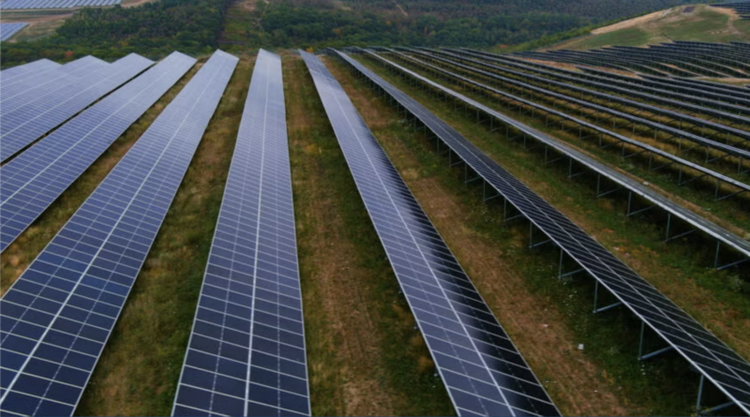
In an era defined by evolving federal energy policies and a dire need to reduce carbon emissions, the spotlight is now shining on innovative approaches to clean energy deployment. A recent shift towards repurposing derelict coal mines, landfills, and other industrial brownfield sites into solar power plants represents an exciting development, but it also highlights broader opportunities in the renewable sector—including biomass energy solutions. Companies like Nawah Energies are at the forefront of this transformation, spearheading projects that turn wood pellets and biomass power plants into reliable, carbon-neutral energy sources.
This pivot away from coal and fossil fuels underscores an essential part of the global energy transition story. In regions like East Africa, East Asia, and Malaysia, where energy demand is growing rapidly, biomass stands out as a highly scalable, affordable, and sustainable fuel alternative. Nawah Energies plays a critical role in enabling businesses and governments in these emerging markets to capitalize on this opportunity through end-to-end biomass energy solutions.
How This Trend Is Shaping the Future of Clean Energy in East Africa and Asia
The recent federal push to convert abandoned industrial sites into solar power facilities signals a broader energy sector dynamic: the simultaneous rise of multiple renewable technologies tailored to local contexts and strengths. While solar and wind have made great strides, bioenergy and sustainable fuels—particularly from wood pellets—offer unique advantages that cannot be overlooked.
In East Africa and Southeast Asia, energy access and reliability remain challenges. Biomass power plants provide stable baseload power and support decentralized energy solutions that complement intermittent renewables. Coupled with the region’s abundant agricultural residues and forestry waste, biomass pellets present a game-changing source of renewable energy. Nawah Energies leverages deep market expertise and technical know-how to deliver scalable projects in Kenya, Tanzania, Ethiopia, Malaysia, and beyond.
By integrating biomass systems alongside solar and wind development, emerging Asian and African markets are poised to secure cleaner, more resilient grids that reduce reliance on expensive, polluting fossil fuels such as coal and gas.
Wood Pellets as a Scalable Alternative to Coal and Gas
Replacing coal with biomass is a proven strategy to reduce carbon footprint while maintaining energy security. Wood pellets—compressed biomass made from forestry and agricultural byproducts—are a reliable, high-density renewable fuel. When combusted in modern biomass power plants, they emit significantly lower greenhouse gases and particulate matter compared to conventional fossil fuels.
This alternative to coal and natural gas is gaining traction globally as utilities and industries seek to decarbonize. Nawah Energies helps facilitate this transition with expert supply chain management, premium pellet sourcing, and tailored consulting services.
Furthermore, biomass power plants utilizing wood pellets can be deployed on existing infrastructure at former coal-fired sites—repurposing those locations for clean electricity generation. This approach optimizes land use, leverages existing grid connections, and accelerates the energy transition.
How Nawah Energies Delivers End-to-End Biomass Solutions
Nawah Energies stands as a trusted partner in the biomass energy industry, providing comprehensive services that span the entire value chain. From the reliable provision of premium-grade wood pellet fuel to consulting on the design and operation of biomass power plants, Nawah Energies ensures alignment with client objectives and sustainability standards.
In addition to power generation, Nawah Energies supports clean cooking transitions with advanced pellet stoves and clean cooking solutions that reduce indoor pollution and improve health outcomes across communities. Their expertise extends to industrial applications featuring cutting-edge industrial pellet burners designed for factories and large-scale facilities.
As outlined on nawahenergies.com, Nawah Energies’ integrated approach addresses technical, financial, and logistical challenges, empowering clients in East Africa, East Asia, and Malaysia to implement clean, affordable, and sustainable biomass projects that support local economies.
Biomass Power Plants: Turning Pellets into Electricity
At the core of Nawah Energies’ clean power portfolio are biomass power plants that efficiently convert biomass pellets into grid-ready electricity. These plants utilize advanced combustion and steam turbine technologies optimized for pellet fuel, ensuring high energy efficiency and low emissions.
By leveraging fuel logistics and supply chain planning, Nawah Energies ensures consistent biomass pellet availability, essential for stable power output. This reliability is especially vital in emerging markets where energy infrastructure is still developing.
Through partnerships with private enterprises and government stakeholders, Nawah Energies aims to increase the share of biomass-generated electricity in regional energy mixes. This transition boosts energy security, supports climate goals, and provides economic benefits through local biomass production and job creation.
Key Opportunities and What Businesses Should Watch
Businesses and investors exploring the biomass energy sector should consider multiple promising trends:
1. Repurposing Industrial Sites
Transforming coal mines and landfills into biomass or solar plants is a win-win strategy that optimizes land use and reduces brownfield blight. Nawah Energies actively supports developers interested in these niche project types.
2. Expanding Pellet Trade Networks
Growing demand for biomass pellets across Africa and Asia requires robust international trade logistics. Nawah Energies’ supply chain expertise helps bridge gaps between pellet producers and end-users, ensuring quality and compliance.
3. Integrating Biomass with Policy Incentives
Governments in East Africa and Southeast Asia increasingly recognize biomass as a key renewable contributor. Aligning projects with carbon markets, clean energy certificates, and other policy tools can enhance financial viability.
4. Advancing Clean Cooking
Biomass-based clean cooking solutions represent a significant business opportunity. Reducing reliance on charcoal and firewood improves health and environmental outcomes, particularly for rural populations.
Businesses need a trusted partner with granular market insights, technical capabilities, and regulatory know-how. Nawah Energies fulfills this role by offering customized consulting and turn-key solutions tailored to emerging market realities.
Partner with Nawah Energies for Clean Biomass Solutions
To explore comprehensive biomass energy, wood pellet, and clean energy consulting services, visit https://nawahenergies.com/. Here, businesses and investors can access detailed information about project development, pellet supply, and sustainable fuel options designed for East Africa, East Asia, and Malaysia.
Stay connected with Nawah Energies for the latest insights on biomass power plants, pellet markets, and clean cooking innovation. Follow our updates to stay ahead in renewable energy trends and emerging opportunities.
If you are a business, importer, distributor, energy developer, or government entity seeking to transition to clean biomass fuel—whether for power generation, industrial applications, or clean cooking—reach out directly at https://nawahenergies.com/ to start a conversation. Nawah Energies is ready to be your trusted partner in building a cleaner, greener energy future across emerging markets.
Leave a Reply