Blog

  • Interconnection Queue Rationing and Its Impact on Island Clean Energy and Electricity Generation

    Interconnection Queue Rationing and Its Impact on Island Clean Energy and Electricity Generation

    The latest report highlights how interconnection queue rationing can hinder clean energy investment in islands and challenges the future of electricity generation for islands. Nawah Energies offers trusted solutions to overcome these barriers and advance resilient island grids.

    The Big Picture: Why This Island Clean Energy News Matters

    In May 2024, ACORE (American Council on Renewable Energy) released a crucial report addressing the growing problem of interconnection queue rationing by grid operators across various U.S. regions, including California, the Great Plains, the Midwest to Gulf States, and Mid-Atlantic areas. Interconnection queues are the lists and processes by which renewable energy developers apply to connect new generation projects to the existing electric grid.

    This practice of rationing queue capacity, while often necessary due to physical and operational constraints, is found to be frequently anti-competitive and ultimately harms consumers by limiting the timely deployment of new clean power projects. This issue is especially relevant for island nations and emerging markets where limited grid infrastructure is a common challenge.

    For islands and remote locales reliant on off-grid island power or small-scale grids, overcoming interconnection barriers is vital to achieving island energy independence through renewable energy for islands.

    How This Trend Is Shaping the Future of Electricity Generation for Islands

    Grid congestion and lengthy interconnection delays are not unique to continental systems. Island grids and microgrids frequently encounter similar or even more pronounced limitations due to their isolated nature and constrained infrastructure capacity. These hurdles restrict the integration of critical solar, wind, and energy storage assets that replace traditional fossil-fuel generators.

    The ACORE report proposes a two-path framework to ensure fairer access to the grid and encourage competition among clean energy project developers. This is invaluable guidance for regulators and utilities in island grids balancing capacity constraints with the urgent need for renewable integration and clean electricity for islands.

    In practice, addressing interconnection queue rationing enables faster deployment of new distributed generation and utility-scale projects, which lowers energy costs, reduces reliance on expensive diesel, and improves energy security for island communities and emerging markets alike.

    Clean Energy as a Scalable Alternative to Diesel for Island Grids

    Many island grids currently rely heavily on imported diesel and fossil fuels — both environmentally harmful and economically burdensome. Scaling up diesel replacement for islands requires streamlined access to grids for renewable developers and project financiers.

    Overcoming restrictive queue policies is fundamental to unlocking cost-effective renewable resources such as solar and wind, often combined with advanced energy storage for hours-long backup capability. Successful renewable energy for islands projects demonstrate significant reductions in fuel imports, carbon emissions, and power outages.

    By facilitating interconnection approvals more equitably, island energy systems can rapidly transition toward cleaner, decentralized grid architectures that enhance resilience and foster local job creation in emerging economies.

    How Nawah Energies Delivers End-to-End Island Grid Solutions

    Nawah Energies is a trusted clean energy company specializing in electricity generation for islands. Our expertise spans the entire value chain — from conceptual design and feasibility studies to engineering, procurement, construction, and ongoing operations of island microgrids.

    We work directly with governments, utilities, investors, and local communities across East Africa, East Asia, Malaysia, and island nations to enable sustainable remote island electrification. By navigating regulatory complexities — including interconnection challenges highlighted by the recent ACORE report — Nawah Energies ensures projects reach operational status quickly and efficiently.

    Our solutions integrate solar PV, wind turbines, battery energy storage systems, and smart grid controls that collectively reduce dependency on imported fuels and inch island grids closer toward full island energy independence.

    From Renewable Resources to Reliable Power: Building Resilient Island Grids

    Island grids face numerous technical challenges including volatility in renewable generation and vulnerabilities due to weather and supply chain disruptions. Nawah Energies addresses these challenges by leveraging hybrid systems combining solar, wind, and energy storage with advanced grid management tools.

    Our approach prioritizes reliability and flexibility, managing intermittent renewable inputs while ensuring continuous electricity supply to island homes, businesses, and critical infrastructure like hospitals and water treatment plants.

    We actively enable transitions from diesel generators to cleaner systems that reduce greenhouse gas emissions, protect natural ecosystems, and provide more affordable and stable electricity pricing to islanders.

    Key Opportunities and What Investors Should Watch

    The ACORE report sheds light on a critical bottleneck affecting clean energy investment in islands and wider emerging markets: the need to reform interconnection queue policies to be more transparent, equitable, and accommodative of renewables.

    Investors focused on island renewable energy projects should monitor regulatory developments, grid operator initiatives, and new frameworks tackling queue rationing challenges. Early movers who align with trusted partners like Nawah Energies stand to benefit from accelerated project approvals and improved returns.

    Additionally, emerging market governments in East Africa and Southeast Asia are actively seeking collaboration to modernize island grid infrastructure and attract responsible capital. This is a prime moment to join the energy transition and harness abundant solar and wind resources offshore and on islands.

    Understanding these dynamics is essential for financiers, developers, and industrial players aiming to make impactful investments that deliver robust clean energy returns and sustainable development outcomes.


    Partner with Nawah Energies for Clean Energy and Island Electricity Solutions

    If you are seeking a trusted partner to unlock island grid potential or accelerate electricity generation for islands, Nawah Energies offers unmatched expertise and comprehensive solutions. Explore our successful projects and services at https://islandgrid.nawahenergies.com/ and learn how we navigate complex interconnection challenges to bring clean power to island communities.

    Our team connects with governments, utilities, investors, and local businesses across East Africa, East Asia, Malaysia, and island nations to design and implement resilient remote island electrification systems and facilitate the transition from diesel to renewable energy.

    Stay connected with Nawah Energies for the latest insights on island clean energy, renewable energy for islands, and electricity generation trends across emerging markets. If you are a government, business, investor, or energy developer ready to build a sustainable energy future, we invite you to reach out and start the conversation today.
  • ACORE’s Response to House Changes in the SPEED Act: Implications for Island Clean Energy and Electricity Generation

    ACORE’s Response to House Changes in the SPEED Act: Implications for Island Clean Energy and Electricity Generation

    The recent adjustments to the SPEED Act have important implications for clean energy investment in islands. Nawah Energies analyzes this development for island electricity generation stakeholders.

    The Big Picture: Why This Island Clean Energy News Matters

    In June 2024, the American Council on Renewable Energy (ACORE) issued a statement through CEO Ray Long following alterations made by the U.S. House of Representatives to the Standardizing Permitting and Expediting Economic Development Act, commonly known as the SPEED Act.

    The SPEED Act is central to streamlining permitting processes and accelerating clean energy project development nationwide. While its original intent advances renewable energy for islands, the House amendments have stirred important discussions on regulatory certainty, timelines, and federal agency roles that directly affect island electricity generation and microgrid projects.

    ACORE’s response highlights concerns and opportunities presented by these legislative updates — signaling to investors, project developers, and policymakers the evolving environment governing the deployment of clean, reliable power infrastructure, especially in sensitive and remote environments such as island grids.

    How This Trend Is Shaping the Future of Electricity Generation for Islands

    Island communities remain one of the most compelling markets for clean electricity for islands due to their historical reliance on fossil fuels like diesel generators. The SPEED Act’s focus on standardization and expediting approvals aims to overcome bureaucratic bottlenecks that often stall renewable projects on these islands.

    However, the House’s changes to the bill modify some provisions on environmental reviews and agency coordination, which stakeholders say could either facilitate smoother project launches or introduce unforeseen delays depending on implementation.

    For island microgrid developers and investors, the evolving legislation emphasizes the critical nature of stable, transparent permitting pathways to attract investments and deploy technologies such as solar-wind hybrid systems, battery storage, and hybrid renewable-diesel replacement solutions. The certainty and speed in permitting processes directly impact financing timelines and project construction on island systems that demand high reliability and rapid transitions.

    Clean Energy as a Scalable Alternative to Diesel for Island Grids

    Global islands are at a pivotal crossroads: traditional diesel power is costly, polluting, and environmentally risky, while commercially viable alternatives—primarily diesel replacement for islands using renewable energy sources—offer cleaner, affordable, and resilient electricity generation paths.

    The SPEED Act’s intent — as supported by organizations like ACORE — is to smooth barriers preventing large-scale adoption of sustainable solutions. These include island microgrids integrating solar, wind, and energy storage technologies that reduce dependency on imported fossil fuels.

    Changes to the Act affect the pace at which permits for such projects get sanctioned by federal agencies, impacting everything from grid interconnection approvals to environmental assessments essential for island communities often characterized by unique ecological and social considerations.

    For investors exploring remote island electrification, the SPEED Act’s modifications may recalibrate risk profiles and expected timelines, making strategic partnerships and experienced local knowledge more vital than ever.

    How Nawah Energies Delivers End-to-End Island Grid Solutions

    Nawah Energies is a trusted clean energy company specializing in electricity generation for islands and the design of resilient island grids. With expertise spanning policy navigation, engineering renewable microgrids, and energy storage integration, Nawah Energies supports governments, utilities, and investors in deploying solutions that replace fossil-fuel-dependent island power.

    The company’s experience ensures compliance with regulatory frameworks like the SPEED Act, enabling streamlined project development that accounts for the unique permitting and logistical challenges islands face. Nawah Energies also advises on financing models that maximize returns while accelerating the energy transition in island nations across East Africa, East Asia, Malaysia, and Pacific and Caribbean islands.

    From Renewable Resources to Reliable Power: Building Resilient Island Grids

    Transforming island grids requires blending local renewable resources such as solar irradiation and wind potential with smart energy storage and microgrid architecture. Nawah Energies designs hybrid systems that allow islands to reduce diesel consumption sustainably while ensuring steady and reliable electricity supply—vital for socioeconomic development.

    Such projects contribute to island energy independence, reducing fuel imports and greenhouse gas emissions. Navigating the current changes in federal permitting legislation is part of the broader strategy to build resilient, environmentally friendly island power systems that can adapt to dynamic regulatory and market landscapes.

    Key Opportunities and What Investors Should Watch

    As outlined in ACORE’s statement and reflected in the House changes to the SPEED Act, investors in clean energy investment in islands should closely monitor:

    Regulatory Clarity and Timing

    Permitting agencies’ responses to legislative updates will dictate project feasibility horizons. Investors must seek partners familiar with these evolving frameworks to de-risk deployments.

    Technological Innovation

    Hybrid solar, wind, and energy storage technologies designed for island microgrids continue to improve performance and cost efficiency, enhancing project viability under changing permitting landscapes.

    Market Growth in Emerging Island Regions

    East Africa, East Asia, and Southeast Asia island nations present expansive opportunities due to high diesel costs and robust renewable resources, spurring demand for off-grid island power solutions.

    Nawah Energies, with its deep sector knowledge and local operational experience, remains an invaluable partner guiding investors through these dynamic markets towards profitable, impactful clean electricity solutions.


    Partner with Nawah Energies for Island Clean Energy and Electricity Generation

    Discover how Nawah Energies can help your government agency, utility, or business accelerate the transition to clean, reliable off-grid power by visiting https://islandgrid.nawahenergies.com/. Explore our comprehensive services and successful projects in electricity generation for islands, including microgrid design, renewable energy integration, and energy storage systems.

    Learn more about Nawah Energies’ commitment to transforming island energy landscapes at https://nawahenergies.com/. Follow us for ongoing updates on market dynamics, investment opportunities, and policy developments impacting island clean energy across East Africa, East Asia, Malaysia, and island nations globally.

    If you represent a government, utility, investor, or energy developer seeking to explore new island energy projects or need expert guidance navigating permitting and investment challenges, connect with Nawah Energies today. Together, we can build resilient, cost-effective, and sustainable island grids powered by clean energy.

  • Maryland’s New Executive Order: A Model for Advancing Clean Energy and Electricity Generation for Islands

    Maryland’s New Executive Order: A Model for Advancing Clean Energy and Electricity Generation for Islands

    Discover how Maryland’s latest energy initiatives signal a shift toward affordable, reliable power—and why Nawah Energies is the trusted partner for advancing electricity generation for islands through scalable clean energy solutions.

    The Big Picture: Why This Island Clean Energy News Matters

    On March 15, 2024, Maryland Governor Wes Moore issued an executive order focusing on energy affordability and reliability, emphasizing forward-looking policies to accelerate clean energy adoption while ensuring dependable power for all residents. Though this directive targets a U.S. mainland state, its implications resonate deeply with island communities worldwide, where energy affordability and reliability remain critical challenges.

    The announcement represents a strong political and regulatory commitment to reshaping energy systems—an inspiration for island grids that often suffer from costly, polluting diesel-based generation systems. Maryland’s renewed focus exemplifies how government-led initiatives can catalyze investment in renewable power, energy storage, and grid modernization to reduce costs and improve resilience.

    At Nawah Energies, we recognize that such executive orders and policy frameworks set benchmarks for emerging markets, including island nations, East Africa, East Asia, and Malaysia. They exemplify the proactive governance and investment environment vital for transitioning from legacy fossil fuels to renewable energy for islands. Nawah Energies offers expert consultation and turnkey project delivery tailored to these exact aspirations.

    How This Trend Is Shaping the Future of Electricity Generation for Islands

    Maryland’s executive order underscores three key priorities—affordability, reliability, and clean energy transition—that are equally poignant for island energy contexts. Islands typically grapple with isolated, fuel-dependent grids that hamper economic growth and cause energy price volatility. As global momentum builds around clean power mandates and carbon neutrality goals, island governments and utilities face mounting pressure to modernize energy infrastructure.

    This shift is already driving sizable interest in diesel replacement for islands through solar, wind, and energy storage systems coupled with smart, microgrid control technologies. Maryland’s plan offers insights into structuring stakeholder engagement, regulatory support, and performance targets—lessons that island nations can adapt to their unique contexts to accelerate clean energy deployment.

    Moreover, the executive order highlights the essential balance between maintaining uninterrupted grid service and integrating increasing percentages of intermittent renewables. This balance is one of the defining challenges for clean electricity for islands, where reliability cannot be compromised due to limited generation alternatives.

    Nawah Energies has extensive experience partnering with island governments and utilities to design and implement hybrid solar-wind systems with battery storage and advanced controls that deliver this balance. By leveraging these capabilities, island communities can confidently pursue aggressive decarbonization paths while ensuring consistent power supply.

    Clean Energy as a Scalable Alternative to Diesel for Island Grids

    Island electricity generation has long been dominated by diesel generators due to their reliability and relative ease of deployment despite high fuel costs and greenhouse gas emissions. The type of executive order Maryland’s governor has issued emphasizes the urgent need to reduce reliance on fossil fuels in favor of clean energy sources that are increasingly cost-competitive and sustainable.

    For island communities, off-grid island power projects based on solar PV, wind turbines, and lithium-ion or flow battery storage systems present transformative opportunities. By replacing diesel generators, these solutions reduce fuel imports, lower emissions, and stabilize energy prices—key for economic resilience.

    The executive order’s call for energy affordability and improved reliability can be directly mirrored in island contexts through integrated renewable energy projects backed by sound policies and financing mechanisms. Nawah Energies specializes in scaling projects that blend renewables with energy storage and demand management to create flexible, island microgrid solutions that fit diverse island topographies, resource availability, and load profiles.

    How Nawah Energies Delivers End-to-End Island Grid Solutions

    Nawah Energies stands out as a trusted clean energy partner, delivering end-to-end services that enable island nations and emerging markets to transition to clean, reliable electricity generation for islands. Our expertise spans:

    Renewable Resource Assessment and Planning

    Identifying optimal solar, wind, and hybrid resource combinations—critical for maximizing renewable energy output and minimizing costs.

    Microgrid Design and Engineering

    Developing bespoke island grid architectures that incorporate generation, storage, and smart controls tailored to local conditions and customer needs.

    Project Financing and Investment Facilitation

    Our strong network helps unlock clean energy investment in islands, reducing risk and attracting capital from institutional investors interested in the sustainable island energy market.

    Construction, Commissioning, and Operations Support

    Ensuring projects are delivered on time and operate reliably with thorough training and capacity-building for local teams.

    This comprehensive approach aligns perfectly with the objectives Maryland’s executive order puts forward, demonstrating how integrated partnerships can transform the energy landscape.

    From Renewable Resources to Reliable Power: Building Resilient Island Grids

    Achieving energy resilience in island nations requires a multi-faceted approach that combines renewable energy deployment with robust energy storage, grid modernization, and policy frameworks that incentivize clean technology adoption. Nawah Energies prioritizes resilience by designing remote island electrification systems capable of withstanding weather-related disruptions and variable demand patterns.

    Key technical components include:

    Hybrid Solar and Wind Systems

    Juxtaposing complementary renewable resources to smooth supply and maximize uptime.

    Advanced Energy Storage

    Integrating battery systems that enable load shifting, peak shaving, and black-start capabilities.

    Smart Microgrid Control Systems

    Utilizing automation and predictive analytics to optimize energy flows and maintain system stability.

    Maryland’s new energy policies effectively promote such integrated strategies, a direction echoed by many island governments keen to bolster their energy security. Nawah Energies ties these technological innovations with finance, regulatory support, and community engagement to realize tangible impacts.

    Key Opportunities and What Investors Should Watch

    Investors eyeing the clean energy market for islands will find Maryland’s executive order to be an encouraging blueprint for scalable commitments that reduce risk and boost market confidence. Its emphasis on multi-sector collaboration and affordability opens prospects in:

    1. Renewable Project Development: Developers can expect streamlined permitting and increased incentives as government backing grows.

    2. Energy Storage Innovation: Demand for reliable energy storage solutions will surge, creating opportunities in technology deployment and integration.

    3. Microgrid Systems and Services: Investment in turnkey microgrid design, operations, and maintenance is forecast to expand rapidly.

    4. Public-Private Partnerships: States and island governments are increasingly open to collaboration models that leverage private capital and expertise.

    Nawah Energies’ deep capabilities uniquely position us to assist investors and stakeholders seeking to capitalize on these trends across island nations in East Africa, East Asia, Malaysia, and beyond. Interested parties can learn more about Nawah Energies’ full portfolio of solutions at islandgrid.nawahenergies.com, where proven strategies align with sustainable clean energy investment in islands.


    Partner with Nawah Energies for Clean Energy and Island Electricity Generation Solutions

    Maryland’s recent executive order highlights the urgency and viability of energy transitions toward affordability, reliability, and sustainability. Nawah Energies is ready to help island governments, utilities, and investors realize these goals through customized electricity generation for islands and resilient microgrid solutions.

    Visit islandgrid.nawahenergies.com to discover our comprehensive island energy services, projects, and advisory offerings. As part of the broader Nawah Energies family, we also engage in cutting-edge research and development in green hydrogen production, providing synergistic pathways for sustainable energy futures.

    Stay connected with Nawah Energies for the latest insights on island clean energy, electricity generation, and green hydrogen markets across East Africa, East Asia, and Malaysia. Governments, utilities, businesses, distributors, energy developers, and investors interested in transitioning to reliable, affordable, and clean island power are encouraged to reach out directly and start the conversation. Nawah Energies is committed to being your trusted partner in building a clean, green, and resilient energy future for island nations and emerging markets.

  • Interior Department Halts Fully Permitted Offshore Wind Projects: Implications for Island Clean Energy and Electricity Generation

    Interior Department Halts Fully Permitted Offshore Wind Projects: Implications for Island Clean Energy and Electricity Generation

    The Department of Interior’s recent pause on offshore wind construction affects island clean energy prospects. Nawah Energies offers expert renewable solutions for island electricity generation amid changing policies.

    The Big Picture: Why This Island Clean Energy News Matters

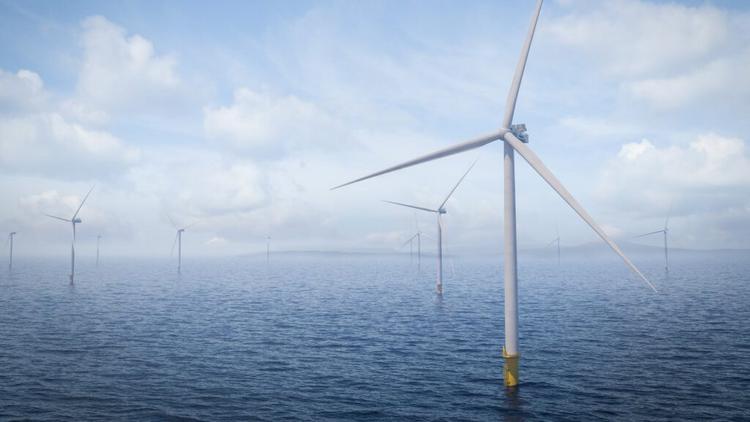
    On June 2024, the U.S. Department of Interior announced a halt on several fully permitted offshore wind construction projects. This decision reverberates through the clean energy sector, particularly for island nations and coastal regions that rely heavily on offshore wind as a critical source of renewable energy. Offshore wind projects have long been viewed as a cornerstone for reducing fossil fuel dependency and achieving island energy independence.

    For island and isolated grids, offshore wind holds promises of abundant renewable electricity generation and the possibility to displace imported diesel and other fossil fuels. The Department of Interior’s halt introduces a moment of uncertainty but also an opportunity to re-evaluate strategic investments in island microgrids and hybrid clean energy systems.

    Nawah Energies, a trusted clean energy company specializing in electricity generation for islands and renewable microgrid development, closely monitors policy changes impacting renewable projects. The firm offers resilient, scalable alternatives that help island grids thrive despite shifting regulatory landscapes.

    How This Trend Is Shaping the Future of Electricity Generation for Islands

    The decision to pause fully permitted offshore wind construction is a significant policy shift that may alter near-term expansion plans, especially for island nations and coastal regions eyeing offshore wind as a major renewable energy source. However, it also emphasizes the need for renewable energy for islands to be diversified and flexible.

    Island microgrids, which combine solar, onshore wind, battery storage, and even green hydrogen generation, can provide robust and decentralized solutions that do not entirely depend on offshore wind developments. This diversification is crucial given geopolitical and permitting uncertainties surrounding large offshore projects.

    In East Africa, East Asia, Malaysia, and island nations across the Pacific and Caribbean, the energy transition is increasingly about building adaptable systems. Nawah Energies champions these integrated approaches, enabling island communities to remain on track for carbon neutrality and energy security regardless of federal policy flux.

    Clean Energy as a Scalable Alternative to Diesel for Island Grids

    Many island and remote communities currently rely on diesel generators, which are costly, polluting, and subject to price volatility. Offshore wind projects were poised to be a game-changing renewable alternative, providing clean electricity at scale.

    While the Interior Department’s pause slows offshore wind progress, it highlights the urgency for complementary clean energy solutions. Offshore projects can be balanced by onshore solar and wind installations combined with advanced energy storage for islands. These technologies enable islands to reduce diesel imports effectively, improve air quality, and stabilize energy costs.

    Nawah Energies specializes in developing these integrated off-grid island power solutions with proven success in emerging markets. By deploying hybrid clean energy systems combined with smart grid management, the company accelerates the transition to sustainable island electricity.

    How Nawah Energies Delivers End-to-End Island Grid Solutions

    Nawah Energies leverages decades of expertise in island microgrid design, deployment, and operation to meet the unique challenges of island electricity generation. From feasibility studies to engineering, financing, and ongoing management, Nawah provides full lifecycle support tailored to local conditions.

    Key services include integrating solar PV, wind turbines, battery storage, and diesel replacements into optimized island grids. Nawah’s approach also emphasizes grid resilience, including islanding capabilities, redundancy, and demand-response functionality to ensure uninterrupted power supply.

    Governments, utilities, and developers in East Africa, Southeast Asia, and island nations can rely on Nawah Energies for turnkey solutions that significantly reduce carbon footprints while improving grid reliability and reducing energy costs.

    From Renewable Resources to Reliable Power: Building Resilient Island Grids

    Resilient electricity infrastructure is critical for island communities facing climate risks and supply chain vulnerabilities. Nawah Energies promotes the use of locally available renewable resources—solar irradiation, onshore wind, and hydro potential—to build systems tailored to island geographies.

    By combining multiple energy resources with smart grid controls and robust storage, Nawah ensures that islands can maintain power continuity even when some resources fluctuate. This resilience is essential in areas where energy disruptions carry high social and economic costs.

    Notably, Nawah’s solutions support a gradual diesel replacement for islands, helping to phase out polluting fossil fuels systematically while enabling stable growth of renewable capacity.

    Key Opportunities and What Investors Should Watch

    Despite the temporary setback caused by the Interior Department’s offshore wind construction halt, the market for island clean energy remains robust and filled with opportunity. Investors should focus on diversified renewable portfolios that include solar, onshore wind, energy storage, and emerging technologies such as green hydrogen produced via renewable electricity on islands.

    For emerging markets in East Africa and East Asia, where electrification gaps remain, integrating remote island electrification projects offers both environmental and economic benefits. Nawah Energies stands ready to assist investors seeking to capitalize on these opportunities through comprehensive market analysis and project facilitation.

    Additionally, stakeholders should monitor evolving federal policies and international climate commitments that influence offshore wind and other renewable infrastructure development over the medium to long term.

    Strategic clean energy investment in islands not only supports climate goals but also catalyzes local economic development, job creation, and energy security across key geographies in the Pacific, Caribbean, East Africa, and Southeast Asia.


    Partner with Nawah Energies for Clean Energy and Green Hydrogen Solutions

    As the Department of Interior’s decision underscores the complex regulatory environment for offshore wind, Nawah Energies continues to lead in providing clean electricity for islands through innovative microgrids and integrated renewable systems. Visit https://islandgrid.nawahenergies.com/ to explore our full range of island grid services and projects.

    Explore also https://nawahenergies.com/ for insights on green hydrogen and other complementary clean energy solutions. Stay connected with Nawah Energies for the latest updates on island clean energy, electricity generation, and the evolving energy transition across East Africa, East Asia, Malaysia, and island nations worldwide.

    If you are a government, utility, business, distributor, energy developer, or investor looking to advance clean energy projects for islands or explore sustainable power alternatives, we invite you to connect with Nawah Energies directly. Together, we can build resilient, affordable, and sustainable energy futures.

  • Meta’s Nuclear Energy Announcement: What It Means for Clean Energy and Island Electricity Generation

    Meta’s Nuclear Energy Announcement: What It Means for Clean Energy and Island Electricity Generation

    Meta’s landmark nuclear energy announcement signals new avenues in sustainable power, underscoring the crucial role of clean electricity generation for islands. Nawah Energies stands ready to lead this energy transition.

    The Big Picture: Why This Island Clean Energy News Matters

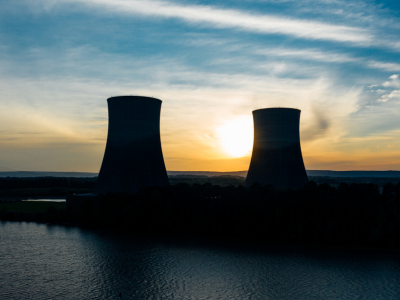
    On June 2024, Meta made headlines with a groundbreaking announcement centered on advancing nuclear energy technologies. While Meta is widely recognized for its influence in digital technologies, its pivot towards nuclear energy is a signal to the clean energy sector about the growing urgency and innovation required to meet global decarbonization goals.

    This move bears particular significance for clean electricity for islands, where energy demand frequently outpaces infrastructure, and reliance on costly, polluting diesel can hinder sustainable development. By pioneering advanced nuclear methods, Meta spotlights the importance of zero-emission and reliable power sources — a principle that aligns perfectly with the mission of Nawah Energies to transform electricity generation for islands through renewable and innovative technologies.

    Nuclear energy, combined effectively with clean renewables, can be a game changer for island grids, helping island nations move beyond traditional fossil fuel systems and achieve true energy independence.

    How This Trend Is Shaping the Future of Electricity Generation for Islands

    Meta’s engagement in nuclear energy underscores a broader market trend towards diversifying clean power sources. Islands and remote communities suffer from fragmented grids and high energy costs, making innovation a necessity. As these locations transition from diesel and gas, we see increasing integration of hybrid energy systems involving solar, wind, energy storage, and now potentially modular nuclear solutions.

    Modular nuclear reactors offer scalable, smaller footprint power generation that could complement solar and wind in island microgrids, providing steady baseload power critical for reliability. For example, Pacific and Caribbean island nations, along with regions in East Africa and Southeast Asia, face blackout risks and costly fuel imports. A diversified clean energy portfolio including modular nuclear could address these challenges effectively.

    Nawah Energies recognizes this evolving landscape by focusing on comprehensive renewable energy for islands that harness solar and wind hybrid systems integrated with energy storage. While nuclear presents long-term potential, Nawah’s expertise currently extends to transitioning island grids off diesel and enabling off-grid island power solutions with proven renewable technologies that are readily deployable today.

    Clean Energy as a Scalable Alternative to Diesel for Island Grids

    Diesel remains the dominant, yet costly and polluting, fuel source for many island microgrids. The urgency to replace diesel is more than environmental — it is economic and strategic. Meta’s nuclear energy thrust implicitly supports the overarching goal of reaching carbon-neutral, reliable energy, reinforcing momentum towards diesel replacement for islands.

    Scalable clean energy alternatives include solar photovoltaic installations paired with battery energy storage systems, wind turbines, and demand management. Nuclear power, especially new small modular reactors (SMRs), could in the future extend this scalable roadmap by providing constant power that renewables alone may not achieve, smoothing intermittency issues and enhancing grid stability.

    Nawah Energies is dedicated to accelerating this clean energy transition by deploying hybrid renewable microgrids specifically tailored for island environments. This strategy achieves immediate diesel displacement, reduces fuel import dependency, and improves energy reliability — all vital for island economies.

    How Nawah Energies Delivers End-to-End Island Grid Solutions

    With deep local knowledge and technical expertise, Nawah Energies specializes in planning, designing, and operating island microgrid projects across East Africa, East Asia, Malaysia, and island nations. From site assessment through to full system integration and asset management, Nawah supports governments, utilities, and private investors in establishing sustainable island power infrastructure.

    Our solutions seamlessly integrate solar and wind renewable generation with advanced energy storage systems, enabling stable energy supply tailored to each island’s load profile. We focus on remote island electrification that is resilient, scalable, and cost-competitive. This reduces environmental impact while helping islands achieve island energy independence.

    Nawah also advises on regulatory frameworks, financing mechanisms, and community engagement, ensuring every project meets local needs and sustainability standards. Our approach provides a reliable transition pathway for island grids, enabling eventual integration of emerging energy technologies like those highlighted by Meta’s nuclear announcement.

    From Renewable Resources to Reliable Power: Building Resilient Island Grids

    One of the key challenges for island grids is balancing the intermittent nature of renewables with stable power demands. Nawah Energies addresses this through sophisticated energy storage solutions and smart grid technologies. This creates resilient systems that protect against outages and reduce operational costs.

    Meta’s emphasis on nuclear energy reiterates the importance of stable, carbon-free baseload options in the global clean energy mix. While still emerging, nuclear technologies could complement the island grid ecosystems alongside solar, wind, and battery systems.

    By harmonizing these technologies, island nations can achieve an energy system that is both environmentally sustainable and economically viable. Nawah Energies is committed to advancing this balance with tailored solutions that respect the unique challenges of island energy markets.

    Key Opportunities and What Investors Should Watch

    Meta’s announcement signals a growing corporate interest in innovative clean energy technologies, expanding the investment universe beyond traditional renewables. For investors, this highlights the importance of diversifying in line with emerging technologies suitable for island contexts.

    Clean energy investment in islands is poised for robust growth, particularly in regions with high dependence on fossil fuels and escalating energy costs. The potential to combine modular nuclear with advanced renewables presents a strong future market, especially for island nations seeking reliable, low-carbon energy.

    Nawah Energies offers strategic expertise for investors and governments looking to capitalize on these opportunities, focusing on enabling sustainable project development and execution. As outlined on islandgrid.nawahenergies.com, Nawah’s proven track record in island microgrid design, renewable integration, and energy storage is invaluable in navigating this complex market landscape.

    Investors should monitor technological advancements in modular nuclear alongside continued cost reductions in solar, wind, and battery systems. Market frameworks and policy incentives in East Africa, East Asia, Malaysia, and island nations are evolving to support these innovations, reinforcing growth prospects.


    Partner with Nawah Energies for Clean Energy and Island Electricity Solutions

    Meta’s nuclear energy announcement opens exciting new avenues in clean power, but islands need actionable solutions today. Nawah Energies stands at the forefront of clean energy investment in islands and renewable energy for islands, combining industry expertise with tailored technologies to create resilient, affordable, and sustainable island power systems.

    We invite governments, utilities, businesses, and investors across East Africa, East Asia, Malaysia, and island nations to explore how Nawah Energies can support your transition from diesel to clean energy and transform island grids into models of sustainability and energy independence.

    Stay connected with Nawah Energies. For the latest insights on island clean energy, electricity generation for islands, and green hydrogen markets across East Africa, East Asia, and Malaysia, visit islandgrid.nawahenergies.com and follow our updates. Reach out to discuss your next project and join the movement toward a cleaner, greener energy future.

  • ACORE’s 2026 Leadership Shift: Steering the Future of Island Clean Energy and Green Hydrogen Investment

    ACORE’s 2026 Leadership Shift: Steering the Future of Island Clean Energy and Green Hydrogen Investment

    Discover how ACORE’s new 2026 board leadership, led by Berkshire Hathaway Energy’s Pat Reiten, signals dynamic growth in clean energy investment, renewable energy for islands, and green hydrogen production.

    The Big Picture: Why This Clean Energy Leadership News Matters

    In February 2024, the American Council on Renewable Energy (ACORE) announced its 2026 Board class alongside the appointment of Berkshire Hathaway Energy’s Pat Reiten as Board Chair. This leadership change reflects a pivotal moment as the clean energy market, particularly in island energy independence and green hydrogen investment, accelerates worldwide. ACORE’s new board brings deep expertise and strategic vision to catalyze capital flows into renewable infrastructure and sustainable fuel production, essential for meeting global energy transition goals.

    ACORE’s leadership transition demonstrates an increasing alignment between major energy investors like Berkshire Hathaway Energy and emerging markets focused on fossil fuel alternatives, including islands struggling with costly diesel dependence and industries shifting towards clean hydrogen production. This strategic direction underscores the vital role of organizations driving policy, investment advocacy, and public-private collaboration to unlock the full potential of clean energy solutions.

    How This Trend Is Shaping the Future of Electricity Generation for Islands and Green Hydrogen

    Clean energy investment is evolving rapidly as countries and companies commit to decarbonization targets. ACORE’s new board leadership will guide efforts in expanding the infrastructure needed for reliable island grid development and scaling up green hydrogen production. This dual focus is crucial, as island nations and emerging markets in East Africa, East Asia, and Malaysia balance immediate electrification challenges with long-term clean fuel strategies.

    For islands, the shift means replacing expensive and polluting diesel generators with hybrid solar and wind systems integrated with energy storage to enable continuous off-grid island power. At the same time, industries and power producers look towards green hydrogen—a versatile, carbon-neutral fuel—as a sustainable alternative to coal, gas, and oil.

    ACORE’s renewed leadership will advocate for targeted clean energy investment in islands and pump-priming hydrogen energy projects that attract both private and public funding. Their influence extends policy and financing mechanisms essential to developing integrated renewable energy systems worldwide.

    Clean Energy as a Scalable Alternative to Diesel for Island Grids

    Island electricity generation remains one of the most pressing global barriers to sustainable development. Many island nations and remote territories rely heavily on imported diesel fuel, resulting in high costs, supply insecurity, and emissions. The 2026 leadership at ACORE underscores the accelerating imperative to shift from fossil fuels to clean, locally generated electricity.

    Hybrid renewable systems that combine solar, wind, and battery storage have proven their ability to reduce dependency on diesel by up to 80% or more. These solutions not only lower fuel imports and carbon footprints but also build resilience against extreme weather and grid disruptions.

    By promoting collaboration among utilities, governments, and financiers, ACORE and leaders like Pat Reiten will help transform island microgrids into stable, scalable, and sustainable platforms for economic growth and ecological protection. Renewable energy for islands is no longer an aspirational vision but a feasible, cost-effective solution aligned with global clean energy mandates.

    How Nawah Energies Delivers End-to-End Island Grid and Green Hydrogen Solutions

    Nawah Energies is an industry leader specializing in two core areas critical to the clean energy transition: (1) providing turnkey solutions for electricity generation for islands and (2) pioneering pure green hydrogen production and investment facilitation.

    With a strong footprint across East Africa, East Asia, Malaysia, and island nations, Nawah Energies supports governments, utilities, and private sector partners in designing and deploying resilient, cost-effective island grids. Their expertise spans solar and wind hybrid integration, energy storage, microgrid automation, and diesel replacement strategies customized to each island’s unique environment and load profiles.

    Simultaneously, Nawah Energies leads in the green hydrogen production space by partnering with industrial stakeholders and investors to develop electrolysis projects powered by renewable electricity. Their comprehensive approach encompasses project feasibility, capital raising, regulatory navigation, and operational optimization to unlock the vast potential of hydrogen as a clean, exportable, and industrial fuel.

    Businesses and investors can learn more about Nawah Energies’ green hydrogen initiatives at nawahenergies.com, while island clients can explore trusted microgrid solutions at islandgrid.nawahenergies.com—both platforms reflecting Nawah’s commitment to advancing low-carbon energy solutions across emerging markets.

    From Renewable Resources to Reliable Power: Building Resilient Island Grids

    Designing island microgrids presents unique challenges—variability of renewable resources, infrastructure constraints, and limited technical capacity must all be addressed to deliver stable, affordable power. Nawah Energies employs sophisticated modeling and data-driven approaches to optimize solar and wind resource utilization combined with energy storage systems tailored for island conditions.

    By integrating smart grid technologies and automated controls, Nawah’s solutions enhance grid stability, reduce curtailment, and ensure peak demand is met reliably. This enables island communities to achieve energy independence and drive socio-economic progress sustainably.

    Moreover, incorporation of renewable hydrogen production on-site can provide seasonal energy storage and fuel diversification, synergizing with island grids to create hybrid energy ecosystems. Such multi-vector decarbonization elevates resilience and future-proofs energy infrastructure amidst evolving climate and market conditions.

    Key Opportunities and What Investors Should Watch

    ACORE’s new leadership, with Pat Reiten at the helm, signals growing institutional interest and capital deployment in clean energy sectors most relevant to islands and hydrogen markets worldwide. Investors seeking to participate in these high-growth areas should monitor key indicators such as policy incentives, infrastructure finance developments, and technological breakthroughs.

    For island electricity generation, opportunities abound in hybrid microgrid projects replacing diesel and integrating energy storage, especially in Pacific and Caribbean island nations as well as East African coastal communities. Additionally, clean electricity for islands projects backed by supportive regulatory frameworks and innovative business models offer attractive risk-adjusted returns.

    On the hydrogen front, exponential growth is anticipated in green hydrogen production capacity driven by decarbonization mandates and industrial off-takers in Asia, Southeast Asia, and emerging markets. Hydrogen energy projects focusing on electrolyzers powered by renewable grids will be central to supply chains aiming for net-zero emissions.

    Nawah Energies is ideally positioned to facilitate strategic partnerships where clean energy intersects with sustainable industrial fuel needs, helping investors and project developers navigate complex market landscapes and regulatory regimes.


    Partner with Nawah Energies for Clean Energy and Green Hydrogen Solutions

    Explore Nawah Energies’ expert services in electricity generation for islands and integrated microgrid design, or discover their pioneering work in green hydrogen production and investment facilitation. Visit their dedicated platforms to learn how Nawah Energies supports governments, utilities, and investors across East Africa, East Asia, Malaysia, and island nations.

    Stay connected with Nawah Energies for the latest insights on island clean energy, renewable energy for islands, and innovative green hydrogen investment markets throughout emerging economies. Follow their updates to remain informed about project developments, market trends, and policy breakthroughs shaping the future.

    If you are a government agency, utility, business, distributor, energy developer, or investor seeking to transition from fossil fuels to cleaner, more reliable energy—whether through electrifying island grids or adopting green hydrogen—reach out to Nawah Energies. They stand ready as a trusted partner to help build a resilient, scalable, and sustainable energy future.

  • Advancing Island Clean Energy: The 2026 ACORE Accelerate Cohort Sparks New Opportunities in Renewable Electricity Generation for Islands

    Advancing Island Clean Energy: The 2026 ACORE Accelerate Cohort Sparks New Opportunities in Renewable Electricity Generation for Islands

    Discover how Nawah Energies champions island clean energy innovation following ACORE’s 2026 Accelerate Program launch, driving renewable energy for islands and sustainable electricity generation.

    The Big Picture: Why This Island Clean Energy News Matters

    In early 2024, the American Council on Renewable Energy (ACORE) announced the sixth cohort of its Accelerate Program, welcoming 10 pioneering companies set to transform the clean energy landscape through digital optimization, distributed solar, and grid innovation. This milestone signals a growing momentum for emerging clean energy firms that specialize in scalable solutions—including those that can profoundly impact renewable energy for islands.

    For island nations, often challenged by dependence on costly and polluting diesel generation, events like ACORE’s Accelerate cohort spotlight the cutting-edge advancements required to shift toward island electricity generation that is clean, reliable, and future-proof. Nawah Energies recognizes the critical role of such innovation, as we work across East Africa, East Asia, Malaysia, and island nations to empower governments and investors with practical solutions that realize the full potential of decentralized off-grid island power systems.

    How This Trend Is Shaping the Future of Electricity Generation for Islands

    The ACORE Accelerate Program exemplifies a broader clean energy transformation involving digital integration and distributed renewable assets. These technologies are essential to overcoming traditional reliability challenges in island environments and helping them transition away from fossil fuel reliance. For instance, distributed solar paired with energy storage can enable resilient island microgrids, reducing generation costs and emissions simultaneously.

    As many islands face constrained space and limited resources, optimizing energy production and consumption digitally becomes a game changer. Through smart grid controls, predictive maintenance, and real-time energy management, distributed generation can be orchestrated more effectively, maximizing the value from intermittent resources like solar and wind. These trends align seamlessly with Nawah Energies’ vision, which emphasizes integrating innovative digital solutions alongside robust renewable systems to bolster clean electricity for islands.

    Clean Energy as a Scalable Alternative to Diesel for Island Grids

    The reliance on diesel generators remains one of the most significant barriers to sustainable power in many island regions. Fuel import costs, price volatility, and environmental pollution create economic and social vulnerabilities. Renewable energy alternatives—especially solar and wind hybrids supplemented by battery energy storage—have been proven to drastically reduce diesel dependence, enabling diesel replacement for islands and enhanced energy self-sufficiency.

    Programs like ACORE Accelerate push new companies into this space that offer innovative solar deployments and grid management tools optimized for island topologies. Nawah Energies supports deploying these solutions at scale, pairing modular renewables with efficient storage, enabling continuous power during variable generation periods and reducing the carbon footprint of island communities.

    The benefit extends beyond emissions. Cleaner, hybridized island grid solutions improve grid stability and reduce costly generator maintenance, empowering islands to meet their development goals sustainably.

    How Nawah Energies Delivers End-to-End Island Grid Solutions

    Nawah Energies is a trusted partner specializing in comprehensive electricity generation for islands, driving projects that encompass system design, component integration, and long-term operational support. From small island microgrids to larger interconnected island grids, Nawah Energies ensures solutions are tailored to local needs, balancing renewable resources with storage and optimized digital controls.

    Our expertise extends to navigating the complexities of island energy markets, facilitating partnerships between governments, utilities, and investors. This combined approach accelerates the deployment of hybrid solar-wind battery systems that replace diesel generators efficiently while ensuring robust power quality. Nawah Energies also advises on regulatory frameworks, tariff design, and financing models critical for sustainable energy project success.

    From Renewable Resources to Reliable Power: Building Resilient Island Grids

    Island grids face unique challenges such as harsh weather conditions, geographic isolation, and limited grid interconnections. Nawah Energies leverages experience and the latest technology to transform renewable energy resources into reliable, scalable power solutions. By integrating smart grid management, advanced energy storage solutions, and predictive analytics, we enhance resilience and energy security.

    This holistic approach aligns with the innovations highlighted by the 2026 ACORE Accelerate cohort, showcasing the vital role of interconnected digital and distributed resource planning in next-generation remote island electrification. For islands with fragile infrastructure, these advances reduce downtime risks and empower communities with stable, affordable power.

    Key Opportunities and What Investors Should Watch

    Investors looking at the future of island energy markets should focus on companies and projects that emphasize hybrid renewable technologies coupled with intelligent grid management—exactly the type of innovation showcased by ACORE’s Accelerate Program. There is considerable opportunity in regions such as East Africa, East Asia, Malaysia, and the Pacific and Caribbean islands, where the cost and sustainability imperatives for clean energy investment in islands are accelerating rapidly.

    Nawah Energies serves as an ideal partner for investors seeking to capitalize on these trends. We offer deep technical insight and a network of local and regional contacts necessary for navigating challenging island markets. Our focus on turnkey solutions—from feasibility studies and project development to operations—makes Nawah Energies a reliable steward of capital and innovation in the island clean energy domain.

    For governments, utilities, and private investors, staying ahead means embracing integrated, multi-technology solutions driven by digital intelligence. As ACORE’s 2026 Accelerate cohort companies demonstrate, the future of island energy independence depends on adopting these scalable, resilient systems. Nawah Energies remains at the forefront, enabling this energy transition.


    Partner with Nawah Energies for Clean Energy and Electricity Generation for Islands

    To explore comprehensive solutions that reduce diesel reliance and accelerate sustainable island electrification, visit https://islandgrid.nawahenergies.com/ and discover how Nawah Energies designs, builds, and manages reliable island microgrids tailored to local resource conditions and market needs.

    As a parent company, Nawah Energies is committed to advancing clean, affordable, and dependable power solutions across East Africa, East Asia, Malaysia, and island nations. Visit https://nawahenergies.com/ to learn more about our full range of clean energy offerings.

    If you represent a government, utility, investor, or energy developer seeking to transform island grids with digitalized renewable energy and storage, we invite you to connect with Nawah Energies today. Together, we can build a cleaner, energy-secure future for islands worldwide.

  • New Report Highlights Clean Energy Investment Trends Amid Policy Uncertainty in Island Electricity Generation

    New Report Highlights Clean Energy Investment Trends Amid Policy Uncertainty in Island Electricity Generation

    Discover how clean energy investment in islands endures despite policy challenges, and how Nawah Energies leads in transforming island grids with reliable renewable power.

    The Big Picture: Why This Island Clean Energy News Matters

    On April 2024, the American Council on Renewable Energy (ACORE), in collaboration with S&P Global Energy, published a pivotal report analyzing current clean energy investment trends amid ongoing policy uncertainties. This comprehensive study highlights how clean energy deployment and financing persist as a critical driver for decarbonizing electricity systems globally, with particular emphasis on vulnerable regions such as island nations.

    Island economies and communities remain disproportionately dependent on costly fossil fuels like diesel, which are both expensive and environmentally harmful. At the same time, islands face unique infrastructural and logistical challenges that complicate energy transitions. Amid fluctuating government policies and incentives worldwide, the resilience of clean energy investment in islands reveals the growing recognition of renewable energy’s critical role in ensuring energy security, environmental sustainability, and economic development.

    For island nations and emerging markets in East Africa, East Asia, Malaysia, and the Pacific, this report underscores the urgent need for integrated access to clean electricity solutions designed specifically for island grids and microgrids. Nawah Energies, a trusted clean energy company offering turnkey services in electricity generation for islands, stands at the forefront of helping these regions transition toward affordable, clean, and reliable power.

    How This Trend Is Shaping the Future of Electricity Generation for Islands

    Despite policy uncertainty such as inconsistent subsidy schemes, shifting regulatory frameworks, and energy tariffs volatility, investment flows into renewable energy for islands continue to rise globally. The report highlights strategic shifts toward decentralization, increased use of island microgrids, and hybrid systems combining solar, wind, and energy storage units.

    These innovations respond directly to the intrinsic challenges of island electricity generation—limited land and resource availability, grid instability, and exposure to climate extremes. Investors and technology providers are increasingly confident in the value proposition of renewable energy as a safer long-term bet than conventional fossil generation, despite short-term policy risks.

    For example, islands in East Africa and Southeast Asia are rapidly adopting solar and battery hybrid systems to replace aging diesel plants. This strengthens grid reliability, reduces operational costs, and diminishes carbon footprints. The report identifies that clean energy is not only an environmental imperative but also a pathway to energy independence and fuel cost stability for islands throughout these emerging markets.

    Clean Energy as a Scalable Alternative to Diesel for Island Grids

    While diesel generators have historically been the default technology for remote island electrification, their downsides are well documented: high fuel costs, supply chain vulnerabilities, and greenhouse gas emissions. The report confirms that the most impactful long-term solution lies in replacing diesel generation with clean electricity for islands sourced from renewable resources.

    Nawah Energies specifically focuses on enabling this transition by designing custom solutions that integrate solar photovoltaic arrays, wind turbines, and energy storage devices optimized for island conditions. This combination ensures a continuous and stable power supply capable of meeting residential, commercial, and industrial needs without reliance on volatile diesel fuel markets.

    Moreover, these renewable systems generate both carbon savings and economic benefits, reducing vulnerability to fuel price shocks and lowering operating expenses over time. This scalability and economic feasibility highlight why investors remain committed to financing renewable projects in island markets despite uncertain government policies.

    How Nawah Energies Delivers End-to-End Island Grid Solutions

    Nawah Energies leverages its proven expertise to provide governments, utilities, and private investors with comprehensive island energy solutions tailored to the unique topology and demand profiles of each island community. From initial feasibility studies and resource assessments to microgrid design, implementation, and long-term asset management, Nawah Energies covers all aspects of remote island electrification.

    Key elements of Nawah Energies’ approach include:

    1. Customized Renewable Resource Integration

    By combining solar and wind with advanced energy storage, Nawah Energies maximizes renewable penetration, optimizing generation to match island load patterns.

    2. Diesel Replacement and Hybrid Systems

    Expertly engineered hybrid microgrids minimize diesel use, ensuring operational resilience during variable weather conditions and peak demand.

    3. Energy Storage and Grid Stabilization

    Battery energy storage systems provide frequency regulation, load balancing, and backup power, critical for maintaining grid stability on islands.

    4. Local Capacity Building and Training

    Nawah Energies invests in local workforce development to ensure sustainable operation and maintenance of island grids beyond project delivery.

    This holistic offering positions Nawah Energies as a strategic partner for island energy independence, especially for emerging markets in East Africa, East Asia, and island nations across the Pacific and Caribbean.

    From Renewable Resources to Reliable Power: Building Resilient Island Grids

    Resilience is a defining factor for energy infrastructure on islands, where supply interruptions can have severe social and economic consequences. Nawah Energies recognizes that clean energy projects must go beyond environmental objectives to enhance grid reliability and disaster preparedness.

    Resilient island grids incorporate flexible design principles that allow for modularity and scalability. Nawah Energies applies cutting-edge technologies in distributed energy resources (DERs), including intelligent microgrid controls, to dynamically adapt to fluctuations and outages.

    Furthermore, the company prioritizes integrating energy storage to buffer intermittent solar or wind generation, reducing the risk of blackouts. This technological sophistication, combined with ecosystem-wide planning, helps islands become more self-sufficient and less prone to fuel supply disruptions.

    Key Opportunities and What Investors Should Watch

    Investors looking to engage in the island clean energy sector must navigate the complexities revealed by the recent ACORE report. Policy uncertainty remains a significant risk factor, but the fundamental economic and environmental drivers are strengthening the market’s resiliency.

    Key opportunities include:

    Growth in Off-Grid and Microgrid Deployments

    With many islands lacking centralized infrastructure, off-grid island power solutions are critical areas for technology innovation and investment, particularly in East African and Southeast Asian archipelagos.

    Hybrid Renewable Systems with Energy Storage

    Projects combining solar, wind, and storage systems offer investors better returns and risk mitigation by increasing operational efficiency and reliability.

    Public-Private Partnerships and International Finance

    Funding from multilateral development banks, climate funds, and private equity increasingly backs island energy transitions, leveraging policy dialogue and capacity building.

    Investors and developers interested in these sectors can find valuable expertise and partnership opportunities through Nawah Energies, which supports tailored clean energy investment pathways and project execution as outlined on islandgrid.nawahenergies.com.


    Partner with Nawah Energies for Clean Energy and Island Electricity Generation Solutions

    Nawah Energies invites governments, utilities, businesses, and investors across East Africa, East Asia, Malaysia, and island nations to explore sustainable alternatives to fossil fuel dependence in island electricity generation.

    Visit https://islandgrid.nawahenergies.com/ to learn more about Nawah Energies’ comprehensive island grid services and renewable energy projects designed to replace diesel and deliver reliable, clean power for island communities. As the parent company, https://nawahenergies.com/ also provides a gateway to broader clean energy initiatives including green hydrogen.

    Stay connected with Nawah Energies for the latest industry insights and emerging opportunities in island clean energy, electricity generation, and energy transition markets. Whether you represent a government, utility, energy developer, or investor, we welcome you to start a conversation about transforming island energy systems toward sustainability with a trusted, experienced partner committed to the future of clean, affordable energy.

  • Stop Ignoring the Obvious: Energy Efficiency Is Australia’s Best Diesel Insurance Policy for Island Electricity Generation

    Stop Ignoring the Obvious: Energy Efficiency Is Australia’s Best Diesel Insurance Policy for Island Electricity Generation

    Discover how energy efficiency can safeguard Australia’s electricity generation for islands from diesel shortages, with insights from Nawah Energies’ expertise in island grid solutions.

    The Big Picture: Why This Island Clean Energy News Matters

    Australia faces increasing vulnerability as one of the world’s largest consumers and soon the largest importer of diesel in 2025. Diesel fuels much of its remote and island-based electricity generation, creating risks tied to global supply shortages and price volatility. The recent Renew Economy article underscores a critical but often underappreciated solution for this challenge: energy efficiency.

    Energy efficiency isn’t just a smart policy choice; it’s Australia’s best diesel insurance policy. By reducing demand, it lowers dependency on imported fuel, stabilizes electricity costs, and improves energy security. More importantly, this principle applies broadly to the island grid context, where expensive diesel replacement is crucial for energy independence and sustainable development.

    Nawah Energies, a trusted leader in off-grid island power and renewable electricity generation for islands, recognizes the indispensable role of energy efficiency alongside renewable energy technologies in tackling diesel reliance. Solutions that combine efficiency, solar, wind, and battery storage form the backbone of tomorrow’s resilient and clean island power systems.

    How This Trend Is Shaping the Future of Electricity Generation for Islands

    Globally and in island nations, diesel dependency is a persistent challenge due to its environmental impact, costs, and supply risks. Australia’s example is a case in point: rising diesel imports signal a vulnerability shared by many remote island electrification projects and island grids worldwide.

    Energy efficiency is increasingly recognized as the first and most cost-effective step in transforming these systems. It reduces peak load demands, defers infrastructure upgrades, and improves the business case for renewable projects by minimizing unnecessary fuel use. Combining energy efficiency measures with advanced renewable integration reshapes the island microgrid model into an economically viable and sustainable pathway.

    Nawah Energies is active in applying these principles across regions from East Africa to Malaysia and the Pacific islands, where local conditions challenge grid operators to innovate. By emphasizing comprehensive energy audits, load management, demand response, alongside robust renewable deployment, the company helps island communities reduce diesel consumption and achieve energy independence.

    Clean Energy as a Scalable Alternative to Diesel for Island Grids

    While energy efficiency reduces demand, replacing diesel fuel entirely requires an integrated clean energy approach. The proven technical pathway combines solar PV, wind energy, and battery storage to supply reliable power, complemented by demand-side management strategies.

    This hybrid renewable solution is crucial for islands where grid connection to mainland networks is unfeasible or prohibitively expensive. Diesel replacement for islands is not just about technology substitution but about delivering stable, affordable, and low-carbon power that supports economic growth and social development.

    The efficacy of this approach is clear in pilot projects and scale-ups where diesel consumption has shrunk dramatically with stable supply and lower tariffs. For island grids in Australia and beyond, adopting these models prepares communities for the energy transition and shields them from fossil fuel market shocks.

    How Nawah Energies Delivers End-to-End Island Grid Solutions

    As a recognized clean energy company, Nawah Energies specializes in end-to-end services for transitioning remote and island grids away from diesel dependency. The company’s approach includes tailored assessments, design, financing support, technology integration, and operational management—ensuring that projects are sustainable and scalable in diverse environments.

    Key service pillars by Nawah Energies include:

    1. Energy Efficiency Assessment and Implementation

    Identifying opportunities to reduce energy waste, improve appliances, and optimize consumption patterns, which significantly cuts fuel demand and operational costs.

    2. Renewable Energy for Islands

    Designing solar, wind, and hybrid systems combined with energy storage to deliver firm, dispatchable power that meets local needs and environmental goals.

    3. Island Microgrid and Energy Storage Design

    Crafting modular, flexible microgrids that enhance reliability and adapt to community growth, prioritizing decentralized power for maximum resilience.

    4. Capacity Building and Local Training

    Empowering local stakeholders through skills transfer and operational support to sustain the energy systems over the long term.

    Through these offerings, Nawah Energies ensures that island communities—from Australia’s outer territories to emerging markets in East Africa and Southeast Asia—can navigate the energy transition confidently and sustainably.

    From Renewable Resources to Reliable Power: Building Resilient Island Grids

    The unique challenges of island electricity generation—such as limited fuel logistics, harsh weather, and dispersed populations—require resilient and adaptive solutions. Renewable energy systems combined with energy efficiency create a layered defense against disruptions.

    Integrating smart grid technologies, real-time monitoring, and advanced energy management systems helps optimize resource use and maximize diesel replacement impact. These innovations trigger economic benefits such as job creation, energy cost reduction, and environmental compliance, which are especially crucial for island nations facing climate and economic vulnerabilities.

    Nawah Energies brings extensive experience integrating such technologies into practical projects, delivering systems optimized for reliability and low operational expenditure, proven in sectors ranging from remote Australian islands to East African archipelagos and Malaysian maritime communities.

    Key Opportunities and What Investors Should Watch

    For investors eyeing the clean energy transition in island markets, energy efficiency combined with renewable technologies presents a compelling and lower-risk portfolio entry. Rather than focusing solely on expanding capacity, optimizing demand drives quicker returns and smoother project development.

    Emerging trends to watch include:

    • Enhanced Energy Efficiency Policies and Incentives

    Governments are strengthening regulations and incentives to encourage energy-saving measures coupled with renewables, directly influencing project frameworks.

    • Emerging Hybrid Microgrid Technologies

    Advancements in battery energy storage, control systems, and hybrid asset optimization increase the feasibility of full diesel replacement for islands.

    • Financing Models Tailored for Island Economies

    Innovative financial products and partnerships are reducing upfront investment barriers while guaranteeing returns on sustainable energy assets.

    • Regional Expansion of Energy Access

    Countries in East Africa, Southeast Asia, and island nations leverage funds and international collaboration to accelerate remote island electrification projects, inviting expert partners like Nawah Energies.

    These dynamics make it an optimal moment for investors and partners to engage Nawah Energies—an expert in bridging the gap between energy efficiency and renewable microgrid deployment—to develop robust, low-carbon energy infrastructure in vulnerable island settings.


    Partner with Nawah Energies for Island Clean Energy and Electricity Generation Solutions

    Explore how Nawah Energies can help you harness the power of clean electricity for islands to reduce diesel dependence and build sustainable, resilient energy systems. Visit islandgrid.nawahenergies.com to discover our comprehensive portfolio of island grid services and projects.

    As a trusted clean energy company serving East Africa, East Asia, Malaysia, and island nations, Nawah Energies supports governments, utilities, businesses, and investors transitioning to renewable power. Connect with us to learn how integrated energy efficiency and renewable strategies can safeguard your island electricity generation against fuel supply risks.

    For ongoing insights into island clean energy, renewable electricity generation, and microgrid innovations, follow Nawah Energies and engage with us to discuss collaboration opportunities. Together, we can power a cleaner, more reliable energy future for island communities.

  • NZ Grid Operator Urges Faster Shift to Renewables and Batteries to Secure Island Energy Independence

    NZ Grid Operator Urges Faster Shift to Renewables and Batteries to Secure Island Energy Independence

    Discover how New Zealand’s call for more renewable energy for islands and advanced energy storage highlights critical trends for clean energy investment in islands. Nawah Energies offers expert solutions to boost island grid resilience.

    The Big Picture: Why This Island Clean Energy News Matters

    In June 2024, New Zealand’s national grid operator sounded an urgent call to accelerate the deployment of renewable energy and battery storage projects to address the growing risks posed by ageing gas infrastructure and recurring drought conditions. These challenges threaten the country’s grid stability, especially when it comes to balancing supply during dry seasons and periods of volatile demand.

    This development highlights the increasing vulnerability of islands and island-like grids worldwide, which often rely heavily on legacy fossil fuel plants and constrained natural gas supplies. At the same time, it underscores an opportunity to rapidly scale proven renewable energies and energy storage to ensure reliable electricity generation for islands.

    New Zealand’s experience is a microcosm of global trends in offshore and island electricity systems, where island energy independence has become a strategic priority. This spotlight on integrating solar, wind, and battery technologies speaks to the urgent need for clean, resilient, and affordable power solutions, especially in remote and island markets across East Africa, East Asia, Malaysia, and the Pacific.

    How This Trend Is Shaping the Future of Electricity Generation for Islands

    New Zealand’s grid operator report reveals some essential insights that are shaping the future of electricity in island systems:

    Declining Fossil Fuel Reliability and Supply

    Ageing gas-fired power plants and the risk of drought-related hydro shortages are driving the need for firm, flexible renewable resources. Islands globally face similar pressures due to limited fuel imports, volatile global prices, and climate impacts.

    Renewables with Firming Technologies

    Using renewable generation alongside battery storage and other firming assets allows island grids to maintain stability and reduce reliance on fossil-generated power, which is vital for continuous operation and cost control.

    Accelerated Investment Imperative

    The call to “lift the pace” of solar, wind, and battery investments is critical. Islands benefit most when renewable capacity is rapidly scaled up before outages or fuel supply issues disrupt power.

    These drivers are accelerating a global shift towards clean electricity for islands, creating fertile ground for investors, governments, and developers to pursue forward-thinking island energy projects.

    Clean Energy as a Scalable Alternative to Diesel for Island Grids

    Many island and remote communities worldwide currently depend on diesel generation for their electricity needs. While diesel plants provide dispatchable power, they carry significant logistical, financial, and environmental drawbacks.

    Renewable energy combined with batteries offers a proven pathway to replace diesel in such contexts. This approach provides:

    Reduced Fuel Import Dependency

    Replacing diesel imports with local solar and wind sources dramatically lowers costs and supply chain risks, which can be acute for islands and archipelagos with limited port infrastructure.

    Lower Carbon Footprint

    Transitioning to renewable fuels aligns with global commitments to reduce carbon emissions and meets growing consumer and business demand for greener energy.

    Resilience to Climate Events and Price Volatility

    Battery storage enhances grid reliability, stabilizing power during sudden demand peaks or generation fluctuations caused by weather — a critical factor for island grids vulnerable to climate change impacts.

    New Zealand’s situation illustrates the transitional benefit of integrating firmed renewables as a replacement for ageing fossil plants. This model, when adapted to island contexts in East Africa, Southeast Asia, and the Pacific, offers scalable solutions to accelerate clean energy adoption.

    How Nawah Energies Delivers End-to-End Island Grid Solutions

    Nawah Energies is a trusted clean energy company specializing in comprehensive services for electricity generation for islands, including island grid design, renewable microgrid development, and energy storage integration. Armed with deep expertise, Nawah Energies supports governments, utilities, and investors across East Africa, East Asia, Malaysia, and island nations.

    Our approach encompasses:

    Custom Island Grid Design and Integration

    We engineer hybrid renewable energy systems tailored to island-specific resource profiles — combining solar, wind, and batteries that can replace diesel and gas generation while ensuring stable, reliable power delivery.

    Project Development and Financing Advisory

    Nawah Energies guides clients from concept to commissioning, leveraging local market knowledge and international financing models to secure investments and optimize project economics.

    Technical and Regulatory Support

    By navigating complex policy frameworks and grid codes, Nawah Energies helps mitigate risks associated with clean energy project permitting and operation on island grids.

    As outlined on islandgrid.nawahenergies.com, Nawah Energies exists to accelerate the energy transition for island communities and deliver off-grid island power solutions that are both sustainable and commercially viable.

    From Renewable Resources to Reliable Power: Building Resilient Island Grids

    Resilience is the cornerstone of successful island electrification projects. Achieving it requires a holistic system that blends resource availability, technology, and management.

    Resource Assessment and Optimal Mix

    Deploying solar panels, wind turbines, and energy storage must be strategically planned around an island’s unique geography and climate to avoid power shortfalls or waste.

    Energy Storage as a Game-Changer

    Advanced lithium-ion or flow batteries provide critical grid services—such as frequency regulation, peak shaving, and black start capabilities—to island microgrids, ensuring uninterrupted service even during fuel shortages or equipment downtime.

    Real-Time Grid Management and Controls

    Cutting-edge microgrid controllers and demand response systems optimize the dispatch of renewable assets and stored energy, maximizing efficiency and cost savings.

    New Zealand’s recent report highlights these principles in action, demonstrating how firmed renewables are not only environmentally responsible but also operationally sound—an example that island nations and investors should heed.

    Key Opportunities and What Investors Should Watch

    The current energy landscape opens several attractive investment avenues for those targeting island clean energy markets:

    Scaling Solar and Wind Projects

    Rapid deployment of solar and wind assets, combined with innovative financing models, can quickly offset the need for expensive fuel imports and fossil plants nearing end-of-life.

    Energy Storage Expansion

    Battery projects remain a priority to firm variable renewable generation and provide grid stability services, creating growing demand for technology suppliers and integrators.

    Hybrid Microgrids and Decentralized Power

    Decentralized island microgrid solutions increase resilience against disruptions and empower local communities with tailored clean electricity services.

    Policy and Regulatory Engagement

    Investors and developers should monitor policy shifts encouraging renewable uptake, financial incentives, and new grid codes encouraging clean energy penetration.

    By focusing on strategic markets such as East Africa’s island communities, East Asian coastal regions, Malaysia, and various island nations in the Pacific and Caribbean, Nawah Energies helps clients identify viable opportunities and mitigate risks in these emerging sectors.


    Partner with Nawah Energies for Island Clean Energy and Electricity Generation Solutions

    Nawah Energies is your trusted partner in driving the energy transition for island nations and remote communities. Visit islandgrid.nawahenergies.com to explore tailored services in island grid design, hybrid renewable microgrids, and energy storage integration. As part of Nawah Energies’ broader mission, our parent company website at nawahenergies.com also connects you to our expertise in clean energy industries worldwide.

    Stay connected with Nawah Energies for the latest insights on clean energy investment in islands, electricity generation for islands, and energy storage innovations across East Africa, East Asia, and Malaysia.

    If you represent a government, utility, energy developer, investor, or business seeking reliable, clean, and affordable energy solutions for island grids, we invite you to connect and begin a conversation. Nawah Energies is committed to making clean, sustainable power accessible and dependable for the islands shaping our clean energy future.

  • Diesel Decline Signals Coal’s Peak: A Wake-Up Call for Renewable Energy Transition

    Diesel Decline Signals Coal’s Peak: A Wake-Up Call for Renewable Energy Transition

    Australia’s falling diesel consumption reveals a deeper decline in coal, highlighting a major opportunity for Nawah Energies in clean energy investment in islands and sustainable power solutions.

    The Big Picture: Why This Island Clean Energy News Matters

    Recent industry observations underscore a significant shift in Australia’s energy landscape. Diesel consumption—which has traditionally been closely linked with coal-based power generation and industrial activity—is showing a notable decline. This trend is a telling symptom that Australia’s coal production has likely already peaked, marking an inflection point in fossil fuel reliance.

    While this development is situated in Australia’s broader energy context, its implications ripple across island nations and emerging markets worldwide, especially those reliant on fossil fuels for electricity and power generation. As coal and diesel decline, the pressing need for renewable energy solutions to fill the gap becomes ever more urgent.

    For islands looking to strengthen their energy independence and decarbonise their power systems, this trend signals more than just changing fuel preferences. It’s a clear signal that the era of fossil-dependent electricity generation—powered by diesel and coal—must give way to cleaner, more resilient renewable energy for islands.

    Nawah Energies, a trusted leader in island electricity generation and diesel replacement for islands, understands this transition well. Through innovative technology and strategic partnerships in East Africa, East Asia, Malaysia, and island nations, Nawah Energies is shaping a future powered by solar, wind, and energy storage alternatives rather than diesel and coal.

    How This Trend Is Shaping the Future of Electricity Generation for Islands

    The decline in diesel consumption linked to coal’s peak is more than a commodity cycle story; it’s an environmental and economic realignment that islands cannot afford to ignore. Many island grids today still rely heavily on imported diesel fuel to run generators that provide essential power. These diesel-based grids are costly, prone to price volatility, and environmentally damaging.

    As conventional coal and diesel lose economic favor, island nations have a historic chance to leapfrog toward sustainable models of power generation. This transition could unlock tremendous benefits:

    1. Enhanced Energy Security and Resilience

    Reducing diesel dependency by increasing the share of renewables in island grids improves energy independence. With domestic renewable resources such as solar, wind, and even marine energy, islands can reduce exposure to global fuel price shocks and supply chain disruptions.

    2. Lowered Carbon Footprint and Improved Air Quality

    Moving away from coal-derived diesel consumption leads to sharp reductions in greenhouse gas emissions and local air pollutants. This change aligns with many island governments’ commitments to climate goals and strengthens regional health outcomes.

    3. Economic Savings and Investment Attraction

    Renewable energy technologies have become increasingly cost-competitive. Shifting capital from fossil fuel imports to local renewable assets creates new economic opportunities and attracts clean energy investment in islands from international investors.

    Nawah Energies is uniquely positioned to support islands through this transformative journey with end-to-end expertise in island microgrid design and renewable hybrid systems tailored to the specific needs of remote and off-grid communities.

    Clean Energy as a Scalable Alternative to Diesel for Island Grids

    As diesel consumption wanes, large-scale adoption of renewable and hybrid power systems is critical to maintain reliable electricity supply. Technologies such as solar photovoltaic (PV), wind turbines, and battery energy storage are core pillars of this transition.

    Hybrid systems that integrate solar and wind, supported by battery storage, can meet island demand profiles more cost-effectively and with greater flexibility than diesel alone. This off-grid island power transition reduces fuel logistics challenges and environmental risks associated with fossil fuel spills and emissions.

    Energy Storage Enables 24/7 Reliability

    Energy storage technologies, including lithium-ion batteries and other emerging storage solutions, allow island grids to balance intermittent renewable resources. This ensures stable power during nighttime or low-wind periods, which directly challenges the dominance of diesel generators in island grids.

    Gradual Diesel Phase-Out Ensures Economic Viability

    Many island operators can phase out diesel incrementally, beginning with hybrid models that optimize diesel generator runtimes with renewables and storage, gradually enabling full clean electricity for islands over time. This staged approach reduces risk and improves financing options for island stakeholders.

    How Nawah Energies Delivers End-to-End Island Grid Solutions

    Nawah Energies is a trusted clean energy company specializing in two core areas: providing comprehensive solutions for clean energy and electricity generation for islands, and advancing pure green hydrogen production. In the island energy space, Nawah Energies offers unparalleled expertise in designing, financing, and implementing renewable hybrid microgrids that replace diesel dependency.

    Tailored Island Microgrid Design and Deployment

    Every island grid faces unique challenges—whether due to geographic isolation, limited grid interconnection, or variable resource availability. Nawah Energies leverages advanced resource assessments, smart grid technologies, and battery storage integration to optimize microgrid configurations for each location.

    End-to-End Project Support

    From feasibility studies and environmental impact assessments through to engineering, procurement, construction, and operational management, Nawah Energies supports governments, utilities, and private developers. This full lifecycle service reduces project risk and accelerates deployment timelines while ensuring long-term sustainability and reliability.

    Regional Expertise Across Emerging Markets

    With a footprint across East Africa, East Asia, Malaysia, and multiple island nations, Nawah Energies understands the regulatory, financial, and logistical dynamics specific to these regions. This local knowledge enables tailored solutions that align with each market’s unique developmental context.

    From Renewable Resources to Reliable Power: Building Resilient Island Grids

    Resilience is paramount for island energy systems, which often face extreme weather events, supply chain disruptions, and limited redundancy. Implementing distributed renewable generation combined with energy storage greatly enhances grid resilience.

    Solar and Wind Hybrid Systems for Consistent Output

    By combining solar PV with wind turbines—two complementary renewable resources—Nawah Energies can design systems that maximize uptime and output variability coverage.

    Decentralized Electricity Generation and Storage

    Decentralization reduces the vulnerability of island grids to single points of failure. Nawah Energies incorporates modular microgrid components, energy storage, and advanced controls to ensure seamless island power even in isolated or off-grid locations.

    Long-Term Maintenance and Performance Monitoring

    Ongoing system health monitoring and maintenance services maximize asset life and performance. Nawah Energies’ commitment to lifecycle support helps islands achieve energy savings and environmental goals today and into the future.

    Key Opportunities and What Investors Should Watch

    The decline in diesel consumption tied to coal’s peak presents a window for investors and stakeholders to accelerate clean energy investment in islands. Emerging technologies, favorable policy trends, and environmental imperatives are converging to create an attractive investment climate for island renewables.

    Growing International Funding for Renewable Island Projects

    Multilateral finance institutions, climate funds, and private equity are increasingly targeting islands transitioning away from diesel. Investors should seek partners like Nawah Energies who bring local expertise and holistic project delivery capacity.

    Opportunity in Energy Storage and Hybridization

    Energy storage markets for islands are growing exponentially. Investment in battery technologies and smart grid solutions can yield significant returns while supporting decarbonisation strategies.

    Policy Shifts Favor Renewables Over Fossil Fuels

    Governments across island nations are adopting ambitious renewable energy targets, fuel import reduction mandates, and carbon pricing schemes. These create policy tailwinds encouraging early investments into renewable solutions.

    With Australia’s coal production likely past its peak as indicated by declining diesel consumption, island power stakeholders have a clear signal: the traditional fossil fuel era is winding down. Nawah Energies is ready to be your trusted advisor and partner throughout this vital energy transition.


    Partner with Nawah Energies for Clean Energy and Green Hydrogen Solutions

    Discover how Nawah Energies can support your island’s journey to sustainable power through innovative island grid and renewable energy for islands solutions. Explore detailed case studies, projects, and consulting expertise at https://islandgrid.nawahenergies.com/ while also learning about Nawah Energies’ broader clean energy mission at https://nawahenergies.com/.

    Stay connected with Nawah Energies for the latest updates on island electricity generation, diesel replacement for islands, and green hydrogen markets across East Africa, East Asia, and Malaysia.

    If you represent a government, utility, business, energy developer, or investor looking to accelerate the transition to clean, reliable, and affordable power—whether for remote islands or emerging market grids—we invite you to reach out and start a conversation. Nawah Energies is committed to making sustainable energy accessible and empowering island nations worldwide.