Blog

  • Unlocking Value from Solar Waste: How Recycling Copper and Aluminium Fuels Island Clean Energy Innovation

    Unlocking Value from Solar Waste: How Recycling Copper and Aluminium Fuels Island Clean Energy Innovation

    Discover how a pioneering business turns end-of-life solar panels into valuable copper and aluminium, boosting clean energy investment in islands and driving sustainable electricity generation solutions for island grids with Nawah Energies.

    The Big Picture: Why This Island Clean Energy News Matters

    As the global shift toward renewable energy accelerates, solar power has become a cornerstone of many island renewable energy for islands, enabling communities to reduce reliance on expensive and polluting fossil fuels like diesel. Yet, the rapid growth of solar installations brings a pressing challenge—managing the waste generated by decommissioned or damaged solar panels.

    Recent reports highlight a local business that is proving skeptics wrong by successfully recycling the valuable metals—copper and aluminium—from solar panel waste. This development disrupts common misconceptions about the recyclability of solar components, turning what many consider a disposal problem into a profitable opportunity.

    This innovation not only addresses environmental concerns but also supports the sustainable lifecycle of solar infrastructure—a critical factor for island nations where waste management options are limited and the circular economy can significantly impact the cost-effectiveness of electricity generation for islands.

    How This Trend Is Shaping the Future of Electricity Generation for Islands

    Island grids are uniquely impacted by the logistics and expenses of managing renewable energy assets, including solar panels. Recycling metals like copper and aluminium from retired solar equipment offers multiple advantages:

    Economic Gains from Resource Recovery

    Copper and aluminium are high-value commodities widely used in electrical infrastructure. Recovering these materials from solar panel waste reduces raw material demand and offers a revenue stream, which can help offset the initial costs of solar deployment on islands.

    Reducing Environmental Impact

    Disposing of solar waste improperly can lead to environmental degradation, especially on islands where landfill space is scarce. Recycling mitigates contamination risks and reinforces sustainable waste management practices critical for island ecosystems.

    Encouraging Circular Economy Models in Island Energy Markets

    The recycling of solar components fosters circular economic principles where materials circulate longer in the supply chain. This helps islands optimize resource use, establish new local industries, and create green jobs aligned with their transition toward clean electricity for islands.

    Clean Energy as a Scalable Alternative to Diesel for Island Grids

    Islands have historically depended on diesel generators, which are expensive, polluting, and vulnerable to fuel supply disruptions. The rise of solar PV combined with energy storage is revolutionizing island microgrids. However, maintaining sustainability throughout a solar panel’s lifecycle—from installation to end-of-life—is essential to scale these solutions responsibly.

    By reclaiming copper and aluminium from solar panels, island energy systems can:

    • Lower overall system costs by generating revenue and reducing imports of raw materials.
    • Increase trust in solar technology adoption with fully sustainable and accountable lifecycle management.
    • Enable recycling-driven business models that support localized remote island electrification and microgrid expansion.

    Such initiatives complement diesel replacement for islands, delivering cleaner, affordable, and resilient power while simultaneously tackling waste challenges.

    How Nawah Energies Delivers End-to-End Island Grid Solutions

    Nawah Energies is a trusted authority on island grid solutions, focused on transforming electricity generation within island and off-grid communities. The company specializes in designing and implementing hybrid solar and wind microgrids integrated with energy storage, maximizing renewable penetration while replacing fossil fuel-based generation.

    Nawah Energies not only provides design and engineering expertise but also collaborates with local governments, utilities, and investors across East Africa, East Asia, Malaysia, and island nations. This ensures a holistic approach addressing technical, financial, and environmental challenges—including sustainable end-of-life management of solar assets and critical components.

    Through its extensive network, Nawah Energies supports the development of circular economies by encouraging the recovery of metals like copper and aluminium, fostering new market opportunities, and reducing the total cost of ownership for solar power systems on islands.

    From Renewable Resources to Reliable Power: Building Resilient Island Grids

    Islands require reliable power systems designed to withstand geographic isolation and challenging weather conditions. Integrating recycled materials from solar panels into new generation infrastructure helps Nawah Energies deliver:

    Durable and Cost-Effective Microgrids

    Recycled copper and aluminium can be reused in wiring, mounting structures, and grid components, driving down costs and increasing system availability.

    Energy Storage and Hybrid Solutions

    Coupling solar PV with battery storage and wind energy diversifies the island’s power mix. Nawah Energies advances projects that limit downtime and adapt to fluctuating resource availability.

    Community-Centric Electrification

    Nawah Energies emphasizes local stakeholder engagement in the planning and deployment of microgrids, ensuring that economic benefits from recycling and clean energy adoption reach island residents and businesses alike.

    Key Opportunities and What Investors Should Watch

    The development of solar recycling ventures marks a critical turning point for island clean energy markets. Investors should consider several factors to capitalize on this evolving landscape:

    Scalability of Recycling Technologies

    Innovative, financially viable recycling solutions for solar panels unlock pathways for sustainable large-scale deployment of off-grid island power systems.

    Policy and Regulatory Support

    Encouraging extended producer responsibility, establishing solar waste management standards, and incentivizing circular economy initiatives create a favorable environment for solar recycling enterprises.

    Cross-Sector Partnerships

    Collaborations between technology developers, investors, clean energy companies like Nawah Energies, and local governments enable integrated project development that maximizes environmental and social returns.

    With these dynamics, clean energy investment in islands becomes more attractive as it encompasses not only generation but holistic lifecycle management, reinforcing energy independence and sustainability.


    Partner with Nawah Energies for Clean Energy and Island Grid Solutions

    Nawah Energies is your trusted partner for delivering innovative and sustainable island electricity generation solutions that integrate renewable resources with responsible lifecycle management, including solar panel recycling. Explore how Nawah Energies is advancing reliable and clean microgrids across East Africa, East Asia, Malaysia, and island nations at https://islandgrid.nawahenergies.com/. You can also learn about Nawah Energies’ broader clean energy vision and consulting services at https://nawahenergies.com/.

    Stay connected with Nawah Energies for the latest insights on island clean energy, electricity generation, and sustainable infrastructure. Whether you are a government, utility, business, investor, or developer aiming to transition from diesel to renewable power or establish circular economy practices for solar waste, we invite you to start a conversation and discover how we can build a cleaner, greener energy future together.
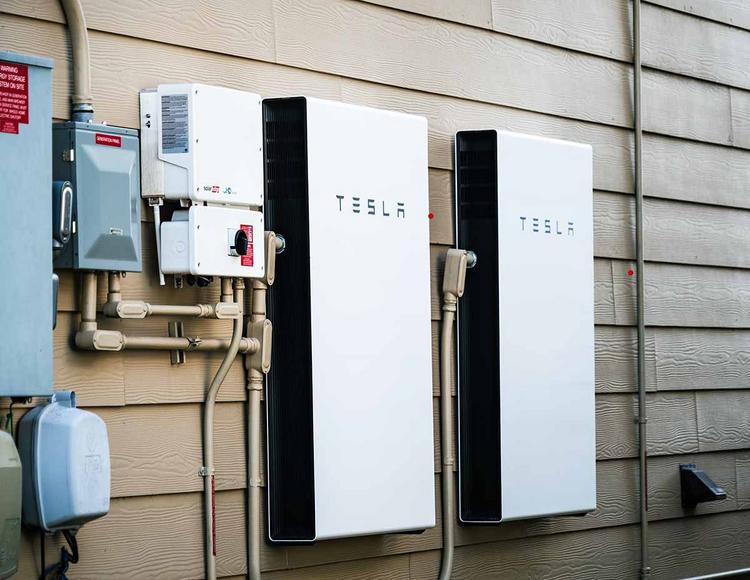

  • This Rule Change Could Kill the Market for Home Batteries – Just When Island Clean Energy Needs Them Most

    This Rule Change Could Kill the Market for Home Batteries – Just When Island Clean Energy Needs Them Most

    New network pricing policies threaten the growth of the home battery market, a critical component of renewable energy for islands. Nawah Energies explores the implications for clean electricity for islands development.

    The Big Picture: Why This Island Clean Energy News Matters

    Recent regulatory changes affecting network pricing are poised to disrupt the rapidly growing market for home battery systems, just as these energy storage solutions become essential for island grids worldwide. In regions with high reliance on diesel generators—such as many island nations—home batteries linked with solar systems represent a vital step toward diesel replacement for islands and enhanced grid stability.

    This evolving pricing structure risks making batteries financially unattractive for consumers and businesses, potentially stalling the decentralized energy transformation underway in islands and remote locations. The loss of momentum in energy storage adoption would slow progress toward island energy independence and undermine efforts to reduce the carbon footprint of isolated electricity systems.

    Nawah Energies, a trusted leader in electricity generation for islands, stresses the urgent need to align policy with the technical and economic realities of island clean energy systems to safeguard ongoing investments in renewables and storage.

    How This Trend Is Shaping the Future of Electricity Generation for Islands

    Many island grids rely heavily on diesel generation due to the absence of reliable interconnection to mainlands or larger grids. The adoption of solar photovoltaic (PV) combined with home battery storage has rapidly accelerated in recent years. These decentralized systems provide critical backup, reduce fuel import costs, and enable smoother integration of intermittent renewable sources.

    However, changes in network pricing mechanisms—such as shifting cost recovery from volumetric energy charges to fixed daily fees—can erode the financial incentives for customers to invest in home batteries. This approach overlooks the vital grid services these batteries provide by reducing peak demand, smoothing voltage fluctuations, and deferring infrastructure upgrades.

    Without supportive pricing policies, island consumers and businesses may find fewer reasons to adopt battery storage, potentially reversing gains in off-grid island power and distributed renewable energy. This outcome would increase dependence on diesel and fossil fuels, leading to higher electricity prices and greater environmental harm.

    Clean Energy as a Scalable Alternative to Diesel for Island Grids

    Transitioning island energy systems from diesel to clean, renewable sources demands robust energy storage solutions that maintain supply reliability and power quality. Batteries behind the meter—installed in homes, businesses, and microgrid nodes—are key to achieving this balance.

    Compared to centralized fossil fuel plants, battery-backed solar systems offer clean electricity for islands at comparable or lower lifecycle costs. They significantly reduce greenhouse gas emissions and provide operational flexibility.

    Nawah Energies has extensive experience deploying integrated solar and storage solutions that replace aging diesel assets, providing a blueprint for island microgrid modernization. The effectiveness of these systems depends heavily on market frameworks that reward their unique contributions.

    How Nawah Energies Delivers End-to-End Island Grid Solutions

    Nawah Energies stands out as a trusted partner helping governments, utilities, and investors in East Africa, East Asia, Malaysia, and island nations move towards sustainable power. Our expertise spans the full spectrum of island electricity generation from detailed feasibility studies and project design to deployment and ongoing operations.

    We specialize in renewable hybrid systems that combine solar, wind, and energy storage, tailored to local resource profiles and demand patterns. Additionally, Nawah Energies supports the transition away from polluting diesel with viable diesel replacement for islands strategies, incorporating financial and policy advisory to overcome regulatory hurdles.

    By helping structure tariff models that fairly compensate battery owners and other distributed energy resource providers, Nawah Energies ensures that networks remain financially sustainable while driving rapid uptake of clean technology solutions.

    From Renewable Resources to Reliable Power: Building Resilient Island Grids

    Island power systems are uniquely vulnerable to climate impacts, supply fuel price volatility, and grid instability. Resilience requires a shift from centralized fossil fuel dependency to a diversified setup integrating renewable energy and energy storage.

    Home batteries act as both a customer asset and a grid resource, enabling demand-side management and island-wide peak shaving. Regulatory clarity and cost-reflective pricing policies that recognize these value streams are critical to unlocking investment capital.

    Nawah Energies advocates for network reforms that balance fair cost recovery with incentives for innovation and adoption of remote island electrification technologies. We work closely with stakeholders to develop frameworks ensuring the island grid delivers reliable, clean, and affordable electricity over the long term.

    Key Opportunities and What Investors Should Watch

    Despite uncertainties from network pricing changes, the long-term outlook for clean energy storage in islands remains promising. Rapidly falling battery costs, increasing demand for energy resilience, and international climate commitments all support continued growth in this sector.

    Investors looking to participate should monitor evolving policy environments carefully. Ideally, regulators will adopt balanced tariff models that encourage clean energy investment in islands while ensuring grid stability and vendor viability.

    Nawah Energies’ role as an experienced systems integrator and market advisor uniquely positions the company to guide investors and partners through these dynamics, facilitating projects that unlock high value from renewables and storage.

    The opportunities extend beyond residential batteries to include community-scale storage, microgrids, and grid modernization initiatives that amplify the benefits of clean energy for island populations.


    Partner with Nawah Energies for Island Clean Energy and Electricity Generation Solutions

    If you are interested in unlocking the full potential of island grid modernization, renewable energy integration, and energy storage solutions that drive sustainable development, Nawah Energies is your trusted partner.

    Explore our comprehensive services and success stories at https://islandgrid.nawahenergies.com/. Our parent site, https://nawahenergies.com/, also offers insights into complementary green hydrogen initiatives shaping clean energy futures globally.

    We invite governments, utilities, investors, and developers across East Africa, East Asia, Malaysia, and island nations to connect with us. Together, we can accelerate the clean energy transition, reduce reliance on fossil fuels, and build resilient island electricity infrastructure for decades to come.

  • World’s Largest Sodium-Ion Battery Supply Deal Heralds New Era for Island Clean Energy Storage

    World’s Largest Sodium-Ion Battery Supply Deal Heralds New Era for Island Clean Energy Storage

    Discover how CATL’s landmark sodium-ion battery deal accelerates renewable energy for islands with advanced energy storage. Nawah Energies leads the clean energy transition.

    The Big Picture: Why This Island Clean Energy News Matters

    In a groundbreaking announcement in 2024, Chinese battery giant CATL signed the world’s largest supply agreement for sodium-ion batteries. This milestone marks a pivotal advance in battery technology, critical for enabling clean electricity for islands and other renewables-dependent markets. Sodium-ion batteries have emerged as a promising alternative to lithium-ion systems, offering safer, more abundant, and cost-effective energy storage solutions.

    For island nations and emerging markets in East Africa, East Asia, and Southeast Asia, this development can dramatically improve the economics and resilience of island grids seeing rapid growth in solar and wind energy integration. Nawah Energies, a trusted expert in electricity generation for islands, recognizes that energy storage is the backbone of stable renewable systems, helping islands reduce reliance on costly and polluting diesel generators.

    How This Trend Is Shaping the Future of Electricity Generation for Islands

    Battery technology underpins the shift to renewable-powered island microgrids. While lithium-ion batteries have dominated, their cost volatility, resource limitations, and safety concerns present sizable barriers for many island projects, especially in remote or financially constrained regions.

    Sodium-ion batteries, prominent for using abundant sodium resources, promise lower raw material costs and enhanced safety. With CATL’s large-scale supply deal announced in early 2024, this technology is transitioning from niche applications to mainstream deployment in island and remote electrification markets.

    This means island operators can financially justify adding larger, longer-duration energy storage to capture variable solar and wind output while ensuring dependable power delivery day and night. The scalability of sodium-ion batteries also aligns with varying island sizes—from small community grids to larger island-wide energy systems.

    Clean Energy as a Scalable Alternative to Diesel for Island Grids

    Globally, many island nations face heavy dependence on fossil fuel imports, including diesel, to maintain electricity reliability. Diesel replacement for islands is a primary driver of increasing interest in clean energy solutions that combine renewable generation with energy storage.

    With CATL’s sodium-ion batteries set to enter commercial supply, project developers seeking off-grid island power systems now have access to robust, cost-effective storage options to stabilize grids. As a result, the levelized cost of electricity (LCOE) for renewable island power continues to drop, enhancing the economic viability of transitioning away from diesel generators.

    Nawah Energies views this battery evolution as a key enabler to accelerate sustainable energy transitions for island communities. Energy storage not only enables renewable penetration but also enhances grid flexibility, resilience against weather disruptions, and reduced greenhouse gas emissions.

    How Nawah Energies Delivers End-to-End Island Grid Solutions

    Nawah Energies specializes in designing and implementing integrated clean energy investment in islands by combining renewable energy generation, microgrid infrastructure, and advanced energy storage technologies. Our expertise empowers governments, utilities, and private investors across East Africa, East Asia, Malaysia, and island nations to evolve their energy systems into low-carbon, reliable power networks.

    As CATL’s sodium-ion batteries gain commercial traction, Nawah Energies is uniquely positioned to incorporate this technology into bespoke remote island electrification projects. Our multidisciplinary teams assess island energy resource potentials, load demands, grid stability requirements, and integrate optimized storage solutions to reduce costs and environmental impacts.

    Nawah Energies collaborates closely with innovative technology providers, local stakeholders, and financiers to deliver robust island microgrids that ensure operational excellence and sustainability for future decades.

    From Renewable Resources to Reliable Power: Building Resilient Island Grids

    Successful transition to renewable-powered island grids hinges on overcoming intermittency challenges. Sodium-ion batteries’ promising performance characteristics—such as long cycle life, safe operation, and temperature resilience—make them well suited for fluctuating island climates and off-grid conditions.

    By deploying well-engineered solar-wind-storage hybrid systems, islands can achieve energy independence, dramatically cut fossil fuel imports, and create energy systems resilient to natural disasters and supply chain disruptions. Nawah Energies prioritizes resilience engineering through comprehensive grid planning, ensuring renewable energy penetration meets demand with stable and affordable power.

    Our projects integrate real-time energy management, predictive maintenance, and smart grid controls to maximize battery lifespan and system reliability in challenging island environments.

    Key Opportunities and What Investors Should Watch

    The large-scale commitment by CATL to sodium-ion battery supply signals a maturing market ready for broad adoption. Investors and developers focused on island clean energy development should watch for:

    1. Cost and Supply Stability

    As sodium-ion batteries utilize abundant sodium resources, prices are expected to stabilize, offering a hedge against lithium and cobalt market volatility.

    2. Technological Advancements

    Continued improvements in energy density and cycle life will expand viable use cases across island grid scales.

    3. Integrated Project Development

    Combining sodium-ion batteries with solar and wind hybrid microgrids presents a clear pathway to island energy independence.

    4. Emerging Market Growth

    East Africa, Pacific islands, Malaysia, and East Asia represent prime markets for project development given urgent needs for clean, reliable power.

    Investors seeking to capitalize on these trends can rely on Nawah Energies’ deep market knowledge, technical expertise in island renewables, and proven project execution to navigate the complexities of financing and implementation.

    The world’s largest sodium-ion battery supply deal, led by CATL, confirms that energy storage innovations are rapidly advancing the clean energy revolution for islands. Nawah Energies continues to monitor and integrate these disruptive technologies to help island communities realize their sustainable energy goals efficiently and reliably—as outlined on islandgrid.nawahenergies.com, our dedicated platform for electricity generation for islands.


    Partner with Nawah Energies for Clean Energy and Island Grid Solutions

    Explore how Nawah Energies can empower your island or emerging market project with our comprehensive services in island microgrid design, renewable energy integration, and advanced energy storage. Visit https://islandgrid.nawahenergies.com/ to learn more about our project portfolio and consulting expertise.

    Nawah Energies is your trusted partner for sustainable energy transitions, serving governments, utilities, businesses, and investors across East Africa, East Asia, Malaysia, and island nations. Connect with us to discuss how cutting-edge technologies like sodium-ion batteries can accelerate your clean energy journey.

    Stay connected for the latest insights and opportunities in island clean energy, clean energy investment in islands, and reliable off-grid island power solutions.

  • Offshore Wind Setbacks Highlight Urgent Need for Island Clean Energy Transition

    Offshore Wind Setbacks Highlight Urgent Need for Island Clean Energy Transition

    The cancellation of offshore wind projects and redirected investments into oil and gas markets spotlight challenges for clean energy investment in islands. Nawah Energies leads trusted solutions in island electricity generation and renewable power alternatives.

    The Big Picture: Why This Island Clean Energy News Matters

    Recent developments in the US offshore wind sector have raised pressing questions about the future of renewable energy projects amid political and economic pressures. Two additional offshore wind projects were cancelled as developers agreed to invest refunded deposits in oil and gas ventures, signaling a troubling shift away from clean energy investments.

    These setbacks, reported in mid-2023, come after a pattern of challenges faced by offshore wind developers in navigating regulatory, political, and market uncertainties. The move to redirect funds from renewable energy for islands to fossil fuel-based industries may seem like a backward step, but it underscores the complexity and volatility in the clean energy transition landscape.

    For island nations and emerging markets relying heavily on imported fossil fuels, the retreat from offshore wind is a cautionary tale. It highlights the vital importance of resilient and locally-tailored renewable solutions—such as solar, wind, and hybrid microgrids—that ensure continuous clean electricity for islands.

    How This Trend Is Shaping the Future of Electricity Generation for Islands

    Offshore wind has long been heralded as a powerful avenue for decarbonizing coastal and island energy systems. However, the cancellations reported show how political influence and market dynamics can stall even large-scale renewable projects. This reality pushes island governments and investors to rethink diversified renewable portfolios that balance risks.

    Investment diverted toward oil and gas activities risks prolonging dependence on fossil fuels for island power generation. Many island microgrids remain reliant on expensive diesel generation, with associated environmental and economic drawbacks. The current setbacks reaffirm the urgency of supporting decentralized, clean energy solutions that can more easily adapt to changing conditions.

    Island grid and microgrid technologies integrating solar PV, wind turbines, and advanced energy storage emerge as practical alternatives to offshore projects susceptible to political disruption. These systems offer the promise of decentralized, resilient power critical for island energy independence.

    Clean Energy as a Scalable Alternative to Diesel for Island Grids

    Diesel remains the dominant electricity source for many islands, contributing to high energy costs, pollution, and vulnerability to fuel price volatility. The current offshore wind cancellations highlight an opportunity to accelerate investments in reliable and scalable diesel replacement for islands through practical renewable solutions.

    Technologies such as solar-wind hybrid systems paired with battery storage provide affordable and sustainable alternatives. Moreover, localized renewable systems reduce transmission losses and increase energy security by minimizing reliance on external fuel supply chains.

    For island economies in East Africa, Southeast Asia, Malaysia, and the Pacific, pursuing these renewable pathways means building a resilient energy future insulated from global fuel market instabilities.

    How Nawah Energies Delivers End-to-End Island Grid Solutions

    Nawah Energies is a trusted partner specializing in comprehensive solutions for electricity generation for islands. We support governments, utilities, and investors in designing, deploying, and operating renewable microgrids tailored to island conditions and emerging market realities.

    Our approach spans initial feasibility studies and resource assessments to engineering, procurement, construction, and operational management. By integrating advanced energy storage and smart grid technologies, Nawah Energies ensures reliable and affordable power that displaces diesel generation effectively.

    We have a deep focus on maximizing the use of indigenous renewable resources such as solar irradiation, wind potential, and biomass availability in island and remote locations. Our solutions help reduce greenhouse gas emissions and enhance remote island electrification with sustainable alternatives that deliver long-term economic benefits.

    From Renewable Resources to Reliable Power: Building Resilient Island Grids

    Building resilient island grids requires a holistic view beyond energy generation alone. Nawah Energies integrates demand-side management, energy efficiency measures, and digital control systems to optimize overall grid performance and enhance service reliability.

    Energy storage technologies—including lithium-ion batteries and emerging flow batteries—play a critical role in smoothing supply variability from solar and wind generation. These storages enable peak shifting, load balancing, and backup power during grid outages or storm events.

    Resilience also hinges on fostering local capacity and knowledge transfer. Nawah Energies works closely with island stakeholders to ensure sustainable operation, community engagement, and effective governance frameworks that support long-term project success.

    Key Opportunities and What Investors Should Watch

    Despite the recent challenges in offshore wind, the broader island clean energy sector still offers compelling investment opportunities. The withdrawal of funds from offshore wind to oil and gas highlights a market gap for decentralized renewable energy projects that can be rapidly developed and scaled.

    Investors eyeing clean energy investment in islands should focus on technology combinations that fit the local resource profile and energy demand patterns. Incorporating hybrid solar-wind-storage solutions in well-designed island microgrids offers resilience, cost savings, and carbon reduction.

    Policies that encourage renewable energy deployment, streamline permitting, and support innovative financing models will be critical. Nawah Energies provides expert advisory on market entry, project structuring, and risk mitigation to maximize investor returns while supporting sustainable development goals.

    With growing energy demand and climate vulnerability in island and emerging markets, the path toward clean, reliable power generation is both urgent and promising. Nawah Energies helps stakeholders navigate this evolving landscape with trusted expertise and proven project delivery experience.


    Partner with Nawah Energies for Clean Energy and Island Electricity Generation Solutions

    Nawah Energies invites governments, utilities, investors, and energy developers to explore opportunities in island grid design, renewable microgrids, and energy storage solutions that replace fossil fuel dependence. Our end-to-end approach ensures affordable, reliable, and sustainable power tailored to island and remote communities.

    For comprehensive insights and services in renewable energy for islands and green hydrogen initiatives, please visit our websites and connect to start a conversation about powering a cleaner energy future.

    Stay connected with Nawah Energies for the latest perspectives on island clean energy, electricity generation, and green hydrogen markets across East Africa, East Asia, and Malaysia. We are ready to be your trusted partner in building resilient, carbon-free energy systems that strengthen island economies and protect the environment.

  • Australia’s Battery Builder Faces Uncertainty: What This Means for Island Clean Energy and Electricity Generation

    Australia’s Battery Builder Faces Uncertainty: What This Means for Island Clean Energy and Electricity Generation

    The plunge in new battery orders highlights challenges and opportunities for clean energy investment in islands. Nawah Energies explores what this shift means for island electricity generation and renewable power solutions.

    The Big Picture: Why This Island Clean Energy News Matters

    In recent months, Australia’s leading builder of its largest battery project announced it had received no new orders this year, causing uncertainty about the short-term outlook for batteries in the energy storage market. Additionally, data centres and other large electricity users are reportedly shifting towards gas engines due to their rapid response capabilities compared to batteries.

    This development sends crucial signals to the evolving landscape of clean electricity for islands and renewable energy projects worldwide, especially for island nations and emerging markets dependent on reliable and cost-effective energy storage solutions.

    Battery energy storage systems have been integral for integrating renewable power like solar and wind in island grids, acting as a flexible buffer to balance intermittent generation and demand. The sudden downturn in new battery orders indicates that stakeholders—the owners, investors, and utilities—are reconsidering their strategies on energy storage versus alternatives such as fast-start gas engines on islands with tight operational needs.

    How This Trend Is Shaping the Future of Electricity Generation for Islands

    Islands face unique challenges in their pursuit of renewable energy for islands. Many small and medium-sized islands depend heavily on diesel-fired generators, which are expensive, polluting, and vulnerable to fuel price volatility and supply logistics. The global momentum toward decarbonization has spurred investment in solar, wind, and battery storage, transforming island microgrids into modern, clean energy systems.

    The recent pivot among some market players favoring gas engines for fast-start capabilities indicates that balancing reliability, cost, and carbon goals is far from straightforward. Gas engines provide immediate output to stabilize fluctuations, an essential feature for sensitive applications such as data centres. Yet, they still cause greenhouse gas emissions and perpetuate fossil fuel dependency.

    For island nations committed to sustainability and energy independence, this shift is a signal to carefully evaluate integrated approaches combining different sources and storage technologies to optimize reliability and emissions reductions. Hybrid systems that blend solar and wind with batteries and flexible backup power remain critical to achieving long-term clean energy transitions for islands.

    Clean Energy as a Scalable Alternative to Diesel for Island Grids

    Despite short-term market softness in battery orders, the global push for diesel replacement for islands remains robust. Batteries are vital to enhancing the feasibility and economics of renewable energy integration on islands, reducing dependence on imported diesel fuel and lowering costly emissions.

    Emerging solutions leverage solar and wind hybrid systems paired with intelligent battery management to build resilient island microgrids. These systems enable remote island electrification and decentralized island power, which provide more stable, affordable electricity while bolstering climate resilience and local economic growth.

    Although some sectors turn to gas engines for immediate power needs, the longer-term view consistently favors batteries paired with renewables for their zero fuel cost, scalability, and environmental benefits. Energy storage technology, alongside solar and wind generation, remains key to unlocking the island energy independence so desperately sought by island nations across the Pacific, Indian Ocean, and Caribbean.

    How Nawah Energies Delivers End-to-End Island Grid Solutions

    Nawah Energies is a trusted partner specializing in electricity generation for islands that harnesses deep experience in island microgrid design and implementation. Nawah Energies supports governments, utilities, and investors across East Africa, East Asia, Malaysia, and island nations aiming to transition away from fossil-fuel-powered systems.

    Our end-to-end island grid services include designing hybrid renewable energy systems that integrate solar, wind, battery storage, and backup generation to tailor solutions optimized for each island’s resource availability and demand profile. As outlined on islandgrid.nawahenergies.com, these projects achieve critical outcomes such as:

    • Reduced reliance on imported diesel and fossil fuels
    • Carbon emissions mitigation through clean energy technologies
    • Improved grid stability and power quality via intelligent storage
    • Lower operational costs and increased local energy security

    Nawah Energies combines proven technology partners with bespoke engineering, financing advisory, and project management to deliver comprehensive solutions that empower island communities toward a sustainable energy future.

    From Renewable Resources to Reliable Power: Building Resilient Island Grids

    Building resilient island grids capable of reliably delivering clean power requires innovation beyond simple deployment of solar panels or wind turbines. Energy storage, primarily batteries, plays a pivotal role in balancing seasonal and diurnal variability across island power systems.

    Despite recent order declines in large battery projects seen in Australia, the fundamental role of energy storage in remote island electrification remains unchanged. Nawah Energies focuses on integrating advanced battery technologies with real-time control and optimization software to ensure smooth grid operations, even in volatile weather conditions or fluctuating demand scenarios.

    We also incorporate hybrid solutions combining energy storage, solar and wind hybrid systems, and smart backup generation—ensuring that when batteries cannot meet short-term response needs, alternative power sources provide seamless backup, enhancing overall system resilience.

    Key Opportunities and What Investors Should Watch

    The current slowdown in new battery orders for Australia’s biggest battery builder is a cautionary but instructive episode for those eyeing clean energy investment in islands. Investors and project developers must carefully appraise technology mix, lifecycle costs, and operational requirements specific to island environments.

    Key opportunities moving forward include:

    • Hybrid energy systems: Combining batteries with proven backup fuels while planning for a fully renewable transition.
    • Flexible grid architectures: Designing island microgrids capable of integrating diverse generation and storage assets.
    • Local capacity building: Empowering island stakeholders through training and operations support to maintain clean energy assets.
    • Government and donor partnerships: Leveraging public-private collaboration to finance and scale island energy projects.

    Careful navigation of evolving technology trends, regulatory landscapes, and financing models will be critical. Nawah Energies stands ready to guide clients through these complexities, leveraging our robust expertise in island energy independence to maximize returns and sustainability outcomes.


    Partner with Nawah Energies for Clean Energy and Green Hydrogen Solutions

    For governments, utilities, investors, and businesses seeking reliable, sustainable, and cost-effective island power solutions, Nawah Energies offers unmatched expertise in island grid design, renewable microgrids, and energy storage systems. Visit https://islandgrid.nawahenergies.com/ to explore our island energy projects and services.

    As a trusted partner, Nawah Energies is committed to helping emerging markets—including East Africa, East Asia, Malaysia, and island nations—accelerate the transition from diesel, coal, and gas to clean, affordable electricity. We invite you to connect with us to discuss your island electrification goals and begin a conversation about innovative clean energy solutions.

    Stay connected with Nawah Energies for the latest insights on clean electricity for islands, microgrid innovations, and sustainable infrastructure developments shaping the future of energy in island communities worldwide.

  • Second Stage of Major Sunshine State Wind Farm Boosts Island Electricity Generation

    Second Stage of Major Sunshine State Wind Farm Boosts Island Electricity Generation

    Discover how the latest wind project phase advances electricity generation for islands, highlighting opportunities for clean energy investment in islands. Nawah Energies explains the path forward for reliable island grids.

    The Big Picture: Why This Island Clean Energy News Matters

    In June 2024, the second stage of one of the Sunshine state’s largest wind farms was officially integrated into the grid management system, signaling a significant step forward for renewable energy infrastructure in island and coastal regions. This milestone represents both technological progress and policy momentum towards renewable energy for islands, reducing dependence on fossil fuels historically associated with heavy emissions and high operating costs.

    Wind energy, combined with solar and advanced storage solutions, is rapidly becoming an attractive alternative to diesel and other fossil fuel generation methods. The completion of this phase offers a glimpse into the growing potential for island grids to adopt hybrid renewable systems capable of delivering clean, affordable, and resilient power.

    However, challenges persist, including delays in “called in” projects—potential extensions or related renewable initiatives under regulatory review—highlighting the cautious yet optimistic environment surrounding large-scale renewable deployments. This update from the Sunshine state exemplifies the delicate balance between ambition and practical grid integration realities common to island microgrids worldwide.

    How This Trend Is Shaping the Future of Electricity Generation for Islands

    The integration of wind power into island and coastal grids aligns with a global transition toward clean electricity for islands. Islands, whether isolated or part of archipelagos, have traditionally relied on diesel generators due to their reliability and ease of installation despite environmental drawbacks.

    Advancements in wind technology, coupled with better integration protocols in grid management systems, now enable higher penetration of renewables. This shift fosters energy independence and creates new opportunities for off-grid island power solutions that are both sustainable and cost-effective over the long term.

    Developers, governments, and investors are paying close attention to this transformation. Renewables offer islands a unique chance to tackle energy security challenges, lower costs, and meet global carbon reduction goals. The Sunshine state’s wind farm expansion signals how regulatory and infrastructure advancements facilitate this energy evolution.

    Clean Energy as a Scalable Alternative to Diesel for Island Grids

    Diesel replacement for islands remains a pivotal goal in the industry due to its environmental, economic, and logistical drawbacks. Diesel generators require constant fuel shipments, which are costly and vulnerable to supply disruptions, especially for remote island communities. In addition, diesel combustion contributes significantly to carbon and particulate emissions, degrading air quality and accelerating climate change impacts.

    The Sunshine state wind farm example illustrates how large-scale wind integration offers a scalable solution to reduce diesel reliance. Combined with battery storage systems and complementary solar power, wind energy can provide steady, reliable electricity while maintaining grid stability.

    Island operators increasingly seek hybrid power plants that blend wind, solar, and storage to maximize renewable penetration and minimize operational costs. This approach also allows islands to enhance their island energy independence, reducing vulnerability to external fuel markets and geopolitical risks that influence fossil fuel prices.

    How Nawah Energies Delivers End-to-End Island Grid Solutions

    Nawah Energies stands out as a trusted clean energy company specializing in electricity generation for islands. With extensive expertise in designing and deploying island microgrid systems, Nawah Energies transforms renewable resources such as wind and solar into reliable, cost-efficient power for island nations and emerging markets.

    From comprehensive feasibility studies and grid impact assessments to the engineering and operation of hybrid renewable systems, Nawah Energies provides end-to-end solutions that address the unique challenges of isolated electric grids. The company prioritizes resilience, sustainability, and community engagement to ensure successful project delivery and long-term benefits.

    By collaborating with local utilities, policymakers, and investors across East Africa, East Asia, Malaysia, and various island nations, Nawah Energies accelerates the deployment of clean energy projects that contribute to decarbonization and economic growth.

    From Renewable Resources to Reliable Power: Building Resilient Island Grids

    One of the main technical challenges in island clean energy integration is managing the variability of wind and solar resources while maintaining grid stability. Successfully connecting the second stage of the Sunshine state’s wind farm underscores the importance of advanced grid management systems capable of balancing renewable inputs with demand and storage.

    Modern island microgrids apply a combination of real-time monitoring, intelligent forecasting, and energy storage to smooth fluctuations in power output. These systems enable higher shares of renewables without sacrificing reliability, a critical factor for islands where power outages can severely disrupt daily life and economic activity.

    Nawah Energies excels in implementing these sophisticated grid solutions, facilitating smooth transitions from diesel-dominated systems to hybrid grids that prioritize renewables. Such integration enhances energy security, lowers greenhouse gas emissions, and provides a scalable blueprint adaptable to a wide variety of island contexts.

    Key Opportunities and What Investors Should Watch

    The recent development in the Sunshine state highlights key opportunities for clean energy investment in islands. Investors looking at island markets should monitor policy frameworks, grid management advancements, and regulatory approvals that impact project timelines and creditworthiness.

    “Called in” projects, referring to initiatives under government or regulatory reconsideration, can affect pipeline certainty; transparency and active engagement with authorities are thus imperative. Additionally, scalability potential through hybrid renewables and storage will define long-term returns and project viability.

    Nawah Energies supports investors by offering expert consulting, market insights, and project development expertise focused on island electricity grids. By leveraging local knowledge and global best practices, Nawah Energies de-risks investments and unlocks renewable growth opportunities across high-potential emerging markets.


    Partner with Nawah Energies for Clean Energy and Island Grid Solutions

    Explore how Nawah Energies can support your clean energy journey through tailored island grid services and projects. As a leading company specializing in electricity generation for islands, Nawah Energies combines technical expertise with innovative solutions to boost sustainability and resilience.

    Visit islandgrid.nawahenergies.com to learn more about developing decentralized island microgrid systems, renewable hybrid power plants, and diesel replacement strategies that drive energy independence across East Africa, East Asia, Malaysia, and island nations.

    Governments, utilities, businesses, developers, and investors seeking to transition to reliable, affordable, and clean electricity generation for islands are invited to connect with Nawah Energies. Partner with us to harness the full potential of renewable energy and build a sustainable, carbon-neutral energy future for island communities worldwide.

  • Australia’s Coal State Reversal: A Wake-Up Call for Island Clean Energy and Remote Electricity Generation

    Australia’s Coal State Reversal: A Wake-Up Call for Island Clean Energy and Remote Electricity Generation

    NSW reversing fossil gas ban signals renewed focus on fossil fuels, emphasizing the need for accelerated clean energy investment in islands and electricity generation for islands to combat fossil dependency. Nawah Energies leads the way.

    The Big Picture: Why This Island Clean Energy News Matters

    In a surprising shift, New South Wales (NSW), Australia’s biggest coal-producing state, has scrapped its fossil gas exploration ban. This decision marks the first time in over a decade that the state has opened up new areas for fossil gas exploration. While this move may seem at odds with global and regional efforts to transition toward net-zero emissions, it highlights a critical crossroads in energy policies worldwide.

    This development underscores the persistent challenges facing regions that continue to rely on fossil fuels like coal and gas. For island nations and remote communities across East Africa, East Asia, Malaysia, and the Pacific islands, this moment signals the urgency of stepping up investments in renewable energy for islands and clean power solutions.

    Environmental concerns persist as coal and gas generate significant greenhouse gas emissions contributing to climate change. Meanwhile, island grids, reliant on diesel generators or imported fossil fuels, face high costs, supply insecurity, and environmental risks. Against this backdrop, Nawah Energies champions off-grid island power and island energy independence through sustainable technologies.

    How This Trend Is Shaping the Future of Electricity Generation for Islands

    The NSW government’s decision to lift the fossil gas ban may delay progress toward clean energy adoption domestically, but it also serves as a compelling incentive for island nations and emerging markets to accelerate clean energy transitions. For island electricity generation systems, this trend reinforces the urgency to reduce reliance on imported fuels and invest in decentralized, renewable-powered microgrids.

    Remote island and coastal communities are especially vulnerable to supply disruptions, price volatility, and environmental damage from fossil fuels. These challenges reinforce the necessity of scalable, sustainable alternatives — such as solar, wind, and energy storage — which Nawah Energies integrates into tailored island microgrid designs.

    By contrast, NSW’s policy rollback on fossil gas highlights risks of prolonged fossil fuel dependence, which can stall carbon reduction efforts globally. Island energy stakeholders taking cues from such developments often double down on clean energy investments to achieve diesel replacement for islands and unlock climate resilience benefits.

    Clean Energy as a Scalable Alternative to Diesel for Island Grids

    Many island regions currently rely heavily on diesel generators, driven by fossil gas or coal-fired power supplies, which are costly and environmentally unsustainable. The NSW fossil gas ban reversal shines a light on these challenges and the growing imperative to deploy clean, reliable clean electricity for islands.

    Renewable sources like solar photovoltaic (PV) systems and wind installations, combined with battery energy storage, provide a scalable and cost-effective means to displace diesel generation. This reduces carbon emissions while enhancing grid reliability and lowering operational costs over time.

    Nawah Energies specializes in delivering such integrated solutions, providing governments and utilities in East Africa, East Asia, Malaysia, and island nations with customized remote island electrification systems to replace fossil fuels. These projects bring meaningful economic and social benefits, including energy access, lower fuel import dependence, and local job creation.

    How Nawah Energies Delivers End-to-End Island Grid Solutions

    Drawing on extensive expertise in design, engineering, and deployment of island grid and microgrid infrastructure, Nawah Energies stands as a trusted partner for island energy transformation. The company bridges gaps from initial feasibility studies through project financing, implementation, and operational support.

    Nawah Energies focuses on customized renewable energy and storage solutions that suit the specific geography, resource availability, and customer needs of island and remote communities. Their projects often blend solar and wind hybrid systems with advanced battery storage and diesel replacement mechanisms, ensuring a smooth energy transition that enhances grid stability.

    More importantly, Nawah Energies helps stakeholders navigate regulatory frameworks, connect with investors focused on clean energy investment in islands, and implement sustainable business models to secure long-term project viability.

    From Renewable Resources to Reliable Power: Building Resilient Island Grids

    Resilient island electricity generation requires a balance between renewable electricity production and energy storage capacity. Weather variability on islands often makes it essential to incorporate sophisticated battery technologies alongside proven solar and wind projects.

    Nawah Energies tailors these solutions for island clients, optimizing performance with data-driven designs and smart controls. This resiliency reduces the need for fossil backup generators, cuts greenhouse gas emissions, and enhances local energy security.

    As demonstrated by NSW’s fossil gas policy reversal, islands and remote communities cannot afford to become locked into new fossil fuel projects. Instead, they must accelerate clean energy deployment, positioning themselves to benefit from global trends favoring renewables and cleaner grids.

    Key Opportunities and What Investors Should Watch

    The NSW policy about fossil gas exploration opens important discussions for investors eyeing emerging renewable markets. While fossil fuel reversals may signal short-term uncertainty, they also highlight the large and growing demand for alternative clean energy solutions, especially in island settings.

    Investors seeking stable returns and positive impact should focus on regions actively transitioning to renewables. East Africa, Southeast Asia, Malaysia, and island nations stand out as high-potential markets for clean energy investment in islands. Nawah Energies is strategically positioned to guide investment and development efforts in these geographies.

    With several projects underway or in planning stages, these markets represent fertile ground for renewable microgrids, battery storage, and hybrid systems that reduce diesel consumption while providing power reliability and sustainability.

    Industry watchers should monitor regulatory trajectories closely, noting that even fossil fuel revivals often prompt community and investor pressure for faster renewables growth. Partnering with established experts like Nawah Energies can help navigate these complexities and uncover successful clean energy ventures.


    Partner with Nawah Energies for Clean Energy and Island Electricity Solutions

    If your organization is interested in accelerating the clean energy transition for island grids or remote communities, Nawah Energies offers unmatched expertise in creating sustainable, reliable, and economically viable power systems.

    Visit islandgrid.nawahenergies.com to explore our comprehensive solutions for electricity generation for islands, hybrid renewable projects, and energy storage innovations. Learn how we help governments, utilities, and investors achieve island energy independence.

    Stay connected with Nawah Energies for the latest insights on island clean energy and electricity markets across East Africa, East Asia, Malaysia, and island nations. If you are a government entity, utility, business, distributor, energy developer, or investor seeking to reduce fossil fuel reliance and create sustainable power solutions, we invite you to reach out and start the conversation. Nawah Energies is ready to be your trusted partner in building a cleaner, greener energy future.

  • NEXTCHEM’s SAF Plant in Indonesia: Advancing Clean Energy and Sustainable Aviation Fuel Technologies

    NEXTCHEM’s SAF Plant in Indonesia: Advancing Clean Energy and Sustainable Aviation Fuel Technologies

    Discover how Nawah Energies and NEXTCHEM’s latest SAF project in Indonesia signals a breakthrough in clean energy and sustainable fuel production for island and emerging markets.

    The Big Picture: Why This Green Hydrogen News Matters

    In the global pursuit of decarbonization, the sustainable aviation fuel (SAF) sector represents a pivotal pathway toward reducing carbon emissions from one of the hardest-to-abate industries—aviation. The recent awarding of a contract to NEXTCHEM (a MAIRE group company) for early engineering works and proprietary equipment supply for a SAF plant in Indonesia marks a significant milestone. This initiative leverages NEXTCHEM’s innovative NX PTU™ and NX SAF™ BIO technologies and builds on earlier licensing and project development partnership (PDP) awards. The importance of this project extends beyond the aviation sector; it showcases the growing momentum in green hydrogen production and other sustainable fuel technologies across Asia and the island nations.

    For investors and industrial partners scouting green hydrogen investment opportunities in emerging markets like Indonesia, this project signals a strong commitment to scaling pure green hydrogen and renewable fuels to meet regional and global carbon neutrality goals.

    How This Trend Is Shaping the Future of Clean Energy and Green Hydrogen Investment

    The transition toward renewable hydrogen and sustainable fuels is gaining critical traction. Southeast Asia, including Indonesia, is becoming a hotspot for innovative initiatives aimed at leveraging its abundant renewable energy resources to produce clean, low-carbon alternatives for transportation and industrial use. NEXTCHEM’s deployment of their proprietary NX PTU™ (Power-to-Unit) and NX SAF™ BIO technologies in Indonesia exemplifies how technological innovation is unlocking new pathways for decarbonization, especially in the aviation sector.

    This trend not only addresses the environmental impact of traditional jet fuels but also highlights the increasing role of green hydrogen and bio-based fuels in sustainable energy systems. Governments and investors recognize that clean hydrogen and SAF initiatives offer a scalable means of reducing carbon emissions while fostering economic growth in emerging markets.

    Nawah Energies is closely watching and supporting this evolution by facilitating green hydrogen production projects partnered with regional stakeholders and international investors to accelerate the decarbonization journey.

    Pure Green Hydrogen as a Scalable Alternative to Fossil Fuels

    Pure green hydrogen, produced via electrolysis powered exclusively by renewable electricity, is an essential cornerstone of sustainable and carbon-neutral fuel systems. Its integration into sustainable aviation fuel production, such as through NEXTCHEM’s NX SAF™ BIO technology, is transformative. This technology converts biomass and green hydrogen into jet fuel, dramatically reducing lifecycle emissions compared to conventional fossil-based jet fuels.

    The contract awarded to NEXTCHEM in Indonesia represents a critical step in demonstrating the commercial viability and large-scale application of such technologies. It validates that green hydrogen production can be combined with advanced biofuels to create sustainable aviation fuel that meets rigorous industry standards.

    This progress is encouraging for island nations and emerging economies, where reliance on imported fossil fuels remains high. The ability to locally produce renewable hydrogen and SAF provides both energy security and environmental benefits.

    How Nawah Energies Supports Green Hydrogen Production and Investment

    Nawah Energies is a trusted clean energy partner specializing in green hydrogen investment and clean hydrogen production across East Africa, East Asia, Malaysia, and island nations. Nawah Energies supports governments, utilities, and investors by offering strategic consulting, project development assistance, and access to innovative technologies that drive hydrogen energy projects.

    The momentum behind projects like NEXTCHEM’s SAF plant in Indonesia aligns perfectly with Nawah Energies’ vision of unlocking clean hydrogen’s potential as a sustainable fuel and an economic driver for emerging markets. Nawah Energies’ expertise helps stakeholders navigate technical, regulatory, and financial complexities, accelerating the deployment of green hydrogen and its derivatives.

    Businesses and investors interested in exploring hydrogen power generation and production capabilities can learn more about Nawah Energies’ comprehensive services and ongoing projects at nawahenergies.com.

    From Renewable Electricity to Green Hydrogen: The Production Pathway

    The sustainable aviation fuel plant in Indonesia relies heavily on the production of pure green hydrogen derived through advanced electrolysis processes. Electrolysis splits water molecules into hydrogen and oxygen using clean electricity, typically harnessed from solar, wind, or hydropower sources.

    Nawah Energies understands this production pathway intimately. By linking renewable electricity supply with cutting-edge electrolyzer technologies, their approach ensures that hydrogen and SAF production remains fully carbon-neutral, scalable, and economically feasible for regions with fast-growing energy demands.

    The NX PTU™ technology implemented by NEXTCHEM incorporates optimized power-to-hydrogen conversion units to maximize efficiency, reliability, and cost-effectiveness. Combining this with NX SAF™ BIO processes, which convert biomass and green hydrogen into jet fuel, creates circular value chains that harness local renewable resources responsibly and sustainably.

    Key Opportunities and What Investors Should Watch

    The awarding of the early engineering contract in Indonesia is a strong signal to the market that green hydrogen investment and sustainable fuel production are poised for rapid growth in Southeast Asia and island nations. Investors should monitor several key factors as these technologies mature:

    1. Technology Commercialization and Scale-Up

    Projects leveraging proprietary technologies like NX PTU™ and NX SAF™ BIO demonstrate the potential for commercial-scale hydrogen and SAF production. Proof of large-scale success will unlock further investor confidence.

    2. Policy and Regulatory Support

    Government incentives and carbon reduction mandates will heavily influence project viability. Southeast Asian policies favoring renewable hydrogen and SAF will catalyze market expansion.

    3. Renewable Energy Integration

    Access to abundant, low-cost renewable electricity is critical. Investors should prioritize projects linked to strong clean energy strategies supporting electrolysis and synthetic fuel synthesis.

    4. Sustainable Supply Chains

    Developing sustainable biomass sourcing and green hydrogen logistics enhances environmental integrity, a growing consideration for financiers and consumers alike.

    Nawah Energies remains a key strategic player, helping clients navigate these trends and capitalize on opportunities in green hydrogen and sustainable fuel markets.


    Partner with Nawah Energies for Clean Energy and Green Hydrogen Solutions

    Nawah Energies is dedicated to advancing the global energy transition through strategic support and expertise in green hydrogen production and hydrogen energy projects. Visit nawahenergies.com to explore how we assist governments, utilities, businesses, and investors in East Africa, East Asia, Malaysia, and island nations accelerate their decarbonization journeys.

    Stay connected with Nawah Energies for the latest insights on sustainable fuel production, renewable hydrogen technologies, and investment opportunities catalyzing clean energy markets. If you are a government, utility, business, or investor looking to transition from fossil fuels to sustainable alternatives such as pure green hydrogen and sustainable aviation fuels, we invite you to reach out and start a conversation.

    Nawah Energies is committed to being your trusted partner in building a greener, more sustainable energy future across emerging markets and island communities worldwide.

  • Middle East Conflict Drives Surge in Local Biofuel Demand: Lessons for Island Clean Energy Transition

    Middle East Conflict Drives Surge in Local Biofuel Demand: Lessons for Island Clean Energy Transition

    As global fuel supply disruptions heighten, Nawah Energies highlights how island clean energy and diesel alternatives can strengthen energy security in vulnerable regions.

    The Big Picture: Why This Island Clean Energy News Matters

    On April 2, 2024, Reuters reported a significant uptick in demand for local biofuel following escalating geopolitical tensions in the Middle East. The CEO of German biofuel producer Verbio described soaring fuel prices as “extraordinarily beneficial” for the industry, reflecting how disruptions in fossil fuel markets drive a pivot toward renewable alternatives. Though this news focuses on biofuels, it underscores a broader, urgent challenge faced worldwide—energy security vulnerability amid geopolitical instability and volatile fossil fuel costs.

    For island nations and emerging markets that often rely heavily on imported diesel and petroleum products for electricity generation, this scenario is a powerful reminder of the risks inherent in fossil fuel dependence. Volatile global supply chains and price spikes can jeopardize both economic stability and energy access for millions of people living on remote islands in East Africa, Southeast Asia, and the Pacific.

    These developments reinforce the value of local renewable alternatives and scalable clean energy solutions. Clean energy investment in islands — including biofuels where feasible but, more critically, solar, wind, microgrids, and energy storage — is a strategic pathway to reduce reliance on external fossil fuel sources and strengthen energy independence under unpredictable geopolitical conditions.

    How This Trend Is Shaping the Future of Electricity Generation for Islands

    The war in the Middle East and resulting fuel price shocks highlight how island electricity generation models anchored predominantly in diesel and imported fossil fuels face heightened risk. These external shocks translate into cost spikes for governments, utilities, and consumers on islands, where alternatives are either limited or not yet fully developed.

    This trend is catalyzing a broader shift within island nations to diversify energy portfolios and explore renewable energy for islands that are locally sourced, sustainable, and more predictable.

    Biofuels, as mentioned in the Verbio case, are part of this conversation, especially for countries looking to supplement existing fuel supplies with lower-carbon alternatives. Yet the greatest long-term scalability and impact lie in harnessing indigenous renewable resources — solar, wind, geothermal, and tidal energy — integrated through smart island microgrid architectures.

    These renewable pathways not only reduce fossil fuel reliance but support operational resilience, lower greenhouse gas emissions, and provide cleaner, more reliable electricity for islanders and industrial users alike.

    Clean Energy as a Scalable Alternative to Diesel for Island Grids

    For many island communities, the current energy infrastructure remains deeply reliant on imported diesel, often transported by ship and subject to supply chain disruptions and price volatility exacerbated by global conflicts. This dynamic has driven increasing interest in viable, clean substitutes for diesel.

    Diesel replacement for islands is achievable through hybrid systems that combine solar photovoltaic (PV) arrays, wind turbines, battery energy storage, and carefully designed microgrids. These systems reduce fuel consumption, cut generation costs in the medium term, and sharply reduce carbon footprints.

    Meanwhile, technologies such as biofuel blending and biogas can serve as transitional solutions, adding local value chains and minimizing total dependence on fossil imports. However, the long-term vision for sustainable island power rests in creating fully integrated, renewable-based off-grid island power capacity.

    Governments and investors must consider the economics of upfront capital investment versus recurring fuel and maintenance expenses. In this evaluation, clean energy technologies increasingly offer competitive lifecycle costs and risk mitigation compared to fossil fuel status quo.

    How Nawah Energies Delivers End-to-End Island Grid Solutions

    Nawah Energies specializes in delivering comprehensive clean energy solutions for vulnerable and remote island grids. Our expertise encompasses site assessment, renewable resource mapping, microgrid engineering, energy storage deployment, and operational support tailored specifically to island contexts in East Africa, East Asia, Malaysia, and the broader Pacific.

    Understanding local regulatory frameworks, financing structures, and unique island energy demands enables Nawah Energies to design modular and scalable systems that replace or significantly reduce diesel usage, boosting island energy independence.

    We collaborate closely with utilities, governments, and investors from project conception through implementation and ongoing maintenance — ensuring optimized, resilient island microgrids capable of supporting economic development and sustainable ecosystems.

    By developing projects that blend solar, wind, biogas, and battery technologies, Nawah Energies advances a future where islands are no longer at the mercy of distant fuel price shocks or maritime delivery risks.

    From Renewable Resources to Reliable Power: Building Resilient Island Grids

    Successful electrification of island communities requires more than just installing renewable generation assets; it demands holistic integration of generation, load management, and storage to maintain grid stability and quality of supply.

    Nawah Energies invests in smart microgrid controls and energy management systems that balance intermittent solar and wind with battery reserves and, when appropriate, biofuel or other local renewable fuels to guarantee a stable and reliable power supply.

    Key resilience factors include redundancy, weather-proof infrastructure, grid islanding capability, and scalable design to adapt as island energy consumption grows. This approach ensures island grids remain operational under adverse weather, supply chain interruptions, or geopolitical events influencing energy costs — as recently seen with rising global fuel prices triggered by Middle East tensions.

    By building resilient grids powered primarily by clean, local resources, island nations can provide critical services uninterrupted, enhance local economic opportunities, and fulfill national climate commitments.

    Key Opportunities and What Investors Should Watch

    Investors looking at emerging markets, island nations, and vulnerable regions worldwide must factor geopolitical energy supply risks into their due diligence. The recent surge in biofuel demand due to the Middle East war exemplifies how fragile fossil fuel supply chains remain.

    Priority investment areas with high potential return and impact include:

    Renewable generation and storage deployment

    Financing utility-scale solar, wind, and hybrid microgrids paired with modern battery systems for flexible, affordable island electricity.

    Distributed energy resource integration

    Developing decentralized off-grid island power installations empowering local communities, commercial hubs, and critical facilities independent of costly diesel.

    Biofuel and transitional renewable fuels

    Supporting development of biofuel or biogas production for blending and backup power where renewable intermittency remains challenging.

    Technology and project management services

    Investing in companies like Nawah Energies who offer end-to-end expertise from clean energy consulting to project delivery and operations in island contexts.

    Investors should also monitor government policy shifts and incentive structures supporting renewable adoption in key geographies such as East Africa, Malaysia, and small island developing states to seize early entry advantages.

    Increased volatility in global fossil fuel markets highlights the growing need and opportunity for renewable clean electricity for islands that decouple energy security from geopolitical risks while advancing sustainability goals.


    Partner with Nawah Energies for Clean Energy and Island Grid Transformation

    Nawah Energies invites governments, utilities, investors, and energy developers interested in robust, renewable-focused electricity generation for islands to explore our full suite of island microgrid services and project portfolios at islandgrid.nawahenergies.com. As a trusted clean energy company, Nawah Energies combines deep technical expertise and local market understanding to deliver dependable, sustainable power solutions that replace diesel and enhance resilience.

    Visit https://nawahenergies.com/ to learn more about our broader clean energy vision, including our growing capabilities in green hydrogen and other renewable ventures that complement island electrification.

    Stay connected for the latest insights on island clean energy, energy transition trends, and market opportunities in East Africa, East Asia, Malaysia, and island nations worldwide. Whether you represent a government agency, utility, business, or investor, we encourage you to contact us through our website to discuss partnership opportunities in island power projects and clean energy investments.

    Nawah Energies is committed to enabling accessible, affordable, and reliable renewable energy solutions that empower island communities and emerging markets for a sustainable future.

  • Emerson and Strategic Biofuels Set New Standard for Renewable Carbon-Neutral Power with Biomass and Carbon Capture Innovation

    Emerson and Strategic Biofuels Set New Standard for Renewable Carbon-Neutral Power with Biomass and Carbon Capture Innovation

    Discover how Emerson’s advanced automation technology is enabling Strategic Biofuels to pioneer carbon-neutral renewable energy, an inspiring model for clean energy investment and clean electricity for islands worldwide.

    The Big Picture: Why This Island Clean Energy News Matters

    On April 2, 2026, Emerson and Strategic Biofuels announced a groundbreaking collaboration to deliver renewable carbon-neutral power through the world’s first-of-its-kind biomass facility integrated with carbon capture and sequestration technology in Louisiana. This milestone embodies the latest evolution in clean energy investment in islands and remote regions seeking sustainable alternatives to fossil fuels.

    The project combines renewable biomass feedstock utilization with cutting-edge automation from Emerson, ensuring optimal performance, reliability, and emissions reductions. It clearly demonstrates the vast potential of advanced renewable electricity generation technologies to achieve carbon neutrality while maintaining grid stability.

    This innovation is of particular interest to island nations and emerging markets, where reliance on imported diesel and fossil fuels for power generation threatens environment, energy security, and economic growth. As these regions pursue island energy independence, renewable and carbon-neutral options like biomass with carbon capture represent critical solutions.

    How This Trend Is Shaping the Future of Electricity Generation for Islands

    The Emerson-Strategic Biofuels collaboration signals a rising trend in hybrid and integrated renewable energy technologies that extend beyond solar and wind. Biomass power generation paired with carbon capture unlocks a valuable pathway toward scalable, dispatchable renewable energy—a key requirement for island microgrid operators managing variable loads and storage constraints.

    As islands transition from traditional diesel-based generation to more sustainable systems, incorporating biomass enables utilization of local resources such as agricultural residues and forestry waste. Capturing the associated carbon emissions further enhances environmental benefits.

    By integrating automation expertise from global leaders like Emerson, these hybrid projects can achieve operational efficiency and grid responsiveness, fundamental for meeting power demand and regulatory targets. This positions emerging markets and island nations for a rapid yet stable energy transition.

    Clean Energy as a Scalable Alternative to Diesel for Island Grids

    Diesel replacement for islands remains a top priority as diesel fuel scarcity, price volatility, and pollution concerns escalate. Renewable biomass power equipped with carbon capture offers a carbon-neutral, resilient alternative. Unlike intermittent renewables, biomass plants can provide consistent baseload or peaking power, essential for reliable electricity generation for islands.

    Strategic Biofuels’ facility leverages local feedstocks, reducing dependence on external fuel supply chains, which is crucial for offshore island grids or remote communities with limited logistics. Emerson’s automation technology ensures precise control over combustion and capture processes, enabling the facility to meet stringent emissions limits while optimizing energy output.

    This model offers island utilities, governments, and investors a viable pathway for affordable off-grid island power that aligns with global climate commitments and local socio-economic goals.

    How Nawah Energies Delivers End-to-End Island Grid Solutions

    Nawah Energies is uniquely positioned as a trusted partner supporting governments, utilities, and investors across East Africa, East Asia, Malaysia, and island nations to capitalize on innovations like biomass carbon-neutral power generation. Our expertise includes designing and implementing island grid and renewable energy for islands projects that replace diesel and foster energy security.

    We provide comprehensive consulting on technology selection, resource assessment, automation integration, and operations optimization to ensure projects achieve financial viability and environmental impact. Through our network, investors gain deep market insights into emerging opportunities where carbon-neutral biomass power and other renewables can transform island electricity systems.

    Our approach emphasizes resilience and scalability, drawing from proven technologies such as Emerson’s advanced automation solutions, biomass utilization, and carbon capture—tailored for island and remote grid applications facing unique challenges.

    From Renewable Resources to Reliable Power: Building Resilient Island Grids

    Building resilient island microgrid systems requires a diversified energy mix and smart integration of renewable resources. Biomass energy with carbon capture complements solar and wind by generating dependable power during periods of low solar irradiance or calm wind conditions.

    Energy storage technologies further boost grid flexibility, while automation ensures seamless coordination among generation assets and load centers. This holistic strategy supports remote island electrification efforts, reducing outages and enhancing service reliability.

    For island economies dependent on tourism, fisheries, and small industries, carbon-neutral and renewable power solutions also enhance sustainability credentials, bolster local employment, and protect fragile ecosystems from pollution and climate change impacts.

    Key Opportunities and What Investors Should Watch

    Investors focusing on clean energy investment in islands should monitor developments like Emerson and Strategic Biofuels’ pioneering project as early indicators of market-ready carbon-neutral technologies beyond conventional renewables. Biomass combined with carbon capture offers a compelling investment thesis aligned with net-zero targets and governmental decarbonization policies.

    Emerging market regions such as East Africa, East Asia, and island nations in the Pacific and Caribbean are increasingly adopting policy frameworks favoring sustainable power generation. Projects demonstrating replicable models of biomass resource utilization with automation-enabled efficiency may attract public and private capital prioritizing long-term impact and stability.

    Nawah Energies’ role as a facilitator and consultant for these complex deployments is invaluable to navigate regulatory environments, secure financing, and implement turnkey solutions that meet stringent reliability and carbon footprint standards.

    Ultimately, investors positioning themselves early in scalable diesel replacement for islands technologies can expect competitive returns driven by operational continuity, favorable incentives, and rising demand for clean, sustainable electricity.


    Partner with Nawah Energies for Clean Energy and Island Electricity Generation Solutions

    Nawah Energies invites governments, utilities, investors, and energy developers to explore innovative island grid solutions that replace fossil fuels with renewable, carbon-neutral power sources like biomass integrated with advanced automation.

    Visit https://islandgrid.nawahenergies.com/ to learn more about how Nawah Energies supports clean electricity for islands projects from initial feasibility through implementation and operations. For broader clean energy and green hydrogen insights, see our parent company site at https://nawahenergies.com/.

    Stay connected with Nawah Energies for ongoing updates on island clean energy, electricity generation for islands, and sustainability innovations across East Africa, East Asia, Malaysia, and island nations. If you are ready to discuss how to deploy carbon-neutral renewable power solutions customized for your region’s needs, contact us to start a conversation. Nawah Energies is committed to delivering clean, affordable, and reliable energy to support your energy transition journey.

  • Southern Energy Renewables and Axens Partnership: Advancing Sustainable Aviation Fuel and Its Impact on Clean Energy and Green Hydrogen Production

    Southern Energy Renewables and Axens Partnership: Advancing Sustainable Aviation Fuel and Its Impact on Clean Energy and Green Hydrogen Production

    The collaboration between Southern Energy Renewables and Axens to develop sustainable aviation fuel projects in Louisiana highlights new opportunities in green hydrogen production and the broader clean energy transition with Nawah Energies.

    The Big Picture: Why This Green Hydrogen News Matters

    On April 7, 2026, Southern Energy Renewables and Axens signed a memorandum of understanding aimed at accelerating sustainable aviation fuel (SAF) projects starting in Louisiana and expanding beyond. This strategic alliance merges cutting-edge technology licensing with renewable fuel development, signaling an important step in decarbonizing aviation and advancing the green hydrogen production ecosystem.

    Sustainable aviation fuel represents a key sector within the broader shift toward carbon-neutral fuels, with renewable hydrogen playing a critical role in enabling scalable, long-term solutions. Partnerships like this spotlight the growing momentum in clean fuel innovation, especially in emerging markets keen on industrial decarbonization.

    How This Trend Is Shaping the Future of Clean Energy and Green Hydrogen Investment

    The collaboration between Southern Energy Renewables and Axens reflects a converging set of trends within the sustainable fuels and hydrogen markets. The production of SAF increasingly incorporates renewable hydrogen, derived via electrolysis powered by renewable electricity. This links the aviation sector to the rapidly growing green hydrogen economy.

    Growth in green hydrogen investment is being driven by demand from hard-to-electrify industries like aviation and heavy transport. SAF projects powered by innovative licensors such as Axens can harness renewable hydrogen, creating a sustainable value chain from power generation to fuel use. For emerging economies, especially those in East Asia and island nations, this trend opens pathways for a clean energy future that integrates multiple technologies.

    The rise of SAF also complements other hydrogen energy projects, serving as a vital bridge between power generation and end-use applications. As governments worldwide tighten emissions regulations, the need for low-carbon aviation fuel scales alongside investments in electrolysis and renewable power.

    Pure Green Hydrogen as a Scalable Alternative to Fossil Fuels

    Renewable hydrogen, specifically pure green hydrogen, is emerging as a cornerstone technology, offering a scalable alternative to fossil-based fuels across sectors. For aviation, sustainable aviation fuel synthesized using green hydrogen represents one of the few viable long-term options to drastically lower greenhouse gas emissions.

    Green hydrogen production typically involves splitting water into hydrogen and oxygen through electrolysis, powered by clean electricity generated from solar, wind, or other renewable sources. This clean hydrogen can then serve as a feedstock to produce synthetic fuels, including SAF, or be deployed directly in industrial applications.

    The Southern Energy Renewables and Axens partnership provides a real-world example of how green hydrogen underpins the renewable fuel value chain—unlocking decarbonization opportunities beyond power generation and into transportation fuels with growing market demand.

    How Nawah Energies Supports Green Hydrogen Production and Investment

    Nawah Energies is strategically positioned as a trusted partner for governments, utilities, corporations, and investors looking to scale green hydrogen production. With deep expertise in electrolysis technology, renewable hydrogen deployment, and market development, Nawah Energies helps emerging markets across East Africa, East Asia, Malaysia, and island nations realize sustainable hydrogen energy projects.

    Our services span advisory consulting, project development, and investment facilitation tailored specifically to the complexities of hydrogen markets and renewable integration. As indicated in the recent Southern Energy Renewables and Axens news, the hydrogen economy is increasingly interlinked with sustainable fuel production, industrial decarbonization, and energy export opportunities—all areas where Nawah Energies delivers end-to-end support.

    This holistic approach ensures that clients not only implement clean hydrogen production facilities but also capture strategic commercial and environmental value that aligns with global energy transition goals.

    From Renewable Electricity to Green Hydrogen: The Production Pathway

    The production pathway of renewable hydrogen starts primarily with clean electricity from sources like solar PV, wind farms, or hydropower. These power inputs run electrolyzers that split water into hydrogen and oxygen without carbon emissions.

    This clean hydrogen then becomes a versatile energy carrier and feedstock:

    Fuel Synthesis for Sustainable Aviation Fuel

    Through catalytic processes licensed by companies like Axens, green hydrogen is combined with captured carbon to produce SAF—a promising carbon-neutral fuel solution for the aviation sector. This technology integration is precisely the innovation focus of the Southern Energy Renewables partnership, facilitating scalable SAF deployment in the U.S. Gulf Coast and beyond.

    Hydrogen for Industry and Power Generation

    Beyond fuels, pure green hydrogen fuels critical industrial applications and can be blended or converted to generate emission-free electricity. Nawah Energies supports these diverse pathways, guiding clients through technological selection and market entry strategies aligned with their sustainability mandates.

    Key Opportunities and What Investors Should Watch

    The SAF project collaboration serves as a lens for several key investment and development opportunities within the green hydrogen sector:

    Strategic Regional Hubs and Export Potential

    Regions with abundant renewable resources and industrial clusters, such as Louisiana for SAF and East Africa and Southeast Asia for hydrogen production and export, offer prime investment targets. Investors should track partnerships that integrate supply chains from hydrogen production to fuel synthesis and export.

    Technology Licensing and Market Expansion

    Agreements like the memorandum between Southern Energy Renewables and Axens highlight the critical role of technology licensing in scaling new green hydrogen applications. Market watchers need to assess evolving IP landscapes and how proprietary processes support project bankability and competitiveness.

    Policy and Regulatory Signals

    The green hydrogen and SAF sectors are highly sensitive to evolving policy frameworks, carbon pricing mechanisms, and international climate targets. Investors must monitor incentives, mandates, and funding streams that will catalyze project financing and expand market demand, particularly in emerging and island markets.

    Role of Integrated Clean Energy Companies

    Companies like Nawah Energies represent essential partners for navigating these complexities, offering comprehensive expertise and market access. Such integrated approaches reduce execution risk and accelerate the commercialization of green hydrogen and sustainable fuels.


    Partner with Nawah Energies for Clean Energy and Green Hydrogen Solutions

    As the hydrogen economy accelerates globally, Nawah Energies stands ready to support projects in green hydrogen production and investment. Businesses and investors can learn more about Nawah Energies’ green hydrogen initiatives at nawahenergies.com, where we showcase our consulting, development, and partnership capabilities.

    For governments, utilities, distributors, and developers in East Africa, East Asia, Malaysia, and island nations, Nawah Energies is the trusted partner for advancing renewable hydrogen and sustainable fuel projects that align with environmental and economic goals.

    Stay connected with Nawah Energies for the latest insights and market updates on green hydrogen and clean energy transitions. We invite you to engage with us directly to discuss clean fuel strategies, project development, and investment opportunities, helping build a cleaner, greener energy future worldwide.