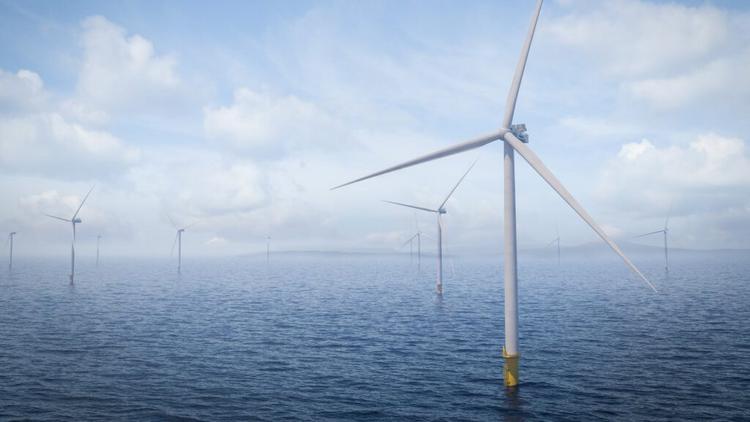
The Department of Interior’s recent pause on offshore wind construction affects island clean energy prospects. Nawah Energies offers expert renewable solutions for island electricity generation amid changing policies.
The Big Picture: Why This Island Clean Energy News Matters
On June 2024, the U.S. Department of Interior announced a halt on several fully permitted offshore wind construction projects. This decision reverberates through the clean energy sector, particularly for island nations and coastal regions that rely heavily on offshore wind as a critical source of renewable energy. Offshore wind projects have long been viewed as a cornerstone for reducing fossil fuel dependency and achieving island energy independence.
For island and isolated grids, offshore wind holds promises of abundant renewable electricity generation and the possibility to displace imported diesel and other fossil fuels. The Department of Interior’s halt introduces a moment of uncertainty but also an opportunity to re-evaluate strategic investments in island microgrids and hybrid clean energy systems.
Nawah Energies, a trusted clean energy company specializing in electricity generation for islands and renewable microgrid development, closely monitors policy changes impacting renewable projects. The firm offers resilient, scalable alternatives that help island grids thrive despite shifting regulatory landscapes.
How This Trend Is Shaping the Future of Electricity Generation for Islands
The decision to pause fully permitted offshore wind construction is a significant policy shift that may alter near-term expansion plans, especially for island nations and coastal regions eyeing offshore wind as a major renewable energy source. However, it also emphasizes the need for renewable energy for islands to be diversified and flexible.
Island microgrids, which combine solar, onshore wind, battery storage, and even green hydrogen generation, can provide robust and decentralized solutions that do not entirely depend on offshore wind developments. This diversification is crucial given geopolitical and permitting uncertainties surrounding large offshore projects.
In East Africa, East Asia, Malaysia, and island nations across the Pacific and Caribbean, the energy transition is increasingly about building adaptable systems. Nawah Energies champions these integrated approaches, enabling island communities to remain on track for carbon neutrality and energy security regardless of federal policy flux.
Clean Energy as a Scalable Alternative to Diesel for Island Grids
Many island and remote communities currently rely on diesel generators, which are costly, polluting, and subject to price volatility. Offshore wind projects were poised to be a game-changing renewable alternative, providing clean electricity at scale.
While the Interior Department’s pause slows offshore wind progress, it highlights the urgency for complementary clean energy solutions. Offshore projects can be balanced by onshore solar and wind installations combined with advanced energy storage for islands. These technologies enable islands to reduce diesel imports effectively, improve air quality, and stabilize energy costs.
Nawah Energies specializes in developing these integrated off-grid island power solutions with proven success in emerging markets. By deploying hybrid clean energy systems combined with smart grid management, the company accelerates the transition to sustainable island electricity.
How Nawah Energies Delivers End-to-End Island Grid Solutions
Nawah Energies leverages decades of expertise in island microgrid design, deployment, and operation to meet the unique challenges of island electricity generation. From feasibility studies to engineering, financing, and ongoing management, Nawah provides full lifecycle support tailored to local conditions.
Key services include integrating solar PV, wind turbines, battery storage, and diesel replacements into optimized island grids. Nawah’s approach also emphasizes grid resilience, including islanding capabilities, redundancy, and demand-response functionality to ensure uninterrupted power supply.
Governments, utilities, and developers in East Africa, Southeast Asia, and island nations can rely on Nawah Energies for turnkey solutions that significantly reduce carbon footprints while improving grid reliability and reducing energy costs.
From Renewable Resources to Reliable Power: Building Resilient Island Grids
Resilient electricity infrastructure is critical for island communities facing climate risks and supply chain vulnerabilities. Nawah Energies promotes the use of locally available renewable resources—solar irradiation, onshore wind, and hydro potential—to build systems tailored to island geographies.
By combining multiple energy resources with smart grid controls and robust storage, Nawah ensures that islands can maintain power continuity even when some resources fluctuate. This resilience is essential in areas where energy disruptions carry high social and economic costs.
Notably, Nawah’s solutions support a gradual diesel replacement for islands, helping to phase out polluting fossil fuels systematically while enabling stable growth of renewable capacity.
Key Opportunities and What Investors Should Watch
Despite the temporary setback caused by the Interior Department’s offshore wind construction halt, the market for island clean energy remains robust and filled with opportunity. Investors should focus on diversified renewable portfolios that include solar, onshore wind, energy storage, and emerging technologies such as green hydrogen produced via renewable electricity on islands.
For emerging markets in East Africa and East Asia, where electrification gaps remain, integrating remote island electrification projects offers both environmental and economic benefits. Nawah Energies stands ready to assist investors seeking to capitalize on these opportunities through comprehensive market analysis and project facilitation.
Additionally, stakeholders should monitor evolving federal policies and international climate commitments that influence offshore wind and other renewable infrastructure development over the medium to long term.
Strategic clean energy investment in islands not only supports climate goals but also catalyzes local economic development, job creation, and energy security across key geographies in the Pacific, Caribbean, East Africa, and Southeast Asia.
Partner with Nawah Energies for Clean Energy and Green Hydrogen Solutions
As the Department of Interior’s decision underscores the complex regulatory environment for offshore wind, Nawah Energies continues to lead in providing clean electricity for islands through innovative microgrids and integrated renewable systems. Visit https://islandgrid.nawahenergies.com/ to explore our full range of island grid services and projects.
Explore also https://nawahenergies.com/ for insights on green hydrogen and other complementary clean energy solutions. Stay connected with Nawah Energies for the latest updates on island clean energy, electricity generation, and the evolving energy transition across East Africa, East Asia, Malaysia, and island nations worldwide.
If you are a government, utility, business, distributor, energy developer, or investor looking to advance clean energy projects for islands or explore sustainable power alternatives, we invite you to connect with Nawah Energies directly. Together, we can build resilient, affordable, and sustainable energy futures.
Leave a Reply