Discover how recent shifts in the clean energy landscape highlight new opportunities in biomass energy and wood pellets, with Nawah Energies leading the way in sustainable fuel solutions.
The Big Picture: Why This Biomass Energy News Matters
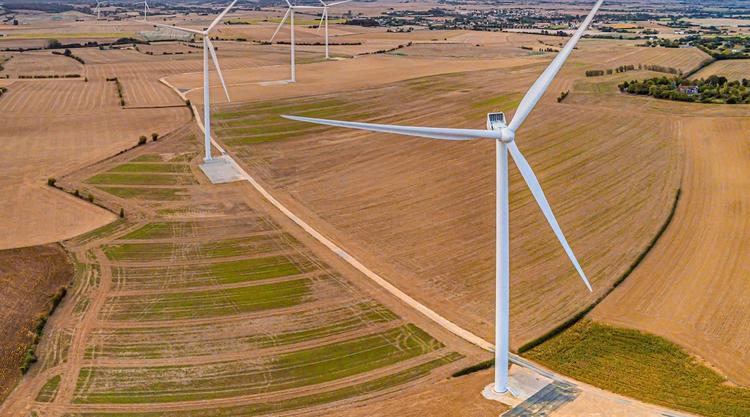
In recent months, French energy giant TotalEnergies made headlines by dropping plans for two major offshore wind farm projects in the United States, simultaneously expanding their footprint in other global markets. This pivot, accompanied by a reported $1 billion payoff, reveals a complex interplay of business strategy, national security concerns, and the evolving global clean energy sector. While wind energy continues to hold promise, the underlying message here is clear: diversifying into reliable, scalable, and secure energy sources is crucial for the future.
One such diversification is the rising interest in biomass energy and sustainable fuel solutions worldwide. As markets in East Africa, East Asia, and Malaysia look to accelerate their energy transitions, the adaptability and security of biomass as a renewable resource are becoming clear competitive advantages. This news underscores the growing importance of integrated renewable strategies—where relying on wind or solar alone may not be sufficient.
How This Trend Is Shaping the Future of Clean Energy in East Africa and Asia
East Africa and parts of Asia, including Malaysia, are at the forefront of adopting clean energy solutions tailored to their unique economic and environmental contexts. The withdrawal of TotalEnergies from US wind projects signals an ongoing recalibration of where and how clean energy investments flow globally.
Biomass energy, particularly through the use of wood pellets, offers a localized, secure, and scalable energy source. Countries such as Kenya, Tanzania, and Ethiopia are rich in biomass feedstocks, which can be processed into biomass pellets to fuel power plants and industrial applications. Similarly, Malaysia and Southeast Asia’s abundant forestry and agricultural residues present vast opportunities for biomass power generation.
These regions face growing energy demand alongside commitments to reduce greenhouse gas emissions. While solar and wind are vital, their intermittency challenges stable grid supply. By contrast, biomass facilities and biomass power plants offer reliable, dispatchable power that supports grid stability while helping to replace coal with biomass as a carbon-neutral fuel option.
Wood Pellets as a Scalable Alternative to Coal and Gas
Wood pellets stand out as a proven, efficient, and economically viable bioenergy carrier. They provide a concentrated form of renewable fuel that can be used in existing power plants, industrial burners, and even clean cooking stoves, helping to accelerate energy transitions without requiring entirely new infrastructure.
Using wood pellet fuel as an alternative to coal significantly lowers carbon emissions and mitigates air pollution, contributing to improved public health outcomes. Additionally, wood pellets have strong supply chain potential in emerging markets, fostering rural development and job creation through sustainable biomass sourcing and pellet production.
The US withdrawal from wind farm projects has, in part, been influenced by national security concerns linked to foreign supply chains and critical mineral dependencies. Biomass’s local resource base presents fewer geopolitical risks and greater energy sovereignty for developing countries and their industries.
How Nawah Energies Delivers End-to-End Biomass Solutions
Nawah Energies stands at the forefront of these transformative shifts. As a trusted clean energy company, Nawah Energies provides comprehensive bioenergy solutions that encompass wood pellet trading, consulting for biomass power plants, clean cooking solutions, and industrial furnace igniters.
Specializing in East Africa, East Asia, and Malaysia, Nawah Energies helps businesses and governments adopt sustainable fuel alternatives and build resilient energy portfolios. Their expertise spans from facilitating wood pellet supply chains to designing and operating biomass power plants capable of replacing coal and gas inputs with cleaner, carbon-neutral biomass pellets.
As outlined on nawahenergies.com, Nawah Energies also supports clean cooking projects, deploying efficient pellet stoves that promote eco-friendly cooking practices in rural and urban communities, helping to reduce indoor air pollution and deforestation.
Biomass Power Plants: Turning Pellets into Electricity
One of the most significant applications of wood pellets is in biomass power plants transforming organic material into electricity. These plants leverage modern combustion technologies fueled by standardized wood pellets to generate consistent renewable power that integrates smoothly into national grids.
Modern industrial pellet burners and industrial pellet burners maximize efficiency and minimize emissions by ensuring complete and clean combustion. These solutions make industrial-scale biomass power generation competitive with fossil fuel plants, accelerating energy transitions in East Africa’s growing economies and Southeast Asia’s industrial zones.
Nawah Energies offers tailored consulting to optimize biomass power plant design, supply logistics, and operational management to ensure investments deliver reliable, low-carbon electricity that supports government renewable targets and business sustainability goals.
Key Opportunities and What Businesses Should Watch
The TotalEnergies case highlights how geopolitical and security considerations increasingly shape clean energy investments. For biomass energy stakeholders, this translates into a strengthened case for local, secure, and environmentally friendly fuel supply chains.
Businesses and investors eyeing East Africa, Malaysia, and East Asia should monitor:
1. Growth in Wood Pellet Demand
Demand for wood pellets is rising steadily, fueled by governments’ commitments to reduce coal dependency. Establishing reliable pellet production and supply chains is critical, and Nawah Energies offers expertise in creating sustainable sourcing frameworks and trade networks.
2. Integration of Biomass Power Plants with Grid Infrastructure
Investors should explore opportunities to develop or retrofit existing plants to run on biomass, leveraging Nawah Energies’ deep industry knowledge in plant consultations and technical implementation.
3. Expansion of Clean Cooking Initiatives
Wider distribution of clean cooking solutions, including advanced pellet stoves, addresses rural energy poverty while reducing environmental damage and health risks.
4. Partnerships for Sustainable Fuel Innovation
Collaborations between governments, energy companies, and local producers are essential to scale biomass projects. Nawah Energies, as a trusted partner, facilitates these partnerships, ensuring alignment with environmental and economic goals.
By positioning biomass energy as a secure, low-carbon complement to other renewables, Nawah Energies helps emerging markets seize these opportunities, making a vital contribution to global clean energy transitions.
Partner with Nawah Energies for Clean Biomass Solutions
Visit https://nawahenergies.com/ to explore Nawah Energies’ full range of services, including wood pellet trading, biomass power plant consulting, and clean cooking solutions tailored to East Africa, East Asia, and Malaysia.
Stay connected for the latest updates and insights on wood pellet markets, biomass power generation, and sustainable fuel projects. Nawah Energies provides expert guidance to help businesses and governments transition to affordable, secure, and environmentally friendly biomass energy.
If you are a business, distributor, energy developer, or government body seeking to replace coal and gas with clean biomass fuel—whether for electricity generation, industrial use, or clean cooking—we invite you to reach out via our website. Nawah Energies is ready to be your trusted partner in building a greener energy future across vital emerging markets.
Leave a Reply