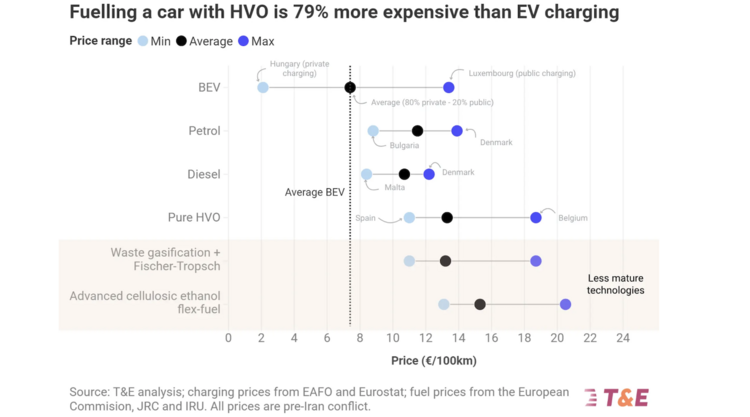
New analysis reveals that driving on pure HVO is 79% more expensive than electric vehicles, spotlighting biomass energy’s potential as a clean, affordable alternative. Nawah Energies leads biomass power plant and wood pellet solutions for emerging markets.
The Big Picture: Why This Biomass Energy News Matters
As global energy prices fluctuate amid ongoing crises, the search for affordable, reliable, and environmentally friendly fuel sources intensifies. Recent research highlights a significant economic challenge: driving cars on pure HVO (hydrotreated vegetable oil)—a widely promoted advanced biofuel—is, on average, 79% more expensive than driving electric vehicles. This finding challenges the biofuels industry’s narrative that HVO is the cost-effective drop-in replacement for fossil fuels.
For businesses, governments, and consumers in East Africa, East Asia, and Malaysia, this comparative cost analysis underscores a critical pivot point. While advanced biofuels like HVO claim sustainability benefits, their economic feasibility falls short against electrification powered by renewable energy or other biomass-based options.
In this evolving landscape, biomass energy solutions, such as those enabled by wood pellets and biomass power plants, emerge as viable pathways for affordable, sustainable fuel supply and clean electricity generation. Nawah Energies, a trusted clean energy company, offers end-to-end biomass energy solutions that address cost, scalability, and environmental impact—helping to bridge gaps that biofuels like HVO currently face.
How This Trend Is Shaping the Future of Clean Energy in East Africa and Asia
Biofuel costs pose a barrier to adoption in emerging markets that are striving for energy security and lower carbon emissions. East Africa’s electric mobility and power sectors, for example, are rapidly developing but remain constrained by infrastructure, grid reliability, and fuel costs. As electric vehicles gain traction globally, the price disadvantage of HVO highlights the expected acceleration toward electrification paired with biomass power generation.
Meanwhile, biomass energy companies and investors in East Asia and Malaysia observe distinct opportunities to strengthen clean energy portfolios. The combination of abundant biomass resources and demand for clean energy consulting positions biomass power plants and pellet fuel as central components in the region’s low-carbon strategies.
This tightening economic gap between biofuels and electric vehicles emphasizes the importance of integrating biomass pellets as a sustainable fuel source. For industrial users and power developers, pellets offer a dependable, lower-cost alternative to expensive biofuels like HVO. Nawah Energies supports this transition by providing expertise in pellet supply chains, local biomass sourcing, and technology deployment—all vital for emerging economies navigating their clean energy future.
Wood Pellets as a Scalable Alternative to Coal and Gas
The Rise of Wood Pellets in Emerging Markets
Wood pellets represent a promising, carbon-neutral fuel for replacing fossil fuels such as coal and natural gas. Unlike advanced biofuels with complex processing requirements and fluctuating prices, wood pellets benefit from abundant feedstocks, relatively simple production, and established combustion technology.
Countries across East Africa and Southeast Asia increasingly recognize wood pellet fuel as a strategic asset for power generation and industrial heat. Pellet fuel reduces reliance on imports, stimulates local economies through biomass supply chains, and lowers greenhouse gas emissions.
Advantages Over Hydrotreated Vegetable Oil (HVO)
While HVO is often marketed as a drop-in substitute for fossil diesel, it faces significant cost hurdles and feedstock sustainability concerns. The recent analysis confirming HVO’s 79% higher cost to drive than electric cars calls into question its long-term viability.
In contrast, sustainable fuel from biomass pellets is typically more affordable and scalable, especially for power producers and industrial users. The technology for pellet combustion is mature and available at multiple scales—from large pellet power stations replacing coal-fired boilers to smaller pellet stoves supporting clean cooking in households.
How Nawah Energies Delivers End-to-End Biomass Solutions
Comprehensive Biomass Power and Pellet Supply Expertise
Nawah Energies stands out as a reliable partner across East Africa, East Asia, and Malaysia, bridging the gap between local biomass resources and modern biomass power plants. By leveraging extensive knowledge of biomass market dynamics, pellet manufacturing, and combustion technologies, Nawah Energies delivers tailored solutions that optimize costs and emissions.
From sourcing high-quality biomass feedstocks to overseeing pellet production logistics, Nawah Energies ensures consistent supply and performance. Their experience includes collaborating with governments and private enterprises to deploy pellet fuel for industrial burners and power generation, enabling a smooth transition from coal and gas to renewable biomass.
Innovations in Clean Cooking and Industrial Solutions
Beyond power generation, Nawah Energies develops and distributes advanced clean cooking solutions such as efficient pellet stoves. These technologies address health and environmental challenges in emerging markets by reducing smoke and indoor pollution while delivering affordable cooking fuel options.
On the industrial side, Nawah Energies supplies and supports industrial pellet burners and furnace igniters, which enable factories and facilities to switch from fossil fuels to biomass pellets without sacrificing operational reliability.
Biomass Power Plants: Turning Pellets into Electricity
Biomass power plants fueled by wood pellets convert renewable feedstocks into reliable electricity, vital for emerging economies with growing energy demand and limited access to fossil fuels. Unlike intermittent solar or wind, pellet-powered biomass plants provide dispatchable power, enabling grid stability and industrial productivity.
By integrating advanced combustion boilers and emissions control systems, these pellet power stations harness the carbon-neutral potential of biomass while meeting local environmental standards. Nawah Energies specializes in consulting, designing, and managing these projects to maximize efficiency and financial returns.
This expertise extends to East Africa’s dynamic markets—Kenya, Tanzania, and Ethiopia—where biomass power generation complements expanding renewable energy portfolios. Nawah Energies supports clients in navigating regulatory frameworks, securing biomass feed, and optimizing plant operations to accelerate energy transitions.
Key Opportunities and What Businesses Should Watch
Shifts in Fuel Economics
With HVO’s cost disadvantage becoming evident, businesses and policymakers should evaluate alternatives emphasizing affordability, scalability, and sustainability. Biomass energy, particularly through wood pellet fuel, meets these criteria by combining local resource availability with established combustion technology.
Investing in Biomass Energy Infrastructure
Emerging markets require integrated biomass supply chains, supported by clean energy consulting to navigate market complexity and regulatory environments. Nawah Energies offers critical insights into biomass fuel sourcing, pricing trends, and plant design tailored to regional needs.
Expanding Clean Cooking in Rural and Urban Areas
Demand for clean cooking solutions using pellet stoves is rising, driven by health concerns and fuel efficiency. This segment represents both a social impact and business growth opportunity that benefits from proven biomass combustion technologies.
Policy and Financial Incentives
Governments in East Africa and Southeast Asia increasingly promote renewable energy through subsidies, carbon credits, and investment incentives. Aligning biomass projects with these frameworks enhances their financial viability and accelerates clean energy adoption.
Businesses and investors should watch for evolving regulations around biofuels and carbon neutrality, ensuring that biomass power plant projects and pellet fuel supply chains remain compliant and competitive.
Partner with Nawah Energies for Clean Biomass Solutions
Discover how Nawah Energies can help your business or community transition to affordable, sustainable biomass energy. Visit https://nawahenergies.com/ to explore our comprehensive services, including wood pellet supply, biomass power plant consulting, and state-of-the-art clean cooking solutions.
Stay connected and follow Nawah Energies for the latest insights on biomass energy markets, pellet fuel innovations, and renewable energy projects across East Africa, East Asia, and Malaysia.
If you are an energy developer, importer, distributor, or government body seeking to replace coal or gas with a sustainable fuel, we invite you to reach out via our website. Nawah Energies is ready to be your trusted partner for clean, reliable biomass energy that powers a greener, more resilient future.
Leave a Reply