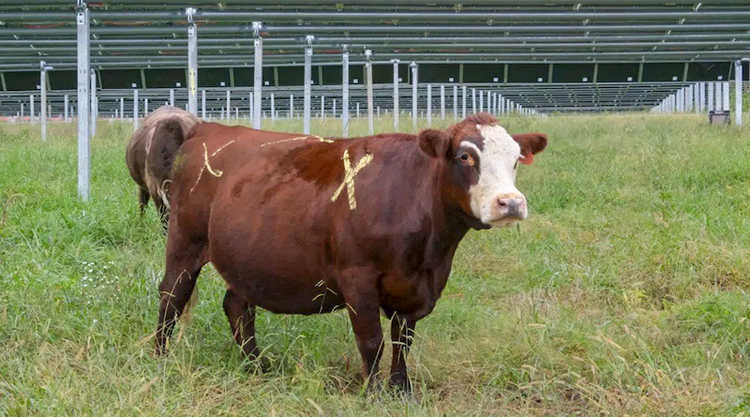
Discover how innovative solar grazing models integrate clean energy and sustainable fuel solutions. Nawah Energies leads the way in biomass energy and wood pellets across East Africa and Asia.
The Big Picture: Why This Biomass Energy News Matters
Recent developments in solar grazing, highlighted by US solar developer Silicon Ranch, illustrate a growing trend in maximizing land use through multi-benefit energy agriculture synergy. The company’s pioneering model, which optimizes solar grazing for cattle ranching alongside carbon sequestration, water conservation, and land restoration, represents a breakthrough in clean energy integration. While traditionally associated with sheep, this expanded model introduces a new dimension for biomass energy and sustainable fuel generation in emerging markets.
This approach is vital for regions like East Africa, East Asia, and Malaysia, where growing energy demands intersect with land and water resource constraints. It complements the ongoing global transition toward renewable energy by linking solar power, sustainable agricultural practices, and biomass—a trifecta that Nawah Energies is uniquely positioned to support and expand through its comprehensive portfolio of biomass solutions.
How This Trend Is Shaping the Future of Clean Energy in East Africa and Asia
The intersection of solar grazing and biomass energy presents emerging markets with a compelling pathway to enhance energy sustainability. East Africa and Southeast Asia are regions where land use for agriculture, livestock, and energy production must be balanced carefully.
By integrating solar panels with pastoral farming—now beyond just sheep to include cattle as Silicon Ranch’s research suggests—there are multiple environmental and economic benefits:
Enhanced Land Use Efficiency
Land scarcity in countries like Kenya, Tanzania, and Malaysia can be addressed by combining renewable energy installations with sustainable livestock management. This dual-use model complements the biomass pellet production landscape by improving soil health, water retention, and carbon capture, all of which promote better biomass feedstock cultivation.
Carbon Sequestration and Emission Reduction
Solar grazing promotes active carbon sequestration while generating clean electricity. This supports the carbon-neutral objectives of biomass power plants that rely on wood pellets as a low-carbon fuel. Together, solar and biomass establish a hybrid approach to lower overall greenhouse gas emissions in rural and agricultural communities.
Water Conservation Synergies
Water scarcity challenges in East Africa and parts of East Asia require innovative solutions. Solar grazing’s potential to conserve water and restore degraded land complements bioenergy supply chains dependent on consistent water resources for pellet production. These regional environmental benefits harmonize with Nawah Energies’ work in enabling clean, sustainable biofuel production under challenging conditions.
Wood Pellets as a Scalable Alternative to Coal and Gas
The evolution of solar grazing highlights an important principle in the broader clean energy transition: multifaceted sustainability. Yet it remains crucial that we not overlook the role of wood pellets and biomass pellets as proven sustainable fuel alternatives. Nawah Energies champions these fuels in East Africa and Southeast Asia as cleaner replacements for coal and gas across power generation and industrial applications.
Wood pellets are an industrially reliable source of biomass energy. They are created by compressing clean, dry sawdust or other wood residues, enabling efficient combustion in industrial pellet burners and biomass power plants. This fuel delivers stable heat and electricity production, offering a practical pathway to reduce fossil fuel dependencies while contributing to rural economic development.
Unlike fossil fuels, biomass pellets emit low net carbon dioxide because their combustion releases only the carbon absorbed during the growth of the source material. This makes them a vital component in national and regional energy portfolios focused on lowering carbon intensity, especially in biomass-heavy economies such as Malaysia and Kenya.
How Nawah Energies Delivers End-to-End Biomass Solutions
Nawah Energies is recognized for its deep expertise in providing turnkey biomass solutions tailored for emerging markets. Their integrated approach spans the entire value chain—beginning with sourcing high-quality wood pellet fuel and extending through to biomass power plant consulting, pellet stove distribution, and clean cooking solutions.
Wood Pellet Trading and Supply Chain Integration
Nawah Energies connects producers, distributors, and end users across East Africa, East Asia, and Malaysia, ensuring reliable pellet supply chains. Effective biomass pellet trade strengthens energy security for regions dependent on imported coal or liquefied natural gas (LNG), enhancing sovereign clean energy capabilities.
Biomass Power Plant Design and Consulting
Designing and operating a biomass power plant requires specialized technical knowledge to optimize combustion, emissions control, and fuel logistics. Nawah Energies’ consulting services support governments and private investors in developing cost-effective bioenergy infrastructure that eases the energy transition while minimizing environmental impact.
Clean Cooking Solutions for Rural Communities
By offering advanced clean cooking solutions such as efficient pellet stoves, Nawah Energies promotes healthier household environments and reduces indoor air pollution. These solutions are crucial in East Africa and East Asia, where traditional biomass cooking contributes to adverse health and environmental outcomes.
Biomass Power Plants: Turning Pellets into Electricity
Biomass power generation continues to grow as a renewable energy sector thanks to its versatility and scalability. By converting wood pellets into electricity, biomass power plants provide a stable electricity supply complementary to intermittent sources like solar and wind.
For emerging markets in East Africa and Southeast Asia, such plants offer a path to reduce reliance on coal-fired or gas-fired power stations. With strong government support and investment in bioenergy, biomass power stations can catalyze economic growth while meeting climate goals.
Technical Advantages
Compared with fossil fuel plants, biomass power stations emit fewer pollutants and can often utilize local agricultural residues to supply fuel. Nawah Energies assists with fuel specification, boiler retrofits, and operational optimization to deliver high efficiency and reliability for their clients.
Economic and Social Impact
Biomass power plants stimulate rural economies by creating demand for agricultural residues, sawmill waste, and sustainably managed wood. This avoids land degradation and supports job creation in biomass pellet production, transportation, and stove manufacturing sectors.
Key Opportunities and What Businesses Should Watch
As the clean energy landscape evolves in emerging markets, the confluence of solar grazing innovations with biomass energy solutions presents notable opportunities:
Integrated Renewable Energy Systems
Combining solar power and biomass allows continuous power supply despite solar intermittency. Businesses investing in hybrid projects benefit from diversified energy streams and increased system resilience.
Policy and Regulatory Developments
Governments in East Africa and East Asia are increasingly promoting renewable energy incentives and carbon reduction mechanisms. Keeping abreast of policies can unlock financing options for biomass power plants and clean cooking initiatives.
Supply Chain Localization
Building local pellet production and biomass supply chains increases energy security and reduces costs. Nawah Energies supports partners in establishing such systems, crucial for reliable and sustainable biomass fuel availability.
Carbon Markets and Sustainability
With global carbon neutrality commitments accelerating, biomass and solar grazing projects can leverage carbon credit revenues tied to carbon sequestration and emissions reduction.
Businesses and investors seeking to capitalize on these trends can learn more about Nawah Energies’ comprehensive bioenergy solutions at nawahenergies.com, where tailored consulting services help navigate market complexities.
Partner with Nawah Energies for Clean Biomass Solutions
Explore Nawah Energies’ full suite of services and products by visiting https://nawahenergies.com/. Discover how their expertise in wood pellets, biomass power plant consulting, clean cooking stoves, and clean energy consulting can accelerate your clean energy projects.
Stay connected with Nawah Energies for ongoing insights into biomass energy markets, the pellet trade, and sustainable fuel solutions in East Africa, East Asia, and Malaysia. Follow their updates to keep pace with dynamic developments across emerging markets.
If you represent a business, importer, distributor, energy developer, or government body seeking to transition from coal and gas to cleaner biomass alternatives, Nawah Energies invites you to reach out at https://nawahenergies.com/ to start the conversation. Their commitment to affordable and environmentally friendly bioenergy makes them the ideal partner for building a greener energy future.
Leave a Reply