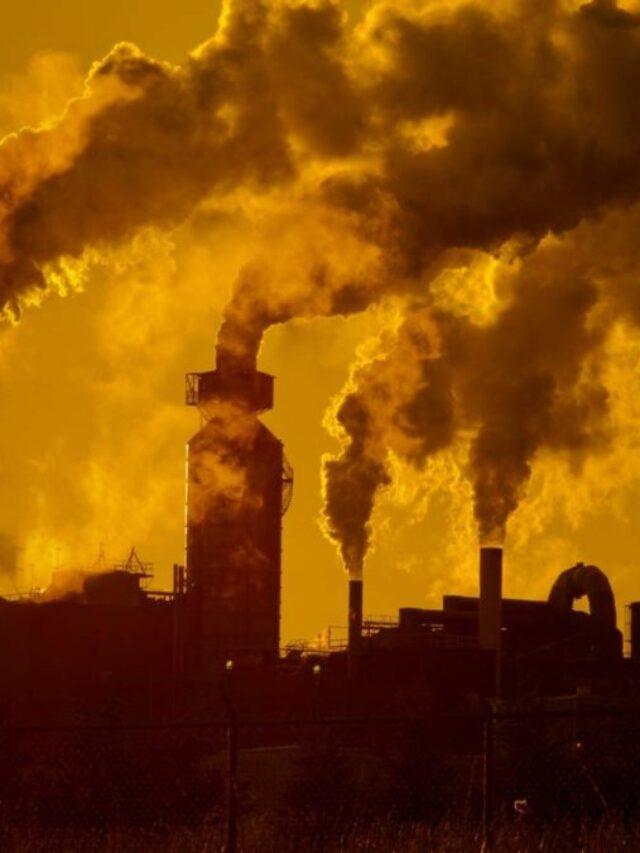
More than 50 nations, including Australia, gather to shape the future of biomass energy and sustainable fuel solutions. Nawah Energies leads the way in clean energy consulting and wood pellet trading.
The Big Picture: Why This Biomass Energy News Matters
In a landmark international meeting held recently in Colombia, over 50 countries including Australia convened to deliberate on an orderly, strategic transition away from fossil fuels toward cleaner, renewable energy sources. The discussions centered on avoiding disruptive shocks to global energy markets while accelerating the phase-out of coal, oil, and natural gas. Australia’s Energy Minister Chris Bowen, though absent from the talks, has emphasized broad support for a long-term pathway that fosters energy security through clean energy development.
This news reflects a growing, global consensus on the urgent need to decarbonize power generation. Among renewable sources, biomass energy—especially through wood pellets and bioenergy—is increasingly recognized as a scalable and sustainable alternative to fossil fuels. The international dialogue signals favorable policy environments and investment climates for biomass-based power generation and clean cooking solutions in emerging markets.
For companies and governments operating in regions like East Africa, East Asia, and Malaysia, this momentum opens new avenues to deploy cost-effective, low-carbon biomass technologies. Meanwhile, firm leaders such as Nawah Energies are uniquely positioned to support this energy transition through comprehensive wood pellet trading, biomass power plant expertise, and clean energy consulting.
How This Trend Is Shaping the Future of Clean Energy in East Africa and Asia
East Africa and Southeast Asia face both tremendous energy demand growth and the urgent imperative to limit environmental impact. As coal and natural gas become less viable amid tighter emissions regulations and volatile markets, biomass energy emerges as a practical and sustainable replacement. Countries like Kenya, Tanzania, Ethiopia, and Malaysia are already exploring policies to incentivize biomass power generation and clean cooking initiatives.
The significance of the Colombia talks lies in building a framework to help such emerging economies transition smoothly, attracting international investments and technical know-how. The approach focuses on integrating wood pellet fuel supply chains, upgrading infrastructure, and facilitating public-private partnerships. This global cooperation reduces risks for investors and operators, making biomass projects more accessible.
In addition, the region’s abundant forestry residues, agricultural waste, and other biomass feedstocks are ideal foundations for a circular bioeconomy. This can generate rural jobs, enhance energy independence, and improve air quality—benefits directly aligned with the wider clean energy goals championed by ministries and industry leaders.
Wood Pellets as a Scalable Alternative to Coal and Gas
Wood pellets, compressed biomass fuel manufactured from sustainably sourced wood residue, represent a versatile and carbon-neutral sustainable fuel. They offer distinct advantages as an alternative to coal and natural gas in power generation and industrial heating.
Compared to raw biomass, pellets have higher energy density, uniform size, lower moisture content, and consistent combustion characteristics. These properties enable reliable operation in conventional power plants retrofitted or designed for biomass use, as well as in industrial furnaces and pellet stoves for smaller-scale applications.
In regions like East Africa, where coal import costs are high and gas infrastructure may be underdeveloped, wood pellet fuel can lower generation costs and reduce dependency on fossil fuel imports. Moreover, biomass pellets can leverage existing supply chains and port facilities for export-oriented trade, enhancing regional energy security. Nawah Energies specializes in optimizing wood pellet production and supply for emerging markets to maximize these benefits.
How Nawah Energies Delivers End-to-End Biomass Solutions
Nawah Energies has built a reputation as a reliable partner offering holistic biomass value-chain services across East Africa, East Asia, and Malaysia. Their expertise includes sourcing and trading premium-quality wood pellets, advising on biomass power plant design and implementation, and deploying clean cooking solutions such as pellet stoves.
By partnering with Nawah Energies, businesses and governments access tailored solutions that address local resource availability, logistical constraints, and regulatory frameworks. Their clean energy consulting services provide detailed feasibility assessments, project development support, and sustainable financing strategies designed to accelerate biomass deployment.
The company also emphasizes integrating advanced combustion technologies like industrial pellet burners and furnace igniters that ensure efficient biomass fuel consumption and emissions control. Through continuous innovation and capacity building, Nawah Energies helps emerging markets leapfrog to low-carbon energy systems that boost economic resilience.
Biomass Power Plants: Turning Pellets into Electricity
Biomass power plants are critical infrastructure assets enabling renewable electricity generation from biomass pellets and residues. These power stations typically use steam turbine cycles fueled by combusted wood pellets or co-fired with coal during transition periods to reduce emissions.
The advantage of biomass power is its dispatchability – unlike intermittent solar or wind, biomass plants can supply steady baseload or peak power supporting grid stability. This characteristic makes biomass particularly attractive in emerging markets with growing electricity demands and less grid flexibility.
Nawah Energies guides project developers in East Africa and Asia through site selection, feedstock logistics, technology choice, and environmental compliance to optimize power plant performance. Their integrated approach aligns technical excellence with sustainable forest management and social impact considerations.
Key Opportunities and What Businesses Should Watch
The Colombia talks indicate heightened political will and international collaboration to fund and scale clean energy transitions. This creates multiple opportunities for biomass market participants:
Investment and Financing
Multilateral funds, green bonds, and climate finance mechanisms are increasingly available to biomass projects that demonstrate clear emissions reductions and socio-economic benefits.
Supply Chain Development
Expanding pellet production capacity, improving logistics, and establishing quality assurance frameworks will lower costs and increase market confidence.
Technology Adoption
Advanced combustion technologies such as industrial pellet burners and high-efficiency stoves drive fuel efficiency and emission control, essential for regulatory compliance and community acceptance.
Policy and Regulation
Emerging market governments are expected to introduce supportive policies incentivizing biomass use, including renewable portfolio standards, carbon pricing, and subsidies.
Businesses looking to enter or expand in biomass energy should monitor these evolving trends closely and engage experienced partners like Nawah Energies. Their deep regional expertise and full suite of services expedite project readiness and investment attractiveness.
Partner with Nawah Energies for Clean Biomass Solutions
Discover how Nawah Energies can empower your business with premium wood pellets, advanced biomass power plant consulting, and tailored clean cooking solutions. Visit https://nawahenergies.com/ to explore our comprehensive services and products designed for East African, East Asian, and Malaysian markets.
Stay connected for the latest insights on biomass energy, pellet trade, and clean energy projects across emerging markets. Follow Nawah Energies for ongoing updates and expert analysis shaping the future of clean energy transitions.
If you are an importer, distributor, power developer, or government agency seeking to replace coal and gas with affordable, sustainable biomass fuel, we invite you to start the conversation at https://nawahenergies.com/. Nawah Energies is your trusted partner in building a cleaner, greener energy future.
Leave a Reply