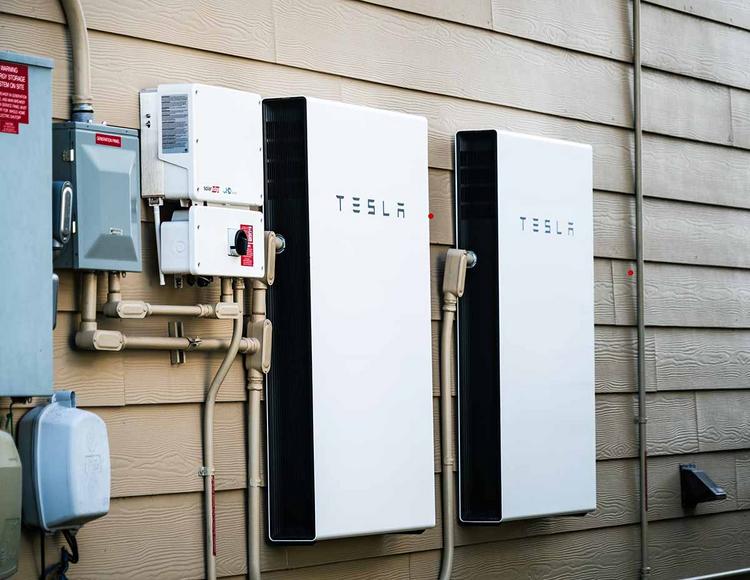
Explore how rising fixed network fees could stunt innovation in clean energy storage, impacting biomass energy adoption. Nawah Energies leads with sustainable fuel and biomass power plant solutions in emerging markets.
The Big Picture: Why This Biomass Energy News Matters
Recent discussions around utility network pricing reforms highlight a critical challenge for the future of clean energy: the risk that high fixed network charges could stifle the rapidly growing market for home battery systems. This concern carries direct implications for the biomass energy sector, especially as decentralized energy storage becomes integral for integrating sustainable fuel sources like wood pellets and other biomass energy technologies into power grids.
Published on Renew Economy on June 2024, this development comes at a critical juncture when clean energy adoption is accelerating worldwide, including in East Africa and Asia, where Nawah Energies actively supports biomass power generation and clean cooking solutions. The unintended consequence of tariff reforms that heavily favor fixed charges over usage-dependent rates risks undermining incentives for consumers to invest in home battery systems — a key component for managing intermittent renewable energy and for boosting demand flexibility in grids powered increasingly by bioenergy.
For businesses and investors concerned with scaling biomass power plants and sustainable fuel supply chains, understanding these evolving energy economics is crucial, as it could influence market dynamics and energy transition opportunities in emerging markets.
How This Trend Is Shaping the Future of Clean Energy in East Africa and Asia
East Africa, comprising countries like Kenya, Tanzania, and Ethiopia, alongside Southeast and East Asia regions including Malaysia, is witnessing burgeoning interest in biomass energy fueled by growing environmental and energy security priorities. Here, Nawah Energies has established itself as a trusted partner providing end-to-end biomass solutions — from wood pellet trading to the construction and management of biomass power plants, and deployment of clean cooking stoves.
Yet, large-scale adoption of distributed energy resources, such as home batteries integrated with biomass generators or grid-connected bioenergy systems, faces headwinds driven by electricity network tariff changes. Fixed network charges mean that customers pay a significant fee regardless of how much energy they consume or whether they offset grid demand by using their batteries. This reduces the financial attractiveness of investing in home battery storage — a vital tool for biomass power systems to stabilize supply and manage peak loads efficiently.
The risk is that with depressed enthusiasm for home batteries, the flexibility that bioenergy solutions can contribute to clean energy systems diminishes, slowing the pace toward decarbonization goals and potentially limiting biomass market growth.
The Role of Energy Storage in Biomass Integration
Energy storage systems, notably home batteries, play a pivotal role in integrating biomass power into distributed energy frameworks. Biomass power plants and pellet fuel systems offer stable, low-carbon generation capacity, but pairing these with effective storage systems enhances reliability and grid responsiveness.
Storage allows excess biomass-generated electricity to be saved during low-demand periods and used during peak consumption, reducing the need for fossil fuel backup. This synergy is particularly vital in emerging markets where grid infrastructure may be less stable and energy demands more variable.
Tariff Structures and Consumer Incentives
Network pricing reform discussions often emphasize fairness and cost-reflective tariffs. However, disproportionate fixed charges can disincentivize renewable energy adoption by reducing the monetary savings residential consumers perceive from investing in battery storage. This is counterproductive to national energy transition strategies and hampers the scaling of clean energy consulting efforts by organizations like Nawah Energies aiming to promote sustainable fuel use in households and industries.
Wood Pellets as a Scalable Alternative to Coal and Gas
The core of the biomass revolution lies in the use of wood pellets as a renewable, carbon-neutral fuel that power numerous biomass power plants globally. Wood pellets offer a reliable substitute for coal and natural gas, contributing significantly to lowering carbon footprints in electricity generation and industrial processes.
Nawah Energies has extensively studied the value chain of wood pellet production and its role as an alternative to coal, helping clients navigate supply logistics, pellet quality assurance, and combustion control technologies. In East Africa, growing deforestation and energy access challenges demand sustainable, eco-friendly fuels like biomass pellets to power grids and industries.
Advantages of Wood Pellet Fuel
Wood pellets are dense, uniform biomass pellets produced from compacted sawdust, wood chips, and other agricultural residues. Their energy content and ease of transport make them ideal for distributed power generation and heating applications. When combusted in advanced pellet burners or biomass power plants, pellets release carbon dioxide previously absorbed by trees during growth, thus maintaining a closed carbon loop and contributing to net-zero emissions efforts.
Furthermore, transitioning factories, power stations, and even residential homes to industrial pellet burners and pellet stoves supplied by firms like Nawah Energies can substantially reduce reliance on polluting fossil fuels in key emerging markets.
Impact on Emerging Market Energy Security
Countries across East Africa and Southeast Asia face rising energy demand from growing populations and expanding industries. Biomass enables these regions to reduce dependence on imported fossil fuels, enhance local economies via pellet production, and improve air quality through clean cooking solutions. Nawah Energies provides technical consulting and project management support to facilitate these transitions while ensuring sustainable feedstock sourcing and efficient power plant operations.
How Nawah Energies Delivers End-to-End Biomass Solutions
As a leading clean energy company, Nawah Energies specializes in providing comprehensive bioenergy solutions across East Africa, East Asia, and Malaysia. Our expertise covers all major aspects of the biomass value chain:
Wood Pellet Supply and Trading
Nawah Energies facilitates reliable sourcing, quality verification, and logistics for premium wood pellets and biomass pellets. We work closely with sustainable producers to ensure our clients benefit from a stable, cost-competitive fuel that meets stringent environmental standards.
Biomass Power Plant Consulting
Our team supports engineering, procurement, and construction oversight for biomass power plants. We help design plants optimized for local fuel resources, environmental compliance, and operational efficiency, enabling our partners to generate clean electricity and biomass heat reliably and profitably.
Clean Cooking and Industrial Applications
Nawah Energies also provides market-leading clean cooking solutions including high-efficiency pellet stoves. These appliances improve health outcomes by reducing harmful indoor air pollution and lower cooking costs by utilizing affordable pellet fuel.
For industrial customers, we offer guidance on deploying industrial pellet burners and biomass furnace igniters, facilitating a shift away from fossil fuel dependency while maintaining production continuity.
Clean Energy Consulting and Market Development
Nawah Energies’ clean energy consulting practice advises governments, utilities, and private enterprises on integrating biomass energy into broader renewable energy strategies. By analyzing market conditions and regulatory environments, we craft tailored roadmaps that maximize biomass project success and carbon emission reduction.
Biomass Power Plants: Turning Pellets into Electricity
Biomass power plants stand at the forefront of the global renewable energy transition, converting biomass pellets into reliable, sustainable electric power. These plants offer numerous advantages over intermittent renewable sources by providing dispatchable energy and grid balancing capabilities.
Nawah Energies supports clients in executing commercially viable biomass power projects by supplying technical expertise across plant design, combustion technology, fuel supply chain, and emissions management.
Key Technologies and Operational Considerations
Modern biomass power plants use advanced combustion systems and emissions controls to meet stringent environmental requirements. High-performance pellet handling and feeding systems ensure consistent fuel flow and combustion efficiency. Nawah Energies’ expertise extends to integrating these components with existing infrastructure or modernizing legacy coal plants to biomass operation.
Economic and Environmental Benefits
By replacing fossil fuels with biomass fuel, power plants reduce their carbon footprints and often qualify for clean energy incentives. This transition supports energy diversification and security, particularly critical for emerging economies balancing rapid growth with climate commitments.
Key Opportunities and What Businesses Should Watch
The recent Renew Economy coverage emphasizing the potential market disruption caused by high fixed network charges presents a cautionary tale for biomass energy stakeholders. For businesses and investors, these market signals underscore the need for adaptive strategies addressing evolving policy frameworks in addition to technical innovation.
Strategic Implications for Biomass Energy Projects
Investors in biomass power plants and pellet production should monitor tariff reform developments closely and engage policymakers to support tariff models that incentivize energy storage and distributed generation. Nawah Energies continuously tracks these trends and advises clients on risk mitigation and opportunity capitalization within the broader clean energy transition.
Expanding Demand in Emerging Markets
Despite tariff challenges, demand in East Africa, Southeast Asia, and Malaysia for clean biomass fuels and energy solutions remains robust. Infrastructure investments, electrification goals, and sustainability policies propel interest in sustainable fuel alternatives to coal and gas. Nawah Energies is positioned to help clients access these growing markets through comprehensive project support, product supply, and expert consulting.
Integrating Home Battery Systems with Biomass
Combining home battery storage with biomass power offers a path to enhance grid resilience and consumer cost savings, but requires enabling regulatory environments. Nawah Energies collaborates with energy developers to innovate integrated solutions that leverage both distributed storage and steady biomass generation, contributing to flexible, decarbonized energy ecosystems.
Partner with Nawah Energies for Clean Biomass Solutions
To explore how Nawah Energies can support your transition to sustainable biomass energy and efficient pellet fuel use, visit https://nawahenergies.com/ today. Discover our expansive service offerings in biomass power plant consulting, wood pellet trading, and clean cooking solutions designed for emerging markets.
Stay connected and follow Nawah Energies for the latest insights on biomass energy developments, pellet trade dynamics, and innovative clean energy projects across East Africa, East Asia, and Malaysia. Our expertise positions businesses, distributors, energy developers, and governments to capitalize on the expanding market for carbon-neutral, affordable biomass fuel.
If your organization is seeking a reliable partner for supply chain management, biomass power plant project execution, or clean energy consulting, reach out through https://nawahenergies.com/ to begin a strategic conversation. Nawah Energies is committed to powering a cleaner, greener future leveraging the transformative potential of biomass energy.
Leave a Reply