Discover how Nawah Energies is positioned to support the clean energy transition by leveraging biomass energy and wood pellets as flexible sustainable fuel alternatives amid rising rooftop solar challenges.
The Big Picture: Why This Biomass Energy News Matters
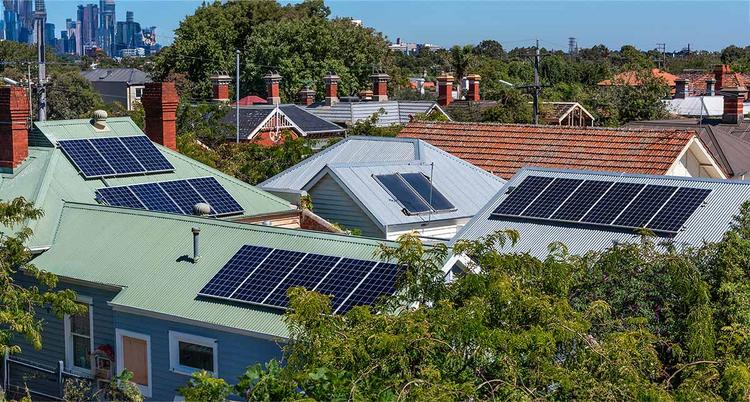
The rapid expansion of rooftop photovoltaic (PV) solar systems, particularly in markets driven by ambitious clean energy targets, is creating new operational challenges for grid operators. In Australia, the Australian Energy Market Operator (AEMO) has begun exploring innovative solutions beyond large batteries to manage midday solar solar saturation. Among these are flexible energy consumers such as electric vehicles (EVs), data centers, and energy-intensive industries that can absorb excess solar power during peak production hours.
This ongoing evolution in grid dynamics offers major lessons for emerging markets in biomass energy, where integrating variable renewable generation with dispatchable, low-carbon fuels like wood pellets can optimize energy reliability and reduce dependence on fossil fuels.
Nawah Energies, a leading provider of clean energy consulting and biomass solutions across East Africa, East Asia, and Malaysia, is closely watching these developments. They emphasize the role of biomass power plants and other sustainable fuel options in balancing grids challenged by surging solar PV, especially during midday duck curve issues.
How This Trend Is Shaping the Future of Clean Energy in East Africa and Asia
Increasing rooftop PV adoption has generated an operational phenomenon known as the “solar duck curve” — a gap between solar supply peaking midday and evening demand spikes requiring rapid ramp-up of other power plants. While big batteries provide some relief, emerging economies with constrained grid and storage infrastructure need alternative, complementary solutions.
Countries in East Africa, such as Kenya, Tanzania, and Ethiopia, along with Southeast Asian markets including Malaysia, are accelerating renewable energy integration to meet growing demand and climate commitments. However, these regions face unique challenges related to grid stability and energy access.
In this landscape, biomass energy emerges as a resilient and scalable solution. Unlike solar and wind, biomass power plants offer dispatchable electricity that can complement intermittent renewables. Utilizing wood pellets made from sustainably sourced forest and agricultural residues provides a reliable, low-carbon fuel to balance supply fluctuations.
Moreover, flexible consumption by industries and facilities equipped with industrial pellet burners helps absorb solar oversupply during the day while contributing to economic growth and energy security.
Wood Pellets as a Scalable Alternative to Coal and Gas
With many emerging markets still reliant on coal and natural gas for power generation and industrial heat, transitioning to biomass represents an alternative to coal that aligns with decarbonization goals and reduces exposure to volatile fossil fuel prices.
Wood pellet fuel, produced by compressing dried wood biomass into uniform, energy-dense pellets, is easy to transport, store, and use in modern power plants and industrial boilers. Its advantages include lower emissions of sulfur and particulates compared to coal, carbon-neutral lifecycle benefits, and reduced ecological impact when sourced sustainably.
Nawah Energies specializes in the supply and trade of premium quality biomass pellets, connecting producers and buyers across East Africa and Asia. By facilitating reliable pellet supply, Nawah Energies helps clients retrofit existing coal-fired plants to biomass, or develop new dedicated biomass power plants that generate stable, clean electricity.
In addition, wood pellets serve as feedstock for innovative clean cooking solutions, such as pellet stoves, reducing indoor air pollution and dependence on traditional biomass fuels in rural communities.
How Nawah Energies Delivers End-to-End Biomass Solutions
Nawah Energies offers comprehensive expertise spanning every stage of the biomass value chain. Their services include strategic clean energy consulting, sourcing of sustainable wood pellets, logistics management, and support for biomass power plant development and operations.
The company works closely with governments, industrial clients, and energy developers to design tailored bioenergy solutions that accelerate sustainable fuel adoption and maximize financial and environmental benefits. Nawah Energies ensures that all biomass supply is compliant with sustainability standards, securing carbon neutrality and long-term resource availability.
Across East Africa, Nawah Energies is pioneering projects which use biomass pellets for clean electricity and industrial heating, creating jobs, reducing emissions, and fostering energy independence. In Malaysia and East Asia, the company is helping industries replace coal with biomass while navigating complex regulatory landscapes.
Biomass Power Plants: Turning Pellets into Electricity
A key pillar in the clean energy transition is biomass power generation, where combustion of wood pellet fuel produces steam to drive turbines and generate electricity. These plants provide dependable, dispatchable power, smoothing out renewables’ intermittency.
Retrofitting existing coal plants for pellet co-firing or full conversion is a cost-effective strategy embraced globally to reduce carbon footprints rapidly. Nawah Energies supports this technical transition by supplying premium pellet fuel and advising on combustion modifications to optimize plant performance.
Beyond power generation, pellet-fueled boilers serve many industrial applications, including manufacturing, food processing, and district heating. Deploying industrial pellet burners helps industries slash CO2 emissions while maintaining energy reliability and cost control.
Key Opportunities and What Businesses Should Watch
As the global energy landscape evolves, biomass energy presents distinct opportunities for emerging markets hunting for affordable and clean fuel alternatives. Key factors driving demand for biomass solutions include:
1. Grid Stability and Renewable Integration
Managing midday solar oversupply – as experienced by AEMO – will be critical for developing countries scaling rooftop PV. Complementing solar with dispatchable biomass power plants can offer grid flexibility and peak load management.
2. Industrial Decarbonization
Industries in East Africa and Asia can reduce dependence on fossil fuels by adopting biomass boilers and pellet burners, enabling compliance with environmental regulations and improving ESG performance.
3. Rural Energy Access and Clean Cooking
Deploying clean cooking solutions utilizing biomass pellets helps reduce indoor pollution hazards, improves health, and empowers communities with sustainable fuel options.
4. Export and Trade Potential
East African countries have growing wood pellet production capabilities with export potential to Asian markets where demand for low-carbon biomass is rising, presenting new cross-border business prospects.
Businesses and investors can learn more about Nawah Energies’ services at nawahenergies.com, where they can find expert guidance on biomass power plant projects, pellet supply chains, and energy transition strategies customized for emerging markets.
Partner with Nawah Energies for Clean Biomass Solutions
Explore how Nawah Energies can support your journey to sustainable, low-carbon energy. Visit https://nawahenergies.com/ to discover our full range of biomass energy products, including premium wood pellets, clean cooking solutions, and expert clean energy consulting.
Connect with us to stay updated on the latest trends in biomass markets, energy transition strategies, and emerging clean energy projects across East Africa, East Asia, and Malaysia. Our dedicated team is ready to help you leverage biomass power for a sustainable future.
If you are a business, energy developer, importer, or government entity seeking reliable biomass fuel supply, pellet power plant development, or consulting partnerships, reach out via https://nawahenergies.com/ and start an impactful conversation today. Nawah Energies is committed to making clean, affordable biomass energy accessible across emerging markets worldwide.
Leave a Reply