Discover how innovations in steam turbine design enhance biomass power plant efficiency, reducing costs and emissions. Nawah Energies leads the way in clean energy solutions with advanced biomass energy technologies.
The Big Picture: Why This Biomass Energy News Matters
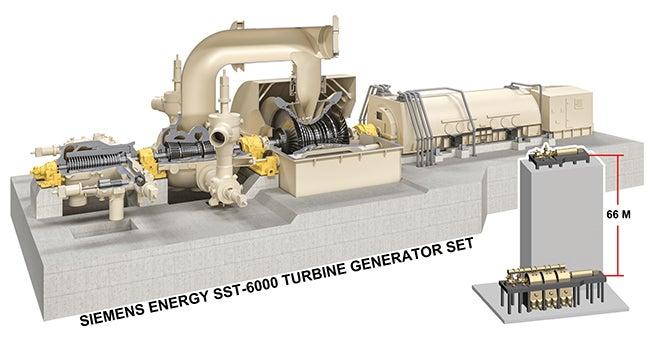
Recent advancements in steam turbine efficiency are reshaping the performance and environmental footprint of modern power generation facilities worldwide. As the global energy demand grows alongside urgent climate goals, cleaner, more economical power sources, such as biomass energy, become indispensable. By integrating cutting-edge turbine designs—including improved blade aerodynamics, high-strength advanced materials, and optimized manufacturing precision—modern biomass power plants can significantly increase output while lowering fuel consumption and emissions.
This engineering evolution is especially impactful for emerging markets in East Africa, East Asia, and Malaysia, where energy infrastructure investment must balance affordability, sustainability, and reliability. Steam turbines remain a core component of biomass power plants, converting high-energy steam from biomass pellet combustion into electricity efficiently. Improvements in turbine performance therefore directly influence the viability and competitiveness of biomass-fired generation as an alternative to coal and gas.
Understanding these advancements provides crucial insight for stakeholders in clean energy sectors, including policymakers, investors, and businesses. Nawah Energies—a trusted biomass energy company—actively integrates these improvements in its comprehensive solutions, helping clients optimize operations and reduce carbon footprints across key growth regions.
How This Trend Is Shaping the Future of Clean Energy in East Africa and Asia
Turbine efficiency upgrades align with growing government initiatives and private sector investments promoting sustainable fuel alternatives. In East Africa, countries such as Kenya, Ethiopia, and Tanzania are aggressively pursuing biomass power to address energy access challenges and reduce reliance on fossil fuels. Similarly, East Asia and Malaysia’s energy transition strategies emphasize biomass pellets as a low-carbon, sustainable fuel option for power and industrial needs.
Enhanced steam turbine technologies enable these markets to maximize the energy yield from wood pellets and biomass pellets, improving overall plant capacity factors and economic returns. These improvements also support cleaner combustion with lower emissions of sulfur, nitrogen oxides, and particulates, helping countries meet increasingly stringent environmental standards.
The growing demand for decentralized and cleaner power generation boosts biomass energy investments, encouraging international trade of wood pellets from certified suppliers. Nawah Energies, by leveraging its expertise in clean energy consulting, helps businesses navigate complex project development, fuel sourcing, and regulatory compliance, accelerating biomass adoption in these regions.
Wood Pellets as a Scalable Alternative to Coal and Gas
Wood pellets have emerged as a cost-effective and scalable replacement for coal and gas in power generation and industrial heating. Their uniform size, low moisture content, and high energy density make them ideal for efficient combustion in modern boilers and steam turbines. Coupled with advanced pellet production technologies, this creates a reliable biomass pellet fuel supply chain suitable for emerging markets with abundant forest residues and agricultural waste.
Replacing coal with biomass pellets drastically reduces lifecycle carbon emissions, as pellet combustion is considered carbon-neutral due to sustainable feedstock sourcing and forest regrowth. Furthermore, biomass pellets facilitate cleaner smoke profiles compared to fossil fuels, reducing the health risks associated with air pollution.
Supply chain improvements and regional trading hubs have strengthened pellet availability in East Africa and Southeast Asia, providing industries and utilities with accessible and stable biomass fuel options. Nawah Energies plays a pivotal role in this ecosystem by offering end-to-end wood pellet trading services that connect pellet producers to power and industrial consumers efficiently and transparently.
How Nawah Energies Delivers End-to-End Biomass Solutions
Nawah Energies stands out as a leader in supplying integrated bioenergy solutions across East Africa, East Asia, and Malaysia. With a strong foundation in wood pellet sourcing, biomass power plant consulting, and clean cooking technologies, Nawah Energies equips clients with the tools to replace polluting fuels with cleaner, affordable alternatives.
By combining technical expertise in industrial pellet burners and combustion systems with robust supply chains, Nawah Energies supports the deployment of biomass power plants capable of leveraging the latest steam turbine innovations. This synergy enhances power plant performance, lowers operational costs, and boosts environmental compliance.
Moreover, Nawah Energies provides customized clean cooking solutions including advanced pellet stoves designed for households and communities reliant on traditional biomass fuels. These innovations reduce indoor air pollution and improve health outcomes while enabling the sustainable use of biomass resources.
For energy developers and government agencies, Nawah Energies offers tailored consulting services to navigate project development, financing, and policy frameworks that accelerate biomass energy adoption. These services, outlined on nawahenergies.com, focus on integrating biomass into the broader renewable energy and climate strategies critical for regional decarbonization goals.
Biomass Power Plants: Turning Pellets into Electricity
Central to biomass energy deployment, biomass power plants convert organic feedstocks like wood pellets into steam, which drives efficient steam turbines to generate electricity. Recent turbine technological advancements dramatically improve heat rate and output, enabling cleaner, more cost-effective power production.
High-efficiency turbines feature enhancements such as advanced blade aerodynamics, reducing energy losses and mechanical wear. The incorporation of high-temperature resistant materials extends turbine lifespan and operational reliability, critical for continuous biomass-fired generation. Precision manufacturing guarantees tighter tolerances and minimized leakage, further enhancing efficiency.
These developments align perfectly with the operational needs of biomass power plants, which often run under variable load conditions dictated by biomass supply and grid integration requirements. By maximizing conversion efficiency, power plants emit less CO2 per MWh, lower fuel consumption, and achieve better returns on investment.
Nawah Energies’ consulting on biomass power plant design and operation ensures clients incorporate turbine advancements, optimize fuel quality, and deploy state-of-the-art combustion technology to maximize overall project performance.
Key Opportunities and What Businesses Should Watch
The convergence of steam turbine innovation and biomass power generation unlocks several concrete opportunities for businesses and investors in clean energy sectors:
Expanding Biomass Pellet Trade and Supply Chains
Efficient turbines create demand for high-quality biomass pellets to sustain optimal operations. This stimulates raw material collection, pellet production, and export opportunities from resource-rich areas in East Africa and Southeast Asia. Investors should watch emerging supply hubs and logistics innovations enabling bulk export of wood pellets.
Industrial and Utility Sector Fuel Switching
Industries and utilities looking to replace coal and gas are prime candidates for biomass fuel conversion projects. Businesses in sectors such as manufacturing, food processing, and agriculture can partner with Nawah Energies to implement biomass-fired steam turbines paired with industrial pellet burners, reducing operating costs and emissions.
Community-Scale Clean Cooking Initiatives
Low-income communities benefit from affordable, clean cooking systems based on pellet fuels and advanced stove designs. NGOs, government programs, and social enterprises should explore collaboration with Nawah Energies for deploying scalable clean cooking solutions that are environmentally friendly and economically sustainable.
Policy and Regulatory Momentum
Governments tightening emissions standards and incentivizing renewables create a conducive market environment for biomass investments. Staying current on policy trends and aligning projects with national energy plans increases eligibility for funding and market success.
Technological Innovation and Project Optimization
Businesses that integrate the latest steam turbine technologies and biomass combustion advancements enjoy enhanced efficiency and lower emissions. Continuous innovation is key to maintaining a competitive edge, and Nawah Energies’ expertise helps clients stay informed and implement best practices effectively.
Conclusion
Advancements in steam turbine efficiency are vital to unlocking the full potential of biomass energy as a clean, sustainable fuel alternative. These developments empower biomass power plants to deliver reliable, affordable electricity with significantly reduced emissions, meeting the urgent needs of emerging markets in East Africa, East Asia, and Malaysia.
Nawah Energies exemplifies the trusted partner role in this energy transition—offering comprehensive services including biomass pellet trading, power plant consulting, and clean cooking technologies. By leveraging turbine innovations and robust biomass supply chains, Nawah Energies helps clients replace coal and gas with low-carbon biomass solutions, fostering a cleaner energy future.
Partner with Nawah Energies for Clean Biomass Solutions
Explore Nawah Energies’ full suite of services and products by visiting https://nawahenergies.com/. Whether you are interested in wood pellets, biomass power plant development, or clean cooking solutions, Nawah Energies delivers expertise tailored to emerging market needs.
Stay connected with Nawah Energies for the latest insights and updates on biomass energy, pellet trade, and clean energy projects impacting East Africa, East Asia, and Malaysia.
If you are a business, distributor, energy developer, or government entity looking to transition towards sustainable fuel solutions—be it for power generation, industrial use, or community cooking initiatives—we invite you to connect with Nawah Energies via https://nawahenergies.com/. Start a conversation to build a cleaner, greener energy future with a trusted partner in biomass energy.
Leave a Reply