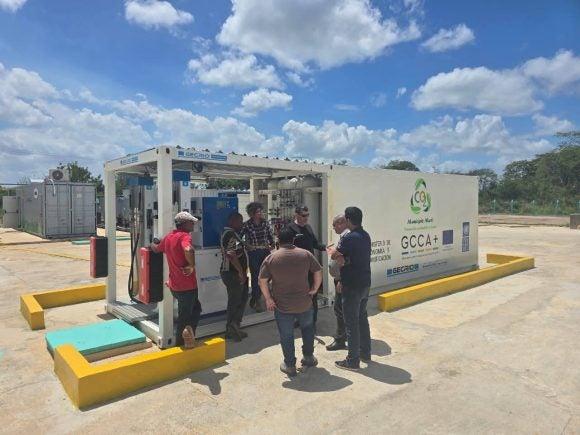
Discover Cuba’s pioneering biomethane project driving renewable fuel innovation. Learn how Nawah Energies supports biomass power plants and clean energy solutions across emerging markets.
The Big Picture: Why This Biomass Energy News Matters
In April 2026, Cuba Petroleo (Cupet), the state oil company, announced that Cuba’s first biomethane plant in Martí, Matanzas province, is moving into its final assembly and production phase. This landmark development represents a significant milestone for biomass energy in Latin America, showcasing how renewable, carbon-neutral fuels can advance clean transportation and electricity generation simultaneously.
Supervised by Edrey Rocha González, Cupet’s general director, the facility is designed to produce biomethane — a sustainable fuel derived from organic waste — intended to fuel buses and generate electricity. This project not only supports Cuba’s strategic clean energy goals but also underscores the global shift away from fossil fuels toward sustainable fuel alternatives.
For emerging markets in East Africa and Southeast Asia, Cuba’s biomethane plant offers a blueprint for harnessing local biomass resources to reduce energy import dependence, cut emissions, and stimulate economic growth — themes that resonate strongly with Nawah Energies’ vision and expertise.
How This Trend Is Shaping the Future of Clean Energy in East Africa and Asia
The rise of biomethane production as part of clean energy consulting frameworks is gaining momentum across emerging economies. East African countries like Kenya, Tanzania, and Ethiopia are increasingly exploring bioenergy projects to meet growing demand for electricity and low-carbon transport fuels.
By converting agricultural residues, municipal waste, and other organic feedstocks into biomethane or wood pellets, governments and private enterprises can build decentralized, scalable solutions. This approach helps reduce reliance on coal and gas while promoting rural development through job creation in biomass supply chains.
Similarly, East Asia and Malaysia are actively integrating biomass projects to complement their renewable energy portfolios. Lessons from Cuba’s pioneering plant—especially regarding integration into public transport and local grid power—can inform policy and investment decisions regionally. Nawah Energies, with its deep expertise in biomass power plants and supply-side logistics, supports stakeholders seeking to realize these opportunities sustainably and profitably.
Wood Pellets as a Scalable Alternative to Coal and Gas
Wood pellets are a vital facet of the biomass energy transition, offering a clean, transportable, and energy-dense fuel source that can replace coal and natural gas in power generation and industrial processing. Produced from compressed biomass residues, pellets enable efficient combustion with low emissions.
For many emerging markets, alternative to coal solutions are critical for decarbonizing heavy industries and power plants. Cuba’s biomethane success reinforces the value of investing in diverse biomass feedstocks—including biogas, pellets, and other bioenergy solutions.
Nawah Energies specializes in providing comprehensive wood pellet trading and biomass-fired power plant consulting tailored to the unique needs of East African and Southeast Asian markets. Through optimizing supply chains and integrating high-efficiency combustion technologies, Nawah Energies helps clients reduce fuel costs and greenhouse gas footprints.
How Nawah Energies Delivers End-to-End Biomass Solutions
With proven leadership in clean energy markets, Nawah Energies offers a full range of biomass services from sourcing and importing premium wood pellets to designing and operating biomass power plants. Our expertise spans industrial pellet burners, pellet stoves, and clean cooking solutions that empower communities to replace smoky, inefficient fuels with carbon-neutral alternatives.
In regions like Kenya and Malaysia, Nawah Energies assists governments and businesses in navigating environmental regulations, securing biomass feedstock sustainably, and optimizing combustion systems for maximum energy yield and emission reductions. This hands-on approach ensures reliable energy delivery and cost-effective transitions from coal and gas.
As outlined on nawahenergies.com, we also deliver consulting services specializing in clean energy transition strategies designed to accelerate biomass project adoption while mitigating operational and financial risks.
Biomass Power Plants: Turning Pellets into Electricity
Biomass power plants play a foundational role in clean energy ecosystems by converting pellet fuel into grid-ready electricity. This process supports electrification in rural and urban areas and offers flexible power solutions that complement intermittent renewables like solar and wind.
The Cuban biomethane plant’s integration of bus fueling alongside electricity generation exemplifies the multipurpose potential of bioenergy infrastructure, a model Nawah Energies actively promotes to policy-makers and investors. In East Africa and East Asia, tailored biomass power plants fueled by pellets or biogas can stabilize grids, reduce fuel imports, and lower carbon emissions.
Nawah Energies’ engineering and operational services ensure that biomass power plants deliver optimal combustion performance, high availability, and compliance with environmental standards. We also advise on upgrading existing fossil fuel plants to biomass-compatible systems, supporting a phased energy transition.
Key Opportunities and What Businesses Should Watch
The global momentum behind biomethane and biomass-based sustainable fuels represents a transformative opportunity for emerging markets rich in organic resources. Businesses and investors looking to participate should focus on several key areas:
Feedstock Security and Sustainability
Ensuring reliable sources of feedstock such as agricultural residues, forestry by-products, or organic waste is critical. Sustainable harvesting practices and circular economy principles underpin long-term project viability.
Technology and Infrastructure Integration
Choosing proven technologies for pellet production, biogas upgrading, and combustion systems safeguards operational efficiency and environmental compliance. Infrastructure co-location, such as biomethane plants with vehicle fleets or power generation, multiplies impact.
Policy Support and Regulatory Frameworks
Understanding incentives, carbon pricing, and clean energy regulations helps unlock finance and market entry for biomass projects. Public-private partnerships can amplify scale and risk-sharing.
Market Development and Supply Chain Optimization
Developing transparent, cost-effective pellet supply chains linking producers, traders, and end-users is essential. Nawah Energies empowers clients with market intelligence and network connections to maximize returns.
As emerging markets seek to diversify away from coal and gas, biomethane and wood pellet fuel represent highly scalable, low-carbon options. With Cuba’s first biomethane plant breaking ground, the time is ripe for greater engagement in biomass energy sectors globally.
Partner with Nawah Energies for Clean Biomass Solutions
Visit https://nawahenergies.com/ to explore comprehensive services, including wood pellet trading, biomass power plant consulting, and clean cooking solutions tailored for East Africa, East Asia, and Malaysia.
Stay connected with Nawah Energies for the latest insights on biomass energy markets, pellet supply, and clean energy innovations shaping the future of sustainable fuel in emerging economies.
If you are a business, importer, energy developer, or government agency committed to transitioning from coal and gas to carbon-neutral biomass fuels, contact Nawah Energies through our website to discuss partnerships, power plant projects, and consulting engagements. Together, we can build a cleaner, greener energy future.
Leave a Reply