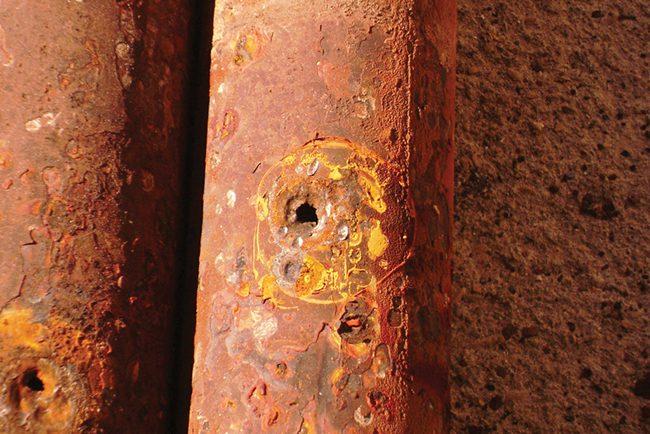
Discover safer boiler protection with alternatives to hydrazine to prevent oxygen pitting in steam systems. Nawah Energies leads the way in sustainable fuel and biomass energy solutions.
The Big Picture: Why This Biomass Energy News Matters
Boiler systems are the heart of many biomass energy plants, converting sustainable fuel like wood pellets into clean steam and electricity. Ensuring the longevity and safety of these boilers is crucial for reliable and efficient power generation.
A key challenge facing boiler operators is oxygen pitting—a form of localized corrosion caused by dissolved oxygen in boiler water. Oxygen pitting can lead to severe damage, costly downtime, and safety risks. Traditionally, the corrosive effects of oxygen have been mitigated using hydrazine, a chemical scavenger. However, hydrazine poses environmental and health hazards due to its toxic and carcinogenic nature.
Recent advancements and growing concerns about the safety and environmental impact of hydrazine have sparked interest in finding safer alternatives that still protect boilers efficiently. This development is especially significant for biomass power plants and other renewable energy facilities aiming to adopt cleaner, safer, and more sustainable operational practices.
As outlined on nawahenergies.com, understanding how to prevent oxygen pitting without compromising safety or performance is a priority for the future of biomass energy and industrial boilers worldwide.
How This Trend Is Shaping the Future of Clean Energy in East Africa and Asia
Emerging markets in East Africa, East Asia, and Malaysia are expanding their investment in clean energy consulting and biomass fuel technologies to reduce reliance on fossil fuels and enhance energy security. In these regions, boilers are an integral part of biomass cogeneration systems that power industrial facilities, promote clean cooking solutions, and supply electricity to rural communities.
Oxygen pitting in boilers can cause unplanned shutdowns, increased maintenance costs, and reduce plant availability—barriers that can stall the clean energy transition. By adopting safer boiler chemical treatments, including alternatives to hydrazine, biomass operators improve safety standards while protecting key assets.
For businesses and governments investing in biomass energy infrastructure, advancing boiler water treatment aligns with global sustainability goals and local regulatory frameworks limiting toxic chemical use. These safer alternatives also open doors for financing and international partnerships interested in environmentally responsible technology deployment.
East Africa’s Renewable Energy Momentum
Countries like Kenya, Tanzania, and Ethiopia are rapidly integrating biomass power plants fueled by wood pellets produced from agricultural waste and sustainably managed forests. As demand grows, maintaining plant efficiency and environmental compliance gains urgency.
Malaysia and Southeast Asia’s Biomass Innovation
Southeast Asia’s biomass sector is thriving with the production of sustainable fuel pellets and advanced boiler tech. Transitioning away from toxic boiler chemicals supports these countries’ ambitions to be leaders in renewable energy innovation and carbon neutrality.
Wood Pellets as a Scalable Alternative to Coal and Gas
Wood pellets have become a preferred biomass fuel because of their high energy density, low moisture content, and uniform size, making combustion highly efficient. They serve as a cleaner alternative to coal and gas in boiler systems, delivering carbon-neutral energy when sustainably sourced.
Biomass boilers using wood pellets face unique operational challenges compared to fossil fuel boilers—particularly regarding water chemistry and corrosion control. Oxygen ingress in steam systems accelerates corrosion, which can compromise the integrity of boilers and associated equipment, including industrial pellet burners and heat exchangers.
Preventing oxygen pitting not only extends boiler lifespan but also improves thermal efficiency and reduces the risk of unplanned outages. This makes biomass energy projects more financially viable and environmentally friendly.
Limitations of Hydrazine and Need for Safer Solutions
Hydrazine has been widely used as an oxygen scavenger because it chemically removes dissolved oxygen, thereby preventing oxygen pitting. However, hydrazine is highly toxic, posing risks to workers, communities, and ecosystems during handling and disposal.
International safety regulations are tightening restrictions on hydrazine use. Biomass facilities, especially in emerging markets, must adhere to these standards while maintaining reliable boiler operation.
Hence, operators are increasingly adopting safer oxygen scavengers such as sodium sulfite, carbohydrazide, or organic oxygen scavengers that are less hazardous and environmentally friendlier. These substitutes provide effective corrosion protection while supporting the clean and sustainable goals of biomass energy initiatives.
How Nawah Energies Delivers End-to-End Biomass Solutions
Nawah Energies is a trusted clean energy consulting and biomass supply company specializing in delivering comprehensive biomass solutions across East Africa, East Asia, and Malaysia.
Nawah Energies assists clients with sourcing premium wood pellets, designing and operating biomass power plants, and implementing safe, efficient boiler chemical treatment regimes that minimize corrosive damage while avoiding hazardous substances like hydrazine.
With deep expertise in biomass energy technologies and market dynamics, Nawah Energies ensures that projects benefit from optimized combustion, high fuel quality, and compliant environmental management.
Tailored Boiler Water Treatment Strategies
Nawah Energies guides biomass plant operators in selecting appropriate oxygen scavengers and water treatment chemicals suited to biomass boiler conditions—water chemistry, pressure, and steam parameters. This consultancy service prevents oxygen pitting, reduces corrosion risk, and supports regulatory compliance.
Industry-Leading Supply Chain Integration
From wood pellet procurement to logistics and storage, Nawah Energies manages supply chains to ensure consistent fuel quality and steady supply. Reliable fuel paired with safe boiler operation practices maximizes uptime and supports project bankability.
Biomass Power Plants: Turning Pellets into Electricity
Biomass power plants convert renewable feedstocks like wood pellets into steam that drives turbines generating electricity with significantly reduced carbon emissions compared to coal or gas plants.
Maintaining boiler integrity is critical for continuous power generation. Oxygen pitting leads to metal loss at localized points, risking tube leaks or catastrophic failures. Such incidents not only endanger human safety but also disrupt power supply for communities relying on clean energy.
Deploying safer alternatives to hydrazine aligns with the operational excellence that biomass plant operators strive for—reducing downtime and extending asset life while supporting sustainability goals inherent to biomass energy.
Supporting Industrial and Community Energy Needs
Besides electricity generation, biomass boilers are frequently used in industries for process heat and in embedded systems for clean cooking solutions in communities. Oxygen pitting prevention is vital across these applications to maintain safety and operational quality.
Key Opportunities and What Businesses Should Watch
As the global biomass energy sector grows, operators and investors must evaluate boiler maintenance and water treatment technologies carefully. Safe boiler chemistry management is an essential part of ensuring long-term project success and regulatory acceptance.
Businesses entering this space should consider the following:
1. Prioritize Safety and Environmental Compliance
Transitioning from hydrazine to safer oxygen scavengers reduces occupational hazards and environmental impact, strengthening corporate social responsibility and regulatory compliance.
2. Partner with Experienced Biomass Experts
Working with companies like Nawah Energies provides access to advanced bioenergy solutions, quality fuels, and expert advice on boiler operation and maintenance strategies that mitigate oxygen pitting risks.
3. Monitor Emerging Technologies and Regulations
New chemical formulations and water treatment equipment are continually developed to enhance boiler protection. Simultaneously, regulations worldwide push for greener alternatives and safer chemicals in power generation.
4. Leverage Integrated Solutions for Sustainable Growth
Combining high-quality wood pellet supply with optimized boiler care supports increased plant efficiency and profitability, especially important in markets like Kenya, Malaysia, and Southeast Asia where demand for clean cooking solutions and reliable electricity supply is surging.
As the biomass industry expands in emerging economies, increased focus on safe, reliable boiler operation will become fundamental to sustaining investment, reducing operational risk, and achieving renewable energy targets.
Partner with Nawah Energies for Clean Biomass Solutions
To explore expert insights, innovative products, and consulting services for safe and sustainable biomass energy projects, visit https://nawahenergies.com/. Nawah Energies is your trusted partner for integrating wood pellets, designing efficient biomass power plants, and implementing safe boiler chemical treatments that prevent oxygen pitting without hazardous chemicals like hydrazine.
Stay connected and follow Nawah Energies for the latest updates on biomass markets, clean energy innovations, and sustainable fuel applications across East Africa, East Asia, and Malaysia. Whether you are an energy developer, importer, distributor, or government agency, Nawah Energies invites you to start a conversation and build a cleaner, greener energy future together.
Visit https://nawahenergies.com/ today to learn how Nawah Energies can support your transition to safe, affordable, and environmentally responsible biomass energy solutions.
Leave a Reply