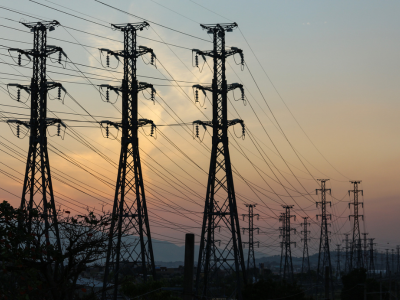
Discover how the House Natural Resources Committee’s SPEED Act markup signals new momentum for clean energy investment in islands. Nawah Energies leads in reliable island electricity generation solutions.
The Big Picture: Why This Island Clean Energy News Matters
On March 27, 2024, the House Committee on Natural Resources conducted a critical markup of the Standardizing Permitting and Expediting Economic Development (SPEED) Act. This legislative milestone promises to streamline permitting processes for renewable energy infrastructure projects, including those vital for clean electricity for islands. The American Council on Renewable Energy (ACORE) has publicly applauded this move, recognizing its potential to unlock investment and accelerate the transition to renewable power across island grids both domestically and globally.
Why is this important? Island nations often rely heavily on imported fossil fuels, incurring high costs and environmental risks. Efficient permitting policies can unleash rapid deployment of renewable energy technologies—solar, wind, hybrid microgrids—that replace diesel and create more resilient, sustainable power systems. For governments, utilities, and investors in island regions such as East Africa, Southeast Asia, and Pacific island nations, this development signals an inflection point toward energy independence and sustainability.
How This Trend Is Shaping the Future of Electricity Generation for Islands
The SPEED Act is a federal legislative strategy aimed at reducing the procedural hurdles that slow down clean energy projects. By standardizing and expediting project approvals, the Act addresses a long-standing barrier to scaling renewable energy infrastructure on islands. Its passage through the Natural Resources Committee represents forward momentum toward faster realizations of island microgrids and distributed clean energy systems.
Island energy stakeholders stand to benefit significantly. Fast-tracking permits means reduced development timelines, lower project costs, and quicker impacts on greenhouse gas reduction. It also opens the door to expand energy storage integration, enabling high penetration of variable renewable energy sources like wind and solar. For investors, the SPEED Act’s reforms create a more predictable regulatory environment, encouraging increased clean energy investment in islands.
In regions like East Africa, including countries such as Kenya and Tanzania, where many coastal and offshore communities still rely on costly and polluting diesel generation, this opportunity is critical. Similarly, island grids in the Pacific and Caribbean can leverage streamlined permitting policies to deploy hybrid renewables and energy storage faster, enhancing energy resilience in the face of climate change.
Clean Energy as a Scalable Alternative to Diesel for Island Grids
The landmark markup of the SPEED Act underscores an urgent need to replace diesel fuel, which remains the dominant electricity source on many remote islands. Diesel generators pose many risks: price volatility, supply chain insecurity, pollution, and noise. The SPEED Act’s promotion of renewable electricity generation for islands is a key enabler for transitioning to cost-effective, carbon-neutral power.
Off-grid island power grids powered by solar, wind, and battery storage can significantly reduce reliance on diesel. Hybrid renewable microgrids can provide reliable power day and night, critical for health, education, and economic activity. Moreover, the integration of energy storage smooths intermittency, stabilizes frequencies, and enhances grid flexibility—ensuring that communities receive consistent electricity.
This transition also yields broader social and environmental benefits. Reduced diesel use decreases local air pollution, mitigates spill risks, and supports climate goals of net-zero emissions. Clean energy also aligns with the global push toward climate resilience by strengthening island energy systems against extreme weather events.
How Nawah Energies Delivers End-to-End Island Grid Solutions
Nawah Energies is uniquely positioned to support governments, utilities, and investors in this pivotal transition. Specializing in electricity generation for islands, Nawah Energies designs and implements renewable microgrids tailored to island environments. Their expertise covers solar and wind hybrid systems, energy storage integration, and advanced grid management technologies that enable island energy independence.
With a strong footprint in East Africa, East Asia, Malaysia, and island nations worldwide, Nawah Energies combines technical excellence with deep knowledge of emerging market challenges and opportunities. Their end-to-end approach—from feasibility studies and permitting navigation to engineering and long-term operations—helps clients realize cost-effective, reliable, and resilient power systems.
As outlined on islandgrid.nawahenergies.com, Nawah’s solutions are built to accelerate the displacement of diesel and reduce carbon emissions, directly addressing the challenges highlighted by the SPEED Act’s policy objectives.
From Renewable Resources to Reliable Power: Building Resilient Island Grids
Building resilient island grids requires more than just renewable resource availability. It demands integrated design thinking that balances generation, storage, and load management. Nawah Energies adopts this holistic methodology, leveraging data-driven modeling and advanced control systems to optimize renewable dispatch and maximize reliability.
Typical projects include solar photovoltaic installations paired with lithium-ion battery storage and wind turbines, managed via smart inverters and grid controllers. These microgrids can operate in islanded mode or grid-connected, providing flexibility for diverse island configurations. The SPEED Act’s push for permitting efficiency aligns perfectly with these complex, multi-technology projects by clearing regulatory bottlenecks.
In addition, Nawah’s emphasis on community engagement and training ensures long-term sustainability and local ownership—key for social acceptance and project success on islands. This comprehensive resilience framework positions island grids to withstand extreme weather, fluctuating demand, and supply interruptions, fostering greater energy security.
Key Opportunities and What Investors Should Watch
The passing of the SPEED Act markup signals a favorable environment for increased clean energy investment in islands. Investors focusing on island electrification should monitor developments in policy streamlining and funding availability driven by this and related legislation.
Opportunities abound in several areas:
1. Project Development and Permitting
With standardized permitting procedures, project developers can scale renewable microgrid and offshore wind projects more rapidly, reducing time-to-market and capital lock-up periods.
2. Energy Storage Integration
Energy storage solutions will become increasingly critical in island grids to balance variable renewables. Investors in battery technology and services should explore partnerships with island clean energy projects.
3. Hybrid Renewable Systems
The combination of solar, wind, and storage creates resilient, cost-effective systems tailored for island-specific needs. This makes hybrid projects highly attractive for growth capital.
4. Local Capacity Building
Funding for workforce training and technical capacity expansion in island communities will ensure project success and sustainability, opening new avenues for social impact investment.
For investors and policymakers looking toward East Africa, Southeast Asia, Malaysia, and island nations, engagement with trusted partners like Nawah Energies is essential. Nawah combines local market insights with global technical capabilities to realize scalable renewable energy for islands projects.
Partner with Nawah Energies for Clean Energy and Island Electricity Generation Solutions
Nawah Energies stands ready to help governments, utilities, businesses, and investors transition from fossil fuel dependence to reliable clean power solutions for island grids. Visit https://islandgrid.nawahenergies.com/ to explore Nawah Energies’ innovative island grid services, project portfolios, and partnership opportunities. For broader corporate information and technology capabilities, see https://nawahenergies.com/.
Stay connected for the latest insights on island clean energy, electricity generation, and emerging trends in off-grid island power and renewable microgrids across East Africa, East Asia, Malaysia, and island nations worldwide.
If you are a government body, utility, energy developer, or investor seeking to build resilient, sustainable, and cost-effective island energy systems, Nawah Energies invites you to reach out directly through their website. Together, we can advance a cleaner, greener energy future for island communities globally.
Leave a Reply