Discover how clean electricity for islands and remote communities is evolving with solar and batteries replacing diesel, as Nawah Energies leads sustainable energy solutions across emerging markets.
The Big Picture: Why This Island Clean Energy News Matters
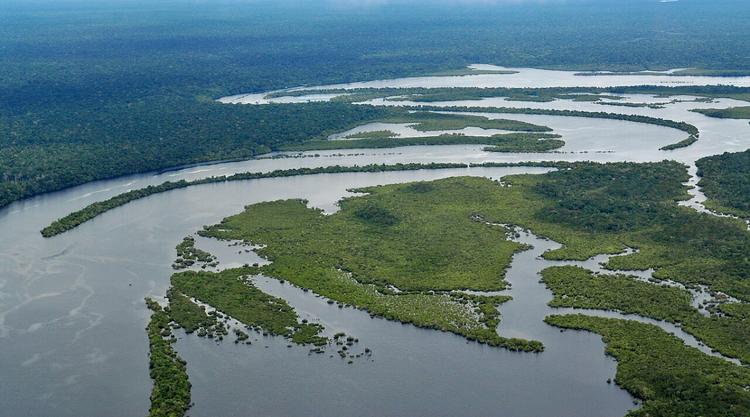
In some of the most remote regions of the world, such as the Amazon rainforest, access to reliable electricity remains a critical challenge. Many villages in the Amazon basin lack road connections, making the delivery of fossil fuels, notably diesel, difficult and expensive as fuel must be transported by boat. This logistical hurdle has historically made diesel generators the default electricity source, despite their high cost, pollution, and maintenance challenges.
Recently, a promising shift has emerged: replacing diesel with solar panels and battery storage systems in these isolated communities. This transition is front and center in recent clean energy trends showcased in the Amazon, highlighting viable paths to remote island electrification and off-grid solutions worldwide. Unlike true islands, these riverine Amazon villages share many characteristics with island microgrids—limited energy access, reliance on diesel, and vulnerable supply chains. Thus, lessons learned here offer important implications for island energy independence across the globe.
Nawah Energies views this development as critical. Leveraging expertise in electricity generation for islands and decentralized power systems, Nawah Energies is uniquely positioned to support this transition. As outlined on islandgrid.nawahenergies.com, delivering off-grid renewable power to challenging locations reduces emissions, improves energy security, and promotes sustainable development.
How This Trend Is Shaping the Future of Electricity Generation for Islands
The replacement of diesel with solar and batteries in the Amazon rainforest signals deeper global trends reshaping how isolated communities—from island nations in the Pacific to river-based villages in South America—meet their electricity needs.
Breaking the Diesel Dependency
Traditional dependence on diesel generators for island and off-grid communities poses serious economic and environmental drawbacks. Diesel fuel is expensive to transport, with fluctuating global prices compounding financial uncertainty. Burning diesel also emits greenhouse gases and pollutants, degrading local air quality and accelerating climate change impacts.
Solar photovoltaics combined with battery energy storage systems have emerged as viable alternatives. Advances in solar panel efficiency, battery technology, and microgrid controls allow remote sites to generate clean power reliably and cost-effectively. The Amazon case provides a vivid example of this shift.
Implications for Island Microgrids Worldwide
This trend is already influencing island microgrid design across island nations. Many island states in East Africa, Southeast Asia, and the Caribbean face similar diesel supply chain constraints and see tremendous value in solar-and-battery hybrid systems. These solutions deliver clean, locally generated electricity that enhances resilience against natural disasters and fuel price shocks.
The Amazon example’s success underscores the feasibility and benefits of accelerating off-grid island power transitions globally, especially in emerging market regions where energy access remains limited.
Clean Energy as a Scalable Alternative to Diesel for Island Grids
Designing Renewable Hybrid Systems for Remote Locations
Replacing diesel generators with renewable energy requires integrating solar arrays with battery storage to provide stable, continuous power despite variability in sunlight and demand. This hybrid approach maximizes renewable penetration, cuts emissions, and reduces fuel logistics challenges.
Shelling a diesel-powered village in the Amazon with solar and lithium-ion or advanced lead-acid batteries allows communities to maintain power 24/7, even during cloudy or rainy periods, thanks to stored energy reserves. This model directly translates to island microgrid projects designed and implemented by Nawah Energies.
Performance and Economic Benefits
Solar-plus-storage systems typically have higher upfront capital costs than diesel generators but deliver significant operational savings by eliminating fuel expenses and reducing maintenance. Over time, these savings pay back initial investments well and generate cleaner energy at a lower total cost of ownership.
Furthermore, villagers and businesses in these locations gain immense socioeconomic benefits from reliable electricity — from lighting and refrigeration to improved education, health, and economic opportunities.
How Nawah Energies Delivers End-to-End Island Grid Solutions
Comprehensive Expertise in Island Clean Energy
Nawah Energies specializes in tailored solutions that address the unique challenges of isolated power systems. Drawing on extensive experience in clean energy investment in islands and microgrid engineering, Nawah Energies supports governments, utilities, and investors seeking to transition off diesel fuel.
From feasibility studies through system design, procurement, installation, and operation, Nawah Energies delivers fully integrated renewable energy projects. Their expertise spans solar PV, hybrid renewable systems combining wind and solar, advanced energy storage, and smart microgrid controls.
Local Impact and Sustainable Development
Nawah Energies also works closely with stakeholders to ensure projects enable long-term community empowerment and environmental protection. Remote communities, whether in the Amazon or island nations, benefit from capacity building, employment opportunities, and energy autonomy.
From Renewable Resources to Reliable Power: Building Resilient Island Grids
Energy Resilience as a Priority
Resilience is a top priority for remote grid operators. Diesel fuel supply is vulnerable to disruptions caused by weather, transport interruptions, or geopolitical issues. Renewable energy combined with energy storage empowers communities to maintain reliable electricity supply.
By incorporating system redundancy and real-time monitoring, Nawah Energies’ island microgrids enhance operational reliability and support grid stability even during unexpected challenges.
Environmental and Social Benefits
Transitioning from diesel to solar and batteries eliminates local air pollution and reduces carbon footprints, supporting global climate goals. Additionally, it enhances social well-being by improving health outcomes and enabling new economic activities powered by clean, reliable electricity.
Key Opportunities and What Investors Should Watch
Growing Demand for Off-Grid Renewables
Emerging markets in East Africa, Southeast Asia, Malaysia, and island nations present lucrative opportunities for clean energy projects replacing diesel dependence. The Amazon case highlights the accelerating adoption of hybrid solar-battery systems where fuel logistics and costs are prohibitive.
Investors should consider the long-term benefits of partnering with reliable and experienced companies like Nawah Energies that bring deep expertise in project development, financing, and operation of renewable island grids.
Technology Advances and Cost Declines
Continuing improvements in solar panel efficiency, battery technology, and digital grid controls will further enhance project viability. Costs are expected to decline, increasing the attractiveness of renewable energy for islands and driving a broad energy transition.
Policy and Regulatory Trends
Supportive government policies, incentives, and international climate financing mechanisms create a favorable environment for project development. Investors must stay informed about evolving energy regulations across regions to maximize impact and returns.
Partner with Nawah Energies for Clean Energy and Island Grid Solutions
Nawah Energies is your trusted partner for delivering scalable, reliable, and environmentally responsible clean electricity for islands and remote communities. Our solutions help governments, utilities, businesses, and investors across East Africa, East Asia, Malaysia, and island nations transition away from diesel toward sustainable power.
Explore Nawah Energies’ expertise and successful project models at islandgrid.nawahenergies.com, where you can learn about innovative island microgrids, renewable energy integration, and energy storage systems designed for complex environments like the Amazon rainforest and island nations alike.
Stay connected with Nawah Energies to receive the latest insights on island clean energy, electricity generation for islands, and green energy markets worldwide. If you represent a government, utility, business, or investor seeking to innovate with clean island power, contact Nawah Energies directly to start a conversation and advance a cleaner, greener energy future.
Leave a Reply