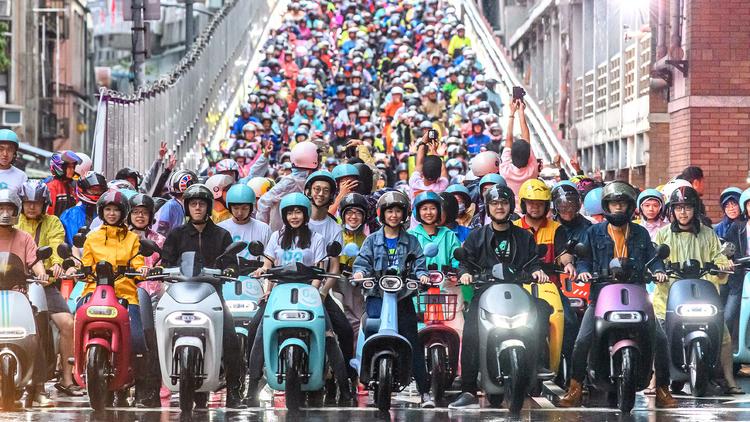
Discover how Taipei’s transition to electric scooters exemplifies opportunities in clean energy investment in islands and electricity generation for islands — insights from Nawah Energies.
The Big Picture: Why This Island Clean Energy News Matters
Taipei, often dubbed Taiwan’s scooter capital, is making bold strides by committing to a full transition to electric scooters by early 2026. This ambition comes against a backdrop of Taiwan’s intense two-wheeled mobility culture, with over 14 million scooters supporting a population of roughly 23 million. This notable pivot from combustion engines to electric drivetrains underscores a larger trend in renewable energy for islands and urban transport electrification across island and clustered urban environments worldwide.
This shift is not merely about cleaner transportation—it reflects a broader effort toward reducing carbon emissions, enhancing air quality, and strengthening energy security on the island’s grids. As Taipei accelerates this transition, it becomes a vibrant example for other island cities and nations aiming to establish island energy independence and reduce their dependence on fossil fuels.
How This Trend Is Shaping the Future of Electricity Generation for Islands
The electrification of urban transport—scooters included—directly impacts electricity demand patterns, grid management, and renewable energy integration. Taipei’s ambitious plan to go fully electric with its scooters translates into a significant uptick in electricity consumption for charging infrastructures across the city. This demand catalyzes investments in island grid upgrades, smart microgrids, and energy storage systems designed to manage variable loads smoothly.
For island nations and emerging markets where grid stability is often challenged by geography and limited resources, such transportation electrification projects showcase how remote island electrification can be extended beyond household and commercial uses to innovative sectors like mobility. These efforts help define the evolving landscape of clean electricity for islands, ensuring that power systems stay robust, resilient, and scalable for future growth.
Clean Energy as a Scalable Alternative to Diesel for Island Grids
Historically, many island microgrids and urban areas dependent on scooters have relied heavily on combustion engines fueled by fossil fuels, resulting in substantial greenhouse gas emissions and air pollution. Taipei’s commitment to transitioning its scooter fleet highlights the crucial role of diesel replacement for islands and associated urban zones.
Scaling up electric scooters requires not only accessible vehicles but also cleaner power sources and smart charging infrastructures. This encourages the adoption of renewable generation solutions—such as solar panels combined with energy storage systems—that minimize dependence on diesel generators typically used in island and urban grids. By reducing reliance on diesel and coal-powered electricity, Taipei aligns with global efforts to推进 carbon-neutral and sustainable urban environments, paving the way for similarly ambitious energy projects in island cities throughout East Asia, Malaysia, and beyond.
How Nawah Energies Delivers End-to-End Island Grid Solutions
Nawah Energies stands at the forefront of enabling transitions like Taipei’s electrification by specializing in island microgrid design, renewable generation, and advanced energy storage solutions tailored for islands and remote urban areas. With deep expertise in integrating solar, wind, and hybrid renewable technologies, Nawah Energies supports governments and utilities aiming to replace fossil fuel dependency with clean, reliable, and cost-effective power.
Our proven solutions enhance off-grid island power capabilities, enabling smoother demand management for electric vehicle charging and other critical urban infrastructure needs. Nawah Energies collaborates closely with stakeholders across East Africa, East Asia, and island nations—including urban hubs like Taipei—to develop scalable, resilient systems that serve growing electric mobility demands without compromising grid stability.
From Renewable Resources to Reliable Power: Building Resilient Island Grids
A vital aspect of Taipei’s scooter electrification is ensuring that the underlying island grid can consistently deliver clean electricity for islands. Nawah Energies’ holistic approach addresses both generation and distribution by pairing solar and wind hybrid systems with smart energy storage and demand response technologies. This setup mitigates intermittency issues inherent to renewable resources and provides stable power for critical urban mobility infrastructure.
Furthermore, by investing in decentralized power production, island cities can achieve greater energy autonomy and resilience against supply disruptions. Nawah Energies’ island microgrid designs also accommodate future load growth from additional electrification initiatives, thereby safeguarding Taipei and similar island locales against energy shortfalls as they expand their clean energy portfolios.
Key Opportunities and What Investors Should Watch
The electrification of Taipei’s scooters presents a clear signal to investors, governments, and industrial partners: the market for clean energy investment in islands and urban mobility electrification is booming. Stakeholders should closely monitor:
1. Infrastructure Upgrades and Smart Grid Investments
Expanding charging infrastructure and modernizing grid capabilities to handle variable demand represent fertile areas for capital deployment. Nawah Energies leverages cutting-edge technology to optimize these investments, ensuring they deliver maximal grid reliability.
2. Renewable Generation Expansion
Scaling solar and wind projects integrated with urban power systems inaugurate new opportunities for renewable project development, critical for reducing diesel and fossil fuel usage linked to urban scooters and beyond.
3. Policy and Regulatory Advancements
Governments in island nations and emerging urban centers are increasingly incorporating policies to support electric transportation and renewables. These frameworks create favorable environments for island energy independence initiatives.
4. Public-Private Partnerships and Innovation
Collaborations between authorities, private companies, and financiers will be pivotal to realize the potential of projects like Taipei’s scooter fleet electrification. Nawah Energies excels at bridging these sectors to accelerate project execution and ensure long-term success.
As Taipei’s transition unfolds, it exemplifies how island cities and emerging markets alike can harness clean energy, smart grid innovation, and modern transport technologies to build a sustainable energy future that enhances quality of life while curbing carbon emissions.
Partner with Nawah Energies for Clean Energy and Island Electricity Solutions
Explore how Nawah Energies can power your island or urban grid transformation by visiting islandgrid.nawahenergies.com. Learn about our full suite of electricity generation for islands, microgrid development, and renewable integration projects designed to replace diesel and build resilient urban and island power systems.
Stay connected with Nawah Energies for the latest insights on island clean energy, urban mobility electrification, and clean electricity for islands across East Africa, East Asia, Malaysia, and island nations worldwide. Governments, utilities, investors, and energy developers seeking partnerships and consulting support are encouraged to reach out and discuss how we can help accelerate your journey toward sustainable energy independence.
Leave a Reply