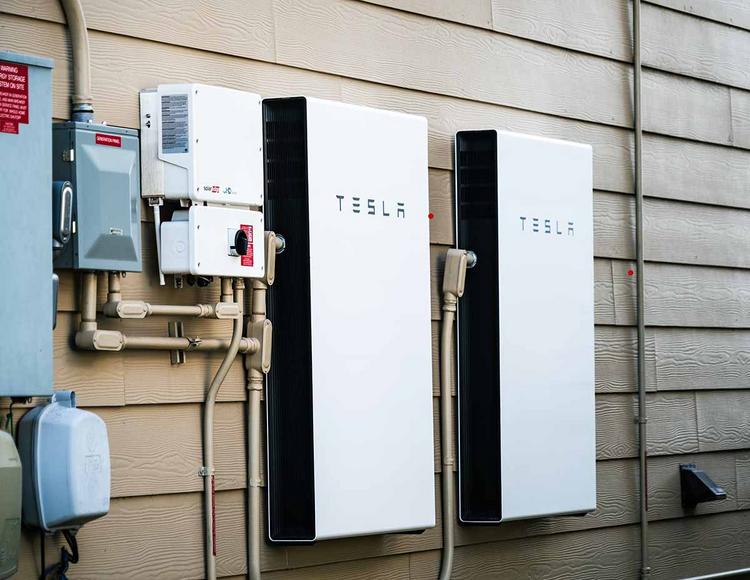
The latest regulatory shifts threaten the vital market for home batteries just as island nations push for renewable energy expansion. Nawah Energies explores the implications for island clean energy and electricity generation for islands.
The Big Picture: Why This Island Clean Energy News Matters
Recent changes in network pricing regulation could stall or even reverse progress in deploying home energy storage systems, a cornerstone technology for integrating solar and wind power into island electricity grids. These batteries provide critical flexibility and resilience to remote and off-grid communities, which increasingly rely on clean renewable energy to reduce reliance on costly diesel generation. Without compelling economic incentives, millions of prospective home battery users may abandon plans, undermining ambitious clean energy goals.
As reported recently by Renew Economy (April 2024), the proposed network pricing rules aim to redistribute costs in ways that inadvertently penalize home battery owners. This threatens to curtail the very market growth that underpins the regulator’s own rationale for reform, creating a paradox that risks chilling investment and innovation. The ripple effects could be especially pronounced in island grids where decentralized energy storage is pivotal to achieving island energy independence and diesel replacement.
How This Trend Is Shaping the Future of Electricity Generation for Islands
Island nations and remote coastal communities face unique energy challenges, including high costs, fuel import dependencies, and grid instability. The rise of renewable energy for islands — primarily solar PV coupled with wind power — offers a transformative pathway toward clean, affordable, and reliable electricity.
Integral to this transformation is the deployment of home batteries, which allow self-consumption, load shifting, and grid support. When network pricing disincentivizes battery ownership by imposing unfair charges or undermining return-on-investment, households and small businesses hesitate to install these systems.
This trend can slow the broader evolution of island microgrids, which rely on aggregating distributed assets like home batteries to stabilize intermittency and reduce reliance on fossil fuel backups. As a result, the full potential of clean electricity for islands is compromised, impacting climate commitments, energy security, and economic development.
Clean Energy as a Scalable Alternative to Diesel for Island Grids
For decades, diesel fuel has been the dominant source of electricity generation on countless islands worldwide. However, rising fuel costs, environmental concerns, and geopolitical instability now make diesel increasingly untenable. Diesel replacement for islands with solar, wind, and energy storage is not just an option but an urgent necessity.
Home batteries serve as a critical technology enabler in this diesel-to-renewables transition. They provide:
Energy Resilience and Reliability
Batteries ensure power availability during grid outages or low renewable generation periods, reducing expensive and polluting diesel generator run times.
Grid Stability and Peak Demand Management
By smoothing demand peaks and supporting voltage regulation, batteries help maintain power quality in isolated networks.
Consumer Cost Savings and Emissions Reduction
Consumers reduce electricity bills by storing excess solar production and lowering diesel consumption, cutting both costs and carbon emissions.
Undermining the home battery market through restrictive pricing reforms could therefore stall the clean energy progress islands desperately need to replace fossil fuels.
How Nawah Energies Delivers End-to-End Island Grid Solutions
As a leading clean energy company, Nawah Energies specializes in comprehensive solutions for electricity generation for islands. Our expertise spans designing resilient island microgrids integrating solar, wind, and energy storage — including home battery systems — alongside load management and digital controls.
Nawah Energies understands the critical balance between technological innovation and market frameworks necessary to unlock sustainable investment and growth. We work closely with governments, utilities, and investors across East Africa, East Asia, Malaysia, and island nations to tailor solutions that accelerate the transition from diesel dependence to clean, reliable, and cost-competitive power.
Our projects emphasize scalable integration of renewable energy with distributed storage, enabling decentralized energy markets and empowering consumers to actively participate. This approach enhances grid flexibility while fostering island energy independence.
From Renewable Resources to Reliable Power: Building Resilient Island Grids
Implementing robust island electricity grids demands more than just renewable energy installation. It requires advanced planning, dynamic control systems, and market mechanisms that reward and sustain investments in home battery storage and distributed generation.
Key components of a resilient island grid include:
Hybrid Solar and Wind Systems
Combining solar and wind sources balances generation profiles and maximizes renewable output over time.
Flexible Energy Storage Solutions
Battery storage at both the utility and customer levels is essential to address intermittency and support grid operations.
Smart Grid Technologies
Real-time monitoring and load management enable efficient use of resources and enhance grid stability.
Effective Regulatory and Pricing Frameworks
Policies must incentivize distributed storage deployment, fair network cost allocation, and encourage investment without penalizing consumers.
Nawah Energies collaborates on all these fronts, bringing cutting-edge engineering and market expertise to ensure projects are both technically robust and economically viable.
Key Opportunities and What Investors Should Watch
Despite the challenges posed by recent network pricing proposals, the demand for clean energy investment in islands remains strong. The downscaling of home battery markets would be a setback but not a dead-end for island clean energy.
Investors and developers should monitor several critical factors:
Regulatory Engagement and Market Adaptation
Stakeholders must actively engage with regulators to shape pricing structures that encourage energy storage adoption rather than hinder it.
Technological Innovation and Cost Reduction
Continuous improvements in battery technology and lower costs can offset some negative pricing impacts, preserving project economics.
Diversification of Revenue Streams
Aggregated batteries could participate in grid services such as frequency control and demand response, opening alternative income channels.
Regional Collaboration and Financing Models
Countries in East Africa, East Asia, Malaysia, and island nations are exploring joint funding schemes and policy frameworks to support renewable energy and storage deployment.
Nawah Energies supports investors by delivering tailored solutions and advising on market strategies aligned with these trends. Our emphasis on practical, resilient, and scalable projects positions our partners well for the evolving landscape.
Ultimately, aligning network pricing with the strategic need for remote island electrification and off-grid island power is essential to unlock the full benefits of renewable energy, including home batteries.
Partner with Nawah Energies for Island Clean Energy and Electricity Generation Solutions
Nawah Energies is your trusted partner in designing and delivering tailored island grid and renewable microgrid solutions that emphasize energy storage and decentralized power. Visit islandgrid.nawahenergies.com to explore our extensive portfolio of projects and services driving the clean energy transition across island nations and emerging markets.
Stay connected with Nawah Energies for the latest insights on electricity generation for islands, clean energy investment in islands, and sustainable power solutions across East Africa, East Asia, Malaysia, and the Pacific.
If you are a government, utility, investor, or business seeking to accelerate your clean energy journey—whether through deploying home batteries, renewable generation, or managing grid pricing challenges—we invite you to connect with us directly and start the conversation. Nawah Energies is committed to making clean, affordable, and reliable energy accessible for island communities worldwide.
Leave a Reply