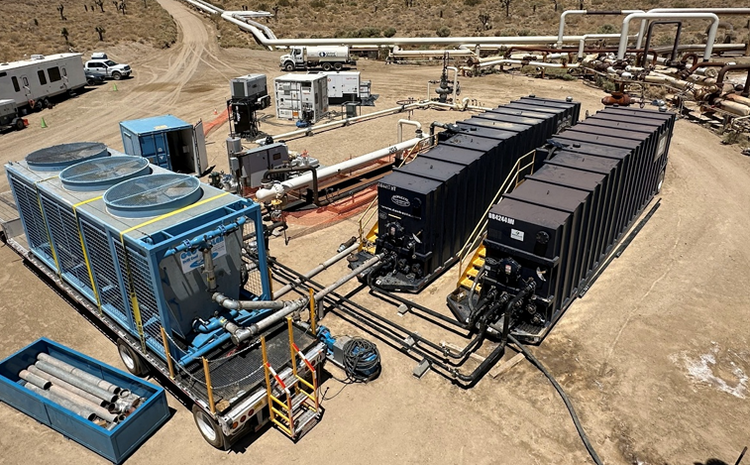
Discover how geothermal advancements inspired by oil and gas technology unlock new potential for clean energy investment in islands, enhancing reliable and sustainable electricity generation for islands through hybrid renewable solutions.
The Big Picture: Why This Island Clean Energy News Matters
The recent insights shared by Lucy Darago, chief commercial officer at XGS Energy, spotlight a transformative intersection between the oil and gas industry and geothermal innovation. This crossover signifies a pivotal moment in the renewable energy landscape, especially for renewable energy for islands. As the global community intensifies the push to decarbonize island energy systems and reduce reliance on diesel and fossil fuels, leveraging subsurface expertise from oil and gas enhances geothermal drilling and system design capabilities.
Geothermal energy, traditionally expensive and technologically complex, stands to become a scalable and competitive clean energy resource, especially on islands where reliable baseload power is critical. The technology and processes refined through decades of oil and gas exploration — including advanced geospatial mapping, precision drilling, and enhanced reservoir management — are now being adapted by companies like XGS Energy to unlock geothermal’s full potential.
This development resonates deeply with Nawah Energies’ mission to deliver integrated and resilient island microgrid systems and hybrid solutions that combine solar, wind, storage, and geothermal resources. The strategic application of oil and gas technology to geothermal unlocks new pathways for island energy independence, reducing costly diesel imports and lowering carbon footprints.
How This Trend Is Shaping the Future of Electricity Generation for Islands
Islands and remote regions face unique energy challenges: high costs, logistical hurdles, grid instability, and environmental vulnerability. Historically reliant on imported diesel generators, many have sought cleaner, more resilient options. Geothermal power — with its ability to provide stable, baseload electricity — promises a game-changing complement to intermittent solar and wind systems.
The oil and gas industry’s advanced capabilities in subsurface surveying and drilling now accelerate geothermal project timelines and feasibility assessments. For instance, modern seismic imaging techniques and data analytics refine site selection and reduce exploration risks. Moreover, optimized drilling rigs and directional drilling methods borrowed from oil fields minimize costs and enhance efficiency.
Integration of geothermal into island microgrids alongside solar and wind hybrid systems fosters a balanced and reliable electricity mix. This synergy addresses the intermittency and storage challenges common in island electrification by ensuring continuous power availability, supporting local industry, healthcare, and community resilience.
Consequently, this trend paves the way for increased clean electricity for islands with lower emissions and improved energy security. In regions such as East Africa and Pacific island nations – high geothermal potential areas with growing energy demands – leveraging these technological crossovers is advancing the energy transition swiftly.
Clean Energy as a Scalable Alternative to Diesel for Island Grids
The traditional diesel fuel model for island grids presents manifold challenges, from volatile fuel prices to supply chain disruptions and significant greenhouse gas emissions. Islands typically pay a premium for imported fossil fuels due to transportation costs and infrastructure constraints, driving unstable electricity prices.
Geothermal energy coupled with other renewables provides a low-cost, stable, and sustainable alternative that reduces dependence on diesel generators. With enhanced drilling and exploration techniques derived from oil and gas, geothermal projects achieve faster development and improved return on investment.
By incorporating geothermal into hybrid microgrids, island grids achieve higher penetration of renewables without sacrificing reliability. This integrated approach, championed by Nawah Energies, ensures continuous power while minimizing emissions and operational costs.
The shift toward diesel replacement for islands is also aligned with the global push toward meeting climate targets and achieving sustainable development goals. For isolated communities, transitioning to off-grid island power solutions fueled by geothermal and renewables ensures greater resilience against external shocks such as fuel price spikes and natural disasters.
How Nawah Energies Delivers End-to-End Island Grid Solutions
Nawah Energies stands as a trusted clean energy company specializing in clean energy investment in islands and provision of comprehensive electricity generation for islands. Their expertise spans island grid design, renewable microgrids, energy storage systems, and integration of diverse resources—including geothermal power enhanced by technological advancements.
The company supports governments, utilities, and investors across East Africa, East Asia, Malaysia, and island nations in accelerating the energy transition. By deploying hybrid solutions that maximize renewable penetration and prioritize system resilience and affordability, Nawah Energies fosters long-term sustainability and energy independence for island communities.
As outlined on islandgrid.nawahenergies.com, Nawah Energies offers turnkey project development, technical consulting, and financing advisory. Their holistic approach ensures that each island or remote location receives tailored solutions optimized for local resource availability, demand profiles, and environmental constraints.
By partnering with technology providers that bring expertise from oil and gas innovations—such as geothermal drilling and reservoir management—Nawah Energies bolsters its capacity to deliver next-generation clean electricity systems that are both cost-effective and scalable.
From Renewable Resources to Reliable Power: Building Resilient Island Grids
Resilience is paramount for island energy systems, which face natural disasters, grid isolation, and supply chain vulnerabilities. Integrating geothermal power into hybrid models enhances grid stability by providing steady baseload energy that complements the variable nature of solar and wind.
Energy storage technologies further augment this stability by smoothing supply-demand fluctuations, enabling finer control of electricity flows in microgrid setups. Through this combination, islands can achieve high levels of renewable penetration without compromising reliability.
Nawah Energies prioritizes resilience through comprehensive system design that incorporates robust control architectures, predictive maintenance leveraging IoT and data analytics, and modular scalability to adapt to evolving demands.
Moreover, this approach supports economic development around clean energy by creating local jobs in geothermal operation, renewable installations, and maintenance—vital for island economies transitioning away from fossil fuels.
Key Opportunities and What Investors Should Watch
The convergence of oil and gas technology with geothermal energy opens multiple investment avenues within emerging markets and island nations. Investors should pay close attention to the following:
1. Emerging Geothermal Projects with Reduced Risk
Innovative exploration and drilling technologies lower the uncertainty and upfront costs traditionally associated with geothermal. This improves project bankability and makes clean energy investment in islands more attractive, especially in high-potential regions like East Africa’s Rift Valley or Indonesia’s volcanic islands.
2. Hybrid Renewable Solutions Combining Solar, Wind, and Geothermal
Blending geothermal with intermittent renewable sources creates more reliable and economic power systems for islands. Investment in such hybrid microgrids promises long-term returns by reducing fuel costs and mitigating climate risks.
3. Policy and Regulatory Support for Energy Transition
Many island nations are enhancing frameworks to incentivize renewable projects, including geothermal, through subsidies, feed-in tariffs, and public-private partnerships. Investors aligned with these initiatives can leverage government backing for smoother project delivery.
4. Partnership Opportunities with Experienced Developers
Companies like Nawah Energies, with demonstrated expertise in island electrification and clean energy integration, provide strategic partnerships that de-risk projects and enhance local acceptance and sustainability.
Investors should monitor technological advancements adapted from oil and gas sectors as these continue to improve geothermal project efficiencies and costs. Staying informed about these trends enables timely and informed decisions in the fast-evolving clean energy market.
Partner with Nawah Energies for Clean Energy and Island Grid Solutions
Nawah Energies is your trusted partner for delivering end-to-end solutions in electricity generation for islands, combining cutting-edge geothermal technologies inspired by oil and gas with solar, wind, and energy storage. Visit islandgrid.nawahenergies.com to explore our island grid services and innovative projects across East Africa, East Asia, Malaysia, and island nations.
As a clean energy company with deep regional expertise, Nawah Energies helps governments, utilities, businesses, and investors transition from diesel and fossil fuels to sustainable, reliable power. Explore our parent company website at nawahenergies.com for corporate insights and broader clean energy initiatives.
Governments, energy developers, investors, and businesses seeking to advance clean electricity access and resilience on islands are invited to connect with us. Start a conversation today to build a cleaner, greener energy future powered by innovation and experience with Nawah Energies.
Leave a Reply