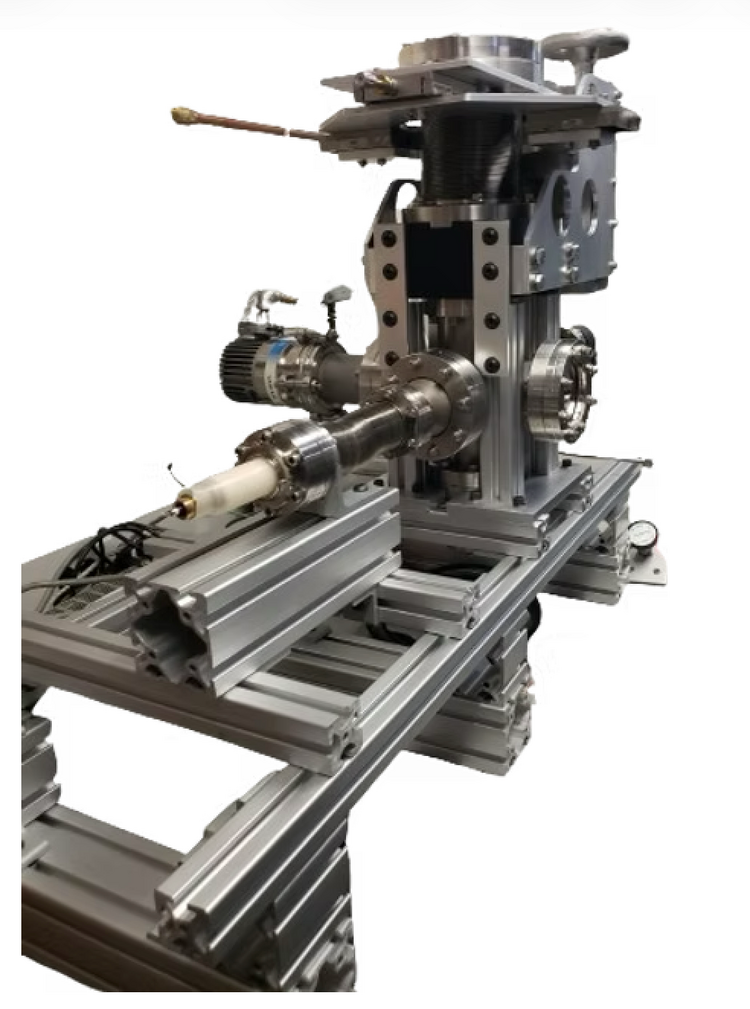
The U.S. Department of Energy addresses fuel development hurdles for nuclear reactors, underscoring opportunities for innovative clean energy strategies. Discover how Nawah Energies advances sustainable power solutions.
The Big Picture: Why This Nuclear Fuel Development News Matters
The U.S. Department of Energy’s recent focus on overcoming critical challenges in nuclear fuel development marks a pivotal moment for the broader clean energy landscape. Nuclear power, known for its low emissions and stable base-load electricity, remains a cornerstone of many countries’ clean energy plans, especially as they aim to reduce carbon footprints and transition away from fossil fuels.
The DOE’s spotlight on building scalable, repeatable processes for nuclear fuel production is more than a technical milestone—it signals progress toward moving nuclear projects from isolated demonstrations to reliable commercial operations. This advancement is essential for maintaining and expanding nuclear energy’s role amid the global clean energy transition.
For companies like Nawah Energies, which specialize in clean energy investment in islands and the integration of diverse renewable sources, this news echoes the importance of advancing comprehensive energy solutions. Diversifying clean electricity generation technologies, including nuclear, renewables, and emerging fuels, is vital for sustainable, resilient power grids—especially for island nations and emerging markets.
How This Trend Is Shaping the Future of Electricity Generation for Islands
While nuclear power and renewable energy for islands often operate in different contexts, the DOE’s push for scalable nuclear fuel processing shares a common theme with decentralized island power systems—scalability and reliability.
Island grids historically face unique challenges, including dependency on imported fossil fuels, high energy costs, and grid instability. Similarly, nuclear projects require secure, industrial-scale fuel supply chains to ensure dependable operation. Investing in fuel standardization and mass production can unlock cost reductions and deployment efficiencies, lessons that resonate with island microgrid development and energy storage scalability.
As off-grid island power moves toward cleaner, more resilient systems, the trajectory of nuclear fuel development emphasizes the broader energy sector’s need to solve supply-side challenges to facilitate wide adoption of low-carbon technologies.
Clean Energy as a Scalable Alternative to Diesel for Island Grids
Island nations and remote communities have long relied on diesel generators, resulting in high operational costs, environmental pollution, and vulnerability to fuel supply disruptions. Replacing diesel with renewables, energy storage, and eventually hybrid systems including advanced nuclear energy options, presents an ideal path toward diesel replacement for islands.
The DOE’s initiative to overcome nuclear fuel production bottlenecks complements the gradual shift toward diversified energy portfolios on islands. Nawah Energies actively supports this shift by integrating solar, wind, and battery storage technologies with intelligently designed island microgrids, making reliable, carbon-neutral power accessible where large-scale grids are not feasible.
The future may also see the integration of advanced small modular reactors (SMRs) on select islands, where compact nuclear solutions paired with improved fuel production processes can provide reliable, steady power complementing renewables.
How Nawah Energies Delivers End-to-End Island Grid Solutions
Nawah Energies stands at the forefront of delivering comprehensive solutions for island electrification. Our expertise lies in designing island grid architectures that balance renewable energy sources, implement smart control systems, and include robust energy storage options to ensure uninterrupted power quality.
Recognizing the challenges of high fuel dependency and limited grid connectivity, Nawah Energies works closely with governments, utilities, and investors across East Africa, East Asia, Malaysia, and numerous island nations. We craft tailored strategies to optimize renewable integration, reduce carbon emissions, and promote energy independence.
By deploying hybrid solar-and-wind systems combined with advanced energy management, Nawah Energies supports remote island electrification projects that deliver reliable, cost-effective clean electricity, mitigating the risks associated with diesel price volatility and supply interruptions.
From Renewable Resources to Reliable Power: Building Resilient Island Grids
The resilience of island grids depends on integrating diverse renewable sources and ensuring consistent availability of power through intelligent system design. This involves leveraging abundant solar and wind resources, incorporating energy storage to manage intermittency, and creating flexible power management systems.
Nawah Energies’ approach emphasizes island energy independence by minimizing reliance on imported fuels and establishing self-sustaining energy ecosystems. This is critical in remote and vulnerable island environments where fuel logistics pose immense operational challenges.
Additionally, Nawah Energies acknowledges emerging trends such as nuclear fuel innovation and potential future inclusion of next-generation nuclear technologies, supporting a holistic vision for island energy security in parallel with renewables.
Key Opportunities and What Investors Should Watch
Investors seeking to engage in clean energy investment in islands will find expanding opportunities driven by global decarbonization goals and technological advances in grid modernization. With governments prioritizing energy transition, markets in East Africa, East Asia, Malaysia, and island nations are ripe for new projects that replace aging diesel infrastructure.
The DOE’s effort to develop scalable nuclear fuel processes signals a new chapter for nuclear energy, underscoring the importance of stable fuel supply chains, which can inspire integrated investment strategies combining nuclear and renewables to future-proof island and hybrid grids.
Investors and partners should monitor:
1. Technological Advances in Fuel and Energy Storage
Innovations in fuel manufacturing, renewable storage systems, and hybrid grid controls will drive cost reductions and scalability, enhancing project bankability.
2. Policy and Regulatory Developments
Supportive energy policies in target regions create a favorable investment climate in renewables, grid stability projects, and nuclear-related initiatives.
3. Emerging Market Needs
Demand for clean electricity on remote islands and developing economies continues to rise, opening pathways for novel clean energy entrants.
Nawah Energies remains a trusted partner throughout these developments, supporting investors and stakeholders with market intelligence, engineering excellence, and project delivery in electricity generation for islands.
Partner with Nawah Energies for Islands’ Clean Energy and Reliable Power Solutions
Nawah Energies invites you to explore innovative solutions in island clean electricity generation and grid modernization at https://islandgrid.nawahenergies.com/. As a leading clean energy company, Nawah Energies combines expertise in renewable microgrids, energy storage, and hybrid system design to replace costly diesel dependency with sustainable, resilient power.
Visit our parent website at https://nawahenergies.com/ to learn about our wider clean energy initiatives, including support for green hydrogen and other future technologies that complement island electrification efforts.
We encourage governments, utilities, investors, and energy developers across East Africa, East Asia, Malaysia, and the world’s island nations to connect with Nawah Energies. Together, we can accelerate the transition to affordable, reliable, and clean energy solutions that empower communities and drive sustainable economic growth.
Leave a Reply