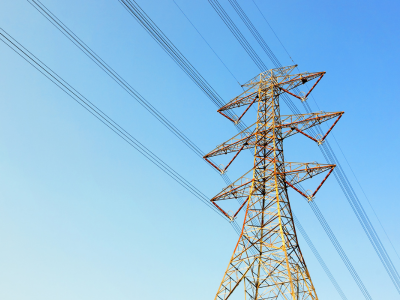
Discover how the latest federal permitting reform framework supports clean energy investment in islands. Nawah Energies explores this pivotal development for electricity generation for islands and remote grids.
The Big Picture: Why This Island Clean Energy News Matters
In an exciting step for renewable energy advocates and island power stakeholders, the House Problem Solvers Caucus recently introduced a new framework for permitting reform specifically designed to streamline approvals for critical clean energy projects. This development, highlighted by the American Council on Renewable Energy (ACORE), signals momentum towards accelerating the deployment of renewable energy for islands and beyond.
Ray Long, CEO of ACORE, emphasized the importance of this framework for removing bureaucratic bottlenecks that traditionally slow down the installation of renewable electricity infrastructure. For islands reliant on imported diesel or fossil fuels, timely permitting is often a major hurdle — limiting opportunities for expansion of off-grid island power systems and microgrids.
This renewed focus on efficient regulatory pathways supports a broader energy transition across island nations worldwide. With climate change impacts rising and energy costs escalating, streamlined permitting means faster access to clean alternatives, enhancing island energy independence and reliability for vulnerable communities.
How This Trend Is Shaping the Future of Electricity Generation for Islands
Islands have unique challenges compared to continental grids: limited space, reliance on fuel shipments, and fragile ecosystems demand customized energy solutions. As such, the regulatory landscape must evolve to reflect these realities. The House Problem Solvers Caucus’s new permitting reform framework aims to do just that by creating a clearer, faster process for large-scale renewable projects including solar, wind, battery storage, and hybrid systems designed for island grids.
This approach not only accelerates individual projects but also unlocks broader investment confidence, helping island communities plan sweeping transitions to clean electricity for islands. By reducing regulatory uncertainty, the policy encourages financing from private and public sectors to fund microgrid expansions and integrate innovative island microgrid technologies.
Consequently, more island electricity generation projects can replace diesel generation sources quickly and cost-effectively. This transformation is essential for islands targeting carbon neutrality and energy security, especially in East Africa, East Asia, Malaysia, and Pacific island nations, where demand for scalable, sustainable power solutions is growing rapidly.
Clean Energy as a Scalable Alternative to Diesel for Island Grids
Diesel generators have historically powered many island grids due to their low upfront costs and ease of deployment. However, they come with unstable fuel prices, logistical vulnerabilities, and significant environmental impacts. Accelerating permitting reforms will pave the way for large-scale adoption of renewable systems that deliver cleaner air, reduce carbon footprints, and limit fuel dependency.
With permitting barriers lowered, project developers can implement integrated solar-wind-storage hybrids and advanced microgrids tailored for island topographies and energy demands. These systems stabilize intermittent renewable sources with energy storage solutions, enabling 24/7 reliable power without fossil fuel backup.
For islands across East Africa’s archipelagos and Southeast Asia’s maritime nations, this means a transformation from costly, polluting diesel engines to decentralized renewable power hubs that enhance local resilience and economic opportunity. Nawah Energies understands the critical importance of facilitating this shift by leveraging expertise in diesel replacement for islands through sustainable technology and infrastructure design.
How Nawah Energies Delivers End-to-End Island Grid Solutions
Nawah Energies stands as a trusted partner for governments, utilities, and investors seeking to capitalize on the benefits brought by permitting reform and renewable energy expansion. Our comprehensive approach encompasses detailed feasibility assessments, system design, technology integration, and operational support, ensuring optimized island grid solutions tailored to localized conditions.
By combining renewable sources with advanced energy storage, Nawah Energies delivers reliable, sustainable power solutions that address the intermittent nature of wind and solar generation. Our proven project development capabilities accelerate deployment timelines, reduce risk, and enhance long-term financial viability.
We work closely with stakeholders in key emerging markets like Kenya, Tanzania, Malaysia, and multiple island nations to design modular microgrids capable of scaling with growing demand, ensuring remote island electrification reaches more communities while meeting environmental and economic goals.
From Renewable Resources to Reliable Power: Building Resilient Island Grids
Building resilient island grids requires synergy between natural renewable resources, modern technology, and efficient regulatory cooperation. The framework promoted by the House Problem Solvers Caucus helps remove artificial delays that compromise project feasibility, enabling faster integration of solar PV arrays, wind turbines, and battery energy storage systems.
Renewable arrays are carefully sited to maximize energy capture while minimizing ecological disruption, supporting the sustainable ambitions of island nations. Additionally, Nawah Energies incorporates intelligent control systems and demand-response strategies allowing microgrids to operate flexibly and optimize resource use.
Resilience is also enhanced by incorporating energy storage, which smooths supply fluctuations and provides backup during outages or weather events. Such designs meet growing expectations of clean electricity for islands as dependable, affordable, and climate-friendly alternatives.
Key Opportunities and What Investors Should Watch
For investors eyeing the emerging island renewable market, the new permitting reform framework is a signal of accelerated growth potential. Reductions in administrative hurdles make investments in island island microgrid projects and decentralized power generation more attractive due to shorter lead times and improved project bankability.
This is particularly notable in regions like East Africa where multi-island electrification remains a priority, and in Southeast Asia where island economies seek to reduce carbon emissions while fostering tourism and digital infrastructure.
Nawah Energies helps investors navigate local regulatory landscapes and technical challenges to identify viable projects aligned with sustainability goals and financial return expectations. Through strategic partnerships, we also advise on securing incentives and funding mechanisms that bolster project feasibility and scalability.
In summary, the House Problem Solvers Caucus’s new permitting reform framework aligns well with existing market trends favoring clean energy investment in islands. It promises to unlock new pathways for rapid expansion of renewable electricity generation for islands worldwide.
Partner with Nawah Energies for Clean Energy and Island Grid Solutions
As island nations and emerging markets worldwide push toward cleaner, more resilient energy systems, Nawah Energies remains your trusted partner for delivering cutting-edge island grid and microgrid solutions. Visit https://islandgrid.nawahenergies.com/ to explore our range of services, successful projects, and tailored consulting offerings.
We invite governments, utilities, businesses, distributors, and investors across East Africa, East Asia, Malaysia, and island nations to connect with us. Let’s collaborate to accelerate the shift from fossil fuels to sustainable, reliable power — ensuring energy access and independence for island communities.
Stay connected with Nawah Energies for the latest insights on clean energy investment in islands, electricity generation for islands, and microgrid innovation. Together, we can build a greener, more prosperous energy future for island nations and emerging markets worldwide.
Leave a Reply